
Alright, let’s cut to the chase: positioning in sports isn’t just some fancy jargon coaches throw around to sound smart. It’s the secret sauce that can take you from being just “meh” on the field to someone your teammates actually trust when the game’s on the line. Mastering your spot isn’t about running around like a headless chicken; it’s about knowing where to be, when to be there, and how to use that space to your advantage. So, buckle up — this isn’t your typical “just hustle more” advice.
First things first, understanding positioning means more than just standing in the right place. It’s about reading the game, anticipating where the ball and players will be, and adjusting accordingly — often before anyone else even notices. Sounds tricky? It is. But it’s also what separates the good from the great. You gotta train your brain as much as your legs.
| Key Positioning Concepts | Why They Matter |
|---|---|
| Spatial Awareness | Know your surroundings to avoid getting caught out of position. |
| Anticipation | Predict opponents’ moves; stay one step ahead. |
| Communication | Coordinate with teammates to cover gaps and create opportunities. |
Now, let’s talk about footwork. No matter your role, if your feet aren’t moving right, your positioning will suffer. Quick, sharp steps, balance, and the ability to change direction on a dime can make or break your effectiveness. Don’t just jog around aimlessly during practice — drills focusing on agility and reaction time are your best friends here.
- Ladder drills: These improve quick foot movement and coordination.
- Shadowing exercises: Mimic an opponent’s movement to stay tight on defense.
- Stop-and-go sprints: Build explosive starts and sudden halts.
And hey, positioning isn’t one-size-fits-all. Your role shapes how you should move and place yourself. A defender’s job is to hold the line, cutting off passing lanes and making life miserable for attackers. Meanwhile, forwards need to sniff out pockets of space to exploit — basically, be the annoying fly that’s always buzzing around the goal. Midfielders? They’re the engine room, juggling defense and attack, so their positioning needs to be flexible and smart.
| Role | Positioning Focus |
|---|---|
| Defender | Maintain shape, anticipate threats, support teammates. |
| Midfielder | Control space, link defense and attack, cover ground. |
| Forward | Find gaps, time runs, create scoring chances. |
Here’s the kicker: all the positioning smarts in the world won’t help if you and your teammates aren’t on the same wavelength. Communication is the glue. Shout, signal, whatever it takes — but keep everyone synced up. It’s not just about you; it’s about the whole squad moving like a well-oiled machine.
Finally, don’t beat yourself up over mistakes. Positioning errors happen — we’re all human after all. The trick is to spot them quickly and adjust on the fly. Practicing specific drills, like small-sided games or situational plays, can help you iron out those kinks.
Bottom line? Positioning is a mix of smarts, footwork, and teamwork. Nail those, and you’ll find yourself consistently outsmarting opponents — even on your worst days. Now, go out there and claim your spot!
Understanding the Basics of Positioning
Before you even think about fancy footwork or outsmarting your opponents with some slick moves, you’ve got to get a solid grip on what positioning truly means in your sport. Sounds obvious, right? But you’d be surprised how many players just rush around like headless chickens, thinking hustle alone will save the day. Spoiler alert: it won’t. Positioning is the backbone of smart play — it’s about placing yourself in the right spot at the right time, so you’re always one step ahead, whether you’re on a soccer pitch, a basketball court, or a volleyball floor.
Think of positioning like the chessboard in your mind. You’re not just reacting; you’re anticipating. It’s less about running faster and more about thinking smarter. If you’re constantly out of place, you’re making your job and your teammates’ jobs way harder than they need to be. And trust me, no one wants to be that guy who’s always “catching up” or “not where they should be.”
| Key Elements of Positioning | Why It Matters |
|---|---|
| Spatial Awareness | Knowing where you are relative to teammates, opponents, and the ball |
| Timing | Being at the right place exactly when the action happens |
| Body Orientation | Facing the right direction to react or make the next move |
| Anticipation | Predicting opponents’ moves before they happen |
Now, don’t confuse positioning with just standing still or “camping” in one spot. It’s dynamic. It’s fluid. You’ve got to constantly adjust, shuffle, and read the game. For example, in basketball, a good defensive position means you’re between your man and the basket, but also ready to react to a sudden pass or screen. In soccer, it’s about cutting off passing lanes and being ready to intercept, not just chasing the ball like a lost puppy.
- Pro Tip: Watch professional games and freeze-frame moments where players seem perfectly placed. Try to figure out why they’re there and what they’re expecting next.
- Common mistake: Players often overcommit to the ball, leaving gaps behind. Remember, the ball is important, but your positioning relative to the whole field is even more crucial.
Here’s a quick checklist to self-assess your positioning during practice or games:
- Am I aware of my surroundings or just focused on the ball?- Am I anticipating where the play is going, or just reacting?- Is my body positioned to quickly change direction?- Am I supporting my teammates by covering space effectively?
In short, nailing the basics of positioning means you’re not just another player running around randomly. You’re a player who understands the game’s rhythm and flow. And that? That’s the difference between being average and being a game-changer. So, take a breath, slow down your thinking, and start seeing the field or court like a strategist, not a sprinter. Trust me, your game will thank you.
Reading the Game: Anticipation and Awareness
If you want to step up your game, you gotta start thinking *two steps ahead*—no joke. Anticipation and awareness aren’t just fancy buzzwords coaches throw around to sound smart. They’re the secret sauce that turns a decent player into a downright nightmare for opponents. Seriously, when you can predict what’s coming next, you’re not just reacting—you’re controlling the flow. And that’s a game changer.
So, how do you sharpen these skills? First off, it’s about training your brain as much as your body. You’ve got to develop a kind of “sixth sense” for the game, picking up on subtle cues before they explode into action. That means watching your opponents like a hawk—notice their body language, where their eyes dart, how they shift their weight. Sounds exhausting? Maybe. But it’s what separates the good from the great.
- Stay mentally engaged: Don’t zone out waiting for the ball. Keep your head on a swivel.
- Visualize scenarios: Before the game, imagine different plays unfolding—practice reacting in your mind.
- Review game footage: Study past matches to spot patterns and tendencies of your rivals.
Now, here’s a quick table to break down some key differences between awareness and anticipation—because they’re related but not the same beast:
| Aspect | Awareness | Anticipation |
|---|---|---|
| Definition | Knowing where everyone and everything is on the field. | Predicting what will happen next, before it does. |
| Focus | Current situation and positioning. | Future movements and plays. |
| Skill Development | Practice scanning the environment constantly. | Learn opponents’ habits and tactics. |
Don’t get me wrong, you won’t become a psychic overnight. It’s a messy process filled with mistakes and “Wait, what just happened?” moments. But here’s a pro tip: the more you put yourself in game-like situations—whether through drills or actual matches—the sharper your instincts get. It’s like muscle memory but for your brain.
One drill that’s surprisingly effective is the “shadow play.” You or a teammate randomly move around, and you have to react instantly without thinking too hard. It forces your brain out of autopilot and into hyperdrive. Trust me, it’s frustrating at first, but that’s the point.
- Tip: Combine this with watching professional games. Try to guess the next move before the players make it. It’s addictive and educational.
- Warning: Don’t obsess over every detail—sometimes overthinking kills the flow.
In the end, anticipation and awareness boil down to one thing: being present and proactive. It’s about flipping the script from “What just happened?” to “I saw that coming.” And when you get there, your positioning, decision-making, and overall game will thank you.
So yeah, it’s a grind, but mastering this skill is what separates the weekend warriors from the legends. Keep your eyes open, your mind sharp, and never stop learning. After all, the game’s always changing—and so should you.
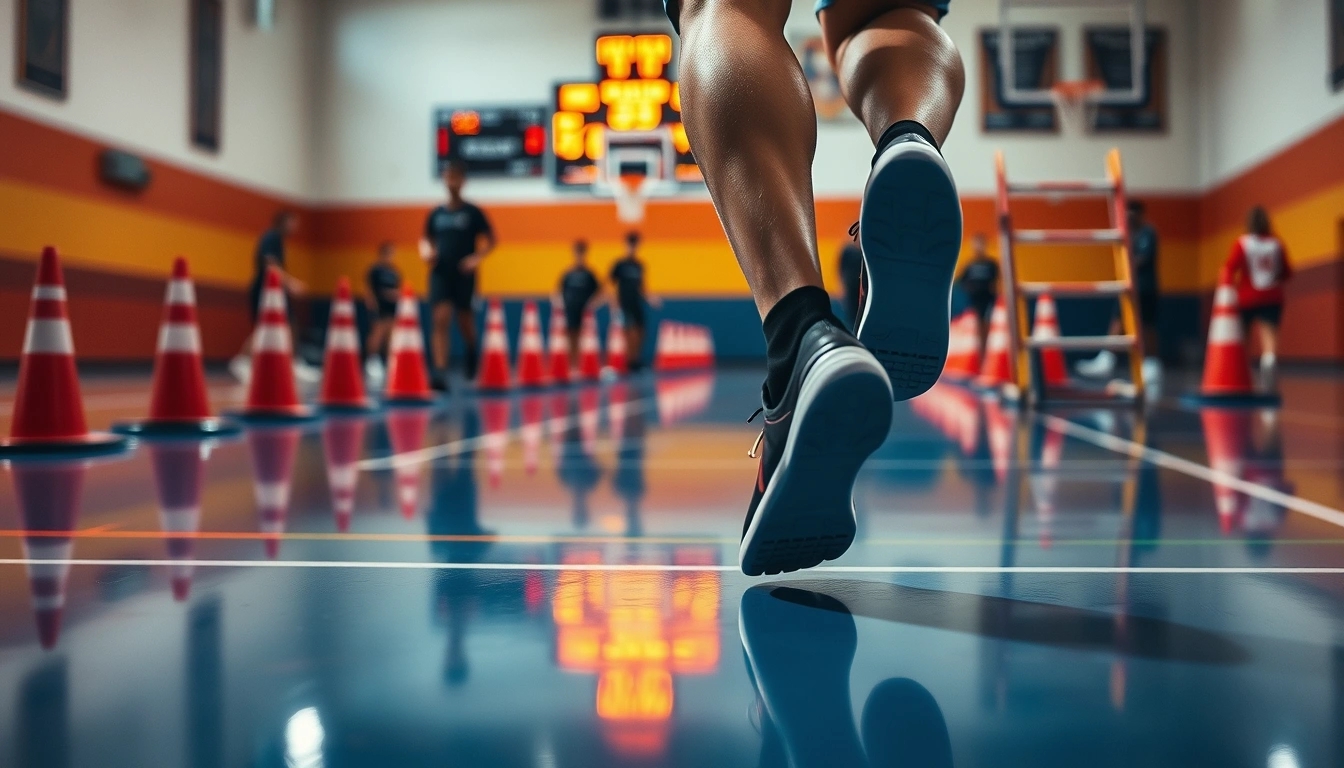
Footwork Fundamentals and Movement Patterns
When it comes to sports, footwork isn’t just some fancy term coaches throw around to sound smart—it’s the backbone of how you move, react, and ultimately dominate your role on the field or court. Seriously, if your feet aren’t moving right, you might as well be stuck in quicksand. So, let’s break down why nailing footwork fundamentals and movement patterns is absolutely crucial, and how you can actually get better at it without feeling like you’re stuck in endless drills that make you want to pull your hair out.
First off, footwork is all about mobility and balance. You want to be light on your feet, ready to pivot, sprint, or stop on a dime. Ever see those players who look like they’re gliding effortlessly? That’s no accident. It’s hours and hours of drilling simple but effective movements until they become second nature. The key here is consistency. It’s not about doing a million fancy moves but mastering the basics so well that your body just does it without you thinking.
- Side shuffles: Move laterally without crossing your feet to maintain balance.
- Quick pivots: Practice turning 90 and 180 degrees swiftly to react to play changes.
- Forward and backward sprints: Speed up and slow down efficiently to stay in control.
Now, if you’re wondering how to actually train these without losing your mind, here’s a simple drill that’s a game changer:
| Drill | Purpose | How to Perform |
|---|---|---|
| Agility Ladder | Improves quick foot placement and coordination | Run through the ladder placing one foot in each square; vary patterns like two feet in each box or lateral steps. |
| Cone Drills | Enhances change of direction and acceleration | Set cones in zig-zag or T-shape and sprint/shuffle through them focusing on sharp turns. |
| Jump Rope | Builds rhythm, timing, and ankle strength | Jump continuously for 1-2 minutes focusing on light, quick hops. |
One thing that’s often overlooked is the habit of staying on the balls of your feet. If you’re flat-footed, you’re basically telling your opponent, “Hey, I’m slow today.” Keep your weight slightly forward, knees bent, ready to explode in any direction. Sounds simple, but it’s a game changer.
Also, remember that footwork isn’t just about speed. It’s about control and precision. You want your movements to be sharp but not sloppy. Think of it like dancing—sure, you can rush through the steps, but if you’re off beat or out of place, it’s a mess. Same with sports. Your footwork patterns need to sync with the flow of the game, so practice drills that mimic real match situations.
In the end, mastering footwork is non-negotiable if you want to improve your positioning and overall game. It’s not glamorous, it’s not flashy, but it’s the gritty, foundational work that separates the greats from the average Joes. So lace up, get moving, and don’t be afraid to look a little silly while you’re at it—because every step you take is one step closer to owning your role.
Role-Specific Positioning Strategies
Alright, let’s get real for a moment—positioning isn’t a one-size-fits-all deal. What works for a defender? Probably won’t cut it for a forward sprinting after a loose ball. Each role on the field demands its own secret sauce when it comes to where you plant your feet and how you read the game. So buckle up, because this section’s about breaking down those tailored tactics that’ll help you own your spot, no matter where you play.
- Defenders: These folks are the last line of defense, and their positioning is all about anticipation and containment. Staying goal-side of the attacker, maintaining a compact shape with your backline, and reading the opponent’s body language are your bread and butter. Don’t just stand there—move smartly, cut off passing lanes, and be ready to pounce. Think of yourself as a chess player, always thinking two moves ahead.
- Midfielders: The engine room of the team. Your positioning is a juggling act between offense and defense. You need to find pockets of space to receive the ball but also be close enough to support your defense when the opposition breaks through. The key here? Dynamic positioning—constantly shifting, always aware of where your teammates and opponents are. If you’re static, you’re basically handing the ball away.
- Forwards: Your job? Hunt down those scoring chances like a bloodhound. Positioning for forwards is about exploiting space and timing your runs perfectly. Too early? You’re offside. Too late? You miss the chance. It’s a delicate dance. Also, don’t just hang around waiting for the ball—make yourself available by reading the defense’s weaknesses and moving accordingly.
| Role | Key Positioning Focus | Common Mistakes | Quick Tips |
|---|---|---|---|
| Defender | Maintain compact shape, block passing lanes, goal-side positioning | Ball-watching, poor communication | Keep eyes on the ball and opponent, talk to teammates constantly |
| Midfielder | Find space, balance offense and defense, dynamic movement | Being static, poor awareness of surroundings | Scan the field regularly, stay on the move |
| Forward | Timing runs, exploiting space, positioning for shots | Offside, poor run timing | Watch defenders’ positioning, vary your runs |
Now, here’s something that often gets overlooked: role overlap and flexibility. Sometimes, the game’s chaos means you gotta step out of your comfort zone. Defenders might find themselves pushing forward; midfielders might have to drop back in a heartbeat. So, while you focus on your role’s core positioning, developing an adaptable mindset is gold. It’s like being a Swiss Army knife on the field—ready to handle whatever comes your way.
Also, a quick heads-up—don’t get too obsessed with rigid positioning. The game’s fluid, and sometimes breaking the mold is exactly what your team needs. Just don’t go rogue so often that you leave your teammates hanging.
- Practical Drill for Defenders: Set up cones to simulate attackers and practice shifting your position to block passing lanes without losing sight of the ball.
- Midfielder Drill: Small-sided games focusing on quick transitions and moving into space to receive passes under pressure.
- Forward Drill: Practice timed runs behind a defensive line, working on your start and finish under varying speeds.
In short, nailing your positioning is about understanding your role’s unique demands, but also being smart enough to read the game and adjust on the fly. So next time you hit the field, remember: it’s not just where you stand, but why you stand there that makes all the difference. Now go out there and show them you’ve got the brains and the feet to back it up.
Defensive Positioning: Holding the Line
When it comes to defending, positioning isn’t just about standing in the right spot — it’s an art form that can make or break your entire defensive game. Defenders who master this skill don’t just react; they anticipate, they control space, and they act as the backbone of the team. But let’s be honest, it’s easier said than done. You can’t just plant yourself somewhere and hope the attacker trips over you. Nope, it’s about staying sharp, staying smart, and yes, sometimes a bit sneaky.
First off, let’s talk about the fundamentals. A defender’s primary job is to cut off the attacker’s options—think of it as putting invisible walls around them. You want to force them into less dangerous areas, ideally where your teammates can swoop in for support. This means maintaining a balanced stance, keeping your center of gravity low, and having your eyes not just on the ball but on the opponent’s hips — the real giveaway of their next move.
| Key Defensive Positioning Tips | Why It Matters |
|---|---|
| Stay goal-side of your opponent | Prevents attacker from easily reaching the goal |
| Keep a low center of gravity | Improves balance and quick reaction |
| Communicate constantly | Keeps the defensive line organized and aware |
| Anticipate passes and runs | Allows you to intercept or block effectively |
Now, you might think, “Okay, but how do I actually maintain this optimal positioning during a chaotic game?” Good question. It’s about dynamic positioning — moving smartly in relation to both the ball and your teammates. You’re not a statue; you adjust constantly to close passing lanes and be ready to back up a teammate if they get beaten. Ever seen a defender who just stands still? Yeah, that’s a recipe for disaster.
- Shadowing: Stay close enough to pressure the attacker but not so close you get easily dribbled past.
- Cover and balance: If a teammate steps up to challenge, you cover their space to avoid gaps.
- Communication: Shout out warnings, call for switches, and keep everyone on the same page. Silence on defense? That’s asking for trouble.
And don’t forget, supporting teammates is as vital as marking your opponent. If you see a teammate struggling, shift your position to offer a passing outlet or block potential counters. It’s a constant chess game — you’re not just a player; you’re a strategist.
Practical Drill to Sharpen Defensive Positioning:1. Pair up with a teammate.2. One attacks, the other defends within a marked zone.3. Defender practices staying goal-side and anticipating moves.4. Switch roles after 5 minutes.5. Add pressure by increasing attacker’s speed or adding a second attacker.
In the end, holding the line isn’t about brute force or just raw speed. It’s about being clever, staying alert, and working as a unit. The best defenders make it look effortless, but trust me, it’s a mix of hard work, smart thinking, and a bit of street smarts. So next time you’re out there, don’t just chase the ball — control the space, support your mates, and make those attackers wish they’d stayed home.
Offensive Positioning: Creating Opportunities
When it comes to offensive positioning, it’s not just about running around like a headless chicken hoping the ball magically finds you. No, sir. It’s about finding those golden pockets of space where you can comfortably receive the ball and actually do something useful—like scoring or setting up a teammate. Sounds simple? Well, if only it were. The reality is, defenders are like shadows, always sticking to you, so you’ve got to get clever.
First off, understanding where and when to move is a game-changer. Offensive players who just sprint mindlessly tend to burn out or get caught offside (if that’s your sport). Instead, think of positioning like a chess game. You’re not just reacting; you’re anticipating. That means constantly scanning the field, reading defenders’ body language, and predicting where the ball might go next. It’s like having a sixth sense—okay, maybe more like a fourth—but you get the idea.
- Tip #1: Stay mobile but purposeful. Don’t just wander aimlessly; move with intention to shake off defenders.
- Tip #2: Use subtle feints and changes of pace to create separation.
- Tip #3: Keep your head up and eyes peeled for teammates making runs.
Now, let’s talk about some sneaky tricks to get that edge. Ever heard of “checking back”? It’s when an offensive player moves towards the ball carrier to receive a pass, then quickly turns to exploit space behind the defense. It’s a classic move that can leave defenders flat-footed. Another gem is “peeling off”—moving away from your marker at the right moment to open up a shooting lane or a passing option.
| Positioning Trick | What It Does | Why It Works |
|---|---|---|
| Checking Back | Moves toward the ball to receive and then turns to attack space | Disorients defenders and creates scoring chances |
| Peeling Off | Breaks away from marker to find open space | Opens passing or shooting lanes |
| Diagonal Runs | Runs at an angle behind defenders | Confuses defensive lines and creates gaps |
Of course, none of this works without a bit of luck and some quick feet. Your footwork needs to be sharp because being in the right spot is useless if you can’t control the ball or react fast enough. Drills that improve agility and quick changes of direction will make your positioning efforts actually pay off.
And hey, don’t be shy about communicating with your teammates. A well-timed shout or a simple gesture can help you exploit space better than any solo effort. Offense is a team sport, after all.
So, to wrap it up, offensive positioning is a blend of smarts, movement, and a pinch of creativity. Find those spaces, use clever tricks, and keep your head in the game. Scoring chances won’t just fall into your lap, but with practice, you’ll be carving up defenses like a pro in no time.
Remember: It’s not about being everywhere; it’s about being in the right place at the right time.
Communication and Team Dynamics
Positioning isn’t just some solo gig where you stand in the right spot and hope for the best. Nope, it’s way messier and way more exciting than that. The real magic happens when you sync up with your teammates through solid, clear communication. Think of it like jazz musicians jamming — if one guy’s offbeat, the whole tune falls apart. Same deal on the field or court. You gotta be talking, shouting, signaling — whatever it takes to keep everyone on the same wavelength. Without it, even the best positioning skills can turn into a chaotic mess.
Now, let’s get real: communication isn’t just about yelling “man on!” or “switch!” at the top of your lungs. It’s about understanding when and how to share info that actually matters. For instance, if your teammate is about to get blindsided, a quick heads-up can save the play — or even the game. And don’t forget non-verbal cues! A well-timed glance or a subtle hand gesture can be just as powerful as words, especially in noisy stadiums where shouting might be useless.
- Verbal communication: Calls, alerts, encouragements
- Non-verbal communication: Eye contact, gestures, body language
- Pre-game planning: Discussing roles, signals, and fallback plans
Here’s a quick table to break down how communication influences team positioning:
| Communication Type | Impact on Positioning | Example |
|---|---|---|
| Verbal | Immediate adjustments and alerts | “Switch left!” to avoid overlap |
| Non-verbal | Silent cues to maintain formation | Pointing to a free space |
| Pre-game | Sets expectations and roles | Planning who covers whom on set pieces |
But let’s not sugarcoat it — syncing up with teammates isn’t always smooth sailing. Sometimes, you get those players who just don’t listen, or worse, talk over everyone like they’re the coach. It’s frustrating, sure, but that’s where patience and persistence come in. Keep hammering the point home, practice communication drills, and trust me, it pays off. A team that communicates well doesn’t just look better on paper; it plays smarter, moves faster, and covers each other’s backs like a well-oiled machine.
Here’s a little practical nugget: try incorporating communication drills into your training sessions. For example, have a drill where players must call out their next move before making it, or practice silent positioning where only gestures are allowed. These exercises can sharpen your team’s instinct to “read” each other without needing a play-by-play.
- Practice “call and response” drills to boost verbal clarity.
- Use video playback to analyze communication breakdowns.
- Encourage leadership roles to foster accountability in positioning.
In the end, remember that positioning isn’t just about where you stand — it’s about how you connect with everyone else on the pitch. Communication turns individual efforts into a cohesive, dynamic force that can outsmart even the trickiest opponents. So next time you’re out there, don’t just focus on your spot — focus on the conversation that gets you there.

Common Mistakes and How to Fix Them
Let’s be honest—no one nails positioning every single time. We all mess up. Sometimes you’re caught flat-footed, other times you’re just in the wrong spot entirely, and yeah, that’s frustrating. But hey, that’s part of the game! What really counts is how quickly you bounce back and fix those blunders before they become habits. So, buckle up as we dive into some of the most common positioning slip-ups and how you can get back on track without losing your cool.
1. Standing Still When You Should Be Moving
You’d be surprised how often players freeze like deer in headlights. Positioning isn’t about planting your feet and hoping the ball comes to you. It’s about constant, subtle movement—adjusting angles, shifting weight, and always being ready to react.
- Fix it: Practice dynamic positioning drills where you move in response to a partner or a ball. Even simple shadowing exercises help build that habit of staying on your toes.
2. Losing Sight of the Ball and Opponents
Sometimes players get tunnel vision: eyes glued to the ball or their immediate opponent, forgetting the bigger picture. This often leads to being out of position when a pass or play unfolds elsewhere.
- Fix it: Train your peripheral vision and situational awareness. Try drills where you track multiple players or objects at once. Also, keep your head on a swivel—sounds cheesy, but it works.
| Error | Why It Happens | Quick Fix |
|---|---|---|
| Overcommitting to One Side | Trying too hard to predict opponent’s move | Stay balanced, don’t lean too far; wait for cues |
| Standing Too Far From Teammates | Misjudging spacing or fear of being caught out | Communicate more; practice positioning drills with teammates |
| Ignoring Role-Specific Responsibilities | Lack of understanding of your position’s duties | Review role strategies and watch game footage |
Now, here’s a little nugget that often flies under the radar: mental lapses. Sometimes it’s not your body’s fault but your brain’s. Fatigue, distraction, or just plain overthinking can mess with your positioning. Don’t beat yourself up—recognize when you’re zoning out and take a breath. Resetting mentally can be the game-changer.
- Pro tip: Use simple cues like “check shoulders” or “scan field” to snap out of mental fog.
- Also, video review sessions can help you spot those moments where your brain clocked out.
Finally, remember that fixing positioning mistakes isn’t about overnight miracles. It’s about small, consistent corrections and being patient with yourself. Embrace the screw-ups as learning moments—after all, even the pros have those “what was I thinking?” plays.
So next time you find yourself out of place, don’t panic or freeze. Take a breath, analyze what went wrong, and use the drills and tips above to get sharper. Positioning is like a muscle: the more you work it, the stronger and smarter it gets.
Keep hustling, keep learning, and watch your game transform.
Drills and Exercises to Improve Positioning
Alright, let’s cut the fluff and get right to the meat of it — real drills and exercises that you can do either solo or with your crew to sharpen your positioning skills. No magic pills here, just some sweat, focus, and a bit of stubbornness. Positioning isn’t just about standing in the right spot; it’s about anticipation, movement, and reaction. So, let’s dive in.
- Shadow Positioning Drill – You don’t always need a teammate for this one. Pick a spot on the field or court and imagine an opponent moving around you. Move your feet, shift your weight, and try to maintain the perfect distance and angle. This drill forces you to think about your positioning relative to an imaginary threat, building muscle memory for real-game situations.
- Mirror Movement Exercise – Grab a partner and stand facing each other. One person leads with random movements—side steps, quick pivots, sudden stops—while the other mirrors perfectly. This drill not only improves your footwork but also your ability to stay aligned with an opponent or teammate, which is critical in tight spaces.
- Zone Awareness Drill – Mark out zones on the ground using cones or tape. Move between zones reacting to a coach’s or teammate’s call. The goal? To position yourself quickly and correctly depending on where the ball or play is heading. This helps sharpen your spatial awareness and quick decision-making.
| Drill Name | Purpose | Solo or Team | Equipment Needed |
|---|---|---|---|
| Shadow Positioning | Builds spatial awareness and positioning instincts | Solo | None |
| Mirror Movement | Enhances footwork and reactive positioning | Team (2 players) | None |
| Zone Awareness | Improves quick positioning decisions | Team or Solo | Cones or markers |
Now, don’t get me wrong, these drills aren’t gonna turn you into a positioning wizard overnight. It takes repetition and some serious grit. But here’s the kicker — consistency is king. Even just 10-15 minutes a day can make a noticeable difference over time. And hey, if you’re feeling fancy, mix these drills up with some video analysis of your games. Watch where you tend to get caught flat-footed or out of position, then focus your practice on those weak spots.
Pro Tip: 1. Warm-up before drills to avoid injuries.2. Use a stopwatch or timer to keep drills intense but controlled.3. Record your drills occasionally to track progress.
Finally, if you’re lucky enough to have a team, incorporate these drills into your regular training sessions. Nothing beats practicing positioning in a live environment where communication and split-second decisions matter. And don’t forget, positioning is a mindset as much as it is a skill — stay alert, stay hungry, and never let your guard down.
So, get out there, mess around with these exercises, and watch your game transform. No fluff, no shortcuts — just good old-fashioned hard work and smart practice. That’s how you get better. Period.
Frequently Asked Questions
- What exactly is positioning in sports, and why does it matter?
Positioning is all about being in the right place at the right time during a game. Think of it as your secret weapon—when you master positioning, you’re not just chasing the ball; you’re anticipating the flow of the game. This means you can outsmart opponents, support your teammates better, and create more scoring or defensive opportunities. It’s like having a sixth sense on the field or court!
- How can I improve my anticipation and awareness during games?
Improving anticipation is like tuning your radar to pick up on subtle cues—like body language or opponent patterns. Try watching games closely, focusing on how top players predict moves. Training drills that simulate real-game scenarios can sharpen your instincts. Remember, the more you immerse yourself in the game mentally, the quicker your brain reacts physically.
- Why is footwork so important for better positioning?
Footwork is the foundation of good positioning. Imagine trying to catch a train—you need to move quickly and precisely to be on time. Similarly, solid footwork lets you adjust your position effortlessly, maintain balance, and react swiftly. Without it, even the best positioning knowledge falls flat because you can’t get where you need to be fast enough.
- Are positioning strategies different for defenders and attackers?
Absolutely! Defenders focus on holding their ground, cutting off passing lanes, and supporting the backline. Offenders, on the other hand, hunt for pockets of space and time their runs to catch defenders off guard. Tailoring your positioning to your specific role is like having a custom-made playbook—it maximizes your impact on the game.
- How does communication influence team positioning?
Great positioning isn’t a solo act; it’s a team symphony. Clear communication helps everyone know where to be and when, reducing confusion and overlaps. It’s like having a GPS system for your team—when everyone’s synced, positioning becomes fluid, making your team tougher to beat.
- What are common positioning mistakes, and how can I fix them?
Common slip-ups include standing flat-footed, losing awareness of teammates’ positions, or reacting too late. Fixing these starts with self-awareness—record your games, ask for feedback, and practice drills that emphasize movement and scanning the field. Small tweaks can lead to explosive improvements!
- Can I practice positioning drills alone, or do I need a team?
You can definitely work on positioning solo! Exercises like shadow drills, cone exercises for footwork, and visualization techniques help build muscle memory and game sense. However, practicing with a team adds the dynamic element of real-time interaction, which is invaluable for syncing positioning with others.