Look, football training can be brutal—no sugarcoating it. You’re out there pushing your limits, muscles screaming, sweat pouring like you’re in a monsoon. But here’s the kicker: the real game-changer isn’t just how hard you train, but how quickly you bounce back afterward. Getting back on your feet swiftly after those grueling sessions isn’t just a nice-to-have; it’s mission critical. So, buckle up, because we’re diving into the nitty-gritty of speeding up your recovery with some practical tips, a dash of humor, and maybe a reality check or two.
First off, muscle soreness and fatigue—yeah, that lovely feeling when your legs feel like overcooked spaghetti. Before you freak out, remember: it’s your body’s way of saying, “Hey, I worked hard!” Understanding this is half the battle. Muscle fatigue is basically your muscles running low on energy and oxygen, while soreness is the tiny micro-tears that happen during intense workouts. Both are normal, but ignoring them? That’s a fast track to injury.
| Muscle Fatigue | Muscle Soreness |
|---|---|
| Temporary loss of muscle strength and endurance | Delayed onset muscle soreness (DOMS) 24-72 hours post-exercise |
| Caused by energy depletion and metabolite buildup | Caused by microscopic muscle fiber damage |
| Usually resolves within minutes to hours | Can last several days |
Now, let’s talk hydration. No, seriously, water isn’t just some boring liquid your coach nags about. Staying hydrated is like giving your muscles a VIP pass to recovery town. When you’re dehydrated, cramps and sluggishness crash the party, and nobody wants that. Aim to sip water consistently before, during, and after training. And hey, sports drinks can help, but don’t go chugging a soda thinking it’s the same thing.
Nutrition is another beast. Think of your body as a high-performance car; you wouldn’t fuel it with junk, right? Post-training meals packed with protein and carbs help repair damaged muscle fibers and replenish glycogen stores. Here’s a quick cheat sheet:
- Protein: Chicken, fish, eggs, or plant-based options like beans and lentils.
- Carbs: Whole grains, fruits, and veggies to restore energy.
- Fats: Healthy fats from nuts, seeds, and avocados support overall recovery.
Oh, and don’t skip stretching. I get it, you’re tired and just wanna crash on the couch, but a good stretch post-training can work wonders. It helps loosen tight muscles and keeps injuries at bay. Try dynamic stretches before training and static stretches afterward—your muscles will thank you.
| Stretch Type | When to Use | Benefits |
|---|---|---|
| Dynamic Stretching | Before training | Prepares muscles for action, improves blood flow |
| Static Stretching | After training | Relaxes muscles, improves flexibility |
Finally, don’t underestimate rest and sleep. This isn’t just a lazy excuse to binge Netflix; it’s when your body does the heavy lifting of repair. Aim for 7-9 hours of quality sleep—no excuses. If you’re skimping here, expect your recovery to drag like a bad soap opera.
In a nutshell: recovery isn’t just about chilling out (though that’s part of it), it’s a full-on strategy. Hydrate smart, eat right, stretch like a pro, and get your beauty sleep. Your body will thank you by getting you back on the pitch faster and stronger. Now, go crush those sessions and recover like a champ!
Understanding Muscle Fatigue and Soreness
Alright, so you just wrapped up a killer football training session, and now your legs feel like they’re auditioning for a jelly commercial. Before you start panicking or Googling “am I turning into a noodle?”, let’s break down what’s really going on with that muscle fatigue and soreness. Spoiler alert: it’s totally normal, and yes, your body is just throwing a little tantrum because you pushed it hard.
First off, muscle fatigue isn’t just about being tired in the usual sense. It’s more like your muscles waving a white flag after being hammered with repeated contractions. Imagine running sprints, dodging tackles, and then doing it all over again—your muscle fibers start to run low on energy, specifically ATP (that’s the fuel your muscles burn), and those pesky metabolic byproducts like lactic acid start to pile up. That’s when you feel that heavy, “can’t lift my legs” sensation. It’s your body’s way of saying, “Hey, slow down, I need a breather.”
Now, muscle soreness, especially the kind that hits a day or two after training, is a whole different beast. This is called Delayed Onset Muscle Soreness (DOMS), and no, it’s not just a fancy acronym to make your aches sound more scientific. DOMS happens because of tiny tears in your muscle fibers caused by intense or unfamiliar exercise. Your body then kicks into repair mode, sending inflammation and healing agents to those microtears. This process is what makes your muscles feel stiff, tender, and sometimes downright cranky.
| Aspect | Muscle Fatigue | Muscle Soreness (DOMS) |
|---|---|---|
| When it occurs | During or immediately after exercise | 12-48 hours after exercise |
| Cause | Energy depletion and metabolite buildup | Micro-tears and inflammation |
| Feeling | Weakness, heaviness, inability to continue | Stiffness, tenderness, reduced range of motion |
| Duration | Minutes to hours | Up to several days |
So, next time your muscles are screaming “Why me?”, remember that fatigue is your body’s immediate “chill out” signal, while soreness is the aftermath of battle scars your muscles earned. Don’t freak out when your legs feel like overcooked spaghetti; it’s just part of the game.
- Pro tip: Don’t ignore soreness completely! While some discomfort means you’re challenging yourself, pushing through severe pain can backfire.
- Fun fact: The more you train, the less intense DOMS tends to get because your muscles adapt and toughen up. So, stick with it!
In the end, understanding these two phenomena not only saves you from unnecessary worry but also helps you tailor your recovery strategies better. Because knowing the difference between “I’m tired” and “I’m broken” can make all the difference in how you bounce back and get ready to hit the pitch again.
Ready to learn how to speed up that bounce-back? Stick around for some hydration hacks and nutrition nuggets coming your way next!
Hydration: The Unsung Hero
Let’s get one thing straight — water isn’t just some boring, tasteless liquid you gulp down because your coach said so. It’s actually the MVP when it comes to bouncing back after those brutal football training sessions. You might think, “Yeah, yeah, drink water, got it.” But trust me, there’s a bit more to it than just chugging a bottle whenever you feel thirsty.
First off, staying hydrated is like giving your muscles a little pep talk. When you sweat buckets on the pitch, you’re not just losing water; you’re flushing out electrolytes and essential minerals that keep your muscles firing properly. Without enough H2O, cramps sneak in like uninvited guests at a party — painful, annoying, and totally avoidable. So, if you want to dodge those nasty cramps that make you look like you’ve been hit by a truck, hydration is your best defense.
| When to Drink | What to Drink | How Much |
|---|---|---|
| Before Training | Water or electrolyte drinks | 500 ml (about 17 oz) 2 hours prior |
| During Training | Water, diluted sports drinks | 150-250 ml every 15-20 minutes |
| After Training | Water + electrolyte replacement | At least 1.5 liters within 2 hours |
Now, here’s the kicker — it’s not just about guzzling water like you’ve been stranded in the desert. Timing and what you drink matter big time. Chugging a gallon right after training won’t magically fix your sore legs, and gulping down sugary sports drinks all day? Yeah, that’s a slippery slope to a sugar crash and zero real recovery.
- Start early: Hydrate well before you even lace up your boots. Think of it as prepping your body’s engine for the workout ahead.
- Keep sipping: Don’t wait until you’re parched. Small, frequent sips during training keep your system balanced without overloading your stomach.
- Replenish smartly: Post-training hydration should include electrolytes — sodium, potassium, magnesium — to help muscles relax and repair.
And oh, don’t underestimate the power of water in flushing out metabolic waste. When your muscles work overtime, they produce lactic acid and other byproducts that cause soreness and stiffness. Staying hydrated helps your kidneys and liver do their job better, speeding up the detox process. Think of water as the cleanup crew after the party.
Common Hydration Myths Busted:- Myth: Coffee dehydrates you too much to be useful. Fact: Moderate coffee intake counts toward your daily fluid needs.- Myth: You only need water if you’re sweating buckets. Fact: Dehydration sneaks up even on cloudy days or light workouts.- Myth: Sports drinks are always better than water. Fact: Only when you’re sweating heavily for over an hour; otherwise, plain water wins.
So next time you’re dragging your feet post-training, don’t just blame the grind — ask yourself if you’ve been drinking enough. Hydration might not get the flashy headlines, but it’s quietly working behind the scenes, making sure you’re ready to hit the field again without feeling like a zombie.
Bottom line: Keep water close, sip often, and give your body the fuel it really needs to recover fast and stay in the game.

Nutrition Tips for Speedy Recovery
Alright, let’s get one thing straight: food isn’t just about stuffing your face after a tough football training session. It’s the fuel that powers your recovery engine. But here’s the kicker — not all meals are created equal. You can’t just grab a bag of chips and expect your muscles to bounce back like a superhero. Nope, your body’s got specific needs to repair those tired fibers and get you ready for the next round.
So, what exactly should you be munching on? First off, protein is your best bud. Think of it as the building blocks for muscle repair. When you train hard, tiny tears happen in your muscle fibers — don’t freak out, that’s normal. Protein swoops in to patch things up. Aim for lean meats like chicken or turkey, fish, eggs, or even plant-based options like lentils and chickpeas if you’re into that. A quick tip: try to get some protein within 30 to 60 minutes after training, because that’s when your muscles are basically screaming for it.
| Nutrient | Role | Sources |
|---|---|---|
| Protein | Muscle repair and growth | Chicken, fish, eggs, tofu, beans |
| Carbohydrates | Replenish energy stores (glycogen) | Rice, potatoes, oats, fruits |
| Fats | Supports hormone production and inflammation control | Avocado, nuts, olive oil |
| Vitamins & Minerals | Boost immune function and reduce inflammation | Leafy greens, berries, nuts |
Next up, carbohydrates. Don’t shy away from them like they’re the enemy. After all, carbs are the quickest way to refill your glycogen tanks, which get drained during training. Without enough carbs, your muscles stay tired and sluggish. So, a plate loaded with sweet potatoes, brown rice, or even a banana post-workout can work wonders. And hey, if you’re thinking, “But carbs make me fat,” well, let’s just say timing and portion control matter more than demonizing entire food groups.
Oh, and fats — yes, the much-maligned macronutrient — are actually crucial too. Healthy fats like those found in nuts, seeds, and olive oil help control inflammation and keep your hormones in check, which plays a sneaky but vital role in recovery. Just don’t go overboard with the deep-fried stuff; your body isn’t a grease trap.
- Hydration with electrolytes: Water alone isn’t always enough. After sweating buckets, you lose salts like sodium and potassium. Grab a sports drink or coconut water to restore balance.
- Antioxidant-rich foods: Berries, cherries, and leafy greens can help reduce muscle soreness by fighting oxidative stress.
- Avoid excessive sugar and junk: Your body’s craving quick fixes after training, but processed junk food just messes with your recovery and immune system.
Here’s a little secret — timing matters almost as much as what you eat. Your muscles are most receptive to nutrients right after training, so don’t wait hours before you chow down. And if you’re the type who skips breakfast or eats dinner at midnight, well, that’s probably not helping your recovery either.
To wrap it up: think of your post-training meal as a care package for your muscles. It needs the right mix of protein, carbs, fats, and micronutrients to get you back on your feet faster. Ignore this, and you might find yourself hobbling around like a zombie instead of sprinting on the field.
Stretching and Mobility Work
Alright, let’s get real for a sec—stretching gets a bad rap sometimes. People often brush it off as some old-school, yoga-mom kind of thing, but trust me, it’s pure gold when it comes to loosening up those tight muscles after you’ve been smashing it on the pitch. You don’t wanna walk around feeling like a rusty robot the next day, right? Stretching and mobility work are your best mates for keeping your body feeling fresh and ready to roll again.
Now, here’s the deal: post-training is prime time for stretching. Your muscles are warm, blood is pumping, and that’s when you can really make a difference in how tight or loose you feel later. Skipping this step? Big mistake. You’re basically begging for cramps, stiffness, or worse—injuries. And nobody’s got time for that, especially when the next match is just around the corner.
- Static stretches are a classic—think hamstring stretch, calf stretch, quad stretch. Hold each for about 20-30 seconds. Don’t bounce! That’s just asking for a muscle pull.
- Dynamic stretches like leg swings, arm circles, and hip openers are great too, especially before training to get the blood flowing.
- Foam rolling is another gem here. It’s like a mini massage for your muscles, breaking down knots and improving circulation.
| Stretch Type | Best For | How To Do It | Time |
|---|---|---|---|
| Static Stretch | Post-training muscle relaxation | Hold stretch without bouncing | 20-30 seconds per muscle |
| Dynamic Stretch | Pre-training warm-up | Controlled, active movements | 10-15 reps each |
| Foam Rolling | Muscle recovery and tension release | Roll slowly over tight spots | 1-2 minutes per area |
But hey, don’t just take my word for it. Here’s the kicker: mobility work isn’t just about stretching your muscles; it’s about keeping your joints happy too. Ever notice how some players move like they’re greased lightning, while others look like they’re wading through molasses? That’s mobility at work. Exercises like hip circles, ankle rotations, and thoracic spine twists help maintain that sweet range of motion so you don’t feel like a creaky old door hinge every time you sprint or pivot.
Pro Tip:If you’re short on time, focus on these key areas post-training:- Hamstrings & Quads- Hip Flexors- Calves- Lower Back- Shoulders
Look, I get it—sometimes you’re just wiped out and the last thing you wanna do is stretch. But think of it like insurance: a little effort now saves you a world of pain later. Plus, it can actually help reduce soreness, so you’re less likely to skip that next session because your body’s throwing a tantrum.
To wrap it up: don’t underestimate the power of a good stretch and some mobility work. It’s not fancy, it’s not flashy, but it’s essential. So next time you’re done with football training, spend a few minutes on these moves. Your muscles—and your future self—will thank you. And remember, consistency is king. Do it regularly, and you’ll be surprised how much smoother and quicker your recovery gets. No magic pills here, just good old-fashioned movement.
Rest and Sleep: Your Body’s Repair Mode
Look, if you think sleep is just some boring downtime for lazy folks, think again. It’s actually the secret weapon in your recovery arsenal after those brutal football trainings. When you’re out cold, your body isn’t just twiddling its thumbs—it’s working overtime to fix every muscle fiber you tore up, replenish energy stores, and get you ready to hit the pitch again. No joke, sleep is where the real magic happens.
Now, don’t get me wrong, you can’t just crash for a quick nap and expect to bounce back like a pro. Quality and quantity both matter. Experts say you need around 7-9 hours of solid sleep to give your muscles enough time to repair and your nervous system a chance to chill. Anything less? Well, you’re basically telling your body, “Hey, do your job half-assed.” And that’s why you feel like a zombie the next day.
- Deep sleep is the golden hour—this is when growth hormone kicks in, helping muscle tissue repair and grow stronger.
- REM sleep? That’s your brain’s time to sort through the day’s chaos and boost memory, which is surprisingly important for learning new techniques or plays.
- Light sleep phases act like pit stops, prepping you for the next round of deep sleep.
| Sleep Stage | Role in Recovery | Approximate Duration |
|---|---|---|
| Light Sleep | Prepares body for deep sleep, muscle relaxation begins | 50% of total sleep |
| Deep Sleep | Muscle repair, growth hormone release | 20-25% of total sleep |
| REM Sleep | Brain recovery, memory consolidation | 20-25% of total sleep |
But here’s the kicker: just sleeping more isn’t the fix-all. You gotta make sure your sleep environment isn’t a nightmare. Dark room, cool temperature, and no screens an hour before bed—yeah, I know, easier said than done when your phone’s blowing up with memes and highlights. But trust me, those distractions are the enemy of deep recovery.
And if you’re the type who thinks “I can catch up on sleep during the weekend,” newsflash: recovery doesn’t work like that. Chronic sleep debt builds up, and your body will still be dragging no matter how many extra hours you cram in later. It’s like trying to refill a bucket with a hole in it.
Tips for Better Sleep After Training:- Stick to a consistent sleep schedule, even on off days.- Avoid caffeine and heavy meals 3-4 hours before bedtime.- Try relaxation techniques like deep breathing or meditation.- Use blackout curtains or sleep masks to block out light.- Limit screen time before bed (yeah, it sucks, but worth it).
So next time you’re tempted to pull an all-nighter or skimp on sleep to binge-watch your favorite series, remember: your body’s repair mode doesn’t run on willpower or caffeine. It runs on quality rest. And if you want to recover faster, get stronger, and avoid injuries, sleep isn’t optional—it’s mandatory. Catch those Z’s like your game depends on it—because it does.
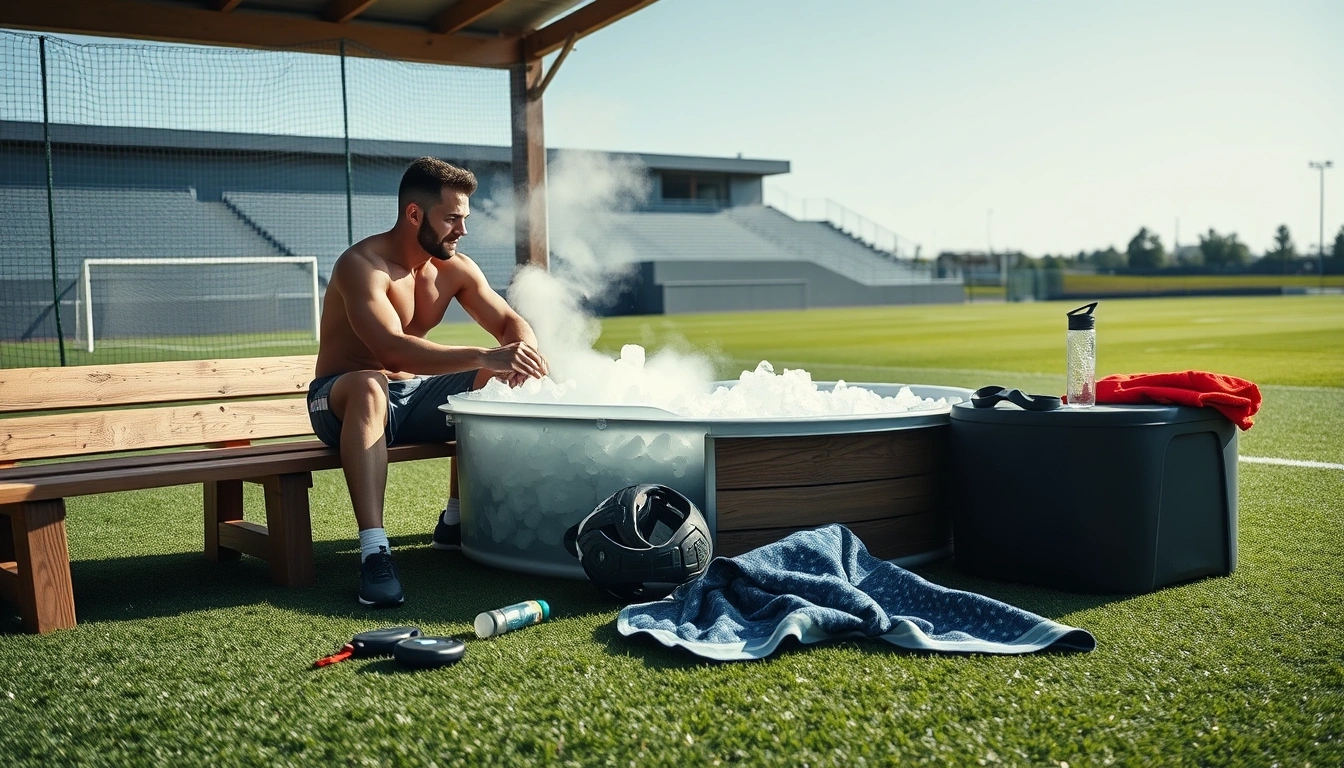
Ice Baths and Cold Therapy: Yay or Nay?
Ice baths — they sound like a medieval torture device, right? You’re basically dunking yourself into a tub of freezing water, teeth chatter included, all in the name of recovery. But before you write them off as pure madness, let’s take a closer look at whether this chilly ritual actually does any good or if it’s just a fancy myth athletes cling to.
First off, the science behind ice baths is mostly about reducing inflammation and muscle soreness after intense workouts. When you plunge into cold water (usually around 10-15°C or 50-59°F), your blood vessels constrict, which can help flush out metabolic waste like lactic acid. Then, when you get out, the vessels dilate again, supposedly boosting circulation and speeding up recovery. Sounds neat, right? But here’s the kicker — not everyone responds the same way.
- Pros: Ice baths can reduce delayed onset muscle soreness (DOMS), lower inflammation, and might even help your nervous system reset after brutal training.
- Cons: They’re uncomfortable (understatement of the year), can cause numbness or even hypothermia if you’re reckless, and some studies suggest they might blunt muscle growth when used too often.
| Benefit | Explanation | Caveat ||-----------------------|----------------------------------------------|------------------------------|| Reduced muscle soreness| Cold reduces swelling and inflammation | Only short-term relief || Improved circulation | Blood vessels constrict then dilate post-bath| May not suit everyone || Nervous system reset | Cold exposure can calm the nervous system | Could be too intense for some |
Now, let’s talk practicality. Ice baths aren’t some magic bullet. If you’re thinking, “I’ll just jump in and wake up feeling like LeBron,” hold your horses. They’re just one tool in the toolbox. Plus, if you have heart problems or circulation issues, cold therapy might be more foe than friend.
Here’s a quick rundown on how to do it right if you’re feeling brave:
- Keep the water temperature between 10-15°C (50-59°F).
- Limit your soak to 10-15 minutes max.
- Don’t plunge straight after training; give yourself a little cooldown period first.
- Listen to your body — if you start shaking uncontrollably or feel dizzy, get out immediately.
Some athletes swear by ice baths; others say they’re overhyped and prefer alternatives like contrast showers or just good old-fashioned rest. Honestly? It’s a personal gamble. If you hate the cold, forcing yourself into an ice bath might just add stress instead of relief.
In the end, ice baths can be a useful recovery hack but they’re not a universal fix. Think of them as a spicy seasoning — great in moderation, but you don’t want to drown your whole meal in it. Try it once or twice, see how your body reacts, and if it feels right, cool! If not, no shame in skipping the chill.
Bottom line: Ice baths potentially helpful but definitely not essential. Your muscles might thank you, or they might just shiver in protest. Either way, if you’re up for the challenge, dive in — but don’t blame us if you sound like a seal barking afterwards.
Active Recovery Techniques
Look, sometimes after a brutal football training session, the last thing you wanna do is move around. Your body’s screaming, your legs feel like lead, and all you want is to crash on the couch and binge-watch your favorite series. But here’s the kicker: doing some light activity actually helps your body bounce back faster than just lying there like a sack of potatoes. Yeah, it sounds counterintuitive, but trust me, active recovery is where the magic happens.
So what exactly is active recovery? It’s basically low-intensity exercise that gets your blood flowing without putting extra strain on your muscles. Think walking, gentle cycling, or even some easy yoga stretches. These activities help flush out the nasty lactic acid that builds up during intense training and deliver fresh oxygen and nutrients to your tired muscles. Plus, it keeps your joints loose and your mind off the soreness.
| Activity | Why It Helps | Recommended Duration |
|---|---|---|
| Light Jogging or Walking | Improves circulation, reduces stiffness | 10-20 minutes |
| Gentle Cycling | Low-impact movement, enhances blood flow | 15-30 minutes |
| Yoga or Stretching | Increases flexibility, relaxes muscles | 20-30 minutes |
Now, before you start thinking “I’m gonna run a marathon tomorrow,” hold up. Active recovery isn’t about pushing your limits. It’s about listening to your body and moving just enough to help it heal. Overdoing it can backfire, leaving you more sore or even injured. Remember, the goal is to gently nudge your body back to normal, not to break it down again.
- Tip #1: Keep your heart rate low – aim for about 50-60% of your max.
- Tip #2: Focus on activities that feel good, not painful.
- Tip #3: Hydrate well during and after to support muscle repair.
Here’s a quick example of a simple active recovery routine you can try the day after a heavy training session:
- 10-minute brisk walk to loosen up- 15 minutes of light cycling on a stationary bike- 20 minutes of gentle stretching focusing on hamstrings, quads, and calves
You might be thinking, “Sure, sounds nice, but does it really make that much difference?” Well, science backs it up. Studies show that active recovery can reduce muscle soreness and speed up the removal of metabolic waste more effectively than complete rest. Plus, it’s a great way to keep your mind engaged and avoid that post-workout slump where you feel like a zombie.
In short, while it’s tempting to just chill and veg out after football training, your body actually prefers a bit of movement to get back on track. So next time you’re tempted to skip the walk or ignore the stretch, remember: a little effort now means you’ll be back on the pitch sooner and feeling better. And hey, if it gets you moving without the guilt — that’s a win in my book.
Common Recovery Mistakes to Avoid
Look, recovering after a tough football training session isn’t just about flopping on the couch and hoping for the best. It’s an art and a science — and if you mess it up, you’re basically signing yourself up for longer downtime. So, let’s cut through the noise and spotlight some classic blunders that rookies (and sometimes even seasoned players) fall into, which can seriously sabotage recovery. Buckle up, because here comes the real talk.
- Ignoring the Signs of Overtraining: Feeling like a zombie? Achy beyond belief? That’s your body waving a red flag. Pushing through pain and fatigue thinking you’re “tough” often backfires. Instead of getting stronger, you risk injuries that bench you for weeks. Listen up — rest is not optional, it’s essential.
- Neglecting Proper Hydration: Yeah, water might seem boring compared to energy drinks or protein shakes, but skimping on it is a rookie move. Dehydration sneaks in, cramps strike, and your muscles just don’t recover as they should. Keep that water bottle close, folks.
- Overdoing Ice Baths and Cold Therapy: Ice baths are trendy, sure. But dunking yourself in freezing water every single day? That’s overkill. Too much cold therapy can blunt inflammation that your body actually needs to heal. Moderation is key here — don’t be that guy who’s permanently numb below the knees.
Now, here’s a quick rundown table to help you spot these mistakes and what you can do instead:
| Mistake | Why It’s Bad | Better Approach |
|---|---|---|
| Ignoring Pain & Fatigue | Leads to injuries, burnout | Schedule rest days, listen to your body |
| Skipping Hydration | Muscle cramps, slower recovery | Drink water consistently throughout the day |
| Excessive Ice Baths | Blocks natural healing inflammation | Use cold therapy sparingly, focus on other recovery methods |
Oh, and don’t even get me started on the “I’ll just stretch once and call it a day” crowd. Stretching is great, but doing it half-heartedly or skipping mobility work can cause tight muscles to linger and injuries to sneak in like uninvited guests. Keep your routine consistent and varied — think dynamic stretches post-training and gentle yoga or foam rolling on off days.
Another sneaky mistake? Relying solely on passive recovery. Yeah, resting is crucial, but complete inactivity can make stiffness worse. Some light movement — walking, swimming, or cycling at a chill pace — actually helps flush out lactic acid and speeds healing. Think of it as giving your muscles a gentle nudge rather than a hard shove.
Finally, don’t overlook nutrition. Chowing down on junk food because “I earned it” after training is tempting but counterproductive. Your muscles crave protein, antioxidants, and carbs to rebuild and refuel. Neglecting this slows down recovery and leaves you feeling like a soggy noodle the next day.
- Summary of Rookie Recovery Mistakes:
- Ignoring pain signals
- Not drinking enough water
- Overusing ice baths
- Skipping or half-assing stretching
- Being totally inactive during recovery days
- Eating poorly post-workout
In the end, recovery isn’t some magic trick — it’s about respecting your body’s needs and giving it the right tools and time to bounce back. Screw up here, and you’re just digging yourself a deeper hole. Nail it, and you’ll be back on the pitch faster than you can say “touchdown!” (Oops, wrong sport, but you get the point.)
Remember: Recovery is a marathon, not a sprint — don’t be your own worst enemy.
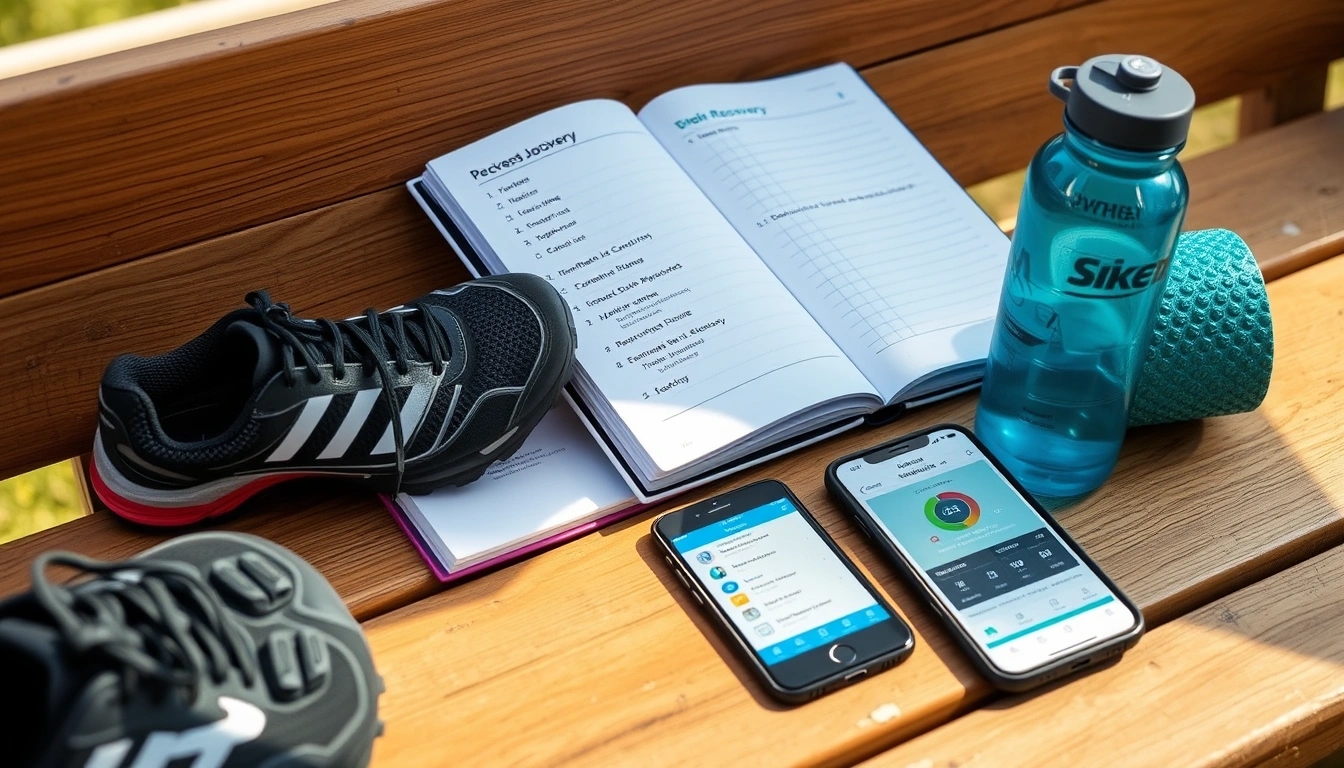
Creating a Personalized Recovery Plan
Alright, let’s cut to the chase — when it comes to bouncing back after a brutal football training session, there’s no magic wand or universal formula. Recovery isn’t one-size-fits-all, and if someone tries to convince you otherwise, well, they probably haven’t sweated through a proper drill. Your body, your schedule, your training intensity — they all demand a customized approach. So, how do you even start piecing that puzzle together without feeling overwhelmed? Let’s break it down.
First up, know thyself. Sounds cheesy, but seriously, understanding how your body reacts to different training loads is crucial. Some players can smash a double session and bounce back with a nap and some Gatorade; others need a full-on recovery day with massages and a Netflix binge. Listen to those aches and pains — they’re your body’s way of sending an SOS. Ignoring them? Recipe for disaster.
- Track your training intensity: Use a journal or an app to jot down how hard each session felt. Was it a light jog or a full-on sprint fest?
- Monitor soreness levels: Rate your muscle soreness on a scale from “meh” to “I can’t even walk.” This helps you know when to dial it back.
- Consider your schedule: Got school, work, or a social life? Recovery routines should fit in, not take over.
Now, let’s talk mixing and matching recovery methods. Ice baths might be your thing, or maybe you swear by stretching and foam rolling. The trick is not to blindly copy what the pros do on Instagram. Instead, experiment a bit — see what actually helps you feel less like a zombie the next day. Here’s a quick table to help you weigh some common recovery options:
| Recovery Method | Best For | Potential Drawbacks |
|---|---|---|
| Ice Baths | Reducing inflammation after intense sessions | Can be uncomfortable; not for everyone |
| Active Recovery | Light movement to boost blood flow | Overdoing it can delay recovery |
| Stretching & Mobility | Loosening tight muscles | Needs consistency; not a quick fix |
| Nutrition & Hydration | Refueling and repairing muscles | Easy to neglect; requires planning |
| Rest & Sleep | Overall body repair and mental reset | Hard to prioritize with busy schedules |
Don’t forget, your recovery plan should be flexible. Life throws curveballs — maybe you miss a night’s sleep because of a party or have to cram for an exam. That’s okay! Just don’t make a habit of it. The goal is to build a routine that’s sustainable, not one that makes you feel like a robot ticking boxes.
Sample Personalized Recovery Plan:- Day 1: Intense training → Ice bath + protein-rich meal + 8 hours sleep- Day 2: Light training → Stretching + hydration focus + 7 hours sleep- Day 3: Rest day → Active recovery walk + foam rolling + balanced nutrition- Day 4: Moderate training → Hydration + mobility work + 8+ hours sleep
Remember, your body is the ultimate coach. Tune in, experiment, and adjust. What works for your teammate might leave you hobbling around like a newborn calf. So, ditch the cookie-cutter plans and craft something that feels right for you — because at the end of the day, recovery is all about getting back on the pitch ready to crush it, not just ticking off a checklist.
Pro tip: Stay patient. Recovery is a marathon, not a sprint. Your body will thank you later.
Frequently Asked Questions
- Why do my muscles feel so sore after football training?
Muscle soreness, often called delayed onset muscle soreness (DOMS), happens because tiny tears form in your muscle fibers during intense workouts. Think of it like your muscles throwing a little tantrum after being pushed hard—they need time to repair and grow stronger. This soreness usually peaks 24-48 hours post-training and is totally normal.
- How important is hydration for recovery?
Hydration is like the secret sauce for recovery. Water helps flush out toxins, delivers nutrients to your muscles, and prevents cramps. If you skip on fluids, your recovery slows down, and you might feel sluggish or tight. Aim to drink water before, during, and after training to keep your engine running smoothly.
- What foods should I eat to recover faster?
Think of food as your body’s repair crew. Protein is a must—it rebuilds muscle tissue. Carbs refill your energy tanks, and healthy fats reduce inflammation. Foods like chicken, fish, sweet potatoes, nuts, and leafy greens are your best friends post-training. Don’t forget to snack smart within 30 minutes after you finish.
- Are ice baths really effective for recovery?
Ice baths are like a shock to the system—they reduce inflammation and numb soreness. But they’re not for everyone; some find them too intense or uncomfortable. If you decide to try, limit it to 10-15 minutes and listen to your body. Sometimes, a cold shower or compression gear can offer similar benefits without the chill.
- Can I do light exercise on rest days?
Absolutely! Active recovery, like gentle jogging, yoga, or cycling, boosts blood flow and helps muscles flush out waste products. It’s like giving your body a gentle nudge instead of a full stop, which can speed up healing and keep stiffness at bay.
- How much sleep do I really need to recover?
Sleep is your body’s natural repair shop. Aim for 7-9 hours per night, because during deep sleep, your muscles rebuild, and growth hormones kick in. Skimping on sleep is like trying to fix a car without the right tools—it just won’t work well.
- What are common mistakes that slow down recovery?
Skipping warm-ups or cool-downs, ignoring hydration, poor nutrition, and overtraining are some classic blunders. Also, neglecting rest days can turn recovery into a nightmare. Remember, pushing through pain isn’t always brave—it can be damaging.
- How do I create a recovery plan that suits me?
Personalizing your recovery means tuning into your body’s signals and lifestyle. Consider your training intensity, schedule, and how you feel day-to-day. Mix hydration, nutrition, sleep, and active recovery in a way that feels sustainable. Think of it as crafting a playlist that keeps you energized—not exhausted.