Setting football goals sounds like a walk in the park, right? Just say, “I wanna score more,” or “I’ll run faster,” and boom, done. Well, not quite. If only it were that simple! The truth is, smashing your football goals requires a bit more brainpower — and a whole lot of grit. Think of it like trying to nail a tricky free kick: you don’t just kick and hope it lands in the net; you practice, adjust, and sometimes curse your luck before it clicks. So, let’s get real about how to set those goals and actually hit them.
Why Clear Goals Matter More Than You Think
Before you lace up your boots, you gotta understand why vague goals won’t cut it. Saying “I wanna be better” is like wandering the pitch blindfolded — you might stumble onto something good, but chances are you’ll just trip over your own feet. Clear goals act like your GPS; they tell you exactly where you’re heading and how to get there. Without that, you’re just hoping for magic, and magic rarely shows up on demand.
| Vague Goal | Clear Goal |
|---|---|
| “Get better at football” | “Improve my sprint speed by 10% in 3 months” |
| “Score more goals” | “Score at least 5 goals this season” |
| “Be a team player” | “Assist in 3 goals by the end of the season” |
Meet SMART Goals — Your New Best Mate
Ever heard of SMART goals? No, it’s not just a fancy acronym coaches throw around to sound clever. It stands for Specific, Measurable, Achievable, Relevant, and Time-bound. Sounds like a mouthful, but this framework is like the secret sauce to goal-setting success. Without ticking these boxes, your goals might as well be shooting blanks.
- Specific: Don’t just say “I wanna run faster.” How much faster? By when?
- Measurable: You need a way to track progress, or else how do you know if you’re improving?
- Achievable: Dream big but keep it real. Don’t aim to be Messi overnight.
- Relevant: Your goals should actually matter to your playing style and position.
- Time-bound: Set a deadline, or you’ll keep pushing it forever.
Breaking down massive goals into bite-sized chunks is where a lot of players trip up. Want to improve your shooting? Great, but don’t expect to go from zero to hero in one training session. Instead, focus on smaller targets like improving your shot accuracy by 5% every two weeks or mastering one new shooting technique each month. This way, the mountain doesn’t feel like Everest.
Tracking Progress: Not Just for Stat Nerds
Keeping tabs on how you’re doing might sound tedious, but it’s what separates the wannabes from the pros. Use a simple journal or an app to jot down your training stats, goals scored, or sprint times. Seeing progress, even tiny wins, can give you a boost when you’re feeling like a benchwarmer.
| Method | Pros | Cons |
|---|---|---|
| Notebook/Journal | Simple, no tech needed, personal | Easy to forget or lose |
| Goal-Tracking Apps | Automated, reminders, detailed stats | Can be distracting, depends on phone |
| Wearables (GPS, Heart Rate Monitors) | Accurate, real-time feedback | Expensive, can be overwhelming |
Keeping the Fire Alive When Things Get Tough
Football isn’t always a highlight reel. Injuries, slumps, or just plain bad days happen. When motivation dips, remind yourself why you started. Celebrate even the small wins — nailed a pass? Great! Didn’t lose your cool? Even better. Surround yourself with teammates and coaches who push you, but don’t forget to be your own biggest fan.
So yeah, setting football goals ain’t just scribbling something down after a game. It’s about being smart, breaking it down, tracking your grind, and keeping your head in the game when the going gets tough. Now, get out there and smash those targets — the pitch is waiting!
Understanding the Importance of Clear Goals
Alright, before you lace up those boots and storm the pitch, let’s get one thing straight: clear goals are everything. Seriously, imagine trying to score a goal blindfolded — sounds ridiculous, right? That’s exactly what it’s like when you don’t have a solid target in mind. Without clear goals, you’re basically just running around chasing shadows, hoping some miracle will land you a win. Spoiler alert: miracles are rare, and luck isn’t a strategy.
Now, you might be thinking, “Yeah, yeah, goals are important, but can’t I just play and see what happens?” Sure, you can. But here’s the catch — without a plan, your progress is like a ship without a compass, drifting aimlessly. Clear goals give you direction, focus, and the motivation to push through those brutal training sessions when your legs feel like jelly.
- Focus: Goals keep your eyes on the prize. When you know what you’re aiming for, distractions don’t stand a chance.
- Motivation: It’s easier to get out of bed for a 6 AM drill if you have a reason that matters to you.
- Measurement: Without goals, how do you even know if you’re improving? It’s like shooting arrows in the dark.
Let’s be honest, football isn’t just about fancy footwork and cool celebrations (though those are fun). It’s a grind, a test of patience, and sometimes, a brutal reminder that you’re not the next Messi just yet. Clear goals give you a way to break down that grind into something manageable. Instead of obsessing over “I want to be the best,” you get to say, “I want to improve my passing accuracy by 10% this month.” See the difference?
| Without Clear Goals | With Clear Goals |
|---|---|
| Wandering aimlessly on the field | Focused training sessions targeting specific skills |
| Lack of motivation during tough times | Clear milestones to keep spirits high |
| Hard to track progress or improvement | Concrete metrics to measure success |
And hey, don’t get me wrong — setting clear goals isn’t some magic pill. You’ll still have off days, missed shots, and moments where you want to throw your cleats across the room. But having that roadmap? It helps you bounce back faster. It’s like having a GPS for your football journey — sure, you might take a wrong turn here and there, but you’ll always know how to get back on track.
In the end, clear goals aren’t just “nice-to-have” — they’re your football lifeline. So next time you step onto that pitch, ask yourself: What exactly am I aiming for today? Because wandering around hoping for magic? That’s a losing game.
SMART Goals: The Secret Sauce
Alright, so you’ve probably heard the term SMART goals thrown around like it’s some kind of magic spell. And honestly? It kinda is—at least when it comes to crushing it on the football pitch. But before you roll your eyes and think, “Ugh, not another boring acronym,” stick with me here. This framework isn’t just fancy jargon; it’s the real deal that separates the weekend warriors from the players who actually make things happen.
First up, what does SMART even stand for? Here’s the quick lowdown:
- Specific – Know exactly what you want. “Get better” is too vague. “Improve my left-foot shooting accuracy by 20%” is specific.
- Measurable – You gotta be able to track progress. If you can’t measure it, how will you know if you’re winning or just spinning your wheels?
- Achievable – Dream big, sure, but don’t set yourself up for a face-plant. Your goals should stretch you but still be within reach.
- Relevant – Make sure your goals actually matter to your football journey. No point aiming to become a goalkeeper if you’re a striker, right?
- Time-bound – Deadlines aren’t just for boring office stuff. Setting a timeframe keeps you accountable and stops you from procrastinating forever.
Now, let’s get real. You might think, “Okay, sounds good on paper, but how do I actually use this?” Here’s a quick example to chew on:
| SMART Component | Example Goal |
|---|---|
| Specific | Improve my sprint speed from 12 to 14 mph |
| Measurable | Track sprint times using a stopwatch or app |
| Achievable | Increase speed by 2 mph over 3 months through drills |
| Relevant | Faster sprints help me beat defenders on the wing |
| Time-bound | Achieve this by the end of the current season |
See? Not rocket science, but it’s solid. And here’s the kicker—when you set goals like this, you’re not just hoping to improve, you’re planning to improve. That mindset shift is huge.
But hey, I get it — sometimes you feel like SMART goals are a bit rigid. Like, where’s the room for passion or just plain old gut feeling? Well, guess what? They don’t have to be a straightjacket. Think of SMART as your GPS, not your jailer. You can still take detours, try new things, and yes, even mess up. The framework just keeps you from wandering off into the weeds.
Here’s a quick checklist to keep in mind when setting your football goals:
- Am I clear on what I want to achieve?
- Can I measure my progress easily?
- Is this goal realistic given my current skills?
- Does this goal align with my bigger football dreams?
- Have I set a deadline to push myself?
If you answered “no” to any of these, it might be time to tweak your goals. Trust me, there’s nothing worse than chasing after something that’s all over the place.
In the end, SMART goals aren’t just some fancy coach-speak. They’re your secret weapon to actually getting better, not just wishing for it. So next time you’re daydreaming about that killer goal or that perfect assist, try putting it through the SMART filter. You might just surprise yourself.

Breaking Down Big Goals into Bite-Sized Chunks
Alright, let’s be real here. When you’re staring down a massive football goal—like “win the league” or “score 20 goals this season”—it can feel like trying to eat a whole pizza in one bite. Impossible and, honestly, a bit terrifying. Big goals have this sneaky way of making your brain freeze, your motivation dip, and sometimes, you just wanna throw in the towel halfway through. But here’s the kicker: you don’t have to swallow the whole thing at once. The secret? Slice it up into manageable, bite-sized pieces that won’t make you want to scream into your shin pads.
Think of it like this: instead of obsessing over “score 20 goals,” break it down to “score 2 goals every 3 games.” Suddenly, it’s less scary, more doable, and you can actually track your progress without losing your mind. And guess what? When you hit those smaller targets, it feels like winning little battles, which keeps the fire burning. Because let’s face it, football is a long season, and if you wait for the big win to feel good, you’ll be miserable for months.
- Set mini-goals: Focus on weekly or monthly targets.
- Celebrate small wins: Scored a goal? Nailed a tricky pass? High-five yourself.
- Adjust as you go: If you’re smashing your mini-goals, up the ante. If you’re struggling, tweak them.
Here’s a quick table to show how you might break down a big goal into smaller chunks:
| Big Goal | Mini Goals | Time Frame |
|---|---|---|
| Score 20 goals this season | Score 2 goals every 3 games | Every 3 games |
| Improve endurance | Run 3 extra minutes each week | Weekly |
| Master free kicks | Practice 10 free kicks thrice a week | Weekly |
Now, chopping down your goal doesn’t mean you’re settling or playing it safe. Nope. It’s about making the whole journey less overwhelming and more about winning those little battles that add up. And trust me, when the pressure’s on, and your legs feel like jelly, those small victories are what keep you going.
But beware! There’s a trap here. Sometimes, players get so caught up in mini-goals they forget the big picture. It’s like obsessing over every single sprint time but forgetting you’re actually here to play football, not run a marathon. So keep your eyes on the prize but don’t let it scare you off.
Pro Tip:- Write down your big goal.- Break it into smaller goals.- Track your progress weekly.- Adjust mini-goals if needed.- Celebrate every success, no matter how small.
Bottom line? Big goals are scary, but they don’t have to be. Slice ’em up, take it step by step, and you’ll find yourself smashing those targets without losing your sanity. And hey, if it gets tough, just remember: even Messi had to start with one goal at a time.
Tracking Progress: Why It’s Not Just for Nerds
Alright, let’s get real for a second. Tracking your football progress? Sounds about as thrilling as watching paint dry, right? But here’s the kicker — it’s actually the secret sauce that separates the casual kickers from those who really make waves on the pitch. Yeah, it might feel like a chore, like homework you’d rather skip, but trust me, if you wanna level up, you gotta keep tabs on how you’re doing.
Think about it: if you don’t know where you stand, how the heck are you supposed to get better? Just hoping you’ll magically improve every week? Nah, mate, that’s wishful thinking. Progress tracking is like having a GPS for your football journey. Without it, you’re just wandering around aimlessly, hoping to stumble upon success.
- Why bother tracking? Because it forces you to be honest with yourself. No more “I’m getting better” fluff — you see the cold, hard facts.
- It keeps you motivated. Seeing even tiny improvements can light a fire under you when things get tough.
- It helps you adjust. If something’s not working, you’ll know early and can switch up your training.
Now, you don’t have to turn into a spreadsheet wizard or start logging every kick in some fancy app (unless you want to, no judgment). Even jotting down simple notes after practice or games can do wonders. Here’s a quick table to show what you might wanna track:
| What to Track | Why It Matters | How Often |
|---|---|---|
| Goals Scored | Measures your offensive impact | After every match |
| Pass Accuracy | Shows how well you connect with teammates | Weekly |
| Distance Covered | Tracks your stamina and work rate | During matches |
| Training Hours | Reflects your commitment level | Daily or weekly |
But hey, don’t get obsessed with numbers either. It’s not about turning into some stats-obsessed robot. Progress tracking should help you, not stress you out. If you find yourself stressing over every tiny detail, take a step back. Remember: the goal is to improve, not to drive yourself nuts.
Here’s a little tip: mix it up. Use a combo of tech and old-school methods. Apps and wearables can give you cool data, but a simple journal where you scribble down how you felt during training or what you struggled with can be just as insightful. Plus, it’s kinda satisfying to flip back and see how far you’ve come — like your own personal highlight reel.
- Practical Insight: Set a weekly check-in with yourself or a coach. Review your notes, stats, and feelings. Adjust your goals accordingly.
- Don’t forget: Progress isn’t always linear. Some weeks you’ll skyrocket, others you’ll crawl. That’s normal, so don’t freak out.
At the end of the day, tracking progress isn’t about being a nerd (though if you are, hey, that’s cool too). It’s about being smart — knowing what’s working, what’s not, and having a clear map to get where you want. So next time you feel like skipping the “boring” part, remind yourself: the pros don’t just play — they plan, track, and hustle smarter. And that’s what’ll get you from wannabe to winner.
Staying Motivated When Things Get Rough
Football’s not all sunshine and rainbows, folks. Sometimes, it feels more like trudging through a muddy field with your shoelaces tied together. Whether you’re stuck in a slump or sidelined by an injury, keeping your head up isn’t just about sheer willpower—it’s a whole mindset game. Let’s be honest: motivation can dip faster than a striker’s confidence after missing an open goal. But don’t throw in the towel just yet. Here’s the lowdown on how to keep that fire burning when the chips are down.
First off, accept that slumps and setbacks are part of the game. No one’s immune. Even Messi probably has days where he wants to chuck the ball into the stands. Instead of beating yourself up, try flipping the script. Think of these rough patches as a chance to learn and grow. It sounds cheesy, but it works. Keep a journal or notes on what’s going wrong and what you can tweak—sometimes just seeing your progress on paper can be a game-changer.
- Set mini-goals: Big goals can feel like climbing Everest in flip-flops. Break them down into bite-sized chunks. Hit one small target at a time and celebrate those little wins.
- Lean on your support crew: Coaches, teammates, family—they’re your pit crew. Don’t hesitate to vent or ask for advice. Sometimes a pep talk from your coach or a teammate’s joke is all you need to snap out of a funk.
- Change your routine: Doing the same drills over and over can get stale fast. Mix it up—try new exercises, watch game footage, or even take a day off if you need it.
Motivation Tips When Injured:- Focus on recovery goals, not just performance.- Visualize your return to the pitch.- Stay connected with the team to avoid feeling isolated.
Now, injuries—oh boy, they’re the ultimate motivation killers. When you’re sidelined, it’s easy to spiral into frustration or even depression. But here’s a little secret: your body might be down, but your mind can still be in the game. Use this downtime to sharpen your mental skills. Watch matches, study tactics, or work on your nutrition. Staying engaged mentally keeps you connected and ready to bounce back stronger.
| Common Slump Symptoms | Quick Fixes |
|---|---|
| Loss of focus | Short meditation or breathing exercises |
| Low energy | Adjust sleep and nutrition habits |
| Negative self-talk | Replace with positive affirmations |
Remember, motivation isn’t a switch you flip once and forget. It’s more like a stubborn flame you have to tend to daily. Some days it flickers, some days it roars. The key is to keep feeding it, even if it feels like you’re pouring water on a campfire. And hey, if all else fails, just remind yourself why you started playing football in the first place—because deep down, you love the game, even when it’s kicking you around.
So, chin up, lace those boots tight, and get ready to tackle the next challenge. Slumps and injuries are just chapters in your football story—not the whole book.
The Role of Coaches and Teammates in Goal Achievement
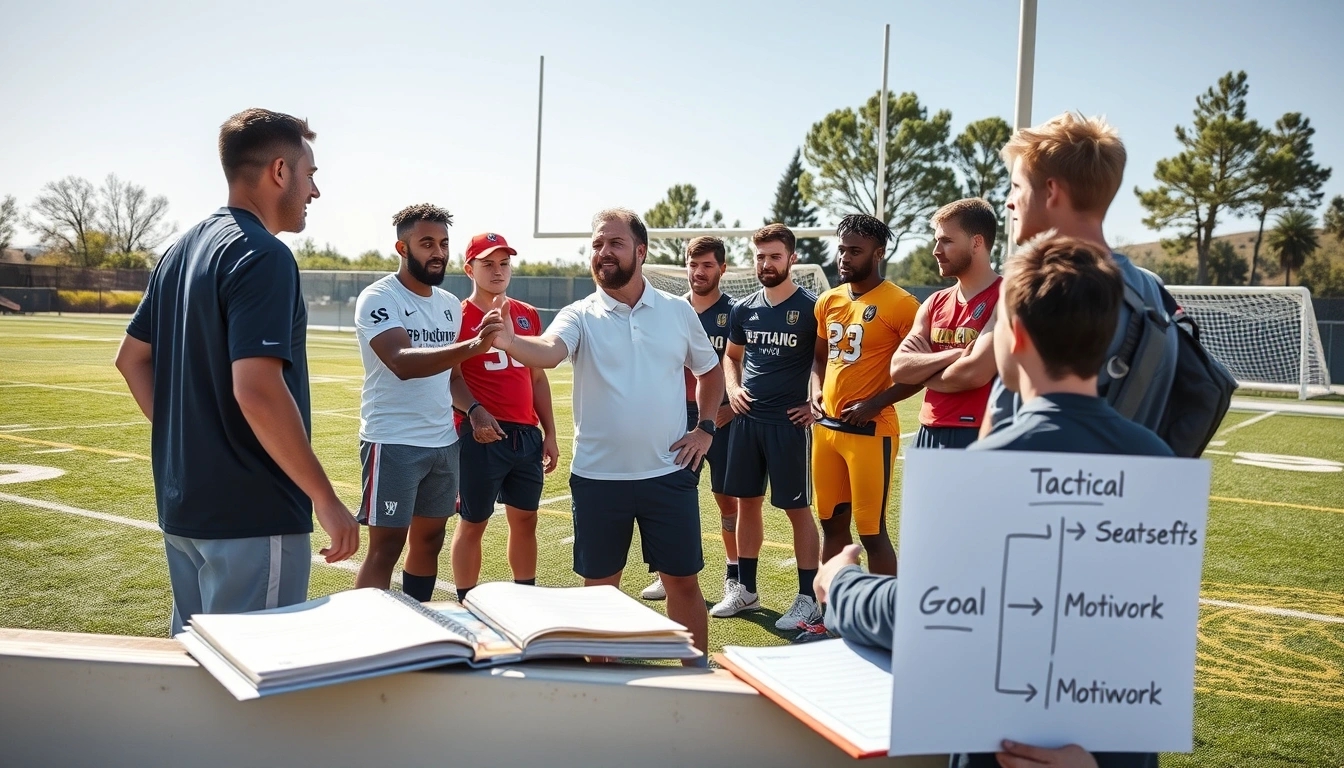
Look, when it comes to smashing your football goals, you might think it’s all about your own hustle and grind — but nope, you’re not in this alone! Coaches and teammates? They’re like the peanut butter to your jelly, the fuel in your tank, or sometimes the thorn in your side. Yeah, they can be your biggest cheerleaders, but they can also drive you up the wall if you’re not careful. Let’s unpack this rollercoaster of relationships and how they shape your journey to success.
First off, coaches are way more than just the guy yelling from the sidelines. They’re your strategists, motivators, and sometimes your harshest critics. A good coach will push you beyond what you think is possible, but also know when to cut you some slack. If you’ve ever had a coach who only shouts and never explains, you know how frustrating that can be — it’s like trying to score with your shoelaces tied together. On the flip side, a coach who takes the time to understand your strengths and weaknesses can tailor your training to help you hit those goals faster.
- Constructive Feedback: Coaches provide feedback that can make or break your confidence. The trick is learning to take it in stride, even when it stings.
- Setting Expectations: They help set realistic, yet challenging goals — no more “score 10 goals next week” nonsense if you’re just starting out.
- Emotional Support: Believe it or not, some coaches double as therapists, helping you deal with the mental side of the game.
Now, onto teammates. These folks share your highs and lows — the late-night practices, the wins, the losses, and those moments when you just want to toss your cleats out the window. Teammates can be your biggest hype squad, pumping you up when you’re down, or they can be the reason you question your sanity. Ever been stuck with a teammate who hogs the ball or never passes? Yeah, that’s a special kind of frustration.
| Teammate Role | Positive Impact | Potential Downside |
|---|---|---|
| Motivator | Boosts morale and keeps energy high | Can be overbearing or annoying if too intense |
| Accountability Partner | Keeps you on track with training and goals | May cause tension if expectations differ |
| Friendly Rival | Pushes you to improve through healthy competition | Could lead to jealousy or conflict |
Here’s the kicker: the best goal-achieving teams are those where everyone’s on the same page — communication is open, and respect flows both ways. If you’re feeling like your coach or teammates are just obstacles, maybe it’s time to have a real talk or rethink your approach. Remember, football is a team sport, but your mindset can make all the difference.
Tips for Leveraging Coaches and Teammates:- Speak up: Don’t bottle up frustrations; clear communication is key.- Stay humble: Accept help and criticism gracefully.- Support others: Your energy is contagious; be the teammate you want.- Be patient: Growth takes time — for you and those around you.
So, next time you’re feeling like giving up, just remember: your coaches and teammates are part of your success story — whether they’re the heroes or the villains. Embrace the chaos, learn from every interaction, and keep your eyes on the prize. After all, no one scores goals alone.
Common Pitfalls and How to Dodge Them
Setting goals in football? Easy to say, harder to actually pull off without tripping over your own feet. Most players get all hyped up, scribble down some flashy targets, and then… well, reality hits like a rogue defender sliding in from nowhere. The truth is, knowing what to avoid is just as crucial as setting the goals themselves. Let’s break down some of the classic traps that trip up even the best of us, and how you can sidestep them like a pro.
- Overambition Overload: Dream big, sure, but aiming to become the next Messi overnight? Yeah, that’s a one-way ticket to frustration city. Setting goals that are too lofty can kill your motivation faster than a red card. Instead, try scaling your ambitions to what’s actually achievable within your current skill set and timeframe.
- Vague Targets: “I want to get better” is about as helpful as a chocolate teapot. Goals need to be crystal clear. How much better? In what specific areas? Without clarity, you’re basically wandering blindfolded on the pitch.
Here’s a quick table to help you spot the difference between a vague and a solid goal:
| Vague Goal | Smart Goal |
|---|---|
| “I want to improve my shooting.” | “I aim to increase my shooting accuracy by 15% over the next 3 months.” |
| “I want to be fitter.” | “I will run 5 km under 25 minutes by the end of the season.” |
Another pitfall? Ignoring setbacks. Injuries, bad games, or just plain off days happen. The rookie mistake is to throw in the towel or beat yourself up endlessly. Instead, use those moments as learning curves. Remember, even legends had their stumbles.
- Not Tracking Progress: If you don’t keep an eye on how you’re doing, how will you know if you’re on track? This isn’t just for stats geeks. Jot down your improvements, no matter how small. It’s the little wins that keep the fire burning.
- Relying Solely on Willpower: Motivation is a fickle friend. Some days it’s there, some days it’s MIA. Building habits and routines beats hoping you’ll magically feel pumped every single day.
Here’s a quick checklist to dodge these pitfalls:
✔ Set realistic, specific goals✔ Break big goals into smaller steps✔ Track your progress regularly✔ Accept and learn from setbacks✔ Build consistent training habits✔ Avoid comparing yourself to others
One last nugget: don’t isolate yourself. Getting feedback from coaches and teammates can save you from going down the wrong path. They’ll spot blind spots you might miss and keep you accountable. Plus, sharing your goals makes them feel more real — and harder to bail on.
So yeah, setting football goals isn’t just about writing down some lofty dreams. It’s about dodging these common traps that turn hopeful starters into frustrated benchwarmers. Nail this, and you’re already miles ahead of the pack.
Using Technology to Boost Your Goal-Setting Game
Alright, let’s be real for a second—technology in football isn’t just about fancy gadgets and flashy apps. It’s like having a secret weapon in your back pocket, but only if you don’t go overboard and turn into that person who’s glued to their smartwatch 24/7. From tracking your sprints to analyzing your shots, tech is changing the way players set and crush their goals, but it’s a double-edged sword. So, how do you use it smartly without becoming a full-blown gadget junkie? Let’s break it down.
First up, apps. There are tons of football training apps out there, some promising to turn you into the next Messi overnight (spoiler: they won’t). But the good ones? They help you set clear targets, track your progress, and even remind you to keep grinding when your motivation dips faster than your team’s halftime energy. The trick is to pick apps that fit your style and don’t overwhelm you with notifications every five minutes. Nobody needs another digital nagging voice, right?
| Popular Football Tech Tools | What They Do | Pro Tip |
|---|---|---|
| GPS Trackers | Measure distance covered, speed, and positioning during games and training. | Use data to identify your strengths and weaknesses, but don’t obsess over every decimal. |
| Video Analysis Apps | Break down your gameplay footage to spot mistakes and areas to improve. | Watch clips with a coach or teammate for honest feedback, not just self-critique. |
| Wearable Heart Rate Monitors | Track fitness levels and recovery to avoid burnout or injury. | Listen to your body first; tech can’t replace common sense. |
Now, wearables are another beast. They’re super handy for monitoring your physical condition—heart rate, sleep quality, fatigue levels—you name it. But here’s the catch: if you start obsessing over every beep and buzz, you’ll lose sight of the game itself. Remember, football is as much about feel and instinct as it is about numbers. So, use wearables as a guide, not a gospel.
- Don’t let data overwhelm you. Focus on a couple of key metrics that actually matter to your personal goals.
- Schedule tech breaks. Sometimes, just unplug and play. Your brain and body will thank you.
- Combine tech with old-school methods. Journaling your progress or chatting with a coach can be just as powerful.
Here’s a quick reality check: tech can’t replace hard work, grit, and those countless hours on the pitch. But it can give you an edge, help you stay accountable, and even make training more fun. Just don’t let it turn into a crutch or a distraction. At the end of the day, your goals are about you—your passion, your hustle, your game.
Remember:- Use technology to enhance your focus, not replace it.- Set limits on tech usage to avoid burnout.- Mix data insights with gut feeling.- Celebrate small wins tracked by your gadgets, but don’t forget to enjoy the game.
So, next time you strap on that fitness tracker or open your training app, keep this in mind: tech is a tool, not a master. Use it wisely, and you’ll be smashing those football goals like a pro—without turning into a walking, talking gadget store.

Celebrating Wins: The Often Overlooked Step
Scored a goal? Nailed a perfect pass? Or maybe just survived that brutal training session without collapsing? Whatever the win is, don’t just shrug it off like it’s no big deal. Seriously, celebrating your victories – big or small – is a game changer. It’s the secret sauce that keeps your passion burning and your hunger for improvement alive. You might think, “Eh, I’ll just move on to the next thing,” but hold up, that’s where a lot of players drop the ball.
Why bother celebrating? Well, imagine grinding your guts out for weeks, hitting the gym, running drills, and then scoring that goal. If you don’t take a moment to soak it in, you risk turning your journey into a monotonous grind. Celebrations act like fuel for your motivation tank. They remind you why you started, and give you a little dopamine hit – that feel-good chemical that keeps you coming back for more.
- Boosts confidence: Every win you celebrate builds your belief in yourself. It’s like telling your brain, “Hey, I’m good at this!”
- Encourages consistency: When you reward progress, you’re more likely to stick to your goals.
- Creates positive habits: Celebrations, even small ones, help form a cycle of effort and reward.
Now, don’t get me wrong, celebrating doesn’t mean throwing a party every time you score a goal (unless you want to, of course). It can be as simple as a fist pump, a quick high-five with your teammates, or even just taking a moment to smile and appreciate the effort you put in. The key is to acknowledge your success instead of brushing it under the rug.
| Type of Win | Ways to Celebrate | Why It Matters |
|---|---|---|
| Big goals (e.g., scoring, winning match) | Team huddle cheer, social media shoutout, treat yourself | Reinforces major milestones, builds team spirit |
| Small wins (e.g., improved skills, personal bests) | Personal reflection, small rewards (like a snack), journaling | Keeps motivation steady, tracks progress |
| Effort-based (e.g., pushing through tough training) | Rest day, share with coach/teammates, positive self-talk | Builds resilience, encourages grit |
The other thing is, celebrating wins doesn’t just help you—it also lights a fire under your teammates. When you show excitement for your own and others’ successes, it creates a vibe that’s contagious. Suddenly, everyone’s pumped, morale shoots up, and the whole squad plays better. It’s like an invisible energy boost that can turn a good team into a great one.
But beware of the flip side: Over-celebration or getting cocky can backfire. So keep it real and humble. Celebrate to fuel your fire, not to burn bridges or make others feel small.
In the end, the lesson is simple: Don’t let your wins slip by unnoticed. Whether it’s a tiny victory or a game-winning goal, take a second to celebrate. It’s these moments that keep the football journey exciting and remind you why you love the game in the first place. So next time you find the back of the net or smash a training drill, don’t just walk off like it’s nothing—own it, savor it, and let it push you forward.
Keep scoring, keep celebrating, and keep that fire alive.
Frequently Asked Questions (The title must be written in English.)
- Why is setting clear football goals so important?
Think of clear goals as your game plan on the pitch. Without them, you’re just kicking the ball around hoping for a miracle. Clear goals give you direction, focus, and a way to measure your progress. They transform vague dreams into actionable targets, making your journey to success much smoother and way more exciting.
- What exactly are SMART goals and how do they help?
SMART goals are like your secret weapon—they stand for Specific, Measurable, Achievable, Relevant, and Time-bound. This framework breaks down your ambitions into bite-sized, realistic steps. Instead of saying “I want to be better,” you say “I want to score 5 goals this season,” which is way easier to track and achieve.
- How can I break down big football goals without feeling overwhelmed?
Big goals can feel like climbing a mountain, but the trick is to break them into smaller hills. Focus on weekly or monthly targets—like improving your passing accuracy or stamina—so you don’t get lost or freak out halfway through. It’s all about manageable chunks that keep you motivated and on track.
- Is tracking progress really necessary? I find it boring.
Trust me, tracking progress isn’t just for stats geeks. It’s the difference between dreaming and doing. When you see how far you’ve come, it fires you up to push harder. Plus, it helps spot what’s working and what’s not, so you can tweak your game plan like a pro coach.
- What if I hit a rough patch or get injured? How do I stay motivated?
Slumps and injuries are part of the game, no sugarcoating it. But staying motivated means shifting focus—work on mental strength, watch game footage, or set small rehab goals. Remember, every setback is a setup for a comeback. Keep your eyes on the prize and lean on your support system.
- How important are coaches and teammates in achieving football goals?
You’re not a lone wolf on this journey. Coaches provide guidance and feedback, while teammates push you to be better and keep the vibe positive. Surround yourself with people who lift you up, not drag you down, because teamwork off the pitch fuels success on it.
- What common pitfalls should I avoid when setting football goals?
Watch out for vague goals, setting unrealistic targets, or ignoring progress tracking. Also, don’t let fear of failure freeze you. Avoid these traps by being honest with yourself and staying flexible—adjust your goals as you grow, and don’t beat yourself up over setbacks.
- Can technology really help me reach my football goals?
Absolutely! From fitness trackers to goal-setting apps, technology can give you insights and motivation like never before. Just don’t get addicted to gadgets—use tech as a tool, not a crutch, to stay focused and improve your game smartly.
- Why is celebrating wins so crucial in football goal setting?
Celebrating wins is like refueling your passion tank. It keeps the fire alive and reminds you why you started. Whether it’s a small skill mastered or a big goal scored, taking time to celebrate boosts confidence and keeps you hungry for the next challenge.