
So, you’ve decided to take on the challenge of training as a target man all by your lonesome, huh? No coach shouting instructions from the sidelines, no teammates to pass you the ball on command—just you, the pitch, and a burning desire to boss the box. Sounds daunting, right? Well, buckle up, because flying solo in this role isn’t just about muscle and height; it’s a whole cocktail of skills, smarts, and a bit of stubbornness. Let’s dive into some practical tips and, yeah, a few pitfalls you’ll want to dodge.
Understanding the Target Man Role
First off, what’s a target man really? Think of this position as the anchor in attack: someone who can hold the ball under pressure, win aerial battles, and lay off passes to teammates running in behind. It’s not just about being tall and bulky—though that helps—it’s also about tactical awareness and timing. The modern game often demands that target men be mobile, smart, and able to read the game like a chess player. So if you’re just standing there waiting for a long ball, you’re missing half the point.
Essential Physical Conditioning
Without a coach, you’ve got to be your own gym rat. Focus on workouts that build explosive power and endurance. Squats, lunges, and plyometric jumps are your friends here. Don’t forget upper body strength either—holding off defenders isn’t a walk in the park. Here’s a quick table to guide your weekly routine:
| Day | Focus | Example Exercises |
|---|---|---|
| Monday | Lower Body Strength | Squats, Lunges, Box Jumps |
| Wednesday | Upper Body & Core | Push-ups, Planks, Medicine Ball Throws |
| Friday | Endurance & Agility | Interval Running, Ladder Drills, Shuttle Runs |
Mastering Ball Control and First Touch
Okay, so you’ve got the strength, but can you control the ball when it’s coming at you like a missile? This is where solo drills come in handy. Use a wall or rebounder to practice receiving the ball under pressure. Try to mimic real-game scenarios where you have defenders breathing down your neck. A neat drill is to trap the ball with different parts of your foot, thigh, or chest and immediately turn or pass it back. This builds muscle memory and confidence.
- Tip: Don’t rush your first touch. Quality beats speed here.
- Drill: One-touch passes against the wall, increasing speed gradually.
- Watch out: Avoid sloppy touches that let the ball run away—get it under control fast!
Improving Heading Techniques
Now, the bread and butter of a target man: headers. It’s not just about jumping high and smashing the ball; timing and positioning are everything. Since you’re training alone, use a ball attached to a rope or a pendulum setup to practice timing your jumps and direction. Experiment with different heading styles—powerful clearances, flick-ons, and subtle redirections. Remember, it’s also about reading the flight of the ball and anticipating where it will land.
Solo Heading Drill:1. Attach a ball to a rope.2. Swing it like a pendulum.3. Time your jump and head the ball back.4. Focus on neck strength and direction.
Developing Tactical Awareness
Without a coach, tactical smarts can be tricky. But hey, you’re not totally lost. Watch professional games and focus on how top target men position themselves. Take notes—literally! Where do they stand during crosses? How do they shield the ball? When do they drop deep? This kind of self-study is invaluable. Plus, use small-sided games or even shadow play to rehearse movement patterns.
Remember, training alone means you’ve got to be your own toughest critic and your biggest motivator. It’s easy to slack off or get frustrated, but keep your eyes on the prize. The pitch is your classroom, and every minute you spend grinding solo is a step closer to becoming that unshakable target man every team needs.
Understanding the Target Man Role
Alright, so you wanna get what it really means to be a target man in football? Well, strap in because it’s not just about being the tallest dude on the pitch who can head the ball like a pro. There’s a whole lot more going on here than just muscle and height. The target man is a special breed — a mix of physicality, brains, and a dash of stubbornness. You see, this role is like the anchor in a stormy sea, holding everything together while the rest of the team does their thing.
First off, physically, a target man needs to be built like a tank. Think strong shoulders, solid legs, and a core that can withstand a battering ram of defenders. This role demands that you win aerial duels, so jumping ability and timing are crucial. But don’t get me wrong, it’s not all brute force. You gotta have stamina to keep pushing defenders around for the full 90 minutes. Without that, you’re just a tall bloke flailing around.
| Physical Demands | Why It Matters |
|---|---|
| Strength & Balance | To hold off defenders and protect the ball. |
| Aerial Ability | Winning headers in attack and defense. |
| Stamina | Maintaining presence and pressure throughout the match. |
Now, onto the tactical side — this is where things get spicy. The target man isn’t just a human wall; he’s a clever player who knows when to drop deep, when to hold the ball up, and when to lay it off to a teammate darting in behind. Think of him as a pivot in a chess game, controlling the tempo and creating chances from what looks like nothing. Modern football setups rely on this role to stretch defenses and open spaces for quicker, more nimble players.
- Hold-up play: Receiving the ball under pressure and keeping possession.
- Link-up play: Combining with midfielders and wingers to build attacks.
- Positioning: Knowing where to be to cause havoc and exploit defensive weaknesses.
You might wonder, “Why is this role still so crucial in a world obsessed with fast, technical players?” Well, the answer is simple: chaos control. When games get scrappy and tight, having someone who can physically dominate and tactically outsmart defenders is pure gold. They act as a target for long balls, a pivot for counterattacks, and sometimes just as a distraction to pull defenders out of position.
Tip for aspiring target men:- Work on your first touch — it’s gotta be slick, not sloppy.- Practice shielding the ball; it’s your bread and butter.- Study defenders’ body language to anticipate challenges.
In short, the target man is a hybrid beast — part warrior, part strategist. If you want to master this role, you need to embrace the physical grind and sharpen your football IQ simultaneously. It’s not glamorous, and it’s definitely not easy, but boy, does it pay off when you’re the guy everyone looks to when the chips are down.
So, next time you see a target man banging in headers or holding up play like a boss, remember: there’s a lot more going on under the surface than meets the eye. It’s a role that demands respect — and a whole lot of grit.
Essential Physical Conditioning
Alright, let’s get real about what it takes to physically dominate as a target man, especially when you’re flying solo without a coach breathing down your neck. This role isn’t just about standing tall and hoping the ball finds you—it’s about building raw strength, relentless stamina, and explosive power that lets you boss those aerial battles and hold-up play like a pro. No magic pill here, just sweat, grit, and smart training.
First off, if you’re serious about owning the box, your workouts must focus on functional strength. Think heavy lifts like squats and deadlifts to build that core power, because you need to resist defenders pushing you around. But don’t just lift weights blindly—incorporate explosive movements like plyometric jumps and medicine ball throws. Why? Because aerial duels aren’t won by slow, lumbering giants; they’re won by athletes who can spring off the ground like a jack-in-the-box.
- Squats: Build leg power and stability.
- Deadlifts: Strengthen your posterior chain for balance and strength.
- Plyometric box jumps: Improve explosive power for heading duels.
- Medicine ball slams: Develop upper body strength and quick release.
Now, stamina—oh boy, this one’s a sneaky beast. You might think a target man just waits around for crosses, but nah, modern football demands you hustle, press, and track back too. Interval training is your best mate here. Mix sprints with jogging or walking to mimic the stop-start nature of a match. Don’t just run laps like a hamster on a wheel; throw in shuttle runs, hill sprints, or even stair climbs to keep your heart and muscles guessing.
| Workout | Focus | Why It Matters |
|---|---|---|
| Hill Sprints | Explosive leg power & stamina | Builds fast-twitch muscle fibers and endurance |
| Shuttle Runs | Agility & cardiovascular fitness | Simulates quick changes of direction on the pitch |
| Continuous Jogging | Base endurance | Keeps your engine running for 90+ minutes |
Don’t forget your core. A strong midsection is the unsung hero of hold-up play—it helps you resist challenges, maintain balance, and stay upright when defenders try to shove you off the ball. Planks, Russian twists, and leg raises should become your daily bread.
Sample Weekly Conditioning Plan:Monday: Heavy lifting + core workTuesday: Interval sprints + plyometricsWednesday: Active recovery (light jogging, stretching)Thursday: Strength circuit + medicine ball drillsFriday: Hill sprints + core stabilitySaturday: Match simulation drills or solo ball workSunday: Rest and recovery
Look, training alone means you gotta be your own drill sergeant and cheerleader. It’s tempting to slack off, but remember: consistency beats intensity. Don’t burn out by trying to do everything at once—build gradually, listen to your body, and keep pushing. Your aerial dominance and hold-up mastery depend on these foundations. No coach? No problem. You got this.

Mastering Ball Control and First Touch
So, you want to be a target man, huh? The guy who’s always getting the ball dumped on him in the thick of the action, surrounded by defenders like bees on honey. Well, here’s the kicker: if your first touch isn’t sharp, you’re basically handing the ball to the opposition on a silver platter. And let’s be honest, nobody wants that.
A target man’s bread and butter is controlling the ball—often in tight spaces, under pressure, with defenders breathing down your neck. It’s not just about brute strength; it’s about finesse and timing. You need to be a magician with your feet and body, making the ball do what you want before anyone else can react.
- Why is first touch so crucial? Because it sets up everything else. A poor touch means you lose momentum, get tackled, or miss a chance. A good touch? You’re already thinking two steps ahead.
- Pressure, pressure, pressure: Target men rarely get the ball with time on their hands. You have a split second to control, turn, or pass. Training to handle that pressure is non-negotiable.
Now, let’s get down to brass tacks. Here are some drills and tips to get your touch under control without a coach breathing down your neck:
| Drill | Purpose | How to do it |
|---|---|---|
| Wall Pass & Control | Improves reaction and control under pressure | Kick the ball against a wall, control the rebound with one touch, and repeat. Vary the distance and speed. |
| Juggling with a Twist | Enhances ball feel and balance | Juggle the ball using feet, thighs, and chest. Try to keep it close and controlled. Add a twist by juggling while moving around. |
| Shield & Control | Simulates holding the ball under pressure | Use a sturdy object or a training dummy to mimic a defender. Practice receiving the ball, shielding it, and controlling it before turning. |
Don’t just mindlessly repeat drills, though. Mix it up. One day focus on chest control, the next on quick feet touches. Variety keeps your brain and muscles guessing, which is exactly what you want.
Here’s a little nugget for you: mental toughness plays a big role here. When you’re alone, it’s easy to slack off or get frustrated when the ball won’t cooperate. But remember, every sloppy touch is a lesson. Embrace the mess-ups, and keep grinding.
Quick Tips for Better Touch:- Keep your eyes on the ball until contact.- Use different parts of your foot (inside, sole, laces) depending on situation.- Stay light on your feet; don’t be stiff.- Anticipate the ball’s bounce and spin.
Lastly, don’t forget to simulate game-like pressure. If you have a friend or even a wall, create scenarios where you have to control quickly and make a decision. Realism in training makes all the difference.
In a nutshell, mastering ball control and first touch as a target man is about practice, pressure, and patience. Nail this, and you’ll be the nightmare defenders dread—always in control, always dangerous, and always ready to create that killer moment.
Improving Heading Techniques
When it comes to heading the ball, it’s not just about jumping and smacking the ball with your forehead like some kind of human hammer. No, no, there’s a bit more finesse involved—believe it or not. Whether you’re trying to score a goal or clear your lines, mastering various heading styles, timing, and positioning is absolutely crucial. And the kicker? Doing it without a coach breathing down your neck makes it even trickier. But hey, nothing worth doing is easy, right?
First off, let’s talk about the different types of headers you’ll want in your arsenal. There’s the classic power header, where you aim to send the ball flying into the net or far away from danger. Then you’ve got the directional header, which is all about precision—placing the ball exactly where you want it, often to a teammate or into a corner. And don’t forget the flick-on header, a cheeky little move to redirect the ball just enough to set up a teammate or confuse defenders.
- Power Header: Use your neck muscles and upper body strength to generate force.
- Directional Header: Focus on the angle of contact and neck movement for accuracy.
- Flick-On Header: A subtle touch to redirect the ball’s path.
Timing is where many players trip up. Jumping too early or too late can turn a golden opportunity into a comical miss or, worse, a giveaway. The secret? Reading the flight of the ball and anticipating the moment it reaches your optimal striking point. This skill takes practice and a good eye, which, let’s be honest, can be tough to develop solo. Try filming yourself or using a wall to practice timing your jumps and headers.
Positioning is equally important. You don’t want to be caught flat-footed or out of place when the ball comes flying in. Think about your body orientation, the defenders around you, and the goalkeeper’s position. Good positioning means you’re not just reacting but proactively putting yourself in the best spot to win that aerial duel.
| Aspect | Key Focus | Practical Tip |
|---|---|---|
| Heading Style | Power, Directional, Flick-On | Practice different headers during training to build versatility. |
| Timing | Jump at the right moment | Use ball drop drills or wall passes to improve timing. |
| Positioning | Body orientation & space awareness | Visualize game scenarios and mark your positioning spots. |
One more thing—don’t neglect your neck and upper body strength. A strong neck reduces the risk of injury and helps generate more power. Simple exercises like neck bridges or resistance band work can do wonders. Also, remember that heading isn’t just about brute force; technique matters. Keep your eyes on the ball, use your forehead (not the top of your head), and snap your neck forward on contact.
To wrap it up, improving your heading technique is a mix of practicing various styles, nailing your timing, and smart positioning. It’s a bit like cooking—you need the right ingredients and timing to get the perfect dish. So, get out there, mess up a few times, laugh at your own mistakes, and keep at it. Because when that perfect header finally connects, trust me, it’s worth every awkward miss.
Developing Tactical Awareness
Alright, let’s get real about reading the game better and outsmarting defenders without having a coach breathing down your neck with tactical briefings. It’s like trying to learn to swim by watching YouTube videos — possible, but you’ll belly flop a few times before you get it right. But hey, that’s part of the fun.
First off, anticipation is your best mate here. You gotta train your brain to spot patterns, not just react. Defenders tend to have tells — maybe they shift their weight before a tackle, or their eyes dart to a passing option. Watching loads of games (and I mean really watching, not just scrolling Instagram) helps you spot these little clues. It’s like detective work, but on grass.
- Tip 1: Watch how defenders position themselves before the ball arrives. Are they closing down space or dropping back? This tells you if you should hold your ground or make a run.
- Tip 2: Note their footwork. A defender planting their stronger foot might be about to block a shot or intercept a pass.
- Tip 3: Eye contact and body language — sounds cheesy, but it’s real. Players often telegraph their intentions without realizing it.
Now, positioning yourself smartly without a coach’s tactical briefings can feel like trying to assemble IKEA furniture without instructions — confusing as hell. But here’s a simple framework:
| Positioning Aspect | What to Look For | Why It Matters |
|---|---|---|
| Space Awareness | Identify pockets of space between defenders | Allows you to receive the ball with less pressure |
| Timing Runs | Watch defenders’ movements to time your runs perfectly | Avoids offsides and creates goal-scoring chances |
| Body Orientation | Position your body to shield the ball and see the field | Helps in holding up play and making quick decisions |
Don’t kid yourself, reading the game is more than just watching the ball. It’s about the whole field, the players’ mindset, and sometimes just gut feeling. You gotta trust your instincts — yes, even when they’re screaming “run left!” but the defender’s going right. Trial and error, baby.
Also, a little secret? Sometimes pretending you know what you’re doing can actually help. Acting confident in your positioning can throw defenders off balance. They hesitate, you pounce. It’s a mind game.
Practical Drill: - Set up cones to mimic defenders’ positions.- Practice moving into spaces where you can receive the ball.- Vary your runs based on imaginary defenders’ movements.- Film yourself and watch back. Learn from mistakes.
In the end, developing tactical awareness without a coach is like cooking without a recipe — you’ll burn a few dishes, but eventually, you’ll nail your signature move. Stay curious, keep observing, and remember: even the best players started clueless.
Keep hustling, keep learning, and most importantly, keep playing smart.
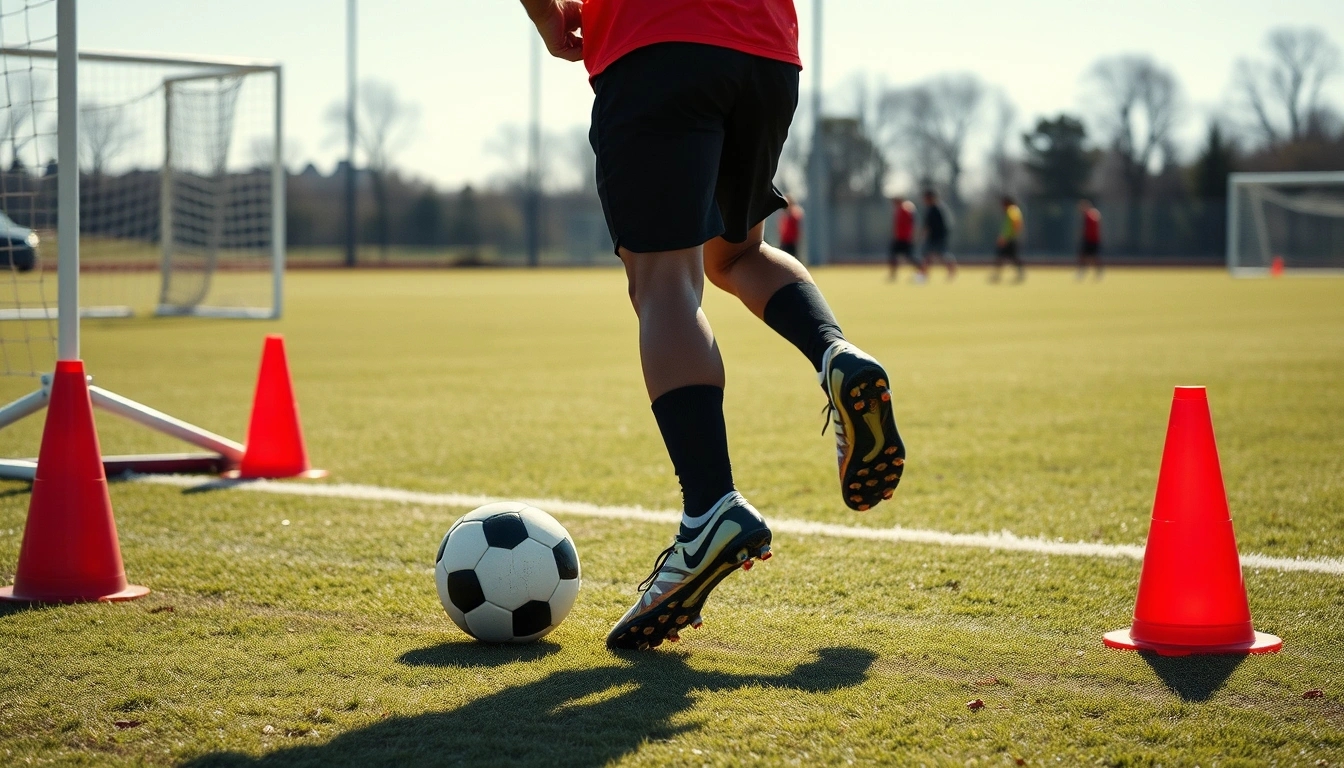
Solo Drills for Hold-Up Play
Alright, so you’re flying solo on the pitch, no coach barking instructions from the sidelines, and you need to sharpen that hold-up play like a true target man. It’s not rocket science, but it sure takes some grit and creativity. The key here? Practical exercises that boost your ability to shield the ball, link up with imaginary teammates (or a wall, if you’re desperate), and buy precious seconds when the pressure’s mounting. Let’s break it down, no fluff.
- Ball Shielding Basics: Start by practicing with a ball at your feet, standing against a sturdy surface or a wall. Use your body as a barrier—turn sideways, keep your hips low, and use your arms to fend off invisible defenders. The goal is to maintain control while feeling the resistance. Do this for 3 sets of 2 minutes, focusing on balance and strength.
- Wall Pass-and-Receive: If you’ve got a wall nearby, kick the ball against it with moderate force, then receive it under control. Pretend you’re linking up with a teammate. This drill hones your first touch and timing, which are crucial when you need to hold the ball and wait for support.
- Timed Ball Hold: Set a timer for 30 seconds, and during that time, keep the ball close while moving in small circles or figure-eights. The catch? Imagine defenders closing in, so you have to constantly adjust your body position to shield the ball. Gradually increase the duration as you improve.
Now, don’t get me wrong, solo drills aren’t glamorous. You won’t have the thrill of a live opponent breathing down your neck, but these exercises build muscle memory and confidence. Remember, hold-up play isn’t just about brute force; it’s about finesse and patience. You’re buying time, creating space, and setting the stage for the next move.
| Drill | Purpose | Duration/Reps | Tips |
|---|---|---|---|
| Ball Shielding Against Wall | Build strength and balance in shielding | 3 sets x 2 minutes | Keep low center of gravity, use arms wisely |
| Wall Pass-and-Receive | Improve first touch and timing | 50 passes | Control ball softly, vary pass speed |
| Timed Ball Hold with Movement | Enhance ball control under pressure | Start 30 sec, increase gradually | Stay light on feet, adjust body position |
One more thing: don’t just go through the motions. Mix it up! Imagine different scenarios—maybe a defender tries to nick the ball, or a teammate’s calling for a quick flick-on. Try to simulate those moments mentally while you train. It’s all about mental reps as much as physical ones.
Honestly, it’s a grind, but if you’re serious about bossing the box without a coach, these solo drills are your best friends. Practice consistently, stay patient, and don’t be afraid to get a bit rough with yourself. After all, the target man is the rock your team leans on when things get hectic. Own that role, even if it’s just you and your shadow on the pitch.
Using Video Analysis and Self-Review
Alright, so you’re out there grinding solo, trying to master the art of being a target man without a coach breathing down your neck. One of the smartest moves you can make? Harnessing technology and footage to critique your own performances. Sounds fancy, but it’s really just about watching yourself play, spotting what’s good, and more importantly, what’s downright awful. Trust me, no one’s perfect, especially when you’re flying solo.
First off, grab your smartphone or any camera you can get your hands on. Set it up during your practice sessions or matches. Don’t just film the flashy goals or headers; capture the boring bits too—the hold-up plays, the moments you lose possession, or when you totally miss a header. These clips are gold because they show you exactly where you’re slipping.
- Step 1: Record consistently. The more footage you have, the better your understanding will be.
- Step 2: Watch with a critical eye. Don’t just admire your own skills (tempting, I know). Look for patterns—are you always losing the ball under pressure? Do you hesitate before making a run? Are your headers mistimed?
- Step 3: Take notes. Jot down specific moments and what you think needs fixing.
Now, here’s a quick table to help you organize your self-review sessions better:
| Aspect | What to Look For | Improvement Ideas |
|---|---|---|
| Ball Control | First touch quality, control under pressure | Practice tight-space drills, juggling, wall passes |
| Heading | Timing, accuracy, power | Jumping drills, neck strengthening exercises |
| Positioning | Where you stand during attacks/defense | Study professional target men, mimic their positioning |
| Decision Making | Passing choices, when to hold or release the ball | Small-sided games, scenario-based drills |
The beauty of video analysis is that it forces you to be brutally honest with yourself. No coach yelling “Why did you do that?” but you still get the same tough love. And hey, sometimes you’ll catch yourself doing something that looks slick on the pitch but is actually a bad habit in disguise—like always turning your back to defenders instead of shielding the ball properly.
But don’t get stuck in the “watch and criticize” loop endlessly. Balance is key. After identifying weak spots, create a plan to work on them. Set small, achievable goals for each week. For example, “This week, I’m focusing on improving my first touch under pressure.” Then film again and see if there’s progress. Rinse and repeat.
And here’s a pro tip: use apps designed for athletes. Some allow you to slow down footage, draw on the screen, or compare clips side-by-side. Makes the whole process less tedious and way more insightful.
In the end, video analysis is your secret weapon when you’re your own coach. It’s like having a replay button for your career. Sure, it takes discipline and a thick skin, but if you want to boss the box and own the target man role, learning to critique yourself independently is non-negotiable. So get that camera rolling, and don’t be shy to face the footage—even if it stings a bit.
Nutrition and Recovery Tips for Self-Coached Players
Look, training hard without a coach breathing down your neck is tough enough, but keeping your body fueled and bouncing back from sessions? That’s a whole other beast. When you’re flying solo, you gotta be your own nutritionist and physio—no magic wand, no shortcuts. So, here’s some straight-up advice to keep your engine running and avoid turning into a walking zombie by midweek.
- Eat Like You Mean It (But Don’t Overthink): Forget those fancy diets you see on Instagram. Focus on balanced meals—carbs for energy, protein for muscle repair, and fats for overall health. Simple carbs like rice, pasta, or potatoes before training will give you that quick fuel boost. Post-session? Protein is your best mate. Think chicken, eggs, or plant-based sources if you’re vegan. And don’t skimp on veggies; those micronutrients are the unsung heroes.
- Hydration Is Non-Negotiable: You can’t perform if you’re parched. Water should be your constant companion. If you’re sweating buckets, toss in an electrolyte drink occasionally, but don’t go overboard with sugary sports drinks—they’re sneaky calorie bombs.
Now, let’s talk about recovery because training hard is pointless if you don’t let your body repair itself properly.
| Recovery Method | Why It Matters | Practical Tips |
|---|---|---|
| Sleep | Muscle repair and mental reset happen here | Aim for 7-9 hours, keep your room dark and cool, avoid screens before bed |
| Active Recovery | Boosts blood flow and reduces soreness | Light jogging, stretching, or yoga on rest days |
| Nutrition Timing | Optimizes muscle rebuilding | Eat protein and carbs within 30-60 minutes post-training |
| Foam Rolling & Massage | Relieves muscle knots and improves flexibility | Spend 10-15 minutes rolling tight spots, or treat yourself to a massage now and then |
Look, I get it. Without a coach to keep you accountable, it’s easy to slack off or ignore your body’s warning signs. But here’s a little secret: your body is smarter than you think. If you feed it right and respect recovery, it’ll reward you with better performance and fewer injuries. No magic supplements, no miracle cures—just consistent, sensible habits.
- Listen to Your Body: Feeling wiped out? Don’t push through like a robot. Sometimes, the best training is rest.
- Prep Your Meals: When life gets busy, it’s tempting to grab junk. Spend a bit of time prepping meals so you’re not caught starving and making bad choices.
- Mix It Up: Recovery isn’t just about chilling on the couch. Try swimming, cycling, or even meditation to give your body and mind a break.
To wrap it up: training solo means you wear a lot of hats. Nutrition and recovery aren’t just “nice-to-haves” — they’re your secret weapons. Nail these, and you’ll keep smashing your sessions without burning out. And hey, if you ever feel lost, remember: even the pros mess up their diets and sleep sometimes. It’s all about getting back on track, not being perfect.
Keep grinding, fuel smart, recover well—and watch yourself boss the pitch, no coach needed.

Building Mental Toughness and Motivation
Training solo as a target man? Well, buckle up, because it’s not all sunshine and rainbows without your usual squad or a coach barking orders from the sidelines. Staying mentally tough and motivated when you’re flying solo can feel like trying to score a header against a brick wall—frustrating, exhausting, and sometimes downright impossible. But hey, it’s not all doom and gloom. With a bit of grit and some clever hacks, you can keep your head in the game and push through those lonely training sessions.
First off, setting clear, realistic goals is a lifesaver. Without a coach to nudge you, it’s easy to drift aimlessly. Write down what you want to achieve each week—maybe it’s nailing your hold-up play or improving your aerial duels. Break those goals into bite-sized chunks. Instead of “become a better header,” try “practice 30 headers focusing on timing.” It’s like giving yourself a mini-coach in your pocket. And don’t forget to celebrate small wins! Even a tiny improvement deserves a fist pump.
- Create a routine: Structure is your best mate. Train at the same time daily, warm-up, drills, cool down—make it a habit. Your brain loves patterns, and this consistency helps keep motivation alive.
- Visualize success: Sounds cheesy? Maybe. But picturing yourself bossing the box, outmuscling defenders, or scoring that crucial goal can fire up your brain chemicals and boost confidence.
- Mix things up: Boredom is the enemy here. Throw in different drills, change locations, or add some music to spice up your sessions.
| Common Mental Challenges | Practical Solutions |
|---|---|
| Feeling isolated or lonely | Join online forums, share progress on social media, or find a virtual training buddy to stay connected. |
| Loss of motivation over time | Keep a training journal to track progress and remind yourself of why you started. |
| Self-doubt creeping in | Practice positive self-talk and review past successes, no matter how small. |
Now, let’s talk about mental resilience. It’s not just about gritting your teeth when things get tough; it’s about bouncing back smarter and stronger. When a session flops or you feel like you’ve hit a wall, don’t beat yourself up. Instead, ask: “What can I learn from this?” Maybe your timing was off, or your stamina flagged. Use setbacks as stepping stones, not stumbling blocks.
And hey, don’t underestimate the power of rest and recovery—both physically and mentally. Sometimes the best way to stay motivated is to take a step back, chill out, binge-watch some football highlights, and recharge. Your brain needs downtime to stay sharp.
Quick Mental Toughness Tips:- Break big goals into small, achievable ones.- Keep a training diary to track progress & setbacks.- Use positive affirmations daily.- Visualize success before every session.- Mix up your routine to avoid boredom.- Connect with fellow players online.- Celebrate every little victory.
In the end, training alone might feel like you’re shouting into the void, but remember: every solo session is a chance to build not just your game, but your character. The target man who masters mental toughness and motivation on their own? They’re the ones who truly own the box come match day. So, keep your chin up, eyes sharp, and hustle hard—you’ve got this.
Frequently Asked Questions
- What exactly does a target man do on the football pitch?
Think of the target man as the team’s anchor in attack — someone who holds the ball up, wins aerial battles, and creates chances by linking play. They’re the go-to player when the ball flies into the box, using strength and positioning to outmuscle defenders and keep the offense ticking.
- Can I train to be a target man effectively without a coach?
Absolutely! While having a coach helps, you can still master the essentials by focusing on physical conditioning, practicing ball control, and using solo drills. Video analysis tools and self-review are like having a coach in your pocket, helping you spot mistakes and track progress.
- What are the best workouts to build strength for a target man?
Prioritize exercises that boost your core, legs, and upper body—think squats, lunges, and push-ups. Plyometric drills improve your explosive power for jumping, while stamina workouts keep you sharp throughout the match. Consistency is key here.
- How can I improve my heading technique on my own?
Start with timing drills against a wall or with a rebounder to perfect your jump and contact point. Focus on neck strength and body positioning to add power and accuracy. Recording yourself can reveal subtle tweaks that make a huge difference.
- What tactics should I focus on without a coach guiding me?
Develop your game intelligence by watching professional matches and analyzing how top target men move and position themselves. Anticipate defenders’ actions and learn to find pockets of space—being one step ahead is your secret weapon.
- Are there specific solo drills to improve hold-up play?
Yes! Practice shielding the ball with your back to the goal using a sturdy object or wall, work on quick turns under pressure, and simulate receiving passes from different angles. These exercises help you maintain control and buy precious seconds for teammates to join the attack.
- How important is nutrition and recovery when training alone?
Vital! Without a coach or team support, fueling your body with balanced meals and prioritizing rest can make or break your progress. Hydration, protein intake, and quality sleep are your best friends for muscle repair and sustained energy.
- What techniques can boost mental toughness during solo training?
Set clear, achievable goals and celebrate small wins to keep motivation high. Use visualization to imagine match scenarios and stay positive when facing setbacks. Remember, mental resilience is like a muscle—the more you train it, the stronger it gets.