
Discipline—yeah, that’s the magic ingredient that separates the legends on the pitch from the weekend warriors. It’s not just about showing up or grinding endlessly; it’s about training your mind and body to sync perfectly, day in and day out. Ever wonder how Messi or Ronaldo keep their edge season after season? Spoiler alert: it ain’t luck. It’s a cocktail of habits, mental grit, and sheer stubbornness to stick to the process, even when Netflix is calling louder than the gym.
Let’s break it down, shall we? First off, discipline in football isn’t just “do what the coach says.” Nah, it’s a lifestyle. It’s about creating a mindset where you’re always hungry to improve, even when the crowd’s quiet or the scoreboard’s not in your favor. It’s waking up before dawn, hitting those drills, and pushing through the “I’m tired” moments that scream for mercy.
| Key Elements of Football Discipline | Description |
|---|---|
| Routine | Consistent daily habits that build muscle memory and mental toughness. |
| Goal Setting | Clear, measurable targets that keep motivation sharp and progress trackable. |
| Resilience | Bouncing back from failures, injuries, or off days without losing focus. |
| Nutrition & Sleep | Fueling the body properly and allowing recovery to maximize performance. |
| Mental Training | Visualization, mindfulness, and mental drills to handle pressure. |
Now, about those daily routines—pro players swear by them like they’re sacred rituals. They’re not just doing it for the ‘gram or to look tough; it’s about creating a rhythm that makes discipline almost automatic. Think early morning sprints, followed by protein-packed meals, tactical video reviews, and yes, sometimes the dreaded ice baths. The kicker? It’s not about motivation because, let’s be honest, motivation is flaky. It’s about consistency. Showing up even when you feel like a soggy noodle.
- Wake up early: The quiet hours are golden for focused training.
- Stick to meal plans: Junk food? Nope. Balanced nutrition keeps energy steady.
- Track progress: Use apps or journals to see how you’re improving or where you’re slacking.
But hey, setbacks are part of the game. Injuries, bad calls, or just a plain off day can mess with your head. The pros? They’ve got a playbook for that too. It’s about resetting, not quitting. They lean on coaches, teammates, and sometimes just sheer stubbornness to get back on track. And don’t forget—mental toughness is trained just like muscles. Techniques like visualization and mindfulness aren’t just buzzwords; they help players stay cool when the crowd’s roaring or the pressure’s sky-high.
Here’s a quick peek at a mental toughness drill pros use:
1. Find a quiet spot.2. Close your eyes and visualize the perfect game scenario.3. Imagine handling pressure, scoring, or defending flawlessly.4. Repeat daily to build confidence and calmness under stress.
To wrap it up, discipline isn’t reserved for the elite. Anyone can start building it today by setting small goals, sticking to routines, and treating their body like a high-performance machine. Remember, it’s messy, imperfect, and sometimes downright frustrating—but that’s what makes the victories so sweet.
So, lace up, set that alarm, and maybe—just maybe—you’ll find that secret sauce that makes champions.
Understanding Discipline in Football
Before you lace up your boots and hit the pitch, it’s crucial to wrap your head around what discipline truly means in the world of football. And let me tell you, it’s a lot more than just obeying the coach’s whistle or following a set of rules. Discipline in football is this weird, intricate cocktail of mindset, routine, and sheer resilience, all blended to keep a player sharp, focused, and ready to tackle whatever the game throws at them.
Now, you might think discipline is just about sticking to training schedules or avoiding those tempting late-night pizza parties (although that’s part of it). But actually, it’s more about the mental game. It’s about waking up every day with a purpose, having the grit to push through when your legs feel like lead, and the patience to keep grinding even when the scoreboard’s not in your favor. Football discipline is like a muscle—you gotta train it hard and consistently.
- Mindset: It’s the foundation. Without the right attitude, even the best drills won’t stick.
- Routine: Pro players swear by their daily habits. It’s the little things done repeatedly that build greatness.
- Resilience: Because setbacks—injuries, losses, or just a bad day—are inevitable. Discipline keeps you bouncing back.
To put it simply, discipline is the invisible force that separates the weekend warriors from the pros. It’s what makes a player show up on a freezing cold morning, even when the bed feels way too cozy. It’s the voice inside that says, “Just one more lap,” or “Keep your head up,” when the crowd’s roaring against you.
| Discipline Aspect | Description | Example in Football |
|---|---|---|
| Mindset | Developing a focused, positive attitude towards challenges | Staying calm under pressure during penalty shootouts |
| Routine | Consistent daily habits that build physical and mental strength | Strict training schedules and nutrition plans |
| Resilience | Ability to recover and learn from setbacks | Returning stronger after an injury |
But hey, don’t get me wrong—discipline isn’t some robotic, joyless grind. It’s messy, challenging, and often frustrating. Sometimes you’ll slip up, miss a session, or eat that extra slice of cake (guilty as charged). The key is not to beat yourself up but to keep coming back, stronger and smarter.
So, before you dive into those drills, take a moment to think about your own approach. Are you just going through the motions, or are you cultivating the kind of discipline that makes champions? Remember, it’s not about perfection; it’s about persistence.
Practical Tip: Start by setting a small daily goal—maybe it’s doing 10 extra minutes of footwork or focusing on your breathing during practice. Build that habit, and watch how your discipline starts to shape your game.
In the end, discipline in football is less about rigid control and more about creating a lifestyle where your mind and body work together seamlessly. It’s the secret sauce behind every stunning goal, every last-minute tackle, and every roar from the crowd.
Daily Routine: The Backbone of Discipline
If you think professional footballers just wake up and magically perform on the pitch, well, you’re in for a reality check. These athletes swear by their daily routines, and honestly, it’s less about flashy motivation and more about grinding through consistency. Motivation? It’s like that flaky friend who shows up sometimes but leaves you hanging when you really need them. Discipline, on the other hand, is the reliable buddy who’s there rain or shine.
Let’s break it down a bit. Most pros start their day before the sun even thinks about rising. An early morning workout isn’t just for show; it sets the tone for the entire day. Whether it’s cardio, strength training, or tactical drills, this morning ritual is non-negotiable. It’s like telling your body, “Hey, we’re serious about this.” And don’t get me started on the meal plans. Strict? Absolutely. But it’s not just about eating chicken and broccoli every day (though that’s a big part of it). It’s about fueling the machine correctly so the body can perform at its peak.
| Time | Activity | Purpose |
|---|---|---|
| 5:30 AM | Wake up and hydration | Kickstart metabolism and rehydrate after sleep |
| 6:00 AM | Physical training (cardio/strength) | Build endurance and power |
| 8:00 AM | Breakfast (high protein, balanced carbs) | Refuel and repair muscles |
| 10:00 AM | Skill drills and tactical practice | Sharpen technical ability and game understanding |
| 1:00 PM | Lunch (nutrient-dense) | Maintain energy levels |
| 3:00 PM | Recovery (stretching, physiotherapy) | Prevent injuries and aid muscle recovery |
| 7:00 PM | Dinner (light, balanced) | Prepare body for rest and regeneration |
| 9:30 PM | Sleep | Critical for mental and physical recovery |
Now, here’s where it gets interesting — consistency beats motivation any day. You can be super pumped one morning and slack off the next. But the pros? They show up every. single. day. No excuses. Rain, shine, hangover (okay, maybe not that one), they stick to their plan. It’s like brushing your teeth; you don’t debate it, you just do it. That’s the power of routine.
- Why routines work: They reduce decision fatigue. When your day is mapped out, you waste less brainpower on choices and more on performance.
- Building habits: Over time, these repeated actions become second nature. You don’t need a pep talk — the routine drives you.
- Resilience: When motivation dips, routine keeps you afloat. It’s the safety net catching you when enthusiasm runs dry.
Sure, some might argue that spontaneity fuels creativity. And hey, they’re not wrong. But in the brutal world of professional football, where milliseconds and millimeters count, discipline forged through routine is the real game-changer. It’s that unglamorous, behind-the-scenes grind that turns talent into legend.
So, next time you’re tempted to skip your morning jog or cheat on your diet because you “don’t feel like it,” remember: the pros don’t rely on feeling like it. They rely on showing up. Every day. No exceptions.
Practical Insight: If you want to start building your own routine, try this simple approach:
1. Pick ONE habit to focus on (e.g., morning stretch or hydration)2. Do it at the same time every day for a week3. Gradually add another habit once the first feels natural4. Track your progress in a journal or app5. Celebrate small wins and forgive slip-ups
Trust me, discipline isn’t about being perfect. It’s about being persistent. And that’s what makes all the difference.

Setting Clear Goals and Tracking Progress
Without a clear target in sight, even the most iron-willed discipline can start to crumble. It’s like trying to shoot arrows blindfolded—sure, you might hit something, but probably not the bullseye. Professional footballers get this; they know that discipline isn’t just some vague concept but a laser-focused pursuit of specific, measurable goals. These athletes don’t just say, “I want to get better.” Nope, they set concrete milestones: “I want to improve my sprint speed by 0.2 seconds in the next six weeks,” or “I aim to complete 90% of my passes accurately in every match.”
Why does this matter so much? Because goals give direction to discipline. Without them, motivation drifts, and the grind feels pointless. But with clear objectives, every training session, every drill, and every meal becomes a brick laid on the path to success. It’s like having a GPS for your career—no wandering off into the weeds.
How do pros keep track? Well, it’s not just about writing down goals on a napkin (although that might be a start). They use detailed logs, performance analytics, and video reviews. Coaches and analysts pore over data like hawks, spotting tiny improvements or worrying dips. This constant monitoring creates a feedback loop that sharpens discipline by showing exactly where progress is happening and where more work is needed.
| Goal Type | Example | Tracking Method |
|---|---|---|
| Physical | Increase stamina to run 12km without fatigue | GPS tracking, heart rate monitors |
| Technical | Improve passing accuracy to 85% | Video analysis, match stats |
| Mental | Maintain focus for full 90 minutes | Self-assessment, coach feedback |
- Set SMART goals: Specific, Measurable, Achievable, Relevant, Time-bound.
- Review regularly: Weekly or monthly check-ins to adjust plans.
- Celebrate small wins: Keeps morale high and discipline intact.
Now, here’s the kicker—sometimes, despite all this planning, things don’t go as expected. A player might hit a plateau or regress, and that’s where tracking progress becomes even more critical. It’s not just about seeing the wins but also spotting the warning signs early. The pros don’t freak out when numbers dip a bit; they analyze, tweak, and push forward. This resilience is part of the discipline muscle.
In a nutshell, setting clear goals and tracking progress isn’t just some boring administrative task. It’s the heartbeat of professional discipline in football. Without it, even the best intentions can fade into wishful thinking. But with it? Well, that’s how legends are made—one measurable step at a time.
Handling Setbacks and Staying Motivated
Let’s be real — every footballer, no matter how legendary, faces those dreaded moments: injuries that bench them for weeks, dreadful games where nothing goes right, or those mysterious slumps where confidence just vanishes. It’s like waking up one day and suddenly forgetting how to kick a ball properly. But here’s the kicker: the pros don’t just sulk in the corner or throw in the towel. Nope, they bounce back, sometimes stronger than ever. So, how do they do it without losing their discipline or drive? Let’s unpack this a bit.
First off, acceptance plays a huge role. You can’t fight reality, and pretending an injury or a bad patch doesn’t exist is just setting yourself up for a bigger fall. Professional players acknowledge setbacks fast and start plotting their comeback. Think of it like a tactical game plan, but for mental grit.
| Setback | Pro Approach | Why It Works |
|---|---|---|
| Injury | Rehabilitation with strict routine + mental visualization | Keeps body healing while maintaining sharpness mentally |
| Bad Performance | Video analysis + focusing on small improvements | Turns failure into learning, not despair |
| Slump in Form | Adjust training load + seek psychological support | Prevents burnout and restores confidence |
Another thing — motivation isn’t some magical, endless fountain. It ebbs and flows, and that’s perfectly normal. The pros get that. So instead of relying on motivation to drag them through, they build discipline and habits that keep them going even when they feel like a soggy noodle. It’s like brushing your teeth — you don’t need motivation, you just do it.
- Routine is king: Having a consistent daily schedule means players don’t waste energy deciding what to do next.
- Short-term goals: Breaking down recovery or improvement into bite-sized chunks makes the mountain seem less intimidating.
- Support systems: Coaches, teammates, family — these folks keep players grounded and accountable.
Now, here’s a little secret: mental toughness isn’t about being some emotionless robot. It’s about embracing frustration, doubts, and even fear, then saying, “Alright, bring it on.” Visualization techniques — where players imagine themselves succeeding — and mindfulness practices help them keep their cool when the pressure cooker’s about to blow.
Example: A player sidelined for 6 weeks due to injury might spend 30 minutes daily visualizing perfect passes, goals, or defensive moves. This mental training primes the brain and keeps skills sharp, so when they’re back on the pitch, they’re not rusty wrecks.
In the grand scheme, setbacks could actually be disguised blessings. They force players to slow down, reassess, and sometimes reinvent their game. It’s messy, frustrating, and downright painful — but that’s where true champions separate themselves from the rest.
So next time you’re stuck in a rut or nursing a self-inflicted “injury” (maybe just a bad mood), remember: even the pros hit the skids. What counts is how you get back up — with grit, a plan, and maybe a little stubbornness.
Key Takeaway: Discipline during setbacks isn’t about perfection; it’s about persistence. Keep showing up, keep grinding, and eventually, the comeback story writes itself.
Nutrition and Sleep: The Often Overlooked Discipline
Alright, let’s get real for a second — you can’t just hit the gym or the pitch every day and expect to be a football superstar if your diet is trash and your sleep is all over the place. Seriously, no amount of sprint drills or weightlifting will save you if your body isn’t getting the fuel and rest it desperately needs. It’s like trying to run a Ferrari on cheap gas or leaving your phone on 1% all day. Doesn’t work, right? Well, footballers get this. They know that nutrition and sleep aren’t just side notes, but the foundation of their entire performance.
- Nutrition is the game-changer — these athletes don’t just eat; they strategize every bite. It’s not about starving or stuffing, but about balance, timing, and quality. Think lean proteins, complex carbs, healthy fats, and a rainbow of veggies. The goal? Keep energy levels stable, aid muscle recovery, and maintain peak mental focus.
- Sleep is the unsung hero. You might think you can power through on five hours, but trust me, your body and brain will throw a tantrum sooner or later. Footballers aim for 7-9 hours of solid shut-eye, often with naps thrown in to top up their reserves. This isn’t just about feeling rested; it’s about muscle repair, memory consolidation, and hormone regulation.
| Key Component | Why It Matters | Pro Tips |
|---|---|---|
| Protein Intake | Builds and repairs muscles post-training. | Include lean meats, fish, eggs, or plant-based proteins like lentils. |
| Carbohydrates | Primary energy source for intense activity. | Opt for whole grains, sweet potatoes, and fruits for sustained energy. |
| Sleep Duration | Critical for recovery and cognitive function. | Stick to a consistent bedtime and avoid screens an hour before sleep. |
Now, don’t get me wrong — it’s not always sunshine and rainbows. Even the pros mess up their diet or pull an all-nighter before a big match. But they bounce back because they understand the long-term impact. Skimp on sleep or chow down on junk food regularly, and you’re basically sabotaging your own efforts. Ever seen a player look sluggish or out of focus? Yeah, that’s often the culprit.
Here’s a quick checklist that footballers swear by to nail nutrition and sleep discipline:
- Meal prepping: No guessing games. Meals are planned and prepped to avoid last-minute junk food temptations.
- Hydration: Water is king. Staying hydrated keeps muscles working and headaches away.
- Sleep hygiene: Dark, cool room, no caffeine late in the day, and a wind-down routine that signals your brain it’s time to chill.
So, if you’re dreaming of playing like the pros, remember this — you can’t just hustle on the field. Your kitchen and bedroom are just as important training grounds. Master the art of eating right and catching quality Z’s, and you’ll see your game elevate in ways you didn’t think possible. No magic pill, just good old-fashioned discipline. Now go on, treat your body like the champion it’s meant to be!
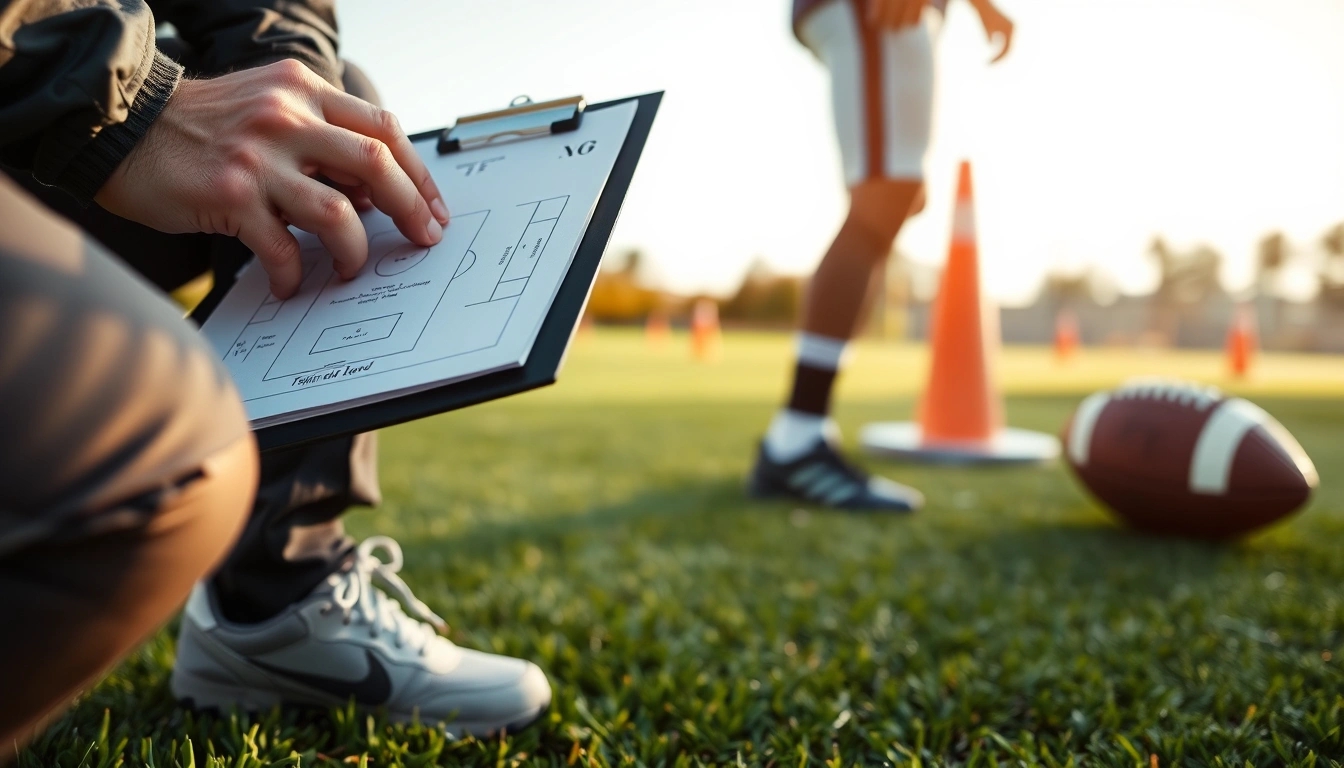
Training Techniques to Build Mental Toughness
Discipline in football isn’t just about those grueling sprints or endless push-ups. Sure, physical strength is crucial, but the real game-changer? Mental toughness. It’s the secret weapon that keeps players cool when the crowd’s roaring, the stakes are sky-high, and every second counts. Now, don’t get me wrong, it’s not like you wake up one day and suddenly become a Zen master. It takes deliberate, sometimes frustrating work. But hey, nothing worth having comes easy, right?
Let’s kick off with mental drills. These aren’t your typical warm-ups. Think of them as brain workouts designed to sharpen focus and boost resilience. Players often engage in exercises like concentration grids or reaction time tests. Sounds a bit nerdy? Maybe. But these drills train the brain to ignore distractions—like that annoying heckler in the stands or the pressure cooker feeling in the last minutes of the match.
- Concentration Grids: Players scan a grid filled with numbers or letters, spotting sequences under time pressure. It’s a simple yet effective way to train attention.
- Reaction Time Tests: Quick reflexes aren’t just for the body. These tests help players respond faster to unexpected changes during gameplay.
Now, onto visualization. It may sound like new-age mumbo jumbo, but pro footballers swear by it. Picture this: before a big match, players close their eyes and mentally rehearse every pass, every goal, every victory celebration. This mental movie primes their brain, making the actual performance feel more familiar and less intimidating.
| Visualization Technique | Purpose | How to Practice |
|---|---|---|
| Imagery Rehearsal | Build confidence and reduce anxiety | Mentally run through successful plays and positive outcomes |
| Scenario Simulation | Prepare for unexpected challenges | Visualize handling mistakes or tough opponents calmly |
Finally, let’s talk about mindfulness. No, it’s not just for yogis or monks. Mindfulness teaches players to stay present, to breathe through the chaos, and to avoid spiraling into negative thoughts. It’s about noticing what’s happening without freaking out. A simple breathing exercise or a quick body scan can reset a player’s mindset during a tense moment.
- Breathing Exercises: Deep, slow breaths to calm nerves and sharpen focus.
- Body Scan: Checking in with different body parts to release tension.
So, if you’re thinking discipline is all about muscle and sweat, think again. The mind is just as much a battleground. And while these techniques might not guarantee you a spot on the national team tomorrow, they sure help you keep your cool when the pressure’s on—on the pitch or in life.
Remember: Mental toughness isn’t built overnight. It’s a messy, uneven journey filled with setbacks and small victories. But stick with it, and you’ll find yourself handling pressure like a pro.
Role of Coaches and Mentors in Discipline
Behind every disciplined player is a coach or mentor pushing boundaries and keeping standards high. It’s not just about barking orders from the sidelines or handing out drills like candy. Nope, the role of coaches and mentors in shaping discipline is a whole different beast—one that’s equal parts tough love, strategy, and sometimes downright stubbornness.
Think about it: a player might have talent, but without someone constantly nudging them, challenging their limits, and holding them accountable, that talent often fizzles out. Coaches don’t just train muscles; they train minds. They’re the ones who spot when a player’s focus drifts or when motivation dips, and they step in—sometimes gently, sometimes with a kick in the pants—to bring them back on track.
| Role | Description | Impact on Player |
|---|---|---|
| Accountability Enforcer | Ensures players follow through on commitments and routines. | Builds consistency and reliability in training and matches. |
| Motivator | Pushes players to exceed their limits, especially during tough times. | Strengthens mental resilience and hunger for improvement. |
| Strategic Planner | Designs training regimes tailored to individual needs and goals. | Maximizes efficiency and focus in practice sessions. |
Now, here’s where it gets tricky. Not all coaches are created equal. Some can be overly harsh, leading to burnout or rebellion, while others might be too soft, letting players slide by without real discipline. The best mentors strike a balance—they know when to crack the whip and when to offer a pat on the back. It’s a delicate dance that requires emotional intelligence as much as tactical know-how.
And mentors? They’re often the unsung heroes, especially for younger players. While coaches deal with the team as a whole, mentors get personal. They’re the ones who listen to doubts, share life lessons, and help players navigate the mental rollercoaster of professional sports. Without that personal touch, discipline can feel like a cold, mechanical process rather than a growth journey.
- Consistency is king: Coaches insist on routines because discipline thrives on repetition.
- Feedback loops: Regular, honest feedback helps players adjust and improve continuously.
- Setting realistic expectations: Coaches help players set goals that push them without breaking them.
Of course, discipline is not just about the drills or the diet charts; it’s about cultivating a mindset. Coaches and mentors serve as mirrors and filters, reflecting a player’s progress and filtering out excuses. They keep the standards sky-high, which, let’s be honest, can sometimes feel like a relentless grind. But that’s the game—no shortcuts.
So next time you see a footballer sprinting back on defense or smashing that extra set of push-ups, remember: it’s not just their willpower at play. There’s a coach or mentor in the background, pushing boundaries, setting the bar, and making sure discipline isn’t just a buzzword but a way of life.
Common Mistakes in Discipline Training
Let’s get real for a moment—training discipline isn’t some magic switch you flip overnight. Even the pros mess up, and honestly, if they didn’t, we wouldn’t have all those “comeback stories” to cheer for. So, what are the classic slip-ups players often fall into when trying to build their discipline? Buckle up, because here’s the lowdown on the usual suspects and how you can dodge them.
1. Setting Unrealistic Expectations
One of the biggest traps is aiming way too high too fast. Thinking you’ll suddenly wake up at 5 AM, run 10 miles, and eat like a saint every day? Yeah, that rarely sticks. Discipline is a marathon, not a sprint. Start small, or you’ll just burn out and quit. Remember, consistency beats intensity.
2. Ignoring Mental Fatigue
Discipline isn’t just physical; it’s mental, too. Players often overlook how exhausting it can be to stay “on” all the time. Pushing through without breaks can backfire big time. Mental burnout leads to sloppy training and poor decisions on the field. So, schedule some downtime—it’s not laziness, it’s smart.
| Common Mistake | Why It Happens | How to Avoid |
|---|---|---|
| Overambitious Goals | Desire for quick results | Set realistic, incremental targets |
| Neglecting Rest | Misunderstanding mental fatigue | Incorporate scheduled breaks |
| Lack of Accountability | Training solo without feedback | Find a coach or training buddy |
| Inconsistent Routine | Motivation fluctuates | Establish habits, not just goals |
3. Skipping Accountability
Going it alone sounds noble, but it’s a recipe for disaster. Without someone to keep you honest—be it a coach, teammate, or even a training app—it’s way too easy to slack off. Accountability partners push you when you want to quit and celebrate when you nail it. Don’t underestimate their power.
4. Falling for Motivation Over Discipline
Here’s a harsh truth: motivation is flaky. One day you’re pumped, the next day you’re not. Relying on motivation alone is like building a house on sand. Discipline is what gets you out the door even when you feel like binge-watching your favorite series instead. Focus on building habits that don’t depend on mood swings.
- Practical Tip: Write down your goals and review them daily.
- Pro Tip: Use a journal to track your progress and setbacks.
- Warning: Don’t punish yourself for slip-ups; learn and move on.
5. Neglecting Nutrition and Sleep
You might think you can outwork a bad diet or lousy sleep schedule. Spoiler alert: you can’t. Skimping on these basics kills discipline faster than missing a workout. Footballers who ace discipline know their body is their temple—fuel it right and rest it well, or prepare for a crash.
6. Not Adapting to Setbacks
Injuries, bad games, or just plain off days happen. The mistake? Letting these moments shatter your resolve. Discipline means adjusting your plan, not tossing it out the window. Flexibility is key—learn to bend without breaking.
Remember:- Discipline is a journey, not a destination.- Mistakes are part of the process.- The goal is progress, not perfection.
So, next time you’re frustrated because your discipline feels more like a rollercoaster than a steady climb, cut yourself some slack. Even the best stumble. What matters is recognizing those traps and learning how to leap over them like a pro.
Keep grinding, keep learning, and above all, keep it real.

Practical Tips to Start Your Discipline Journey Today
So, you’re not part of a pro football team, huh? No sweat! You don’t need a fancy club contract or a coach barking orders to start building some serious discipline. Believe it or not, the same grit and grind that top footballers swear by can be cultivated right in your living room, backyard, or local park. Here’s the real deal — no fluff, just actionable steps you can take today to get that football-level discipline rolling.
- Set Mini Goals, Not Everest
Ever tried to run a marathon on day one? Yeah, didn’t work, did it? Start small. Instead of aiming to train like Messi overnight, commit to 15 minutes of focused activity daily. Whether it’s jogging, stretching, or ball control drills, consistency beats intensity when you’re starting out. - Build a Routine That Doesn’t Suck
Look, nobody’s saying you gotta wake up at 5 AM and eat kale for breakfast (unless you want to). But having a set time for your training, meals, and rest helps your brain clock in discipline mode. Try sticking to a schedule—even if it’s messy at first. The key word? Stick.
| Time of Day | Activity | Why It Matters |
|---|---|---|
| Morning | Light cardio or stretching | Jumpstarts metabolism and focus |
| Afternoon | Skill drills or ball practice | Improves technique and muscle memory |
| Evening | Review goals and mental visualization | Prepares mind for next day’s challenges |
Now, don’t get cocky thinking you’re invincible because you did one day of “pro-level” discipline. Slips happen. You’ll miss a day, binge-watch some Netflix, or eat that entire pizza. It’s cool. The trick is to not let one bad day snowball into a week of excuses. Discipline is like a muscle — sometimes it cramps, but it gets stronger with practice.
- Track Your Progress Like a Hawk
Keep a journal or use an app to jot down what you do daily. Seeing your improvements—even tiny ones—builds motivation. Plus, it’s satisfying to look back and say, “Hey, I actually did that!” - Find a Buddy or Accountability Partner
Discipline can be lonely. Having someone to check in with, share wins, or complain about sore muscles can make a world of difference. No pro team? No problem—your friend or sibling can be your coach for the day.
Pro Tip:Don’t obsess over perfection. Missing a workout or messing up your routine isn’t failure.It’s part of the process. Get back on track and keep moving forward.
Finally, remember that discipline isn’t just about physical hustle. It’s also about mindset. Try a few minutes of meditation or visualization before training. Imagine yourself nailing that perfect pass or scoring the winning goal. Sounds cheesy? Maybe. But mental toughness is half the battle.
In short, you don’t need a stadium, a pro contract, or a fancy gym to start training discipline like a footballer. You just need some grit, a plan, and the guts to stick with it—even when Netflix and pizza are calling your name. So lace up, show up, and start building that champion mindset today. The pitch is yours, even if it’s just in your backyard.
Frequently Asked Questions
- What exactly does discipline mean in professional football?
Discipline in football goes way beyond just following a coach’s orders. It’s a blend of mindset, routine, and resilience that keeps players consistent and focused. Think of it as the invisible engine powering every drill, decision, and comeback on the pitch.
- How important is a daily routine for building discipline?
Daily routines are the backbone of discipline. Pro footballers stick to strict schedules—from early workouts to meal timings—because consistency beats motivation. It’s like watering a plant daily; small, steady actions lead to big growth.
- How do professional players set and track their goals?
Clear, measurable goals are crucial. Pros break down their targets into bite-sized milestones and track progress meticulously, almost like hawks watching their prey. This constant feedback loop keeps their discipline sharp and motivation high.
- What’s the best way to handle setbacks without losing discipline?
Setbacks are part of the game—injuries, bad performances, or slumps happen to everyone. The key is bouncing back with a positive mindset, learning from failures, and sticking to routines. It’s like training your mind to be a rubber ball that always springs back.
- Why are nutrition and sleep considered part of discipline?
You can’t out-train a poor diet or bad sleep habits. Footballers master nutrition and rest because these fuel their body and mind, ensuring peak performance. It’s like charging your phone fully before a long day—without it, everything runs out of juice fast.
- How do mental training techniques improve discipline?
Mental drills like visualization and mindfulness help players stay calm and focused under pressure. Discipline isn’t just muscle; it’s mental toughness that keeps players cool when the heat is on—like a captain steering a ship through a storm.
- What role do coaches and mentors play in developing discipline?
Behind every disciplined player is a coach or mentor who pushes limits and sets high standards. They act like a compass, guiding players through challenges and keeping them accountable on their discipline journey.
- What are common mistakes to avoid when training discipline?
Typical errors include inconsistency, neglecting rest, setting vague goals, and losing patience. Avoid these traps by staying steady, prioritizing recovery, being specific with targets, and remembering that discipline is a marathon, not a sprint.
- Can I build football-level discipline without being a pro athlete?
Absolutely! You don’t need a pro team to start your discipline journey. Simple steps like creating routines, setting clear goals, tracking progress, and focusing on nutrition and rest can help anyone build rock-solid discipline in daily life.