Alright, so you’re stuck solo, no teammates around to feed you passes or pressure you into making that killer finish. Frustrating? Absolutely. Impossible? Nope. Mastering finishing in soccer all by yourself might sound like trying to juggle flaming torches while blindfolded — tricky, but with some elbow grease and creativity, totally doable.
First off, let’s get one thing straight: pressure isn’t just some defender breathing down your neck. It’s mental, physical, and emotional stress all rolled into one sweaty package. You gotta trick your brain into thinking this isn’t just another lazy afternoon kickabout but a nail-biting, last-minute goal scenario. Easier said than done, right?
- Visualize the crowd roaring (or jeering). Sounds cheesy, but imagining that intense atmosphere can spike adrenaline.
- Set strict time limits. Nothing like a ticking clock to mimic the panic of a real game.
- Force yourself to shoot after tiring drills. Because scoring when fresh is easy. Scoring when your legs feel like jelly? Now that’s the real deal.
| Drill Type | Purpose | How to Do It Solo |
|---|---|---|
| Timed Finishing | Simulate game pace | Shoot 10 balls in 30 seconds, reset with a sprint |
| Fatigue Shooting | Train under exhaustion | Run 50m sprints, then shoot immediately |
| Rebounder Shots | Improve reaction & unpredictability | Kick ball at rebounder, control return, shoot |
Now, if you think you can just boot the ball against a wall and call it a day, well… you’re kinda right, but also kinda missing the point. Walls and rebounders are your best buddies here. They give you more shots per session and make the ball behave unpredictably — just like a defender trying to mess with your rhythm.
And don’t even get me started on tech. Apps that time your drills or video your attempts can be game-changers. You might catch that sneaky habit of leaning too far back or always shooting with the same foot (hello, predictability!).
Mindset? It’s 90% of the battle. When you’re alone, it’s easy to slack off or lose focus. Try to keep your brain sharp by setting mini-goals, like hitting the top corner five times in a row or nailing a volley after a rebound. Celebrate small wins — even if it’s just a fist pump in your backyard.
| Common Solo Training Mistakes | How to Fix Them |
|---|---|
| Training without structure | Plan sessions with clear goals and timers |
| Ignoring fatigue | Include sprints or burpees before shooting |
| Overusing one foot | Force practice with weaker foot |
| Neglecting recovery | Stretch and rest to avoid injury |
Finally, when should you drag your mates or coach back into the mix? Solo drills are fantastic, but nothing replaces real pressure from opponents and teammates. Once you feel confident nailing shots under your self-imposed pressure, it’s time to test it on the pitch — because no amount of solo practice can fully mimic the chaos of a real game.
So yeah, flying solo isn’t ideal, but with some grit, smart drills, and a dash of imagination, you can sharpen your finishing to a razor’s edge. Just remember: pressure is as much in your head as on the field. Train both, and you’ll be scoring like a pro in no time.
Understanding the Pressure: What Does It Really Mean?
Pressure in soccer finishing? Oh, it’s way more than just a defender hot on your heels or a goalkeeper narrowing down the angle. If you think pressure is simply physical proximity, you’re missing out on a whole psychological and emotional circus happening in your head—and body—when you’re about to take that shot.
Let’s get one thing straight: pressure is a beast with many heads. First, there’s the mental pressure. This is the sneaky part that creeps in when your brain starts throwing “what if” scenarios at you. What if I miss? What if the crowd boos? What if this shot costs us the game? Suddenly, your confidence takes a nosedive, and your focus scatters like leaves in the wind. It’s not just nerves; it’s your brain wrestling with expectations and fear of failure.
Then, we have the physical pressure. No, I’m not talking about the defender’s shoulder bumping into you (though that’s part of it too). I mean the body’s response to stress—heart pounding, muscles tightening, breath shortening. Ever notice how your legs feel like jelly when you’re about to take a crucial shot? That’s physical pressure messing with your coordination and timing. It’s like trying to thread a needle with gloves on.
| Type of Pressure | What It Feels Like | Impact on Finishing |
|---|---|---|
| Mental | Overthinking, anxiety, self-doubt | Loss of focus, hesitation, poor decision-making |
| Physical | Increased heart rate, muscle tension, fatigue | Reduced precision, slower reaction, shaky execution |
| Emotional | Fear, frustration, excitement | Impulsive shots, loss of composure, inconsistency |
And don’t forget the emotional pressure. This one’s tricky because it’s personal. Maybe you’re playing in front of your family, or it’s a crucial match that could make or break your season. Emotions can either fuel you or burn you out. The excitement might push you to greatness or send you into a panic spiral. It’s a rollercoaster ride, no doubt.
- Mental stress often causes hesitation, which is the enemy of a good finish.
- Physical stress can make your technique sloppy, even if you know what you’re doing.
- Emotional stress might lead you to rush or overcompensate, missing the target.
So, pressure isn’t just some vague feeling—it’s a cocktail of mental, physical, and emotional factors all mixed up, sometimes messing with your finishing skills. Knowing this helps you realize that training under pressure isn’t just about dodging defenders; it’s about preparing your mind and body to handle this chaotic mix.
Here’s a little nugget to chew on: the more you expose yourself to these kinds of stressors in practice, the less they’ll rattle you during the game. But that’s easier said than done, especially if you’re flying solo without a team to simulate game pressure. That’s why understanding what pressure really means is the first step to mastering finishing under it.
In a nutshell, pressure is a multi-layered challenge that tests your brain, your body, and your emotions. Mastering finishing means tackling all these layers head-on—no easy feat, but totally worth it.
Creating Realistic Scenarios Solo
So, you find yourself stuck without teammates but still itching to sharpen that killer finishing touch? Don’t sweat it—training solo to mimic real-game pressure is totally doable, even if it sounds like a one-man show on a massive stage. The trick is to get creative and push your limits with drills that force you out of your comfort zone. Let’s break down some ways you can replicate the chaos and intensity of match situations all by yourself.
Why bother mimicking pressure alone? Because pressure isn’t just about someone chasing you down or blocking your shot. It’s the mental scramble, the ticking clock, the fatigue weighing down your legs, and the unpredictable bounce of the ball—all combined. If you only practice shooting in a relaxed setting, you’re missing the whole point. So, how do you recreate that pressure cooker feeling without a squad? Here’s the lowdown.
| Drill Type | Description | Pressure Element Simulated |
|---|---|---|
| Timed Shooting | Set a timer (30-60 seconds) and aim to take as many quality shots as possible before time runs out. | Game pace, quick decision-making |
| Fatigue Shooting | Do a series of sprints or jumping jacks before each shot to simulate tired legs. | Physical exhaustion, reduced coordination |
| Rebounder Shots | Kick or throw the ball at a rebounder or wall, then control and shoot quickly. | Unpredictable ball movement, reflex training |
- Timed Drills: Nothing screams pressure like a countdown clock ticking away. Set a stopwatch, and force yourself to take shots within a strict timeframe. This isn’t just about speed—it’s about thinking fast, controlling your body, and not freezing up. When the seconds slip away, hesitation can kill your chances. The more you practice under this ticking clock, the more natural it feels during real matches.
- Physical Fatigue: Ever tried scoring after running your lungs out? Yeah, it sucks. But that’s reality. Incorporate sprinting or intense cardio right before shooting drills. Your legs will scream, your breath will shorten, and your brain will beg for mercy—but that’s the point. Finishing under fatigue is a whole different beast, and training this way prepares you for those nail-biting final minutes when every shot counts.
Now, let’s get a bit cheeky. You might think, “But I don’t have fancy equipment or a coach yelling at me.” Guess what? You don’t need them to make your solo sessions effective. Walls and rebounders are your best mates here. Kick the ball against a wall, control the rebound, and shoot again. The unpredictable bounce forces quick reactions and sharpens your touch. Plus, it keeps the ball moving fast, just like in a real game.
Here’s a quick checklist to keep your solo pressure training on point:
- Set clear goals for each session (e.g., 20 shots in 5 minutes)
- Mix up drills to avoid boredom and simulate different pressure types
- Record yourself occasionally to spot mistakes you didn’t notice
- Include rest periods but keep them short to maintain intensity
Remember, the key is to challenge yourself constantly. If your drills feel too easy, ramp up the difficulty. Maybe reduce your shooting time, increase sprint distances, or add a mental twist like counting backward while shooting. The more you push your limits, the better you’ll handle pressure when it really counts.
So, no teammates? No problem. Your backyard or local park can be a pressure cooker if you know how to set the scene. With a bit of grit, imagination, and these practical tips, you’ll be finishing like a pro—even when flying solo.
Using Timed Drills to Simulate Game Pace
Alright, let’s get real for a second. In soccer, speed isn’t just a nice-to-have; it’s a dealbreaker. You’ve got maybe two or three seconds tops to control the ball, size up your options, and smash it into the net before a defender or the goalkeeper ruins your day. So, how do you train for that insane pace when you’re flying solo and no one’s there to pressure you? Enter timed drills — your new best friend.
Timed drills are like the ultimate pressure cooker. They force you to think fast, act faster, and make snap decisions just like you would in a real match. No more leisurely strolls up to the ball, no second guessing. The clock’s ticking, and you better deliver. It’s a mental game as much as physical, and these drills help you build that muscle memory to react without overthinking.
| Drill Type | Purpose | How to Execute Solo |
|---|---|---|
| 30-Second Finishing Blitz | Boost quick shooting under time pressure | Set a timer for 30 seconds, take rapid shots on goal, reset ball quickly, repeat |
| One-Touch Challenge | Improve reaction and decision speed | Use a rebounder or wall, control the ball with one touch, shoot immediately before timer runs out |
| Rapid Fire Sprints + Shots | Simulate fatigue + quick finishing | Run 20 meters at full speed, shoot within 5 seconds of stopping, repeat for 5 rounds |
Now, don’t kid yourself — these drills ain’t easy. When the clock’s running, your brain tends to freeze or freak out, and your legs suddenly feel like jelly. That’s the point! You’re training your body and mind to keep cool and execute under realistic pressure. Plus, timed drills add a bit of fun competition with yourself — can you beat your last score? How many quality shots can you get off in a minute? It’s like a video game, but sweatier.
- Tip 1: Always reset quickly. Don’t waste time picking the ball up or adjusting your stance. The faster you reset, the better you mimic game conditions.
- Tip 2: Mix up your shooting angles and distances. Variety keeps your brain sharp and prepares you for unpredictable match scenarios.
- Tip 3: Track your progress. Keep a simple log of how many shots you take and how many hit the target under time pressure. You’ll thank yourself later.
One little heads-up though: timed drills can get frustrating. You’ll miss shots you’d normally nail, and sometimes you’ll feel like throwing your ball across the yard. But hey, that’s the beauty of training — it exposes your weaknesses so you can fix them. Remember, it’s not about perfection; it’s about getting better at thinking and finishing on the fly.
In the end, using timed drills when training alone is like giving yourself a mini-game inside the big game. It forces you to bring your A-game every single time, even if no one’s watching. So set that timer, lace up, and get ready to own those seconds that make all the difference on match day.
Incorporating Physical Fatigue
Alright, let’s talk about the dreaded beast every soccer player hates but must face: finishing while completely knackered. Seriously, there’s nothing worse than dragging your tired legs across the pitch and then having to nail that shot like you’re fresh as a daisy. If you think you can just stroll up to the ball after a 90-minute run and calmly place it in the net, well, good luck with that! Real games don’t give you the luxury of resting before every shot. So, training your finishing under fatigue is not just smart—it’s essential.
Now, how do you do this without teammates yelling at you or a coach pushing you? Simple: simulate the exhaustion. That means ditching the easy, relaxed shots and cranking up the intensity beforehand. Sprint drills, shuttle runs, or even burpees can get your heart pounding and legs burning. Once you’re gasping for air and your legs feel like jelly, then it’s time to practice your finishing. The goal here is to make your muscles remember how to fire accurately even when they scream “no more!”
| Drill | Description | Why It Works |
|---|---|---|
| Sprint + Shot | Run 20-30 meters at full speed, immediately follow with a shot on goal. | Simulates breakaway situations where you’re exhausted but must finish. |
| Shuttle Runs + Finishing | Perform 5 shuttle runs (10m back and forth), then shoot from a set spot. | Builds endurance and trains precision under fatigue. |
| Burpees + Shooting | Do 10 burpees, then shoot quickly without resting. | Engages full body fatigue, mimicking late-game tiredness. |
Here’s the kicker: don’t expect to score every time when you’re wiped out. That’s part of the drill! The aim is consistency under pressure, not perfection. Your first few attempts might be ugly, maybe even embarrassing, but stick with it. Over time, your body learns to cope, and your brain gets used to making snap decisions when your energy’s in the red zone.
- Tip 1: Keep your shots simple—focus on technique, not power. When tired, finesse beats brute force.
- Tip 2: Use a stopwatch or app to time your sprints and rest intervals. It keeps you honest and pushes you harder.
- Tip 3: Don’t forget to hydrate and stretch post-drill to avoid injuries. Fatigue plus tight muscles recipe for disaster.
Oh, and here’s a little secret: mental fatigue plays a sneaky role too. When you’re wiped physically, your brain sometimes goes on vacation. So, these drills also train your focus and decision-making when you’re running on empty. It’s like toughening your mind as much as your muscles.
In the end, incorporating physical fatigue into your finishing practice is about making the hard look easy. Because when the whistle blows in a real match, and your lungs are burning, you want that shot to be automatic—not a desperate flail. So next time you’re out there solo, don’t just shoot fresh—sprint, sweat, and then shoot. Your future self will thank you.
Equipment and Tools to Boost Solo Training
Let’s be honest—training by yourself can get a bit dull, right? No teammates yelling, no defenders closing in, just you and the ball. But hey, don’t let that drag your motivation down. With the right gear, your solo finishing drills can go from “meh” to downright magnificent. Seriously, some simple tools can make a world of difference, turning your backyard, park, or even a cramped driveway into your personal finishing bootcamp.
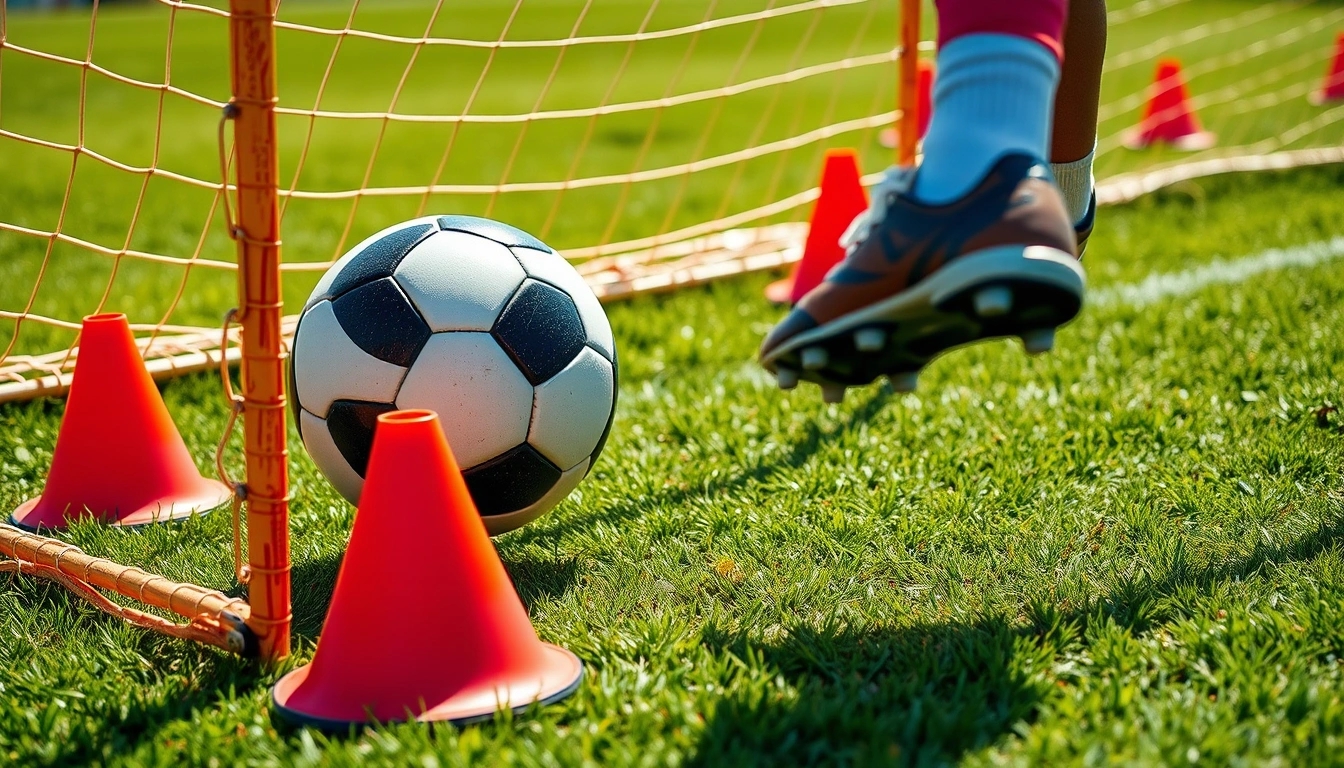
First up: cones. They’re not just for looking cool on the sidelines. Set up cones to create dribbling courses, simulate defenders, or mark shooting zones. You can zigzag through them, practice sharp turns, or even time yourself to add some pressure. Plus, cones are cheap and easy to carry around. No excuses there.
| Equipment | Purpose | Why You Need It |
|---|---|---|
| Cones | Marking drills, agility, shooting zones | Affordable, versatile, simulates defenders |
| Rebounders | Returns shots and passes | Increases shot volume, improves reaction time |
| Training Walls | Ball control, passing, shooting practice | Creates unpredictable ball bounces, simulates pressure |
| Resistance Bands | Strength and conditioning | Simulates fatigue, builds power for finishing |
| Smartphone Apps | Timing drills, video analysis | Tracks progress, identifies weaknesses |
Now, rewind a bit and think about rebounders and training walls. These babies are your best friends when no one else is around. Why? Because they bounce the ball right back at you, forcing you to react quickly and shoot again. It’s like having an invisible defender throwing curveballs at you—except it’s just a wall or a net. The unpredictability of the ball’s return means you’re sharpening your reflexes and decision-making in real-time. Plus, more shots more chances to improve. It’s a no-brainer.
- Rebounders: Great for practicing volleys, first-touch shots, and quick release finishes.
- Training Walls: Perfect for improving ball control and simulating pressure from defenders.
- Resistance Bands: Not your typical finishing gear, but essential for building the kind of muscle endurance you need to finish strong even when you’re wiped out.
Let’s not forget technology. Yes, technology! Your smartphone isn’t just for scrolling memes or doomscrolling sports news. There are tons of apps designed to time your drills, record your sessions, and even analyze your technique frame-by-frame. Imagine catching that tiny hitch in your shot or noticing how your body leans just a bit too far back before shooting—stuff you’d totally miss otherwise.
Practical Tip:1. Use a stopwatch app to time your shooting drills—try to beat your own records.2. Record your finishing from multiple angles.3. Review the footage and note specific areas to improve, like foot placement or body posture.
So yeah, solo training might sound lonely, but with cones, rebounders, walls, and a sprinkle of tech, it can be a full-on finishing fiesta. Your skills won’t just survive—they’ll thrive. And when you finally get back on the pitch with your team, you’ll be laughing at those defenders who thought they had you figured out.
Remember: It’s not about fancy gear or spending a fortune. It’s about using what you’ve got smartly and consistently. The right tools can push you harder, keep you engaged, and turn those solo sessions into pressure-packed finishing training that actually works. Now, go get that ball rolling!
Rebounders and Walls: Your Best Friends
When it comes to training finishing under pressure all by your lonesome, rebounders and walls are absolute game-changers. Seriously, if you think you can just kick balls into the void and expect magic, think again. These tools bring unpredictability, speed, and a bit of chaos into your drills—exactly what you need to mimic real match intensity.
Imagine this: you strike the ball, and instead of it lazily rolling away, it bounces right back at you at weird angles and speeds. This forces you to react faster, adjust your body, and make split-second decisions. It’s like having a mini defender without the hassle of someone actually stealing your lunch money on the pitch.
| Benefits of Using Rebounders/Walls | Why It Matters |
|---|---|
| More Shots in Less Time | Continuous rebounds mean you get more reps, which is key for muscle memory and confidence. |
| Improves Reflexes | Unpredictable returns force quicker reactions, sharpening your instincts under pressure. |
| Simulates Opponent Pressure | Erratic ball movement mimics defenders’ interference, preparing you mentally and physically. |
But hey, don’t just stand there like a statue waiting for the ball to come back. You gotta move, shift your weight, and be ready to shoot or control the ball in a flash. This dynamic movement is what really separates the pros from the weekend warriors. Plus, it’s way more fun than boring drills where you just tap the ball slowly.
- Tip 1: Use different surfaces on the rebounder or wall. A flat wall sends the ball straight back, but an angled or uneven surface creates wild bounces.
- Tip 2: Mix up your shots—powerful strikes, chips, low drives—to train various finishing techniques under pressure.
- Tip 3: Challenge yourself by setting a time limit or a target number of successful rebounds to keep your brain and body on edge.
Here’s a quick drill you can try right now:
1. Stand about 5-7 yards from a rebounder or wall.2. Shoot the ball with your dominant foot.3. Control or shoot the returning ball as quickly as possible.4. Repeat for 1-2 minutes straight.5. Rest for 30 seconds, then switch to your weaker foot.
Trust me, after a few rounds, your legs will feel like jelly, and your brain will be firing on all cylinders. It’s that sweet spot where pressure training happens—fast, relentless, and unpredictable.
In the end, rebounders and walls aren’t just props; they’re your secret weapons when teammates aren’t around. They keep your finishing sharp, your reflexes quick, and your mind ready for the chaos of real games. So, if you want to finish like a boss when the heat is on, make friends with these tools—you won’t regret it.
Pro Tip: If you don’t have a rebounder handy, a sturdy wall works just fine. Just be prepared for some weird ricochets and maybe a few “what the heck” moments. That’s all part of the fun.
Keep kicking, keep pushing, and remember: pressure is just another ball bouncing back at you. How you handle it? That’s the real game.
Using Technology: Apps and Video Analysis
Look, training solo isn’t just about kicking the ball against a wall and hoping for the best. These days, technology is your secret weapon, even if you’re flying solo in the backyard. It’s not just for the hardcore gamers or those fancy esports junkies; apps and video tools can seriously level up your finishing skills, especially under pressure. Don’t believe me? Stick around.
First off, there are a bunch of apps out there designed to time your drills. You might think, “Eh, I can just use a stopwatch,” but these apps do way more than that. They track your reaction times, count your successful shots, and even suggest rest intervals based on your performance. Imagine trying to beat your own best time shooting 20 balls in a row from different angles. Sounds simple? Try it with a timer breathing down your neck — suddenly, it’s a whole new ball game.
- Drill Timer Apps: These apps keep you honest. No slacking off when the clock’s ticking.
- Performance Trackers: Log your progress over days, weeks, months. Seeing numbers improve is oddly satisfying.
- Fatigue Simulators: Some apps suggest rest periods and workouts to mimic game exhaustion.
But here’s where it gets really interesting: video analysis. Ever watched your own shot and thought, “Wait, why did my foot kick that weird?” or “Why did the ball go flying like a rocket off to Mars?” Video tools let you catch these little quirks that you never notice in the heat of the moment. You can slow down your shots, zoom in on your foot placement, and even compare your form to pro players. It’s like having a coach in your pocket, minus the yelling (which, let’s be honest, sometimes you miss).
| Video Analysis Feature | Benefit | Example Tools |
|---|---|---|
| Slow Motion Playback | Spot mechanical flaws in your shot technique | Hudl Technique, Coach’s Eye |
| Side-by-Side Comparison | Compare your form with professionals or previous attempts | Ubersense, Dartfish |
| Annotation Tools | Draw lines, angles to analyze foot placement and ball trajectory | Coach’s Eye, V1 Pro |
Now, don’t get me wrong, tech isn’t a magic wand. It won’t fix your finishing overnight or make you Messi. But it’s a powerful tool to simulate pressure and keep you accountable. When you’re training alone, it’s easy to slack off or miss subtle mistakes. Video feedback and timed drills keep you honest and push you to improve, even when no one’s watching.
So next time you’re out there, no teammates in sight, whip out your phone, hit record, and start that timer. You might just find that tech is the best training buddy you never knew you needed.
Pro Tip: Don’t just record for the sake of it—review your footage regularly. Trust me, catching those little errors early saves you from building bad habits that are a pain to unlearn later.
In the end, combining apps and video analysis is like having a mini-coach and a stopwatch in your pocket, pushing you to handle finishing under pressure like a pro—even when you’re all alone.
Mindset Hacks: Training Your Brain to Handle Pressure
Alright, let’s get real — pressure in sports, especially when you’re finishing alone, is mostly a mind game. Like, seriously, about 90% mental. Your body might be ready, but if your brain’s throwing a tantrum, good luck scoring that goal. So, how do you trick that stubborn noggin into staying cool when it matters? Here’s the lowdown.
First off, understand this: pressure isn’t just about the clock ticking or imaginary defenders closing in. It’s that swirling storm of stress, self-doubt, and adrenaline that makes your hands sweat and your legs feel like jelly. But here’s a secret — your brain can be trained like a muscle. No kidding. You just gotta feed it the right stuff.
- Visualize Like a Pro: Before you even touch the ball, close your eyes and picture the perfect finish. See the ball hitting the net, hear the crowd roar (or your own pumped-up soundtrack). This mental rehearsal wires your brain to expect success, making you less likely to choke.
- Chunk the Pressure: Instead of thinking, “I HAVE to score NOW,” break it down. Tell yourself, “I’m just taking this one shot, no big deal.” It’s like telling your brain to chill out and focus on the moment, not the outcome.
Look, it’s not magic, but these tricks work because they calm the fight-or-flight response that floods your system when pressure hits. When your brain senses calm, your body follows.
| Mindset Hack | What It Does | How to Practice |
|---|---|---|
| Visualization | Prepares brain for success | Spend 5 minutes daily imagining perfect shots |
| Chunking Pressure | Reduces overwhelming stress | Focus on one small task at a time during drills |
| Controlled Breathing | Calms nervous system | Use deep breaths before and during shooting |
Speaking of breathing, don’t underestimate it. When you’re about to take that crucial shot, a few deep, controlled breaths can send a “hey, relax” message to your brain. It’s like hitting the pause button on panic. Try the “4-7-8” technique — breathe in for 4 seconds, hold for 7, out for 8. Sounds fancy, but it’s just science helping your nerves.
Now, here’s a curveball: sometimes, embracing the pressure rather than fighting it can flip the script. Instead of thinking “pressure sucks,” try telling yourself “this is my moment to shine.” Weird? Sure. Effective? Absolutely. It’s about reframing that stress into fuel. Imagine your brain as a wild horse — you gotta steer it, not wrestle it.
- Self-Talk: Keep your inner coach positive and pumped. Ditch the “I can’t” nonsense, and replace it with “I’ve got this” or “Bring it on.”
- Routine Rituals: Develop a pre-shot routine — a little dance, a deep breath, a glance at the goal — whatever anchors you. Routines create familiarity, which calms the chaos.
To wrap it up, training your brain to handle pressure is like prepping for a big exam or a job interview — practice, prep, and a sprinkle of self-belief. So next time you’re alone on the pitch, remember: the toughest opponent isn’t the goalie, it’s your own brain. Outsmart it, and the goal’s yours.
Tracking Progress: How to Know You’re Getting Better
So, you’re grinding away on your finishing skills all alone, no coach blowing a whistle in your ear or teammates shouting for the ball. Sounds peaceful, right? But here’s the kicker: without someone yelling at you or giving instant feedback, figuring out if you’re actually improving can feel like trying to find a needle in a haystack. It’s easy to get stuck in a rut, practicing the same mistakes over and over without realizing it. Don’t sweat it, though — there are some practical ways to keep tabs on your progress and make sure your finishing under pressure is actually leveling up.
- Video Recording Your Sessions: It’s 2024, and if you’re not filming yourself, you’re missing out. Set up your phone or camera to catch your finishing drills. Watching yourself back is like having a coach in your pocket — you’ll spot things you never noticed, like body positioning, shot technique, or even hesitation before striking.
- Timed Challenges: Pressure is all about the clock ticking down, right? Use timers or apps to put yourself on the spot. For example, try to score five goals in a minute or less. Track your times and success rates to see if you’re shaving off seconds or boosting accuracy.
- Shot Accuracy Logs: Keep a simple notebook or digital spreadsheet where you jot down each drill’s results. How many shots hit the target? How many go wide or get blocked? Over weeks, this data paints a clear picture of your improvement or reveals stubborn weaknesses.
| Date | Drill Type | Shots Taken | Shots on Target | Goals Scored | Time Taken |
|---|---|---|---|---|---|
| April 1 | Timed 5-Goal Challenge | 20 | 15 | 5 | 1:15 |
| April 8 | Timed 5-Goal Challenge | 22 | 18 | 5 | 1:02 |
| April 15 | Timed 5-Goal Challenge | 18 | 17 | 5 | 0:58 |
Now, here’s a little secret: don’t just focus on the numbers alone. Sometimes, you’ll feel like absolute garbage after a session but the stats say you’re improving. Other times, you’ll feel like a world-beater but the data tells a different story. That’s because finishing under pressure is as much about mental grit as it is about physical skill. So, mix in some self-reflection — jot down how confident you felt, whether your nerves got the better of you, or if you hesitated before shooting.
Pro Tip: Try to replicate pressure by adding distractions during your drills — play loud music, shout random words to yourself, or imagine a defender breathing down your neck. Then, track how your finishing changes. This kind of “mental resistance training” can be a game-changer.
- Use Apps and Wearables: If you’re a tech geek, apps like MyCoach or SoccerPulse can track your shooting speed, accuracy, and even heart rate during drills. Some wearables offer real-time feedback, so you know instantly when you’re slacking or pushing too hard.
- Set Realistic Benchmarks: Don’t expect to nail every shot from day one. Set small, achievable goals — like improving shot accuracy by 10% in two weeks or reducing your timed drill completion by 10 seconds. Celebrate those wins, no matter how tiny.
Remember, the biggest trap when training alone is getting comfortable with mediocrity because no one’s pushing you. So keep shaking things up, be brutally honest with your self-assessments, and lean on tools and data to keep your finishing sharp and pressure-ready. It’s not glamorous, it’s not easy, but hey — that’s how champs are made.
Summary:
- Record and review your finishing drills on video.
- Use timers and apps to simulate pressure and track times.
- Maintain logs or tables of your shot accuracy and success rates.
- Incorporate mental pressure and distractions to mimic game stress.
- Set measurable goals and celebrate incremental progress.
Keep hustling, keep tracking, and soon enough, you’ll know exactly how much better you’re getting — even without that coach breathing down your neck.
Common Mistakes When Training Alone and How to Avoid Them
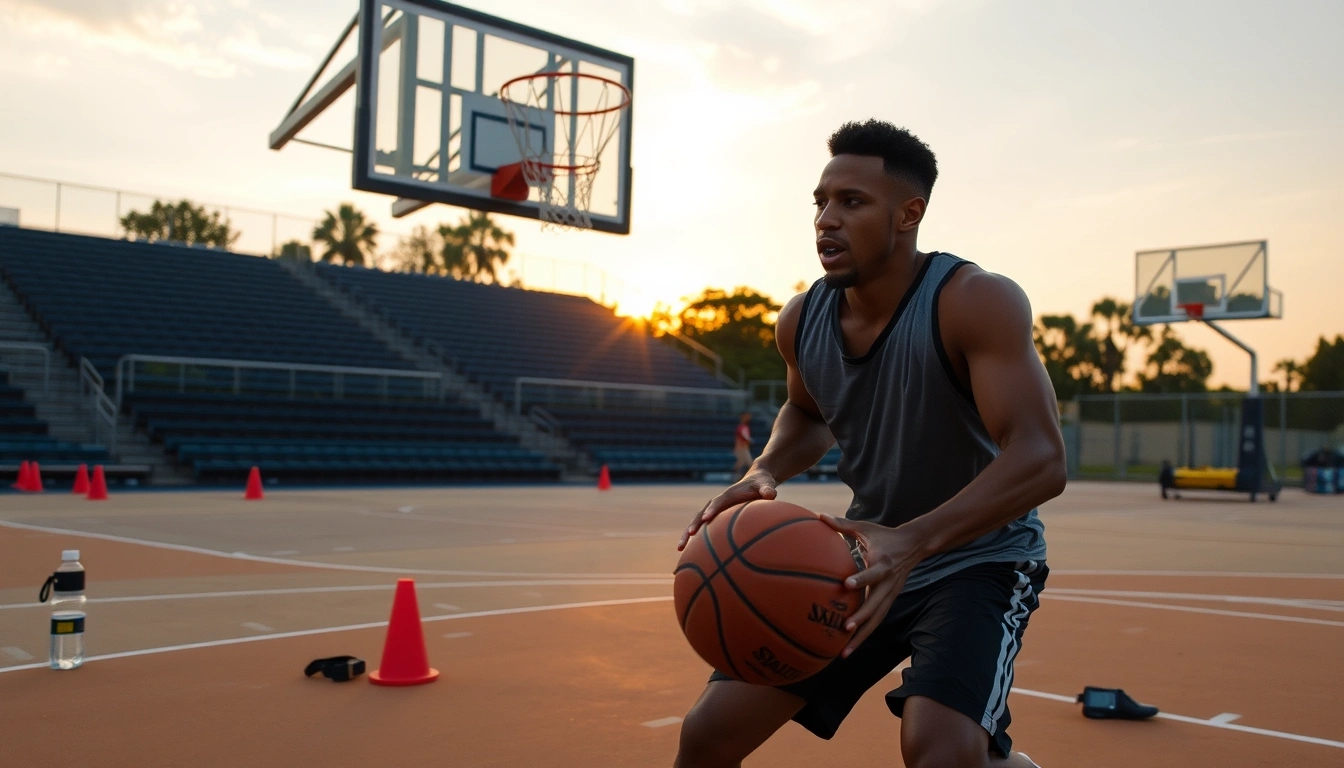
Going solo in training might sound like a dream—no one to slow you down, no distractions, just you and the ball. But let’s be real, flying solo comes with its own set of sneaky traps that can mess with your progress or worse, leave you sidelined with an injury. So, what are these typical pitfalls? And how can you dodge them like a pro? Buckle up, because we’re diving into the nitty-gritty.
1. Skipping Warm-Ups and Cool-Downs
First off, the classic rookie mistake: rushing into intense drills without proper warm-ups. It’s tempting to just start blasting shots, but your muscles? They hate that. Cold muscles are injury magnets. Similarly, neglecting cool-downs means your body doesn’t recover properly, piling up fatigue and soreness.
- Tip: Spend at least 10 minutes warming up with light jogging, dynamic stretches, and ball touches.
- Cool down with gentle jogging and static stretches to keep flexibility.
2. Falling Into Repetitive Patterns
Without a coach or teammates to mix things up, it’s easy to get stuck in a boring loop—shooting from the same spot, the same angle, the same pace. This not only kills creativity but also makes your training predictable and less effective.
- Tip: Change your shooting positions regularly, vary shot types (laces, chips, volleys), and throw in some unexpected moves.
- Use cones or markers to create diverse shooting zones.
3. Ignoring Mental Pressure
Training alone often lacks the mental stress that real games throw at you—no crowd, no defenders, no ticking clock pushing you to perform. This can lull you into a false sense of security, making you less prepared for crunch time.
- Tip: Incorporate timed drills and self-imposed challenges to simulate pressure.
- Try visualizing defenders closing in or imagine the roar of a crowd to boost adrenaline.
| Mistake | Consequence | How to Avoid |
|---|---|---|
| Skipping Warm-Ups | Increased injury risk | 10-minute dynamic warm-up routine |
| Repetitive Drills | Plateaued skills, boredom | Vary drills & shooting angles |
| Neglecting Mental Pressure | Unprepared for game stress | Timed drills & visualization |
| Overtraining Without Rest | Fatigue, burnout, injury | Schedule rest days & listen to your body |
4. Overtraining and Ignoring Rest
Here’s a sneaky one: when you’re pumped and motivated, you might push yourself too hard, too often. Solo training can feel like an endless grind, but more isn’t always better. Overtraining leads to exhaustion, slower progress, and yes, injuries.
- Tip: Plan rest days and pay attention to aches that don’t go away.
- Remember, muscles grow when you rest, not just when you train.
5. No Feedback Loop
Training alone means no one’s there to give you that “hey, your foot angle’s off” or “try shooting quicker.” Without feedback, bad habits sneak in and stick.
- Tip: Use video recordings to analyze your technique.
- Apps that slow down footage or provide drills can be game changers.
So yeah, solo training is awesome when done right, but if you fall into these traps, progress stalls faster than you can say “offside.” Keep it varied, stay smart about your body, and trick your brain into feeling the heat of real matches. That way, when the team’s back, you’re not just ready—you’re unstoppable.
When to Bring Teammates or Coaches Back Into the Mix
Alright, so you’ve been grinding solo for a while, perfecting your finishing moves, getting those shots on target, and feeling pretty confident in your own company. But here’s the kicker — solo training, as golden as it feels, isn’t the whole story. There comes a time when you gotta step out of your personal bubble and jump back into the chaos of team drills. Why? Because no matter how slick your skills get alone, nothing quite replicates the unpredictable pressure of real defenders, teammates shouting, and the ticking clock.
How do you know when it’s time? Well, if you’re hitting a plateau, or worse, starting to feel like you’re stuck in a rut, it’s a clear sign. Solo drills can only simulate so much — you can’t fake the adrenaline rush of a defender closing in or the split-second decisions that come with real gameplay. Plus, practicing with others exposes you to different play styles and unpredictability that a rebounder or wall just can’t mimic.
- Sign #1: Skill Stagnation — You’re nailing your shots in practice but can’t seem to replicate that in matches.
- Sign #2: Missing Real-Game Pressure — Your solo drills feel too easy, no heart-pounding moments.
- Sign #3: Lack of Feedback — Without teammates or coaches, you might miss subtle mistakes or bad habits creeping in.
| Benefits of Reintroducing Team Drills | What to Watch Out For |
|---|---|
|
|
Now, don’t get me wrong — it’s not like you toss your solo drills out the window the moment you hit the field with teammates again. Think of it as a cycle: solo work builds your foundation, and team sessions test it under fire. Ideally, after a solid block of individual training, you slide back into group drills to see how your finishing holds up when the heat is on.
Here’s a practical tip: schedule your solo and team trainings in chunks. Maybe two weeks of focused solo drills followed by a week of team practice. This way, you keep sharpening your technique while regularly challenging yourself with real-game pressure.
Example Weekly Plan:- Monday to Friday: Solo finishing drills, timed shots, fatigue shooting- Saturday: Team scrimmage focusing on finishing under pressure- Sunday: Rest or light recovery with video analysis feedback
And don’t forget the coaches! Their eyes catch the stuff you miss — a slight hitch in your run-up, your body positioning, or even your decision-making speed. They’re the reality check you didn’t know you needed.
In conclusion, solo training is like your secret weapon — it builds confidence and skill — but it’s not the whole battlefield. The moment you sense your solo progress hitting a wall or crave that real-game chaos, it’s time to rally the troops and get back to team drills. Because in soccer, finishing under pressure isn’t just about technique; it’s about adapting, reacting, and surviving the madness of the game.
Remember: Train alone, but test together. That’s the winning combo.
Frequently Asked Questions (The title must be written in English.)
- How can I simulate pressure when training finishing alone?
Great question! Pressure isn’t just about defenders; it’s the mental and physical stress that affects your shot. To mimic this solo, try timed drills that push you to shoot quickly, and add physical fatigue by doing sprints before your shots. Using rebounders or walls also adds unpredictability, making your practice feel more like a real game.
- What equipment is essential for solo finishing practice?
Don’t underestimate the power of simple gear! Cones help set up realistic drills, rebounders bounce the ball back for rapid-fire shooting, and walls create unpredictable ball movements. Plus, apps and video analysis tools can track your progress and highlight areas to improve, turning your solo sessions into a high-tech training ground.
- How do I keep my mind focused under pressure during solo training?
Pressure is mostly mental, so training your brain is key. Try visualization techniques where you imagine scoring under tough conditions, and practice breathing exercises to stay calm. The goal is to trick your brain into staying cool and focused, so when real pressure hits, you’re ready to shine.
- How can I measure improvement without a coach?
Tracking progress solo can feel like shooting in the dark, but it’s doable! Use apps to time your drills and count successful finishes. Record your sessions to spot mistakes and improvements. Setting clear goals, like increasing accuracy under fatigue, helps you see how far you’ve come.
- What common mistakes should I avoid when training alone?
Going solo can lead to bad habits, like poor technique or inconsistent practice. Avoid these by keeping drills varied, focusing on quality over quantity, and warming up properly to prevent injuries. Also, don’t forget to rest and reflect on your sessions to keep improving smartly.
- When should I start training with teammates or a coach again?
Solo training is awesome, but real pressure comes from playing with others. Once you feel confident with your solo drills, bring teammates or a coach back in to test your skills under real match conditions. This mix helps you refine your finishing and adapt to unpredictable game scenarios.