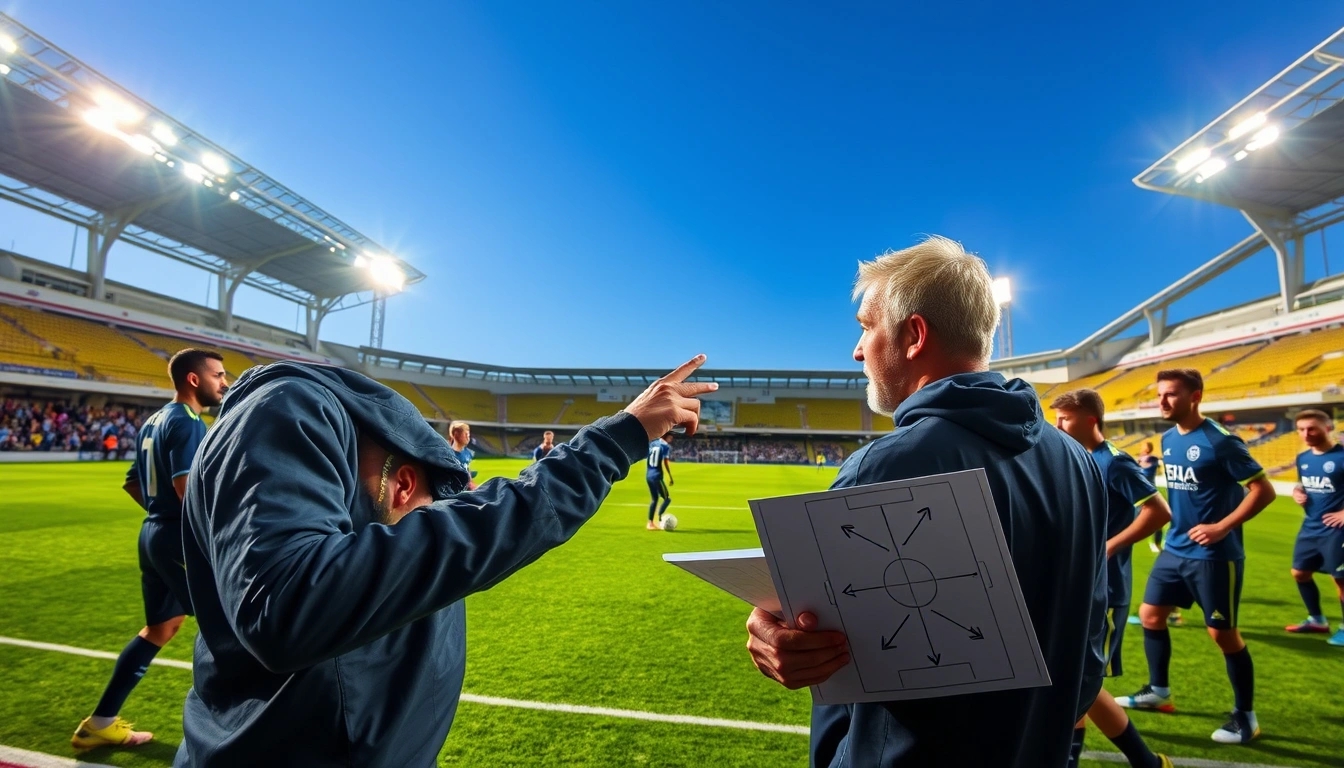
You’ve probably heard the buzz about Klopp’s pressing style — it’s like watching a pack of wolves on the hunt, relentless and ruthless. But what’s really going on behind that non-stop hustle? Let’s break it down without the usual jargon, because Klopp’s game isn’t just about running around like a headless chicken (though it kinda looks like it sometimes). It’s a carefully crafted, high-energy system designed to suffocate opponents and snatch the ball back ASAP.
- What’s Klopp’s pressing style all about? At its core, it’s about pressure, pressure, pressure. The moment Liverpool lose possession, the team doesn’t sulk or retreat — they swarm. The idea is to force mistakes quickly, ideally in dangerous areas.
- Gegenpressing: Not just running after the ball — this is Klopp’s signature. Instead of chasing endlessly, the team anticipates where the ball will go and cuts off passing lanes. It’s like a chess game, but with sweat and grit.
| Role | Responsibilities |
|---|---|
| Front Three | Lead the press, harass defenders, force errors |
| Midfielders | Cut passing options, support forwards, track back fast |
| Defenders | Maintain line, cover spaces, start counter-press |
Now, who actually does what? The front three attackers are the first line of defense. They’re constantly in the faces of defenders, making it a nightmare to settle down. Meanwhile, the midfield acts as the engine room, backing up the forwards and intercepting passes like hawks. It’s a team effort, no lone wolves here.
Triggers and spatial awareness are crucial. Klopp’s players don’t just press randomly. They watch for subtle cues — a bad touch, a backward pass, or a defender turning their back — and then BAM! The press is on. It’s like a well-rehearsed dance but with more sweat and less grace.
Fitness? Oh boy, that’s a whole other story. Klopp’s squad needs to be in beast mode physically. The relentless pressing means they’re sprinting, tackling, and recovering constantly for 90 minutes. It’s exhausting, but that’s why Klopp’s teams often look fitter than their opponents in the final stages.
| Fitness Focus | Training Elements |
|---|---|
| Endurance | High-intensity interval training, long runs |
| Recovery | Nutrition, physiotherapy, rest protocols |
| Strength | Weight training, plyometrics |
Of course, it’s not foolproof. Critics point out that if the press is bypassed, Klopp’s team can get exposed, especially on the counter-attack. Opponents have learned to exploit the space left behind the pressing players, turning the high-risk strategy into a potential nightmare.
So, if you’re a Sunday league coach itching to copy Klopp’s magic, here’s a tip: don’t just tell your players to run more. Teach them to read the game, recognize pressing triggers, and communicate constantly. And remember, stamina is king — without it, the press just looks like chaos.
In the end, Klopp’s pressing style is a beautiful mess of energy, brains, and guts. It’s not perfect, but when it clicks? Man, it’s football poetry in motion — relentless, punishing, and absolutely thrilling.
What Is Klopp’s Pressing Style Anyway?
Alright, let’s get straight to the point — Jurgen Klopp’s pressing style ain’t your grandma’s slow, methodical football. Nope, it’s all about that full-throttle, high-octane hustle that leaves opponents gasping for air and wondering what just hit them. At its core, Klopp’s pressing is an aggressive, high-energy approach designed to suffocate the other team the moment they get the ball. Think of it as a pack of wolves closing in on their prey — relentless, coordinated, and downright intimidating.
Now, you might ask, “Isn’t pressing just running after the ball?” Well, yes and no. Klopp’s style isn’t just about sprinting around like a headless chicken. It’s smart pressing. Players don’t just chase the ball blindly; they press in triggers — specific moments or cues that signal when to pounce. This means his team is always alert, reading the game like hawks, ready to cut off passing lanes or force the opponent into making a mistake.
| Core Elements of Klopp’s Pressing | What It Means |
|---|---|
| High Defensive Line | Keeping the defense up the pitch to compress space and shorten the field. |
| Immediate Pressure | Players swarm the ball carrier within seconds of losing possession. |
| Collective Movement | Pressing isn’t solo work; the entire team shifts and presses as a unit. |
| Trigger-Based Pressing | Pressing starts only when certain cues appear, avoiding wasted energy. |
One thing that’s often overlooked is just how much mental sharpness Klopp demands. Players can’t just be fit; they have to be constantly thinking, anticipating, and reacting. It’s like a chess game played at 100 miles an hour. And yes, it’s exhausting — but that’s the whole point. The energy and intensity wear down opponents physically and mentally.
- Why is this approach so effective? Because it forces errors. When you’re pressured instantly, you’re more likely to give up bad passes or lose control.
- Why do players buy into it? Klopp’s passion and clear game plan make them believe in the cause, even when it’s brutal.
At the end of the day, Klopp’s pressing is about taking the initiative — not waiting for the other team to settle but smashing their rhythm before it even starts. It’s gutsy, it’s exhausting, and sometimes it looks like madness. But when it clicks, it’s pure football poetry.
So, next time you see Liverpool or any Klopp side chasing down every ball, remember — it’s not just running around like headless chickens. It’s a finely tuned, aggressive strategy built on energy, intelligence, and a hell of a lot of passion.
The Gegenpressing Philosophy: More Than Just Running
Alright, let’s get one thing straight before diving headfirst into Klopp’s famous Gegenpressing: it’s not just about running around like a headless chicken trying to chase the ball. Nope, it’s way smarter, sharper, and frankly, a bit more brutal in its efficiency. The term “Gegenpressing” roughly means “counter-pressing” in German, and that’s exactly what it is — the moment you lose possession, you immediately swarm the ball carrier and their nearby mates, trying to snatch the ball back before they even get a chance to breathe. Sounds simple? Well, it’s a bit of a tactical beast.
Now, imagine a pack of wolves closing in on their prey — that’s how Klopp’s teams operate. The idea isn’t to just chase endlessly but to *win* the ball back *fast*, often in the exact spot where it was lost. This aggressive, high-tempo style demands insane levels of coordination and awareness. Players must know when to press, when to hold, and how to cut off passing options in a split second. It’s like a high-stakes game of chess, but with sweat, bruises, and a lot more shouting.
| Key Components of Gegenpressing | Description |
|---|---|
| Immediate Pressure | As soon as possession is lost, players swarm the ball carrier to force a mistake. |
| Compact Shape | Maintaining tight team structure to limit passing lanes and options. |
| Trigger Moments | Specific cues (like a bad touch or backward pass) signal players to start pressing. |
| Collective Effort | Every player has a role; it’s about team coordination, not individual heroics. |
But here’s the kicker: Gegenpressing is as exhausting as it sounds. It requires players to have the lungs of marathon runners and the brains of tacticians. Klopp’s squads train relentlessly to keep this intense tempo up for 90 minutes, which is why you often see his teams outpacing opponents in the final 20 minutes of a match. It’s not just physical; it’s mental too. Players need to read the game, anticipate passes, and react instantly.
- Why does it work so well? Because it disrupts the opposition’s rhythm and forces errors in dangerous areas.
- What’s the risk? If the press is bypassed, it leaves huge gaps at the back, exposing the defense.
- Is it all running? Nope, it’s a calculated gamble, mixing physicality with tactical intelligence.
Gegenpressing also changes the psychology of the game. The opposition feels constant pressure, like they’re walking on eggshells. That nervous energy often leads to sloppy passes or rushed decisions, which Klopp’s players pounce on mercilessly. It’s a bit like setting a trap — and boy, does Klopp’s team know how to spring it.
Practical Insight:- Train players to recognize “trigger moments” such as a poor first touch or backward pass.- Focus on quick transitions from offense to defense.- Emphasize team shape and communication to avoid leaving gaps.
In the end, Gegenpressing is more than just a tactic; it’s a philosophy that embodies Klopp’s footballing DNA. It demands heart, hustle, and brains — a relentless hunt for the ball that turns defense into attack in the blink of an eye. So next time you see Liverpool or one of Klopp’s teams swarm the ball like a pack of hungry wolves, remember: it’s not just running, it’s a beautifully orchestrated chaos.
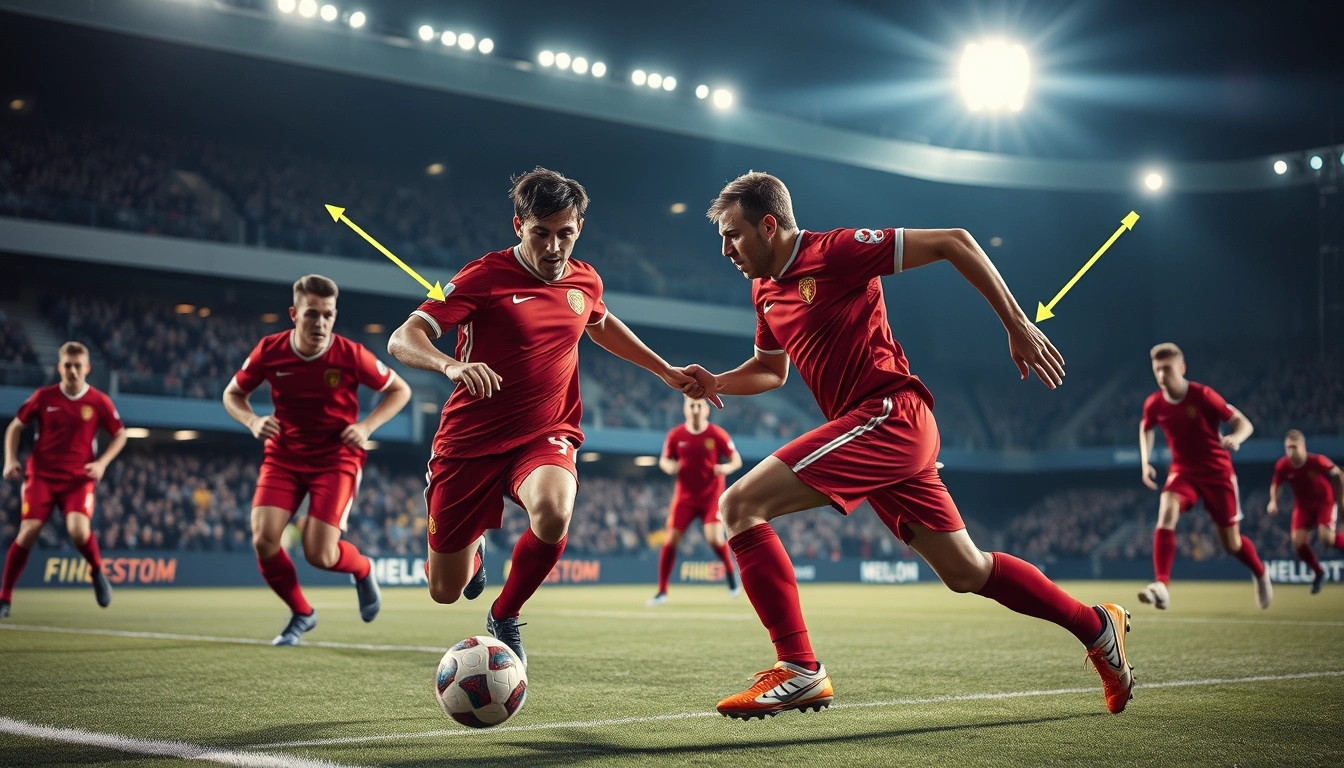
Key Players and Their Roles in Pressing
Alright, let’s get down to the nitty-gritty of Klopp’s pressing game — who actually does what on the pitch? Klopp’s pressing isn’t just a chaotic swarm of players running after the ball; it’s a finely-tuned orchestra where each player has a very specific role to trigger and sustain the pressure. From the relentless forwards to the hardworking midfield engines, every cog in the machine counts.
The Front Three: The First Line of Defense
These guys are the real pestilence for opposing defenders. Think of them as the alarm bells — they spot the slightest mistake and pounce immediately. Their job? Force errors, block passing lanes, and make life so uncomfortable that defenders are practically sweating bullets. They’re not just there to score goals but to initiate the press. The likes of Salah or Mané (back in the day) aren’t just fast runners; they’re tactical ninjas who read the game and know exactly when to close down.
- Triggering the press: Front three players often act as the first trigger, deciding when to press aggressively or fall back.
- Cutting passing options: They don’t just chase the ball; they cut off easy outlets to the midfield or fullbacks.
- Relentless energy: No breaks here — these forwards keep the pressure on for the entire 90 minutes.
Midfield Press: The Engine Room’s Responsibility
Now, midfielders are the unsung heroes of Klopp’s pressing. They’re like the gears in a clock — if they stop working smoothly, the whole system grinds to a halt. Midfielders back up the front line by closing down passing lanes, anticipating opponents’ moves, and swooping in to regain possession. They’re also the link between defense and attack, so their positioning has to be spot on.
| Role | Key Responsibilities | Example Players |
|---|---|---|
| Defensive Midfielders | Shield the defense, intercept passes, initiate counter-press | Fabinho, Wijnaldum |
| Box-to-Box Midfielders | Support attack and defense, maintain intensity, cover spaces | Henderson, Milner |
One thing Klopp drills into his midfielders is spatial awareness. They constantly scan the pitch, looking for pressing triggers — like a misplaced touch or a defender turning with the ball. When that happens, it’s like a switch flips, and the midfielders surge forward to suffocate the opposition.
Defenders: The Last Line of Pressing
Don’t think defenders just sit back and wait for trouble. In Klopp’s system, even center-backs and full-backs have pressing duties. They’re expected to step up, compress space, and support the midfield press. It’s a risky move, sure, but it’s part of the aggressive mindset Klopp demands. The defenders’ positioning helps funnel opponents into tight spots where the press can be most effective.
- High defensive line: Keeps the team compact and ready to press.
- Quick recovery: If the press breaks, defenders must be ready to mop up.
- Communication: Constant talk to organize pressing waves and cover.
To sum it up, Klopp’s pressing is a collective effort where roles overlap but remain distinct. The forwards are the hunters, midfielders the engines, defenders the guardians. Together, they form a relentless pressing machine that’s as exhausting for opponents as it is thrilling for fans.
Pressing Roles Summary:----------------------------------------| Position | Role ||-------------------|------------------|| Forwards | Trigger press, || | force errors || Midfielders | Support press, || | intercept passes || Defenders | Compress space, || | cover and clear |----------------------------------------
So next time you watch Liverpool or any Klopp team, remember: that pressing chaos? It’s actually a beautifully choreographed battle plan with every player knowing their part to a tee. And yeah, it’s exhausting — for everyone involved.
Front Three: The First Line of Defense
When you talk about Jurgen Klopp’s pressing style, you can’t skip the front three. These guys aren’t just your typical strikers waiting for a pass or a chance to score; they’re the first line of defense—the absolute nightmare for opposition defenders. Imagine three hungry wolves prowling the pitch, ready to pounce the second the other team tries to build from the back. That’s what Klopp’s front three do, and boy, do they do it with gusto.
Now, it’s not just about running around like headless chickens. The front attackers have a very specific job: lead the press. This means they have to be super sharp in reading the opponent’s moves, anticipating passes, and cutting off options before the defenders even realize what’s happening. The pressure isn’t random; it’s methodical, almost surgical. When the ball is with the opposition’s defenders, these forwards swarm, forcing mistakes and rushed decisions. It’s like they’re saying, “Not so fast, mate.”
- Trigger Moments: The front three watch for certain triggers—like a defender’s heavy touch or a backward pass—to launch their attack.
- Channel Blocking: They don’t just chase the ball; they block passing lanes, funneling the play into less dangerous areas.
- Communication: Constant chatter among the front three ensures they press as a unit, cutting off escape routes.
| Role | Responsibility | Key Attribute |
|---|---|---|
| Left Forward | Close down right-back, force ball inside | Speed and anticipation |
| Center Forward | Mark center-backs, block passing lanes | Physicality and positioning |
| Right Forward | Pressure left-back, cut off diagonal passes | Stamina and tactical awareness |
But here’s the kicker: this pressing isn’t just about putting pressure for pressure’s sake. It’s designed to force errors. When defenders are hurried, they’re more likely to misplace a pass or lose the ball entirely. Klopp’s front three are masters at turning these errors into quick counter-attacks. It’s high-risk, sure, but the payoff can be massive.
Sometimes, though, it’s not all sunshine and roses. If the front three get caught out of position or tire out, the whole pressing system can collapse like a house of cards. Opponents who are calm under pressure or have clever passing options can exploit this, bypassing the press and leaving Klopp’s team scrambling. Yet, when it clicks, it’s a beautiful chaos—relentless, energetic, and downright exhausting for the other team.
So, next time you watch Liverpool or any Klopp team, keep an eye on those front attackers. They’re not just trying to score goals; they’re the unsung heroes making life hell for defenders, leading the charge in one of football’s most intense pressing battles.
Midfield Press: The Engine Room’s Responsibility
Alright, let’s get into the nitty-gritty of how midfielders play a crucial role in Jurgen Klopp’s relentless pressing machine. Now, if you think pressing is just about the forwards running around like headless chickens, think again. The midfield is where the real magic happens — it’s the engine room that keeps the whole system ticking. These players aren’t just chasing shadows; they’re smart, strategic, and downright ruthless when it comes to cutting off the opposition’s options.
First off, midfielders have this sneaky job of cutting passing lanes. Imagine the pitch as a giant spiderweb, and the midfielders are the spiders, patiently waiting to snatch any ball that dares to pass through. By positioning themselves cleverly, they force the opposition to either make risky long balls or give up possession altogether. It’s not just about running after the ball; it’s about reading the play, anticipating passes, and being in the right place at the right time.
| Midfield Press Roles | Description |
|---|---|
| Cutting Passing Lanes | Blocking key passing routes to disrupt opponent’s build-up play. |
| Backing Up Forwards | Supporting front players by closing gaps and providing defensive cover. |
| Triggering Press | Recognizing cues to start pressing collectively as a unit. |
| Recovering Loose Balls | Quickly winning back possession after a turnover. |
Backing up the forwards is another essential duty for these midfield dynamos. When the front three press hard, they’re often stretched thin, so midfielders swoop in to mop up any balls that slip through. This backup ensures the team doesn’t get caught out on counter-attacks — pretty clever, huh? It’s like having a safety net that’s always alert and ready to pounce.
Here’s where it gets a little tricky. Midfielders must balance aggression with discipline. Push too hard, and you risk leaving huge gaps in the middle; hold back, and the press loses its bite. Klopp’s midfielders are trained to sense the perfect moment to step up the pressure or drop back, almost like a finely tuned dance. And trust me, this isn’t easy — it takes hours of drills, video analysis, and brutal fitness sessions.
- Practical Insight #1: Midfielders should constantly scan the field, not just the ball, to anticipate passes and position themselves accordingly.
- Practical Insight #2: Communication is key — midfielders must talk non-stop to coordinate pressing triggers and avoid getting caught out.
- Practical Insight #3: Fitness levels need to be sky-high; pressing midfielders cover tons of ground in short bursts, so stamina is non-negotiable.
To sum it up, the midfield press is the beating heart of Klopp’s pressing style. It’s a mix of brains, brawn, and a bit of madness — the kind of madness that makes opposing teams want to pull their hair out. Without this engine room working overtime, the whole pressing system would just collapse like a house of cards. So next time you see Klopp’s team swarm the opposition, remember: the midfielders are the unsung heroes, quietly masterminding the chaos from the center of the pitch.
Spatial Awareness and Triggers: The Pressing Signals
When you watch Jurgen Klopp’s teams on the pitch, it’s not just raw energy that makes their pressing so effective—there’s a subtle, almost psychic level of understanding at play. Players don’t just run around chasing the ball blindly; instead, they’re finely tuned to spatial cues and triggers that tell them exactly when to pounce. It’s like they’ve got radar for the opposition’s weaknesses, and Klopp’s job is to sharpen that radar until it’s practically hawk-like.
So, what are these cues exactly? Well, it starts with positional awareness. Players constantly scan their surroundings, not just the ball carrier but also teammates, opponents, and open spaces. For example, if a defender receives the ball facing his own goal with limited passing options, Klopp’s players know this is a green light to press aggressively. That moment—when the ball is “trapped” or a pass is forced backward—is a classic pressing trigger. The front line, especially, watches for these “vulnerable moments” to swarm and disrupt.
- Eye contact and body orientation: Players read the opponent’s body language—if the ball carrier’s head is down or they’re looking in a certain direction, it can signal a predictable next move.
- Passing lanes: Midfielders and defenders block or anticipate passing lanes, cutting off easy outlets and funneling the ball carrier into pressing traps.
- Distance to support: The pressing player gauges how close their teammates are to back them up, ensuring the press isn’t a solo mission but a coordinated effort.
Klopp drills his squad relentlessly on these triggers during training sessions. It’s not just about running hard; it’s about reading the game like a chess master. He uses video analysis, situational drills, and even simulated match scenarios to embed these instincts deep into the players’ muscle memory. This means when the game is live and the pressure’s on, they don’t have to think twice—they just react.
| Pressing Trigger | Player Role | Example Scenario |
|---|---|---|
| Backward pass or trapped defender | Front three | Swarm defender receiving ball under pressure |
| Blocked passing lanes | Midfielders | Cut off central passing options forcing wide play |
| Opponent’s body orientation | All outfield players | Anticipate next move based on where player looks or turns |
Of course, it’s not foolproof. Sometimes players misread the triggers or hesitate, and that’s when the opposition can break free. But Klopp’s system is designed to minimize these errors by encouraging constant communication and trust among teammates. The pressing becomes a collective heartbeat, pulsing with precision.
In the end, Klopp’s pressing isn’t just about brute force—it’s a finely tuned dance of spatial awareness and split-second decision-making. His players are trained to see the game in layers, spotting pressing signals that most would miss, then acting on them with relentless intensity. That’s why watching a Klopp side press is like watching a pack of predators closing in—fast, smart, and deadly.
Fitness and Intensity: Why Klopp’s Team Never Tires
When you watch a Liverpool match under Jurgen Klopp, one thing’s crystal clear: these players run like their shoes are on fire. Klopp’s pressing style isn’t just about clever tactics or fancy footwork; it’s a brutal test of physical endurance. The relentless energy that his team displays for a full 90 minutes (and often beyond) is nothing short of extraordinary. But how do they manage it? Let’s dive into the nuts and bolts of the fitness demands and the secret sauce behind their stamina.
First off, Klopp’s system is built around constant movement. It’s not just about sprinting here and there; it’s a high-intensity, stop-start game that demands explosive bursts followed by quick recovery. Think of it like interval training on steroids. Players are expected to press aggressively, close down opponents, and then immediately reposition themselves to maintain team shape. This isn’t your casual Sunday jog — it’s more like running a 100-meter sprint every couple of minutes.
| Fitness Aspect | Why It Matters | How Klopp’s Team Trains It |
|---|---|---|
| Cardiovascular Endurance | To sustain energy throughout the whole match without fading | Long-distance runs, high-intensity interval training (HIIT), and recovery drills |
| Explosive Power | For quick bursts of speed to close down opponents | Strength training, plyometrics, and sprint drills |
| Recovery Ability | To bounce back quickly after intense efforts | Active recovery sessions, nutrition, and sleep management |
Now, it’s not just about grinding through endless training sessions. Klopp’s medical and fitness team plays a massive role in keeping players fresh. There’s a science to it — monitoring workload, tracking fatigue levels, and customizing recovery routines. You don’t just wake up and decide to run 12 kilometers at full tilt; it’s a calculated build-up, with rest days and nutrition plans designed to optimize performance.
- Nutrition: Balanced diets rich in carbs for energy, proteins for muscle repair, and hydration strategies to avoid cramps.
- Sleep: Emphasized as a critical component for recovery and mental sharpness.
- Psychological Fitness: Klopp’s motivational style helps players push past mental fatigue, which is often the real game-changer.
What’s fascinating is how Klopp’s players seem to thrive under this pressure cooker environment. Sure, you might see the odd stumble or a moment where legs feel like lead, but overall, the team’s conditioning is so robust that they can keep pressing right until the final whistle. It’s almost like they’ve got a secret energy tank that never runs dry.
But let’s not kid ourselves — it’s bloody hard work. Some critics argue that this style is a ticking time bomb, bound to wear players down over a long season. And yeah, injuries and fatigue do creep in. However, Klopp’s approach to rotating his squad and integrating younger players helps manage this risk.
Practical Tips for Amateur Players Wanting to Emulate Klopp’s Fitness:- Incorporate interval training: short sprints followed by jogging or walking.- Focus on recovery: don’t skip rest days, prioritize sleep.- Work on explosive strength: bodyweight exercises like jump squats and lunges.- Maintain a balanced diet: fuel your body properly for intense sessions.- Stay mentally tough: remind yourself why you’re pushing hard, especially when it gets tough.
In the end, Klopp’s fitness philosophy is a blend of smart science, relentless work ethic, and a sprinkle of football magic. It’s what turns a good team into an absolute pressing machine, capable of grinding down opponents and controlling games through sheer physical dominance. And if you ever wonder why Liverpool look like they’ve got endless legs, well, now you know it’s no accident — it’s the Klopp way.
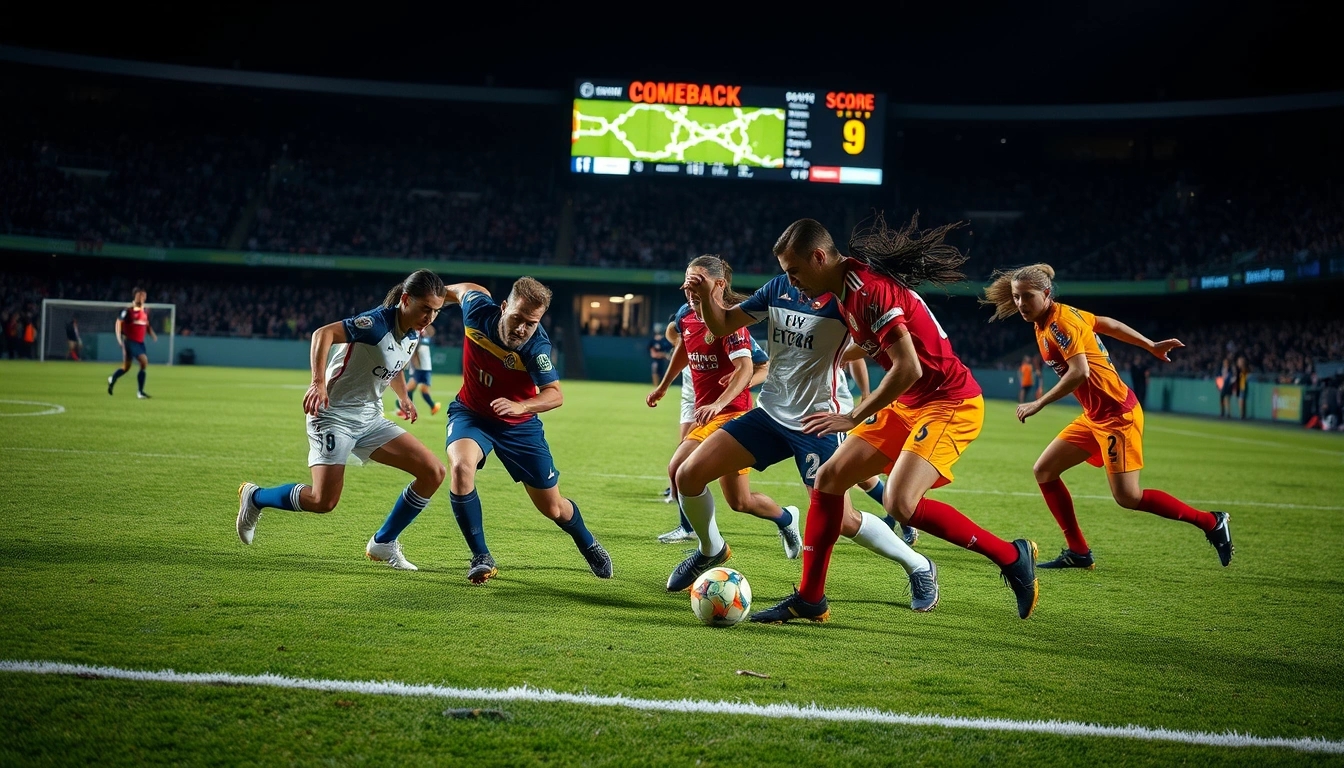
Success Stories: When Pressing Paid Off Big Time
Alright, let’s be honest — Jurgen Klopp’s pressing style isn’t just some fancy tactic scribbled on a napkin. It’s a full-on, high-octane, relentless assault that’s flipped countless matches on their heads. You might’ve heard the term “gegenpressing” thrown around, but what does it really mean when the chips are down and the game’s teetering on a knife-edge? Well, buckle up, because Klopp’s pressing has turned underdogs into giants, and giants into dust.
Take the unforgettable 2018 Champions League semi-final second leg against Barcelona. Liverpool were staring down the barrel after a 3-0 first-leg defeat — many thought it was curtains. But Klopp’s men? They pressed like their lives depended on it. That high-energy, suffocating approach forced Barcelona into mistakes that rarely happen at Camp Nou. Trent Alexander-Arnold’s cheeky corner kick? Born from the chaos and pressure Liverpool applied relentlessly. It was a masterclass in how pressing can literally change the course of history in football.
| Match | Opponent | Outcome | Key Pressing Moment |
|---|---|---|---|
| 2018 UCL Semi-final (2nd Leg) | Barcelona | 4-0 Win (Aggregate 4-3) | High press forcing errors leading to quick goals |
| 2019 Premier League | Manchester City | 2-1 Win | Midfield pressing disrupting City’s build-up |
| 2019 UCL Final | Tottenham Hotspur | 2-0 Win | Pressing led to early goal and control of game tempo |
But hey, it wasn’t a one-off fluke. Klopp’s pressing has been a thorn in the side of top teams across the board. Remember that gritty 2-1 win over Manchester City in 2019 Premier League? City, known for their silky passing and patient build-up, suddenly looked rattled. Klopp’s midfielders swarmed and cut off passing lanes, turning City’s usual calm into frantic desperation. That’s the beauty of pressing — it’s not just about running around like headless chickens; it’s about smart, coordinated chaos.
- Early pressure: Forces opponents into hurried decisions.
- Cutting passing lanes: Limits options, making the ball a hot potato.
- Quick transitions: Turns defense into attack in seconds.
And the 2019 Champions League final against Tottenham? Klopp’s men pressed high from the get-go, snuffing out Spurs’ attempts to settle. The early goal from Mohamed Salah’s penalty (courtesy of that pressing-induced handball) set the tone. After that, Liverpool kept the pressure dial cranked up, controlling the tempo and not letting Spurs breathe. It wasn’t just about physicality; it was about mental dominance, showing how pressing can dictate the narrative of a match.
Of course, pressing isn’t some magic wand. It demands insane fitness, razor-sharp awareness, and a squad that buys into the philosophy 100%. Klopp’s success stories are as much about the players’ commitment as the tactic itself. But when it clicks? Oh boy, it’s a joy to watch — and a nightmare for the opposition.
So next time you see Liverpool swarm the pitch like a pack of wolves, remember: behind that chaos lies a well-oiled machine designed to turn games upside down and snatch glory from the jaws of defeat.
Common Criticisms and Weaknesses
Let’s be honest: Jurgen Klopp’s pressing style isn’t some flawless, magic recipe that works every single time. Sure, it’s thrilling to watch and has brought heaps of success, but like any tactic, it comes with its quirks and vulnerabilities. When Klopp’s men press high and hard, they’re basically gambling a lot of space behind them. Opponents who can sniff out these gaps often make life miserable for Klopp’s side. So, what exactly trips up this high-octane system? Let’s dive in.
- Space Exploitation Behind the Defense: Klopp’s teams push their defensive line up aggressively to compress the field and keep the pressure on. This leaves a juicy pocket of space between the midfield and defense—prime real estate for a clever counterattack. Opponents with pacey forwards or midfielders who can launch quick balls over the top often catch Liverpool or Dortmund sleeping. It’s like leaving your front door wide open and hoping no one walks in.
- Physical and Mental Fatigue: Pressing at this intensity isn’t a walk in the park. Players have to be in top shape, both mentally and physically. Over a grueling season, this relentless running can wear players down, leading to lapses in concentration or slower reactions. When fatigue sets in, the pressing loses its bite, and the whole defensive structure can crumble like a house of cards.
- Vulnerability Against Tactical Patience: Some teams just don’t panic under pressure. They calmly circulate the ball, resisting the urge to force risky passes. This patience can slowly draw Klopp’s players out of position, creating gaps to exploit. It’s like a chess game where the opponent waits for you to make a mistake rather than rushing into a trap.
| Weakness | How Opponents Exploit It | Possible Countermeasures |
|---|---|---|
| High Defensive Line | Fast attackers exploit space behind defenders with long balls or through passes. | Deploy a sweeper or deeper defensive line when under threat; improve offside trap timing. |
| Pressing Fatigue | Opponents slow down the tempo, forcing Klopp’s players to chase and tire. | Rotate squad frequently; emphasize recovery and fitness regimes. |
| Over-committing Players | Leaving gaps in midfield or defense, allowing opponents to bypass pressing zones. | Train players to recognize pressing triggers better; maintain balance between aggression and caution. |
Now, don’t get me wrong—Klopp and his coaching staff are well aware of these pitfalls. They’ve spent years tweaking the system, trying to plug the holes. But football’s a fluid game; no tactic is set in stone. Sometimes, a team just has an off day, or the opponent’s game plan is so sharp it slices through the press like a hot knife through butter.
Also worth mentioning: the emotional rollercoaster this pressing style can cause. When it clicks, it’s euphoric. When it doesn’t, the team can look utterly exposed and vulnerable. Fans and pundits alike sometimes get frustrated watching Klopp’s side get caught out repeatedly, especially in big matches where one mistake can cost dearly.
In the end, Klopp’s pressing is a high-risk, high-reward gamble. It demands incredible commitment and discipline but offers a unique spectacle and, more often than not, tangible success. Just remember, even the best pressers have their off days, and those days often make for the most interesting football stories.
- Practical Insight: Coaches trying to replicate Klopp’s system should be wary of overdoing the press without proper fitness and tactical understanding. It’s better to press smart than hard.
- Fun Fact: Klopp once admitted that sometimes he’d rather just “let the other team have the ball and break their rhythm” than chase endlessly and risk exhaustion.
How to Apply Klopp’s Pressing in Amateur Football
Alright, so you’ve watched Klopp’s Liverpool steamroll opponents with that relentless, high-octane pressing and thought, “Hey, I want some of that magic on my muddy Sunday league pitch!” But hold your horses—before you unleash a full-blown gegenpressing frenzy on your mates, let’s talk practical. Klopp’s style isn’t just about running like your life depends on it; it’s about smart energy use, timing, and teamwork. Trying to copy it blindly? You’ll be flat on your back before halftime.
First things first: fitness matters, but it’s not everything. You don’t need to be a marathon runner, but you do need decent stamina and bursts of speed. Start with simple fitness drills that build your team’s ability to press in short, sharp intervals rather than constant sprints. Think 30 seconds on, 30 seconds off type stuff. No one expects you to be a pro athlete overnight.
| Fitness Drill | Purpose | How to Do It |
|---|---|---|
| Interval Sprints | Build pressing stamina | Run hard for 20-30 seconds, then jog or walk for 30 seconds. Repeat 6-8 times. |
| Shuttle Runs | Improve quick changes of direction | Run 10m, touch line, sprint back. Repeat 5-10 times. |
| Small-sided Games | Simulate pressing scenarios | Play 5v5 or 6v6 on a small pitch focusing on winning the ball back quickly. |
Now, let’s talk team shape and communication. Klopp’s pressing isn’t some chaotic mad dash; it’s a coordinated effort where players move as a unit. For amateurs, this means keeping your team compact and always talking. When one player presses, others must cover passing lanes and be ready to step in. Simple phrases like “press,” “cover,” or “switch” shouted loud and clear can make all the difference.
- Trigger moments: Teach your team to recognize when to press. It could be when the opponent’s backpass is sloppy or when a defender controls the ball facing their own goal.
- Front three’s role: Your forwards should be the first line of defense, harassing defenders to force mistakes.
- Midfield support: Midfielders need to back up the press, cutting off easy outlets.
One rookie mistake is overcommitting. If your players chase the ball blindly, gaps open up and your team gets exposed. Klopp’s teams press aggressively but intelligently, always ready to drop back if the press is broken. So, stress the importance of balance—press hard, but don’t get caught out.
Finally, remember this isn’t a sprint to glory. Building a pressing style takes time, patience, and lots of trial and error. Celebrate small wins, like forcing a turnover or successfully pressing as a unit for a few seconds. Your local pitch might not be Anfield, but with persistence, you can bring a slice of Klopp’s magic without turning your players into exhausted zombies.
Quick Tips Summary:- Build fitness gradually with interval training.- Keep your team compact and communicate constantly.- Teach pressing triggers to avoid wasted energy.- Use your forwards to kickstart the press.- Midfielders must support and cover passing lanes.- Avoid reckless chasing; maintain defensive balance.- Be patient—pressing style takes time to master.
So, lace up those boots, gather your mates, and get ready to press like Klopp—just with a little more common sense and a lot less gasping for air halfway through the match.
Frequently Asked Questions
- What exactly is Jurgen Klopp’s pressing style?
Klopp’s pressing style is all about relentless energy and quick reactions. Think of it as a pack of wolves hunting together—his team aggressively chases the ball, aiming to win it back immediately after losing possession. This high-intensity approach, known as Gegenpressing, focuses on suffocating opponents with pressure rather than just running around randomly.
- How does Gegenpressing differ from regular pressing?
Unlike traditional pressing that can sometimes look like a frantic chase, Gegenpressing is more strategic. It’s not just about running after the ball but anticipating where the opponent will pass next and intercepting it. Klopp’s teams use triggers—specific cues on the pitch—to launch coordinated presses, making their approach both explosive and intelligent.
- Who are the key players in Klopp’s pressing system?
The front three attackers act as the first defenders, constantly harassing opposition defenders to force mistakes. Meanwhile, the midfielders act like the engine room, cutting off passing lanes and supporting the press when the ball gets past the forwards. Everyone has a role, and teamwork is the secret sauce behind the relentless pressure.
- Why is fitness so crucial in Klopp’s pressing style?
Imagine sprinting full throttle for 90 minutes—that’s the kind of stamina Klopp demands. His pressing style requires players to be in peak physical condition to maintain intensity throughout the match. Without top-notch fitness, the whole system risks collapsing like a house of cards late in the game.
- Can amateur players or teams apply Klopp’s pressing tactics?
Absolutely! While you might not have the elite fitness levels of professional players, you can still implement key principles like teamwork, communication, and reading the game. Start small by practicing pressing triggers and working on quick transitions. Just remember: pacing yourself is key to avoid burnout.
- What are some weaknesses of Klopp’s pressing style?
As powerful as it is, Klopp’s pressing can leave gaps if the team gets pulled out of shape or if players mistime their runs. Opponents who are good at quick, precise passing or who exploit space behind the pressing line can cause problems. It’s a high-risk, high-reward strategy that requires discipline and sharpness.
- How has Klopp’s pressing style led to success?
Klopp’s intense pressing has turned the tide in many crucial games, leading to trophies and unforgettable comebacks. By forcing errors and capitalizing on them quickly, his teams often dominate possession and momentum. It’s like turning the opposition’s strength against them with a sudden, explosive jolt.