Alright, let’s get one thing straight right off the bat: the back-pass rule in soccer might sound like some boring technical mumbo jumbo, but it’s actually one of those sneaky regulations that change the entire vibe of the game. Imagine you’re watching a match, and suddenly the ball goes back to the goalkeeper. If he just picks it up with his hands, the game could slow down to a crawl, right? Well, that’s exactly what the back-pass rule is trying to stop. But hey, it’s not just about pace—it’s about fairness, strategy, and sometimes, pure chaos on the pitch.
Why does this rule even exist? Back in the early ’90s, soccer was getting a bit dull in some matches. Teams figured out they could just pass the ball back to their goalie and waste time, especially when they were winning. Fans and broadcasters alike were losing their minds over the snooze fest. So, the powers that be said, “Enough of that!” and introduced the back-pass rule. The idea? Stop goalkeepers from picking up deliberate passes from teammates’ feet. Simple on paper, but oh boy, it’s a whole different story when you see it in action.
| Key Points of the Back-Pass Rule | Explanation |
|---|---|
| Deliberate Pass | The ball must be intentionally kicked back to the goalkeeper by a teammate. |
| Goalkeeper Restrictions | Goalkeeper can’t handle the ball with hands if it’s a deliberate back-pass. |
| Indirect Free Kick | If the rule is broken, the opposing team gets an indirect free kick from the spot. |
Now, you might think referees have it easy spotting back-passes, but nope! It’s not always black and white. Sometimes a defender’s clearance accidentally bounces back to the goalie’s feet—no foul. Other times, it’s a cheeky little tap back that the ref has to catch in a split second. And let’s be honest, refs aren’t robots (thank goodness), so you get some head-scratching moments and heated debates.
- Common Confusions: Is a header back to the goalie allowed? (Yes, it is.)
- What about a chest pass? Also allowed, because it’s not a kick.
- Goalkeepers using feet: They can play the ball with their feet, just can’t pick it up after a back-pass.
Since the rule kicked in, goalkeepers have had to up their footwork game big time. No more just catching and kicking from hands; they’re now like extra defenders, dribbling and passing under pressure. It’s changed the whole dynamic, making goalies more versatile and sometimes even playmakers.
So yeah, the back-pass rule might seem like a tiny detail in the grand scheme of soccer, but it’s a game-changer. It keeps the pace high, prevents those sneaky time-wasting tricks, and forces players to get creative. Next time you see a goalie calmly passing with his feet, tip your hat to this little rule that made it all possible.
In a nutshell: The back-pass rule is soccer’s way of saying, “Keep it moving, folks!” Without it, matches might just turn into a slow-motion battle of boredom. And who wants that? Not us.
Origin of the Back-Pass Rule
Let’s rewind the clock to the early 1990s — a time when soccer was, well, a bit slower and sometimes downright frustrating to watch. Teams had this sneaky habit: whenever they were winning or just wanted to kill the clock, they’d pass the ball back to their goalkeeper, who would then pick it up with his hands and hold onto it forever. You could almost hear the collective groan from fans worldwide as the pace dragged to a snail’s crawl. It was like watching paint dry, but with a ball.
So, what did the powers that be do? They decided enough was enough and introduced the back-pass rule. The idea was simple but game-changing: goalkeepers were no longer allowed to pick up the ball if it was deliberately kicked to them by a teammate. This forced teams to think twice before just pinging it back to their keeper and chilling out. Suddenly, the goalkeeper had to be more than just a shot-stopper; they had to be good with their feet, too. Talk about a plot twist!
| Before the Rule | After the Rule |
|---|---|
| Goalkeepers could pick up any back-pass freely. | Goalkeepers cannot handle deliberate back-passes from teammates’ feet. |
| Teams often slowed the game down to waste time. | Game pace increased, reducing time-wasting tactics. |
| Goalkeepers mainly relied on hands and reflexes. | Goalkeepers needed better footwork and ball control skills. |
But, honestly, it wasn’t all sunshine and rainbows right from the start. Players, coaches, and even referees had to get used to this new wrinkle. Some goalkeepers looked like fish out of water, fumbling with the ball at their feet, while defenders had to rethink their passing strategies. There was even a fair share of debates and confusion — is that pass deliberate or accidental? Was the keeper’s touch a foul or just unlucky timing?
- Why was the rule necessary? To inject pace and excitement into matches.
- What problem did it solve? It stopped teams from abusing time-wasting tactics.
- Who benefited the most? Fans, for sure — no more endless dull moments!
In short, the back-pass rule was soccer’s way of saying: “No more messing about!” It forced everyone to up their game, especially the goalkeepers, who suddenly had to be part-field players. And while it caused a bit of chaos and head-scratching at first, it undeniably made the beautiful game more dynamic and unpredictable. So next time you see a goalie calmly dribbling or passing out from the back, remember — that’s all thanks to a rule born from the frustration of watching too many yawns on the pitch.
Quick recap:
- Introduced: Early 1990s- Purpose: Stop time-wasting by banning goalkeepers from handling deliberate back-passes- Impact: Faster game, smarter goalkeepers, frustrated defenders- Result: More exciting soccer for fans worldwide
And hey, if you think that’s the end of the story, well, soccer’s always evolving — so who knows what tweaks lie ahead? But for now, the back-pass rule remains a brilliant example of how a simple change can shake up the entire game.
Basic Definition of the Back-Pass Rule
Alright, so here’s the deal with the back-pass rule — it’s one of those quirky little regulations in soccer that sounds simple but can cause a whole lot of headaches on the pitch. At its heart, the rule says: goalkeepers are not allowed to pick up the ball with their hands if a teammate deliberately kicks it back to them. Sounds straightforward, right? But as always, the devil’s in the details.
Why does this rule even exist? Well, before it came into play (early 90s, to be exact), teams had this sneaky habit of passing the ball back to their goalie who’d then just pick it up and hold onto it forever. It was a classic time-wasting move, especially when a team was clinging to a lead. The game would slow to a crawl, and fans—let’s be honest—got pretty bored watching keepers hoarding the ball like it was their prized treasure. So, the rule was introduced to keep the ball moving and the game exciting.
- Deliberate Pass: The key word here is “deliberate.” If a teammate kicks the ball back to the goalkeeper on purpose, the keeper can’t pick it up.
- Exceptions: If the ball comes from a header, chest, or knee, the keeper can still grab it. Weird, but that’s how it is.
- Penalty: If the keeper picks up a deliberate back-pass, the opposing team gets an indirect free kick from where the keeper touched the ball.
Now, you might be thinking, “Well, what if it’s a sloppy pass or a weird bounce?” Good question! Referees have to use their judgment here. If it looks accidental or the ball just rolls back, the keeper usually gets away with it. But if it’s obvious the player meant to pass it back, the ref blows the whistle. And that’s where things get spicy because sometimes the line between “deliberate” and “accidental” is as blurry as your grandma’s old TV screen.
| Key Points | Details |
|---|---|
| Purpose | Prevent time-wasting and keep game flowing |
| What Counts as Back-Pass? | Deliberate kick from teammate’s foot |
| Exceptions | Headers, chest, or other non-foot passes allowed |
| Penalty | Indirect free kick to opposing team |
But here’s the kicker: this rule has forced goalkeepers to become a lot more comfortable with their feet. No longer can they just pick up the ball and chill; they have to think fast, pass smart, and sometimes even dribble like an outfield player. It’s changed the way keepers train and play, adding a whole new layer of skill to their role.
So, in a nutshell, the back-pass rule is soccer’s way of saying, “Keep it moving, folks!” It’s a small tweak with a huge impact, making the beautiful game a bit more beautiful—by cutting out the snooze fest. And if you ask me, that’s a win for everyone involved. Unless you’re a goalkeeper who misses the good old days of ball-holding glory, but hey, that’s progress for ya.
How Referees Spot a Back-Pass
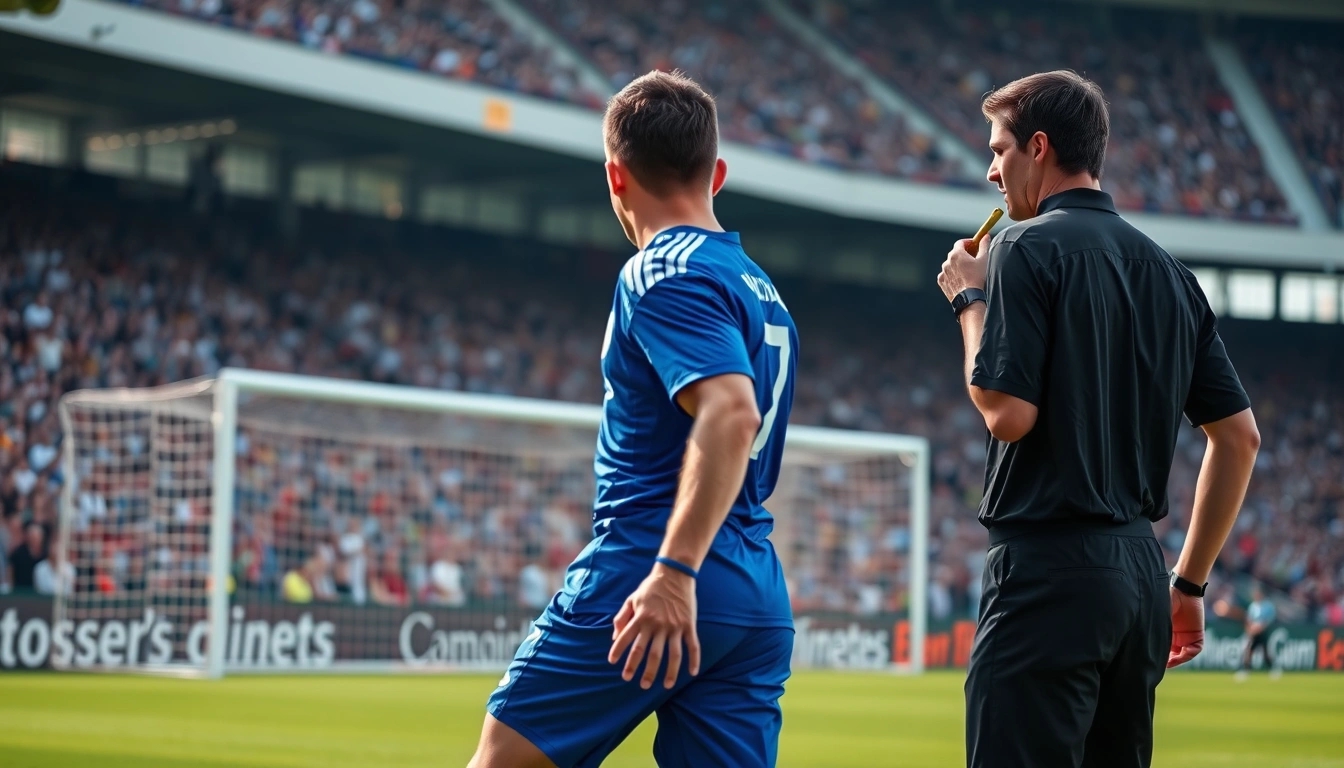
Alright, let’s be honest here — spotting a back-pass isn’t exactly the easiest job on the pitch. It’s a bit like trying to catch a sneaky magician’s trick, except instead of rabbits and hats, you’re dealing with quick feet, split-second decisions, and a whole lot of pressure. The back-pass rule, at its core, stops goalkeepers from picking up the ball when it’s deliberately kicked to them by a teammate. Sounds simple, right? Well, not quite.
First off, the referee’s eyes have to be razor sharp. They’re watching the entire field, tracking every player, and then suddenly, bam! — a defender lazily nudges the ball back to their keeper. The ref has to decide if that pass was intentional or just a fluke bounce. That’s where things get tricky. Sometimes the ball rolls back like it’s got a mind of its own, and sometimes it’s a blatant “here you go, mate” moment. The line? Blurry at best.
| What Referees Look For | Details |
|---|---|
| Direction of the Pass | Is the ball kicked backward or sideways? A deliberate kick backward triggers the rule. |
| Intent | Was the player trying to pass to the goalkeeper or just clearing the ball? Referees have to judge this quickly. |
| Body Language | Players’ positioning and movement can give clues about whether it’s a back-pass. |
| Goalkeeper’s Reaction | If the keeper picks up the ball immediately, it raises suspicion. |
And then there’s the human factor. No referee is a robot. Sometimes they miss it — maybe their view was blocked, or the pass was just too quick. Other times, they blow the whistle, and the crowd loses their minds because the call seemed harsh or unfair. That’s part of the drama, really. It’s not just about rules; it’s about judgment calls made in a heartbeat.
- Technology to the Rescue? VAR has helped a bit, but even video reviews can’t always confirm intent perfectly.
- Luck Plays a Role — sometimes, refs just need a bit of fortune to catch the cheeky back-pass in real-time.
- Communication is Key — assistant referees often help by shouting or signaling when they spot a suspicious pass.
Here’s a quick practical tip for fans and budding referees: if you want to spot a back-pass yourself, watch the angle of the pass and the goalkeeper’s hands. If the ball’s clearly kicked backward and the keeper picks it up, chances are you’re witnessing a back-pass. But remember, the context matters — a deflection or a slight mis-kick might not count.
In the end, referees are juggling a million things at once. They need sharp eyes, quick reflexes, and yes, sometimes a pinch of luck to catch those sneaky back-passes. It’s a tough gig, but it’s what keeps the game flowing and fair — or at least tries to.
Summary:- Back-pass spotting tricky, needs sharp eyes + quick judgment- Intent and direction are key factors- Human error & limited views cause controversies- VAR helps but isn’t foolproof- Referees rely on instinct, experience, and sometimes luck
So next time you see a whistle for a back-pass, give the ref a little credit. It’s not always black and white out there on the pitch — sometimes it’s a gray area with a side of chaos.
Common Misunderstandings About the Rule
Common Misunderstandings About the Back-Pass Rule
Alright, let’s be honest here. The back-pass rule in soccer is one of those things that sounds simple enough on paper but somehow turns into a massive headache when it actually happens on the pitch. Fans, players, even some referees — yep, you read that right — often get tangled up trying to figure out what really counts as a back-pass. And no, just because the ball goes backwards doesn’t automatically mean it’s a back-pass violation. Confused yet? You’re not alone.
One of the biggest misconceptions is that any pass going back to the goalkeeper is illegal if he picks it up with his hands. But here’s the kicker: the rule specifically targets deliberate kicks or passes made by a teammate’s foot. So, if the ball bounces off a defender’s head or chest and then rolls back to the keeper, that’s perfectly fine. It’s all about intention and the method of the pass.
| Common Misunderstanding | Reality |
|---|---|
| Any backward pass to keeper is illegal | Only deliberate foot passes count; headers or chest passes are allowed |
| Goalkeepers can never pick up the ball after a back-pass | They can if the pass wasn’t deliberate or came from other body parts |
| Referees always call back-passes correctly | Sometimes they miss it or get it wrong, leading to debates |
Now, here’s where things get even murkier. What about when a player tries to be clever and uses the sole of their boot to flick the ball back to the keeper? Or when a defender makes a half-hearted touch that unintentionally sends the ball backwards? The rule doesn’t always give referees a clear-cut answer, which often sparks heated arguments and social media rants. “Was that really a back-pass?” you’ll hear from fans, while players might be silently cursing their own footwork.
- Intent matters: If the player’s intention was to pass back with their foot, it’s a back-pass.
- Accidental deflections: No foul if the ball comes off another body part.
- Throw-ins and headers: Completely exempt from the rule.
And let’s not forget the role of the referee’s assistant and VAR in all this. Sometimes, what looks like a blatant back-pass to the naked eye can be overturned after replay. Other times, the ref’s decision stands despite protests. This inconsistency just adds fuel to the fire, making the back-pass rule a hot topic in post-match analysis.
Example Scenario:- Defender kicks ball deliberately back to keeper.- Keeper picks it up with hands.- Result: Indirect free kick for opposing team.But if:- Defender heads ball back.- Keeper picks it up.- Result: Play continues as normal.
So, next time you’re watching a game and see a keeper pick up a ball that looks suspiciously like a back-pass, remember: it’s not just about the direction but the how and why. The rule exists to keep the game flowing and stop teams from wasting time, but it certainly has its quirks that keep everyone guessing.
Bottom line? The back-pass rule might seem like a simple “no hands on a backward foot pass” deal, but its real-life application is anything but straightforward. And honestly, that’s part of what makes soccer endlessly fascinating — rules that keep you on your toes and debates that never quite die down.
Impact on Goalkeepers’ Playing Style
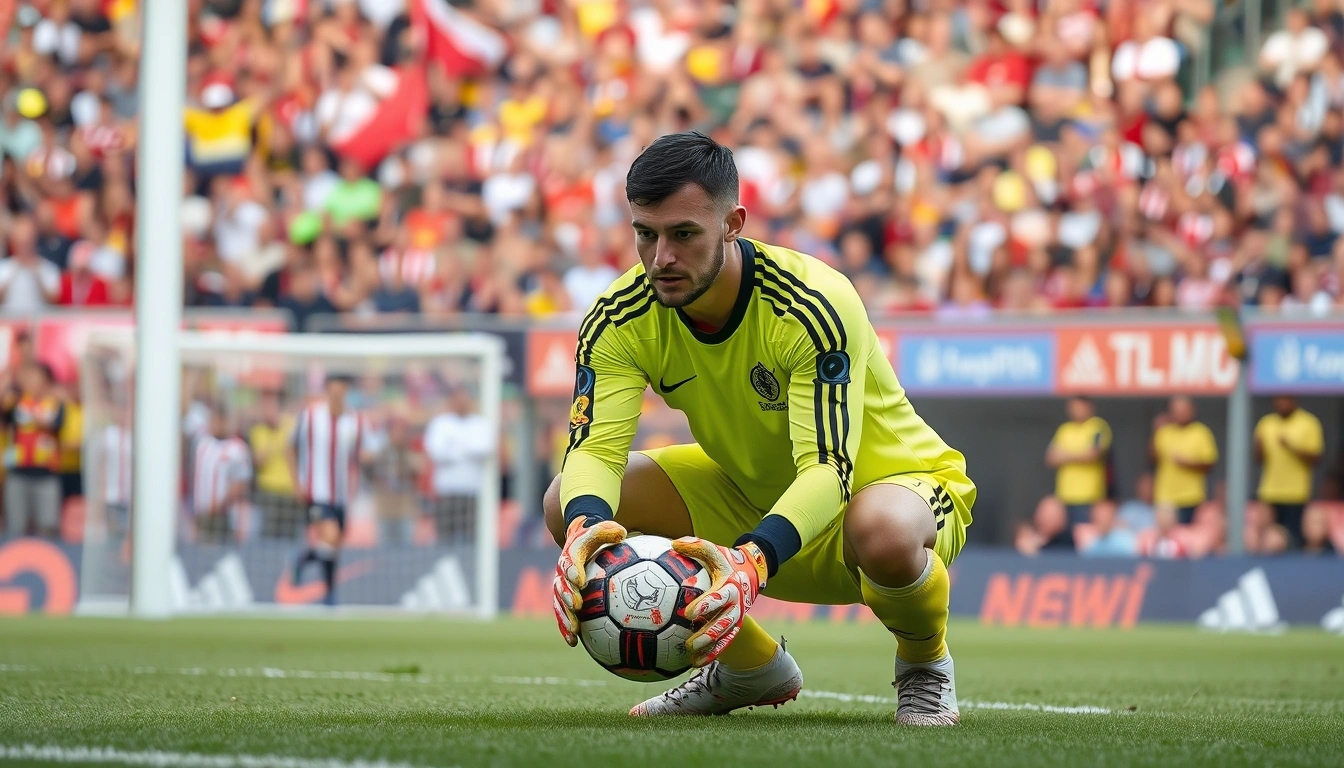
Since the back-pass rule came into play back in the early 90s, goalkeepers have had to completely rethink how they approach their job. It’s not just about flinging themselves around to block shots anymore — they’ve had to get way more comfortable with their feet. No more just grabbing the ball every time a defender casually kicked it back. This rule basically forced keepers to level up their footwork skills, turning them into something closer to an extra outfield player than the traditional shot-stopper we all used to know.
Before the rule, goalies could just pick up any ball passed back to them and slow the game down, which was a favorite tactic for teams trying to kill the clock. But now? They need to be sharp and quick, often having to control and pass the ball under pressure. This means the days of “hands-only” goalies are long gone. Nowadays, a keeper who can’t pass accurately or dribble a bit is a liability. It’s almost like they’ve got to have two skill sets – the classic reflexes and shot-stopping abilities, plus decent ball control and passing skills.
- Footwork finesse: Goalkeepers now regularly train on their first touch and passing range.
- Decision making: They must decide quickly whether to play short passes, long balls, or clearances.
- Communication: Since they can’t just pick up back-passes, they often direct defenders to avoid risky passes.
It’s a bit of a love-hate situation for some keepers. Some embrace the challenge, becoming true “sweeper-keepers” who actively participate in building attacks from the back. Others struggle, and you can see the panic when a defender boots a ball back, and the keeper hesitates — that moment’s like watching someone suddenly realize they forgot their lines in a play.
| Before Back-Pass Rule | After Back-Pass Rule |
|---|---|
| Goalkeepers freely pick up back-passes with hands | Goalkeepers must use feet to control back-passes |
| Focus mainly on shot-stopping and catching | Need strong foot skills and quick passing |
| Game could slow down due to time-wasting | Game pace increased, more continuous play |
| Less pressure on ball control under pressure | High pressure to maintain composure with ball |
Another interesting twist is the psychological impact. Goalkeepers now often face an extra layer of stress knowing a simple back-pass mistake could instantly lead to a goal-scoring chance for the opposition. That’s a lot to carry! So, mental toughness has become almost as important as physical skills. Some keepers have even started working with sports psychologists to handle this new dimension of pressure.
In summary, the back-pass rule didn’t just tweak one tiny aspect of the game — it revolutionized the goalkeeper’s role. They’ve had to become multi-dimensional athletes, blending traditional shot-stopping heroics with the finesse and composure of midfield maestros. Love it or hate it, this rule has added a fresh layer of excitement and unpredictability to soccer, making goalkeepers more integral to the flow and strategy of the game than ever before.
Famous Incidents Involving the Back-Pass Rule
Oh, the back-pass rule — it might sound like a dull technicality, but trust me, it’s been the unwitting star of some of soccer’s most jaw-dropping, head-scratching, and downright hilarious moments. From World Cup fiascos to Premier League chaos, this rule has a knack for turning the game on its head just when you think you’ve seen it all. Let’s unpack some of these unforgettable incidents that keep fans talking and referees sweating.
First off, who could forget the 1994 World Cup quarter-final between Brazil and the Netherlands? The rule was still fresh then, and the Dutch goalkeeper, Ed de Goey, got caught out by a sneaky back-pass that he tried to pick up. The referee blew the whistle, awarding an indirect free kick — a moment that had Brazil fans holding their breath and the Dutch scratching their heads. It’s moments like these that highlight how the rule changed the goalkeeper’s role overnight.
| Year | Match | Incident | Outcome |
|---|---|---|---|
| 1994 | Brazil vs Netherlands (World Cup) | Goalkeeper picked up a back-pass | Indirect free kick awarded, tension rose |
| 2000 | Premier League: Arsenal vs Man Utd | Goalkeeper’s blunder on back-pass rule | Goal conceded, fans went wild |
| 2010 | La Liga: Real Madrid vs Barcelona | Messi’s clever press forced back-pass error | Goal scored, match turned |
Speaking of Premier League drama, Arsenal’s goalkeeper in the early 2000s had a couple of “oops” moments that perfectly illustrate how the back-pass rule can be a nightmare on a rainy Sunday afternoon. Imagine trying to control the ball with slick boots and a wet pitch, only to realize you’ve just picked up a ball deliberately passed from your defender’s feet. The crowd erupts, the opposition smells blood, and suddenly, your team’s lead is hanging by a thread.
- Why is this so tricky? Because it’s not always clear if the pass was deliberate. A slight deflection or a misjudged touch can cause chaos.
- Referees have to be eagle-eyed — and sometimes they miss it, leading to heated protests and VAR reviews.
Now, let’s not forget the tactical side of things. Teams like Barcelona and Bayern Munich have turned the back-pass rule into a chess match, training their goalkeepers to be as comfortable with their feet as with their hands. Remember Lionel Messi’s relentless pressing? His ability to force defenders into risky back-passes has led to some spectacular turnovers and goals. It’s not just about breaking the rules — it’s about exploiting the rule to gain a competitive edge.
Tips for Goalkeepers Dealing with the Back-Pass Rule:- Always keep an eye on your defenders’ body language.- Practice quick ball control with feet, not hands.- Communicate loudly to avoid confusion.- Stay calm under pressure — panic leads to mistakes.
In the end, the back-pass rule isn’t just some boring regulation; it’s a catalyst for drama, skill, and sometimes pure comedy on the pitch. It forces players to think faster, act smarter, and occasionally, make blunders that become part of soccer folklore. So next time you see a goalkeeper hesitate or a defender nervously pass back, remember — the back-pass rule is lurking, ready to turn the game upside down.
In summary:
- It’s caused World Cup heartbreaks and Premier League chaos.
- It challenges goalkeepers to up their footwork game.
- It’s a tactical tool for teams who know how to use it.
- And honestly, it keeps the beautiful game unpredictable and exciting.
So yeah, the back-pass rule might sound like a snooze fest to some, but for those who’ve witnessed its impact live? It’s pure soccer theatre.
Strategies Teams Use Around the Rule
When it comes to the back-pass rule, soccer teams don’t just sit back and let it dictate their play—they get creative, crafty, and sometimes downright sneaky. This rule, which stops goalkeepers from picking up deliberate passes from their own players’ feet, isn’t just a boring regulation; it’s a tactical playground. Coaches and players tweak their passing and pressing strategies constantly, turning the pitch into a kind of chessboard where every move counts.
First off, teams often adjust their passing patterns to avoid giving opponents a chance to pounce on a goalkeeper who’s forced to use their feet. Instead of those lazy back-passes to the keeper, players might opt for angled passes or quick one-twos to keep the ball moving without risking a foul. This means defenders need to be sharper on their feet, literally, because the keeper can’t just pick up the ball and chill anymore. It’s all about speed and precision now.
- Pressing Tactics: Opponents ramp up their pressure, especially when the ball is near the back line. They know the keeper can’t pick up a pass, so they swarm the defenders, hoping to force a mistake or a rushed clearance.
- Defensive Adjustments: Defenders become more cautious, often opting to clear the ball out wide or forward rather than risk a back-pass that could lead to a turnover.
| Team Strategy | Purpose | Typical Outcome |
|---|---|---|
| High pressing near the back line | Force defenders into mistakes | Turnover, scoring chance for pressing team |
| Quick passing combinations | Maintain possession, avoid back-pass rule | Fluid attack, reduced risk of fouls |
| Wide clearances | Minimize risky passes back | Loss of possession but safer defense |
Now, not everything is sunshine and rainbows here. Sometimes, these tactics backfire spectacularly. A defender under pressure might panic, booting the ball straight to an opponent, or a keeper forced to play with their feet might miscontrol a simple pass, leading to a goal. It’s a bit like walking a tightrope—one wrong step and the whole team pays the price.
Another interesting twist is how goalkeepers have evolved because of this rule. Many have become almost like an extra outfield player, comfortable with the ball at their feet and ready to launch attacks. Some keepers even act as a “sweeper,” coming out of their box to clear long balls or start quick counterattacks. This shift has made the back-pass rule a catalyst for a more modern, fluid style of play.
Tips for Teams to Master Back-Pass Rule Tactics:- Train keepers in ball control and passing under pressure.- Encourage defenders to think ahead, avoiding risky back-passes.- Use pressing strategically—don’t just swarm, but coordinate.- Develop quick transition plays to exploit opponents’ mistakes.
So yeah, the back-pass rule isn’t just a boring footnote in the laws of the game. It’s a dynamic factor that forces teams to constantly rethink their approach, making soccer more unpredictable and exciting. Next time you see a keeper calmly dribbling out of their box or defenders nervously passing wide, remember—it’s all part of a brilliant tactical dance shaped by this quirky rule.
In short: The back-pass rule has turned soccer into a tactical chess game where teams tweak their passing and pressing like grandmasters, always hunting for that tiny advantage or scrambling to defend against it. It’s messy, it’s thrilling, and frankly, it’s one of the reasons we love the game.
How the Rule Affects Game Pace and Excitement
Let’s be honest, before the back-pass rule came into play, watching some soccer matches felt like watching paint dry—especially when teams figured out how to milk every second by pinging the ball back to their goalkeeper, who’d just pick it up and hold onto it like a toddler clutching their favorite toy. That kind of time-wasting was the ultimate buzzkill, turning what could be a nail-biting match into a snooze fest. The back-pass rule, introduced in the early 1990s, was soccer’s answer to this problem, and boy, did it shake things up.
| Before the Rule | After the Rule |
|---|---|
| Goalkeepers could pick up deliberate back-passes freely. | Goalkeepers must use their feet on back-passes, no hands allowed. |
| Teams often slowed the game to kill the clock. | Faster gameplay with fewer stoppages. |
| Matches sometimes dragged with frustrating delays. | More continuous action and attacking play. |
The immediate effect? The flow of the game sped up like a caffeine-fueled sprinter. With keepers forced to control the ball with their feet instead of grabbing it, it opened up a whole new dimension of skill and risk. Suddenly, the goalkeeper wasn’t just a shot-stopper but also a part-time ball-handler and playmaker. This rule basically said, “Hey, no more hiding behind dull tactics—let’s see some guts and flair.”
- More pressing from opponents: Defenders and midfielders can’t just pass back and chill anymore. Opponents smell blood and press high, trying to force mistakes.
- Goalkeepers’ foot skills matter: You better be good with your feet or risk gifting the other team a chance to pounce.
- Faster restarts: Less time holding the ball, more time playing it.
But it’s not all sunshine and rainbows. Some purists grumble that it sometimes leads to avoidable errors—those awkward moments when a keeper miscontrols a back-pass and suddenly there’s a striker licking their lips. It adds drama, sure, but it also can be downright nerve-wracking for fans who like their goalies to be safe hands rather than risky feet. Still, this unpredictability is part of what makes the game more thrilling.
"Remember that 1994 World Cup moment when a back-pass rule error led to a shock goal? Classic example of how this rule can flip the script in seconds."
In short, by stamping out the dull, time-wasting back-passes, the rule has injected new life into soccer. It’s a bit like shaking a snow globe—everything that was settled and predictable suddenly swirls into exciting chaos. Fans get more action, players get more pressure, and the beautiful game stays, well, beautiful.
So next time you see a keeper nervously juggling a back-pass with their feet, remember: that little rule tweak from decades ago is the unsung hero behind the pulse-pounding pace and edge-of-your-seat excitement we all crave.
Future of the Back-Pass Rule: Any Changes Ahead?
So here we are again, staring down the barrel of soccer’s ever-evolving rulebook. The back-pass rule—that cheeky little regulation that stops goalkeepers from grabbing the ball with their hands after a deliberate pass from a teammate—has been around since the early ’90s, and honestly, it’s been a bit of a love-hate relationship ever since. But what’s next for this rule? Will it stay put, or are we on the verge of some tweaks? Let’s unpack this.
First off, the back-pass rule was introduced to speed up the game and stop those sneaky time-wasting tactics goalkeepers and defenders used to pull. And it worked, mostly. But with the game getting faster, tech getting smarter, and players getting craftier, the rule’s effectiveness sometimes feels like it’s hanging by a thread. For instance, some argue that goalkeepers are now forced to become better with their feet—no bad thing, right? But others grumble it’s made their job unnecessarily stressful, turning them into accidental midfielders.
| Pros of the Current Back-Pass Rule | Cons of the Current Back-Pass Rule |
|---|---|
| Speeds up the game | Can cause awkward moments for goalkeepers |
| Reduces time-wasting | Sometimes leads to controversial referee decisions |
| Encourages skill development in keepers | Limits goalkeeper’s control in certain situations |
Now, the big question: Will we see changes soon? Some football pundits have floated ideas like allowing goalkeepers to pick up the ball if the back-pass is accidental or only penalizing deliberate passes under certain conditions. Others suggest tweaking the rule to accommodate modern tactics, like letting keepers handle back-passes but only inside the six-yard box. Sounds complicated? Yeah, it is. But that’s football for you—never a dull moment!
- Option 1: Keep the rule as is, focusing on better referee training and VAR assistance.
- Option 2: Modify the rule to allow some leniency for accidental back-passes.
- Option 3: Introduce a zone-based rule where keepers can pick up the ball only in certain areas.
Of course, any change would need to balance fairness, game flow, and the spirit of the sport. Remember, the back-pass rule isn’t just a technicality—it shapes how teams defend, how keepers play, and how fans experience the game. And with VAR already stirring the pot on many decisions, adding more complexity might not sit well with everyone.
In the end, whether the back-pass rule stays the same or gets a facelift, one thing’s for sure: it’ll keep sparking debates in pub chats and pundit panels alike. So next time a keeper picks up a ball after a back-pass, don’t just groan—think about the years of drama and discussion packed into that single moment. Soccer’s rules may change, but the passion and controversy? That’s forever.
Frequently Asked Questions (The title must be written in English.)
- What exactly is the back-pass rule in soccer?
Simply put, the back-pass rule stops goalkeepers from picking up the ball with their hands when a teammate deliberately kicks it back to them. This keeps the game moving and prevents teams from wasting time by passing the ball back to the goalie to hold onto.
- Why was the back-pass rule introduced?
Back in the early 1990s, soccer was getting a bit slow and boring because teams exploited passing back to the goalkeeper to kill the clock. The rule was introduced to spice things up, encouraging faster play and more attacking football.
- How do referees decide if a back-pass is illegal?
Referees look closely to see if the ball was deliberately kicked to the goalkeeper by a teammate. It can be tricky because the rule only applies to deliberate kicks, not accidental deflections or headers. Sometimes, it’s like spotting a ninja move on the pitch!
- Can a goalkeeper pick up the ball if a teammate passes it back with their head or chest?
Yes! The back-pass rule only applies to deliberate kicks. So, if a teammate uses their head, chest, or any body part other than the foot, the goalkeeper can legally handle the ball.
- How has the back-pass rule changed goalkeepers’ playing style?
Goalkeepers have had to become footwork wizards, mastering ball control and passing skills to keep up with the rule. They’re no longer just shot-stoppers but also key playmakers who can launch attacks with their feet.
- Are there any famous moments involving the back-pass rule?
Absolutely! From World Cup slip-ups to Premier League drama, the back-pass rule has caused some jaw-dropping moments that fans still talk about. It’s a rule that can turn the tide of a match in seconds.
- Does the back-pass rule affect how teams strategize during a game?
Definitely. Teams adjust their passing and pressing tactics to either avoid risking a back-pass violation or to pressure opponents into making mistakes. It’s like a tactical chess game on the field.
- Has the back-pass rule made soccer more exciting?
Most would say yes! By cutting down on time-wasting, the rule has sped up the pace and increased the intensity of matches, making soccer more thrilling for fans around the world.
- Is the back-pass rule likely to change in the future?
While the rule has stood strong for decades, soccer is always evolving. There’s always a chance tweaks could come along to keep the game fresh, but for now, the back-pass rule remains a fundamental part of the sport.