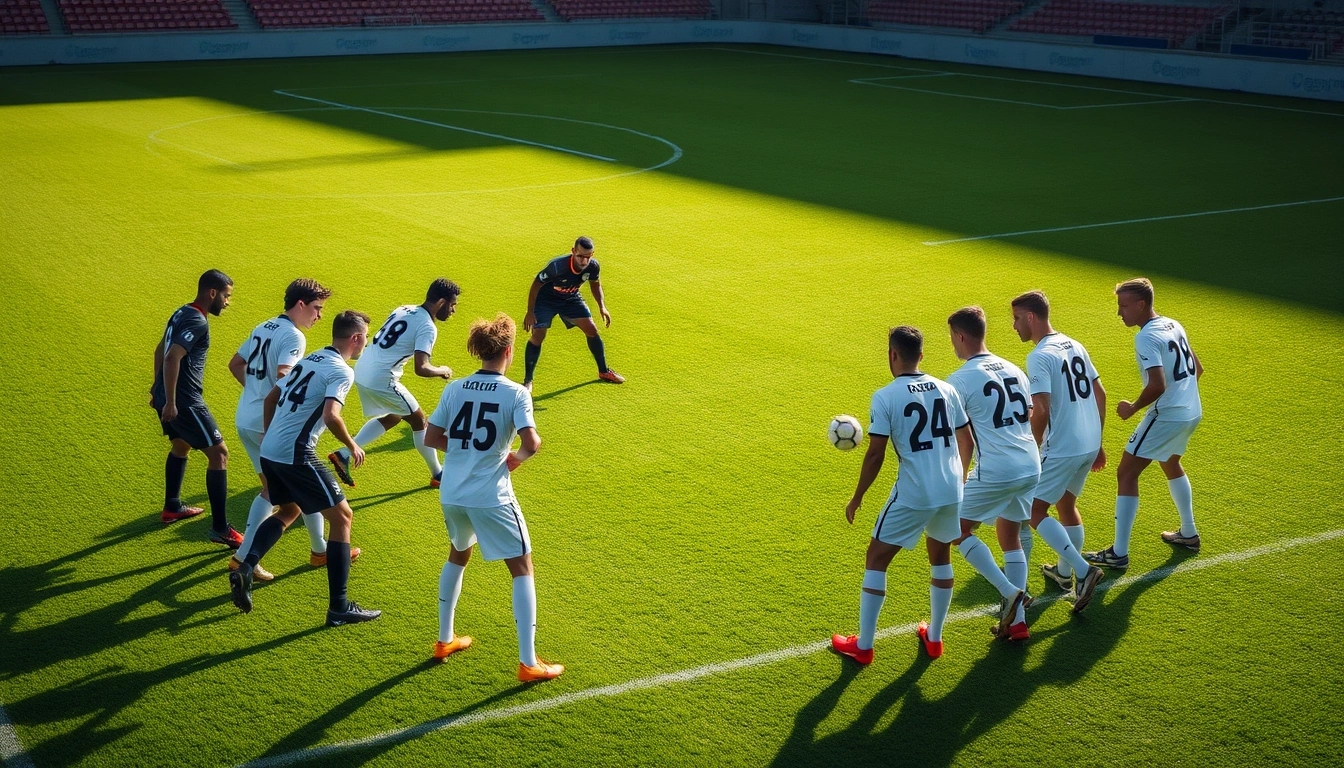
When you hear the word compactness in defense, what usually comes to mind? For most fans, it’s that elusive magic sauce that turns a leaky defense into a brick wall. But let’s be honest, it’s not just about stacking players close together like sardines. Compactness is a strategic concept that’s all about team shape, spacing, and minimizing gaps so the opposition finds it tougher than ever to break through.
Imagine a defense that looks like a tight-knit family dinner—everyone’s sitting close enough to pass the salt, but not so close that you’re elbowing each other. That’s the essence of compactness. It’s about reducing the space between defenders horizontally and vertically to frustrate attackers. When done right, the attacking team’s options shrink, their passing lanes disappear, and their confidence takes a nosedive.
| Key Components of Defensive Compactness | What They Mean |
|---|---|
| Team Shape | Maintaining a solid formation that keeps players connected and balanced. |
| Spacing | Controlling the distance between defenders to avoid exploitable gaps. |
| Gap Reduction | Closing down spaces attackers could use to penetrate the defense. |
Now, if a team forgets this golden rule and stretches out too much, it’s like leaving your front door wide open with a neon sign saying, “Come on in, easy goals here!” Without compactness, defenders get isolated, communication breaks down, and suddenly you’re watching your goalie pick the ball out of the net more often than you’d like. It’s no surprise that teams who neglect compactness end up conceding more shots and, ultimately, more goals.
- Wide gaps allow attackers to dribble or pass through effortlessly.
- Isolated defenders</b struggle to cover multiple threats.
- Slow transitions give opponents time to exploit spaces.
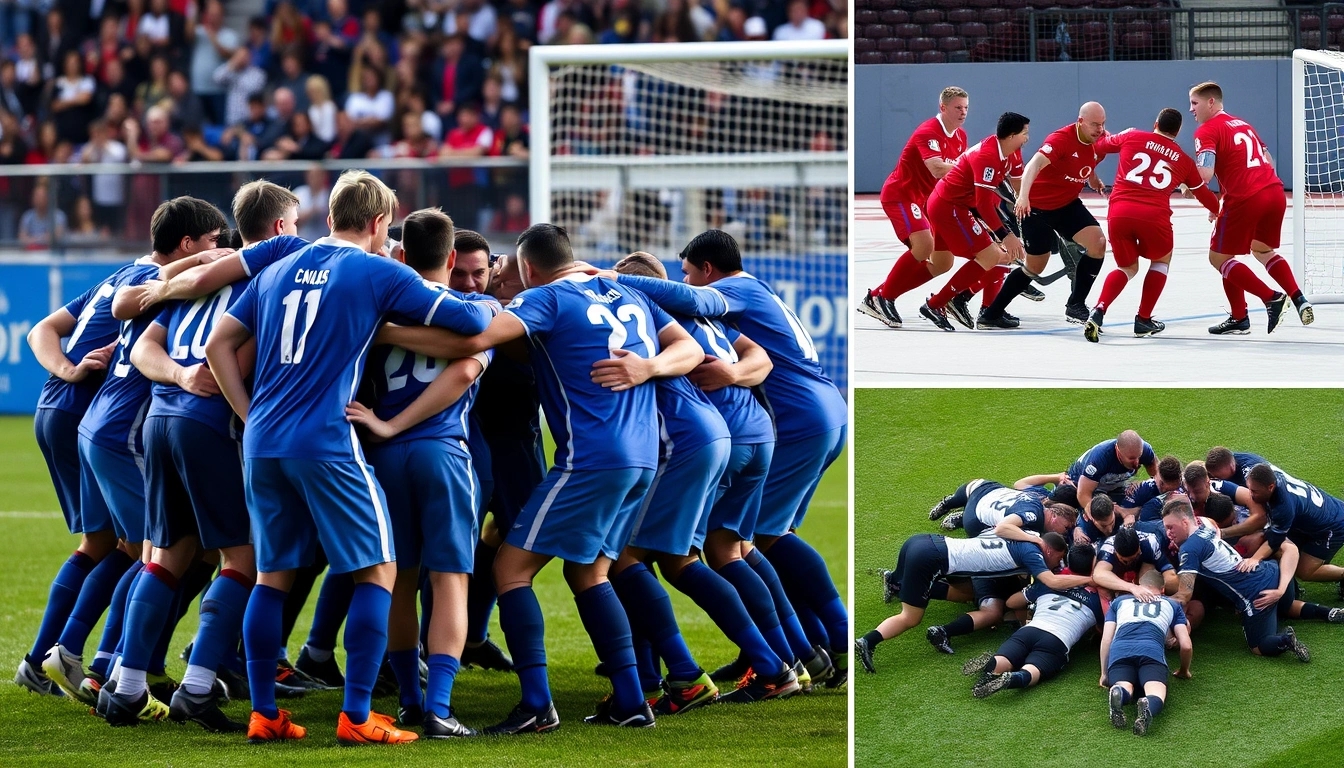
Compactness isn’t just a soccer thing either. Think basketball’s tight zone defenses, hockey’s collapsing backlines, or rugby’s defensive lines squeezing the attackers. Across sports, the principle remains: keep the defense tight, force mistakes, and control the game’s rhythm.
In practice, coaches drill compactness relentlessly. They run positional awareness drills where players learn exactly where to be, and when. Communication is hammered home too—because without talking, defenders might as well be playing solo.
Sample Positional Drill:1. Set up cones to mark defensive zones.2. Players move as a unit, maintaining set distances.3. Coach calls out attacking scenarios.4. Players adjust positions quickly, maintaining compactness.
At the end of the day, compactness is about more than just defense—it’s about controlling the game flow. When a team is compact, they dictate the pace, frustrate opponents, and set the stage for counterattacks. So next time you watch a team suffocate their rivals, remember: it’s all about that tight, unyielding compactness.
The Basics of Defensive Compactness
Alright, let’s get one thing straight: compactness in defense isn’t just some fancy buzzword coaches throw around to sound smart. It’s the backbone of any solid defensive unit, whether you’re watching soccer, hockey, or basketball. At its core, compactness is all about keeping your team tight-knit — like a well-oiled machine — making it tough for the opposition to find any sweet spots or gaps to exploit.
Imagine a defense that’s all over the place — players spread out like they’re sunbathing on a beach. That’s a nightmare! Compactness means the team maintains a disciplined shape, reducing the space between defenders both vertically (front to back) and horizontally (side to side). This tight spacing is crucial because it forces attackers into crowded areas where creativity and passing lanes dry up.
- Team Shape: Think of it as the skeleton of your defense. Whether it’s a flat back four or a staggered three-man line, the shape needs to be consistent and adaptable.
- Spacing: Not too wide, not too narrow. It’s like Goldilocks finding the “just right” spot so no attacker can sneak through.
- Gap Reduction: This is the real magic trick. By closing down the distances between players, defenders make it nearly impossible for attackers to dribble or pass through.
| Aspect | What It Means | Why It Matters |
|---|---|---|
| Team Shape | Organized formation of defenders | Maintains structure to cover spaces effectively |
| Spacing | Distance between defenders | Prevents attackers from exploiting gaps |
| Gap Reduction | Minimizing spaces between players | Frustrates attackers and limits options |
Now, here’s the kicker — compactness isn’t just about standing close together. It’s about dynamic positioning. Defenders have to constantly adjust based on where the ball and attackers are. If one player steps up, the others have to slide over to cover the newly exposed spaces. It’s like a dance, but one where a single misstep can lead to a goal against.
And let’s not forget the mental side of things. Staying compact requires intense focus and communication. You can’t just zone out for a second or two, or else the whole shape crumbles like a house of cards. Players have to be on the same wavelength, calling out when they’re shifting, pressing, or dropping back. Without that, compactness is just a fancy word with no teeth.
So yeah, in a nutshell, compactness is the art of making your defense a tough nut to crack. It’s about teamwork, discipline, and a bit of tactical wizardry. When done right, it frustrates attackers, slows down the game, and gives your team the upper hand. When done wrong? Well, you’re basically handing out free chances to the opposition — and nobody wants that.
Quick Tips for Players to Keep Compactness in Check:
- Keep your eyes on the ball and your teammates — awareness is key.
- Move as a unit; if one shifts, the others follow.
- Communicate constantly, even if it’s just a quick shout or a hand signal.
- Avoid chasing the ball blindly — stay disciplined in your zone.
In the end, compactness is what separates average defenses from the great ones. It’s not sexy or flashy, but it sure gets the job done.
Why Teams Struggle Without Compactness
Alright, let’s cut to the chase: when a team loses its compactness on the defensive end, it’s like handing the opposition a golden ticket to score. And not just once, but repeatedly. You’d think keeping tight and organized is a no-brainer, but oh boy, it’s easier said than done. Teams often falter because they either get stretched out too thin or players lose sight of their positioning, creating those wide-open spaces attackers dream about.
Imagine a defense that looks more like a messy puzzle than a solid wall. When defenders are spread out, those gaps become highways for opponents to cruise through. The result? Easy passes, quick penetrations, and let’s be honest—some downright embarrassing goals. It’s not just about being close to each other, but about maintaining the right distances to cover passing lanes and support teammates.
| Common Pitfalls Without Compactness | Consequences |
|---|---|
| Players out of position | Creates exploitable spaces |
| Poor communication | Confusion and delayed reactions |
| Lack of coordinated movement | Breakdown of defensive shape |
| Overcommitting to ball pressure | Leaves other attackers free |
One thing that often trips teams up is the temptation to chase the ball. You see defenders sprinting after the ball carrier, leaving their zones unattended. It’s like a bad game of tag – fun for attackers, disastrous for the defense. This overcommitment pulls the defensive line apart, making it a breeze for the opposition to find gaps and exploit them.
And don’t even get me started on the mental side. Maintaining compactness demands constant focus and teamwork. When players get tired or distracted, those tiny cracks turn into yawning chasms. Suddenly, the team looks disjointed, and opponents smell blood in the water.
- Spacing errors: Defenders too far apart easy passes through the defense.
- Slow recovery: When one player moves out of position, others fail to adjust quickly.
- Miscommunication: Leads to duplicated coverage or worse, no coverage at all.
In fast-paced games, these mistakes compound quickly. One missed mark leads to another, and before you know it, the scoreboard is ticking against you. The irony? Teams often have the talent and skill to defend well, but without that tight-knit compactness, it all falls apart. It’s like building a house with no foundation—looks good until the first storm hits.
So, what’s the takeaway? Without compactness, defense becomes a sieve. Opponents will slice through effortlessly, turning what should be a tough nut to crack into a walk in the park. Coaches harp on compactness for a reason—it’s the backbone of any solid defensive strategy. Neglect it, and you’re basically inviting your rivals to feast on your mistakes.
Compactness in Different Sports
When you hear the word compactness tossed around in sports talk, most folks immediately think about soccer. But, surprise, surprise, this concept sneaks into basketball, hockey, rugby, and more, playing a pivotal role in how teams defend and control the game. It’s not just about cramming players together — it’s a delicate dance of positioning, communication, and quick reactions that can make or break a defense.
Take soccer, for example. Compactness here means the team bunches up, cutting down the space between defenders and midfielders. This shrinks the playing field for the opposition, making it tough for them to find gaps or create chances. Ever noticed how a well-drilled soccer team looks like a tight little fortress? That’s compactness at work. The defenders stay close, midfielders drop back, and suddenly, the attackers are left chasing shadows.
| Sport | Compactness Strategy | Defensive Setup Example |
|---|---|---|
| Soccer | Reducing vertical and horizontal gaps between lines | 4-4-2 formation with midfielders dropping to support defense |
| Basketball | Collapsing into a tight zone to limit driving lanes | 2-3 zone defense forcing outside shots |
| Hockey | Clustering around the net to block shooting lanes | Box or diamond defensive formations near the crease |
| Rugby | Maintaining a flat defensive line to prevent line breaks | Line defense with players spaced evenly across the field |
Now, basketball — it’s a whole different beast, but compactness is just as crucial. When a team switches to a zone defense, like the popular 2-3 zone, players bunch up around the paint, clogging up the space where opponents love to drive or post up. The idea? Make the ball-handler sweat, force outside shots, and grab those rebounds. If the defenders spread out too much, suddenly you’ve got wide-open lanes and easy buckets. So, compactness here is about controlling space and forcing the offense into low-percentage plays.
Hockey’s a fast-paced game where compactness might seem tricky, but it’s essential, especially near the net. Defenders form tight “boxes” or “diamonds” around the crease, blocking shooting and passing lanes. It’s almost like a mini fortress protecting the goalie. If the defense loses that tight shape, the attacking forwards find themselves with free shots or sneaky passes. And trust me, goalies don’t appreciate those moments.
Rugby’s defensive compactness is all about that flat line. Unlike soccer or basketball, rugby players spread out evenly across the field, but they keep a narrow gap between each other. This way, when the opposition runs at them, there are no juicy gaps to exploit. The defenders move up together, quickly closing down space and forcing errors or tackles. Lose that compactness, and suddenly the other team’s flying winger is off to the races.
- Key takeaway: Compactness is about space control, no matter the sport.
- It’s not just “stick together” — it’s about smart positioning and team coordination.
- Each sport adapts compactness based on their unique flow, rules, and playing surfaces.
In the end, whether it’s a soccer backline, a basketball zone, a hockey box, or a rugby defensive line, compactness is the secret sauce that turns a defense from leaky to legendary. Coaches spend hours drilling it because it’s not easy — it demands awareness, discipline, and a little bit of magic. So next time you watch a game, keep an eye on how the defenders shape up. If they’re tight, coordinated, and stubborn as heck, you’re witnessing the power of compactness in action.
How Coaches Train Compactness
When it comes to teaching compactness on the field, coaches aren’t just barking orders from the sidelines—they’re masterminding drills that drill deep into players’ instincts. You see, it’s one thing to tell players to “stay tight” or “close the gaps,” but it’s a whole different ball game to actually make that happen under pressure. Coaches use a mix of clever drills and routines designed to embed the compact defensive shape and the lightning-quick transitions that separate the pros from the weekend warriors.
- Small-Sided Games: These are a staple. By shrinking the playing area and limiting the number of players, coaches force defenders to stay close and communicate. It’s like a pressure cooker where spacing becomes a premium, and players learn to cover each other tightly without gaps. Plus, it’s a great way to simulate real-game chaos but in a controlled environment.
- Shadow Defending Drills: Here, players pair up, with one leading and the other mirroring every move. This drill sharpens positional awareness and makes sure defenders don’t drift apart when the attack shifts. The key is to keep that invisible string taut—no slack allowed.
| Drill Name | Purpose | Key Focus |
|---|---|---|
| Gate Passing | Improve quick transitions and passing accuracy | Speed, timing, and compact positioning |
| Line Shifting | Enhance coordinated movement of defensive line | Communication and spatial awareness |
| Press and Recover | Train pressing then quickly falling back into shape | Stamina, decision-making, teamwork |
Now, don’t think this is just about standing in a neat line and hoping for the best. Coaches push players to read the game, anticipate opponent moves, and react instantly. That’s why drills often involve sudden changes in direction or pace. A classic example: a coach yells “switch!” and suddenly the defensive unit has to collapse or shift sideways in a heartbeat. It’s messy at first—players bump into each other, lose footing, or get tangled—but that’s the beauty of it. Over time, muscle memory kicks in, and that chaos turns into a well-oiled defensive machine.
- Communication Drills: Ever noticed how defenders are constantly shouting? That’s no coincidence. Coaches run exercises where players must call out positions or alert teammates about attackers. Sometimes, they even add noise distractions to simulate stadium atmospheres, forcing players to rely on sharp, clear communication.
- Transition Training: Quick transitions from defense to attack (and vice versa) are golden moments. Coaches design scenarios where the ball changes possession suddenly, and players have to either press aggressively or retreat swiftly while maintaining their compact shape. It’s about balance—not too far, not too close.
Practical Tips for Coaches:- Use video analysis to highlight moments when compactness breaks down.- Encourage defenders to think two steps ahead, not just react.- Mix physical conditioning with tactical drills to build endurance for sustained compactness.
At the end of the day, training compactness isn’t some magic spell—it’s hard work, repetition, and a bit of chaos. But when done right, it turns a ragtag group of defenders into a fortress that’s tough to crack. And trust me, opponents hate playing against that kind of team.
Positional Awareness Drills
When it comes to building a rock-solid defense, positional awareness is the secret sauce coaches swear by. It’s not just about running around chasing the ball like a headless chicken; it’s about knowing exactly where you should be, when, and why. Drills designed to sharpen this sense are absolute game-changers, helping players lock into their roles and maintain those tight defensive lines and zones that frustrate even the craftiest attackers.
Imagine a drill where defenders have to hold their shape against an attacking unit moving the ball around. The focus isn’t on winning the ball immediately but on sticking to their positions, cutting off passing lanes, and shrinking the spaces attackers can exploit. Players learn to read the game, anticipate movements, and adjust their positioning dynamically. This isn’t some magic trick; it’s a painstaking process of repetition and correction.
| Drill Type | Focus Area | Expected Outcome |
|---|---|---|
| Shadow Defending | Mirroring attacker movements | Improved reaction and positioning |
| Zone Marking Exercises | Maintaining compact zones | Reduced gaps between defenders |
| Line Holding Drills | Keeping defensive line intact | Offside trap mastery and coordination |
Now, don’t get me wrong—these drills can be a bit tedious at times. Players might get bored or frustrated because it’s less flashy than scoring goals or making killer tackles. But trust me, the payoff is massive. Teams that nail positional awareness make life hell for opponents, forcing them to take risky shots or make sloppy passes.
- Communication is key during these drills. Defenders constantly talk, shout, and signal to keep everyone synced.
- Adjusting spacing based on the ball’s location helps shrink dangerous gaps.
- Role clarity ensures everyone knows their area of responsibility and when to step up or drop back.
One practical tip coaches love: use small-sided games with restricted spaces. This cranks up the pressure and forces defenders to think fast, adjust their positioning, and support each other tightly. It’s like a pressure cooker, but it builds mental toughness and sharpens instincts.
In the end, positional awareness drills aren’t just about defense—they’re about teamwork, discipline, and intelligence on the field. They teach players that defense isn’t a solo gig; it’s a synchronized dance where every step counts. And when done right, that compactness in defense becomes the backbone of any winning team.
Communication and Coordination
are the unsung heroes in the art of defense, especially when it comes to keeping a team tight, connected, and compact. Imagine a group of defenders as a well-oiled machine — if one cog slips out of place, the whole thing can grind to a halt, leaving gaps wide open for attackers to exploit. That’s where verbal and non-verbal cues come into play, acting as the glue that holds the defensive unit together.
First off, verbal communication is like the nervous system of defense. Quick shouts, calls, and alerts help defenders adjust their positions instantly. For example, a defender yelling “left!” or “man on!” can make the difference between a clean tackle and a disastrous mistake. But it’s not just about shouting instructions; it’s about timing and clarity. Too much noise can cause confusion, while too little leaves teammates guessing. Striking that balance is an art.
- Commands: Simple, direct words like “press,” “drop,” or “switch” help coordinate team movement.
- Alerts: Warnings about incoming threats or positional adjustments.
- Encouragement: Boosts morale and keeps focus sharp under pressure.
Now, verbal cues are only half the story. Non-verbal communication — think body language, eye contact, hand signals — often speaks volumes louder than words. A quick glance can signal a shift in marking responsibility, while a raised hand might indicate a call to push up or fall back. This silent dialogue is crucial when noise levels soar in stadiums and verbal calls get lost in the chaos.
| Non-Verbal Cue | Purpose | When Used |
|---|---|---|
| Eye contact | Confirm marking or passing responsibility | During quick transitions or set pieces |
| Hand signals | Direct teammates to shift or hold position | When verbal communication is difficult due to crowd noise |
| Body orientation | Indicate defensive stance or readiness to intercept | When anticipating opponent movement |
When defenders master the combo of verbal and non-verbal cues, the defense becomes like a living organism, reacting and adapting as one. This compactness is what frustrates attackers — they find no space, no easy passes, no room to breathe. It’s like trying to squeeze through a door that just keeps getting narrower.
But let’s be real, it’s not always smooth sailing. Communication can break down under pressure, leading to those infamous moments when defenders look at each other like, “Wait, whose man is that?” That’s why coaches drill these cues relentlessly, turning instinct into habit.
- Practical tips for players:
- Keep your voice clear and calm — panic only spreads confusion.
- Use consistent hand signals agreed upon in training.
- Maintain eye contact when possible to reinforce understanding.
- Practice communication in noisy environments to simulate match conditions.
In short, are the secret sauce behind a resilient, compact defense. Without them, even the best defensive line can crumble like a house of cards. So next time you see a team shutting down attacks with surgical precision, remember — it’s not just skill, it’s the chatter, the signals, and the unspoken understanding that makes all the difference.
Measuring Compactness: Metrics and Analysis
Alright, let’s get into the nitty-gritty of how analysts actually put numbers on something as slippery as defensive compactness. It’s one thing to say a team looks tight and organized, but quite another to prove it with data. Analysts have become pretty crafty, using a cocktail of heat maps, player positioning data, and various spatial metrics to break down how well a defense sticks together. It’s like giving a microscope to what used to be just a gut feeling.
First off, heat maps are a fan favorite. They show where players spend most of their time on the pitch. When you see a cluster of colors all jammed together around the defensive third, that’s a good sign of compactness. But beware! Heat maps alone don’t tell the whole story. You might see players bunched up, but are they covering key spaces or just hanging around? That’s why player positioning data comes into play.
| Metric | What It Measures | Why It Matters |
|---|---|---|
| Average Distance Between Defenders | Calculates the mean spacing between each defender. | Smaller distances usually mean tighter defense, less room for attackers. |
| Team Shape Index | Quantifies the overall formation compactness, considering length and width. | Helps identify if the defense is stretched or squeezed. |
| Space Control Percentage | Measures how much critical defensive zones are covered. | Shows effectiveness in denying dangerous areas to opponents. |
Now, the real magic happens when all these numbers get mashed together with spatial metrics. Analysts use GPS and optical tracking to capture players’ exact locations every second. This data feeds into complex algorithms that can tell coaches things like: “Hey, your left-back’s drifting too far from the center-back, leaving a juicy gap.” Or, “Your midfield line is stretched out, making it easy for the opposition to slice through.”
- Inter-player distances: How close or far defenders are from each other.
- Compactness ratios: Comparing defensive area coverage versus opponent’s attacking zones.
- Pressure density: How many defenders are near the ball carrier at any time.
But, here’s the kicker — these metrics aren’t foolproof. Sometimes a team looks compact on paper but gets torn apart because players aren’t reacting fast enough or communication breaks down. Data can’t capture the “feel” of a defense, just the structure.
So, while heat maps and spatial metrics are powerful tools in the analyst’s arsenal, they’re only part of the story. Coaches still need to interpret this info alongside video, player feedback, and good old-fashioned intuition. After all, football (or any sport, really) isn’t just numbers; it’s chaos, creativity, and yes, sometimes a bit of luck.
In short, measuring compactness is a fascinating blend of art and science — a constant tug-of-war between what the data says and what the eyes see on the field. And that’s what makes it so darn interesting.
Compactness vs. Pressing: Finding the Balance
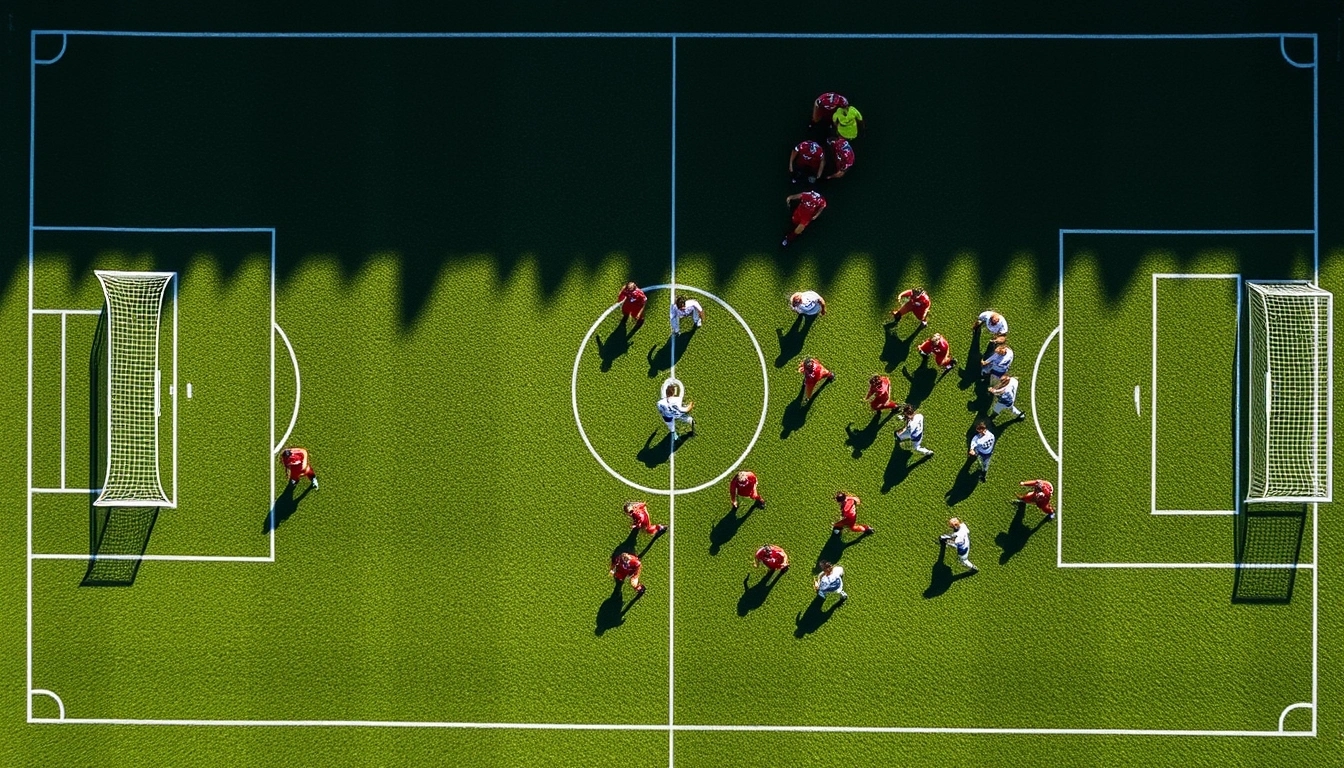
Alright, let’s dive into this age-old tug of war in defensive strategy: compactness versus pressing. It’s like trying to decide between hugging your opponent tightly or chasing them down the field like a bloodhound. Both have their merits, but pulling off the perfect combo? That’s where the magic (and chaos) happens.
First off, staying compact means your team bunches up, closing the gaps between defenders and midfielders, creating this almost impenetrable wall. You’re basically telling the opposition, “No room for you here, buddy.” This shape frustrates attackers, limits passing lanes, and forces mistakes. But here’s the kicker — if you get too compact, your team risks becoming a sitting duck for a quick switch or a long ball over the top. It’s a delicate dance.
On the flip side, pressing is all about aggression and speed, rushing the opponent high up the pitch, trying to win the ball back ASAP. It’s exciting, exhausting, and sometimes downright reckless. Pressing demands energy and coordination, and if one player slips up, the whole defensive line can get sliced open like a hot knife through butter.
| Aspect | Compactness | Pressing |
|---|---|---|
| Primary Goal | Reduce space, protect defensive zones | Force turnovers quickly |
| Risk | Vulnerable to quick switches and long passes | Exposed if bypassed, high energy cost |
| Ideal Use | Defending deep or controlling tempo | High-intensity moments, disrupting build-up |
Teams juggling these strategies often look like a well-oiled machine one moment, then a clumsy mess the next. Why? Because pressing demands players to leave their compact shape, chasing the ball aggressively. If everyone presses, the defense can become stretched and vulnerable. But if no one presses, the opposition gets comfy and starts carving up your defense like Thanksgiving turkey.
- Smart pressing: Teams often press in triggers — moments when the ball is in a dangerous area or a weak player has it. This keeps the overall shape intact while applying bursts of pressure.
- Compact fallback: After a failed press, defenders quickly regroup to a compact shape, minimizing the damage.
- Communication is key: Players constantly talk, signaling when to press and when to hold the line.
Now, let’s throw some real talk in here: not every team nails this balance. Some get overly obsessed with pressing and end up gasping for air halfway through the match, leaving gaps wider than the Grand Canyon. Others cling too hard to compactness and invite relentless pressure, slowly being suffocated.
Practical takeaway for players:- Always watch your spacing. Don’t get sucked out of position chasing the ball.- Know your pressing triggers but don’t press just for the sake of it.- Trust your teammates to cover and recover quickly.- Stay vocal. Defense is a team conversation, not a solo act.
So, in the grand scheme, balancing compactness and pressing isn’t just a tactical choice — it’s a constant, messy negotiation on the pitch. Coaches preach it, analysts measure it, but players live it, sweat it, and sometimes screw it up spectacularly. And honestly? That’s what makes the beautiful game so unpredictable and thrilling.
In the end, mastering this balance can turn a good defense into a fortress — or a leaky sieve if you get it wrong.
Practical Tips for Players to Improve Compactness
Alright, let’s cut to the chase — maintaining compactness on the field isn’t just some fancy coaching buzzword tossed around during half-time talks. It’s the bread and butter of a solid defense. If you want to frustrate attackers and make life miserable for the opposition, you’ve got to get your team tight, focused, and working like a well-oiled machine. Easier said than done, right? But hey, no one said defense was glamorous.
First things first: positioning. If defenders are scattered like lost tourists, attackers will feast on the gaps. The golden rule? Close the space between you and your teammates. Think of it as forming a human wall — no gaps, no freebies. Always keep an eye on the ball and your nearest opponent, but don’t lose sight of where your fellow defenders are. If someone’s drifting too far out, you’ll end up with that dreaded one-on-one or worse, a free run at goal.
- Stay compact horizontally: Don’t let the team stretch wide unnecessarily.
- Keep vertical lines tight: The distance between your defensive line and midfield line should be minimal.
- Adjust dynamically: If the ball moves, so do you — no standing still!
Now, mindset is a massive piece of this puzzle. You’ve got to be on high alert — always thinking one step ahead. Defenders need to be a bit paranoid, honestly. Expect the unexpected. Anticipate passes, runs, and those sneaky through balls. And don’t be shy about stepping up or dropping back as a unit. It’s a collective effort, not a solo gig.
| Mindset Tips | Why It Matters |
|---|---|
| Stay alert and communicate constantly | Prevents confusion and keeps everyone on the same page |
| Be proactive, not reactive | Stops attackers before they gain momentum |
| Trust your teammates | Builds confidence and ensures coordinated movements |
Teamwork, oh boy, this one’s the kicker. Compactness is not just about individual brilliance; it’s about collective discipline. You need to talk, shout, wave your arms — whatever it takes to keep the defense organized. Non-verbal cues like eye contact or gestures are gold here when the noise gets too loud. And remember, covering for a teammate’s mistake isn’t a weakness — it’s what separates a good defense from a great one.
Quick Teamwork Essentials:- Constant communication (verbal + non-verbal)- Covering and supporting each other- Coordinated pressing and dropping back- Maintaining shape under pressure
In the end, improving compactness is a grind. It takes hours of training, some frustrating moments, and a willingness to adapt. But nail it, and you’ll see attackers banging their heads against a brick wall. So, defenders, lace up, keep tight, and make that defense your fortress.
Frequently Asked Questions
- What exactly does “compactness” mean in defense?
Compactness in defense is like keeping your team’s defense cozy and tight-knit—imagine a tightly packed crowd that’s hard to break through. It means reducing the space between defenders both vertically and horizontally so attackers find it tough to slip through gaps. This tight formation frustrates opponents and helps control the game flow.
- Why is maintaining compactness so important for a team?
Think of a defense without compactness as Swiss cheese—full of holes and easy to penetrate. When a team loses that tight shape, attackers get more room to maneuver, creating more scoring chances. Staying compact minimizes these vulnerabilities, making the defense resilient and harder to break down.
- Is compactness only relevant in soccer?
Not at all! While soccer is a prime example, compactness plays a vital role in basketball, hockey, rugby, and many other team sports. In each, it’s about limiting space and forcing opponents into tough spots. Different sports have unique defensive setups, but the core idea of staying tight and coordinated remains the same.
- How do coaches train players to improve compactness?
Coaches use a mix of drills focusing on positional awareness, communication, and quick transitions. Players learn to understand their roles, maintain tight lines, and use verbal or non-verbal cues to stay connected. It’s like choreographing a dance where every player moves in sync to keep the defense solid.
- Can teams be too compact? How do they balance compactness with pressing?
Great question! Being too compact can make a team passive and invite pressure. The key is balance—staying tight enough to block passing lanes but also pressing aggressively when the moment calls for it. It’s like walking a tightrope between defense and attack, requiring smart decision-making and teamwork.
- Are there ways to measure how compact a defense is?
Absolutely! Analysts use heat maps, player positioning data, and spatial metrics to quantify compactness. These tools show how closely players stick together and how effectively they reduce space, helping coaches tweak strategies and improve team defense.
- What can individual players do to help maintain compactness?
Players can improve compactness by staying aware of their positioning, communicating constantly, and adopting a team-first mindset. Think of it as being part of a well-oiled machine where every cog counts—if one player drifts out of position, the whole defense can unravel.