Dive headfirst into the whirlwind world of counter-pressing, a football tactic that’s been turning heads and rewriting the playbook on how teams snatch the ball back right after they lose it. It’s like a game of hot potato, but instead of passing the ball away, players swarm their opponents like a pack of wolves, trying to pounce immediately and force a mistake. Sounds simple? Well, not quite. It’s high-octane, relentless, and demands brains and brawn in equal measure.
- What’s the big idea? The moment your team loses the ball, instead of retreating and regrouping, everyone scrambles to pressure the ball carrier and nearby passing options. The goal? Regain possession ASAP before the other side can breathe and organize an attack.
- Why bother? Because modern football is all about speed and momentum. If you let the other team settle, they’ll slice you open like a hot knife through butter. Counter-pressing disrupts their rhythm and often leads to quick turnovers and goal-scoring chances.
| Key Element | What It Means | Why It Matters |
|---|---|---|
| Immediate Pressure | Players swarm the ball carrier right after losing possession. | Prevents opponents from launching quick counters. |
| Team Coordination | All players know their pressing zones and responsibilities. | Maintains compactness and cuts passing lanes. |
| Physical Intensity | High stamina and sharpness required. | Ensures effectiveness throughout the match. |
Now, you might be wondering, “Isn’t this just running around like headless chickens?” Well, yes and no. It looks chaotic, sure, but behind the madness is a finely tuned system. Players have to be on the same wavelength, anticipating where the ball will go, and closing down spaces faster than you can say “offside.” It’s exhausting, mentally and physically, which is why only the fittest squads can pull it off consistently.
In fact, counter-pressing has become the darling of many top managers who swear by its effectiveness. It’s not just about muscle; it’s about intelligence, timing, and sheer guts. When done right, it’s like setting a trap – the opponent thinks they’ve got a chance, but bam! The ball’s ripped away, and suddenly your team is on the attack.
But beware, it’s not all sunshine and roses. If players are lazy or out of position, counter-pressing can leave huge gaps at the back, turning your defense into Swiss cheese. So, it’s a high-risk, high-reward gamble that needs discipline and relentless commitment.
So next time you see a team swarm the ball immediately after losing it, remember: that’s counter-pressing in action – a beautiful mess of chaos, strategy, and sheer willpower.
The Basics of Counter-Pressing
So, what’s this whole fuss about counter-pressing in football? If you’ve been watching the game lately, you’ve probably noticed teams going all-out crazy the moment they lose the ball, trying to snatch it back immediately. That’s counter-pressing in action — a tactic that’s like a high-octane reaction, almost like the team collectively says, “Not on my watch!” right after losing possession.
At its core, counter-pressing (or “Gegenpressing” if you wanna sound fancy and German) is about quick, aggressive pressure to regain the ball right after it’s lost. Instead of sitting back, regrouping, or playing safe, teams dive straight into a hunt, trying to suffocate the opponent’s next move before they can even think of building an attack. It’s like a pack of wolves snapping at the heels of their prey — relentless, intense, and often chaotic.
- Why do teams bother with this madness? Because in modern football, speed is king. The faster you get the ball back, the less time your opponent has to organize, and the better your chances of scoring.
- How does it fit into today’s game? With football becoming faster and more physical, counter-pressing complements this pace perfectly. It’s essentially a tool for controlling the game’s rhythm and forcing mistakes.
| Element | Description |
|---|---|
| Immediate Pressure | Players swarm the ball carrier as soon as possession is lost. |
| Compact Shape | Team stays close together to cut passing lanes. |
| High Intensity | Requires intense physical and mental effort. |
| Rapid Transition | Switching quickly from defense to attack once the ball is won. |
Now, don’t get me wrong — counter-pressing isn’t just some random frenzy on the pitch. It’s a calculated gamble. Teams weigh the risk of leaving spaces behind against the reward of winning the ball high up the field. When done right, it’s a thing of beauty. When done wrong? Well, let’s just say it can leave your defense looking like Swiss cheese.
Think of it this way: in the old days, teams might’ve been content to “park the bus” or slowly build from the back. But with counter-pressing, the game’s tempo skyrockets. It’s like switching from a leisurely stroll to a full-on sprint. And that sprint demands players who don’t just have lungs of steel but brains that can make split-second decisions — who to close down, when to hold back, and how to trap the opponent.
- Practical insight: Coaches drill their squads relentlessly on positioning and timing because a single misstep can blow the whole press apart.
- Fun fact: Jurgen Klopp, one of the biggest advocates, calls it “heavy metal football” — loud, aggressive, and fast-paced, just like the music genre.
In the grand scheme, counter-pressing is more than just a tactic; it’s a mindset. It’s the refusal to accept losing the ball quietly and the determination to wrestle control back instantly. Whether you love it or hate it, it’s here to stay, shaping modern football’s identity with every sprint, tackle, and interception.
History and Evolution of the Tactic
Alright, let’s dive into the fascinating journey of counter-pressing, a football tactic that’s gone from a niche strategy to a global phenomenon. Believe it or not, this high-octane approach didn’t just pop out of nowhere. It’s got roots that stretch way back, though it took some time before the big clubs and managers really caught on and ran with it.
First things first: counter-pressing, or “gegenpressing” as the German folks like to call it, is all about winning the ball back immediately after losing it. This idea of “pressing right after losing possession” might seem obvious now, but it wasn’t always the case. Back in the day, teams would often just fall back and regroup, giving opponents a breather. But some visionary coaches thought, “Nah, why give them space when you can suffocate them instantly?”
- Early Roots: The seeds were planted in the 1970s and 80s with teams like Arrigo Sacchi’s AC Milan, who emphasized intense pressing and quick transitions.
- German Influence: Fast forward to the 90s and early 2000s, and you see the rise of German clubs employing aggressive pressing styles, with Jürgen Klopp later popularizing it worldwide.
Now, Klopp’s Borussia Dortmund and later Liverpool really put counter-pressing on the map. Their relentless energy and tactical discipline made it look like an art form. But don’t get it twisted — it’s not just about running around wildly. It’s a calculated gamble, requiring players to be sharp, coordinated, and ready to pounce the second the ball slips.
| Era | Key Figures | Contribution to Counter-Pressing |
|---|---|---|
| 1970s-80s | Arrigo Sacchi | Introduced intense pressing and zonal marking |
| 1990s-2000s | German Clubs | Refined pressing into a tactical system |
| 2010s-Present | Jürgen Klopp, Ralf Rangnick | Popularized gegenpressing globally |
It’s worth mentioning, though, that counter-pressing isn’t just a German thing anymore. Coaches all over the world, from Pep Guardiola to Marcelo Bielsa, have embraced pressing in various forms. Each adds their own twist, making the tactic evolve continuously. The game’s pace has accelerated, and counter-pressing fits perfectly into this modern, frenetic style.
But hey, it hasn’t been a smooth ride. Early adopters faced skepticism — some thought it was just exhausting and reckless. And yeah, it can be a double-edged sword. If your team’s not fit or disciplined enough, counter-pressing can leave you exposed and gasping for air by halftime.
- Why the shift? Football’s become faster, and possession isn’t king anymore. Winning the ball back quickly can create instant scoring chances.
- Technology & Analytics: Modern data tools help coaches track pressing effectiveness, tweaking the tactic to near perfection.
So, in a nutshell, counter-pressing has grown from a bold experiment to a cornerstone of modern football strategy. It’s a wild ride of constant evolution, shaped by legends, skeptics, and the relentless hunger of teams chasing that next big win.
In conclusion: Whether you love it or hate it, counter-pressing is here to stay — and it’s only going to get crazier. Strap in, because this tactic’s history is still being written, one high-press at a time.
Key Players and Roles in Counter-Pressing
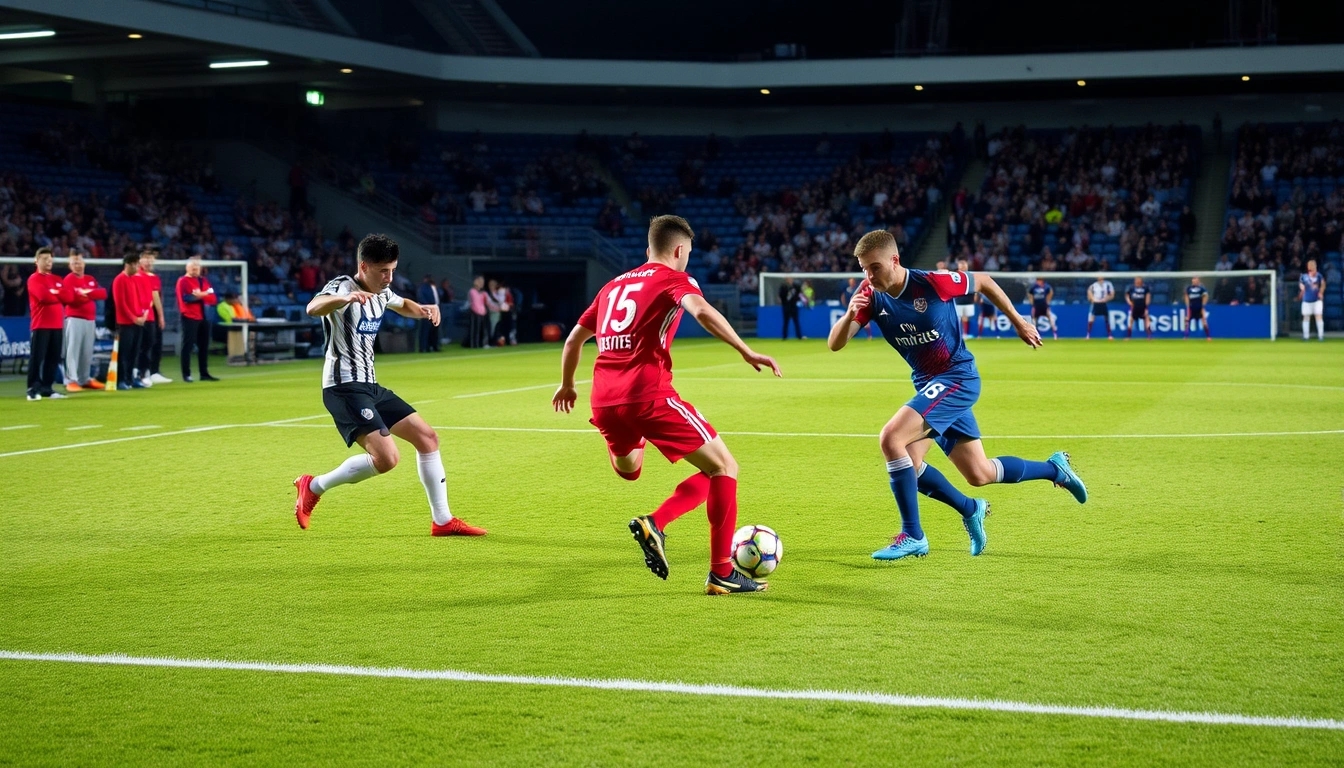
Alright, so you wanna know who really runs the show when it comes to counter-pressing? Well, it’s not just about chasing the ball like headless chickens the moment you lose it. There’s some serious method in this madness, and certain players are absolutely vital for pulling it off. Think of counter-pressing like a well-oiled machine — every cog has a role, or the whole thing grinds to a halt.
First up, the forwards. These guys aren’t just there to score goals, they’re the first line of defense. The moment possession slips away, they gotta harass the defenders and midfielders of the opposition, forcing them into mistakes or rushed passes. Their job? Close down passing lanes and make life miserable for whoever’s holding the ball. If they’re lazy or slow to react, the whole counter-press collapses like a house of cards.
| Player Role | Responsibilities | Key Attributes |
|---|---|---|
| Forwards | Initiate immediate pressure, block passing options | Speed, anticipation, aggression |
| Midfielders | Support pressing, intercept passes, recycle possession | Stamina, awareness, quick decision-making |
| Defenders | Maintain defensive shape, cover pressing teammates, start counter-attacks | Positioning, communication, composure |
Now, midfielders are the real workhorses here. They’re the ones who link the press between the front line and the defense. When the ball drops into midfield, these players have to swoop in, cut off passing lanes, and either win the ball back or funnel the opposition into less dangerous areas. Their stamina has to be off the charts because they’re running up and down non-stop. Also, quick thinking is a must — hesitate for a second and the whole press is exposed.
And let’s not forget the defenders. You might think they’re just sitting back, but nope! While they’re not usually the first to press, they have crucial responsibilities. They need to stay organized, cover the spaces left by teammates who’ve surged forward, and be ready to launch counter-attacks the instant the ball is won. Communication is key here — if the defenders aren’t shouting instructions and adjusting positions, chaos ensues.
- Goalkeeper: Often overlooked, but their quick distribution can turn a successful press into a lightning-fast counter.
- Wide players: They have to balance pressing with maintaining width to prevent the opposition from exploiting the flanks.
Honestly, counter-pressing is a bit like a high-stakes game of chess played at lightning speed. One slip-up by any player, and the whole tactic falls apart. But when it clicks? It’s poetry in motion — the team swarms, regains possession, and suddenly the opposition is on the back foot.
So next time you watch a team pressing like their lives depend on it, keep an eye on these key players and their roles. It’s not just about running around; it’s about knowing when to press, how to cover for each other, and turning chaos into control.
Practical Tip for Coaches:
- Train forwards to recognize triggers for pressing (bad touches, backward passes)- Drill midfielders on quick interceptions and passing under pressure- Emphasize defenders’ communication and positioning during the press
It’s a tough gig, but when done right, counter-pressing can change the entire complexion of a match. And trust me, players who master it become absolute nightmares for their opponents.
How Counter-Pressing Changes Game Dynamics
Counter-pressing, or as some call it, the “gegenpressing” frenzy, isn’t just some fancy jargon tossed around by football pundits. It’s a game-changer that twists possession, tempo, and match control into something a bit unpredictable, a bit wild — and frankly, a bit brilliant. When a team loses the ball, instead of sulking or retreating, they swarm, press, and hunt the ball like a pack of wolves. This sudden burst can turn the tide in seconds, flipping defense into attack faster than you can say “offside.”
But here’s the kicker: this tactic doesn’t always mean you dominate possession in the traditional sense. Counter-pressing often sacrifices long stretches of calm ball control for explosive moments of aggression. Teams might actually have less possession overall, but those moments they do get the ball back? Pure gold. It’s like playing chess at lightning speed, forcing opponents into mistakes before they even realize what hit them.
- Possession: Not your usual “keep the ball, keep the game” style. Counter-pressing turns possession into a weapon of instant disruption rather than slow build-up.
- Tempo: The game’s heartbeat quickens. The ball moves fast, players sprint back and forth, and the rhythm becomes erratic — unpredictable, really.
- Match Control: Control becomes less about who has the ball and more about who dictates the pressure and forces errors. It’s psychological warfare on grass.
| Aspect | Traditional Possession Play | Counter-Pressing |
|---|---|---|
| Possession Style | Slow, methodical build-up | Short bursts of aggressive ball recovery |
| Tempo | Steady and controlled | Rapid, high-intensity shifts |
| Match Control | Dominated by ball retention | Dominated by pressure and forcing mistakes |
Now, don’t get me wrong — this tactic is a double-edged sword. The relentless pressing demands insane stamina and focus. If the press breaks down, the opposing team can exploit the spaces left behind, often with devastating counter-attacks. It’s like playing with fire; one slip and you’re roasted.
But when it clicks? Oh boy, it’s poetry in motion. Teams like Klopp’s Liverpool have shown how counter-pressing can suffocate opponents, robbing them of time and space. Suddenly, the pitch feels smaller, and the opponents are gasping for air.
Practical Insight:- Players must communicate constantly to avoid gaps.- Timing the press is crucial; too early or too late means disaster.- Fitness levels must be top-notch to sustain the high-energy bursts.
So, counter-pressing reshapes the game’s dynamics by injecting unpredictability. It’s not just about who holds the ball but who can turn losing it into an immediate opportunity. This tactic forces teams to rethink possession and control — and honestly, it makes football a heck of a lot more exciting to watch.
Physical and Mental Demands on Players
Counter-pressing, for those who might not be in the know, isn’t some lazy stroll in the park. It’s a brutal, relentless style of play that demands exceptional stamina and razor-sharp mental faculties from every player on the pitch. When a team loses possession, the clock starts ticking immediately — there’s no time to catch your breath or mull over your next move. You’ve got to sprint, tackle, and think all at once. And trust me, that’s easier said than done.
First off, the physical toll is staggering. Players are expected to cover massive distances at high intensity repeatedly throughout the game. It’s not just a matter of running hard once or twice; it’s about maintaining that ferocious energy for a full 90 minutes (or more). The heart rates soar, legs scream for mercy, and lungs burn like you’ve been inhaling fire. Without top-notch fitness, counter-pressing quickly becomes a nightmare rather than a tactical advantage.
| Physical Demand | Impact on Player |
|---|---|
| High-intensity sprints | Muscle fatigue and lactic acid buildup |
| Rapid changes of direction | Increased risk of injury and muscle strain |
| Continuous movement | Endurance depletion and slower reaction times |
But it’s not just the physical side that’s demanding — the mental game is just as, if not more, brutal. Counter-pressing asks players to make split-second decisions under intense pressure. You’ve got to read the opponent’s next move, anticipate passes, and decide whether to press aggressively or hold your position. One wrong call and the entire defensive shape collapses, leaving your team exposed like an open goal.
- Situational awareness: Players must constantly scan the field, tracking teammates and opponents alike.
- Decision-making speed: No time to think twice; hesitation can be costly.
- Communication: Coordinating with teammates on when and where to press is vital.
It’s a mental chess game played at lightning speed, where the cost of a misstep isn’t just losing the ball but potentially conceding a goal. The pressure to stay alert and react instantly can mentally drain players just as much as the physical exertion.
"Imagine running full tilt, lungs burning, legs aching, and in the blink of an eye, you have to decide: do I close down the winger or cover the midfield? Do I risk a tackle or fall back? That split-second choice can make or break a match."
So yeah, counter-pressing is definitely not for the faint-hearted. It’s a grueling blend of physical endurance and mental agility that weeds out the weak and rewards the tough — both in body and mind. The teams that nail it? They’re usually the ones with players who can push their limits and keep their heads cool when the game’s screaming at them to lose it.
In summary:
| Demand | Description |
|---|---|
| Stamina | Continuous high-intensity running and pressing throughout the match |
| Speed | Quick bursts to close down opponents immediately after losing possession |
| Decision-making | Instant tactical choices to maintain team shape and pressure |
| Communication | Constant coordination with teammates for effective pressing |
Without these, counter-pressing falls apart. It’s a tough ask, but when it works, it’s poetry in motion — chaotic, intense, and utterly thrilling to watch.

Famous Teams Known for Counter-Pressing
Alright, let’s dive into the world of teams that have absolutely nailed the art of counter-pressing – a tactic that’s as intense as it sounds. When you think of counter-pressing, two clubs usually pop up immediately: Liverpool and Borussia Dortmund. These teams haven’t just adopted the tactic; they’ve practically made it their identity, turning it into a weapon that has reshaped their playing style and results on the pitch.
Take Liverpool under Jürgen Klopp, for instance. This guy is basically the poster child for counter-pressing. Klopp’s teams swarm opponents the second they lose the ball, pressing aggressively to snatch possession back before the other team can even breathe. It’s like watching a pack of wolves closing in on their prey – relentless, coordinated, and super effective. The results? Well, Liverpool’s recent haul of trophies, including the Premier League and Champions League, speaks volumes. This style demands insane fitness levels and mental sharpness, but when it clicks, it’s a joy to watch.
| Team | Manager | Key Traits of Counter-Pressing | Impact on Success |
|---|---|---|---|
| Liverpool | Jürgen Klopp | High-intensity pressing, quick transitions, coordinated team effort | Premier League title, Champions League, consistent top-level performance |
| Borussia Dortmund | Jürgen Klopp (former), Lucien Favre | Fast counter-pressing, aggressive ball recovery, youth development | Bundesliga titles, Champions League finalists, nurturing young talent |
On the other side of the Rhine, Borussia Dortmund has been a pioneer of this tactic, especially during Klopp’s reign. Their counter-pressing game isn’t just about winning back the ball; it’s about disrupting the opponent’s rhythm and creating lightning-fast attacks. Dortmund’s style is a bit more raw and youthful compared to Liverpool’s polished machine, but that’s part of the charm. It’s no coincidence that many of their young stars have flourished in this system, learning to press hard and think fast.
- Why these teams excel at counter-pressing: It’s not just about running around like headless chickens. It’s about timing, team coordination, and knowing exactly when to press.
- Fitness and mentality: Players need to be in top shape and mentally alert every second—no slacking allowed!
- Training intensity: Both clubs invest heavily in drills that mimic game scenarios to perfect their pressing patterns.
But hey, counter-pressing isn’t some magic wand. It’s exhausting, and if the press breaks down, it can leave a team exposed faster than you can say “goal conceded.” Yet, Liverpool and Dortmund show us that when executed well, it’s a game-changer. It’s this blend of aggression and intelligence that’s made their football not only effective but downright thrilling.
So, next time you watch a Liverpool or Dortmund match, pay close attention to those moments right after a lost ball. That’s where the battle really begins – and these teams have turned it into an art form.
Common Mistakes and Challenges
Common Mistakes and Challenges in Counter-Pressing
Counter-pressing, the flashy tactic where teams swarm like angry bees immediately after losing the ball, sounds brilliant on paper. But, oh boy, when it goes wrong, it can go spectacularly wrong. Let’s be honest, it’s not just about running around like headless chickens; it requires razor-sharp timing, coordination, and a pinch of footballing genius. So, what are the usual pitfalls that trip teams up? Buckle up, because it’s a bumpy ride.
- Overcommitting and Leaving Space Behind
One of the classic blunders is players going all-in on the press without backup. Imagine a bunch of lads chasing the ball, leaving a gaping hole where the ball was lost. Opponents love this — they just thread a quick pass or launch a counter-attack into the void, leaving defenders scrambling like it’s a fire drill. It’s like leaving your front door wide open while you’re out — not the smartest move. - Physical Toll and Fatigue
Counter-pressing demands insane energy levels. Players have to sprint, sprint, and then sprint some more. If the squad isn’t in top shape, the tactic collapses by the 60th minute. Fatigue leads to sloppy tackles, missed interceptions, and worst of all, a mental lapse where players stop caring for a split second — and that’s all it takes for disaster.
| Common Mistakes | Why It Happens | Effect on Game |
|---|---|---|
| Overcommitting Players | Desperation to win ball back quickly | Exposes defense, invites counter-attacks |
| Poor Communication | Lack of coordination and unclear roles | Disorganized pressing, gaps open up |
| Fatigue | High physical demands without proper conditioning | Loss of intensity, mistakes increase |
| Misreading Opponent’s Play | Wrong timing or movement | Press broken easily, team caught out |
Now, add to this mess the fact that not every player is cut out for this high-wire act. Counter-pressing needs brains as much as brawn. If a few players don’t grasp when to press or when to hold back, it’s like a game of dominoes — one wrong move and the whole structure topples. Coaches often complain about players “pressing at the wrong time,” which is code for “you just made us look silly.”
- Timing Is Everything
Counter-pressing isn’t just about chasing the ball; it’s about knowing when to pounce. Press too early or too late, and the opposition slips through your fingers. It’s a bit like trying to catch a greased pig — frustrating and messy. - Risk vs Reward Dilemma
Teams have to weigh up if the potential gain of winning the ball back immediately is worth the risk of being caught out. Sometimes, sitting back and regrouping is smarter, but hey, football isn’t always played with a calculator.
Tips to Avoid These Pitfalls:- Train players on pressing triggers and cues.- Rotate squad to maintain fitness.- Emphasize communication on the pitch.- Use video analysis to spot and correct mistakes.
In the end, counter-pressing is a double-edged sword. When it clicks, it’s poetry in motion; when it doesn’t, it’s a comedy of errors. Teams need patience, practice, and a bit of luck to pull it off consistently. Otherwise, they’ll just be chasing shadows — and trust me, that’s exhausting.
Training and Drills to Improve Counter-Pressing
Alright, so you want your team to press like pros the moment they lose the ball? Well, it’s not just about yelling “Press! Press!” and hoping for the best. Counter-pressing is a finely tuned dance of quick reactions, sharp positioning, and relentless energy. Coaches swear by certain drills that turn this chaotic sprint back into a well-oiled machine.
First off, reaction time is king here. One popular drill involves setting up a small-sided game where players have to immediately chase and regain possession after losing it. Think of it as a “hot potato” game but with the ball and your pride on the line. The moment a player loses the ball, the entire team has to swarm, cutting off passing lanes and forcing the opposition into mistakes. This drill sharpens instincts and builds that muscle memory needed for real matches.
- Shadow Press Drill: Players pair up; one acts as the ball carrier, the other shadows closely, mirroring every move. The goal? To stay glued and pounce as soon as the ball is lost.
- Transition Sprints: Quick bursts from attacking to defending positions, simulating the switch after a turnover.
- Zone Closing Exercise: Players work on closing down specific zones rapidly, ensuring no space for the opposition to breathe.
| Drill Name | Purpose | Key Focus |
|---|---|---|
| Small-Sided Counter-Press | Improve immediate pressing after losing ball | Team coordination, quick decision-making |
| Shadow Press | Enhance individual marking and anticipation | Close marking, reaction speed |
| Zone Closing | Teach spatial awareness and rapid coverage | Positioning, communication |
Now, let’s not forget the mental side of things. Players have to be mentally wired to react instantly — no dawdling allowed. Coaches often use video analysis sessions to show players exactly where they lag in pressing intensity or positioning. Sometimes, it’s just about instilling that relentless mindset: “Lose the ball? Chase it down like your life depends on it!”
And yeah, it can be exhausting. Counter-pressing demands stamina and sharp decision-making. So, conditioning drills like interval sprints and agility ladders often sneak into training sessions. These build the explosive energy players need to close down opponents fast without gasping for air after five minutes.
- Interval Sprints: Short bursts of max effort followed by brief recovery to mimic match intensity.
- Agility Ladder: Improves foot speed and balance, crucial for quick directional changes.
In the end, the secret sauce is consistency. Teams that nail counter-pressing practice these drills relentlessly until it becomes second nature. It’s messy, it’s sweaty, and it’s brutal — but when done right, it can turn the tide of any game.
So, if you’re a coach looking to get your squad to swarm like a pack of wolves after losing the ball, these drills and mindset shifts are your best bet. Just remember: it’s not magic, it’s hard work — and a little bit of madness.

The Future of Counter-Pressing in Football
Alright, let’s get real about where counter-pressing is headed because this tactic isn’t just some passing fad; it’s evolving faster than you can say “offside trap.” With technology creeping into every nook and cranny of football, player fitness reaching near-superhuman levels, and tactical brains cooking up fresh strategies, counter-pressing is on the brink of a serious makeover.
First off, technology. We’re talking about wearable GPS trackers, AI-driven analytics, and real-time data feeds that coaches are using to tweak pressing intensity on the fly. Imagine a scenario where a manager gets a live alert that a player’s sprint capacity is dipping mid-game, prompting an immediate tactical switch to conserve energy without losing the pressing edge. Sounds like sci-fi? Nah, it’s already happening in some elite clubs. This kind of tech integration means counter-pressing will become more precise and less about just running around like headless chickens.
| Technology | Impact | Example |
|---|---|---|
| Wearable GPS Trackers | Monitor player stamina & positioning | Real-time fatigue management |
| AI Analytics | Predict opponent passing lanes | Optimized pressing zones |
| Video Analysis Software | Identify pressing weaknesses | Tailored training drills |
Now, on the fitness front, players are no longer just athletes; they’re endurance machines. Thanks to advancements in sports science, nutrition, and recovery, the physical demands of counter-pressing—previously a massive hurdle—are becoming more manageable. But don’t get me wrong, it’s still brutal. The game’s pace is relentless, and players need to be sharp mentally and physically to execute high-intensity pressing without collapsing halfway through. This means clubs might start investing even more in individualized training regimes, focusing on explosive power and rapid recovery.
- Explosive Power: Short bursts of speed to close down opponents quickly.
- Rapid Recovery: Techniques like cryotherapy and advanced physiotherapy.
- Mental Sharpness: Decision-making under pressure, often the difference between a successful press and a costly mistake.
Speaking of mental sharpness, tactical innovations are where things get really interesting. Coaches are experimenting with hybrid pressing systems that blend traditional counter-pressing with zonal marking or even selective pressing based on game context. We might see teams pressing aggressively only in certain areas of the pitch or against specific players, rather than the all-out swarm approach. This selective pressing could reduce player fatigue and increase effectiveness, but it requires players to have a deep understanding of the game and exceptional communication.
So, what does this all mean for the average fan or aspiring player? Well, expect matches to get even more intense and unpredictable. The days of “kick and chase” pressing are fading, replaced by a chess game of positioning, timing, and stamina management. And hey, when these high-tech, high-fitness, tactical beasts take the field, the beautiful game will become even more thrilling to watch—or stressful, if you’re the opposing team!
In short, counter-pressing’s future is a cocktail of innovation, endurance, and strategy. It’s not just about running hard anymore—it’s about running smart.
Frequently Asked Questions
- What exactly is counter-pressing in football?
Counter-pressing, often called “gegenpressing,” is a tactical approach where a team immediately tries to win back possession right after losing the ball. Imagine a boxer who, instead of retreating after getting hit, instantly goes on the offensive to catch the opponent off guard—that’s counter-pressing in football. It’s all about high energy, quick reactions, and teamwork to disrupt the opponent’s rhythm.
- Why do teams use counter-pressing?
Teams use counter-pressing to regain control quickly and prevent the opposition from launching a counterattack. It’s like snapping up a hot potato—you don’t want to hold onto the ball too long because the other team could turn the tables fast. This tactic helps maintain pressure, keeps the game tempo high, and often leads to scoring opportunities by catching opponents unprepared.
- Who are the key players in executing counter-pressing?
Players with high stamina, sharp awareness, and quick decision-making skills are essential. Midfielders and forwards usually spearhead the press, while defenders support by cutting passing lanes. Think of them as a pack of wolves working in sync to corner their prey—each has a role to close down space and force errors.
- Is counter-pressing physically demanding?
Absolutely! It requires relentless running, swift changes in direction, and intense focus. Players need to be in peak physical condition because the tactic demands bursts of energy repeatedly throughout the match. It’s like running sprints over and over without a break—only the fittest can keep it up effectively.
- Can counter-pressing backfire?
Yes, it can. If the press is poorly timed or players are out of position, it can leave large gaps for the opponent to exploit. Imagine a house of cards collapsing—one wrong move and the entire defensive structure can fall apart, leading to dangerous counterattacks and conceding goals.
- Which teams are famous for using counter-pressing?
Clubs like Liverpool under Jürgen Klopp and Borussia Dortmund have popularized this tactic. Their aggressive, high-energy style has not only entertained fans but also brought significant success, proving how powerful counter-pressing can be when executed perfectly.
- How do coaches train teams for counter-pressing?
Training involves drills that improve players’ reaction times, positioning, and communication. Coaches simulate scenarios where players must quickly close down opponents and recover the ball. It’s a mix of fitness work, tactical sessions, and teamwork exercises designed to build that instinctive pressing mentality.
- What’s the future of counter-pressing?
With advances in sports science and technology, counter-pressing is evolving. Enhanced player fitness, data analytics, and tactical innovations will make it even more precise and effective. Think of it as a high-tech upgrade to a classic strategy, ensuring it remains a thrilling part of football’s future.