
Alright, let’s get one thing straight: zonal marking in football isn’t just about players standing around like statues waiting for someone to wander into their patch. Nope, it’s a bit more cunning than that. At its core, zonal marking means each defender is responsible for a specific area on the pitch, rather than shadowing a particular opponent all game long. Sounds simple, right? Well, not quite. It’s a tactical dance that can either look like a well-oiled machine or a chaotic mess, depending on how well the team understands their zones.
- Zonal marking basics: Players guard spaces, not men.
- Man marking: Players stick to an opponent like glue.
- Why it matters: It shapes how teams defend corners, free kicks, and open play.
Now, why does this tactic sometimes drive fans and players up the wall? Because it’s tricky to pull off perfectly. If one player loses focus or misjudges a run, the whole defensive line can look like Swiss cheese, giving attackers a golden chance to pounce. Fans get frustrated watching defenders seemingly “let” opponents roam freely, while players might feel they’re doing all the running but still getting beaten.
| Aspect | Zonal Marking | Man Marking |
|---|---|---|
| Responsibility | Area of the pitch | Specific opponent |
| Flexibility | High – players cover zones dynamically | Low – players follow their man |
| Risk | Can lose track of runners | Can get pulled out of position |
So, how does it actually work? Imagine the defense divided into invisible grids. Each player owns a square, watching for threats entering their turf. When the ball moves, players shift their zones accordingly, passing off attackers to teammates as they cross boundaries. It’s less about chasing shadows and more about controlling space. Coaches love it because it encourages teamwork and positioning, but it demands intense concentration.
- Players must communicate constantly.
- Zones shift fluidly with the ball’s movement.
- Midfielders often drop back to help cover.
Of course, zonal marking isn’t perfect. It can feel robotic or overly cautious, and when attackers get clever—making runs that confuse the zone lines—it can be a nightmare. But when it clicks, it’s like watching a defensive fortress that’s tough to crack.
In short, zonal marking is football’s way of saying, “I’ll guard my patch, you guard yours, and together we’ll keep the opposition guessing.” It’s a tactical gamble that can either frustrate or fascinate, depending on how well the players read the game and stick to their zones.
Quick Tips for Amateur Players Trying Zonal Marking:
- Stay aware of your zone boundaries.- Communicate loudly with teammates.- Don’t just stand still—anticipate runs into your area.- Practice shifting as a unit, especially during set pieces.
So next time you see defenders calmly holding their ground instead of chasing every attacker, remember there’s a method to the madness. Zonal marking might just be football’s sneaky art of spatial control—sometimes brilliant, sometimes maddening, but always fascinating.
The Basics of Zonal Marking
Alright, so zonal marking — it sounds straightforward, right? Players just cover certain areas on the pitch instead of sticking to one opponent like glue. But if you think it’s as simple as “stand here and wait,” well, you’re in for a surprise. It’s way more subtle and complex than that. Imagine telling someone to guard a square on a chessboard, but the pieces keep moving unpredictably. That’s zonal marking in a nutshell.
- What exactly is zonal marking? It’s a defensive strategy where each player is responsible for an assigned zone or space on the field rather than tracking a specific opponent everywhere they go.
- Sounds easy, huh? Not quite. Players must constantly be aware of who’s entering their zone, anticipate runs, and decide when to engage or pass the threat to a teammate. It’s a lot like a game of hot potato, but with real consequences.
Now, you might ask, “Why bother with zonal marking at all?” Well, it offers some neat advantages. For starters, it helps maintain a solid defensive shape. Instead of defenders chasing opponents all over, they keep their formation intact, making it harder for attackers to find gaps. Plus, it can reduce fatigue since you’re not sprinting after every single player.
But—and there’s always a but—this system demands high communication and sharp decision-making. If one player zones out (pun intended) or misreads a run, the whole defensive line can crumble faster than a stale biscuit.
| Pros of Zonal Marking | Cons of Zonal Marking |
|---|---|
|
|
Here’s a little secret: zonal marking isn’t about sitting back and waiting for trouble. It’s more like a dance—players constantly shift, slide, and adjust their zones based on the ball’s position and attacking threats. If you freeze or get lazy, attackers will feast on you like it’s an all-you-can-eat buffet.
- Example time: During a corner kick, defenders assign zones near the goal and watch for opponents entering their space. But if someone sneaks past unnoticed, it’s usually a goal waiting to happen.
- Another twist: Teams often mix zonal marking with man marking to cover weaknesses, making it a hybrid approach rather than black-and-white.
In short, zonal marking is a clever, strategic way to defend — but it’s definitely not for the faint-hearted or the absent-minded. It demands brains, nerves, and a bit of footballing flair. So next time you see defenders calmly holding their ground, remember: there’s a lot going on behind that “standing still” act.
Practical Tips for Amateur Players Trying Zonal Marking:
- Always communicate loudly; silence kills zonal defense.- Know your zone boundaries but don’t become a statue.- Keep an eye on runners entering your area.- Practice shifting as a unit, not as individuals.- Mix zonal with man marking if your team struggles to track runners.
Zonal marking might seem like a snooze fest from the outside, but it’s actually a mental chess match played at 100 mph. Mess up, and you’ll hear about it from fans (and your coach) for weeks. Get it right, and you’re part of the invisible wall that keeps clean sheets and wins trophies.
Zonal vs. Man Marking: The Eternal Debate
Alright, let’s cut to the chase — the battle between zonal marking and man marking in football is like arguing over whether tea or coffee is better. Both have their die-hard fans, and both have their fair share of critics. Coaches often find themselves stuck in the middle, scratching their heads, wondering which one to pick. So, what’s the fuss all about? Let’s break it down.
- Zonal marking is all about players covering specific areas on the pitch. Think of it like guarding your own turf — you don’t chase every opponent but keep an eye on your zone. It’s organized, neat, and when done right, can suffocate the opposition’s attacking moves.
- Man marking, on the other hand, is the classic “stick to your man like glue” approach. You shadow a particular opponent wherever they go, trying to smother their influence on the game.
Now, before you jump to conclusions, neither system is flawless. Let’s look at the pros and cons of each, in a handy table format:
| Aspect | Zonal Marking | Man Marking |
|---|---|---|
| Pros |
|
|
| Cons |
|
|
Now, here’s where it gets tricky: coaches often don’t pick one side and stick to it. Why? Because football isn’t black and white. It’s more like a messy painting with splashes of grey. Many teams actually use a hybrid approach, blending zonal and man marking to keep opponents guessing.
Take set pieces, for example. You’ll often see defenders zonally guarding dangerous spaces near the goal, while others man-mark the most threatening aerial players. It’s a tactical dance — sometimes you want the rigidity of zones, other times the intensity of man marking.
And let’s be honest, the choice often depends on the players you have. Got a team full of disciplined, tactically aware defenders? Zonal marking might be your go-to. But if your squad thrives on gritty, relentless pressure, man marking could be the better fit.
Practical insights for coaches and players:
- Train communication relentlessly — zonal marking falls apart without it.
- Don’t underestimate the physical toll of man marking; rotate players if possible.
- Analyze your opponent’s style before deciding your marking strategy.
In the end, the zonal vs. man marking debate isn’t about finding a perfect answer. It’s about understanding the strengths and weaknesses of each and adapting on the fly. Just like in life, sometimes you gotta mix things up or risk getting caught flat-footed.
So next time you watch a game, pay close attention to how defenders move — are they guarding spaces or sticking to men? It might just be the subtle difference deciding the match.
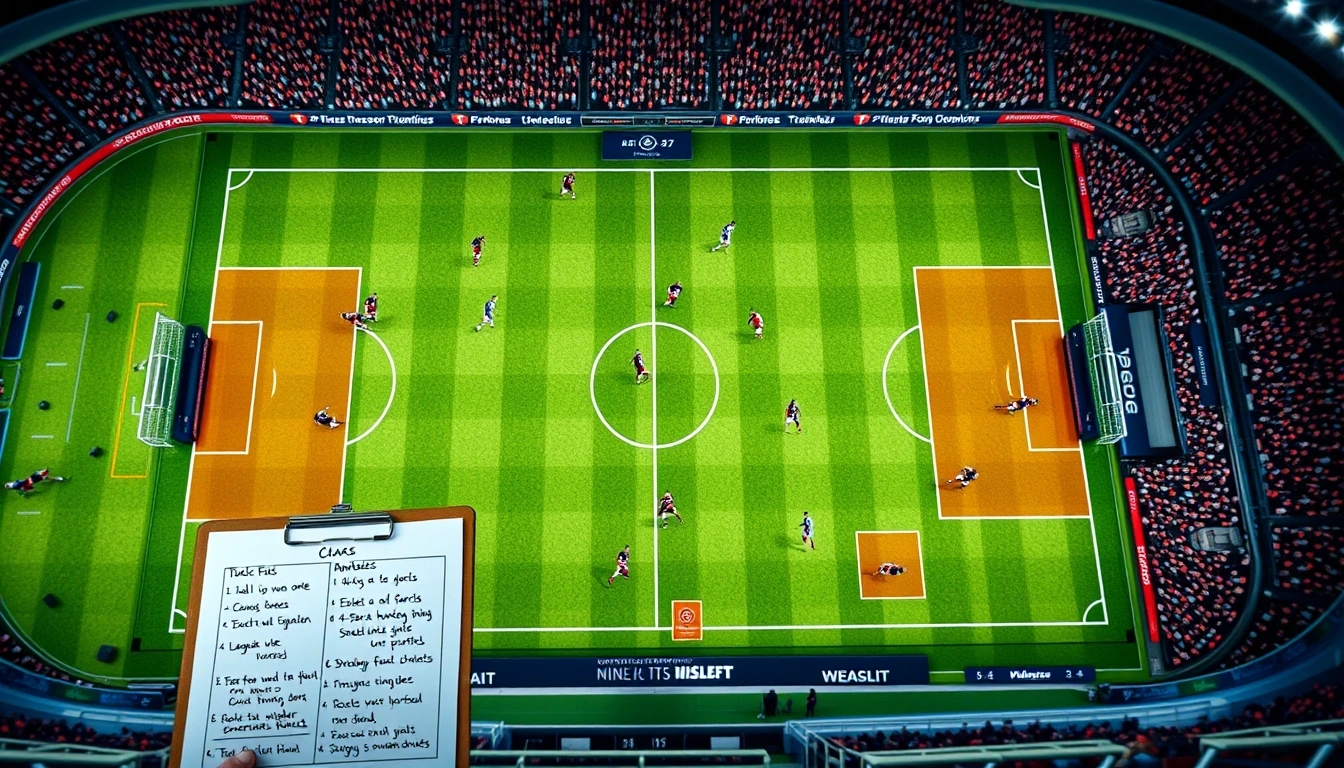
How Teams Set Up Their Zones
Alright, let’s dive headfirst into the tactical labyrinth of zonal marking. It’s not just some random “stand here and hope for the best” gig — teams meticulously carve up the pitch into zones, assigning players to these invisible grids like a game of chess, but with more sweat and less sipping tea. The way these zones are set up depends heavily on the formation and the coach’s philosophy, and trust me, it can get pretty wild mid-game when adjustments come flying in faster than a striker’s shot on goal.
First off, classic formations such as the 4-4-2 or 3-5-2 bring their own unique flavor to zonal marking. In a 4-4-2, the defensive line often splits the back four into four clear zones, with midfielders covering the middle spaces. This creates a neat grid where each player knows their patch. But it’s not just about holding ground; players have to be alert to runners darting through those zones, ready to switch or double up if needed.
| Formation | Number of Defenders | Zonal Setup Characteristics |
|---|---|---|
| 4-4-2 | 4 | Four defenders each cover a zone; midfielders support central zones; emphasis on maintaining a flat defensive line. |
| 3-5-2 | 3 | Three central defenders cover wider zones; wing-backs provide additional coverage; midfielders fill gaps dynamically. |
| 5-3-2 | 5 | Five defenders create a deep block; zones are narrower but more compact; focus on blocking crosses and central penetration. |
Now, here’s where it gets spicy — mid-game adaptations. Coaches aren’t just sitting on the bench twiddling thumbs; they’re constantly shouting instructions to tweak zones based on how the opposition plays. If the opposing team suddenly starts flooding one side, defenders might shift their zones laterally, squeezing space or even doubling up on dangerous attackers.
- Shifting Zones: Players slide their zones sideways to counter overloads.
- Zone Compression: Zones shrink to congest dangerous areas, especially near the penalty box.
- Zone Expansion: When the team is on the attack, zones can stretch to cover more ground and support forward runs.
Set pieces? Oh boy, that’s a whole different beast. Teams often rejig their zonal marking, creating super-tight grids around the six-yard box or the edge of the area to snuff out crosses. Sometimes, it looks like a well-rehearsed dance, other times, a chaotic scrum where everyone’s just hoping to clear the ball.
In truth, setting up zones is a balancing act — too rigid, and players get caught ball-watching or miss sneaky runs; too loose, and attackers find gaps wide enough to drive a bus through. The beauty of zonal marking lies in its flexibility, but that’s also its curse. It demands constant communication, sharp awareness, and a bit of luck.
So next time you see defenders calmly passing off attackers to each other, remember, it’s all about those invisible grids they’re defending — a tactical chess game played out in real time on the pitch.
Common Formations Using Zonal Marking
When it comes to zonal marking, the formation a team chooses can make or break the whole defensive strategy. You see, it’s not just about putting players in zones and hoping for the best—each formation brings its own quirks, headaches, and yes, sometimes, unexpected perks. Let’s break down some popular setups and how they play with zonal marking.
| Formation | Zonal Marking Challenges | Advantages |
|---|---|---|
| 4-4-2 |
|
|
| 3-5-2 |
|
|
| 4-3-3 |
|
|
Now, don’t get me wrong, no formation is perfect. Take the 4-4-2, for example—classic, reliable, but sometimes a bit too predictable when it comes to zonal marking. The midfielders have to be on their toes constantly, especially when opponents try to exploit those wide zones. And yeah, when the ball flies out to the wings, defenders often get stretched thin, leading to those dreaded “oh no” moments.
Then there’s the 3-5-2, which can be a bit of a beast to manage. Three at the back means the defenders have to be like glue, sticking together and communicating like madmen. The wingbacks? Oh boy, they’re running up and down like maniacs, covering massive zones, and if they slack off, you’re basically inviting the opposition to stroll through the flanks. But when it clicks, midfield control is just beautiful to watch, like a well-oiled machine.
Practical Tip for Coaches:- Assign clear zone boundaries before the match.- Use colored markers or cones during training to help players visualize zones.- Rotate players through different zones to build understanding and adaptability.
And what about the 4-3-3? It’s a high-energy, high-risk formation when zonal marking is involved. The pressing zones up front can leave gaps behind if the team isn’t synchronized. Wide attackers often drag defenders out of their zones, creating confusion. But if your team has the stamina and brains to shift zones quickly, it can suffocate the opposition’s midfield and force mistakes.
To sum it up: formations dictate how zones are carved out and defended. Coaches must weigh the pros and cons, adapt on the fly, and trust their players to know when to stick to their zones and when to chase the ball. Zonal marking isn’t just a tactic; it’s a dance of discipline, awareness, and sometimes, sheer luck.
So next time you watch a game, keep an eye on those formations and how the players move within their zones. It’s a subtle chess game happening right before your eyes, and trust me, it’s way more interesting than it looks!
Adjusting Zones During Set Pieces
Set pieces in football — corners and free kicks — are the ultimate battlefield where chaos reigns supreme. You think you’ve got your defensive shape locked down, and then boom! A swirling mass of players, arms flailing, bodies bumping, and suddenly your neat little zonal marking plan is looking like a toddler’s finger painting. So how on earth do teams tweak their zonal marking to survive these moments without losing their minds? Let’s dive in.
First off, zonal marking at set pieces isn’t just about standing in a box and hoping for the best. It’s a dynamic system, constantly adjusted to the opposition’s threats and your own team’s strengths. Coaches often assign players to cover specific areas inside the penalty box — usually the dangerous zones near the six-yard box, the penalty spot, and the near and far posts. But here’s the kicker: these zones aren’t static. They shift depending on the kicker’s preferred delivery, the run patterns of attackers, and even the wind on the day (yes, really).
| Typical Zonal Marking Zones | Primary Responsibility | Common Challenges |
|---|---|---|
| Near Post | Clear flick-ons and block short deliveries | Getting outmuscled by fast attackers |
| Central Zone (Penalty Spot) | Win aerial duels and clear headers | Tracking late runners sneaking in |
| Far Post | Cover back post crosses and second balls | Reacting quickly to rebounds |
Now, the real headache comes when attackers don’t just stick to their zones. They dart in and out, making runs that can confuse zonal defenders — who are supposed to guard space, not men. So, teams often mix zonal marking with a sprinkle of man marking, especially on the most threatening opponents. This hybrid approach tries to keep order while still accounting for unpredictable runs.
- Communication is key: Defenders constantly shout instructions, alerting teammates about incoming runners or shifts in the ball’s trajectory.
- Pre-set signals: Some teams use hand gestures or codes to quickly adjust zones mid-play.
- Practice, practice, practice: Teams drill these scenarios relentlessly because improvising under pressure rarely works.
Of course, no system is perfect. Even the best zonal setups can crumble if players lose concentration or misjudge the flight of the ball. That’s why some teams assign their tallest or most aggressive players to the central zones, hoping brute force can compensate for tactical lapses.
So next time you watch a corner kick and see defenders standing in their zones, remember it’s not just a random lineup. It’s a carefully crafted chessboard, with players constantly adjusting, communicating, and battling to keep the chaos at bay. And when it works? It looks like magic. When it doesn’t? Well, that’s football for you — gloriously messy and utterly unpredictable.
Strengths That Make Zonal Marking Popular
Zonal marking — it’s like the defensive equivalent of telling your players, “Hey, just guard this patch of grass, and don’t get too cozy chasing every opponent.” Coaches swear by it, and honestly, it’s not hard to see why. First off, less chasing. Imagine a defender constantly glued to an attacker, running up and down like a headless chicken. Exhausting, right? With zonal marking, players focus on controlling their territory, conserving energy, and waiting for the right moment to pounce. It’s a bit like having your own little fortress on the pitch. No unnecessary sprints, no wild goose chases. Just smart positioning.
| Advantages of Zonal Marking | Explanation |
|---|---|
| Energy Efficiency | Players cover areas instead of chasing individuals, reducing fatigue. |
| Better Space Control | Maintains defensive shape and prevents gaps from opening. |
| Cleaner Defensive Line | Encourages a more organized and cohesive backline. |
Speaking of space, that’s another biggie. Zonal marking helps teams control space better than man marking, which can get messy when attackers start swapping positions or making sneaky runs. Instead of defenders running after opponents like lost puppies, they hold their zones, cutting off passing lanes and making it harder for attackers to find pockets of freedom. It’s like chess — each piece guarding its square, anticipating the next move.
- Less chasing means less fatigue.
- Defenders maintain better awareness of their surroundings.
- Teams can shift as a unit, adapting to the flow of the game.
Now, let’s be honest — sometimes zonal marking even leads to a cleaner defensive line. You know those moments where defenders look like a well-oiled machine, perfectly aligned and ready to spring into action? That’s zonal marking in its glory. It’s all about discipline and communication. When everyone knows their zone and trusts their teammates to cover adjacent areas, the defense looks tight and intimidating. It’s not foolproof, but when it works, it’s poetry in motion.
That said, coaches love zonal marking not just for the tactical perks but also because it offers a bit of flexibility. Players aren’t stuck shadowing the same opponent for 90 minutes; they can react to the game’s rhythm, adjusting their zones as needed. This adaptability is crucial — football isn’t static, and neither should your defense be.
Practical Tips for Coaches:- Train players to recognize when to pass off opponents between zones.- Emphasize communication to avoid gaps.- Drill shifting as a unit to cover dangerous areas.
In the end, zonal marking’s popularity boils down to a simple truth: it’s smarter, not harder. Less chasing, better space control, and sometimes — just sometimes — a defense that looks like it’s been rehearsed a thousand times. Coaches might bicker over man vs. zone, but when it comes to keeping their team fresh and organized, zonal marking often gets the nod. Just don’t expect it to be perfect all the time — football’s a messy, unpredictable beast, after all.
The Weaknesses That Can Haunt Teams
Zonal marking, for all its tactical elegance, is far from flawless. Let’s be honest: it’s a system that demands constant alertness and discipline, and when players slack off even a bit, things can go sideways real fast. One of the biggest headaches teams face is players getting lazy or complacent. Unlike man marking where you’re glued to a specific opponent, zonal marking requires you to be aware of a whole area and any potential threats moving through it. That’s a lot to keep track of, especially when the ball’s ping-ponging around and attackers are darting in and out like they’re in a game of tag. When concentration dips, gaps open up quicker than you can say “goal.”
- Lost Runners: The bane of zonal marking. Attackers are crafty creatures—they don’t just stand still waiting to be marked. They make sneaky runs, switch positions, and exploit the moment a defender hesitates or looks the other way.
- Communication Breakdowns: If defenders aren’t constantly talking, the whole system can collapse. A missed shout or misread cue can mean two defenders marking the same zone while another attacker strolls into an unguarded space.
| Common Zonal Marking Issues | Why It Happens | Impact on Defense |
|---|---|---|
| Player Laziness | Fatigue, boredom, or overconfidence | Creates exploitable gaps |
| Runner Tracking Failures | Confusion over responsibility | Opponents find free space |
| Communication Gaps | Poor coordination or noise | Overlapping coverage or missed marks |
Now, let’s talk about the clever attackers who seem to have a PhD in outfoxing zonal marking. These folks don’t just run straight lines; they zigzag, double-back, and use decoys to confuse defenders. Sometimes, they’ll deliberately drag a defender out of their zone, creating a domino effect that leaves a teammate wide open. It’s like watching a chess game unfold on the pitch, where one slip-up can cost a goal.
Here’s the kicker: zonal marking can sometimes lull defenders into a false sense of security. Since they’re responsible for space, not a person, some might think, “Eh, someone else will pick him up.” Spoiler alert: that “someone else” is often nowhere to be found when the ball is crossed or shot. The result? Defensive chaos.
Practical tips for players to avoid zonal marking pitfalls:- Stay vocal: constant communication is your best friend.- Keep moving: don’t just stand in your zone like a statue.- Watch the ball AND the runners: eyes everywhere.- Trust your teammates but verify their coverage.
At the end of the day, zonal marking is a bit like juggling flaming torches—looks impressive when done right, but one slip and everything burns. Coaches swear by it for controlling space and reducing frantic chasing, but they also know it’s a system that can fall apart spectacularly if players aren’t 100% on their toes. So yeah, zonal marking has its charm, but it’s definitely got its quirks that keep everyone on edge.

Famous Games Where Zonal Marking Failed Spectacularly
Ah, zonal marking — the defensive strategy that promises order but sometimes delivers chaos. For those who swear by it, zonal marking is a tactical masterpiece, a way to control space and keep attackers guessing. But let’s get real: there have been some epic fails where this approach blew up right in a team’s face, turning what should have been neat, organized defenses into embarrassing, cringe-worthy spectacles.
Take, for instance, the infamous 2010 World Cup quarter-final between England and Germany. England’s zonal marking during set pieces looked like a bad game of musical chairs. Players seemed unsure who to pick up, and the result? Germany scored twice from corners, exploiting the confusion like a fox in a henhouse. The English defense was left scrambling, and fans were left shouting at their screens, wondering if anyone actually knew their zones.
| Match | Year | Issue | Outcome |
|---|---|---|---|
| England vs Germany (World Cup QF) | 2010 | Players lost track of runners in zones | Germany scored 4-1, England eliminated |
| Barcelona vs Chelsea (Champions League) | 2012 | Miscommunication in zonal marking during corners | Chelsea advanced on away goals |
| Real Madrid vs Atletico Madrid (La Liga) | 2014 | Zones poorly assigned, free headers conceded | Atletico won 4-0 |
Then there’s the 2012 Champions League semi-final clash between Barcelona and Chelsea — a match that proved zonal marking can be a double-edged sword. Chelsea’s defense, set up zonally, looked like a sieve on corners. Barcelona’s aerial dominance was unchallenged, and the Blues paid the price, conceding crucial goals that eventually cost them the tie. The frustration was palpable, and pundits had a field day dissecting how zonal marking “just didn’t work” that night.
- Common pitfalls: Players failing to track late runs from opponents.
- Communication breakdowns: Zones overlapping or being left unattended.
- Physical mismatches: Taller attackers exploiting smaller defenders in zones.
What makes these failures especially maddening is that zonal marking is supposed to simplify defense, not complicate it. Yet, when players get lazy or lose concentration, the whole system collapses spectacularly. It’s like a game of Jenga — one wrong move, and the entire structure tumbles down.
And let’s not forget the 2014 Madrid derby, where Real Madrid’s zonal marking was about as effective as a chocolate teapot. Atletico’s forwards found themselves unmarked in key zones, grabbing headers and goals with frightening ease. The 4-0 thrashing was a brutal reminder that zonal marking isn’t foolproof, especially when the opposition is sharp and ruthless.
Practical takeaway for coaches and players:- Never assume zones will cover everything; constant vigilance is key.- Clear communication on who picks up late runners.- Combine zonal marking with man-marking for critical set pieces.
In the end, zonal marking’s spectacular failures serve as cautionary tales. They remind us that football isn’t just about systems and strategies — it’s about execution, awareness, and sometimes, a bit of luck. So next time you see a team defending zonally and conceding a soft goal, don’t just blame the tactic — blame the human factor behind it.
Cringe moments? Absolutely. But they make the beautiful game all the more unpredictable and thrilling.
Tips for Amateur Players Trying Zonal Marking
Alright, weekend warriors and part-time coaches, listen up! Zonal marking might sound like a fancy tactic reserved for the pros, but with a bit of elbow grease and some common sense, you can make it work for your Sunday league team without your defense turning into a sieve. First off, forget the idea that zonal marking means just standing still and hoping for the best. It’s all about anticipation and communication. You’ve got to know your area like the back of your hand and constantly talk to your teammates. If someone’s drifting into your zone or a sneaky attacker is lurking, shout it out loud — silence won’t save you here.
- Know Your Zone: Before the game, clearly define who covers what. Don’t just draw imaginary lines and hope everyone’s on the same page.
- Stay Alert: Zonal marking isn’t a nap zone. Keep your eyes peeled for runners cutting through your area.
- Communicate: A simple “man on!” or “switch!” can save you from a world of trouble.
Now, here’s the kicker — one of the biggest mistakes amateurs make is freezing in their zones like statues. Your job isn’t to be a fence post; it’s to move smartly within your area, closing down threats and supporting teammates. If you’re too rigid, clever attackers will slice through like a hot knife through butter. Remember, zonal marking is a living, breathing system — it demands flexibility and awareness.
| Common Pitfall | How to Fix It |
|---|---|
| Players lose track of opponents entering their zone | Assign a “buddy system” where each player briefly checks for runners before focusing on the zone |
| Defensive line gets stretched out | Maintain compactness by constant communication and adjusting positioning as a unit |
| Overcommitting to one area and leaving gaps elsewhere | Trust your teammates to cover adjacent zones and avoid chasing the ball blindly |
Another nugget of wisdom: set pieces are where zonal marking often falls apart for amateurs. Corners and free kicks are chaotic, and if you don’t have a clear plan, you’ll be picking the ball out of your net more times than you’d like. Assign zones carefully and decide who marks the dangerous runners sliding through your area. Don’t just point and hope someone else deals with it.
Lastly, patience is key. Zonal marking isn’t an overnight fix; it takes practice and a bit of trial and error. Expect some slip-ups and don’t get discouraged when things go sideways. Keep tweaking your system, encourage your players to stay vocal, and most importantly, keep it simple. Overcomplicating things on a weekend pitch is a surefire way to invite disaster.
Summary:
- Define zones clearly before kick-off
- Communicate constantly during the game
- Stay mobile and alert within your zone
- Use a buddy system to track runners
- Plan set-piece marking meticulously
- Be patient and adjust as you go
So, go ahead, give zonal marking a whirl. It might not be perfect, but with these tips, your defense can be more like a fortress and less like Swiss cheese. And hey, if all else fails, just blame the ref — it’s a classic move.
Frequently Asked Questions (The title must be written in English.)
- What exactly is zonal marking in football?
Zonal marking is a defensive strategy where players cover designated areas of the pitch rather than sticking to a specific opponent. Think of it as guarding your own backyard instead of tailing a single neighbor. This helps teams control space and reduce confusion during fast plays.
- How does zonal marking differ from man marking?
While man marking is like having a shadow glued to an opponent, zonal marking assigns players to defend zones. This means defenders watch for any attacker entering their area, making it a more collective approach. Each system has its perks and pitfalls, and coaches often debate which suits their squad best.
- Why do teams switch to zonal marking during set pieces?
Set pieces like corners and free kicks are like mini explosions on the pitch—chaotic and unpredictable. Zonal marking during these moments helps maintain structure by having defenders cover key dangerous areas, rather than chasing every attacker. This reduces the chances of being pulled out of position.
- What are the main strengths of zonal marking?
Zonal marking shines by minimizing the physical toll on defenders since they aren’t constantly chasing opponents. It also improves spatial control and helps maintain a solid defensive line, making it harder for attackers to find gaps. When executed well, it’s like a well-oiled machine.
- What weaknesses should players watch out for with zonal marking?
The biggest challenge is staying alert—players can get lazy or lose track of attackers sneaking into their zones. Clever forwards often exploit these lapses, making the defense look like Swiss cheese. Communication and constant awareness are key to avoiding these pitfalls.
- Can amateur players effectively use zonal marking?
Absolutely! While it requires good teamwork and understanding, amateur players can benefit from zonal marking by practicing positional discipline and communication. Start simple, focus on covering your zone well, and gradually build confidence to handle more complex setups.
- Are there famous matches where zonal marking failed dramatically?
Yes, there have been memorable games where zonal marking backfired spectacularly, often due to poor execution or brilliant attacking moves. These moments serve as cautionary tales, reminding teams that even the best tactics need sharp focus and adaptability.