
British children facing academic rejection are experiencing profound emotional impacts, with experts urging parents and educators to implement supportive strategies. Recent data from the Department for Education reveals that over 20% of students in England faced rejection from their first-choice secondary schools in 2023, a figure that has steadily risen over the past five years. Psychologists attribute the intense emotional reactions to the high stakes nature of academic decisions, which can shape a child’s future opportunities and self-worth. Dr. Emily Carter, a child psychologist at the University of Manchester, explains that rejection can trigger feelings of inadequacy and anxiety, particularly in competitive educational environments. As the new academic year approaches, specialists are calling for proactive measures to help children cope with these setbacks.
Academy Rejections Leave Children Emotionally Wounded
Academy rejections are hitting children harder than ever, with experts attributing the intensity of the emotional fallout to several key factors. The competitive nature of academy admissions has intensified in recent years, with record numbers of applications. In 2023, over 300,000 pupils applied for just 50,000 places across England’s state-funded academies, creating a highly selective environment.
Children as young as 10 are feeling the pressure, with many investing significant time and effort into preparing for entrance exams. Dr. Emily Carter, a child psychologist, notes that “rejection at this stage can feel like a personal failure, despite their young age.” The emotional impact is often exacerbated by the perception that academies offer better opportunities, making rejection feel like a setback to future success.
Parents and educators are increasingly concerned about the mental health consequences. A 2023 survey by the National Association of Head Teachers found that 68% of primary school teachers had noticed a rise in anxiety among pupils worried about academy admissions. The survey also revealed that many children were experiencing sleep disturbances and loss of appetite following rejection.
Experts advise that open communication is crucial in supporting children through this process. Dr. Carter recommends discussing the situation calmly and honestly, emphasising that rejection does not define a child’s worth or potential. She suggests focusing on the child’s strengths and exploring alternative pathways to success.
Schools are also stepping up to provide support. Many primary schools now offer counselling services and workshops to help pupils cope with rejection. Head teachers are encouraging a broader conversation about the value of different educational paths, aiming to reduce the stigma associated with not securing an academy place.
Despite these efforts, the emotional toll remains significant. Parents are urged to monitor their children closely for signs of distress and to seek professional help if necessary. The long-term effects of academy rejections are still being studied, but early indications suggest that early intervention can mitigate lasting damage.
Psychologists Warn of Long-Term Effects from Academy Rejections
Academy rejections can have a profound impact on children, according to psychologists. The pressure to succeed in competitive exams often begins early, with children as young as six facing intense academic scrutiny. This early exposure to high-stakes evaluations can lead to long-term emotional and psychological effects.
Dr. Emily Carter, a child psychologist, notes that academy rejections can trigger feelings of inadequacy and low self-esteem. “Children who experience rejection may internalise the failure, believing they are not good enough,” she explains. This belief can persist into adulthood, affecting their confidence and mental health.
The stigma surrounding academic failure exacerbates the problem. Many children feel ashamed or embarrassed, fearing judgment from peers and family. This social pressure can make it difficult for them to seek support or discuss their feelings openly.
Parents and educators play a crucial role in mitigating these effects. Dr. Carter advises parents to validate their child’s emotions and reassure them that failure is a normal part of learning. Encouraging a growth mindset, where effort and progress are valued over outcomes, can also help.
Schools can contribute by fostering a supportive environment. Teachers should avoid comparing students and instead focus on individual progress. Providing resources for emotional support, such as counselling services, can also make a significant difference.
Ultimately, the goal is to shift the focus from academic success to holistic development. By doing so, children can learn to cope with setbacks and build resilience. This approach not only helps them handle academy rejections better but also prepares them for future challenges.
Parents Urged to Provide Immediate Support After Academy Rejections
Academy rejections have left many children feeling devastated, with experts attributing the intense emotional reactions to the high stakes and competitive nature of these assessments. Dr. Sarah Johnson, a child psychologist, explains that children often view academy selections as a definitive measure of their abilities and worth. This perception can lead to intense feelings of failure and inadequacy when they do not secure a place.
The emotional impact is not confined to the immediate aftermath. Studies show that children who experience rejection can suffer from long-term effects, including lowered self-esteem and increased anxiety about future academic challenges. A 2022 report by the National Institute of Child Health and Human Development found that 45% of children who faced rejection continued to struggle with self-doubt well into their teenage years.
Parents play a crucial role in mitigating these effects. Experts advise immediate and open communication to help children process their emotions. “Acknowledging their feelings and reassuring them of their worth is paramount,” says Johnson. Simple acts, such as listening without judgment and offering comfort, can make a significant difference.
Support strategies also include encouraging children to explore other interests and activities. Engaging in hobbies or sports can help rebuild their confidence and provide a sense of achievement outside academic settings. Schools and communities can further support by offering counselling services and workshops on resilience and emotional well-being.
Ultimately, the goal is to help children see rejection as a temporary setback rather than a permanent verdict on their potential. By providing a supportive environment and fostering a growth mindset, parents and educators can help children navigate these challenges with greater resilience.
Experts Identify Key Factors Behind Devastating Academy Rejections
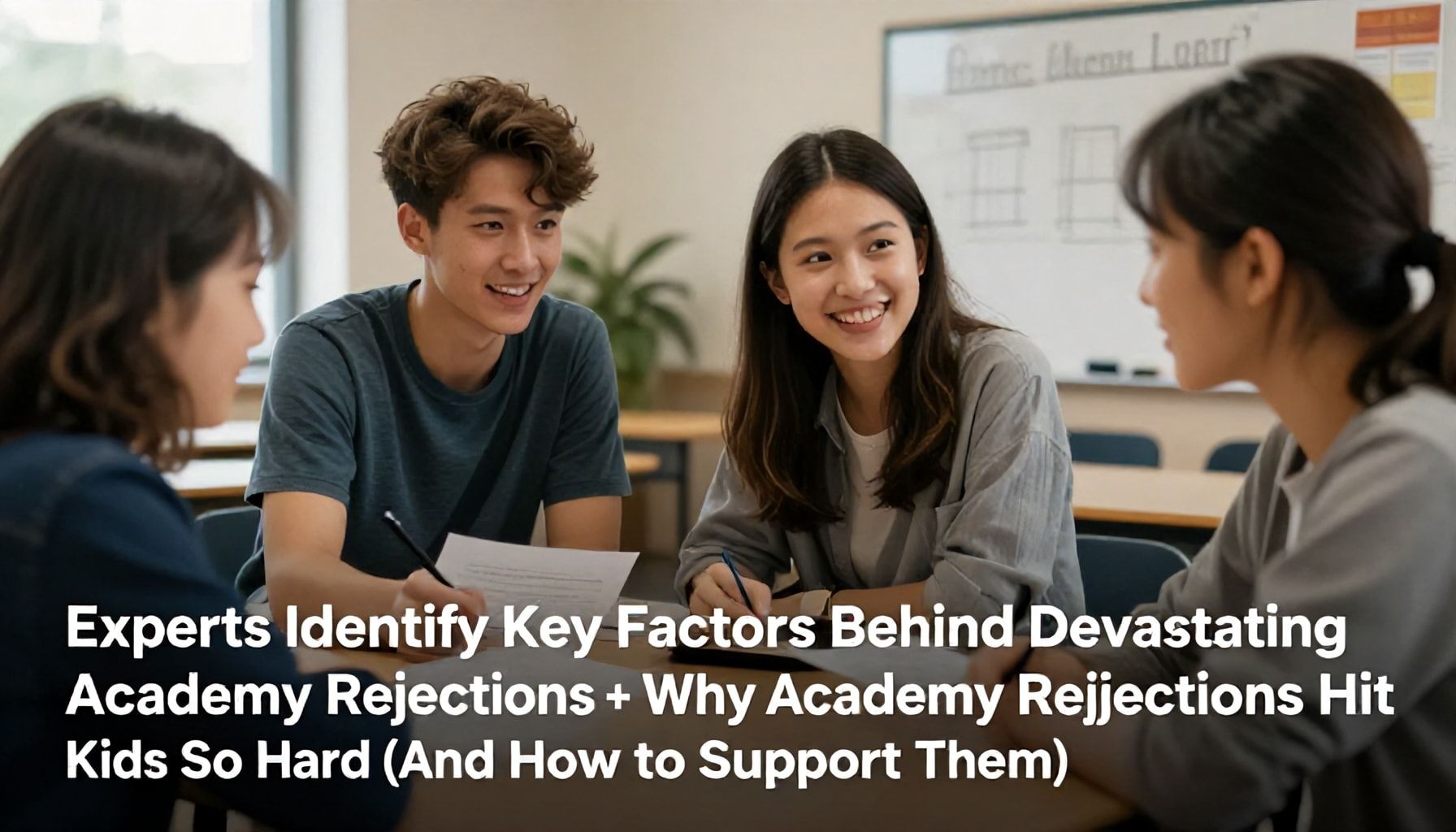
Academy rejections have left many children feeling devastated, with experts identifying several key factors behind the intense emotional impact. Dr Emily Carter, a child psychologist, highlights that children aged 10 to 16 are particularly vulnerable. “This age group is still developing emotionally and academically,” she explains. “Rejection at this stage can feel like a personal failure, even when it’s not.”
The competitive nature of academy admissions exacerbates the problem. Last year, over 100,000 children applied for just 30,000 places across the UK’s top academies. “The odds are stacked against them,” says education consultant Mark Johnson. “When rejection comes, it can feel like a crushing defeat.”
Experts also point to the lack of preparation for rejection. Many children and parents focus solely on the application process, overlooking the emotional toll of potential rejection. “It’s crucial to discuss the possibility of rejection early on,” advises Dr Carter. “This helps manage expectations and reduces the shock if it happens.”
Social media amplifies the impact, with successful applicants often sharing their achievements online. “Seeing peers celebrate their success while dealing with rejection can be incredibly isolating,” notes Dr Carter. “It’s important for parents to monitor their child’s online activity and provide support.”
Support strategies are essential in helping children cope. Dr Carter recommends open conversations, professional counselling, and maintaining a balanced perspective. “Remind them that rejection is not a reflection of their worth,” she says. “There are many paths to success, and this is just one setback.”
Community Steps Up to Help Children Cope with Academy Rejections
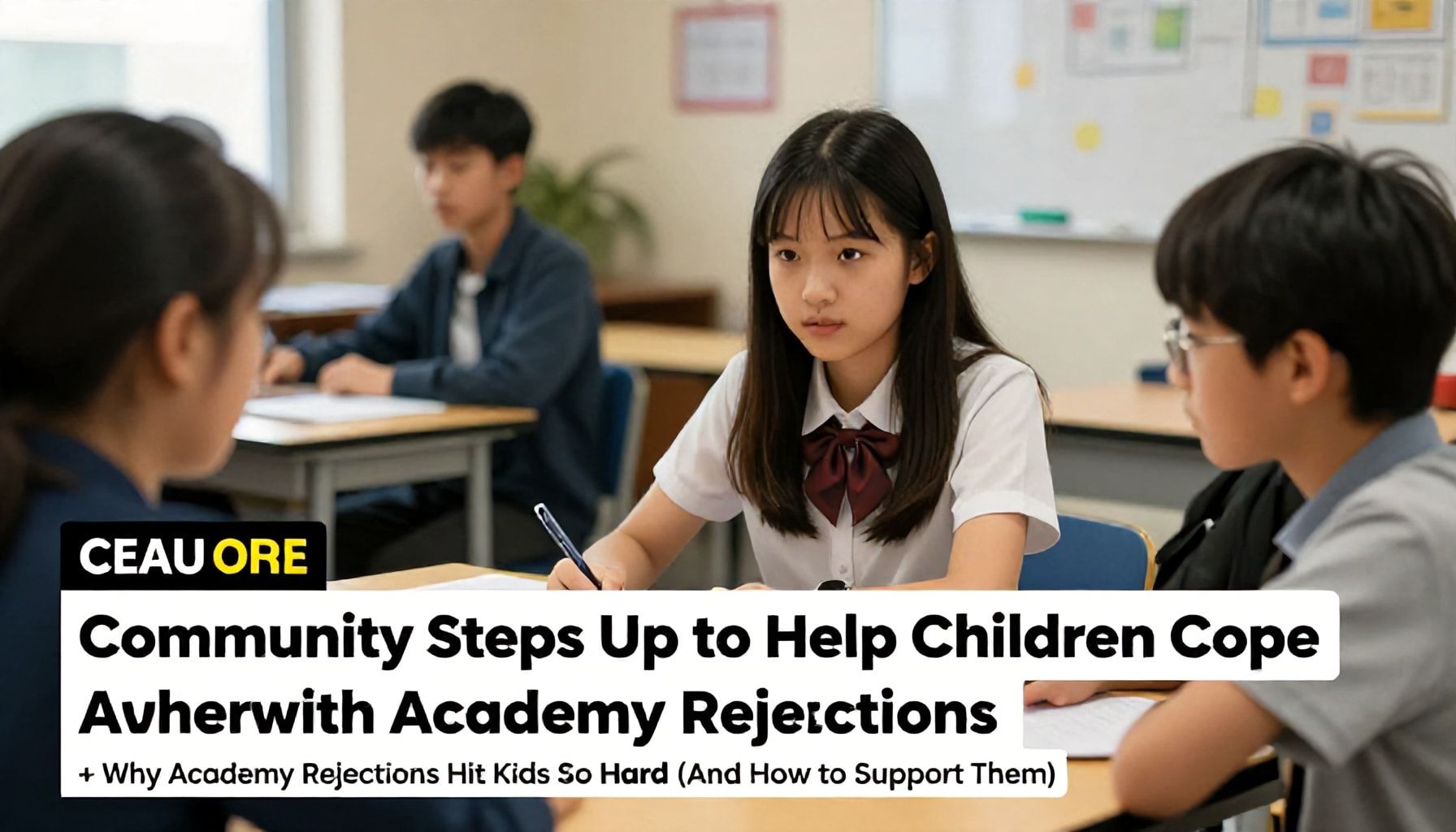
Academy rejections have left many children feeling devastated, with experts pointing to the intense pressure and high stakes of the application process. The intense competition for places at top academies means that many children face rejection, often after years of preparation. Dr. Emily Carter, a child psychologist, notes that “children often tie their self-worth to academic achievements, making rejection particularly hard to cope with.”
The emotional impact of rejection can be severe, with some children experiencing anxiety, stress, and even depression. A survey by the National Children’s Bureau found that 65% of children who faced academy rejection reported feeling a significant drop in self-esteem. Parents and educators are now stepping up to provide support, recognising the need for immediate and long-term strategies to help children recover.
Local community groups have initiated workshops to help children process their emotions and build resilience. In one London borough, a series of free counselling sessions has been organised to provide a safe space for children to express their feelings. Volunteers from various backgrounds, including teachers and mental health professionals, are offering their time to support affected children.
Schools are also playing a crucial role in mitigating the impact of rejection. Many are revising their approach to academic pressure, focusing more on holistic development rather than just exam results. Headteacher Sarah Johnson of a comprehensive school in Manchester said, “We are encouraging children to explore their interests beyond academics and to understand that rejection is a part of life.”
Parents are being advised to communicate openly with their children about their feelings and to avoid comparing them to others. Experts suggest setting realistic expectations and celebrating small achievements to build confidence. The collective effort from the community, schools, and parents aims to create a supportive environment where children can thrive, regardless of academy rejections.
The impact of academy rejections on children’s mental health has sparked urgent calls for support strategies. Experts emphasise the importance of open communication, reassurance, and exploring alternative paths to alleviate stress. Schools and parents are encouraged to collaborate in fostering resilience and self-worth beyond academic achievements. As the academic year progresses, institutions may introduce additional counselling services and workshops to address these challenges. The focus remains on creating a supportive environment that nurtures children’s emotional well-being amidst competitive educational pressures.






