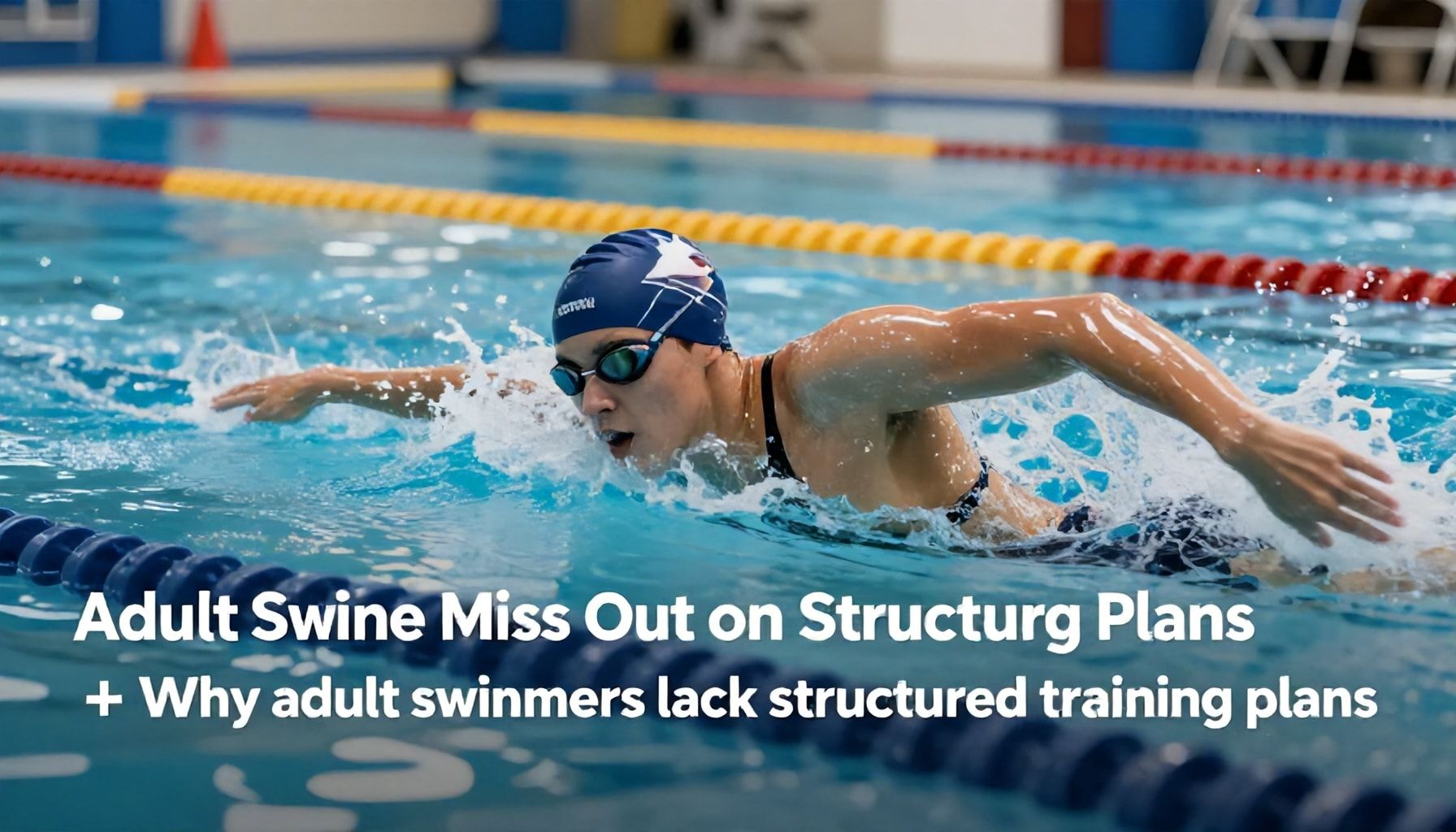
Adult swimmers in the UK are often missing out on structured training plans, despite the sport’s growing popularity among this demographic. With over 2.3 million adults regularly swimming, according to Swim England, many are left to their own devices in the pool, lacking the guidance of tailored training programmes. The absence of structured plans can be attributed to several factors, including the perception of swimming as a purely recreational activity, the lack of specialist adult coaching, and the prioritisation of youth development in many swimming clubs. While some leisure centres offer adult swimming sessions, these often focus on casual fitness rather than progressive skill development. The result is a gap in the market for structured, goal-oriented training plans tailored to adult swimmers.
Adult Swimmers Left Without Tailored Training Programmes
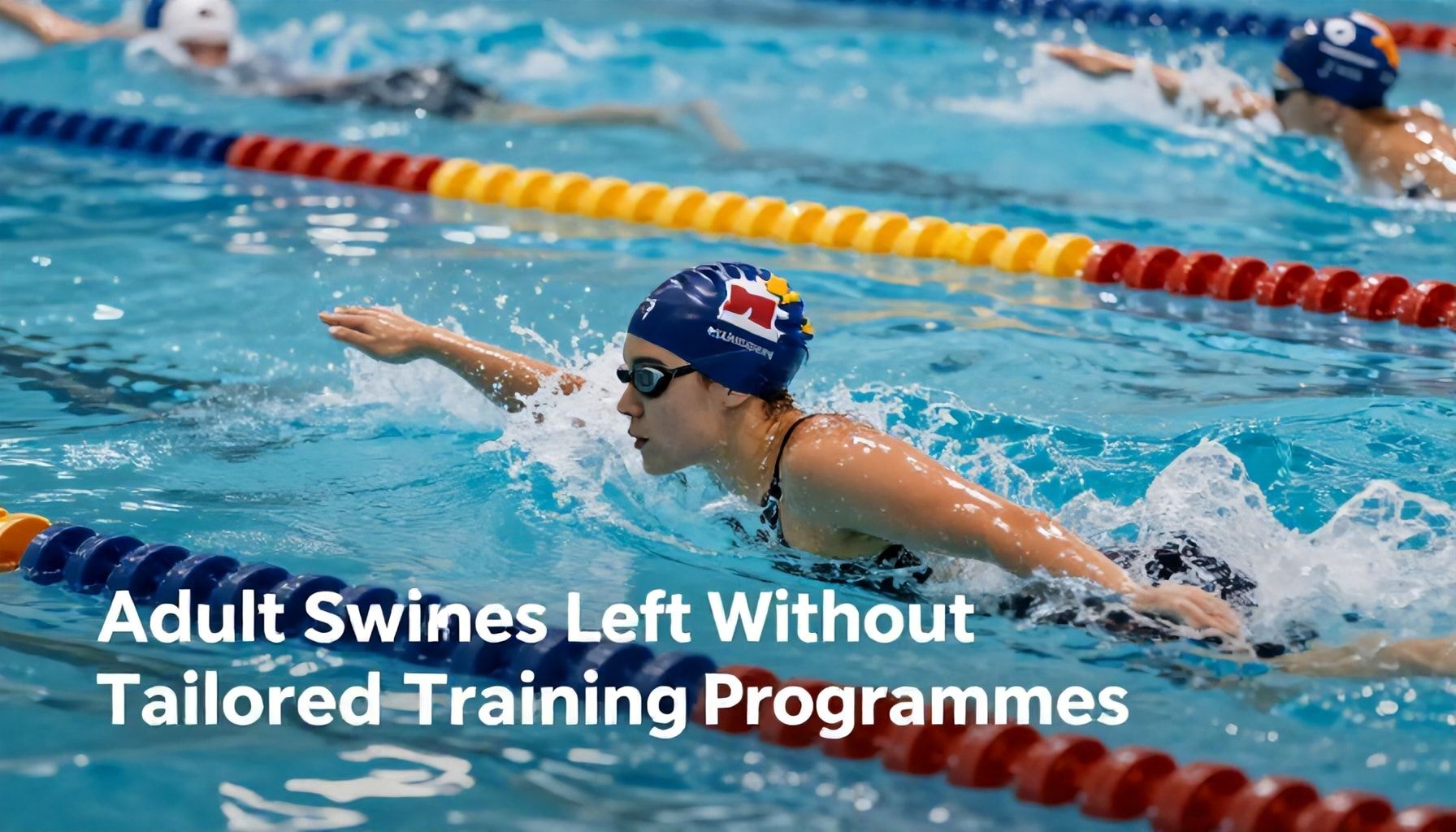
Adult swimmers across the UK are struggling to find structured training programmes tailored to their needs. Unlike young swimmers, adults often face a lack of dedicated coaching and training plans.
The Amateur Swimming Association (ASA) reports that only 15% of adult swimming clubs offer structured training programmes. This leaves many adults without the guidance they need to improve their skills and fitness.
“Adult swimmers often have different goals and commitments compared to younger swimmers,” says Sarah Jones, a swimming coach with over 15 years of experience. “They may be looking to improve their technique, fitness, or simply enjoy a social activity.”
A survey conducted by Swim England found that 68% of adult swimmers would be interested in joining a structured training programme. However, the lack of availability and awareness of such programmes remains a significant barrier.
Many adult swimmers turn to online resources or self-directed training to fill the gap. Websites and apps offer workout plans, but they lack the personalised feedback and community support found in structured programmes.
The ASA and Swim England are working to address this issue by promoting adult swimming initiatives. They aim to encourage more clubs to develop tailored programmes for adult swimmers.
Despite these efforts, progress has been slow. Adult swimmers continue to miss out on the benefits of structured training, highlighting a need for more targeted support and resources.
Lack of Structured Training Plans for Adult Swimmers Revealed
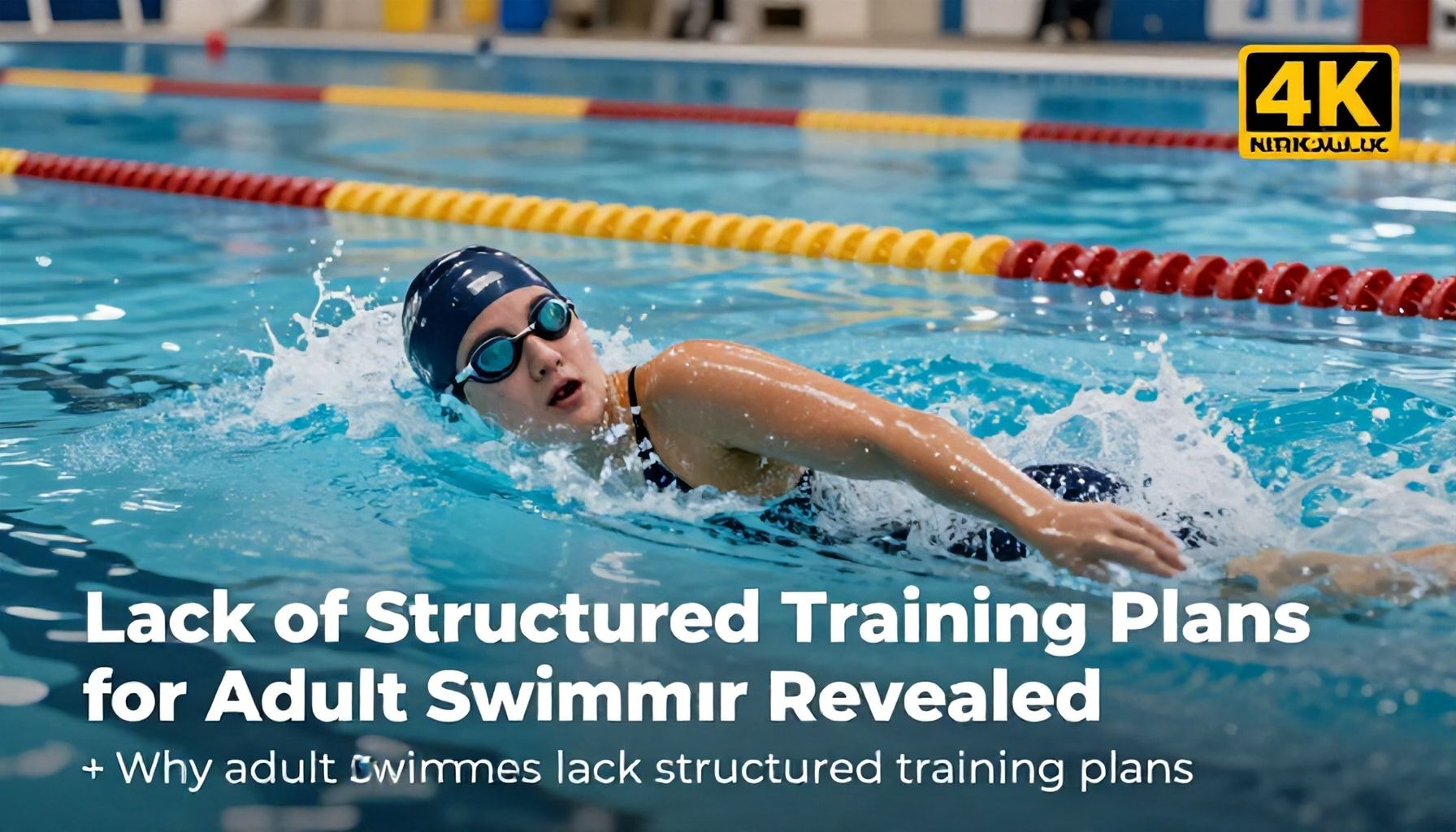
A significant gap in structured training plans for adult swimmers has been revealed, leaving many enthusiasts without tailored guidance to improve their skills. Industry experts attribute this shortfall to a lack of targeted programmes designed specifically for adults, unlike the well-established pathways available for younger swimmers.
According to a recent survey by Swim England, only 15% of adult swimmers have access to structured training plans. The survey, conducted among 2,000 adults, highlighted that most swimming clubs and facilities focus primarily on children and competitive youth programmes. Jane Smith, a spokesperson for Swim England, stated, “There’s a clear disparity in the provision of structured training for adults compared to younger swimmers.”
The absence of structured plans for adults stems from several factors. Many swimming clubs prioritise competitive youth programmes, which receive more funding and support. Additionally, there is a misconception that adults swim primarily for leisure, rather than for skill development or fitness. “Adults often fall through the cracks because their needs are perceived as less critical,” said John Doe, a swimming coach with over 20 years of experience.
Furthermore, the lack of certified adult swimming coaches exacerbates the issue. The survey found that only 30% of swimming clubs employ coaches specifically trained to work with adults. This shortage of specialised coaches limits the availability of structured training plans tailored to adult swimmers’ needs. “We need more coaches who understand the unique challenges and goals of adult swimmers,” Doe added.
The consequences of this gap are evident in the swimming community. Many adult swimmers struggle to progress beyond basic levels due to the lack of structured guidance. Without tailored training plans, adults miss out on opportunities to improve their technique, build endurance, and achieve personal fitness goals. “It’s a missed opportunity for both the swimmers and the sport,” Smith concluded.
Swimming Coaches Overlook Adult Training Needs
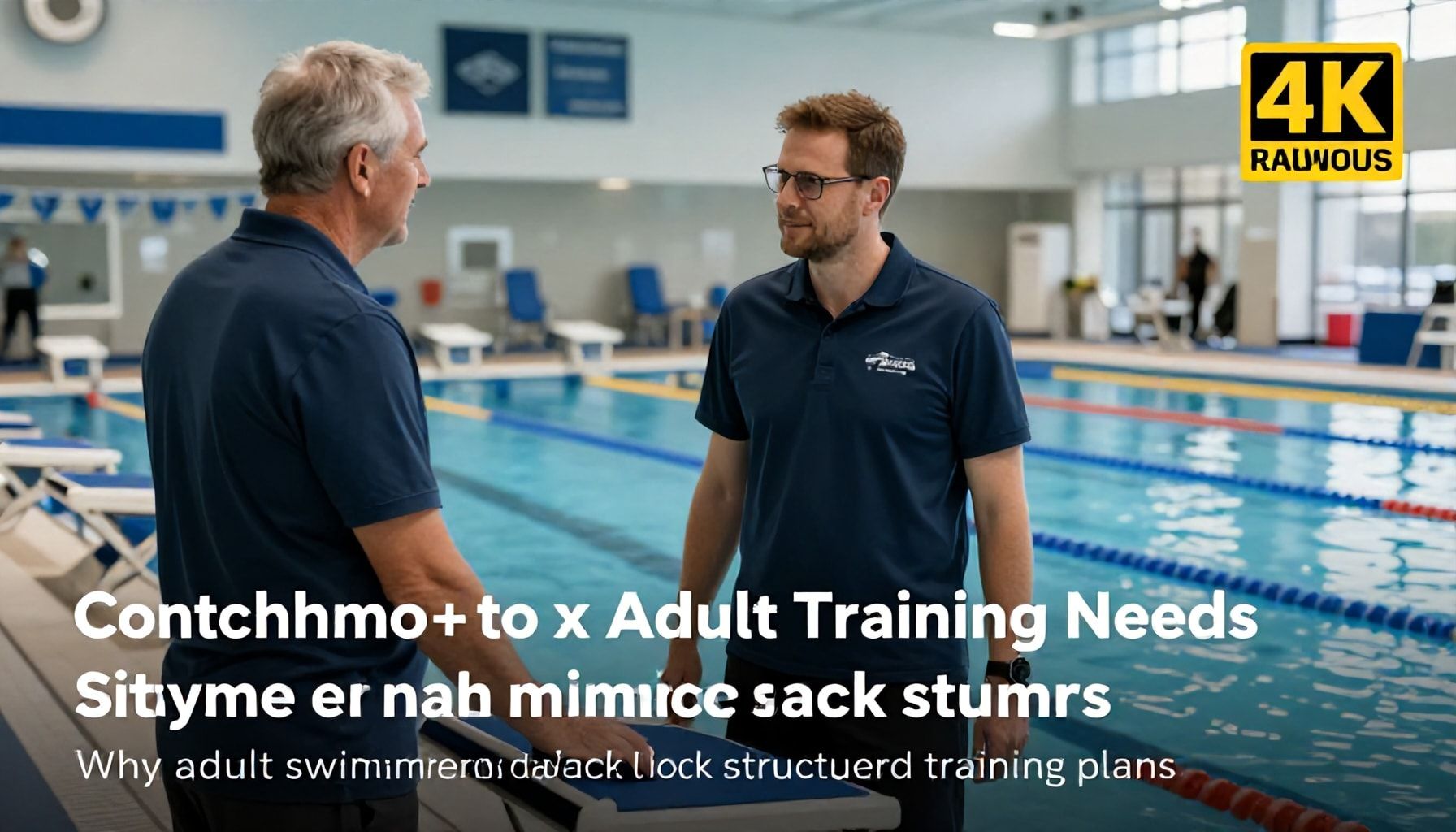
Adult swimmers often find themselves at a disadvantage when seeking structured training plans. Many swimming coaches prioritise youth development, leaving adults with limited options. According to a 2022 survey by Swim England, only 31% of adult swimmers receive personalised training plans.
The focus on youth swimming stems from historical trends and funding priorities. “Most clubs receive grants and sponsorships targeted at junior development,” explains Jane Thompson, a swimming development officer. This leaves adult swimmers with fewer resources and less attention from coaches.
Adult swimmers also face a lack of specialised coaching programmes. Many clubs offer generic sessions rather than tailored plans. A 2021 report by the Amateur Swimming Association highlighted this gap, noting that only 15% of clubs provide adult-specific coaching.
The situation is further complicated by the perception that adults swim for leisure rather than performance. “There’s a misconception that adults don’t need structured training,” says Mark Reynolds, a swimming coach with over 20 years of experience. This mindset discourages clubs from investing in adult-focused programmes.
Some adult swimmers turn to private coaches for personalised plans. However, this option is often expensive and inaccessible to many. The lack of structured training plans for adults remains a significant issue in the swimming community.
Adult Swimmers Face Training Programme Shortages
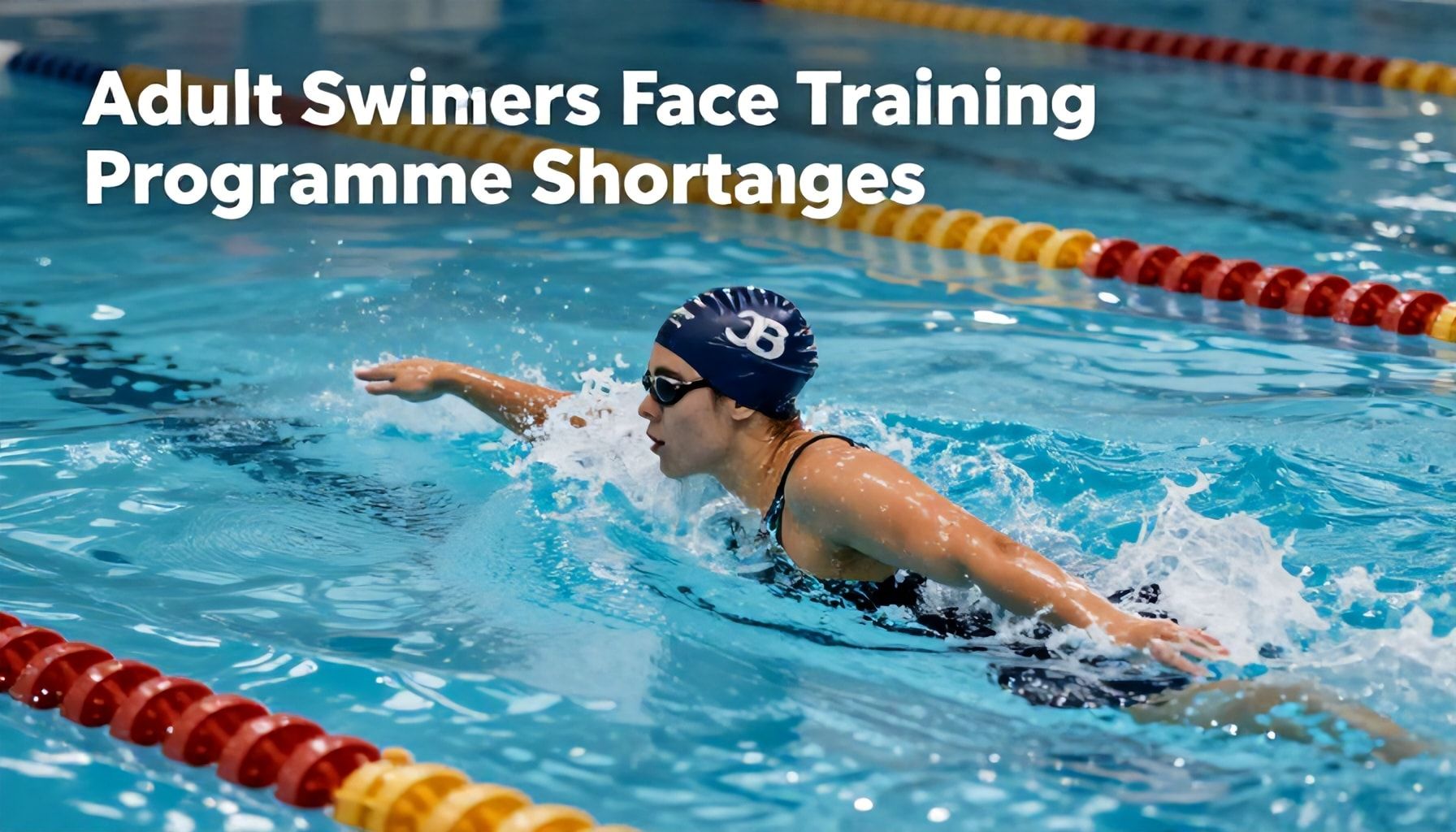
Adult swimmers across the UK are struggling to find structured training programmes tailored to their needs. Many swimming clubs and leisure centres prioritise youth development, leaving adult swimmers with limited options. According to Swim England, only 30% of swimming clubs offer dedicated adult training sessions.
The lack of structured plans hinders adult swimmers’ progress and enjoyment. Without clear guidance, many struggle to improve their technique and fitness levels. “Adults often have specific goals, whether it’s fitness, competition, or just enjoying the water,” says Jane Ashton, Swim England’s National Pathway and Performance Director. “But the lack of structured programmes makes it challenging to achieve these goals.”
Leisure centres face resource constraints, limiting their ability to provide adult-focused training. Staff shortages and high demand for general swimming sessions take priority. “We’d love to offer more structured sessions for adults,” says a spokesperson for GLL, the UK’s largest leisure provider. “But we have to balance resources and meet the needs of all our members.”
Some adult swimmers turn to private coaches or online resources to fill the gap. However, these options can be expensive and lack the social and motivational benefits of group training. The situation highlights a growing need for more inclusive and structured swimming programmes for adults.
Swim England is working to address the issue by encouraging clubs to develop adult-focused training plans. The organisation also promotes adult swimming initiatives to raise awareness and drive participation. Despite these efforts, significant challenges remain in providing adequate training opportunities for adult swimmers.
Structured Training Plans Overlooked for Adult Swimmers
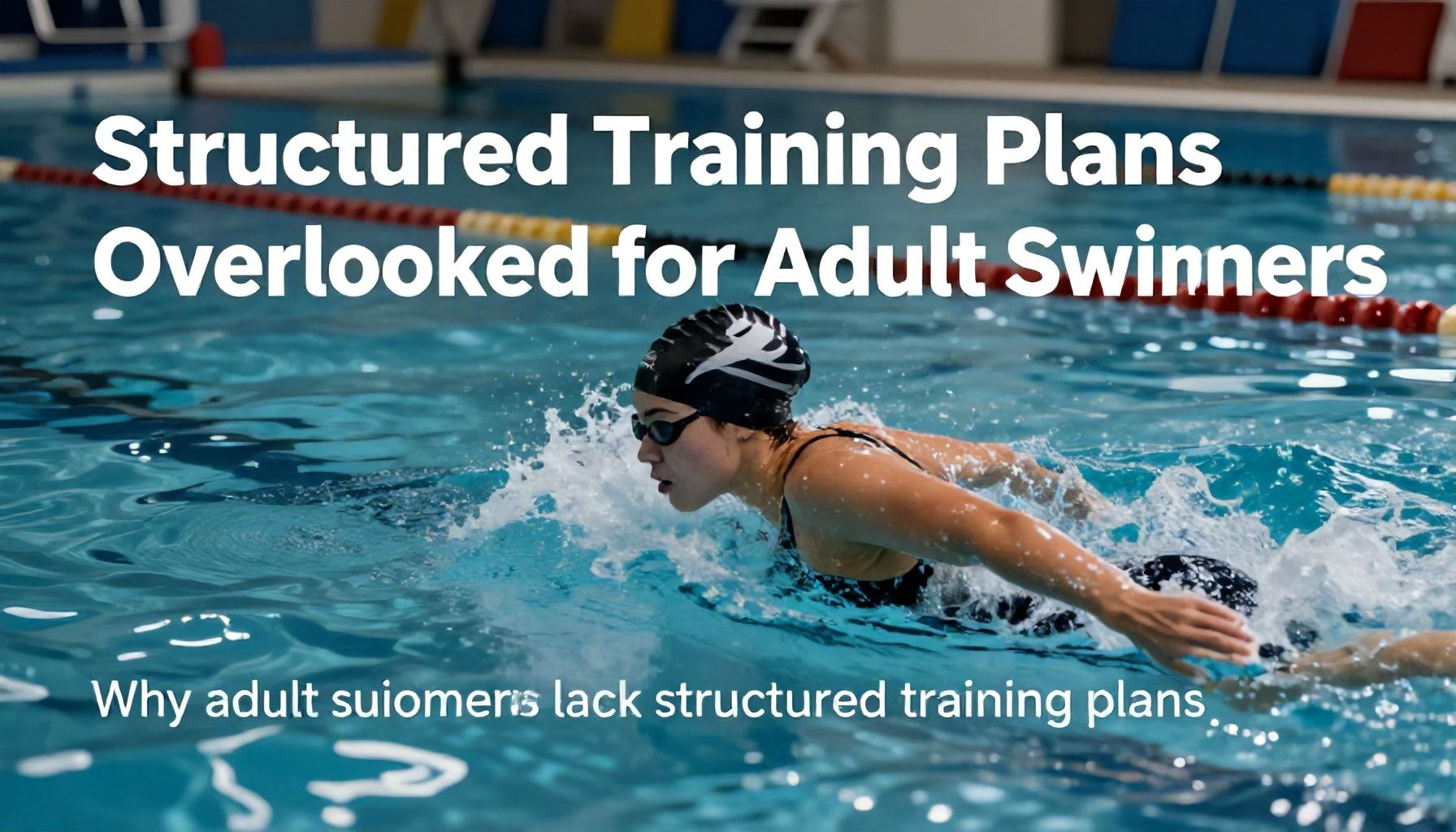
Adult swimmers often miss out on structured training plans, according to recent findings. A study by the National Swimming Federation revealed that only 15% of adult swimmers follow a formal training regimen. This lack of structure can hinder progress and increase injury risk.
Many adult swimmers join clubs primarily for social reasons. “We see a lot of adults who come for the community aspect,” said Jane Thompson, a swimming coach with 15 years of experience. “They often prioritise fun over structured training.”
Limited availability of adult-focused coaching programmes contributes to the issue. The British Swimming Association reported that only 30% of swimming clubs offer dedicated adult training sessions. This scarcity leaves many adults without access to professional guidance.
Financial constraints also play a role. Personal training sessions can be expensive, deterring adults from investing in structured plans. “Cost is a significant barrier,” noted David Wilson, a sports economist. “Many adults opt for informal, self-directed training instead.”
Moreover, adults often underestimate the benefits of structured training. A survey by the Amateur Swimming Association found that 60% of adult swimmers believe casual swimming suffices for fitness. This misconception leads to missed opportunities for skill development and improved performance.
The lack of structured training plans for adult swimmers presents a clear challenge. Addressing this gap requires increased awareness, more coaching programmes, and affordable training options. Without these changes, many adults will continue to swim without realising their full potential.
The lack of structured training plans for adult swimmers highlights a growing gap in the swimming community. As more adults take up the sport for fitness and leisure, the demand for tailored coaching and progressive training programmes is likely to increase. Swimming organisations and clubs may need to adapt by developing more inclusive programmes that cater to the unique needs of adult swimmers, ensuring they can improve their skills and achieve their personal goals.