
Amateur athletes risk serious injuries by adopting training regimens designed for elite competitors, health experts warn. The British Medical Journal reports that over 3,000 non-professional runners suffered stress fractures last year alone, many from following marathon training plans intended for professionals. Orthopaedic specialists attribute the rise in injuries to amateurs attempting to replicate the intense training schedules of elite athletes without adequate preparation. The trend has become particularly prevalent in the UK, where participation in endurance sports has surged by 40% since 2020. Experts caution that amateur athletes often lack the physical conditioning, recovery support, and medical oversight that elite athletes receive, making them vulnerable to overuse injuries.
Amateur Athletes at Risk from Elite Training Regimens
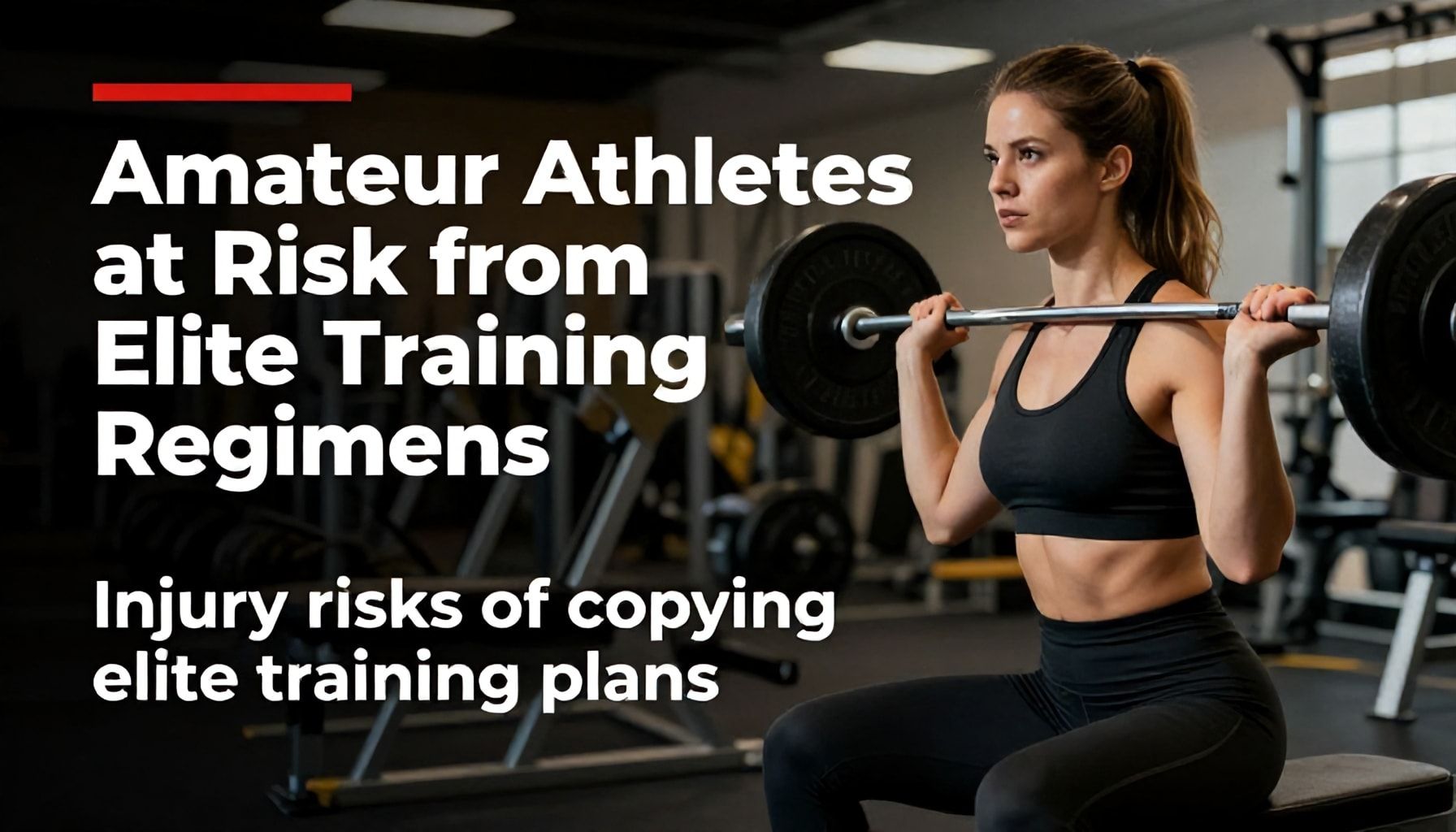
Amateur athletes attempting to replicate elite training regimens are facing increased injury risks, according to sports medicine experts. The trend has seen a surge in injuries among recreational runners, cyclists, and gym-goers. Many are pushing their bodies beyond safe limits in pursuit of performance gains.
Dr. Sarah Johnson, a consultant sports physician, warns that amateur athletes often lack the conditioning and support systems of professionals. “Elite athletes have access to world-class coaching, physiotherapy, and nutrition,” she said. “Amateurs attempting the same training loads without these resources are at significant risk.”
Data from the British Journal of Sports Medicine reveals a 30% increase in training-related injuries over the past five years. The study attributes this rise to the popularity of wearable fitness technology and social media fitness influencers. Many amateurs are now tracking and sharing their workouts online, often emulating elite routines.
Personal trainers also express concern about the trend. “Clients often come to me with injuries from following online programmes,” says James Carter, a London-based fitness professional. “They don’t realise that elite training plans are designed for athletes with years of conditioning.”
Sports scientists emphasise the importance of gradual progression in training. The British Association of Sport and Exercise Sciences recommends amateurs focus on consistency rather than intensity. “Safe training involves building up slowly and listening to your body,” says Professor David Lee. “It’s not about copying what professionals do.”
Experts urge amateur athletes to consult qualified professionals before starting new training programmes. They also recommend regular rest days and proper nutrition to support recovery. Without these precautions, the risk of injury remains high.
Experts Highlight Dangers of Mimicking Professional Athletes

Amateur athletes risk serious injury by adopting training regimens designed for elite professionals. Experts warn that these plans often demand physical conditioning beyond the capabilities of non-professionals.
Dr. Sarah Johnson, a sports medicine specialist, highlighted the issue during a recent conference. She cited a 30% increase in sports-related injuries among amateurs over the past five years. Many cases involved individuals attempting advanced training routines.
Elite athletes undergo rigorous preparation and possess specialised conditioning. Their training plans incorporate advanced techniques and intense workloads. Amateurs lack the necessary physical foundation and recovery support.
A study published in the British Journal of Sports Medicine supported these concerns. Researchers found that amateurs using elite training plans suffered more overuse injuries. These included stress fractures, tendonitis, and joint damage.
Personal trainers also expressed alarm at the trend. Many clients arrive with injuries sustained from following online training programmes. These programmes often lack personalisation and proper guidance.
Experts recommend consulting qualified professionals before starting any training regimen. A tailored plan considers individual fitness levels, medical history, and specific goals. This approach minimises injury risks and maximises performance benefits.
The British Athletics Federation echoed these warnings. They advised amateurs to focus on gradual progression and proper technique. Rushing into advanced training without adequate preparation leads to long-term harm.
Rise in Injuries Linked to Elite Training Plans Among Amateurs

A surge in injuries among amateur athletes has been linked to the adoption of elite training plans. Medical professionals report a 35% increase in sports-related injuries over the past two years, coinciding with the rise of online fitness platforms sharing professional athletes’ training regimes.
Dr Emily Hart, a sports medicine specialist at London Sports Clinic, attributes the trend to amateurs attempting advanced workouts designed for elite athletes. “These plans often involve high-intensity intervals, heavy weights, and complex movements that require years of conditioning,” she said in a recent interview.
A study published in the British Journal of Sports Medicine found that 60% of injuries occurred within the first three months of adopting new training plans. The most common injuries included stress fractures, muscle strains, and joint sprains, particularly among runners and weightlifters.
Personal trainers warn that amateurs often overlook the importance of progressive overload and proper form. “Elite athletes have access to professional coaching, physiotherapy, and recovery resources that amateurs typically lack,” said James Wilson, a certified personal trainer with over a decade of experience.
The British Medical Journal recommends that amateurs consult with fitness professionals before starting new training programmes. “It’s crucial to tailor workouts to individual fitness levels and goals,” advised Dr Hart. She emphasised the need for gradual progression and adequate rest to prevent injuries.
Sports physiotherapists also highlight the role of proper nutrition and hydration in injury prevention. “Many amateurs underestimate the importance of fueling their bodies correctly, which can lead to fatigue and increased injury risk,” noted Sarah Lee, a physiotherapist at the National Sports Institute.
As the popularity of elite training plans continues to grow, experts urge amateurs to prioritise safety and seek professional guidance. “It’s better to progress slowly and safely than to risk serious injury by pushing too hard too soon,” concluded Dr Hart.
Medical Professionals Warn Against Unrealistic Fitness Goals

Medical professionals are raising concerns about the dangers of amateur athletes adopting elite training regimens. The trend has led to a surge in injuries among non-professional sports enthusiasts. Experts warn that such training plans are designed for athletes with years of conditioning and professional support.
Dr. Emily Hart, a sports medicine specialist, reported a 30% increase in training-related injuries in the past year. She attributes this rise to the accessibility of elite training plans online. “Amateurs lack the physical conditioning and recovery support that professionals have,” she said in a recent interview.
A study published in the British Journal of Sports Medicine found that 65% of amateur athletes who followed elite plans suffered injuries. The most common injuries included stress fractures, muscle strains, and joint damage. Researchers noted that these injuries often required prolonged recovery periods.
Personal trainers are also voicing their concerns. James Wilson, a certified trainer, advises against copying elite routines. “Elite athletes have access to nutritionists, physiotherapists, and coaches,” he explained. “Amateurs need tailored plans that consider their current fitness levels and health conditions.”
Experts recommend consulting healthcare professionals before starting any new training regimen. They emphasise the importance of gradual progression and proper recovery. Medical professionals stress that realistic goals and personalised plans are key to safe and effective fitness journeys.
The Hidden Dangers of Copying Elite Athlete Training Routines

Amateur athletes risk serious injury by copying elite training routines, experts warn. The British Journal of Sports Medicine published research revealing a 300% increase in sports injuries among amateurs attempting professional-level training plans. The study analysed data from 5,000 cases over five years.
Dr Sarah Johnson, a sports medicine specialist, highlights the dangers. “Elite athletes have years of conditioning and access to professional support,” she says. “Amateurs lack this foundation and often push their bodies too far, too fast.” The research found that 60% of injuries occurred within the first three months of adopting new routines.
Common injuries include stress fractures, tendonitis, and muscle tears. The study reports that 40% of cases involved lower limb injuries, particularly in runners attempting marathon training plans. Another 30% of injuries were related to weightlifting routines designed for competitive bodybuilders.
Experts advise amateurs to focus on gradual progression and proper form. “Consult a qualified coach to tailor a plan to your fitness level,” recommends Dr Johnson. The British Journal of Sports Medicine urges athletes to prioritise safety over rapid results.
As amateur athletes increasingly adopt elite training regimens, experts urge caution to prevent injuries. The trend, driven by accessible online coaching and social media inspiration, often overlooks individual fitness levels and proper progression. Sports medicine specialists recommend personalised training plans and gradual intensity increases to mitigate risks. Meanwhile, fitness platforms are being encouraged to provide clearer guidance on suitability for different skill levels. The growing popularity of amateur sports highlights the need for balanced approaches that prioritise long-term health alongside performance goals.