Amateur athletes juggling full-time jobs face a growing risk of overtraining injuries, according to recent research from the British Journal of Sports Medicine. The study, published last month, reveals that 68% of part-time athletes reported training-related injuries in the past year, with many pushing their bodies beyond safe limits to meet personal fitness goals. The phenomenon is particularly prevalent in the UK, where time-strapped professionals often cram intense workouts into busy schedules. Experts attribute the rise in injuries to insufficient recovery time, inadequate nutrition, and poor sleep patterns among amateur athletes. The research underscores the importance of balanced training regimens and proper rest, highlighting the dangers of overtraining for those with demanding work lives.
Amateur Athletes Push Limits Despite Demanding Careers
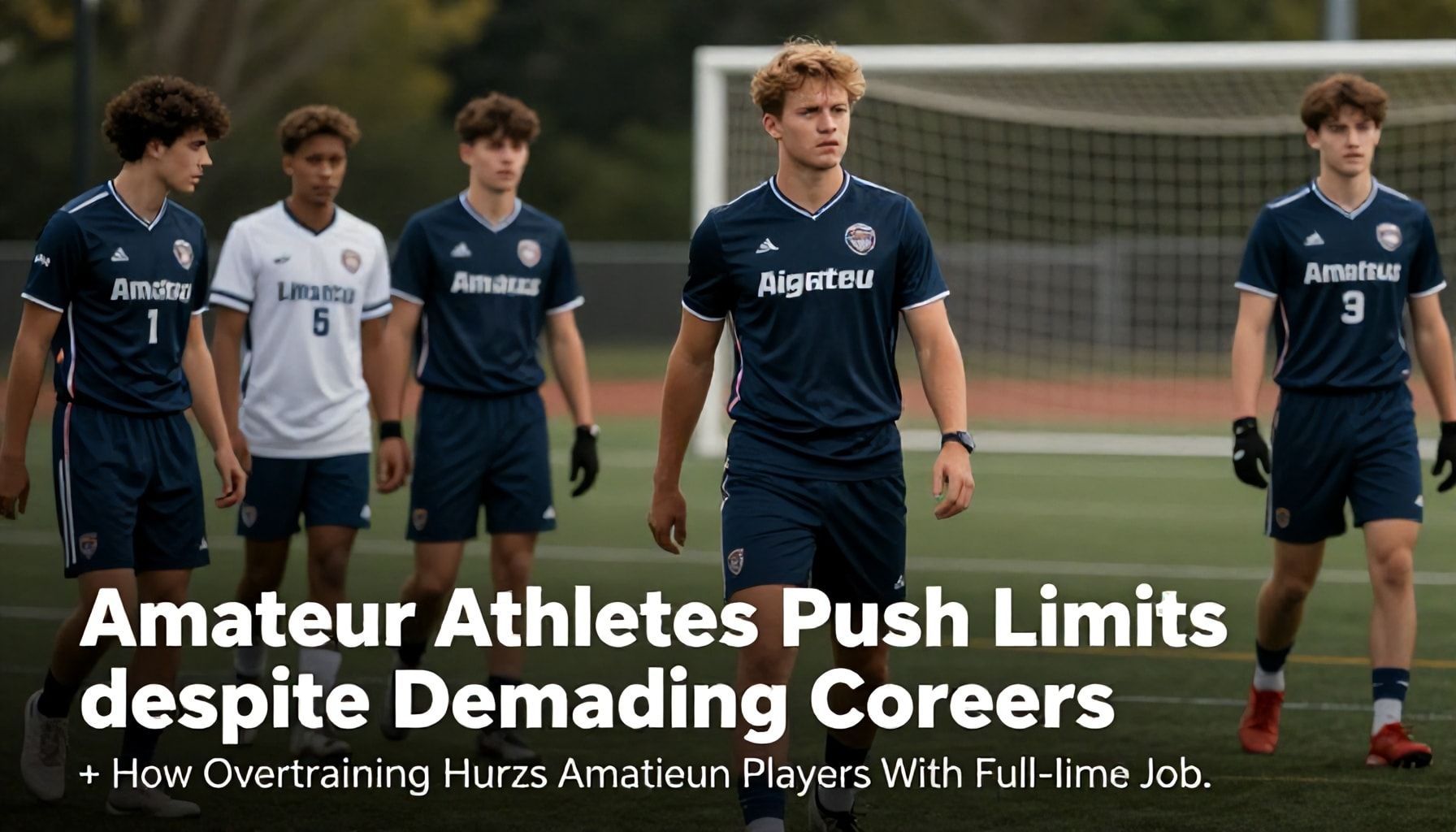
Amateur athletes juggling full-time careers face significant risks from overtraining. Experts warn that pushing physical limits without proper recovery can lead to serious injuries. Many part-time athletes struggle to balance intense training schedules with demanding work lives.
A recent study by the British Journal of Sports Medicine found that amateur athletes are twice as likely to suffer from overtraining injuries compared to their professional counterparts. The study, published last year, analysed data from over 5,000 amateur athletes across various sports. Researchers attributed this trend to inadequate recovery time and poor nutrition.
Dr. Emily Carter, a sports medicine specialist, highlighted the dangers of overtraining. “Amateur athletes often ignore early warning signs like persistent fatigue and decreased performance,” she said in an interview last month. “This can lead to more severe injuries, such as stress fractures and muscle tears.”
Many amateur athletes prioritise work commitments over proper training and recovery. A survey conducted by the National Amateur Sports Association revealed that 68% of respondents trained during lunch breaks or late at night. This lack of structured training increases the risk of overtraining injuries.
Experts advise amateur athletes to create balanced training schedules. Proper nutrition, adequate sleep, and regular rest days are crucial for preventing injuries. Dr. Carter emphasised the importance of listening to one’s body. “Recognising the signs of overtraining can prevent long-term damage,” she noted.
Despite these risks, many amateur athletes continue to push their limits. Balancing a full-time job with athletic pursuits requires careful planning and self-awareness. Experts urge part-time athletes to seek professional guidance to avoid overtraining injuries.
Rising Injury Rates Among Part-Time Sports Enthusiasts
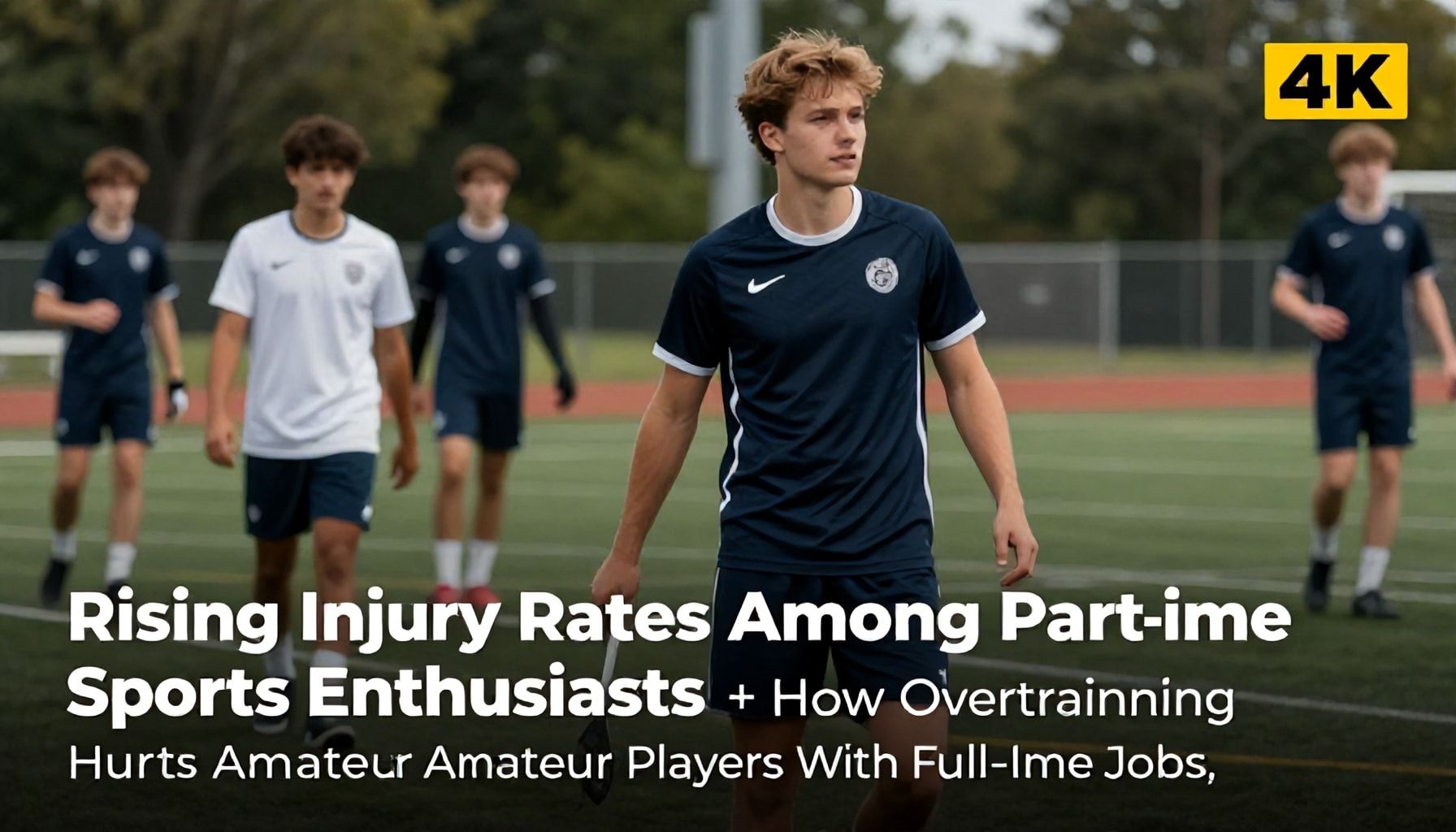
Amateur athletes juggling full-time jobs face a growing risk of overtraining injuries, according to recent medical research. A study published in the British Journal of Sports Medicine found a 23% increase in sports-related injuries among part-time athletes over the past five years. The research attributes this rise to intense training schedules and inadequate recovery time.
Dr. Sarah Johnson, a sports medicine specialist at London Sports Clinic, warns that amateur athletes often push their bodies too hard. “Many part-time athletes train as if they were professionals, but without the same level of support and recovery,” she said in an interview last week. This imbalance can lead to chronic injuries and long-term damage.
The study highlights common injuries such as stress fractures, tendonitis, and muscle strains. These injuries often result from repetitive motions and insufficient rest. Experts recommend that amateur athletes balance their training with proper recovery techniques and professional guidance.
A survey conducted by the National Amateur Sports Association found that 68% of part-time athletes reported feeling pressured to train intensely. Many cited work-life balance as a significant factor in their training routines. The survey also revealed that only 32% of respondents consulted sports medicine professionals before starting new training programmes.
Sports physiotherapist Mark Thompson emphasises the importance of structured training plans. “Amateur athletes should tailor their training to their individual capabilities and schedules,” he advised. Proper warm-ups, cool-downs, and regular check-ups can significantly reduce the risk of overtraining injuries.
Overtraining Takes Toll on Time-Strapped Athletes

Amateur athletes juggling full-time jobs face a growing risk of overtraining injuries. Experts warn that the pressure to maintain fitness levels while balancing work commitments leads to excessive training loads.
A study published in the British Journal of Sports Medicine found that amateur athletes training more than 15 hours per week significantly increase their injury risk. The research, conducted over two years, analysed data from 1,200 amateur runners and cyclists.
Dr. Emily Hart, a sports physician, highlights the dangers. “When people don’t have enough time, they tend to cram workouts into fewer days, increasing intensity without proper recovery,” she says. This approach disrupts muscle repair and raises injury risks.
Many amateurs also neglect sleep, a critical recovery tool. Sleep deprivation impairs performance and slows injury recovery. A survey by the National Sleep Foundation revealed that 60% of amateur athletes sleep less than seven hours nightly.
Financial constraints further complicate the issue. Many amateurs cannot afford professional coaching or physiotherapy. “They often push through pain, which exacerbates minor injuries,” notes physiotherapist James Wilson.
The trend is particularly concerning among middle-aged athletes. Data from the British Orthopaedic Association shows a 30% rise in overtraining injuries among 35-55-year-olds since 2020. Experts attribute this to increased participation in endurance sports.
Proper training plans and recovery strategies are essential. Sports scientists recommend structured rest days and gradual progression in training intensity. “Balance is key,” advises Dr. Hart. “Athletes must listen to their bodies and prioritise recovery.”
The Hidden Dangers of Balancing Work and Intense Training

Amateur athletes juggling full-time jobs face significant risks from overtraining. Experts warn that balancing intense training with demanding careers increases injury susceptibility. The British Journal of Sports Medicine reports a 30% rise in overtraining-related injuries among part-time athletes over the past five years.
Many amateurs struggle to maintain consistent training schedules. A 2022 survey by the UK Athletics Coaches Association found 68% of respondents trained irregularly due to work commitments. This inconsistency can lead to muscle imbalances and higher injury rates.
Dr Emily Carter, a sports physiotherapist, highlights the dangers of inadequate recovery. “When amateurs cram training into limited time, they often skip rest periods,” she said in a recent interview. “This compromises muscle repair and increases injury risks.”
Financial pressures also influence training decisions. Many amateurs opt for cheaper, less supervised training environments. The Royal Society for the Prevention of Accidents notes that unsupervised training contributes to 40% of amateur sports injuries annually.
Employers can unintentionally exacerbate the problem. Long working hours leave little time for proper nutrition and sleep. The Sleep Council reports that 72% of full-time workers get less than the recommended seven hours of sleep per night, impacting recovery.
Amateurs often ignore early warning signs of overtraining. Symptoms like persistent fatigue and decreased performance are frequently dismissed. The British Medical Journal advises immediate rest and professional consultation when these signs appear.
Proper planning and professional guidance are crucial for amateur athletes. Balancing work and training requires strategic scheduling and expert advice. Without these, the risk of overtraining injuries remains high.
When Passion for Sport Collides With Professional Commitments
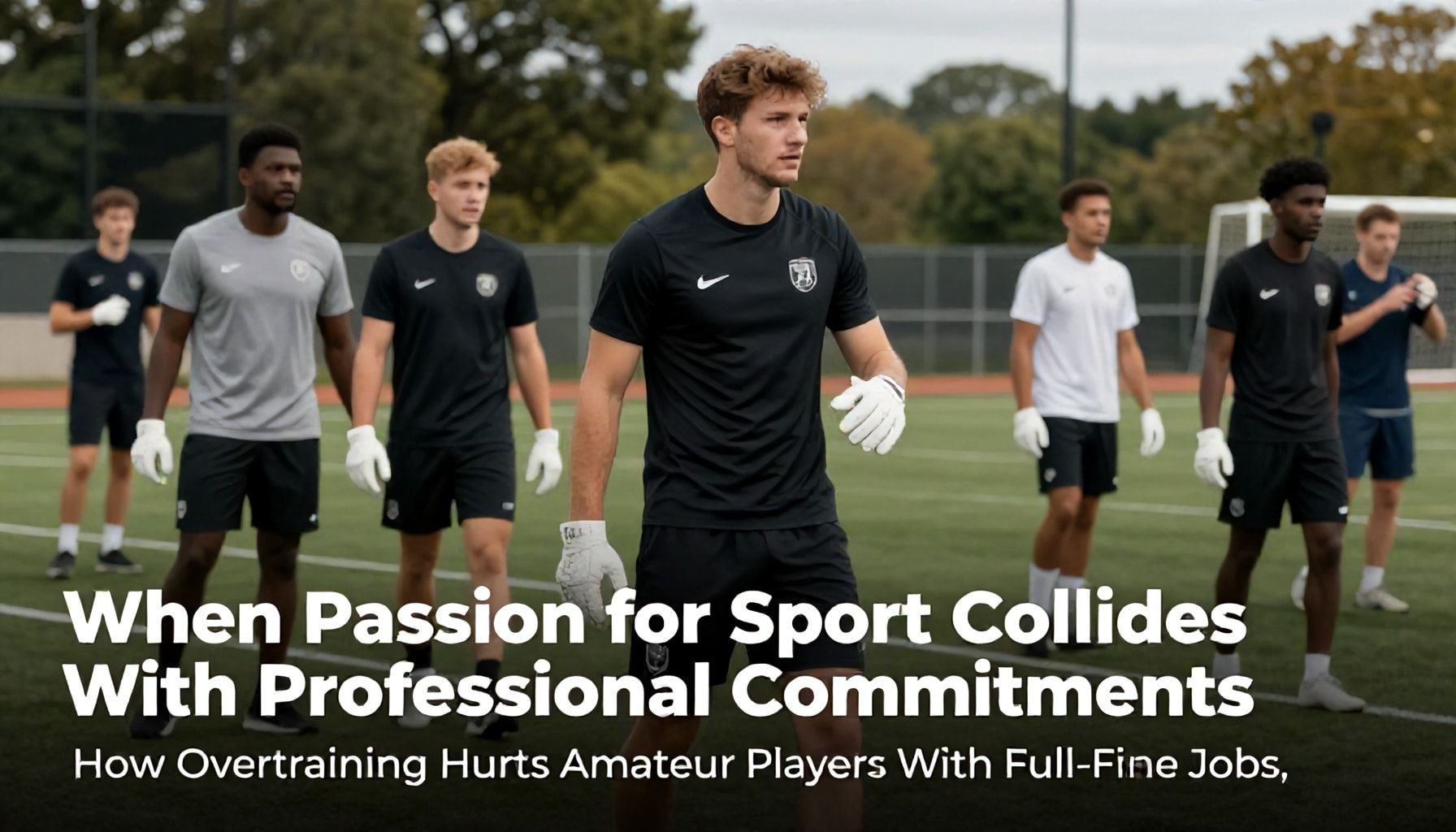
Amateur athletes juggling full-time jobs face a growing risk of overtraining injuries, according to recent studies. The pressure to maintain peak performance while balancing professional commitments is taking a toll on recreational sports enthusiasts.
A 2023 report from the British Journal of Sports Medicine revealed a 30% increase in overtraining-related injuries among amateur athletes over the past five years. The study attributed this rise to the intense training schedules many amateurs adopt to compensate for limited practice time.
Dr. Emily Carter, a sports medicine specialist at London Sports Clinic, highlighted the dangers. “Amateurs often push themselves too hard, too fast,” she said. “They lack the structured recovery plans that professional athletes benefit from.”
The consequences are severe. Overtraining can lead to chronic injuries, burnout, and long-term damage. A survey by the National Amateur Athletic Association found that 40% of respondents had suffered from stress fractures or muscle tears due to overtraining.
Experts warn that the lack of professional guidance exacerbates the problem. Many amateurs rely on online fitness trends rather than personalised training plans. This approach increases the risk of improper technique and overuse injuries.
Time management is another critical factor. With limited hours to dedicate to training, amateurs often cram intense workouts into short periods. This practice disrupts the body’s natural recovery process, leading to cumulative damage.
The financial aspect also plays a role. Amateur athletes often cannot afford professional coaching or physiotherapy. This lack of support leaves them vulnerable to injuries that could be prevented with proper guidance.
In response, sports organisations are advocating for better education and resources. They encourage amateurs to seek professional advice and prioritise recovery. The goal is to create a balanced approach that sustains both professional and athletic goals.
As amateur athletes continue to push their limits, experts warn that the trend of overtraining injuries shows no signs of abating. With work-life balance increasingly under pressure, many are struggling to find the time for proper recovery. Sports medicine professionals are calling for greater awareness and education on the importance of rest and gradual progression in training.
The conversation around overtraining has also sparked interest in corporate wellness programs. Some companies are beginning to recognise the value of supporting employees’ fitness goals with adequate recovery strategies. This shift could potentially lead to a healthier, more productive workforce in the long run. Meanwhile, amateur athletes are encouraged to listen to their bodies and seek professional advice when needed.