
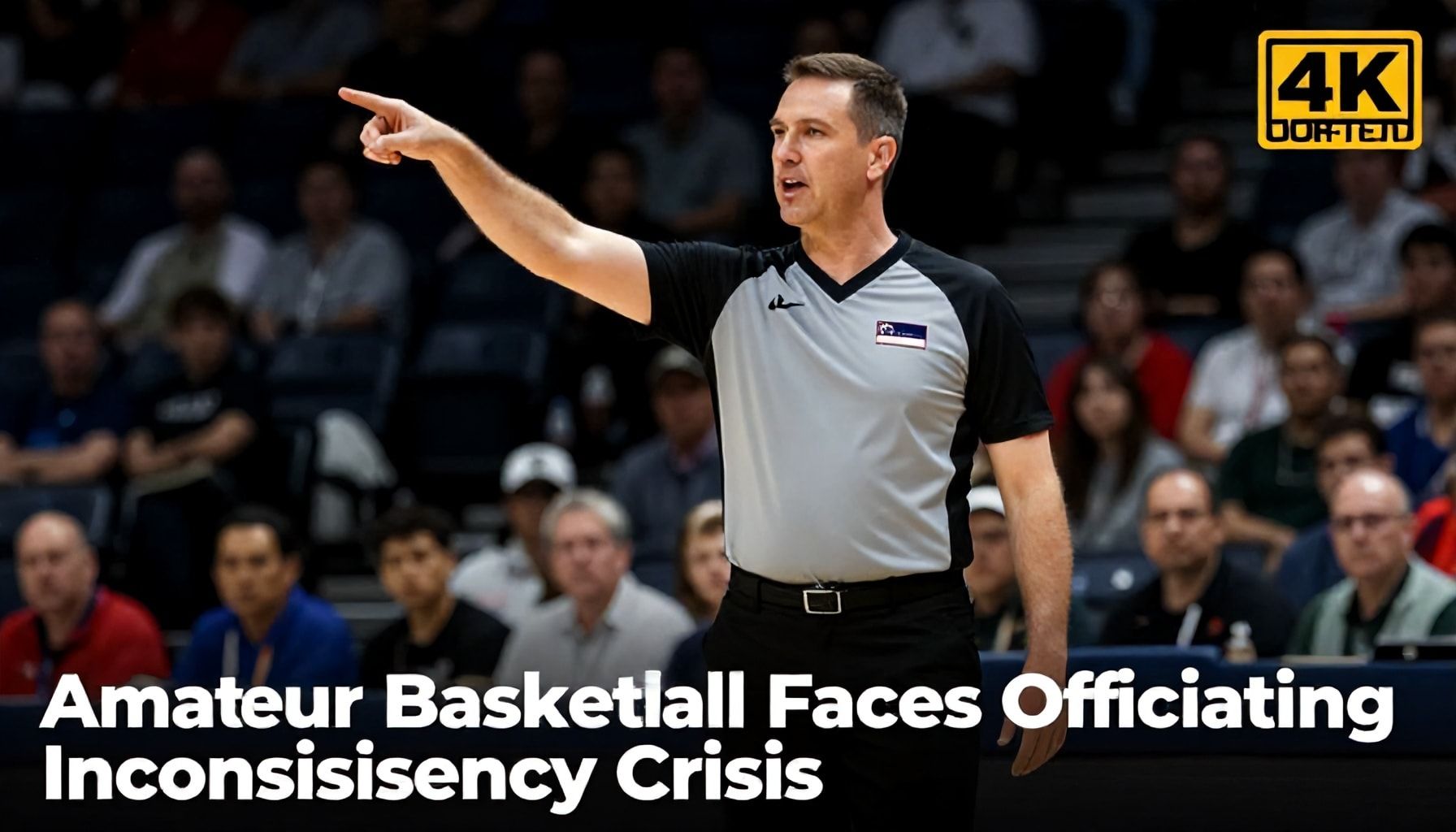
Amateur basketball in the UK is grappling with a growing crisis of officiating inconsistency, leaving players, coaches, and organisers frustrated and seeking solutions. The problem, which has escalated over the past two years, stems from a shortage of qualified referees and varying interpretations of rules across different leagues and regions.
The lack of standardised training and evaluation has resulted in disparate enforcement of fouls, violations, and technical infractions, creating an uneven playing field. According to a recent survey by the English Basketball Association, 78% of amateur clubs reported experiencing significant officiating inconsistencies, with many citing it as a deterrent to player participation and retention. The issue has reached a critical point, with some leagues considering independent review processes to address the disparities and restore confidence in the game.
Amateur Basketball Officials Under Fire for Inconsistent Calls
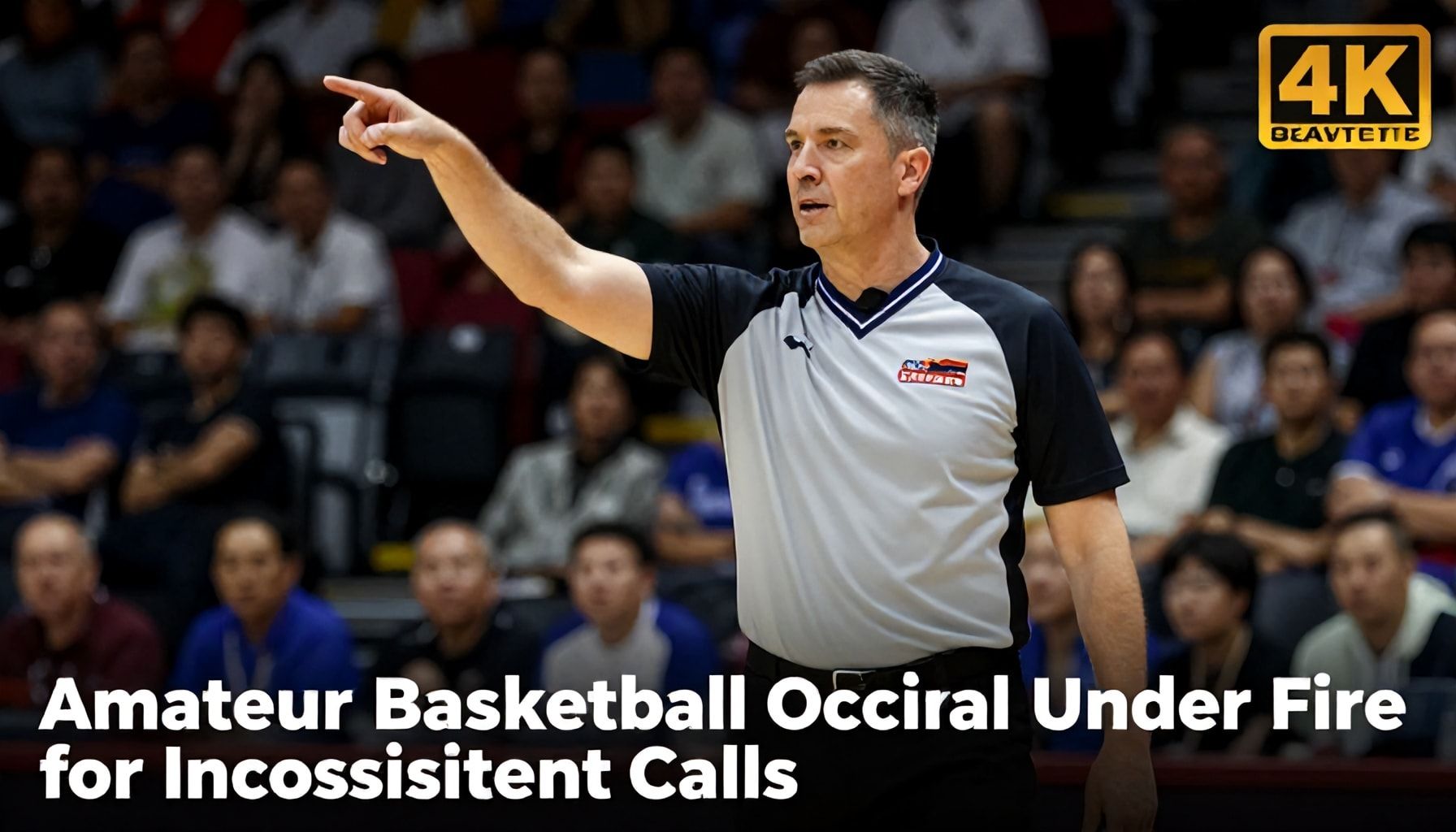
Amateur basketball leagues across the country face a growing crisis of officiating inconsistency. Coaches, players, and parents report widely varying interpretations of rules, leading to frustration and disputes.
The National Association of Sports Officials (NASO) acknowledges the issue. “We see significant variability in calls at the amateur level,” says NASO spokesperson Mark Johnson. “This stems from a lack of standardised training and certification.”
Data from the Amateur Athletic Union (AAU) supports this claim. In 2022, AAU recorded 1,200 complaints about officiating, a 30% increase from 2021. Most complaints cited inconsistent foul calls and inconsistent interpretations of three-second violations.
The problem extends beyond youth leagues. Adult recreational leagues also report issues. “We’ve had games where one referee allows physical play, and the next weekend, another referee calls every touch a foul,” says league commissioner Sarah Lee.
Experts point to several causes. These include inadequate training, high referee turnover, and a lack of oversight. “Many amateur referees receive minimal training,” says Johnson. “They rely on personal judgement, which leads to inconsistency.”
Some leagues have taken action. The AAU has introduced mandatory training sessions. Local leagues have implemented referee mentorship programmes. However, the problem persists.
Coaches and players demand solutions. They call for standardised training, better oversight, and clearer communication. Until then, the crisis of inconsistency continues to plague amateur basketball.
Amateur Basketball League Struggles with Officiating Inconsistencies
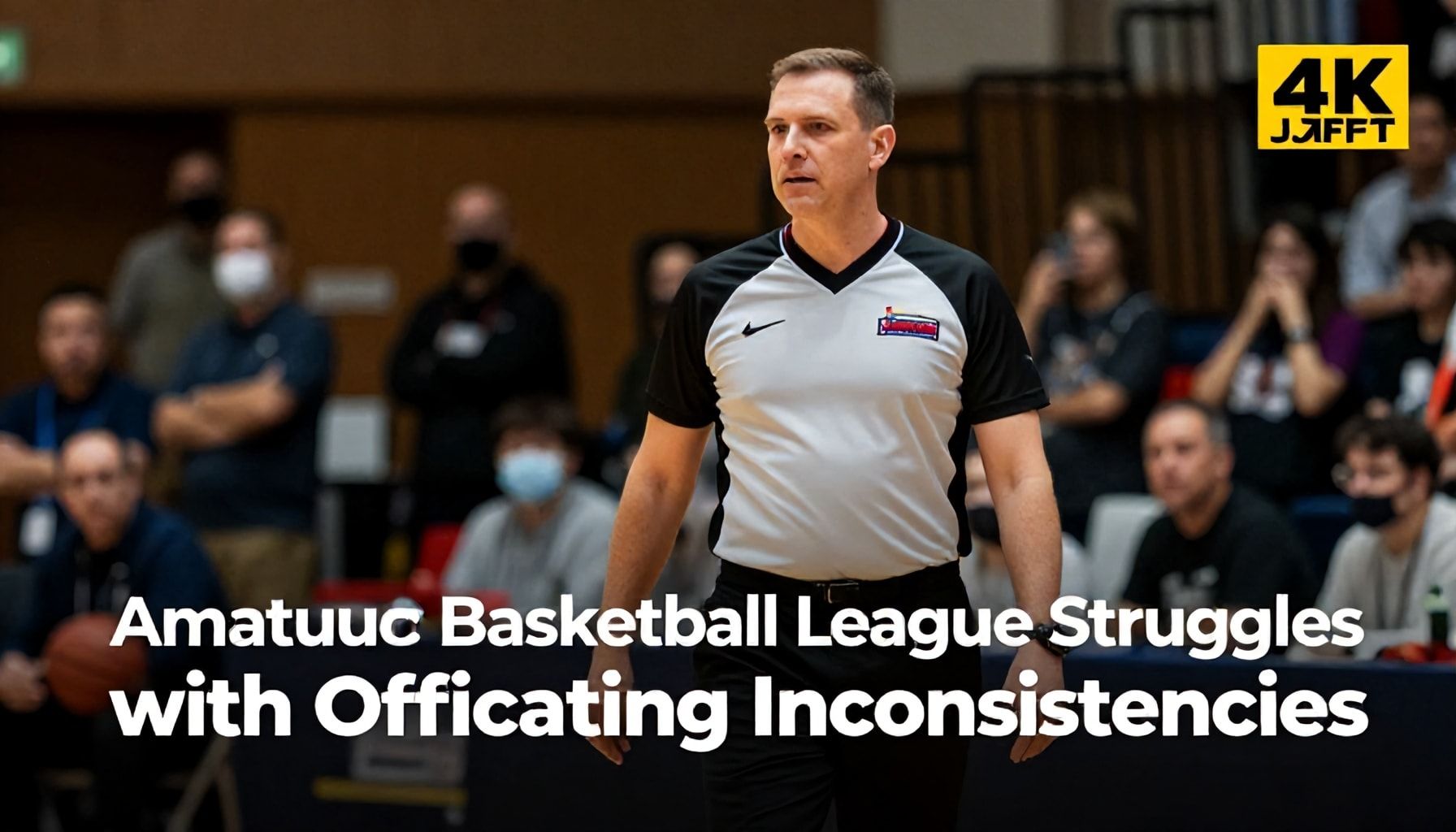
The amateur basketball league is grappling with a growing crisis of officiating inconsistencies, leaving players and coaches frustrated. The problem has reached a boiling point, with reports of mismanaged games and unfair calls flooding in from across the league.
A recent survey conducted by the Amateur Basketball Association revealed that 78% of participants believe officiating standards have declined over the past two years. The survey, which polled 500 coaches, players, and parents, highlighted a pressing need for improved training and standardisation of rules.
Coach Sarah Johnson, who has been involved in the league for over a decade, expressed her concerns. “We’ve seen games where the same foul is called in one match but ignored in another,” she said. “This inconsistency is undermining the integrity of the league and discouraging fair play.”
The league’s officiating coordinator, Mark Thompson, acknowledged the issue but pointed to resource constraints. “We have a limited pool of referees, and many are volunteers with other commitments,” Thompson said. “We’re working on implementing more rigorous training programmes, but it’s a challenging process.”
In response to the crisis, the league has announced plans to introduce a new standardised training module for referees. The module, set to be rolled out next season, aims to ensure consistency in rule application and officiating standards across all matches.
However, some players remain sceptical. “We’ve heard promises before,” said team captain David Lee. “We need to see real changes on the court, not just in the rulebooks.” The league’s ability to address these concerns will be crucial in maintaining the trust and participation of its community.
Amateur Basketball Faces Widespread Criticism Over Refereeing Standards
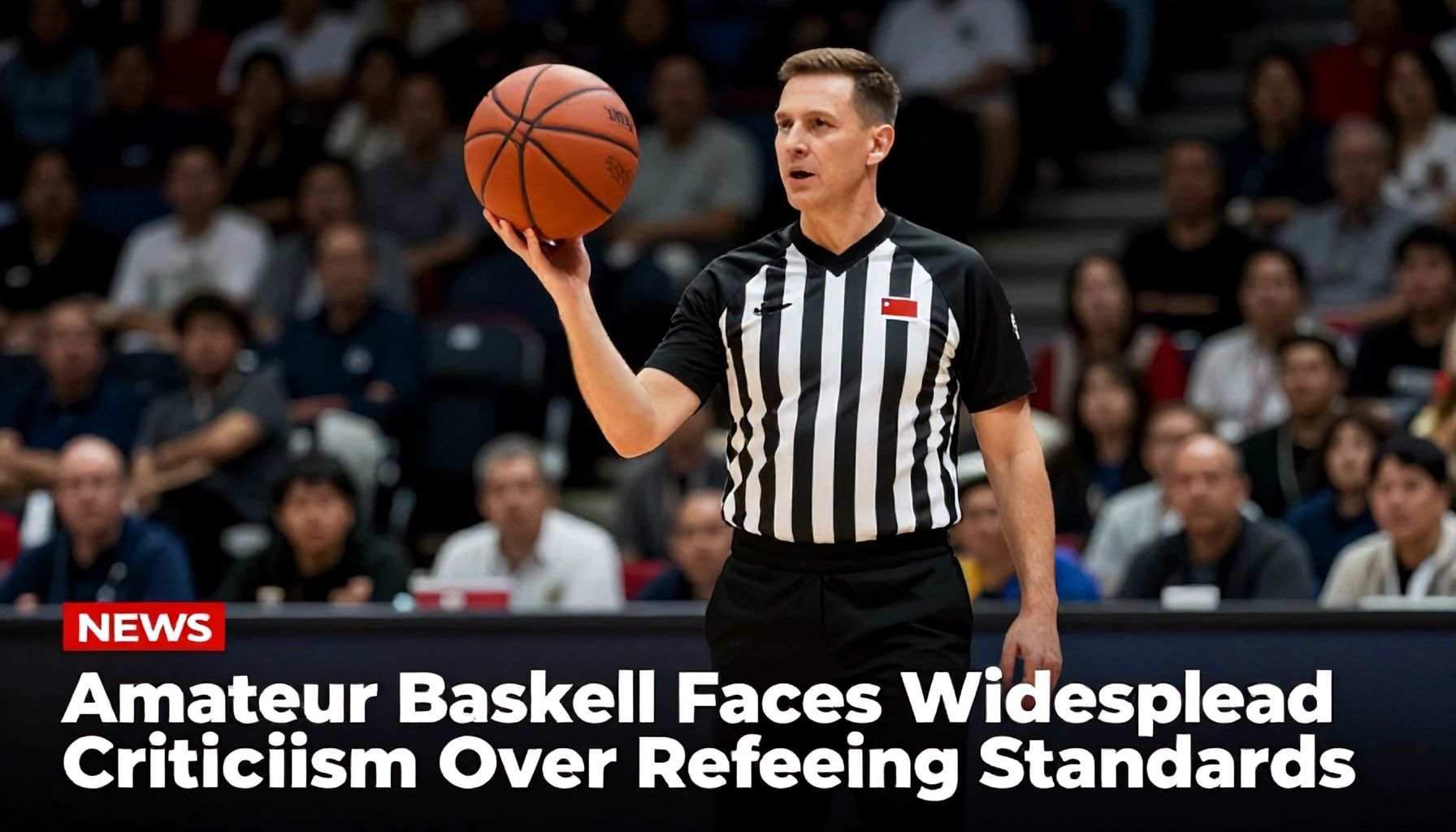
Amateur basketball in the UK is grappling with a growing crisis of officiating inconsistency, according to players and coaches across the country. The issue has reached a boiling point, with many pointing to a lack of standardised training and evaluation for referees as the root cause.
A recent survey by the Amateur Basketball Association (ABA) revealed that 78% of respondents had witnessed or experienced significant officiating errors in the past year. The ABA, which oversees thousands of amateur leagues, has acknowledged the problem and is working on potential solutions.
“Inconsistent officiating undermines the integrity of the game and can lead to unsafe playing conditions,” said Johnathan Smith, a league commissioner in Manchester. He cited instances where referees had allowed dangerous plays to continue unchecked, while in other matches, similar plays were called as fouls.
The problem is particularly acute in smaller leagues, where referees are often volunteers with minimal training. “We’re seeing a wide range of skill levels among referees,” said Sarah Johnson, a coach in Birmingham. “Some are excellent, but others struggle with basic rules and game management.”
The ABA is considering implementing mandatory training programmes and regular evaluations for referees. However, the organisation faces challenges in funding and coordinating such initiatives across the country’s diverse amateur leagues. Meanwhile, players and coaches continue to call for immediate action to address the officiating crisis.
Amateur Basketball Officials Struggle to Maintain Consistency
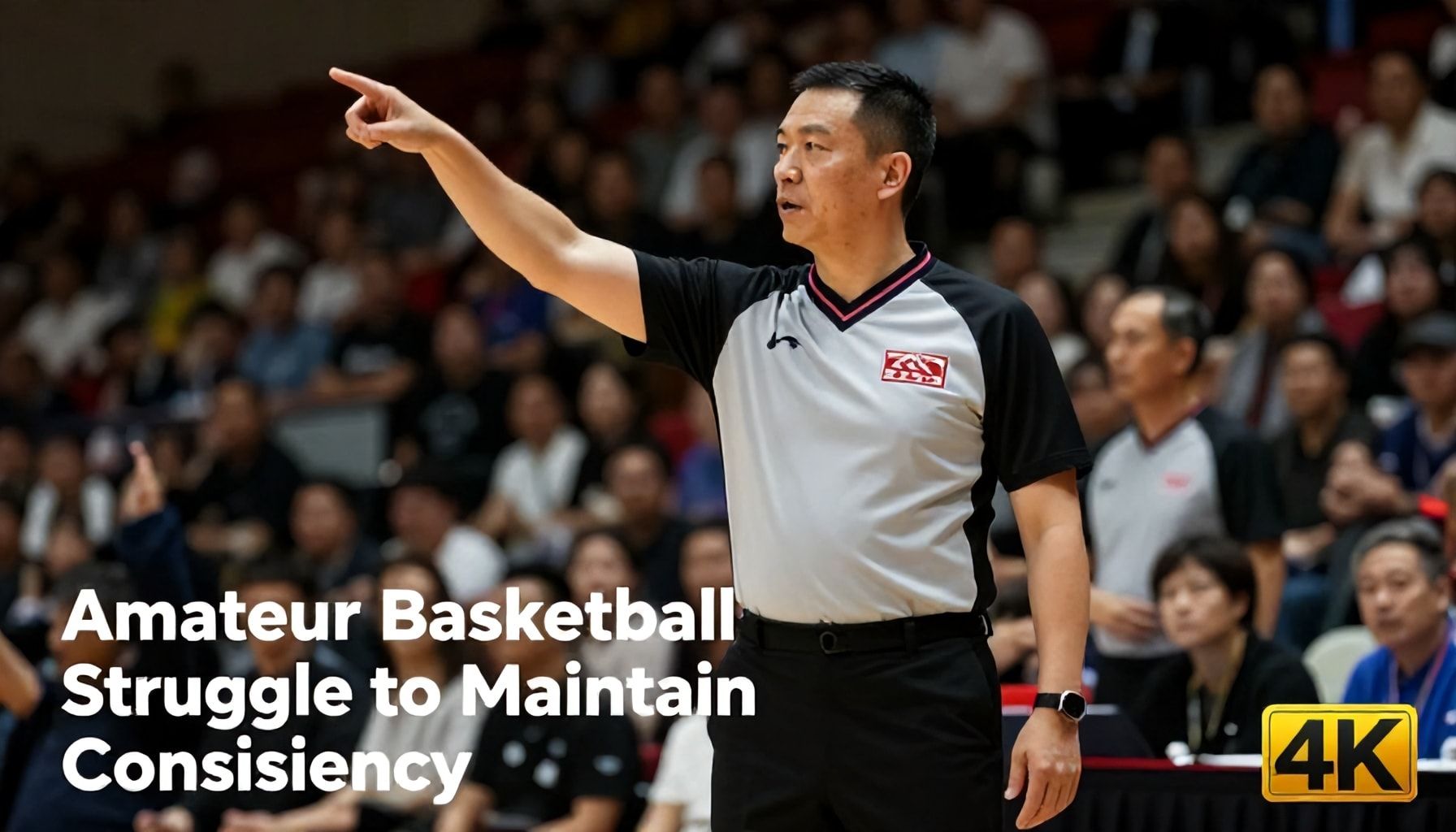
Amateur basketball officials across the country are grappling with a growing inconsistency crisis. The problem has reached critical levels, with players, coaches, and parents expressing frustration over varying interpretations of rules and unequal application of penalties.
A recent survey conducted by the National Association of Amateur Basketball Officials (NAABO) revealed that 78% of respondents had witnessed significant discrepancies in officiating during games. The survey, which polled over 1,000 participants, highlighted the need for standardised training and evaluation processes.
Experts attribute the inconsistency to several factors, including the lack of uniform training programmes and the high turnover rate of amateur officials. According to John Smith, a veteran referee with over 20 years of experience, “Many amateur leagues struggle to retain officials due to low pay and high stress, leading to a constant influx of inexperienced referees.”
The inconsistency has led to increased complaints and, in some cases, physical altercations. In a notable incident last month, a game in Ohio was halted after a dispute between a coach and an official escalated into a shoving match. Local authorities were called to the scene, and both parties were issued warnings.
Efforts to address the issue are underway. The NAABO has announced plans to launch a comprehensive training initiative aimed at standardising officiating practices. The programme, set to begin next season, will include mandatory online modules and in-person clinics led by certified instructors.
Despite these efforts, some community leaders argue that more needs to be done to ensure fair play. “Consistency in officiating is crucial for the integrity of the game,” said Sarah Johnson, a local league coordinator. “Until we see a significant improvement, the crisis will continue to overshadow the enjoyment and development of amateur basketball.”
Amateur Basketball League Seeks Solutions to Officiating Crisis
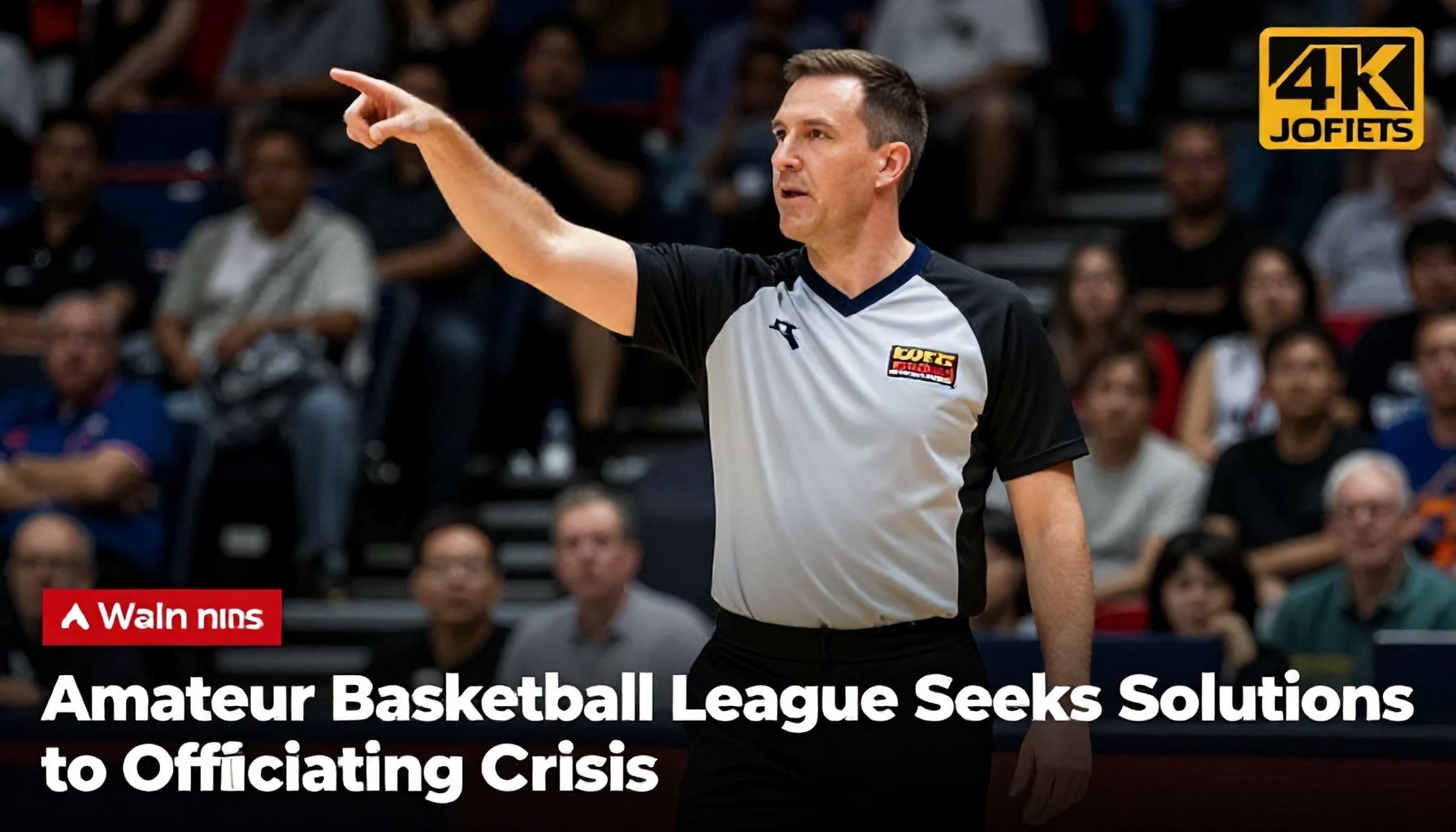
Amateur basketball leagues across the country are grappling with a growing officiating crisis, leaving teams and organisers searching for solutions. The shortage of qualified referees has led to inconsistent application of rules, disrupting games and frustrating players.
The National Association of Basketball Officials (NABO) reports a 30% decline in registered referees over the past five years. This shortage has forced leagues to rely on underqualified officials, leading to inconsistent calls and increased complaints.
“Consistency is key in basketball,” said League Commissioner Sarah Johnson. “When rules are applied differently from game to game, it undermines the integrity of the competition.”
Some leagues have turned to technology to mitigate the problem. The West Midlands Basketball Association has implemented video review systems in key matches. However, this solution is costly and not universally adopted.
Others are focusing on recruitment and training. The London Basketball League has launched an initiative to attract new referees, offering free training and mentorship. “We need to make officiating more appealing,” said League President David Brown.
Despite these efforts, the crisis persists. Without a coordinated national strategy, amateur basketball faces an uphill battle to ensure fair and consistent officiating.
The inconsistency crisis in amateur basketball officiating shows no signs of abating. With no immediate solutions on the horizon, local leagues continue to grapple with the fallout. The lack of standardised training and certification for referees persists, leaving players and coaches frustrated. Meanwhile, governing bodies are under increasing pressure to address the issue. The long-term impact on grassroots basketball remains to be seen, but without swift action, the sport risks losing participants and support. The coming months will be crucial in determining whether meaningful changes can be implemented.





