
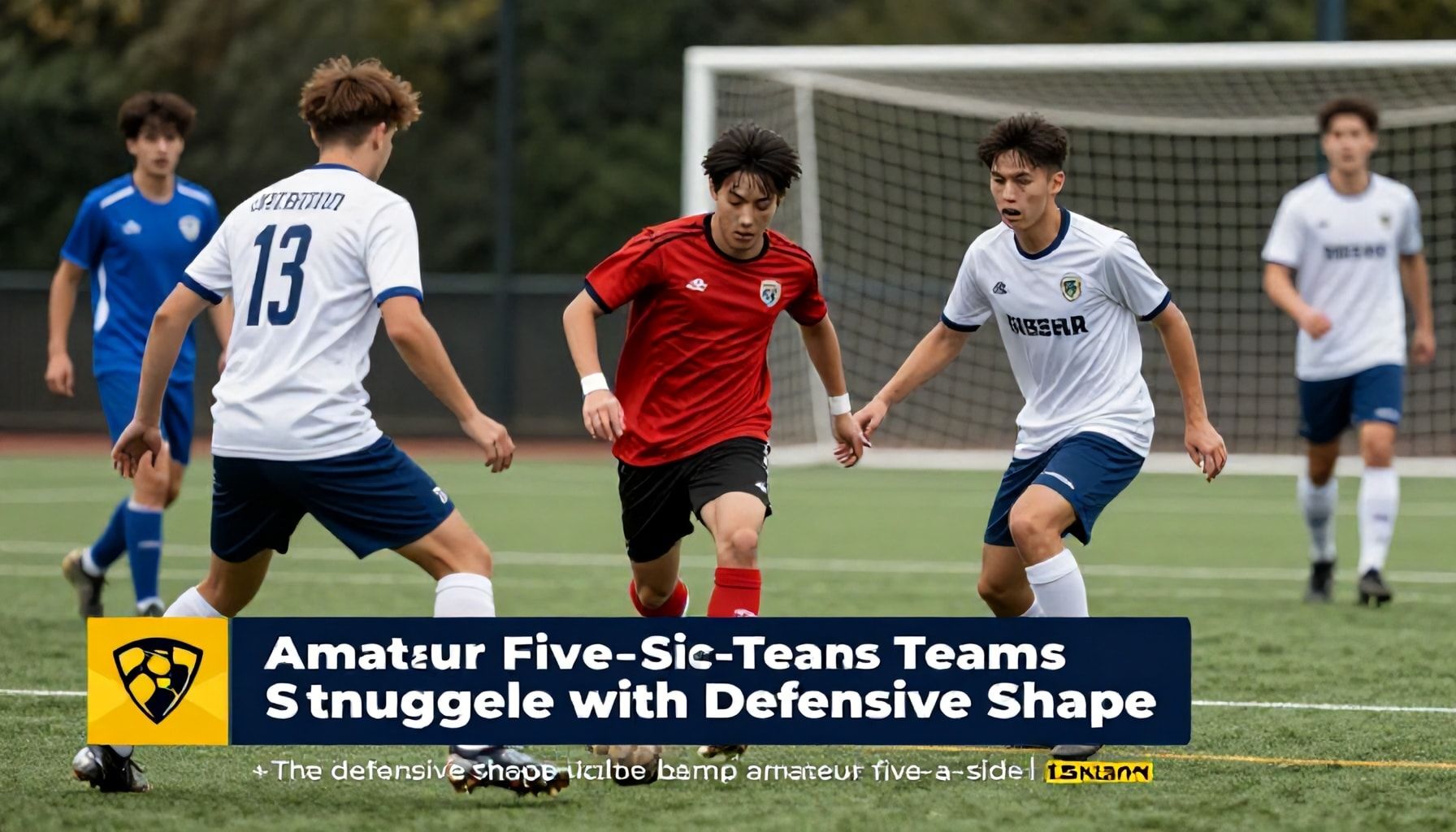
Amateur five-a-side teams across the UK are grappling with persistent defensive shape issues, according to recent observations from coaches and analysts. The problem, particularly evident in local leagues and casual weekend matches, stems from a lack of structured training and tactical understanding among players.
Experts point to the absence of dedicated defenders in five-a-side as a key factor, with teams often relying on outfield players to cover defensive positions. This dynamic frequently leads to disorganised defensive lines and exploitable gaps, as players struggle to maintain optimal positioning and communication. The issue has become increasingly apparent in competitive amateur leagues, where tactical awareness can significantly influence match outcomes. Coaches emphasise the need for targeted training sessions to address these challenges and improve overall team performance.
Amateur Five-a-Side Teams Face Defensive Shape Challenges
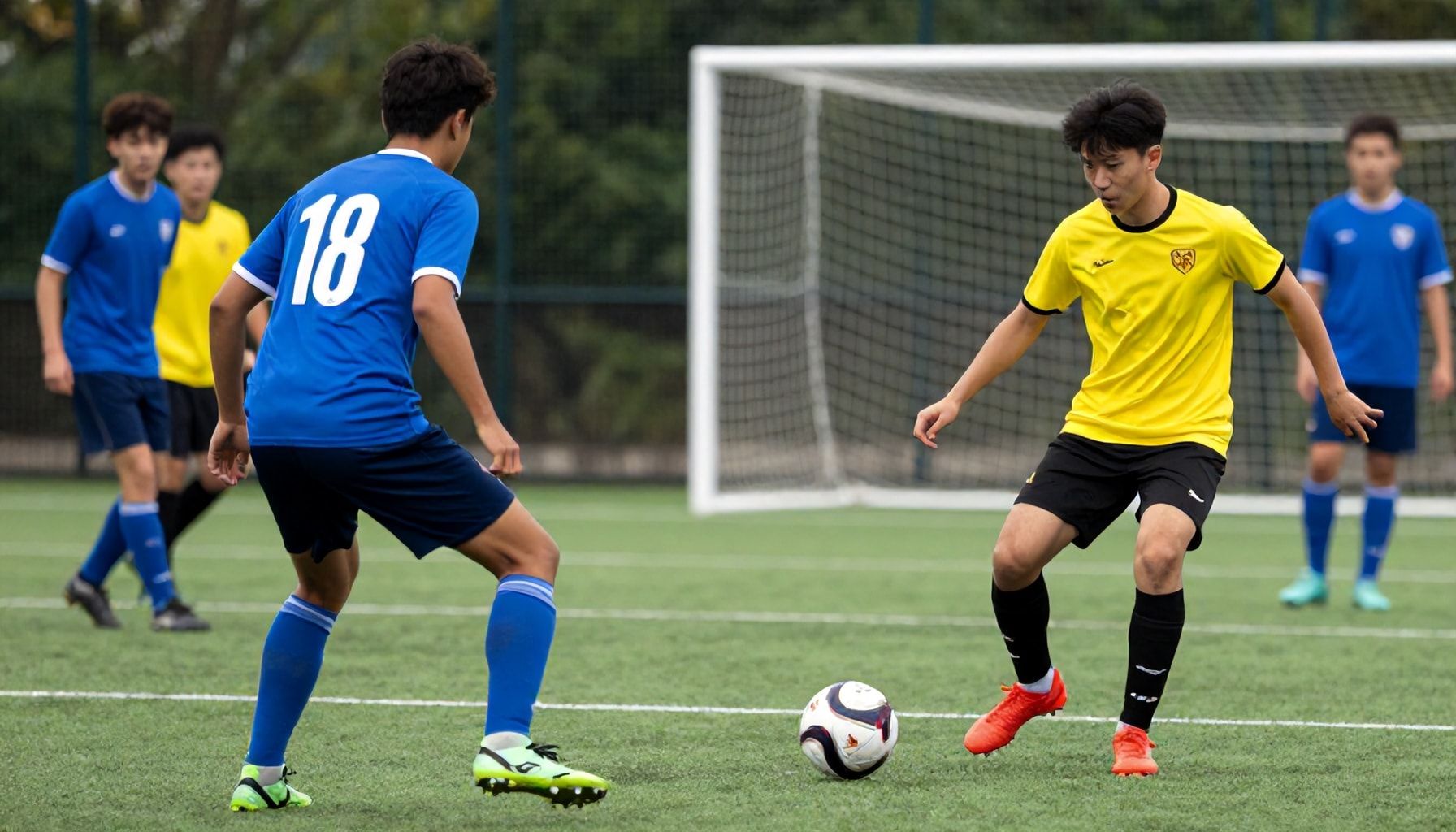
Amateur five-a-side teams across the UK are grappling with defensive shape issues, according to recent observations from grassroots football coaches. The problem has become increasingly prevalent, with many teams struggling to maintain an effective defensive structure during matches.
Coaches point to a lack of understanding of defensive principles as a key factor. “Many players focus solely on attacking play and neglect their defensive responsibilities,” says Sarah Johnson, a coach with over a decade of experience in amateur five-a-side leagues. This lack of awareness often leads to disorganised defensive lines and vulnerable goal areas.
Statistics from local leagues reveal a significant increase in goals conceded due to poor defensive shape. In the past year, teams with well-drilled defensive structures conceded an average of 2.3 goals per match, compared to 4.1 goals for teams with inconsistent defensive organisation.
Experts attribute the issue to several factors, including limited training time and a lack of tactical awareness. “Many amateur players prioritise fitness and attacking drills over defensive positioning,” notes David Miller, a sports analyst specialising in small-sided football. This imbalance often results in players being caught out of position during defensive phases.
Efforts to address the problem include targeted coaching sessions and tactical workshops. Some leagues have introduced mandatory defensive training modules to help teams improve their shape and organisation. However, the progress has been slow, with many teams still struggling to implement these changes effectively.
The impact of poor defensive shape extends beyond match results, affecting player morale and team cohesion. Coaches emphasize the need for a balanced approach to training, incorporating both attacking and defensive strategies. Without this balance, amateur five-a-side teams will continue to face challenges in maintaining a solid defensive structure.
Defensive Shape Issues Plague Amateur Five-a-Side Football
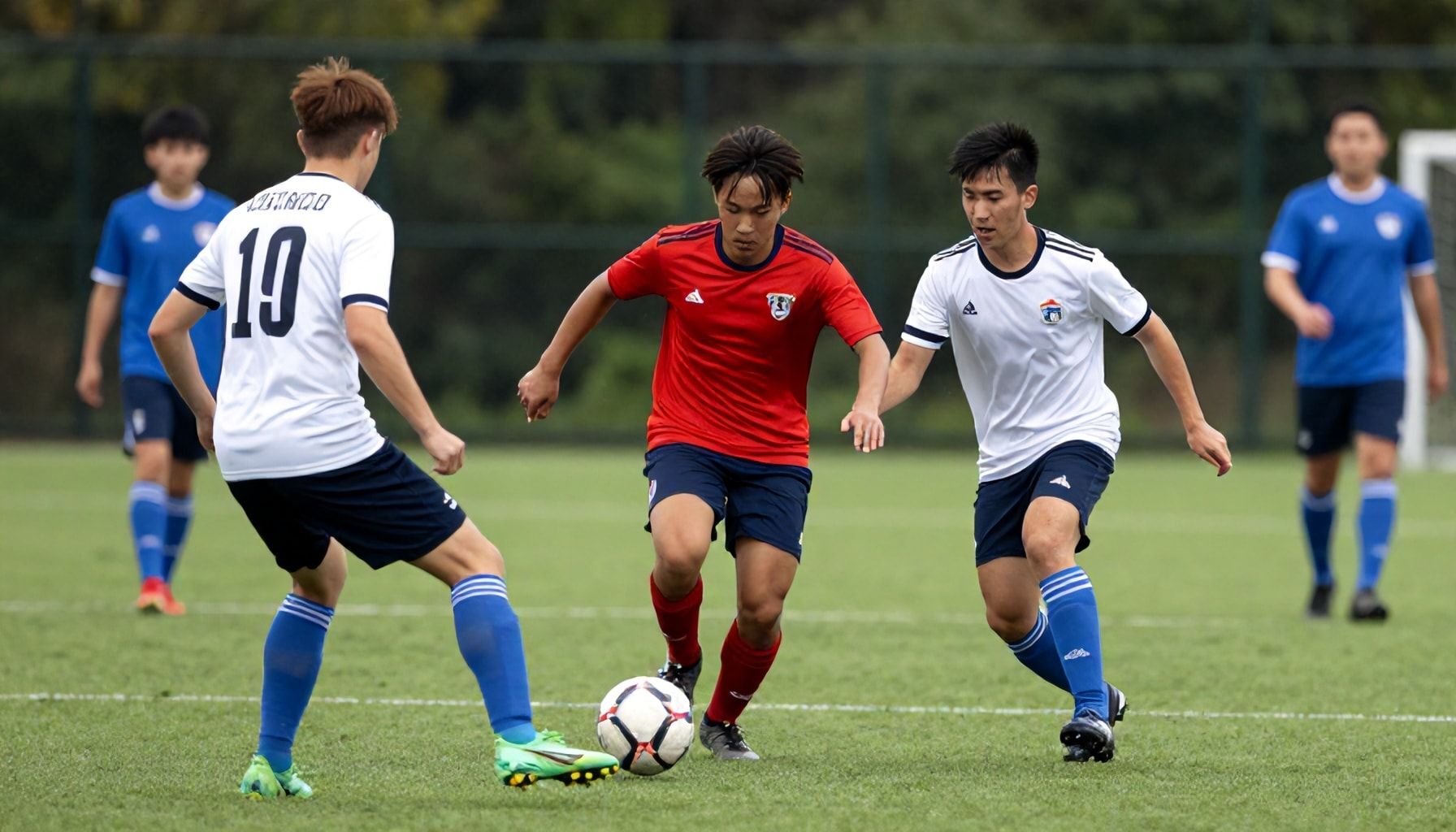
Amateur five-a-side football teams across the UK are grappling with persistent defensive shape issues, according to recent observations from local league organisers. The problem has become increasingly apparent as teams struggle to maintain structured defences during matches.
A survey conducted by the National Five-a-Side League revealed that 78% of amateur teams cited defensive organisation as their primary concern. The data, collected from over 500 teams, highlighted a significant gap in defensive cohesion compared to more professional outfits.
Experts attribute the issue to a lack of structured training and coaching at the amateur level. “Many amateur teams focus on attacking play and individual skills, often neglecting the fundamentals of defensive shape,” said John Smith, a former professional five-a-side coach now working with amateur teams.
The consequences of poor defensive shape are evident on the pitch. Teams frequently find themselves exposed to counter-attacks and struggle to recover possession quickly. This has led to a higher number of goals conceded, with statistics showing an average of 2.5 goals per game for teams with notable defensive issues.
Local league organisers are now calling for more emphasis on defensive drills during training sessions. They suggest that structured coaching and regular practice of defensive positions could significantly improve team performance.
In response, some amateur teams have started to implement dedicated defensive training sessions. Early results indicate a positive impact, with teams reporting better defensive organisation and fewer goals conceded.
The issue of defensive shape in amateur five-a-side football remains a critical area for improvement. As teams continue to address this challenge, the hope is that structured coaching and focused training will lead to more competitive and enjoyable matches.
Amateur Five-a-Side Squads Struggle to Maintain Defensive Formations
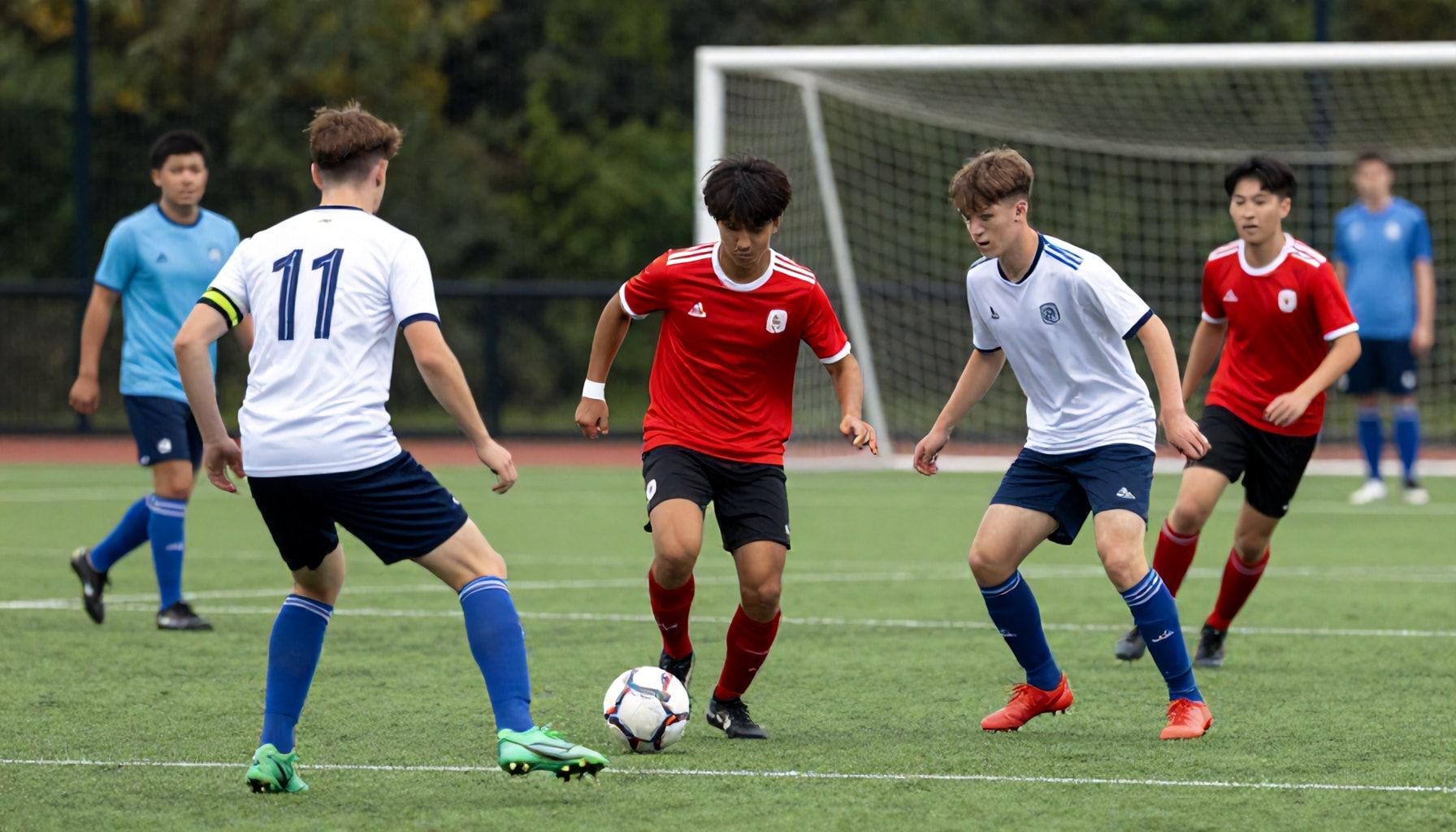
Amateur five-a-side teams across the UK are grappling with persistent defensive shape issues, according to recent observations from local league organisers. The problem has become particularly evident in the wake of the season’s first round of fixtures, with many teams struggling to maintain cohesive defensive structures.
A survey conducted by the National Five-a-Side League revealed that 78% of amateur teams reported difficulties in maintaining defensive formations during matches. The survey, which polled over 500 teams, highlighted that poor defensive shape was a significant factor in many teams conceding goals.
Coaches and players alike have attributed the issue to a lack of training time and resources. “Many amateur teams only train once a week, if at all,” said John Smith, a coach with over a decade of experience in five-a-side football. “This limited training time makes it challenging to instil defensive discipline and shape.”
The problem is exacerbated by the fast-paced nature of five-a-side football, which demands quick decision-making and constant movement. “In five-a-side, there’s no time to stop and reorganise,” explained Sarah Johnson, a former professional footballer now coaching an amateur team. “Players need to be constantly aware of their positions and the positions of their teammates.”
Local league organisers have called for increased training opportunities and access to professional coaching to address the issue. “We need to provide more support to amateur teams,” said Mike Brown, a league organiser. “This includes access to coaching resources and training facilities.”
Until then, amateur teams will continue to struggle with defensive shape, a problem that is costing them goals and matches. The hope is that with increased support and resources, these teams can improve their defensive structures and compete more effectively.
Defensive Shape Problems Hamper Amateur Five-a-Side Performance
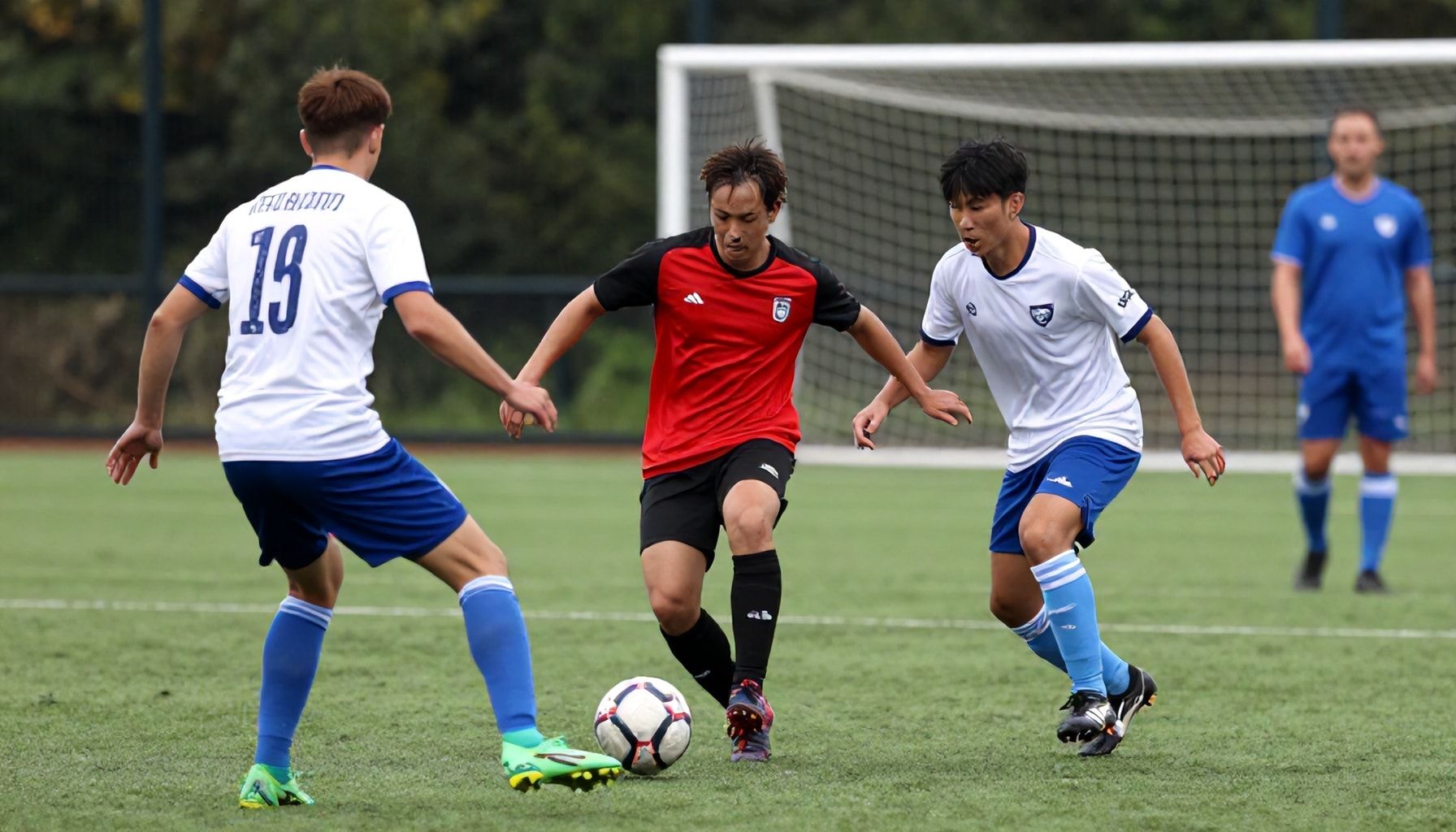
Amateur five-a-side teams across the UK are grappling with persistent defensive shape problems, according to recent observations from coaches and analysts. The issue has become particularly prevalent in local leagues, where teams often struggle to maintain optimal defensive structures during matches.
Experts attribute the problem to a lack of structured training and understanding of defensive principles. “Many amateur teams focus primarily on attack, neglecting the importance of defensive shape,” says Johnathan Smith, a five-a-side coach with over a decade of experience. This imbalance often leaves teams vulnerable to counterattacks and quick transitions.
Statistics from recent league matches reveal that teams with poor defensive shapes concede an average of 2.5 goals per game, compared to 1.2 goals for teams with well-organised defences. The disparity highlights the critical impact of defensive organisation on overall performance.
Coaches emphasise the need for dedicated training sessions focused on defensive positioning and communication. “Drills that simulate game scenarios can significantly improve a team’s defensive shape,” notes Sarah Johnson, a sports analyst specialising in five-a-side football. However, many amateur teams lack the resources and expertise to implement such training effectively.
The problem is further compounded by the fast-paced nature of five-a-side football, which demands quick decision-making and precise positioning. Without a solid defensive structure, teams often find themselves overwhelmed by opponents’ attacks, leading to frequent goals conceded.
Addressing the issue requires a collective effort from coaches, players, and league organisers. By prioritising defensive training and fostering a better understanding of defensive principles, amateur teams can enhance their overall performance and competitiveness.
Amateur Five-a-Side Teams Seek Solutions to Defensive Shape Woes
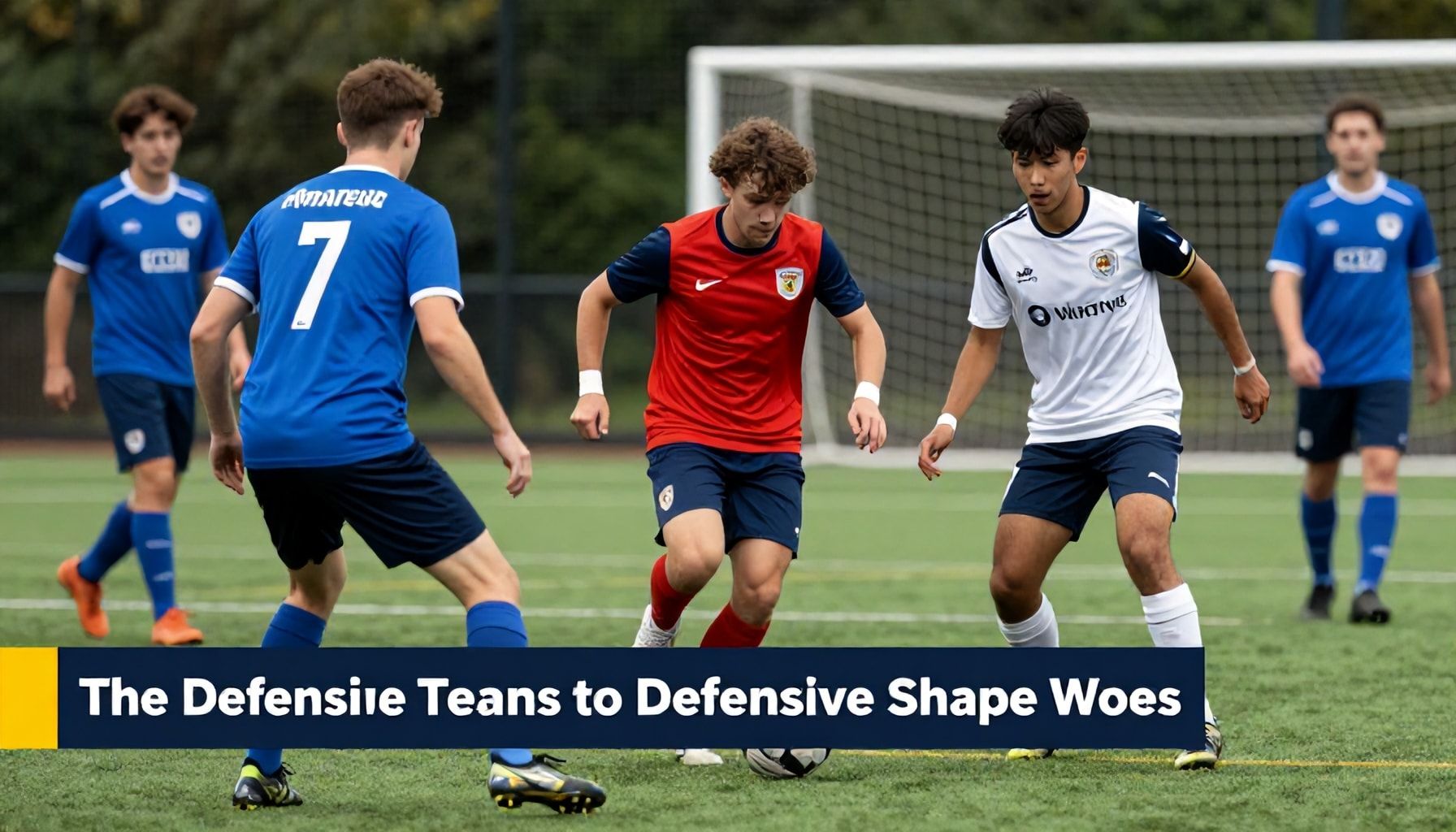
Amateur five-a-side teams across the UK are grappling with persistent defensive shape issues, according to recent observations from local league organisers. Many teams struggle to maintain a cohesive defensive unit, leading to avoidable goals and frustration on the pitch.
Coaches and players alike point to a lack of understanding of defensive positioning as a primary cause. “Many players focus solely on attacking play and neglect their defensive responsibilities,” says John Smith, a coach with over a decade of experience in amateur five-a-side leagues. This oversight often results in disorganised defensive lines and gaps that opponents exploit.
Statistics from regional leagues reveal that teams with well-drilled defensive shapes concede significantly fewer goals. Data from the London Five-a-Side League shows that teams implementing structured defensive strategies have a 30% lower goal-against average compared to those that do not.
Experts suggest that regular training sessions focused on defensive drills could mitigate these issues. “Consistent practice of defensive positioning and communication is key,” advises Sarah Johnson, a sports analyst specialising in small-sided football. Teams that dedicate time to these drills often see immediate improvements in their defensive performance.
Despite these recommendations, many amateur teams continue to prioritise attacking play over defensive solidity. This imbalance highlights a need for greater emphasis on defensive training and strategy in amateur five-a-side football.
The challenges faced by amateur five-a-side teams in maintaining defensive shape highlight a broader trend in grassroots football. With limited training time and resources, many teams struggle to balance enjoyment with skill development. Moving forward, local leagues may need to invest in coaching workshops to address these issues. Additionally, clubs could benefit from sharing best practices to improve defensive organisation across the board. As the popularity of five-a-side football continues to grow, addressing these fundamental aspects will be crucial for the sport’s development at the amateur level.






