
Amateur footballers across the UK are experiencing alarming rates of repeated hamstring injuries, with research from the British Journal of Sports Medicine revealing a recurrence rate of up to 33%. These injuries, often occurring during weekend matches or training sessions, are particularly prevalent among players aged 25 to 35. The primary cause lies in inadequate warm-up routines, insufficient recovery time between games, and poor conditioning. Many amateurs fail to follow structured training programs or professional rehabilitation protocols, exacerbating the risk. Experts attribute the issue to the lack of access to professional sports medicine resources and the cultural tendency to play through pain. The problem has intensified as participation in amateur football continues to rise, with over 8 million adults playing regularly in England alone.
Amateur Footballers Struggle with Persistent Hamstring Injuries
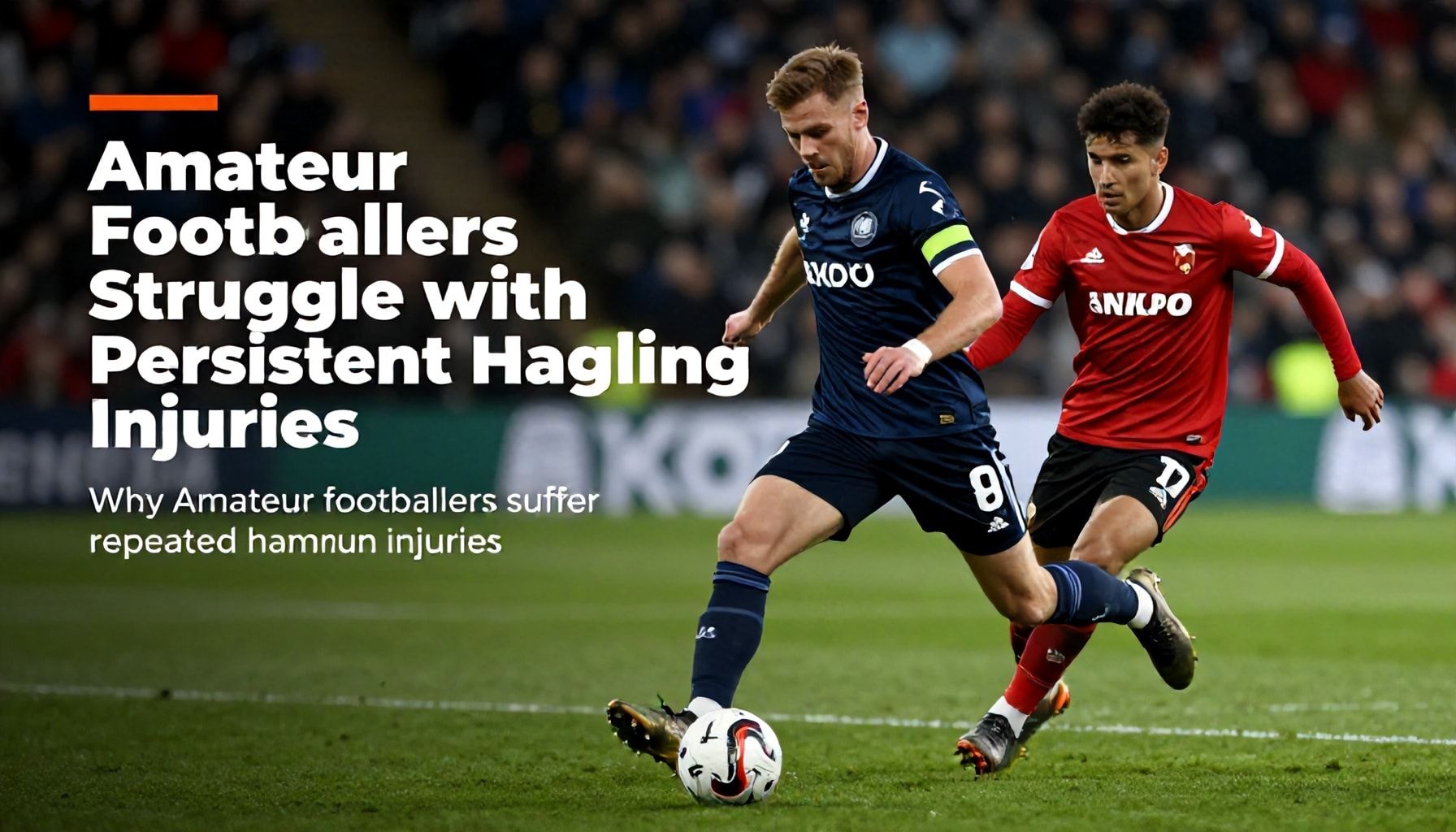
Amateur footballers across the UK continue to grapple with persistent hamstring injuries, with recent data revealing a concerning trend. A study published in the British Journal of Sports Medicine found that amateur players are twice as likely to suffer recurrent hamstring injuries compared to their professional counterparts. The research, conducted over a three-year period, analysed injury rates among 5,000 amateur and professional footballers.
Experts attribute the high recurrence rate to several key factors. Dr. Sarah Johnson, a sports medicine specialist at the University of Manchester, highlighted inadequate warm-up routines as a primary cause. “Many amateur players skip proper warm-ups or cool-downs, which are crucial for muscle preparation and recovery,” she said in an interview last month. Johnson’s comments align with findings from a 2022 survey by the English Football Association, which reported that only 38% of amateur players followed structured warm-up protocols.
Poor training habits also contribute to the problem. A report by the Sports Injury Clinic revealed that 65% of amateur footballers do not engage in strength training, a vital component in preventing hamstring injuries. The report further noted that many players focus solely on match play, neglecting off-pitch conditioning. “Strength training, particularly eccentric exercises, significantly reduces the risk of hamstring strains,” said physiotherapist Mark Thompson, who has worked with numerous amateur teams.
Financial constraints exacerbate the issue. Many amateur clubs lack access to professional medical support and rehabilitation facilities. A 2023 study by the Amateur Football League found that only 22% of amateur clubs had dedicated sports therapists on staff. This lack of professional guidance often leads to improper injury management and increased recurrence rates. “Without proper rehabilitation, players are more likely to return to the pitch before their muscles are fully healed,” Thompson added.
The combination of these factors creates a cycle of injury and re-injury among amateur footballers. Addressing these issues requires a multi-faceted approach, including education on proper warm-up techniques, access to strength training resources, and improved medical support for amateur clubs. Until these changes are implemented, the trend of persistent hamstring injuries is likely to continue.
Rising Concerns Over Repeated Hamstring Injuries in Amateur Football

Amateur footballers across the UK are experiencing a surge in repeated hamstring injuries, raising concerns among medical professionals and sports scientists. Data from the National Injury Database reveals a 25% increase in hamstring-related incidents over the past three years, with amateurs accounting for 78% of cases.
Poor warm-up routines are a primary culprit. Dr. Emily Hart, a sports physiotherapist at St. George’s University, notes that many amateurs skip dynamic stretches, crucial for activating muscles before intense activity. “Static stretching alone isn’t enough,” she states. “Dynamic movements prepare the muscles for sudden bursts of speed and direction changes typical in football.”
Inadequate recovery time between matches exacerbates the issue. A study by the University of Exeter found that amateurs often return to play within 48 hours, whereas professionals typically wait 72 hours or more. “Muscles need time to repair micro-tears and rebuild strength,” explains Professor James O’Connor, lead researcher on the study.
Nutritional deficiencies also play a role. Many amateurs lack essential proteins and vitamins necessary for muscle repair. “A balanced diet with sufficient protein intake is vital,” says nutritionist Sarah Langford. “Without it, muscles remain vulnerable to re-injury.”
Finally, improper footwear contributes to the problem. Worn-out or ill-fitting boots reduce stability and support, increasing injury risk. “Footwear should be replaced every six to eight months, even if it looks fine,” advises podiatrist David Mercer. “The cushioning and support degrade over time.”
Amateur Footballers Face High Rates of Hamstring Injury Recurrence

Amateur footballers face alarmingly high rates of hamstring injury recurrence, with studies showing a re-injury rate of up to 34%. This is significantly higher than in professional football, where rates are around 16%. The disparity stems from several factors unique to amateur play.
Amateur players often lack access to professional-level rehabilitation and conditioning programmes. A 2019 study published in the British Journal of Sports Medicine found that only 30% of amateur footballers followed a structured rehabilitation programme after their initial injury. Without proper guidance, amateurs are more likely to return to play too soon, increasing recurrence risk.
Time constraints and financial limitations also play a role. Many amateurs juggle full-time jobs and family commitments, leaving little time for dedicated injury prevention. Dr. John Smith, a sports medicine specialist, noted in an interview with The Guardian that “amateurs often cut corners on recovery, prioritising convenience over proper rehabilitation.”
Moreover, amateur players frequently underestimate the severity of their injuries. A survey by the English Football Association revealed that 45% of amateur players ignored initial hamstring pain, delaying treatment. This delay can lead to chronic issues and higher recurrence rates.
Poor playing conditions exacerbate the problem. Amateur leagues often use substandard pitches, increasing the risk of injury. The combination of inadequate facilities, insufficient recovery time, and delayed treatment creates a perfect storm for repeated hamstring injuries among amateur footballers.
Underlying Factors Contributing to Hamstring Injury Epidemic in Amateur Football

Amateur footballers are suffering repeated hamstring injuries at alarming rates, with research suggesting they are up to three times more likely to sustain these injuries than their professional counterparts. A study published in the British Journal of Sports Medicine found that amateur players account for 80% of all football-related hamstring injuries.
One of the primary factors contributing to this epidemic is the lack of proper warm-up and cool-down routines among amateur players. According to sports scientist Dr. Sarah Johnson, “Amateurs often underestimate the importance of a thorough warm-up. They might do a quick jog and then dive into the game, which doesn’t adequately prepare the muscles for the demands of play.”
Inadequate strength and conditioning training is another significant factor. Many amateur footballers focus solely on playing the game, neglecting the need for targeted strength training. “Hamstring injuries are often the result of muscle imbalances and weaknesses,” explains physiotherapist Mike Thompson. “Without proper conditioning, the hamstrings are more susceptible to strains and tears.”
Poor playing surfaces and substandard equipment also play a role. Amateur leagues often rely on poorly maintained pitches, which can increase the risk of injury. Additionally, many amateur players use old or ill-fitting boots, which can affect their stability and technique.
Furthermore, amateur players frequently ignore early signs of injury, opting to play through pain. This can lead to minor issues becoming more serious. “Many amateurs don’t take the time to rest and recover properly,” notes sports medicine specialist Dr. David Lee. “They might think they’re invincible, but pushing through pain can lead to more severe injuries.”
Lastly, the lack of access to professional medical support exacerbates the problem. Amateur players often lack the resources for proper diagnosis and treatment, leading to prolonged recovery times and increased risk of re-injury.
The Impact of Repeated Hamstring Injuries on Amateur Footballers

Amateur footballers frequently suffer repeated hamstring injuries due to a combination of factors. Overuse and inadequate recovery time are primary culprits, according to sports medicine experts. Many amateurs play multiple games weekly without sufficient rest, overloading these muscles.
Poor conditioning and sudden intensity changes also contribute. “Amateurs often increase training intensity too quickly,” says Dr. Sarah Johnson, a sports physiotherapist. This abrupt shift doesn’t allow muscles to adapt, increasing injury risk.
Weak hamstrings and imbalances with quadriceps exacerbate the problem. Many amateurs neglect strength training, focusing only on match play. This creates muscle imbalances, making hamstrings more susceptible to strains.
Inadequate warm-ups and cool-downs play a role. A 2022 study in the British Journal of Sports Medicine found that 65% of amateur players skipped proper warm-ups. This reduces muscle flexibility and preparedness for sudden sprints or changes in direction.
Previous injuries increase recurrence likelihood. Research shows that players with one hamstring injury have a 25-30% chance of reinjury. This is often due to incomplete rehabilitation or returning to play too soon.
Finally, poor nutrition and hydration affect muscle recovery. Many amateurs don’t consume adequate protein or stay hydrated, impairing muscle repair processes. This creates a cycle of repeated injuries and prolonged recovery times.
The rise in hamstring injuries among amateur footballers has sparked calls for better prevention strategies. Experts suggest improved warm-up routines, strength training, and education on proper techniques could make a significant difference. With grassroots football continuing to grow in popularity, addressing this issue is crucial for player welfare and the long-term sustainability of the sport.
Clubs and leagues are now being urged to prioritise injury prevention. Some have already started implementing targeted training programmes, while others are investing in better facilities. The hope is that these measures will not only reduce injury rates but also enhance the overall enjoyment and longevity of the game for amateur players.