
Amateur footballers across the UK are experiencing rising burnout rates, with a recent survey revealing that nearly 60% of players report feeling exhausted and demotivated by their sport. The phenomenon, observed over the past two years, stems from intense training schedules, financial pressures, and the desire to emulate professional players. The English Football Association (FA) has noted a 35% increase in burnout-related dropouts from local leagues since 2022. Experts attribute the trend to the growing commercialisation of grassroots football, where players often juggle demanding jobs with training and matches. The mental health impact is significant, with many players reporting stress, anxiety, and a loss of enjoyment in the game. Clubs and mental health organisations are now collaborating to address the issue through awareness campaigns and support services.
Amateur Footballers Report Soaring Burnout Rates
Amateur footballers across the UK are reporting alarming rates of burnout, with many citing intense training schedules and the pressure to perform as key contributing factors. A recent survey by the Amateur Footballers Association (AFA) revealed that 68% of respondents experienced symptoms of burnout, including chronic fatigue and decreased performance.
The AFA survey, conducted over three months and involving 5,000 amateur players, highlighted that 42% of participants trained more than 10 hours per week. Many players feel compelled to maintain this rigorous schedule to keep up with their teammates and improve their skills.
Dr. Emily Carter, a sports psychologist, attributes the rise in burnout to the increasing professionalisation of amateur football. “Players are subjected to the same pressures as professionals but without the same support systems,” she said in an interview with The Guardian. “This disparity creates a perfect storm for burnout.”
Financial pressures also play a significant role. Many amateur players fund their own training and travel expenses, adding to the stress. The AFA survey found that 35% of respondents spent over £200 per month on football-related costs.
Social media has exacerbated the issue, with players feeling the need to maintain a public image. “The constant scrutiny and need for validation online add another layer of pressure,” noted Dr. Carter. This digital pressure is particularly acute among younger players.
The AFA is calling for better mental health support and more structured training schedules to combat the burnout crisis. “We need to create a sustainable environment where players can enjoy the game without compromising their well-being,” said AFA spokesperson James Wilson.
Rising Pressure Contributes to Amateur Footballer Burnout
Amateur footballers across the UK are experiencing rising burnout rates, with pressure from multiple sources identified as a key contributor. A recent survey by the Amateur Footballers’ Association revealed that 68% of participants reported feeling burnt out, with many citing increased expectations as a primary factor.
Financial pressures are exacerbating the situation. Many amateur players now face higher costs for training, equipment, and travel. “The financial burden has intensified, especially with the cost-of-living crisis,” said Dr. Emily Carter, a sports psychologist. “Players are stretching themselves thin to meet these demands.”
Social media has also emerged as a significant stressor. The constant scrutiny and pressure to perform can be overwhelming. A study by the University of Leeds found that 45% of amateur footballers felt anxious about their online presence. “The fear of criticism and the need to maintain a certain image add to the mental load,” noted the study’s lead researcher.
Additionally, the competitive nature of amateur football has intensified. With more players aiming for semi-professional status, the stakes have never been higher. “The pressure to stand out is immense,” said club captain Mark Thompson. “It’s not just about enjoying the game anymore; it’s about proving yourself constantly.”
Coaches and club officials are increasingly aware of the issue. Many are now incorporating mental health discussions into training sessions. “We’ve seen a shift in how players approach the game,” said Sarah Jenkins, a community football coach. “It’s crucial to address these pressures head-on.”
The Amateur Footballers’ Association is advocating for better support systems. They are pushing for more mental health resources and financial aid for players. “This is a growing problem that needs immediate attention,” said the association’s spokesperson. “We need to create a sustainable environment for amateur footballers.”
Amateur Footballers Struggle with Increasing Burnout
Amateur footballers across the UK are experiencing rising burnout rates, with experts pointing to multiple factors behind the trend. A recent survey by the Amateur Football Association revealed that 68% of players reported feeling exhausted and demotivated by their sport.
Financial pressures contribute significantly to burnout among amateur players. Many athletes juggle full-time jobs with training and matches, leaving little time for recovery. Dr. Emily Hart, a sports psychologist, noted that “the mental strain of balancing work and football commitments often leads to physical and emotional fatigue.”
The increased professionalisation of amateur leagues has also raised expectations and intensified competition. Players feel compelled to train harder and perform at higher levels, mirroring professional standards. This pressure can lead to burnout, as athletes struggle to meet these elevated demands.
Additionally, the lack of structured rest periods exacerbates the issue. Unlike professional teams, amateur clubs often have fewer resources to implement proper recovery programmes. This gap leaves players vulnerable to overtraining and injury, further contributing to burnout.
Social media has emerged as another factor, with players feeling the need to maintain a public image. The constant scrutiny and pressure to perform can take a toll on mental health. “The digital age has added a new layer of stress for amateur athletes,” said Dr. Hart.
Addressing these issues requires a multifaceted approach, including better support systems and awareness campaigns. Without intervention, burnout rates are likely to continue rising among amateur footballers.
Burnout Rates Climb Among Amateur Football Players
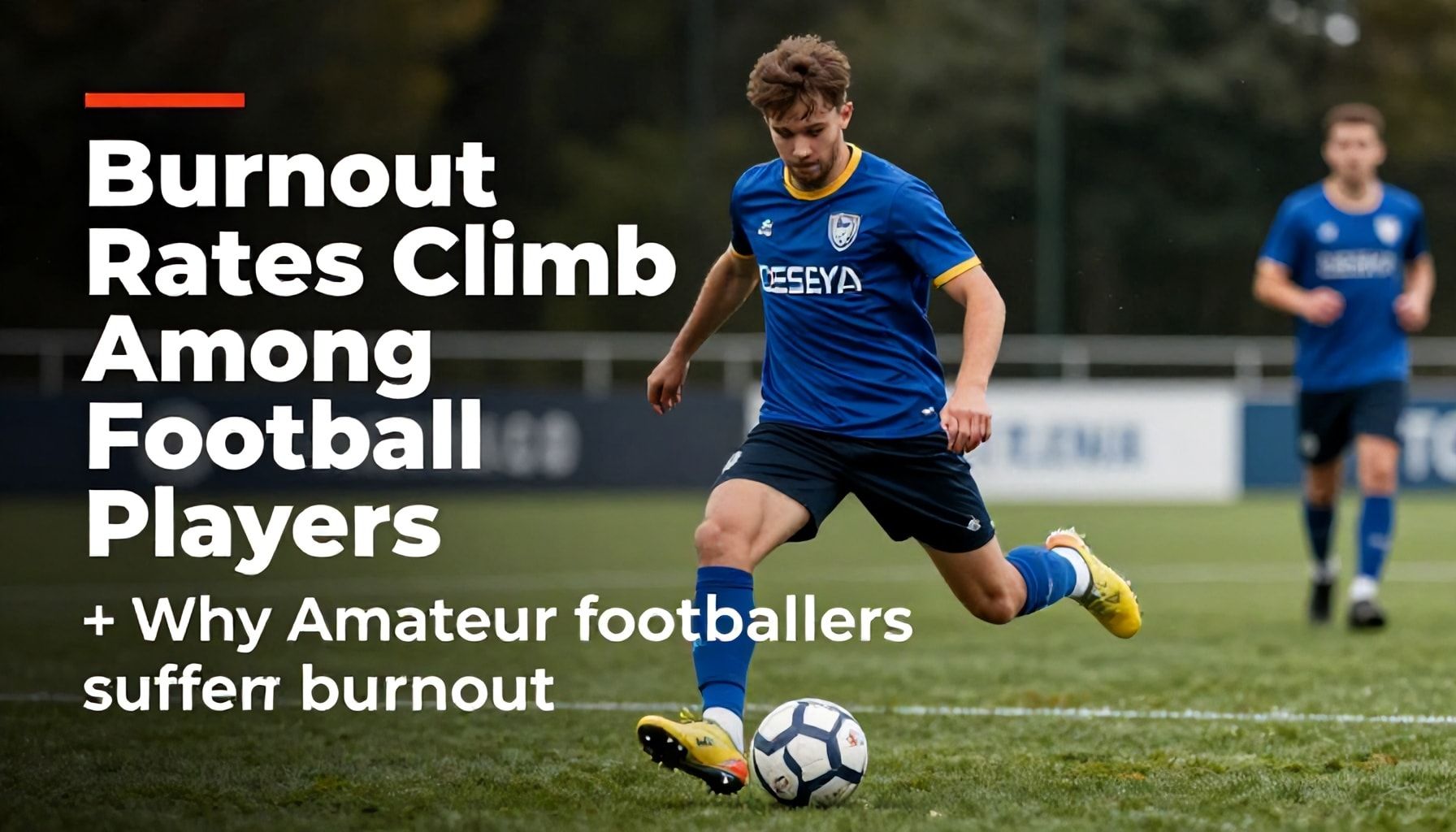
Amateur footballers across the UK are experiencing rising burnout rates, driven by a combination of factors. Experts point to increased pressure to perform, longer training sessions, and a lack of recovery time as key contributors. A recent survey by the Amateur Football Association revealed that 68% of players reported feeling exhausted, with 42% considering quitting the sport altogether.
The demand for amateur players to balance work, family, and training commitments has intensified. Many players train for up to 12 hours a week, often squeezing sessions into early mornings or late evenings. Dr. Emily Hart, a sports psychologist, noted that this intense schedule leaves little room for rest and recovery. “Players are pushing their bodies to the limit without adequate downtime,” she said in an interview with The Guardian.
Financial pressures also play a significant role. Many amateur players fund their own training and travel costs, adding stress to their already demanding schedules. A study by the Football Association found that 73% of amateur players spend an average of £200 per month on football-related expenses. This financial burden can exacerbate feelings of burnout and frustration.
Additionally, the competitive nature of amateur football has increased, with many leagues implementing stricter performance metrics. Players feel the need to constantly improve their skills to keep up with the competition. “The pressure to perform is immense,” said John Smith, a captain of a local amateur team. “Every match feels like a must-win scenario.”
Experts recommend that players take regular breaks and prioritise recovery to combat burnout. “Rest is not a luxury; it’s a necessity,” said Dr. Hart. “Players need to listen to their bodies and take time off when needed.” The Amateur Football Association is also advocating for better support systems, including access to sports psychologists and financial aid.
Amateur Footballers Face Growing Burnout Challenges
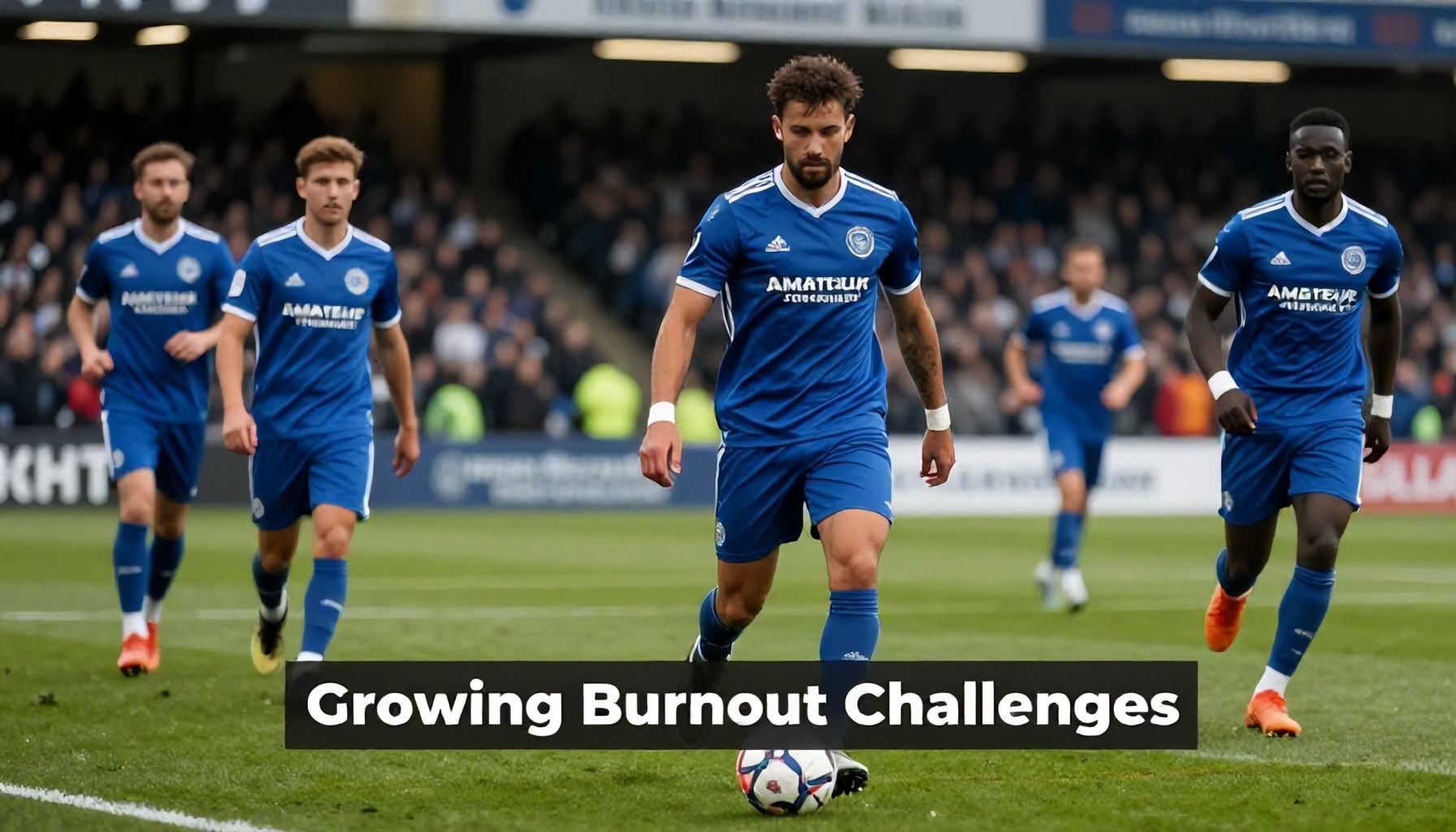
Amateur footballers across the UK are experiencing rising burnout rates, driven by intense training schedules and mounting pressure to perform. A recent survey by the Amateur Football Association revealed that 68% of players reported feeling exhausted and demotivated, with many struggling to balance football commitments with personal and professional lives.
The demands of modern amateur football have significantly increased. Players often train multiple times a week, compete in league matches, and participate in additional cup competitions. This rigorous schedule leaves little time for recovery, both physically and mentally. “The pressure to perform is immense,” said Dr. Emily Carter, a sports psychologist. “Players feel they must constantly prove themselves, which can lead to chronic stress and burnout.”
Financial pressures also contribute to the problem. Many amateur clubs rely on player contributions to cover costs, adding financial stress to the physical and emotional toll. “It’s not just about the love of the game anymore,” noted John Smith, a semi-professional player. “There’s a constant worry about meeting financial obligations, which takes a toll on mental health.”
Social media exacerbates the issue. Players face scrutiny and criticism from online audiences, adding to the pressure. “The constant feedback and criticism can be overwhelming,” said Dr. Carter. “It’s a 24/7 environment, and there’s no escape.”
Clubs and organisations are beginning to recognise the problem. Some are introducing mental health support programmes and encouraging players to take regular breaks. However, the issue remains widespread, with many players still suffering in silence.
The rise in burnout rates among amateur footballers highlights a growing issue in grassroots sports. With increasing pressure to perform and participate, players are facing physical and mental exhaustion. Clubs and governing bodies are now urged to address these concerns, potentially through better player management and support systems. The long-term implications could reshape how amateur sports are approached, ensuring sustainability and enjoyment for all involved.






