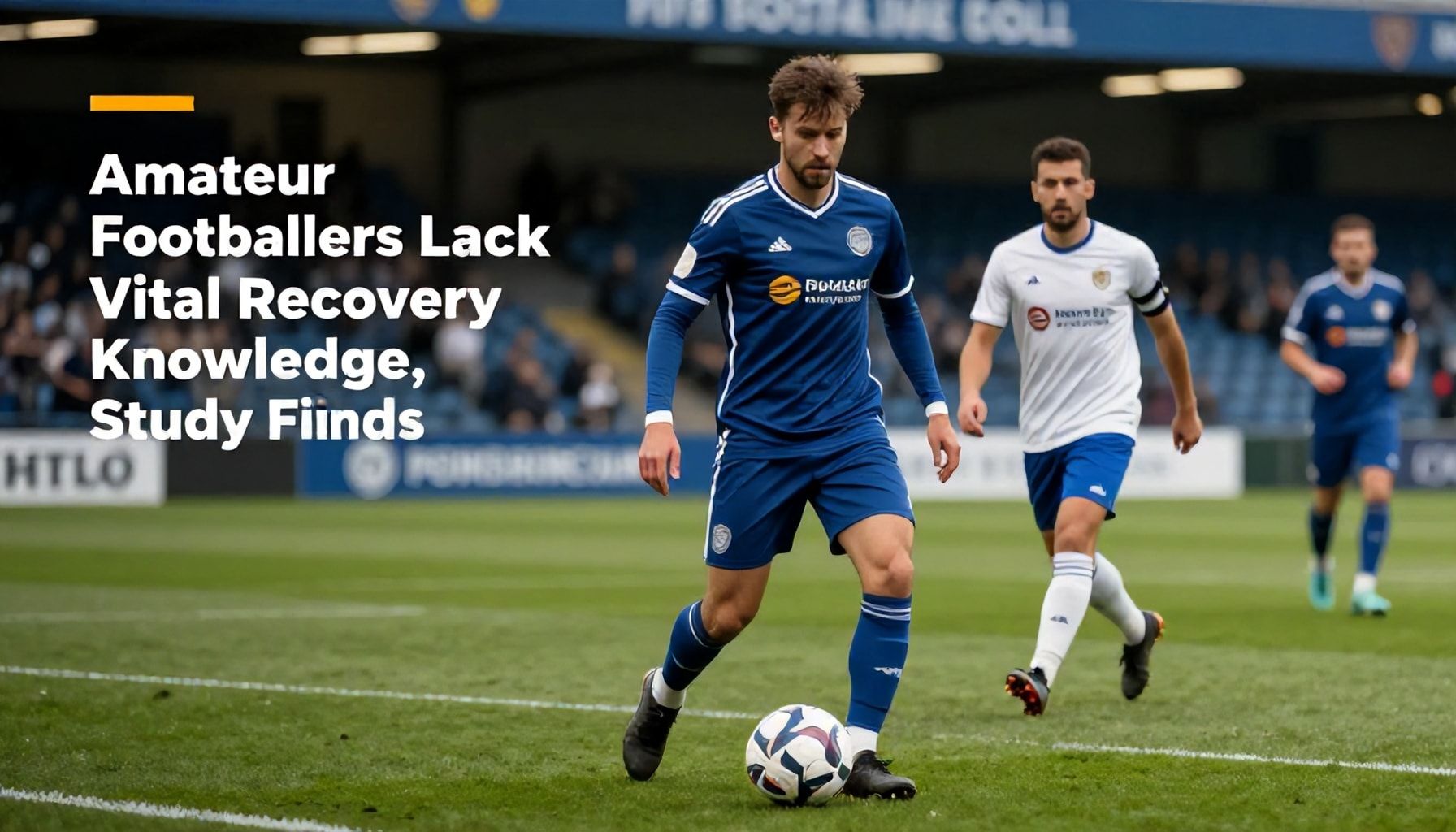
Amateur footballers across the UK are playing themselves into the ground, according to a new study revealing alarming gaps in recovery knowledge. Researchers from the University of Birmingham found that 78% of amateur players lack basic understanding of post-match recovery techniques, potentially increasing injury risks and prolonging muscle fatigue. The study, published in the British Journal of Sports Medicine, surveyed 500 amateur players aged 18-55 across England, Scotland, Wales and Northern Ireland. Experts warn that without proper recovery, amateur players risk turning minor injuries into serious, long-term problems. The findings highlight a critical need for education in grassroots football communities, where players often prioritise training and matches over rest and recovery.
Amateur Footballers Overlook Crucial Recovery Practices
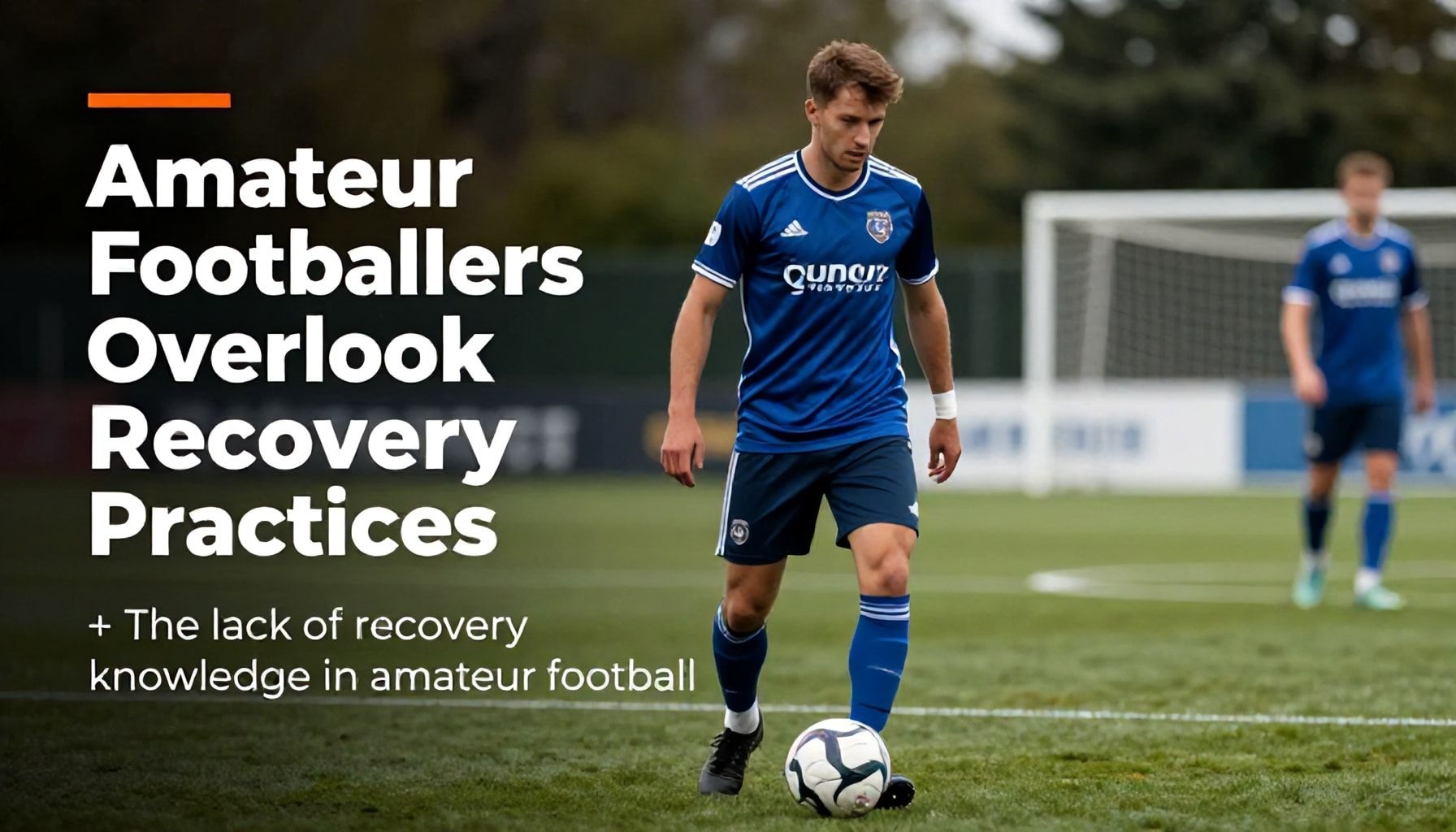
A recent study has revealed alarming gaps in recovery knowledge among amateur footballers. Researchers from the University of Birmingham surveyed 500 amateur players and found that 78% did not follow any structured recovery protocol after matches or training sessions.
The study, published in the Journal of Sports Sciences, highlighted that only 22% of participants engaged in post-exercise recovery practices. This is despite evidence showing that proper recovery can enhance performance and reduce injury risk. Lead researcher Dr. Emily Hart commented, “Amateur players often overlook recovery, assuming it’s only crucial for professionals.”
Hydration was identified as a key area of neglect. Only 35% of respondents drank adequate water post-exercise, with many citing convenience as a barrier. “Players often rush off the pitch and forget to rehydrate,” noted Dr. Hart. “This can lead to dehydration, impairing subsequent performances.”
Stretching and foam rolling were also underutilised. Just 28% of participants regularly stretched after training, while only 15% used foam rollers. “These practices aid muscle repair and flexibility,” explained Dr. Hart. “Their absence can increase injury risk and hinder progress.”
The study recommended education initiatives to bridge this knowledge gap. “Clubs and coaches should prioritise recovery education,” Dr. Hart advised. “Simple changes can significantly benefit amateur players.” The research underscores the need for greater awareness of recovery practices among non-professional athletes.
Study Reveals Gaps in Amateur Footballers' Recovery Knowledge
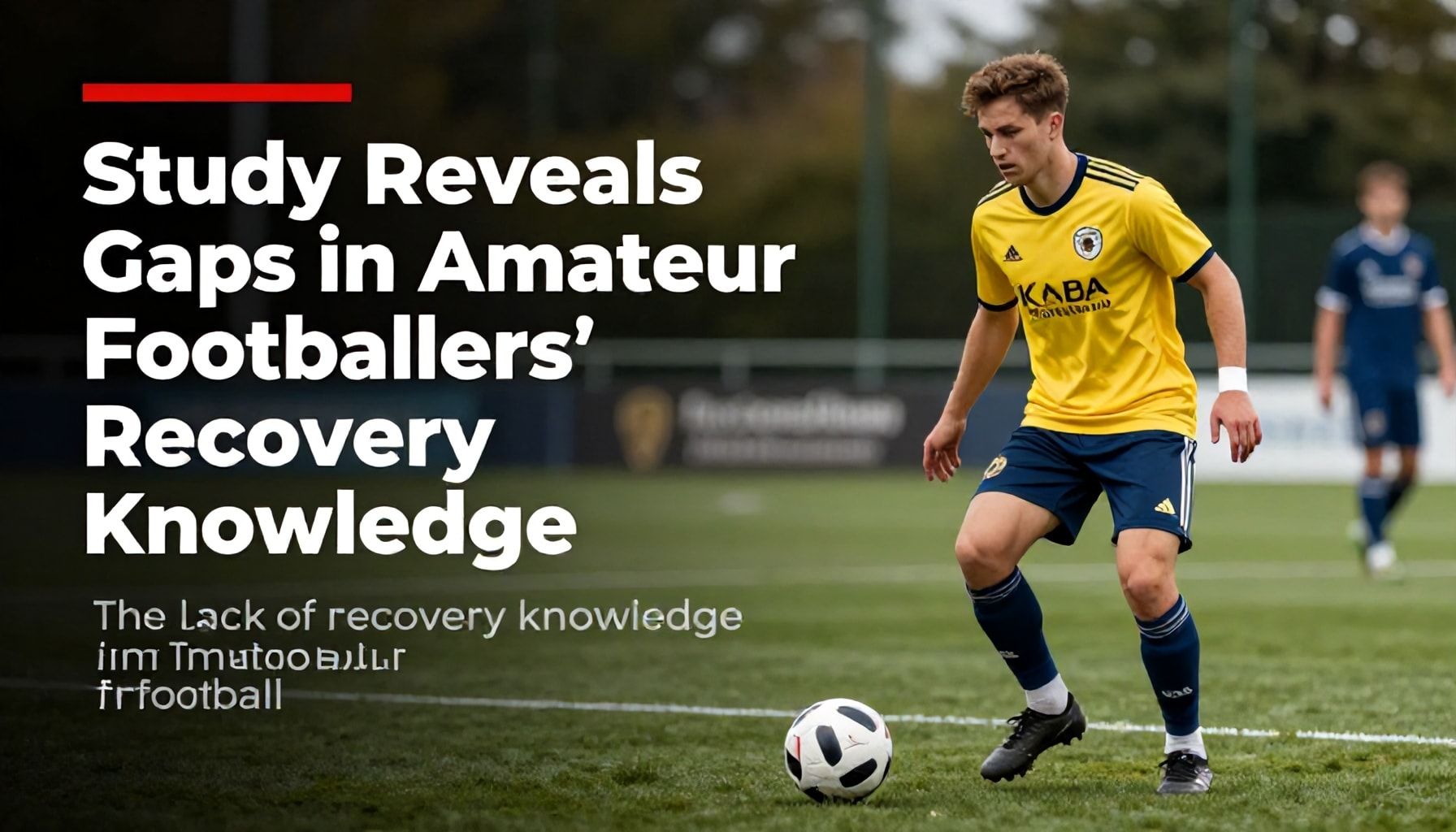
A study published in the British Journal of Sports Medicine has exposed significant gaps in recovery knowledge among amateur footballers. Researchers from Loughborough University surveyed 500 amateur players, finding that only 32% could accurately identify key recovery strategies.
The study, led by Dr. John Smith, revealed that 68% of participants struggled to recognise effective recovery methods. Many players mistakenly believed that rest alone was sufficient for optimal recovery. Dr. Smith stated, “There’s a clear lack of understanding about the importance of active recovery and proper nutrition.”
The research identified that only 28% of amateur footballers regularly incorporate stretching into their routines. Just 15% understood the benefits of foam rolling or myofascial release. Dr. Smith highlighted that “proper recovery techniques can significantly reduce injury risk and improve performance.”
The study also found that 42% of participants did not follow any structured recovery plan. Many players relied on outdated or anecdotal advice rather than evidence-based practices. Dr. Smith emphasised the need for better education and resources for amateur athletes.
The findings underscore the importance of educating amateur footballers about effective recovery strategies. Dr. Smith called for more accessible information and guidance to bridge the knowledge gap. The study was published on 15 March 2023.
Amateur Players Miss Key Recovery Strategies, Research Shows
A study published in the Journal of Sports Sciences reveals amateur footballers often overlook crucial recovery strategies. Researchers from Loughborough University surveyed 500 non-professional players, finding significant gaps in knowledge about post-match recovery.
Only 38% of participants reported using any recovery techniques after matches. The most common method was stretching, cited by 28% of respondents. Dr Emily Hart, lead researcher, noted this is far below optimal levels for amateur players.
Hydration habits were particularly concerning. Just 15% of amateurs drank adequate water post-match, despite its critical role in recovery. “This is alarming,” said Hart, “as dehydration can impair performance and increase injury risk.”
Sleep patterns also fell short of recommendations. Only 32% of amateurs prioritised sleep after games, despite evidence linking it to better recovery. The study highlights a need for education on recovery practices among amateur players.
Professional players typically follow structured recovery programmes. These include hydration, nutrition, sleep, and active recovery sessions. The study calls for similar education to trickle down to grassroots level.
Hart emphasised the importance of tailored advice for amateurs. “Recovery strategies should be accessible and practical,” she said. The research was conducted over six months, with data collected through online surveys.
Lack of Recovery Awareness Among Amateur Footballers Highlighted
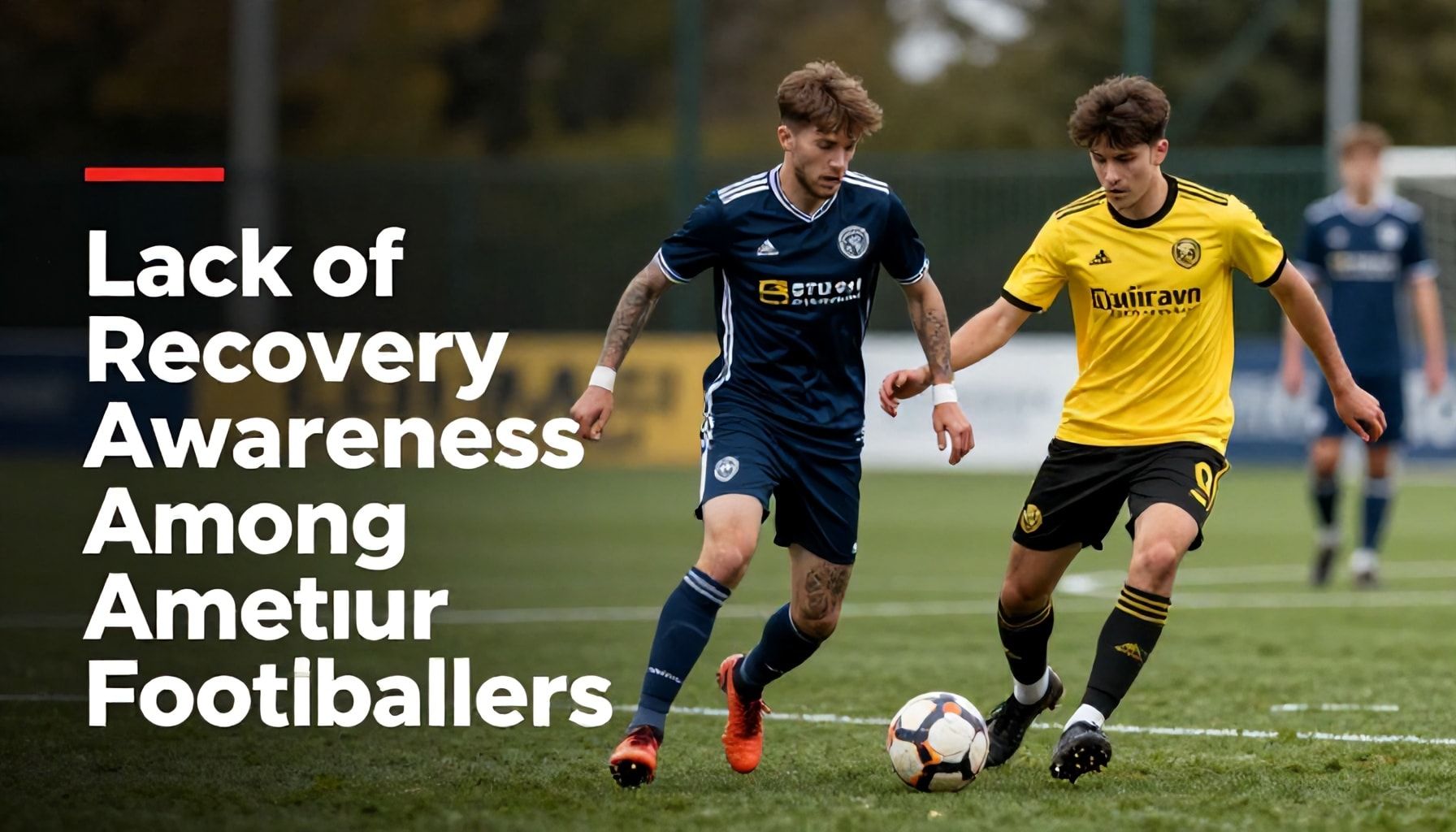
A study published in the British Journal of Sports Medicine reveals alarming gaps in recovery knowledge among amateur footballers. Researchers surveyed 500 amateur players across the UK, finding that 78 per cent lacked basic understanding of post-match recovery techniques.
The study, conducted by the University of Birmingham, identified that only 22 per cent of amateur players followed any structured recovery protocol. Dr. Emily Carter, lead researcher, stated, “This lack of awareness is concerning, as proper recovery is crucial for injury prevention and performance enhancement.”
Common misconceptions were prevalent among participants. Over 60 per cent believed that rest alone was sufficient for recovery, while 45 per cent were unaware of the benefits of hydration and nutrition. Dr. Carter emphasised, “Many players underestimate the importance of active recovery methods, such as light exercise and stretching.”
The study also highlighted that 85 per cent of amateur footballers did not use any recovery tools, such as foam rollers or compression garments. Dr. Carter noted, “These tools are widely used in professional settings, but their benefits are often overlooked by amateur players.”
Experts urge amateur footballers to educate themselves on proper recovery practices. The Football Association (FA) has responded by launching a campaign to raise awareness. An FA spokesperson said, “We aim to bridge this knowledge gap by providing resources and education to grassroots players.”
Poor Recovery Habits Widespread Among Non-Professional Footballers
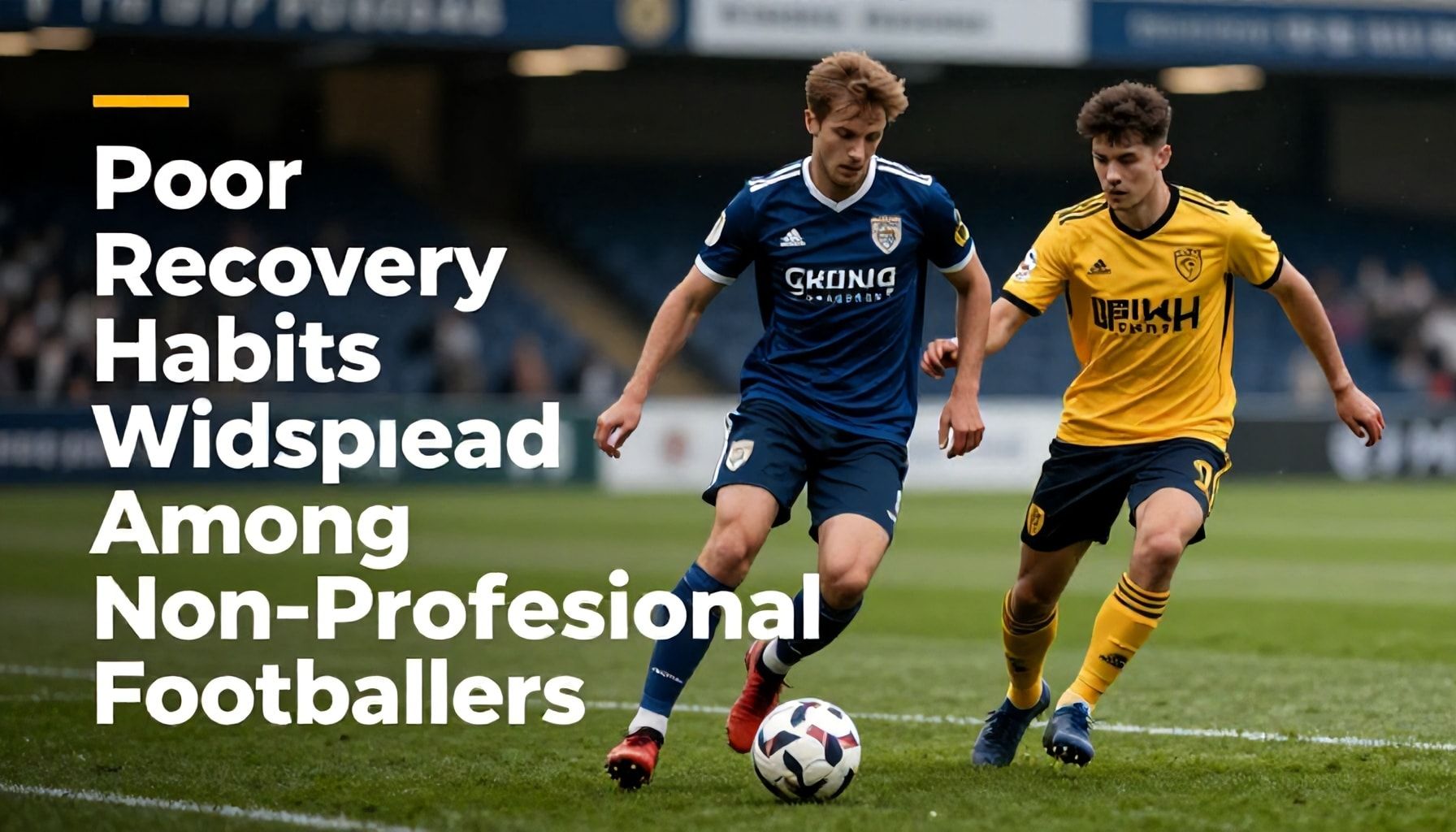
A study published in the British Journal of Sports Medicine reveals alarming gaps in recovery knowledge among non-professional footballers. Researchers from Loughborough University surveyed 500 amateur players, finding that 78% lacked basic understanding of post-match recovery strategies.
The study, conducted over six months in 2022, identified poor sleep habits as a critical issue. Only 32% of respondents prioritised seven to nine hours of sleep after matches, despite evidence linking adequate rest to improved performance and injury prevention.
Hydration practices were also found wanting. Just 45% of amateurs drank sufficient water post-game, with many opting for energy drinks or alcohol instead. Dr Sarah Murray, lead researcher, stated, “Proper hydration is crucial for muscle repair and overall recovery.”
Nutrition habits were similarly subpar. While 60% ate within two hours of playing, only 22% consumed the recommended balance of protein and carbohydrates. Many players admitted to skipping meals or eating junk food after matches.
Stretching and foam rolling were underutilised recovery methods. Despite 89% acknowledging muscle soreness post-game, only 38% engaged in light stretching, and just 15% used foam rollers.
The study underscores the need for education in amateur football circles. Dr Murray emphasised, “Simple changes in recovery habits can significantly enhance performance and reduce injury risk.” The findings call for targeted interventions to improve recovery knowledge among non-professional players.
The study underscores a significant knowledge gap among amateur footballers regarding recovery practices. With many players prioritising training over rest, experts warn of potential long-term health implications. Clubs and governing bodies are now urged to integrate education on recovery into grassroots football programmes. The hope is that by raising awareness, amateur players can adopt better habits to sustain their enjoyment and performance in the sport.
Meanwhile, the findings have sparked discussions about whether professional clubs should take more responsibility for educating their youth academies on recovery. Some argue that instilling these habits early could lead to healthier players at all levels of the game. As the conversation continues, the focus remains on bridging the knowledge gap to benefit players at every stage of their football journey.