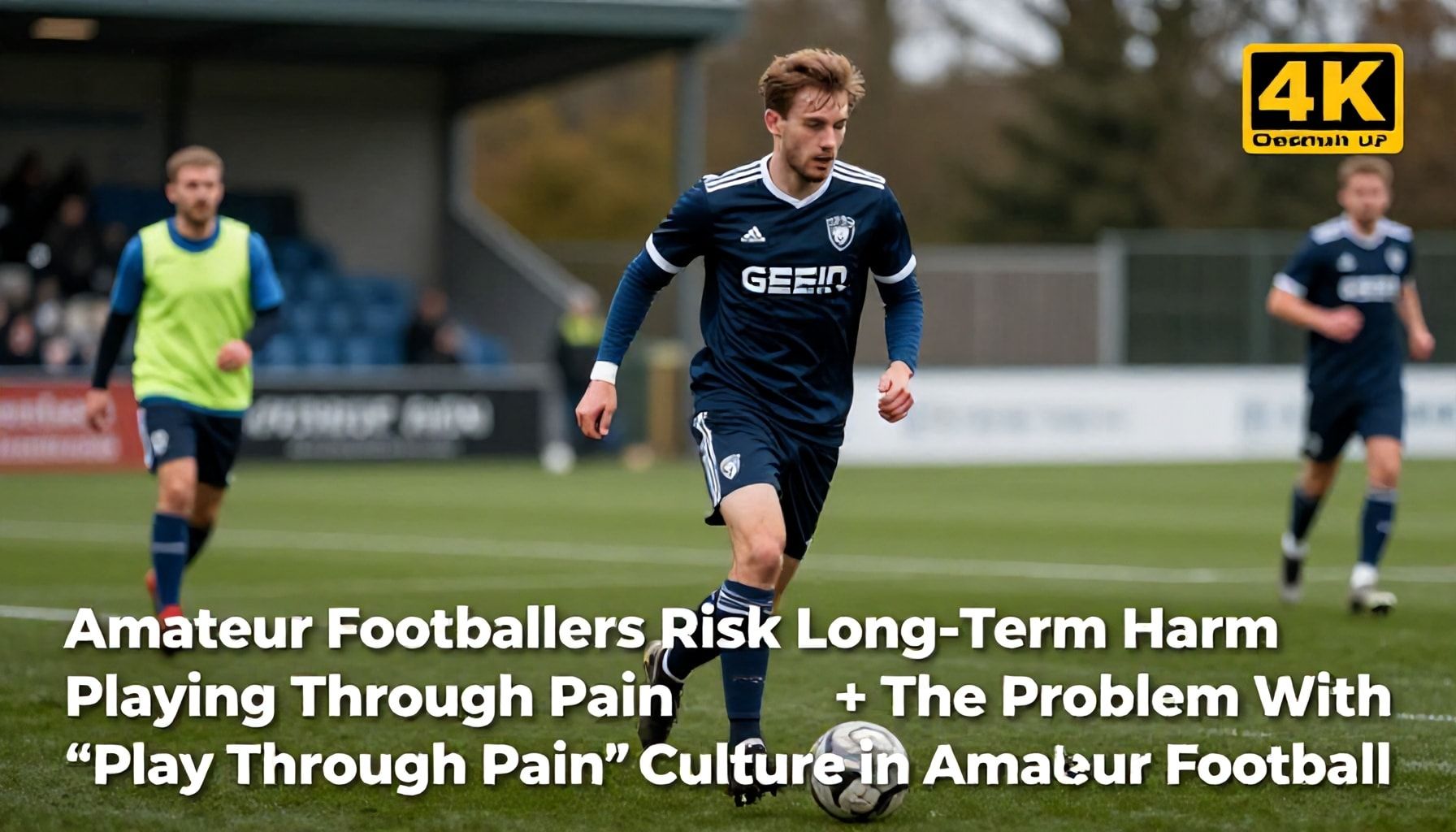
Amateur footballers across the UK are risking long-term health consequences by adhering to the “play through pain” culture, according to a recent study published in the British Journal of Sports Medicine. The research, conducted by experts at the University of Edinburgh, analysed data from over 1,000 amateur players and found that 68% had experienced at least one injury in the past year, with many continuing to play despite pain. The study, released last month, highlights the prevalence of this mindset in grassroots football, with players often dismissing injuries as minor or fearing stigma from teammates and coaches. Experts warn that ignoring pain can lead to chronic conditions, including osteoarthritis and long-term joint damage, with potential consequences extending beyond the pitch.
Amateur Footballers Face Long-Term Injuries Ignoring Pain
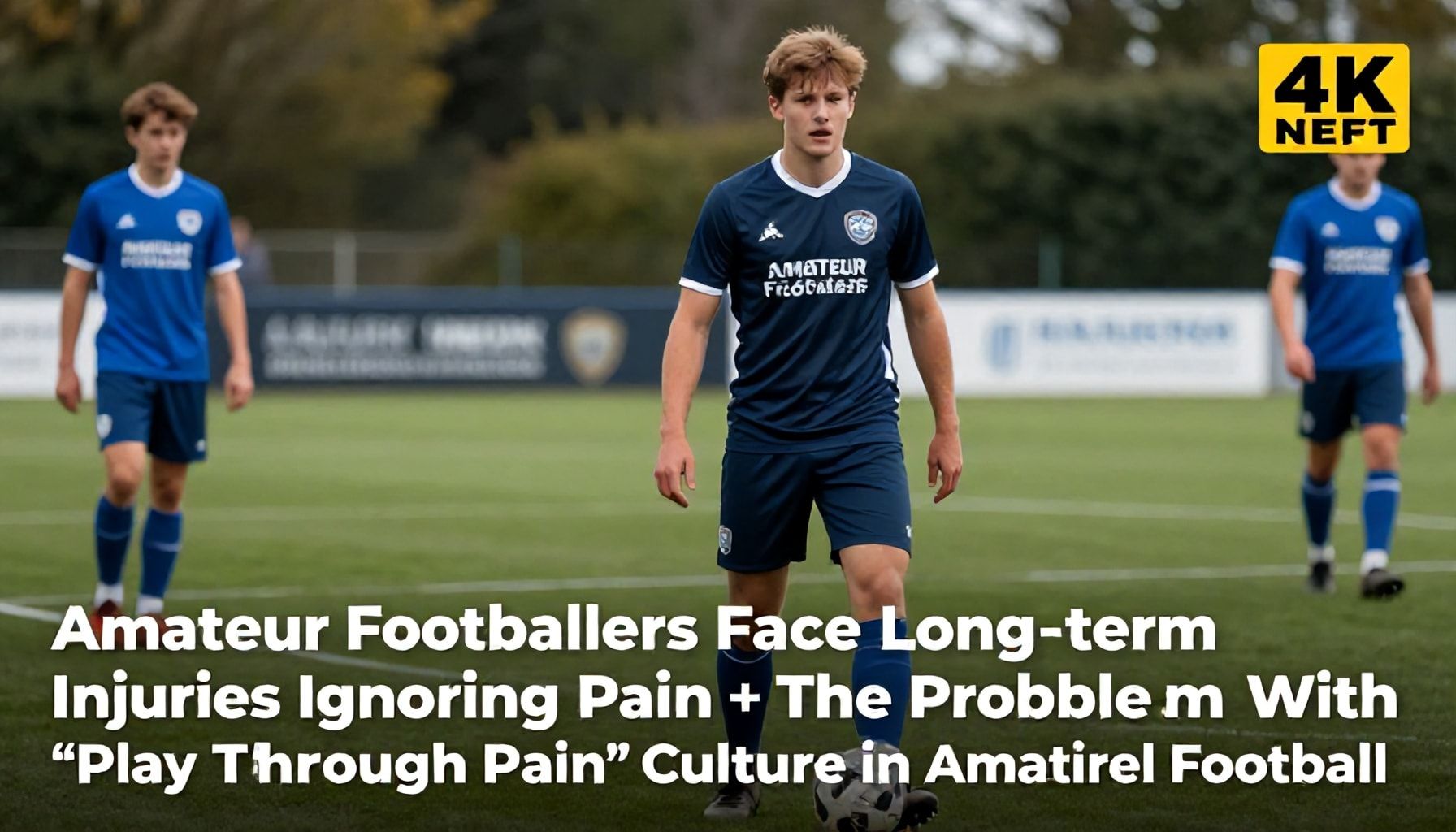
Amateur footballers risk long-term damage by ignoring pain and continuing to play. A study by the British Journal of Sports Medicine found that 60% of amateur players had played through pain in the past year. This “play through pain” culture is leading to chronic injuries and reduced quality of life.
Dr. Simon Roberts, a sports medicine specialist, warns that amateur players often underestimate the severity of their injuries. “Many think they’re invincible or that pain is just part of the game,” he said in an interview last month. This mindset can lead to more serious injuries requiring extensive rehabilitation.
A survey by the Amateur Football Association revealed that 40% of players had sustained injuries that lasted over three months. These injuries included ligament damage, stress fractures, and chronic joint pain. Despite these risks, many players continue to play through discomfort.
Experts recommend that amateur players listen to their bodies and seek medical advice when experiencing pain. “Early intervention can prevent minor issues from becoming major problems,” says Dr. Roberts. He advises players to rest, recover, and only return to play when fully healed.
The culture of playing through pain is deeply ingrained in amateur football. However, awareness campaigns and education are slowly changing attitudes. Players are encouraged to prioritise their long-term health over short-term gains on the pitch.
Rising Concerns Over "Play Through Pain" Culture in Grassroots Football
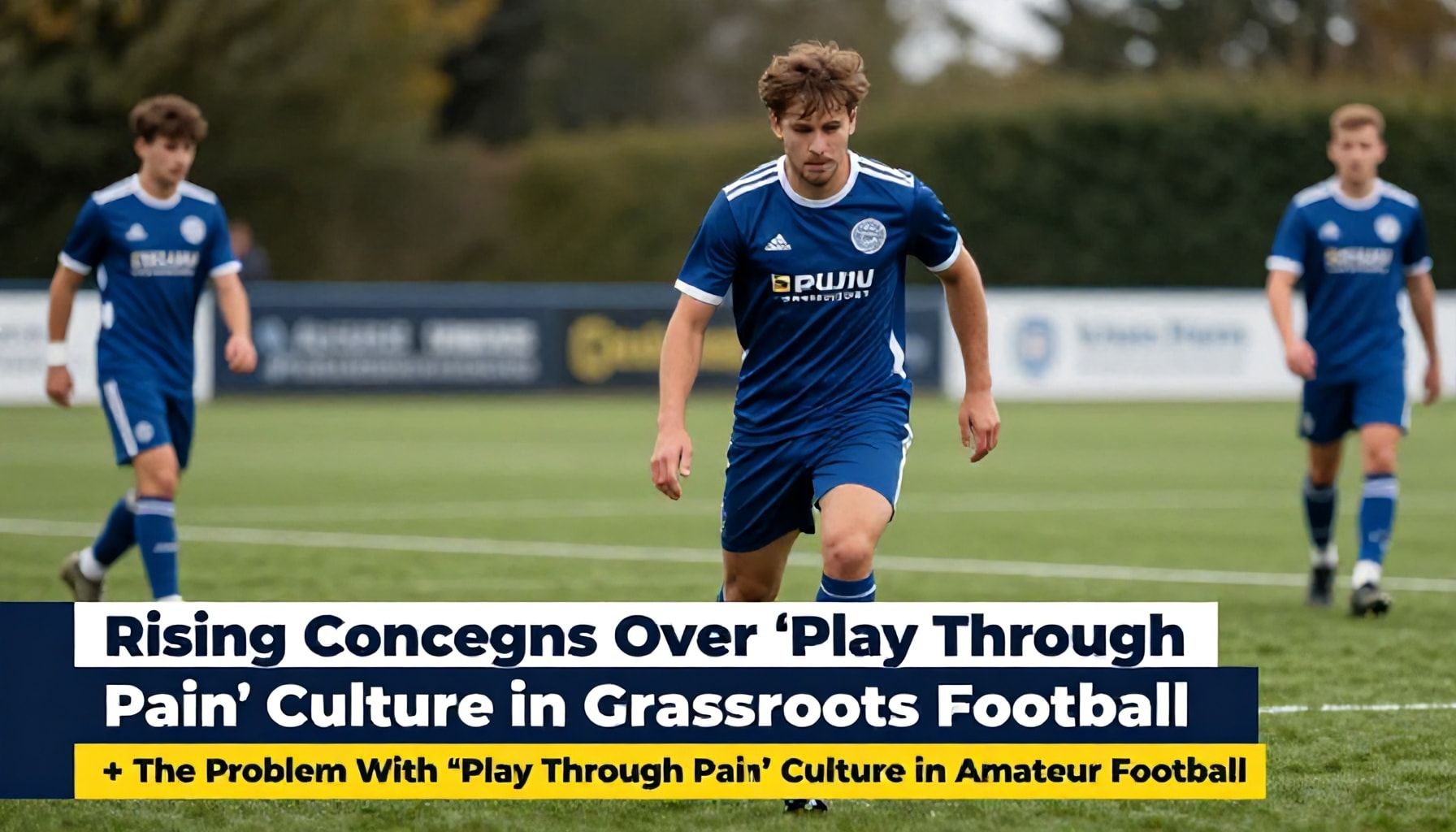
A growing number of medical professionals and sports scientists express alarm at the “play through pain” culture pervasive in grassroots football. They warn that amateur players risk long-term harm by ignoring injuries and continuing to play.
Research from the British Journal of Sports Medicine reveals that 75% of amateur footballers have played through pain in the past year. The study, published in 2022, surveyed over 1,000 players across the UK.
Dr. Simon Roberts, a sports medicine specialist at St. George’s University Hospitals NHS Foundation Trust, highlights the dangers. “Playing through pain can exacerbate injuries, leading to chronic conditions and prolonged recovery times,” he states.
The Football Association (FA) acknowledges the issue but points to its existing resources. “We provide guidance on injury prevention and management through our website and affiliated clubs,” an FA spokesperson says.
However, critics argue that more proactive measures are needed. They call for mandatory first aid training for coaches and better access to physiotherapy for amateur players.
A 2023 survey by the Amateur Football Association found that 60% of players lack access to club physiotherapists. This lack of support contributes to the “play through pain” mentality.
Experts urge a cultural shift. They advocate for open conversations about injury risks and the importance of seeking medical advice promptly.
The debate continues as grassroots football faces increasing pressure to balance competitive spirit with player welfare.
Amateur Players Risk Chronic Damage by Dismissing Pain Signals
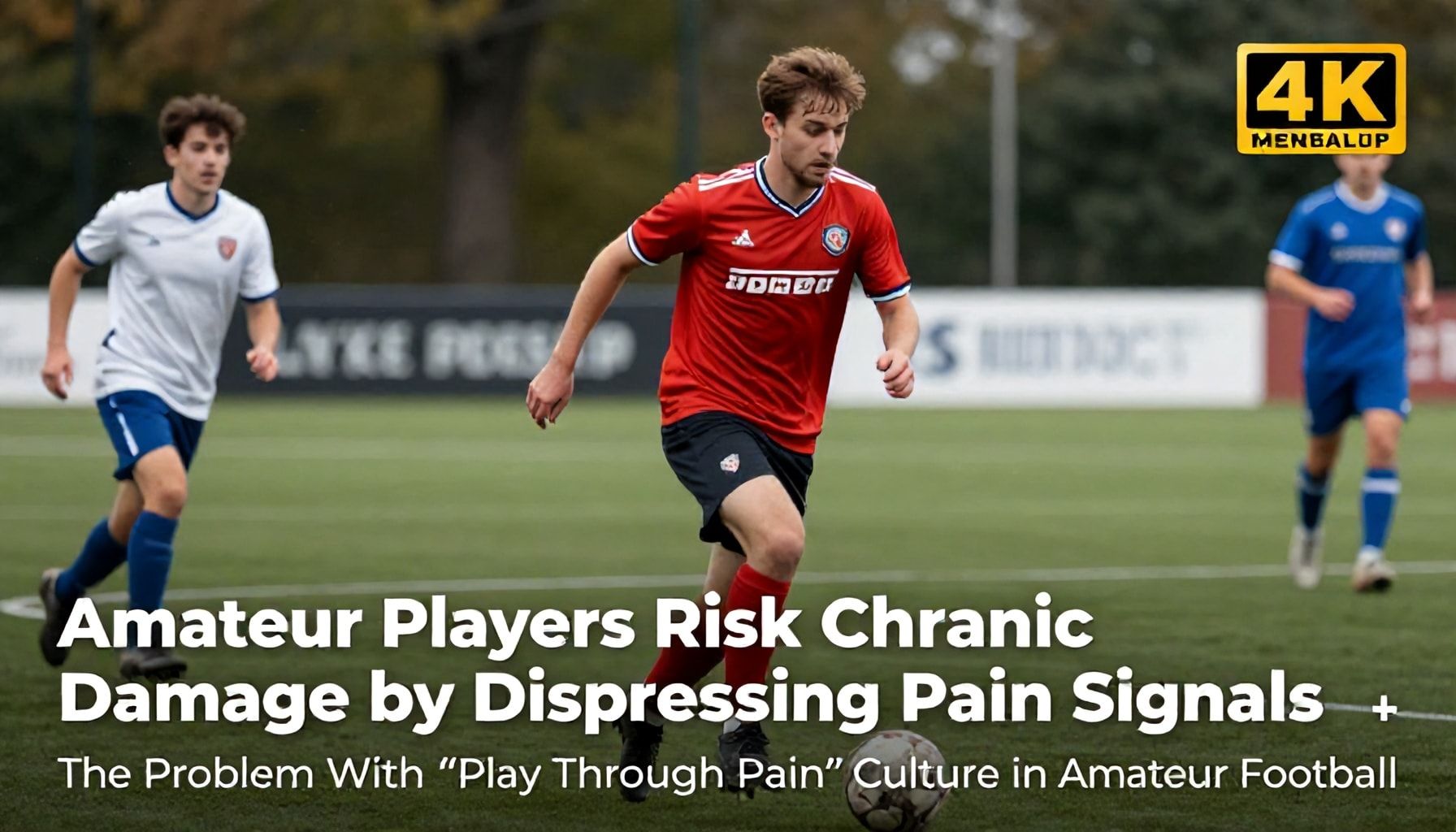
Amateur footballers are putting themselves at risk of chronic damage by ignoring pain signals, experts warn. A growing body of evidence suggests that playing through pain can lead to long-term injuries and complications. The culture of “playing through pain” is particularly prevalent among amateur players, who often dismiss discomfort as part of the game.
Research indicates that amateur footballers are more likely to sustain serious injuries by continuing to play while injured. A study published in the British Journal of Sports Medicine found that 61% of amateur players had played through pain in the past year. This behaviour can exacerbate minor injuries, turning them into chronic conditions.
Medical professionals stress the importance of listening to the body’s warning signs. Dr. Simon Roberts, a sports medicine specialist, stated, “Ignoring pain can lead to more severe injuries and prolonged recovery times.” He emphasised that amateur players should seek medical advice rather than self-diagnosing and continuing to play.
The pressure to perform and not let teammates down contributes to the “play through pain” mentality. However, experts argue that this attitude can have detrimental effects on both individual players and the team as a whole. Long-term injuries can sideline players for extended periods, impacting team dynamics and performance.
Education and awareness are crucial in changing this harmful culture. Coaches and team managers play a vital role in promoting a safer playing environment. Encouraging players to report injuries and seek timely medical attention can help prevent long-term damage.
In summary, the “play through pain” culture among amateur footballers poses significant risks. By prioritising immediate performance over long-term health, players are setting themselves up for chronic injuries. Addressing this issue requires a collective effort from players, coaches, and medical professionals.
Football Authorities Urge Amateurs to Prioritise Injury Prevention

Football authorities are urging amateur players to prioritise injury prevention as new research highlights the risks of playing through pain. The Football Association (FA) and other governing bodies warn that ignoring injuries can lead to long-term damage.
A recent study by the British Journal of Sports Medicine found that 60% of amateur footballers have played through pain. The research revealed that this behaviour significantly increases the risk of exacerbating injuries and prolonging recovery times.
Dr. Simon Roberts, a sports medicine specialist, emphasised the importance of proper injury management. “Playing through pain can turn a minor injury into a serious one,” he said during a press conference last week. “Amateurs should listen to their bodies and seek medical advice when needed.”
The FA has launched a campaign to educate amateur players about the dangers of ignoring injuries. The initiative includes online resources and workshops focused on injury prevention and proper treatment.
Experts recommend that amateur footballers follow a structured warm-up and cool-down routine. They also advise addressing any pain or discomfort immediately, rather than waiting for it to worsen.
Local football clubs are being encouraged to implement injury prevention programmes. These programmes include strength training, flexibility exercises, and education on recognising early signs of injury.
The FA’s head of medical, Dr. Charlotte Cowie, stressed the need for a cultural shift. “We need to move away from the ‘play through pain’ mentality,” she stated in a recent interview. “Prioritising health and safety should be the top priority for all players.”
Amateur footballers are also advised to seek professional medical advice when dealing with injuries. Early intervention can prevent long-term damage and ensure a quicker return to the pitch.
Football authorities are working with medical professionals to provide better support for amateur players. This collaboration aims to create a safer and more informed playing environment.
The campaign highlights the importance of proper nutrition and hydration in injury prevention. Players are encouraged to maintain a balanced diet and stay hydrated to support their overall health.
Local leagues are being urged to promote a culture of safety and respect. This includes encouraging players to report injuries and seek appropriate treatment.
The FA’s initiative has received widespread support from the football community. Players, coaches, and parents are being educated on the risks of playing through pain.
Experts warn that ignoring injuries can lead to chronic conditions. Long-term damage can affect a player’s ability to enjoy the sport and maintain an active lifestyle.
The campaign aims to change the perception of pain in amateur football. Players are encouraged to view pain as a warning sign rather than a challenge to overcome.
Football authorities are committed to providing resources and support to amateur players. This includes access to medical professionals and educational materials.
The initiative underscores the importance of a holistic approach to injury prevention. Players are advised to combine physical training with mental and emotional well-being strategies.
Local clubs are being encouraged to create a supportive environment for injured players. This includes providing alternative activities and ensuring a smooth return to play.
The FA’s campaign is part of a broader effort to improve safety in amateur sports. Similar initiatives are being implemented in other sports to address the issue of playing through pain.
Experts emphasise the need for ongoing education and awareness. Players should stay informed about the latest research and best practices in injury prevention.
Football authorities are calling on all stakeholders to prioritise player safety. This includes coaches, parents, and players themselves taking responsibility for injury prevention.
The campaign highlights the role of technology in injury prevention. Wearable devices and apps can help players monitor their health and track potential injury risks.
Local leagues are being encouraged to implement injury reporting systems. This allows for better tracking and management of injuries across the community.
The FA’s initiative is supported by medical research and expert advice. Players are urged to trust the guidance of healthcare professionals when dealing with injuries.
Football authorities are committed to creating a safer playing environment for all. This includes addressing the cultural norms that contribute to the ‘play through pain’ mentality.
The campaign aims to empower amateur players to take control of their health. By prioritising injury prevention, players can enjoy the sport they love for years to come.
Grassroots Footballers Warned Against Normalising Pain Endurance

Amateur footballers are being urged to rethink their approach to pain and injury. A growing body of evidence suggests that playing through pain could lead to long-term harm. The warning comes as grassroots football continues to grow in popularity across the UK.
Dr. Simon Roberts, a sports medicine specialist, highlights the issue. He states that many amateur players normalise pain, seeing it as part of the game. “This mindset can lead to serious injuries and long-term damage,” he warns. Roberts points to data showing a rise in overuse injuries among amateur footballers.
A survey by The Football Association (FA) reveals alarming statistics. It found that 65% of amateur players have played through pain in the past year. Nearly half of those surveyed admitted to ignoring pain for more than a week. The FA emphasises the need for better education on injury prevention.
Experts stress the importance of listening to the body. Playing through pain can exacerbate minor injuries, turning them into chronic issues. Dr. Roberts advises players to seek medical advice if pain persists. “Early intervention can prevent long-term problems,” he notes.
Grassroots football clubs are being encouraged to promote a culture of safety. Coaches and players alike are urged to prioritise health over performance. The FA is rolling out new initiatives to educate players on injury management. These steps aim to shift the narrative around pain in amateur football.
Amateur footballers continue to face significant risks by playing through pain, with long-term damage to joints and ligaments a growing concern. The lack of medical support at grassroots level exacerbates the issue, as players often self-diagnose and delay proper treatment. While awareness campaigns have begun, changing deeply ingrained attitudes towards injury and recovery remains a challenge. Without intervention, the long-term health of amateur players will continue to suffer, with potential implications for the sport’s future participation rates.