
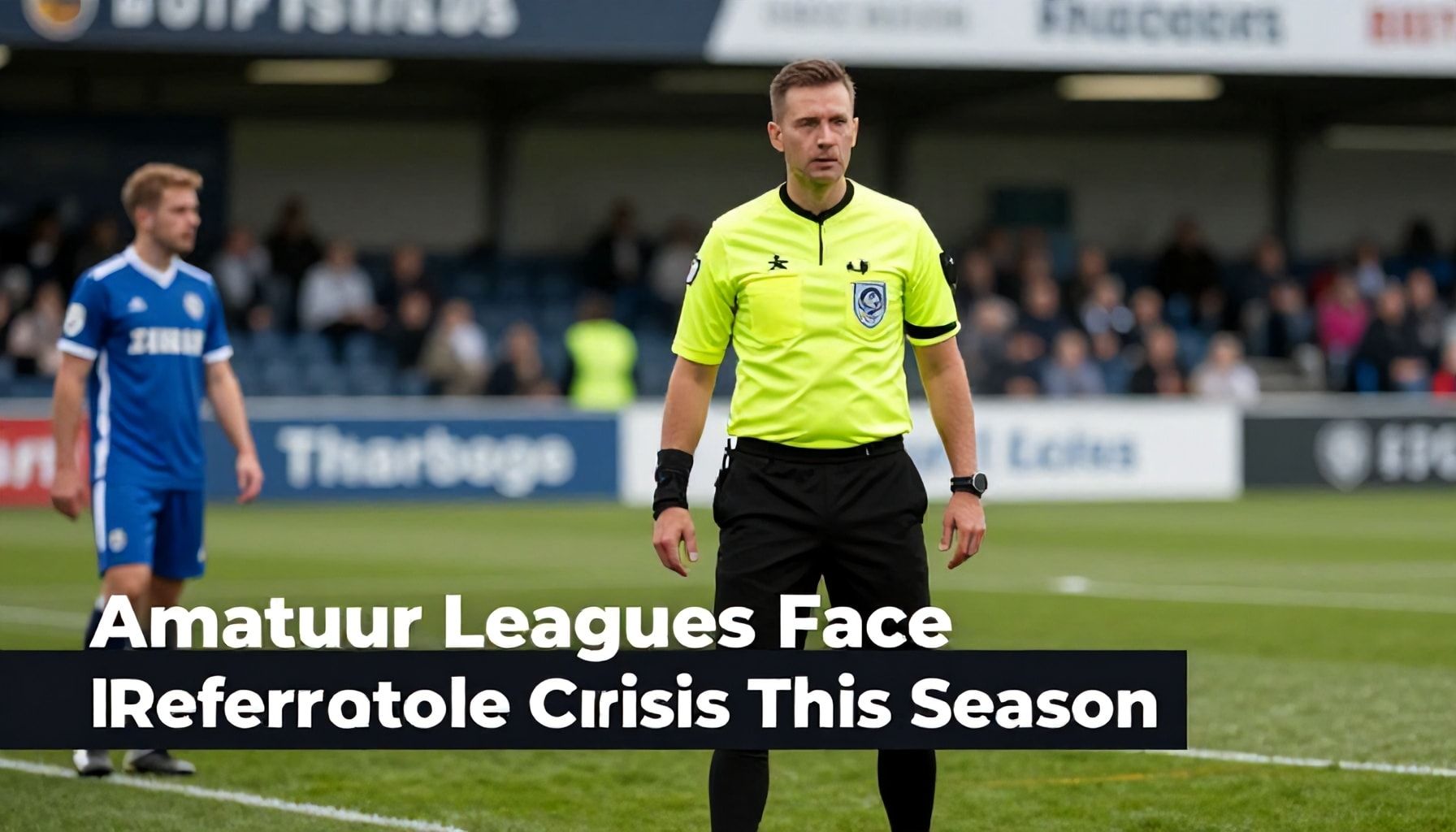
Amateur football leagues across England are grappling with a severe referee shortage this season, leaving matches unplayed and teams frustrated. The crisis, attributed to a combination of burnout, lack of recruitment, and low retention rates, has left at least 1,000 fixtures without officials since August, according to the Football Association (FA).
The shortage is most acute in grassroots leagues, with some clubs reporting up to 30% of scheduled matches being postponed due to a lack of referees. The FA has attributed the crisis to a combination of factors, including the physical and mental strain of officiating, a lack of recruitment, and a high turnover rate among referees. The situation has prompted calls for urgent action to address the crisis and ensure the future of amateur football.
Amateur Leagues Grapple with Severe Referee Shortage
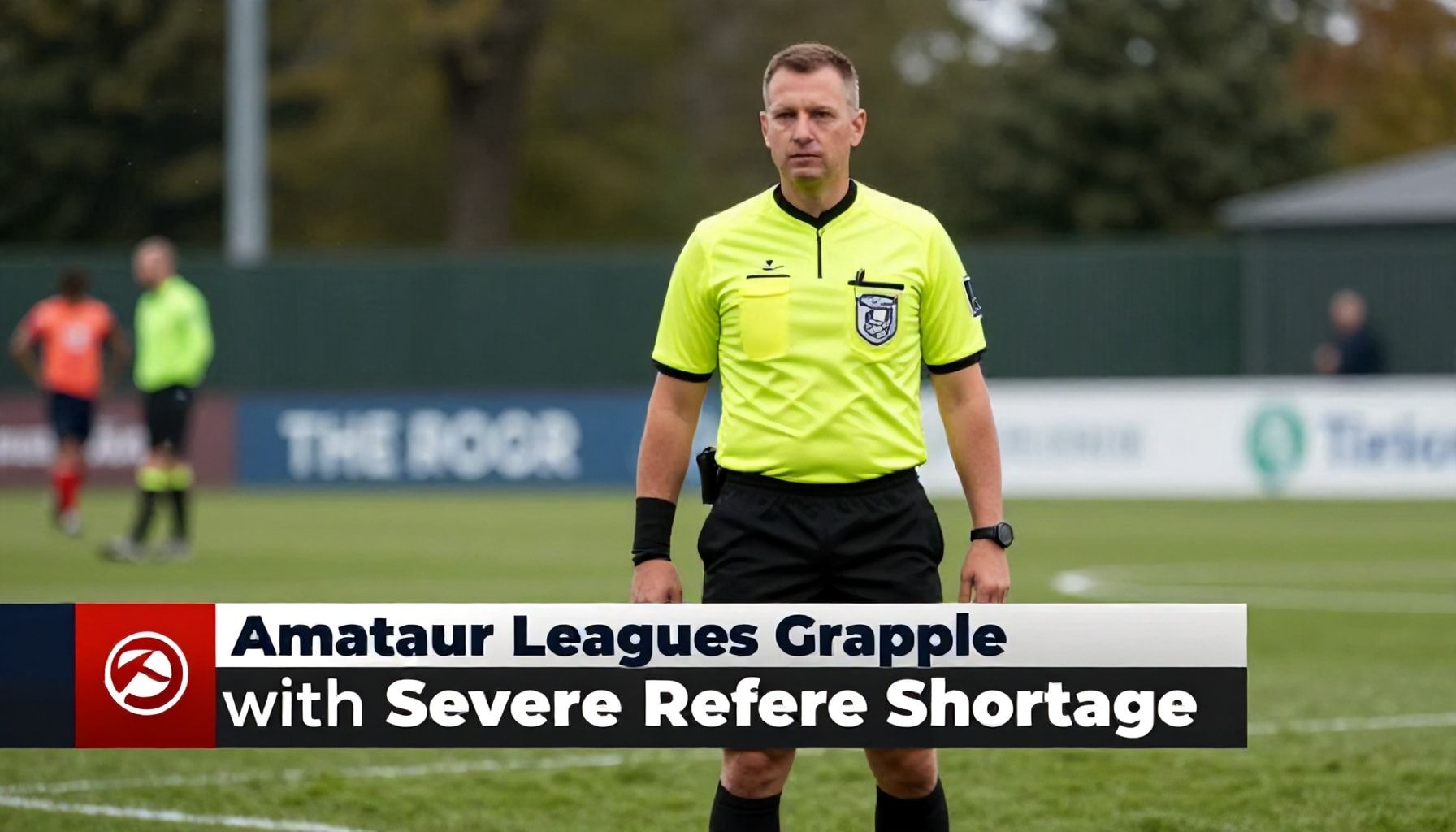
Amateur football leagues across the country are facing a severe referee shortage this season, with many matches being postponed or played without officials. The situation has reached critical levels, with some leagues reporting a 40% drop in registered referees compared to previous years.
The shortage has been attributed to a combination of factors, including burnout, lack of recruitment, and increased abuse from players and spectators. “We’ve seen a significant number of referees leave due to the toxic environment on the pitch,” said Sarah Johnson, chair of the Amateur Football Association.
Leagues have been forced to implement various measures to cope with the shortage. Some have merged leagues or reduced the number of matches, while others have resorted to playing matches without referees. However, this has led to concerns about player safety and fair play.
The crisis has also highlighted the need for better support and training for referees. Many leagues are now offering mentoring programmes and improved communication channels to retain and attract new officials. “We need to create a more welcoming environment for referees,” said Johnson.
Despite the efforts, the situation remains dire. With the season well underway, many leagues are struggling to find enough referees to cover all matches. The shortage is not only affecting the quality of the game but also threatening the future of amateur football.
Some leagues have turned to technology to mitigate the shortage. Video Assistant Referees (VAR) and online refereeing courses are being explored as potential solutions. However, these measures are seen as temporary fixes rather than long-term solutions.
The referee shortage is not unique to football. Other amateur sports, including rugby and basketball, are also grappling with similar issues. The problem underscores the broader challenge of maintaining the volunteer base that amateur sports rely on.
In response, sports governing bodies are calling for greater community involvement and support. “We need everyone to play their part in making amateur sports a positive experience for all involved,” said Johnson. Without immediate action, the future of amateur leagues hangs in the balance.
Critical Shortfall in Referees Threatens Local Football Matches
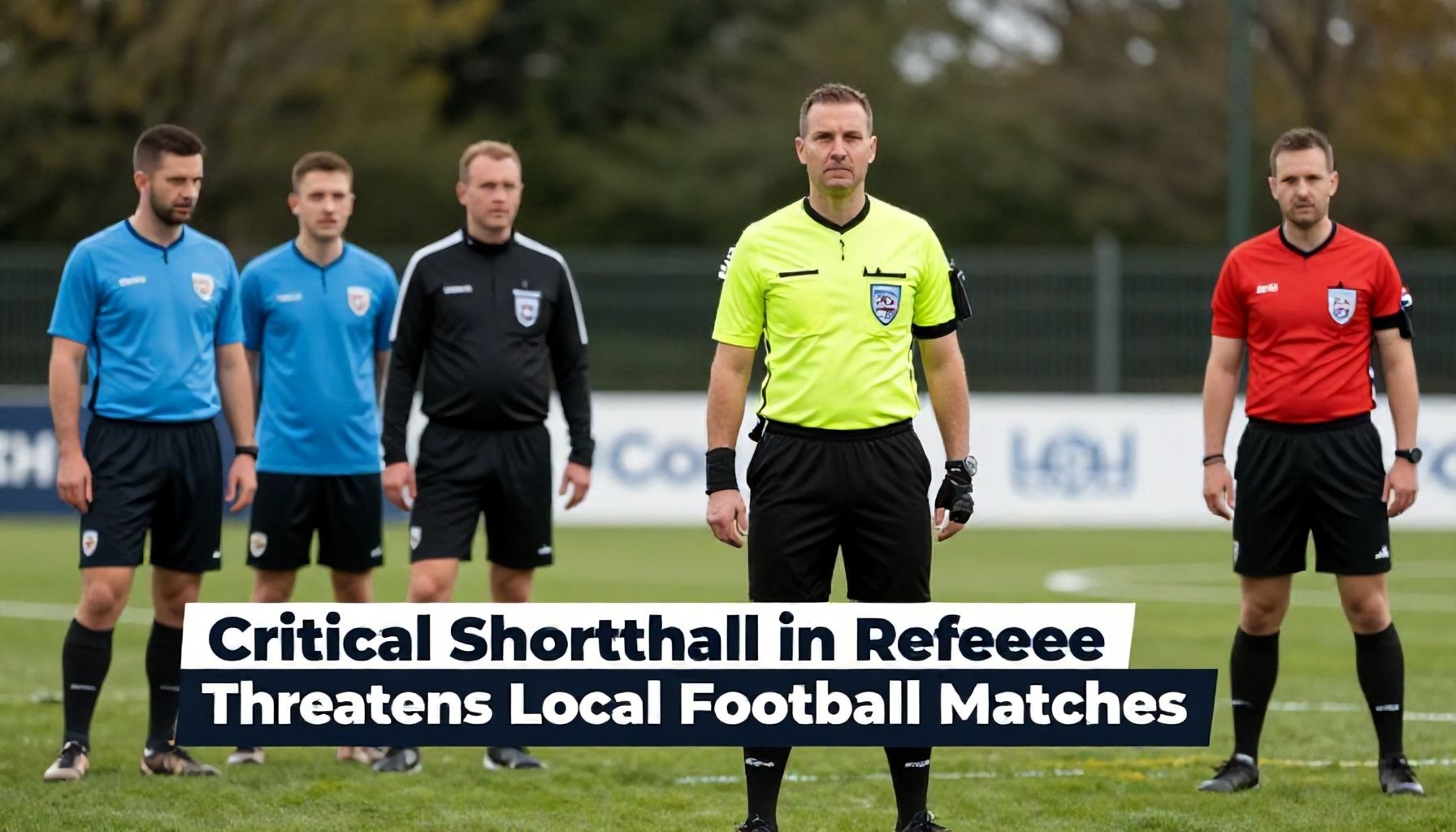
Local football leagues across the country are facing a critical shortage of referees, threatening the viability of matches this season. The Football Association (FA) has identified a 15% drop in registered referees since last year, leaving many amateur leagues struggling to fill fixtures.
The crisis has been particularly acute in grassroots football, where smaller clubs rely heavily on volunteer referees. According to the FA, over 3,000 matches have already been postponed this season due to a lack of officials. The situation has prompted urgent calls for action from league organisers and community leaders.
“We’re at a breaking point,” said Sarah Johnson, secretary of the West Midlands Amateur Football League. “We’ve had to cancel multiple fixtures, and clubs are losing out on match fees and player participation.”
The shortage stems from a combination of factors, including low retention rates and a lack of new recruits. The FA reports that nearly 40% of referees leave within their first year, often citing abuse from players and spectators as a primary reason.
In response, the FA has launched a nationwide recruitment drive, aiming to attract 1,000 new referees by the end of the season. The campaign includes targeted social media ads, community outreach programmes, and incentives for new recruits.
Local football clubs are also taking matters into their own hands, organising training sessions and offering support to prospective referees. “We need to create a welcoming environment for new officials,” said David Miller, chair of the Northern Counties Football League.
Despite these efforts, the immediate future remains uncertain for many amateur leagues. With the season progressing, the pressure to find solutions intensifies. The FA and local clubs continue to urge communities to step forward and help safeguard the future of grassroots football.
Amateur Football Faces Imminent Disruption Due to Referee Crisis
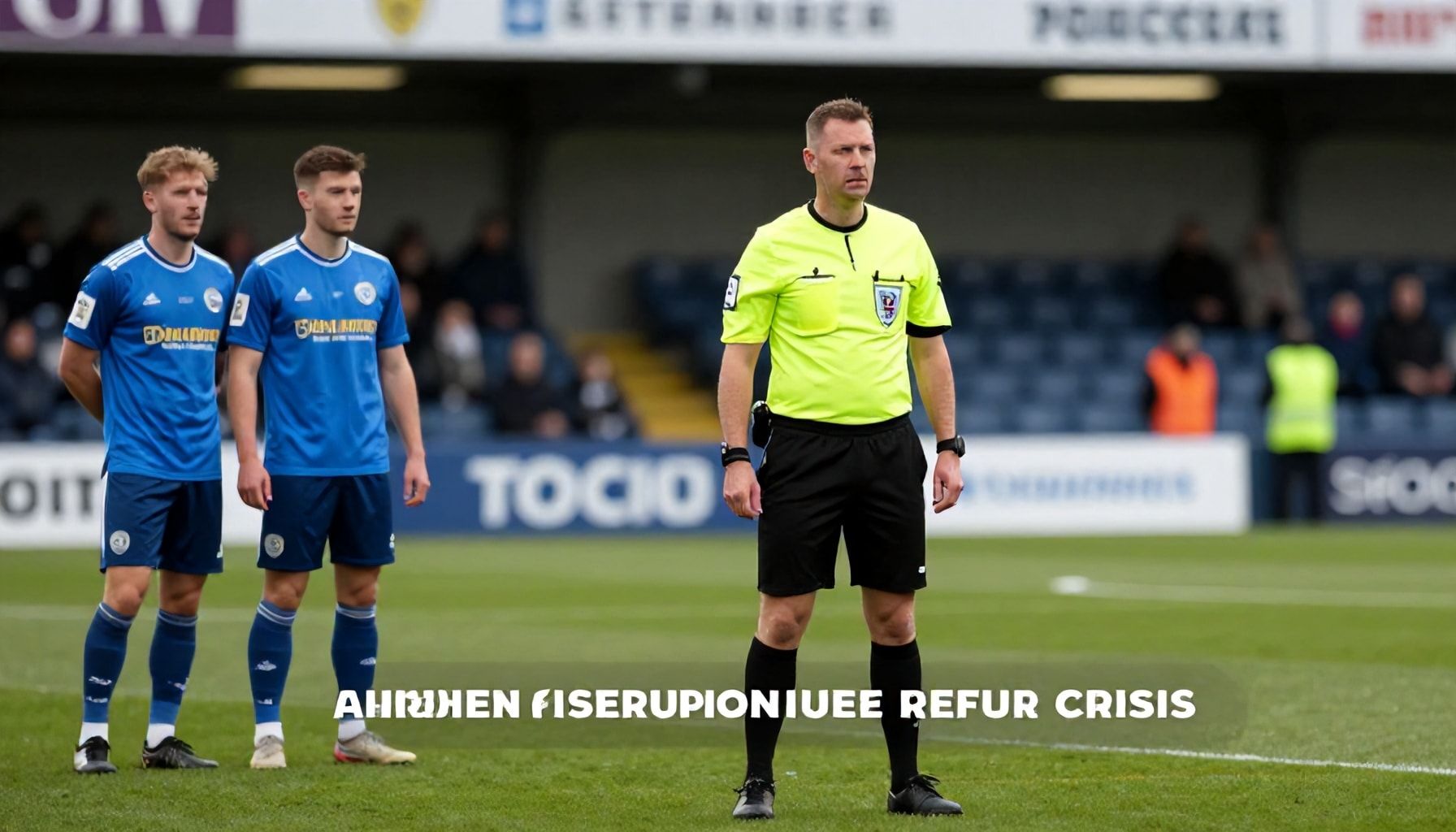
Amateur football leagues across the country are grappling with a severe referee shortage, threatening to disrupt matches and seasons. The English Amateur Football Association (EAFA) reports a 25% drop in registered referees over the past two years, leaving many clubs scrambling to find officials for fixtures.
The crisis stems from a combination of factors, including retirements, burnout, and a lack of new recruits. “We’ve seen a significant number of referees step down, particularly from older age groups,” says EAFA spokesperson Sarah Johnson. “At the same time, we’re not seeing enough new faces coming through to fill the gap.”
The impact is already being felt at grassroots level. In a recent survey by the National League System, 60% of clubs reported difficulties in finding referees for matches. Some leagues have had to postpone or cancel games, disrupting teams’ preparations and morale.
Efforts to address the shortage include targeted recruitment campaigns and improved support for new referees. The FA has pledged £1 million to fund initiatives aimed at attracting and retaining officials. However, experts warn that a cultural shift is needed to tackle the underlying issues.
Without urgent action, the referee shortage could have serious consequences for amateur football. Clubs and governing bodies are calling for greater recognition of the vital role referees play in the game. The future of grassroots football may well depend on it.
Local Leagues Struggle to Fill Vacant Referee Positions
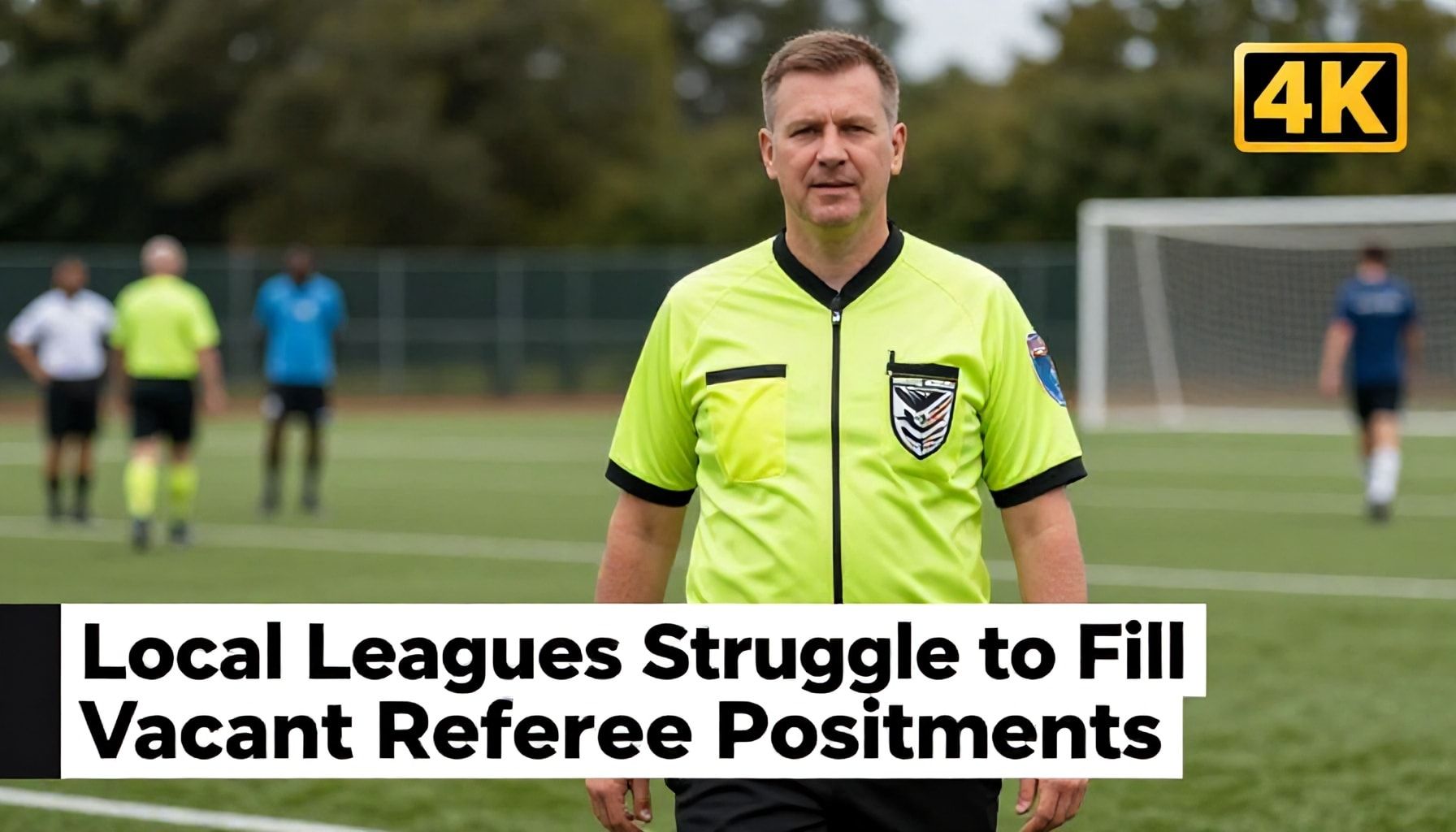
Amateur football leagues across the country are grappling with a severe shortage of referees this season. The problem has left many fixtures without officials, forcing postponements and disrupting schedules.
The Football Association (FA) has acknowledged the issue, citing a 15% drop in registered referees over the past year. This decline has left local leagues scrambling to fill vacant positions, with some matches going ahead without officials.
The FA’s Head of Refereeing, Mark Clattenburg, stated, “We are working closely with county FAs to address this issue. We have launched initiatives to recruit and retain referees, but the challenge remains significant.”
Local leagues report varying degrees of impact. The East Midlands League, for instance, has had to postpone 12 matches in the past month due to a lack of referees. Meanwhile, the Southern League has seen a 20% increase in matches played without officials.
The shortage has also affected youth football. The FA’s Youth Development Officer, Kelly Simmons, noted, “We are seeing a particular shortage at the grassroots level. This is crucial for the development of the game.”
Efforts to mitigate the crisis include fast-track referee courses and incentives for new recruits. However, the problem persists, with many leagues urging the FA to take more drastic measures.
The FA has responded by increasing the number of referee assessors and mentors. They are also working with schools and colleges to promote refereeing as a career path.
Despite these efforts, the shortage shows no signs of abating. Leagues continue to face challenges in filling vacant positions, with the impact felt most keenly at the grassroots level.
Football Associations Scramble to Address Referee Shortage
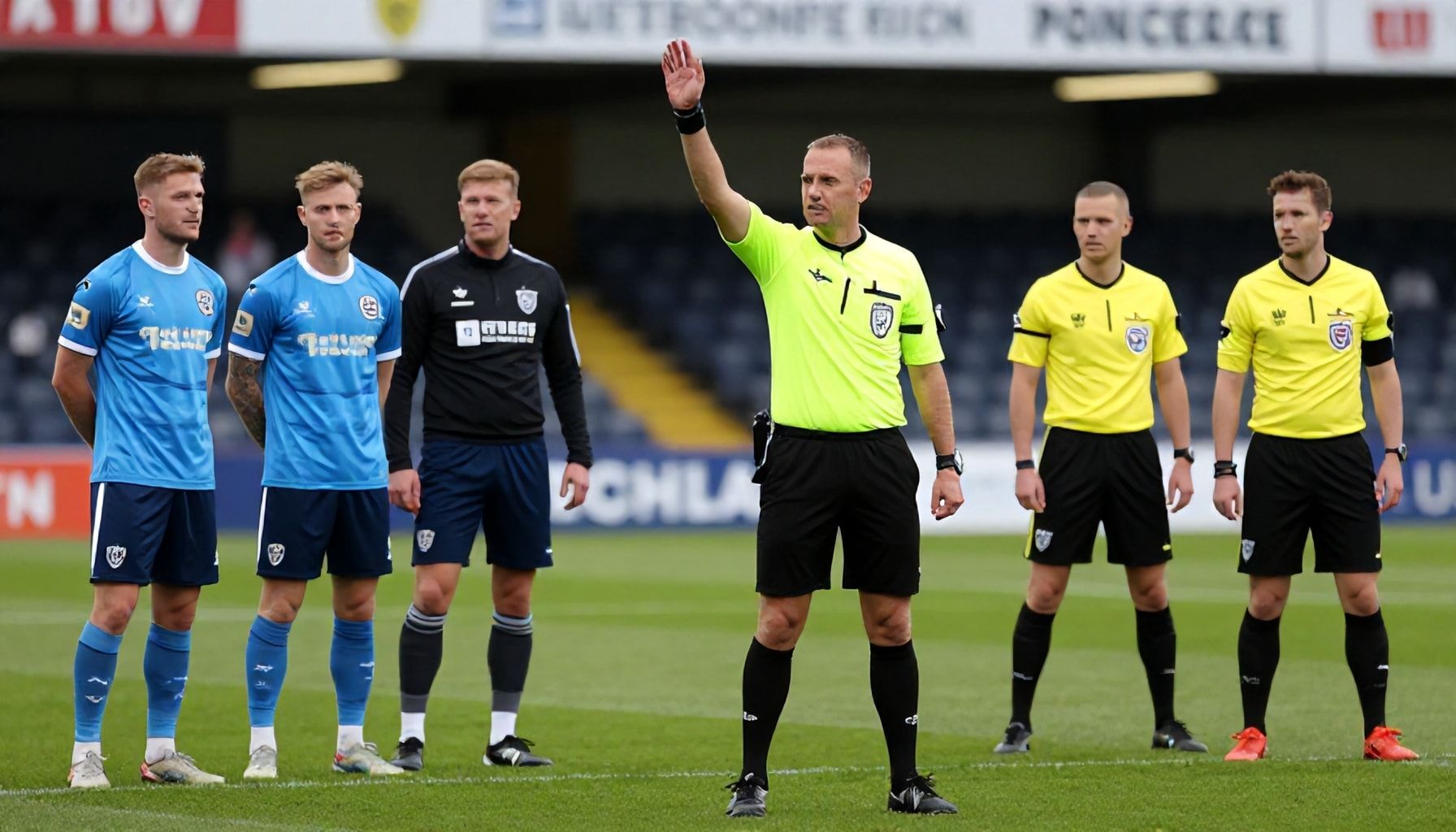
Amateur football leagues across the UK are grappling with a severe referee shortage this season. The crisis has left many matches without officials, forcing cancellations and disrupting fixtures.
The Football Association (FA) has acknowledged the problem, citing a 25% drop in registered referees over the past five years. “We’re seeing a significant decline in the number of referees, particularly at the grassroots level,” said an FA spokesperson last week.
The shortage is most acute in lower-tier leagues, where matches are frequently postponed due to a lack of available officials. In some regions, clubs report that up to 30% of scheduled games have been cancelled this season alone.
Local football associations are scrambling to address the issue. Some are offering incentives such as free training and equipment to attract new referees. Others are turning to retired players and coaches to fill the gap.
The crisis has also highlighted broader challenges facing amateur football. Many potential referees cite abuse from players and spectators as a major deterrent. “It’s not just about the shortage of referees; it’s about creating a safe and respectful environment for them to officiate,” said a league secretary from the Midlands.
Without immediate intervention, the referee shortage threatens the future of amateur football. Leagues are urging fans to support referees and encourage new officials to come forward.
The shortage of referees in amateur leagues this season has left many clubs scrambling to find officials for matches. With fewer people stepping forward to take up refereeing, some games have been postponed or played without proper officiating. The situation has sparked discussions about how to make refereeing more appealing, with suggestions including better training support and improved matchday experiences. As the season progresses, leagues and governing bodies will need to address this issue to ensure fair play and the smooth running of fixtures.
The crisis in referee numbers has highlighted the vital role officials play in grassroots football. Without them, the game cannot function properly, and the enjoyment of players and spectators is diminished. It is hoped that by addressing the underlying issues, more people will be encouraged to take up refereeing, ensuring that amateur leagues can continue to thrive. The coming months will be crucial in determining whether the shortage can be alleviated and the future of amateur football secured.






