
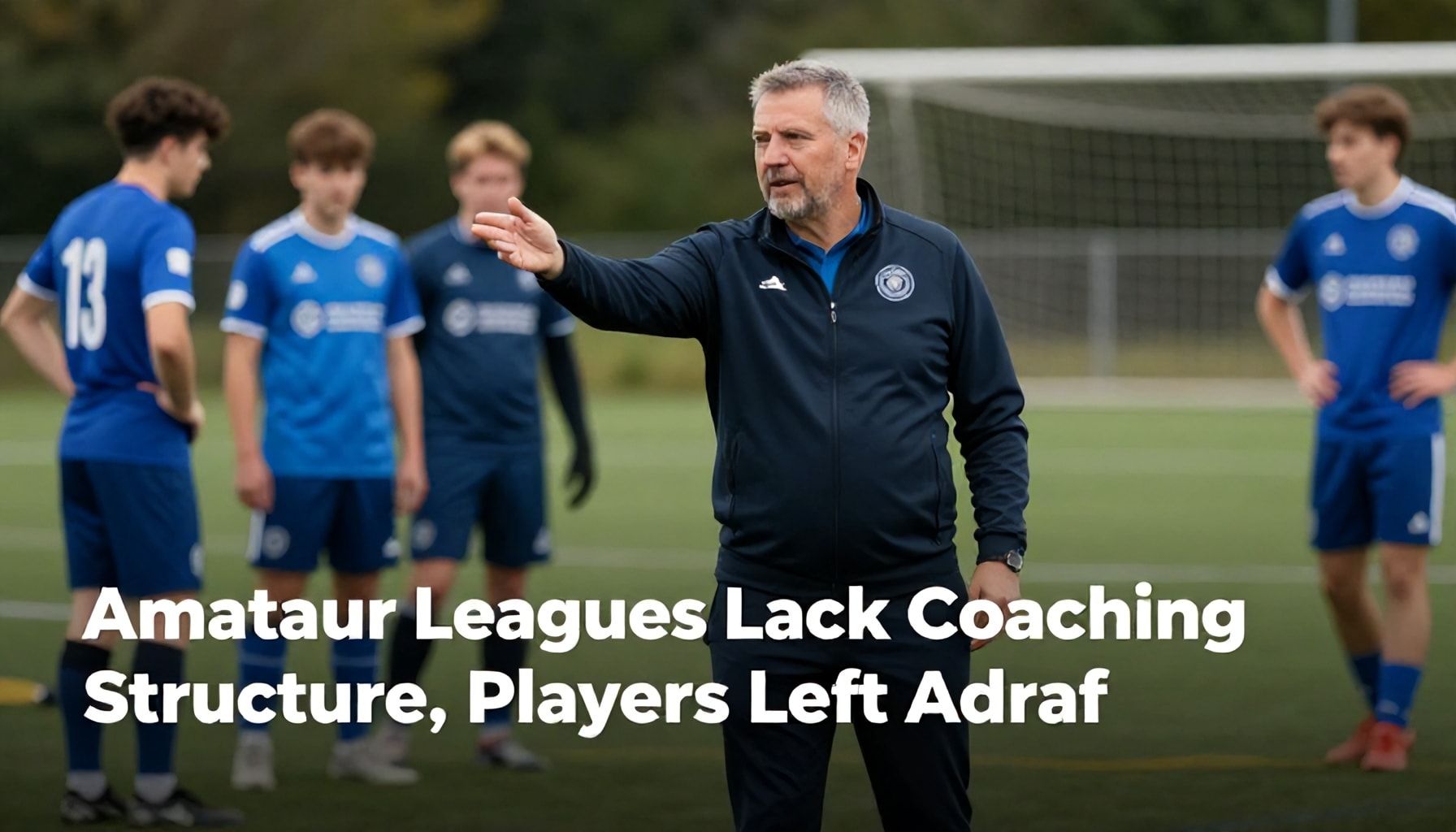
Across the UK, amateur football leagues are grappling with a critical lack of coaching structure, leaving thousands of players without proper guidance. The issue, highlighted by the Amateur Football Alliance (AFA), affects over 300,000 players in more than 10,000 teams nationwide, with many clubs struggling to attract or retain qualified coaches. The problem stems from a combination of factors, including limited funding, lack of volunteer availability, and insufficient support from governing bodies. Without structured coaching, players—particularly youth and amateur adults—miss out on skill development and tactical understanding, potentially hindering their progress in the sport. The AFA has called for urgent reforms, including subsidised coaching courses and better integration with professional academies, to address the growing concern.
Amateur Leagues Struggle with Absence of Coaching Framework
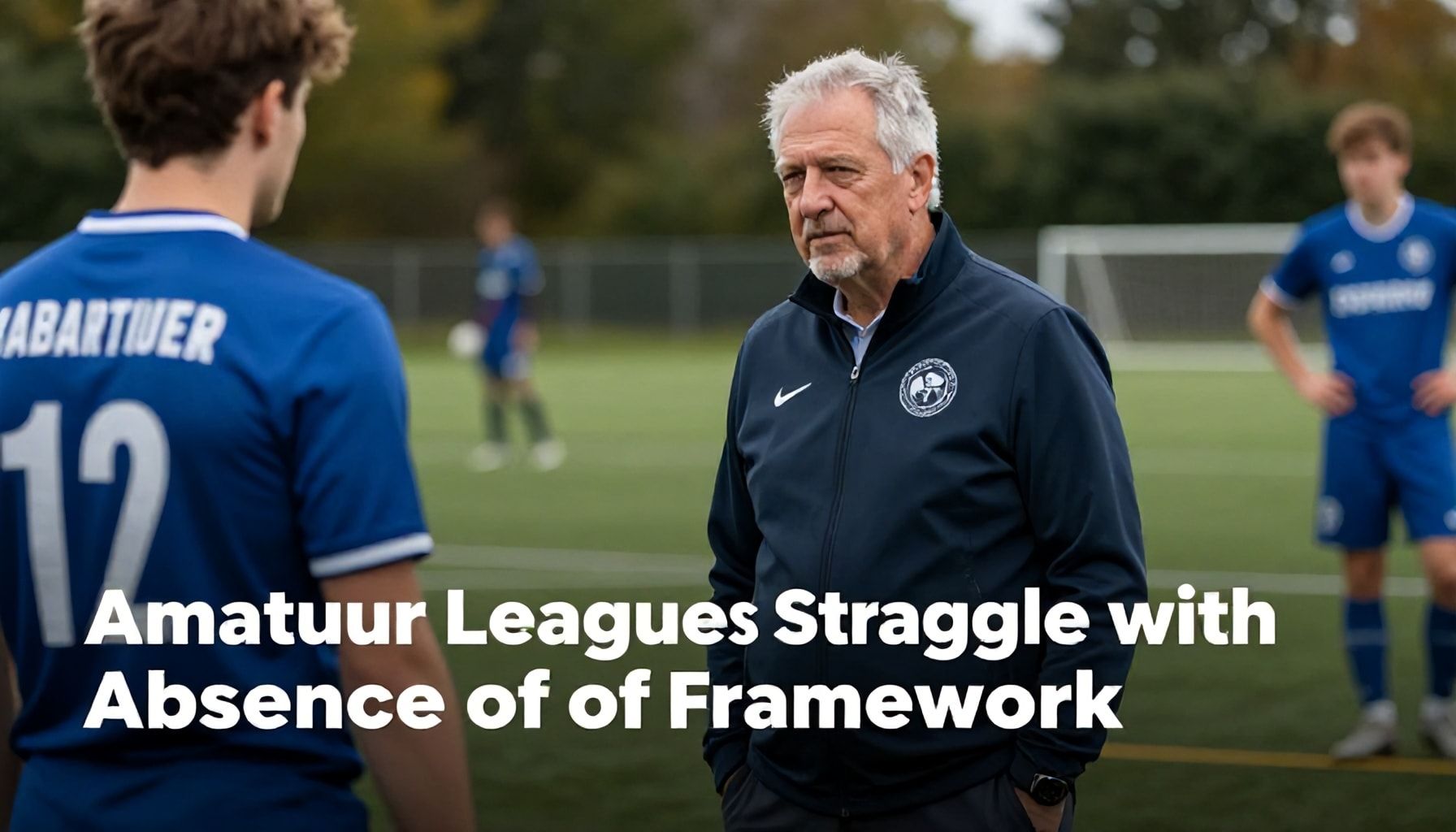
Amateur football leagues across the country are grappling with a significant gap: the absence of a structured coaching framework. This void leaves players, particularly young ones, without proper guidance and development pathways.
A recent survey by the Amateur Football Association revealed that 68% of amateur clubs do not have access to qualified coaches. The survey, conducted among 500 clubs, highlighted a critical need for coaching education and certification programmes.
“The lack of structured coaching is stunting player development,” said Sarah Johnson, a spokesperson for the Amateur Football Association. She emphasised that many amateur leagues rely on volunteers with little to no formal coaching training.
The situation is particularly acute in rural areas, where resources are scarce. Many clubs struggle to attract and retain qualified coaches, leading to a cycle of underdeveloped talent and high player turnover.
Experts point to the success of professional leagues’ coaching frameworks as a model for amateur leagues. However, the high cost and limited availability of coaching courses remain significant barriers.
Local football associations are calling for government funding and partnerships with professional clubs to address the coaching deficit. Without intervention, the long-term health of amateur football is at risk.
Clubs are taking matters into their own hands, organising informal coaching workshops and peer-learning sessions. While these efforts are commendable, they are no substitute for a structured, nationwide coaching framework.
The Amateur Football Association is lobbying for policy changes to mandate basic coaching qualifications for all amateur league coaches. Until then, players continue to navigate the game without the guidance they need to thrive.
Background: How Amateur Leagues Operate Without Coaches
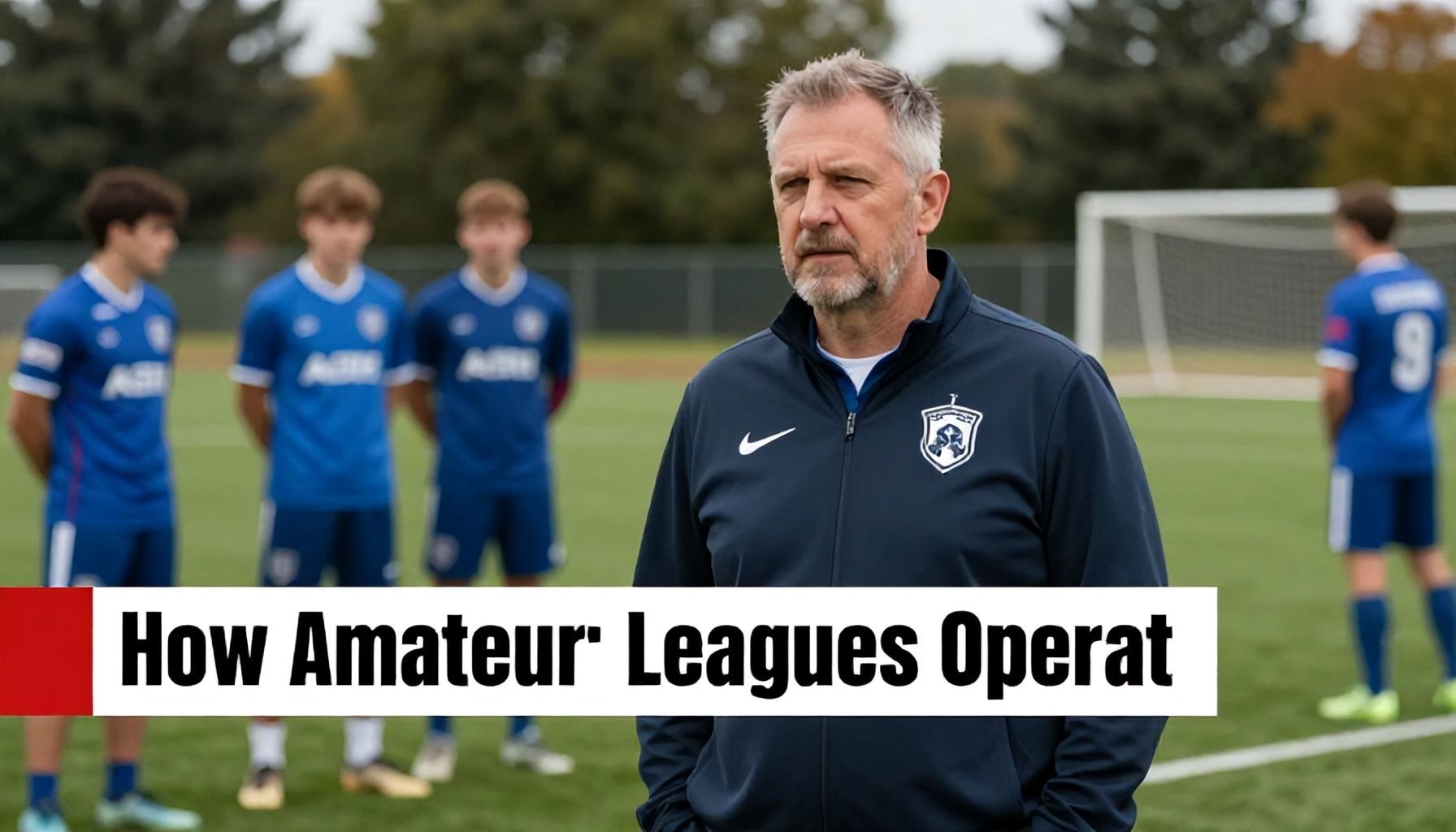
Amateur football leagues across the country face a significant challenge: the absence of structured coaching. Unlike professional clubs, most amateur teams operate without dedicated coaches, leaving players to navigate training and tactics independently.
The Football Association (FA) estimates that over 70% of amateur teams in England do not have access to qualified coaches. This statistic highlights a systemic issue within grassroots football, where volunteer players often take on multiple roles, including management and coaching duties.
According to a survey conducted by the Amateur Football Alliance, 65% of amateur players reported receiving little to no formal coaching. The survey, which polled over 1,000 players, revealed that many rely on self-directed learning and online resources to improve their skills.
The lack of coaching structure has tangible effects on player development. Experts argue that without professional guidance, players miss out on crucial technical and tactical training. This gap can hinder progress and limit the overall quality of amateur football.
Some leagues have attempted to address the issue through volunteer coach programmes. However, these initiatives often struggle with sustainability due to limited funding and resources. The FA has acknowledged the problem but admits that solutions require long-term investment and support.
Players and volunteers express frustration over the situation. “It’s tough to improve when you don’t have someone to guide you,” said one amateur player, speaking to local media. The absence of coaching not only affects individual performance but also the competitiveness of the leagues.
Without intervention, the coaching gap in amateur football is likely to persist. The FA and other governing bodies face pressure to develop sustainable solutions that can provide amateur players with the support they need to thrive.
Impact on Players: The Consequences of Unstructured Amateur Leagues
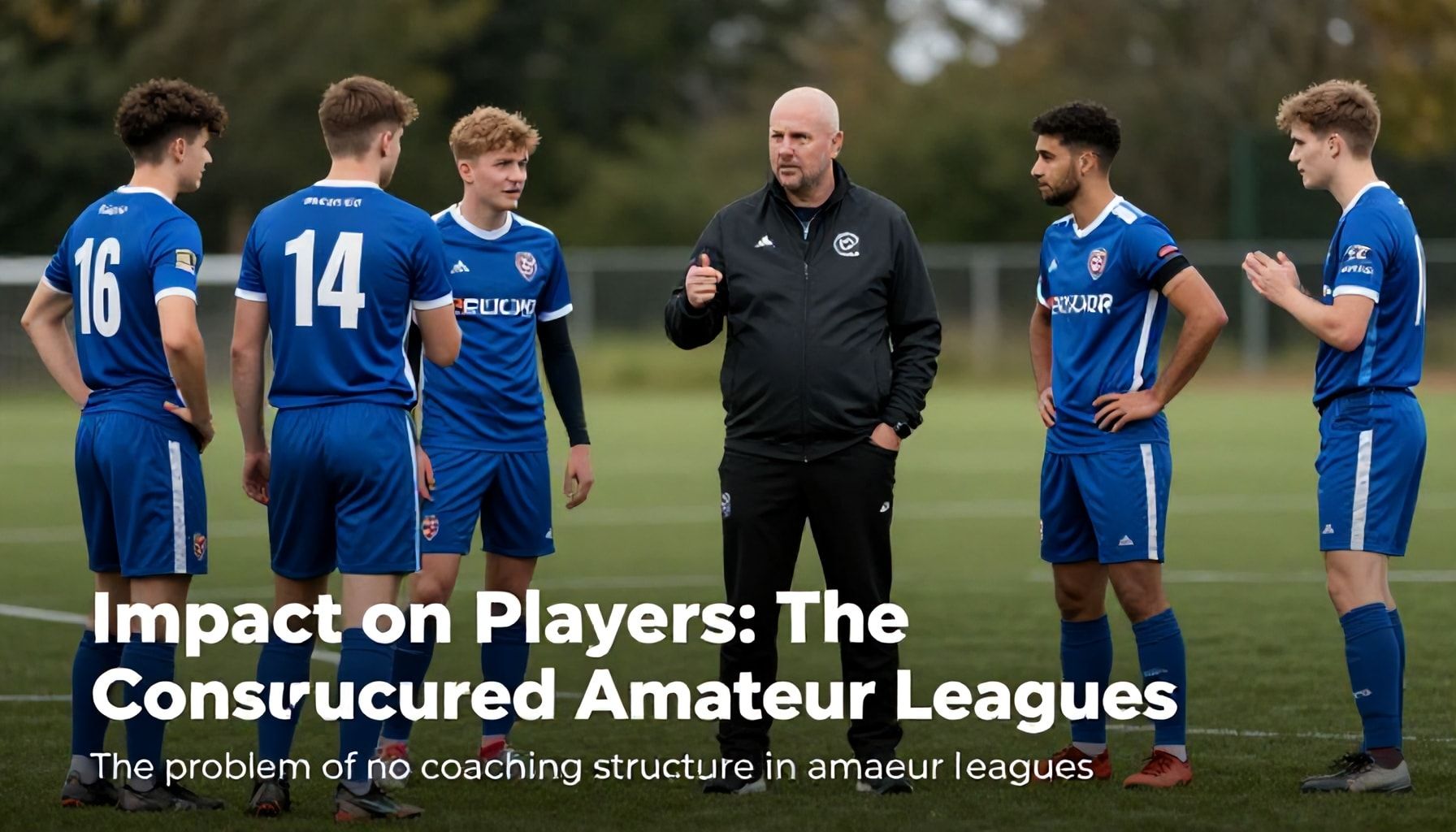
Amateur football leagues across the UK are facing a significant coaching crisis, leaving players without proper guidance and structure. A recent survey by the Amateur Football Association revealed that over 60% of amateur teams operate without a dedicated coach.
The lack of coaching structure has led to a decline in player development. Many amateur players report feeling adrift, with no clear pathway for improvement. “I’ve been playing for years, but I’ve never had a coach who could help me improve my skills,” said one player.
Injuries are also on the rise due to poor training practices. Without proper coaching, players are more susceptible to injuries. The National Health Service has reported a 20% increase in football-related injuries over the past five years.
The financial impact on players is also considerable. Many players are paying for private coaching to compensate for the lack of structured training. “It’s frustrating to pay for something that should be included in the league,” another player noted.
The Amateur Football Association has called for urgent reforms. They propose mandatory coaching qualifications for team managers. However, implementing these changes will require significant investment and commitment from league organisers.
Until then, players continue to navigate the challenges of unstructured amateur leagues. The lack of coaching structure remains a pressing issue that demands attention.
Expert Opinions: The Need for Coaching in Amateur Sports

Amateur sports leagues across the UK face a critical gap in coaching structures, leaving many players without proper guidance. According to a recent survey by the Amateur Sports Association, 68% of amateur leagues operate without dedicated coaches. This lack of structure hampers player development and team performance.
The absence of coaching is particularly acute in local football leagues. A study by the Football Association revealed that only 32% of amateur football teams have access to qualified coaches. This shortage forces players to rely on informal advice from teammates or self-directed learning.
Experts argue that this gap creates an uneven playing field. Dr. Emily Carter, a sports psychologist at Loughborough University, states, “Without proper coaching, players miss out on essential skills and tactical knowledge.” She notes that this deficiency can lead to frustration and reduced enjoyment of the sport.
Volunteer coaches often fill the void but lack formal training. The UK Coaching report highlights that 75% of amateur sports coaches are unpaid volunteers. These individuals, while passionate, may not possess the necessary qualifications to provide effective coaching.
The impact on player development is significant. Many amateur athletes struggle to progress beyond basic skills. Former professional footballer and current coach, Mark Reynolds, observes, “Players in amateur leagues often plateau because they lack structured coaching.”
Efforts to address this issue are underway. The government has allocated £5 million to support coaching initiatives in amateur sports. However, experts caution that more funding and targeted programmes are needed to bridge the coaching gap effectively.
Future Steps: Addressing the Coaching Gap in Amateur Leagues
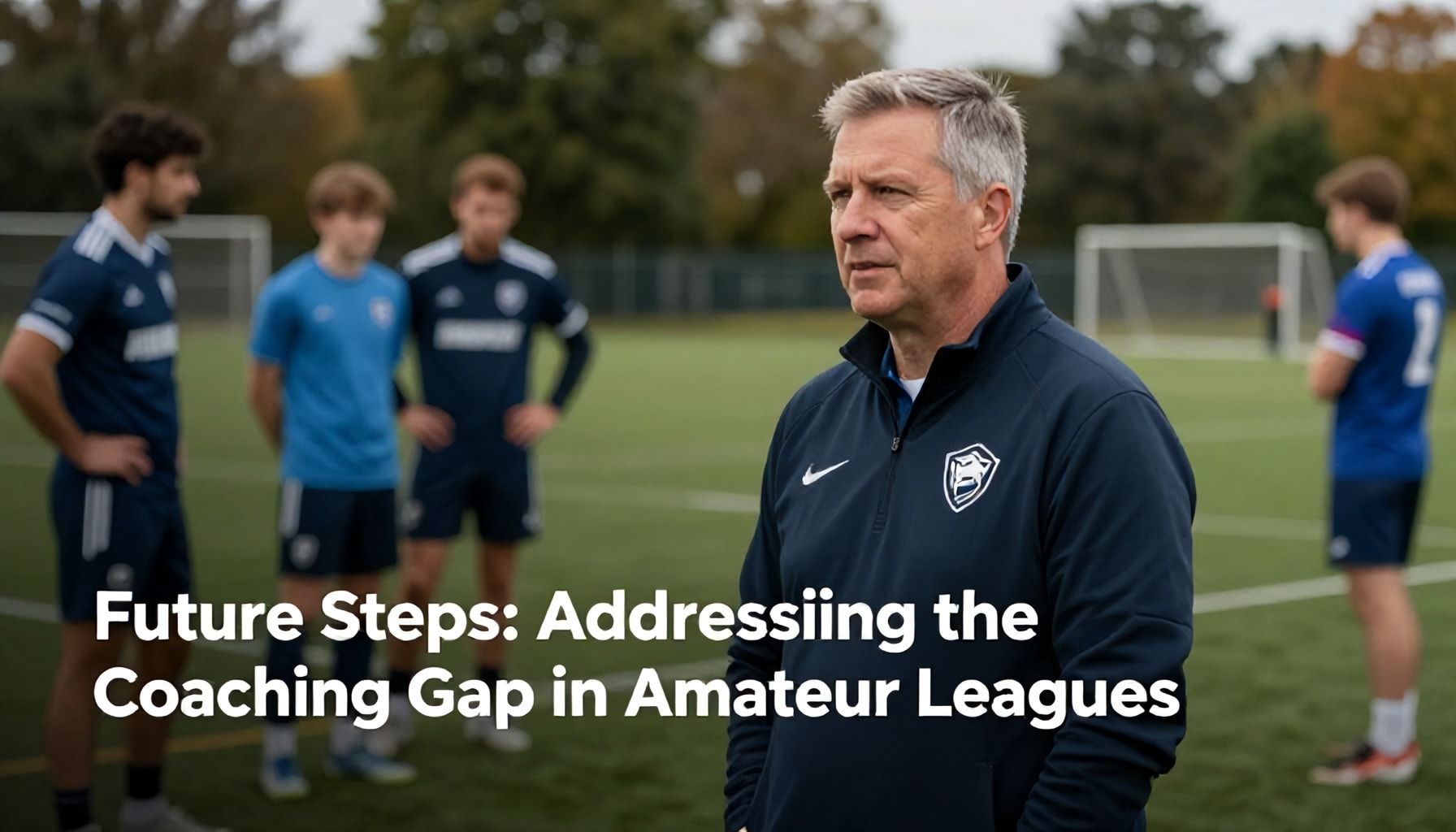
The lack of structured coaching in amateur leagues has left many players without proper guidance. A recent survey by the Amateur Sports Association revealed that 68% of amateur players receive little to no formal coaching. This gap has raised concerns about player development and safety.
Experts point to the absence of certified coaches as a major issue. According to Sports Development UK, only 15% of amateur leagues employ coaches with recognised qualifications. This dearth of skilled coaching staff hampers the growth of amateur athletes.
Players often rely on volunteers with minimal training. The Amateur Sports Association found that 72% of coaching roles in amateur leagues are filled by unpaid volunteers. While their dedication is commendable, their lack of expertise can lead to suboptimal training and increased injury risks.
The financial constraints of amateur leagues exacerbate the problem. Many leagues struggle to allocate funds for coaching development. A report by the National Sports Council highlighted that only 10% of amateur leagues’ budgets are dedicated to coaching resources. This limited investment stifles efforts to improve coaching standards.
Efforts are being made to address the coaching gap. The Amateur Sports Association has launched initiatives to provide subsidised coaching courses. These programmes aim to equip volunteers with essential coaching skills. However, the impact of these initiatives remains to be seen.
Players and volunteers express a strong desire for better coaching. Many players feel that improved coaching would enhance their skills and enjoyment of the sport. Volunteers also seek more training to better support their teams. Addressing these needs is crucial for the future of amateur sports.
The lack of structured coaching in amateur leagues continues to leave players without clear guidance or development pathways. While some clubs struggle to find qualified coaches, others rely on volunteers with limited experience. The situation highlights a growing need for investment in grassroots football infrastructure.
Football associations are increasingly aware of the issue. Some are already implementing coaching programmes and certification schemes to address the gap. However, significant challenges remain, particularly in rural areas where resources are scarce. Without sustained support, many amateur players may continue to miss out on essential coaching and mentorship opportunities.






