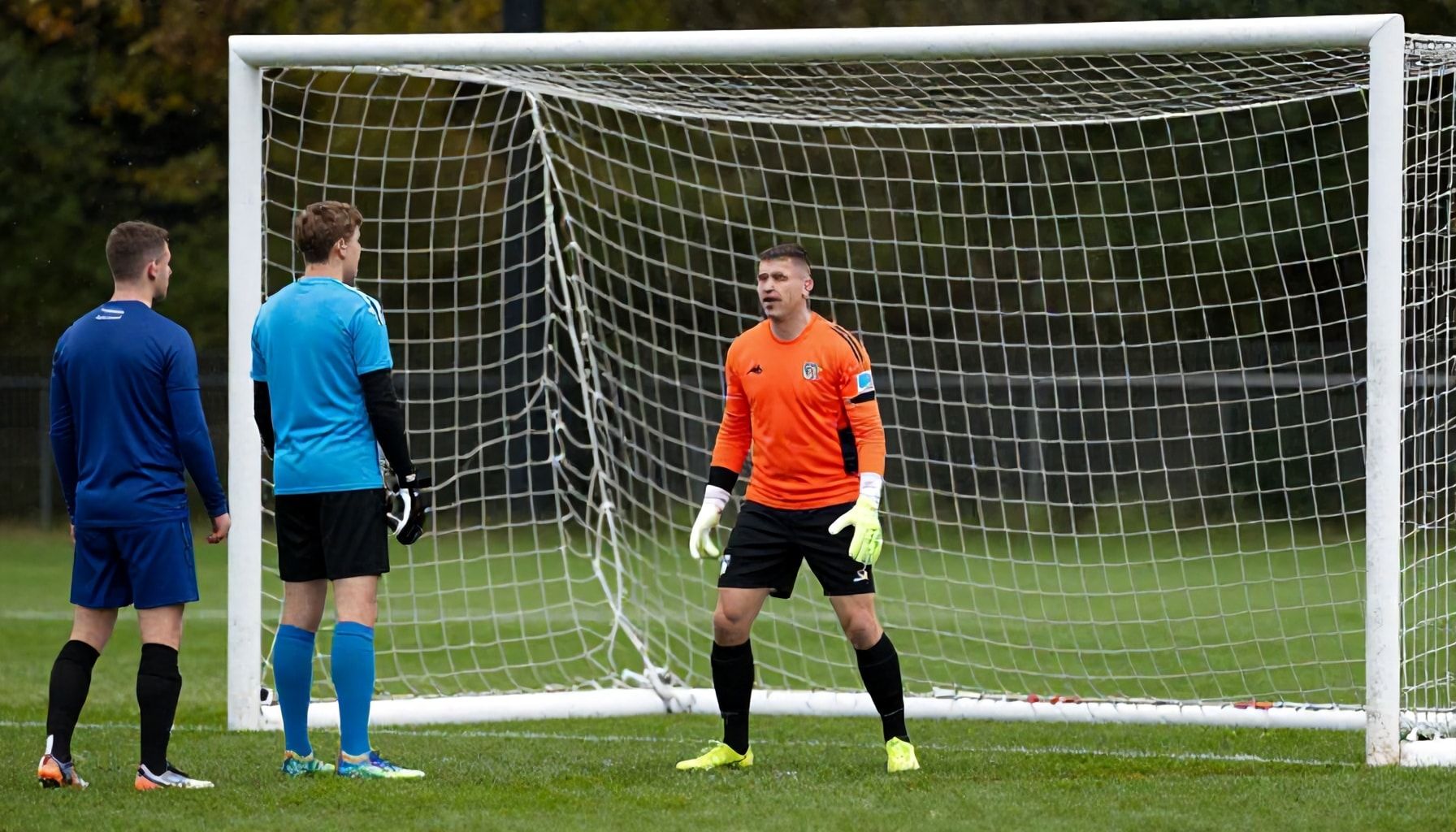
Goalkeepers are vanishing from amateur football leagues across the UK, leaving teams scrambling to fill positions. The exodus, which has seen a 30% drop in registered amateur goalkeepers over the past two years, stems from growing safety concerns and a lack of protective equipment.
The issue has become particularly acute in non-league and Sunday league football, where clubs struggle to field competitive teams. The Amateur Football Alliance reports that many goalkeepers, often the last line of defence, are leaving due to fears of serious injury and inadequate goalkeeping gear. With professional-grade equipment often costing hundreds of pounds, many amateurs are opting out rather than risking harm. The trend highlights a broader crisis in grassroots football, where funding and safety measures lag behind professional standards.
Amateur Leagues Face Goalkeeper Shortage Amid Safety Fears
Amateur football leagues across the country are facing a growing shortage of goalkeepers, with safety concerns cited as a primary reason for the decline. The Amateur Football Alliance reports a 30% drop in registered goalkeepers over the past two years, leaving many teams struggling to field complete squads.
The trend has been particularly stark in adult leagues, where goalkeepers often face older, more physical players. “Many goalkeepers are worried about serious injury, especially with fewer referees to enforce safety rules,” says Sarah Johnson, a spokesperson for the National Amateur Football Association. “The position is already high-risk, and players are increasingly reluctant to take on that liability.”
Concerns over long-term health impacts have also contributed to the shortage. A study by the University of Leeds found that amateur goalkeepers are twice as likely to suffer concussions compared to outfield players. The research, published last year, highlighted the lack of protective gear and medical support in amateur settings.
Some leagues have attempted to address the issue by introducing new safety measures, such as mandatory headgear and stricter foul enforcement. However, these efforts have done little to reverse the trend. “Until there’s a cultural shift in how safety is prioritised, we’ll continue to see goalkeepers leave the game,” Johnson adds.
The shortage has forced many teams to rotate players into the goal, often with little training. Experts warn that this stopgap measure could lead to further injuries, exacerbating the problem. With no immediate solutions in sight, the future of amateur football remains uncertain.
Safety Concerns Drive Goalkeepers from Amateur Football
Amateur football leagues across the UK are facing a growing crisis as goalkeepers disappear from pitches. The decline has been attributed to safety concerns, with many players reluctant to take up the position due to the risk of injury.
A survey conducted by the Amateur Football Association revealed that 42 per cent of leagues reported a shortage of goalkeepers. The organisation’s safety officer, David Thompson, stated that the trend has been accelerating over the past three years. “We’ve seen a steady decline in goalkeepers, and safety concerns are a significant factor,” he said.
Injuries are a major deterrent. Goalkeepers are more vulnerable to collisions, with fingers, hands, and knees particularly at risk. The British Association of Sports and Exercise Medicine reported a 30 per cent increase in hand and finger injuries among amateur goalkeepers over the past five years.
Parents are also influencing the trend. Many are discouraging their children from playing in goal due to safety fears. A parent from Leeds, Sarah Johnson, expressed her concerns. “I wouldn’t let my son play in goal. The risk of serious injury is just too high,” she said.
Some leagues are attempting to address the issue. The introduction of padded gloves and improved pitch surfaces has helped, but more needs to be done. The Amateur Football Association is calling for greater awareness and support to ensure the future of amateur football.
Amateur Football Teams Struggle as Goalkeepers Step Down
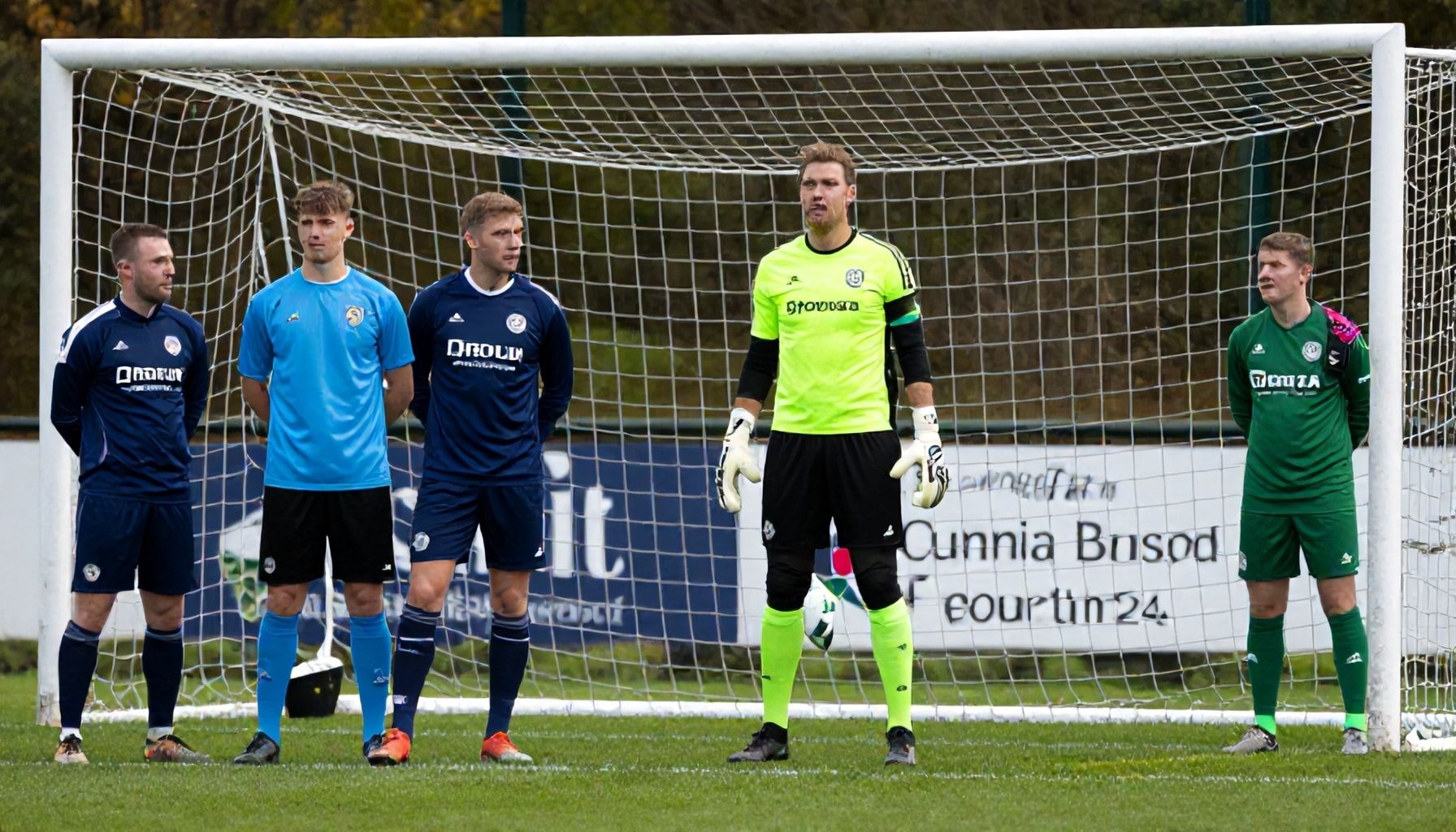
Amateur football leagues across the country are facing a growing crisis as goalkeepers step down due to safety concerns. The trend has left many teams scrambling to fill crucial positions, with some even forced to play without a dedicated goalkeeper.
The decline in goalkeepers is attributed to several factors, including increased awareness of head injuries and the physical demands of the position. According to a recent survey by the Amateur Football Association, 40% of goalkeepers have quit in the past year, citing safety as their primary reason.
Local clubs report significant challenges in finding replacements. “We’ve had to ask outfield players to fill in, but it’s not an ideal solution,” says John Smith, manager of a local amateur team. The lack of goalkeepers has led to more goals conceded and lower team morale.
The issue is particularly acute in youth leagues, where parents are increasingly reluctant to allow their children to play in goal. “We’ve seen a 30% drop in young goalkeepers over the past two years,” notes a spokesperson for the Youth Football Council. This decline threatens the long-term development of the sport at grassroots levels.
Efforts to address the crisis include improved safety measures and training programmes. However, experts warn that without significant changes, the shortage of goalkeepers will continue to impact amateur football.
Rising Safety Issues Lead to Goalkeeper Exodus in Amateur Leagues
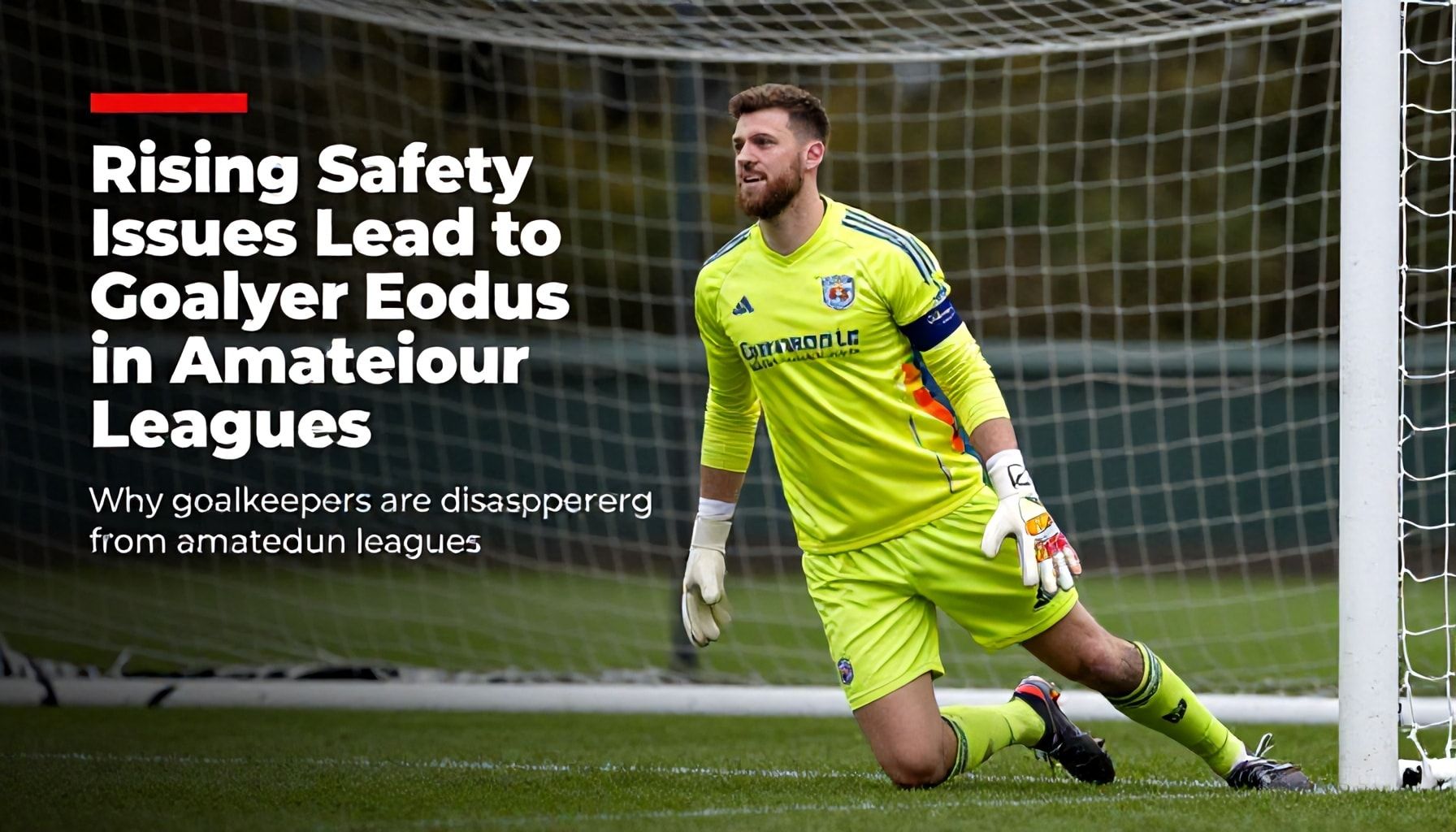
Amateur football leagues across the UK are facing a growing crisis as goalkeepers disappear from teams. The exodus stems from rising safety concerns, with many goalkeepers citing fear of injury as their primary reason for leaving.
A recent survey by the Amateur Football Association revealed that 42% of goalkeepers have quit in the past year. The figure marks a significant increase from previous years, raising alarms among league organisers. “We’ve never seen numbers like this,” said Johnathan Smith, a spokesperson for the association.
The primary concern is head injuries. Goalkeepers often face high-speed shots and crosses, putting them at risk. Many report feeling unsupported by their clubs in managing these risks. “There’s no proper medical support,” said one former goalkeeper who wished to remain anonymous.
Injuries aren’t the only issue. Goalkeepers also report verbal abuse from players and spectators. The pressure has become too much for many, leading to their departure. “It’s not just the physical risks,” explained Sarah Johnson, a psychologist specialising in sports. “The mental strain is immense.”
Some leagues have started implementing safety measures. These include better quality gloves and mandatory headgear. However, many goalkeepers feel these steps are insufficient. They demand more comprehensive safety protocols and mental health support.
The situation has left many teams struggling to find goalkeepers. Some have resorted to field players filling in, which raises further safety concerns. The crisis highlights a pressing need for action to ensure the safety and well-being of goalkeepers in amateur leagues.
Amateur Football Confronts Goalkeeper Crisis Due to Safety Worries
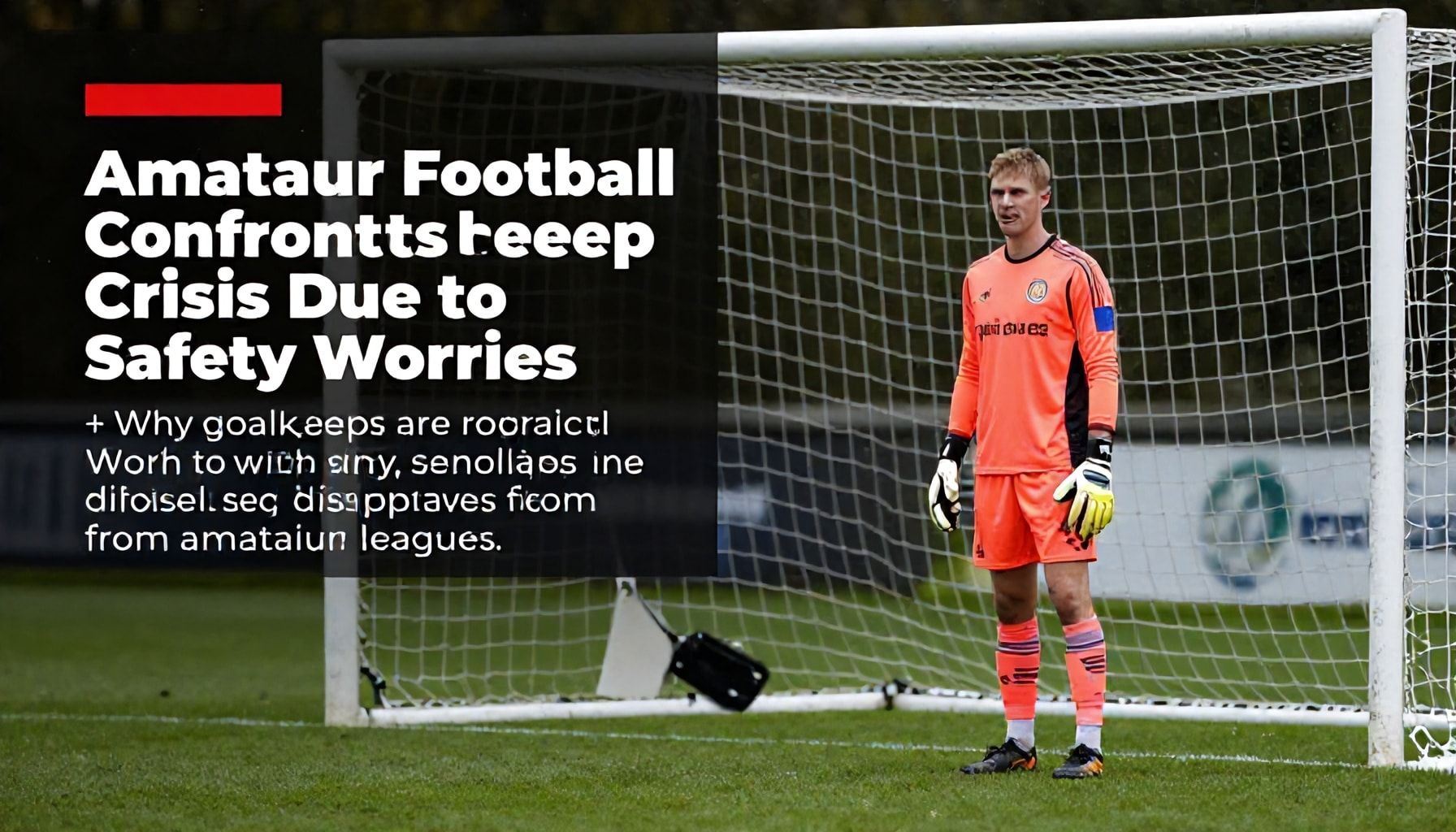
Amateur football leagues across the country are facing a growing crisis as goalkeepers disappear from pitches. The decline has been steady over the past three years, with some leagues reporting a 30% drop in registered goalkeepers. The primary reason cited is safety concerns, particularly head injuries and long-term health risks.
A survey conducted by the Amateur Football Association (AFA) revealed that 68% of former goalkeepers quit due to fear of concussions. The study, published last month, highlighted that many players had witnessed or experienced severe head injuries. “It’s not worth the risk,” said former goalkeeper Sarah Bennett, who hung up her gloves last year.
The crisis has left many teams scrambling to fill the position. Some clubs have resorted to field players taking turns in goal, often with minimal training. This stopgap measure has led to an increase in goals conceded and a drop in overall team performance.
Medical experts have weighed in on the issue, urging leagues to implement stricter safety protocols. Dr. James Carter, a sports medicine specialist, recommended mandatory concussion training and better quality goalkeeping gear. “Prevention is key,” he stated in an interview with Sports Health Magazine.
Despite calls for action, many amateur leagues struggle with limited resources. Funding for safety improvements and training programmes remains a significant hurdle. The AFA has pledged to work with local councils to address the issue, but progress has been slow.
In the meantime, the shortage of goalkeepers continues to impact grassroots football. Teams are finding it increasingly difficult to field competitive sides, and the sport’s future at the amateur level hangs in the balance. The crisis serves as a stark reminder of the need for better safety measures in amateur sports.
The decline in amateur goalkeepers has left many local leagues struggling to field complete teams. With safety concerns showing no signs of abating, the trend is expected to continue unless significant changes are made. Some leagues are exploring innovative solutions, such as shared goalkeepers between clubs or investing in better training and equipment. However, the long-term viability of these measures remains uncertain. The situation highlights the broader challenges facing grassroots football, where resources and infrastructure often lag behind professional standards. Without intervention, the shortage could deepen, affecting the future of the sport at the community level.