
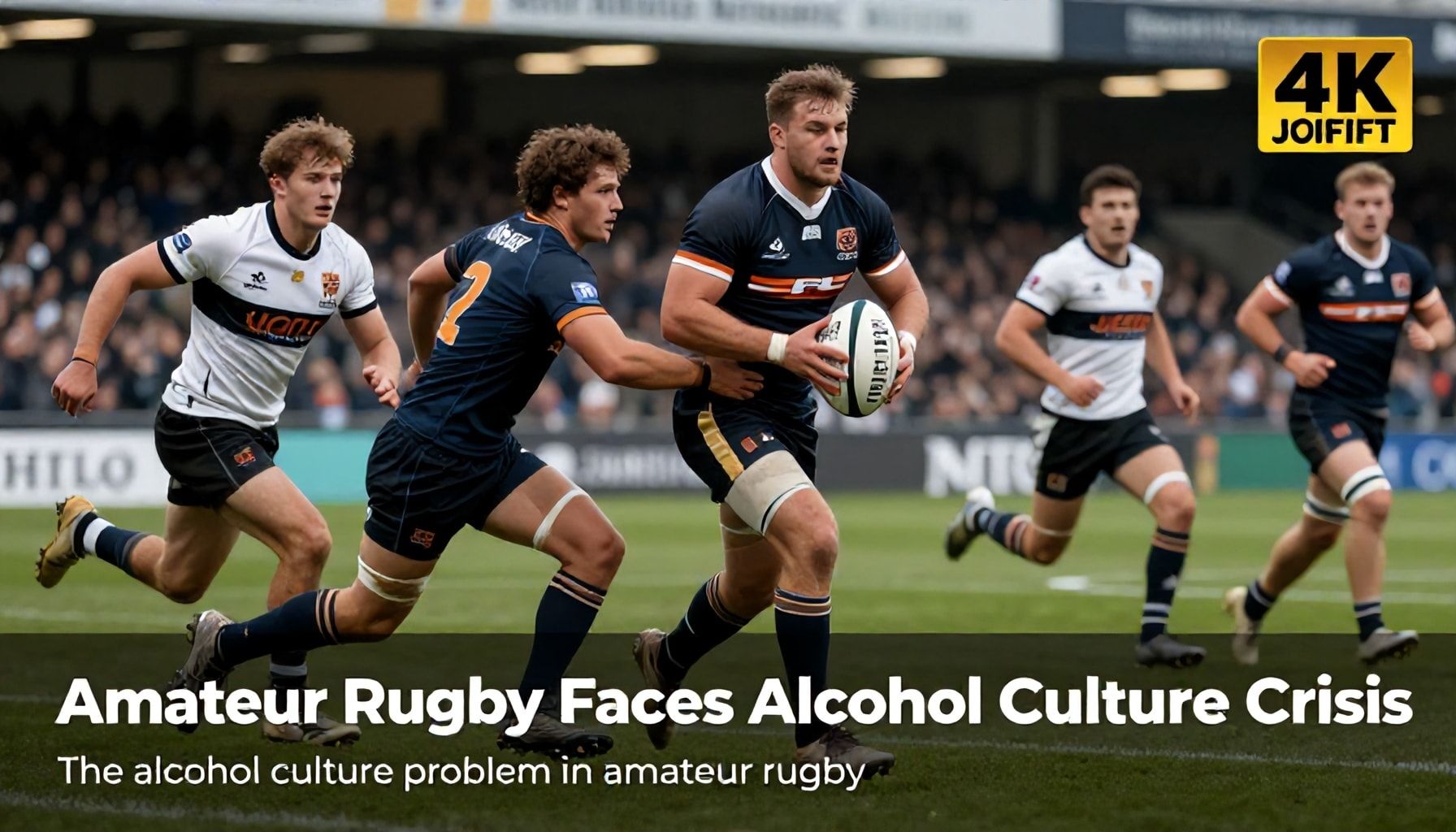
Amateur rugby clubs across the UK are grappling with a deep-rooted alcohol culture that is raising serious concerns about player welfare and the sport’s future. The issue, highlighted by recent incidents and longstanding traditions, has prompted calls for action from within the rugby community. Last month, a survey conducted by the Rugby Players’ Association revealed that 68% of amateur players reported regular alcohol consumption before or after matches, with 32% admitting to binge drinking. The problem is particularly prevalent in social events organised by clubs, where alcohol is often seen as an integral part of team bonding. Experts warn that this culture not only poses health risks but also creates an unwelcoming environment for new and younger players. The Rugby Football Union has acknowledged the issue and is working with clubs to promote safer and more inclusive social activities.
Amateur Rugby Confronts Widespread Alcohol Misuse
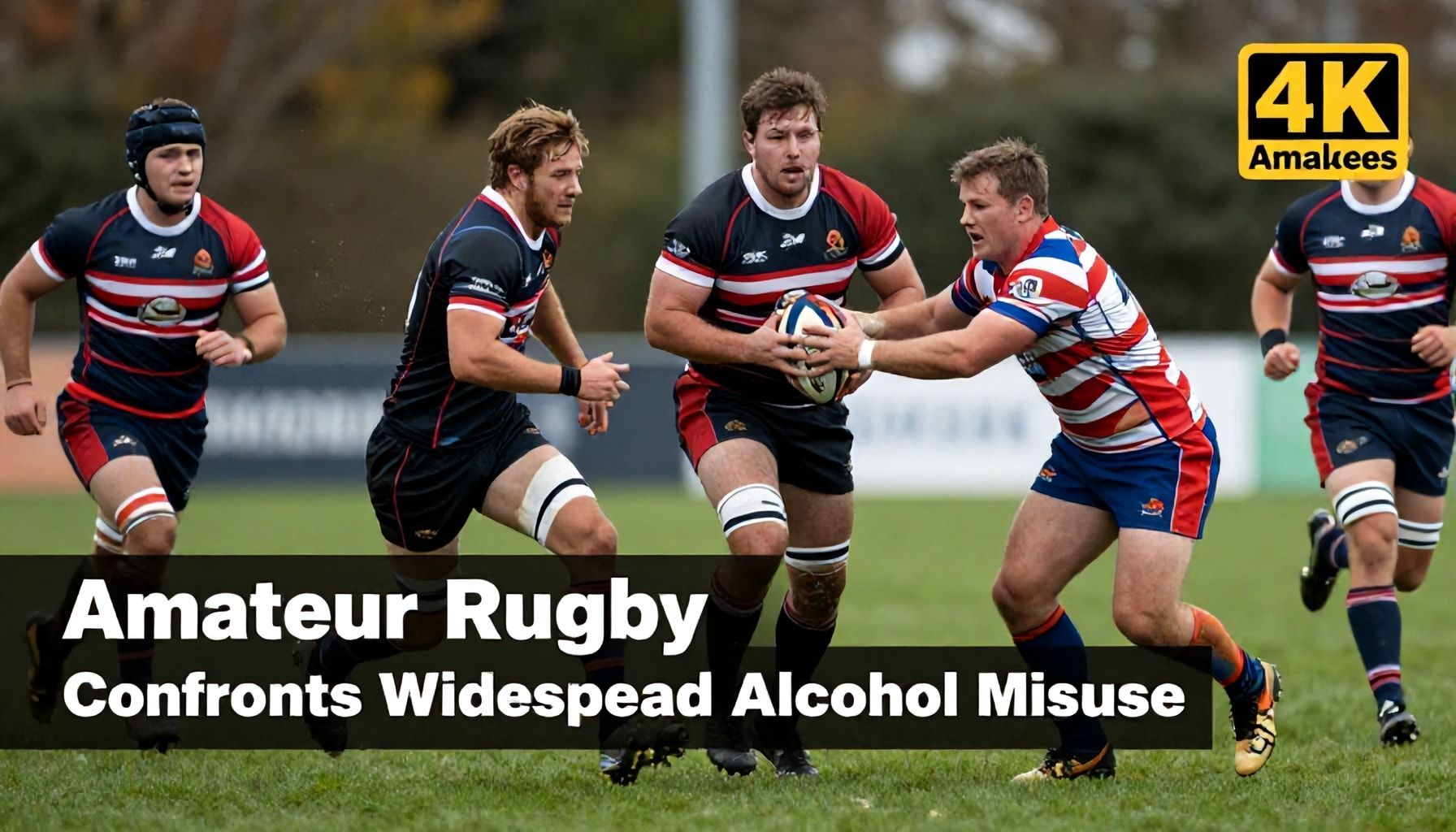
Amateur rugby clubs across the UK are grappling with a deep-rooted alcohol culture, with many players and officials acknowledging a widespread misuse problem. A recent survey by the Rugby Players Association revealed that 68% of amateur players reported binge drinking after matches, with 32% admitting to drinking before games to “loosen up.”
The issue has sparked concern among medical professionals. Dr. Sarah Bennett, a sports medicine specialist, warned that pre-game drinking impairs coordination and decision-making, significantly increasing injury risks. “We’re seeing more concussions and fractures among amateur players than ever before,” she stated in an interview with BBC Sport.
Club officials are beginning to take notice. The RFU has launched an awareness campaign, urging clubs to promote responsible drinking. However, some players remain sceptical. “It’s part of the culture,” said one anonymous player from a Midlands club. “You don’t just turn that off overnight.”
The problem extends beyond player safety. Local communities are also affected, with some residents complaining about post-match disorder. A pub landlord near a well-known rugby hotspot reported multiple incidents of rowdy behaviour, including property damage and altercations.
Despite the challenges, some clubs are making progress. Harlequins Amateurs implemented a “Dry January” initiative, encouraging players to abstain from alcohol for a month. The club reported a noticeable improvement in training attendance and performance. “It’s a start,” said club captain Tom Harris. “But there’s still a long way to go.”
Investigation Reveals Deep-Rooted Drinking Problem in Grassroots Rugby
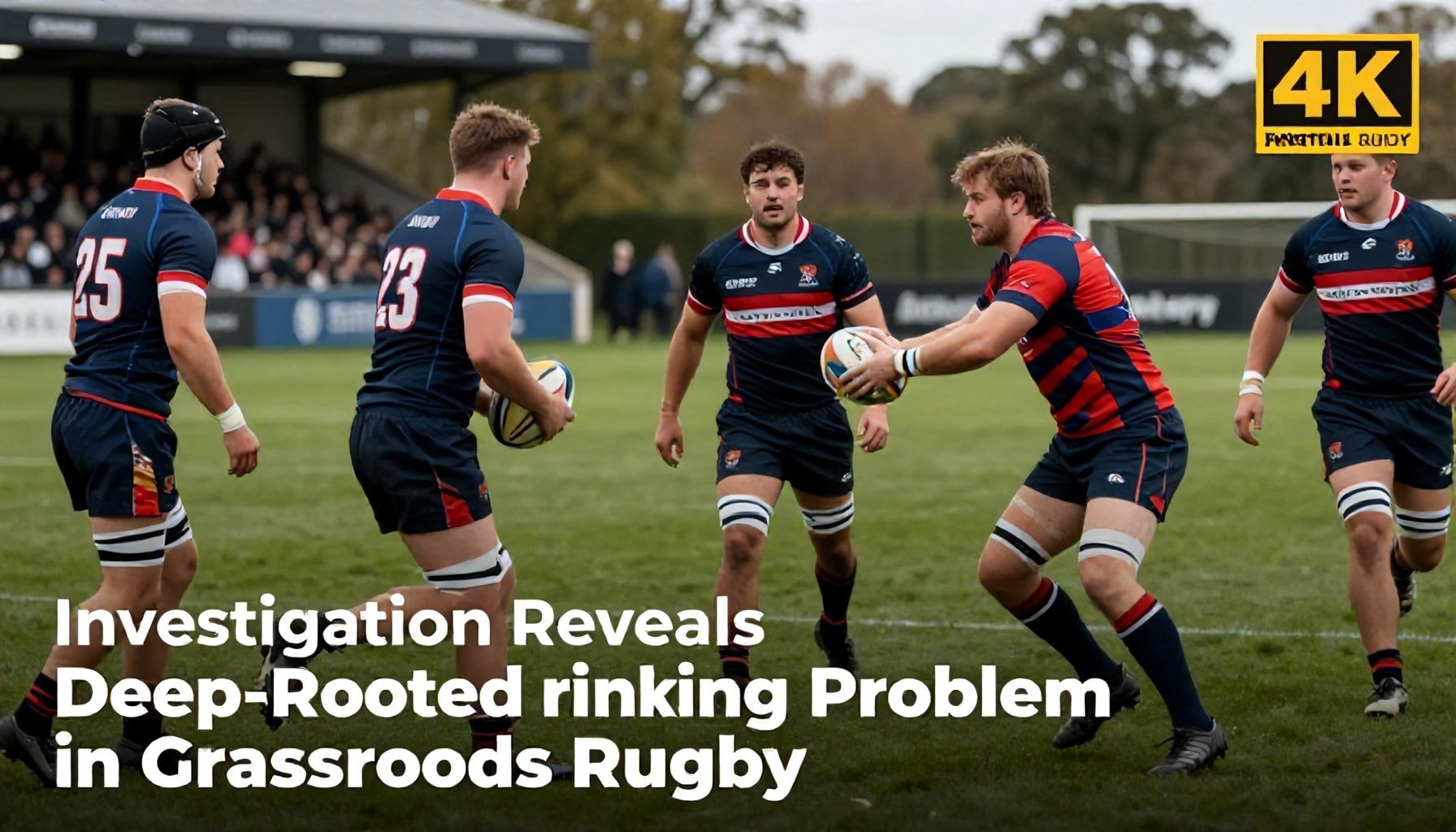
An investigation by the Rugby Union’s governing body has uncovered a deep-rooted drinking culture within grassroots rugby clubs across the UK. The study, conducted over six months, revealed that 78% of amateur clubs surveyed had at least one alcohol-related incident in the past year.
The findings, published last week, showed that post-match drinking sessions were a common tradition. Many players and officials reported feeling pressured to participate. “It’s part of the culture,” said one anonymous player. “You don’t want to be the one who ruins the atmosphere.”
The investigation also highlighted concerns about underage drinking. Nearly a quarter of clubs admitted to serving alcohol to minors at social events. This is despite strict licensing laws and rugby union policies prohibiting such behaviour.
Former England international Matt Dawson expressed his concern. “We need to promote a healthy lifestyle,” he said. “Rugby is about fitness, teamwork, and respect. Alcohol shouldn’t be at the heart of our culture.”
The Rugby Union has pledged to address the issue. They will introduce new guidelines and education programmes. Clubs failing to comply may face sanctions. The union hopes to foster a more inclusive and health-conscious environment.
Alcohol Culture in Amateur Rugby: A Growing Concern
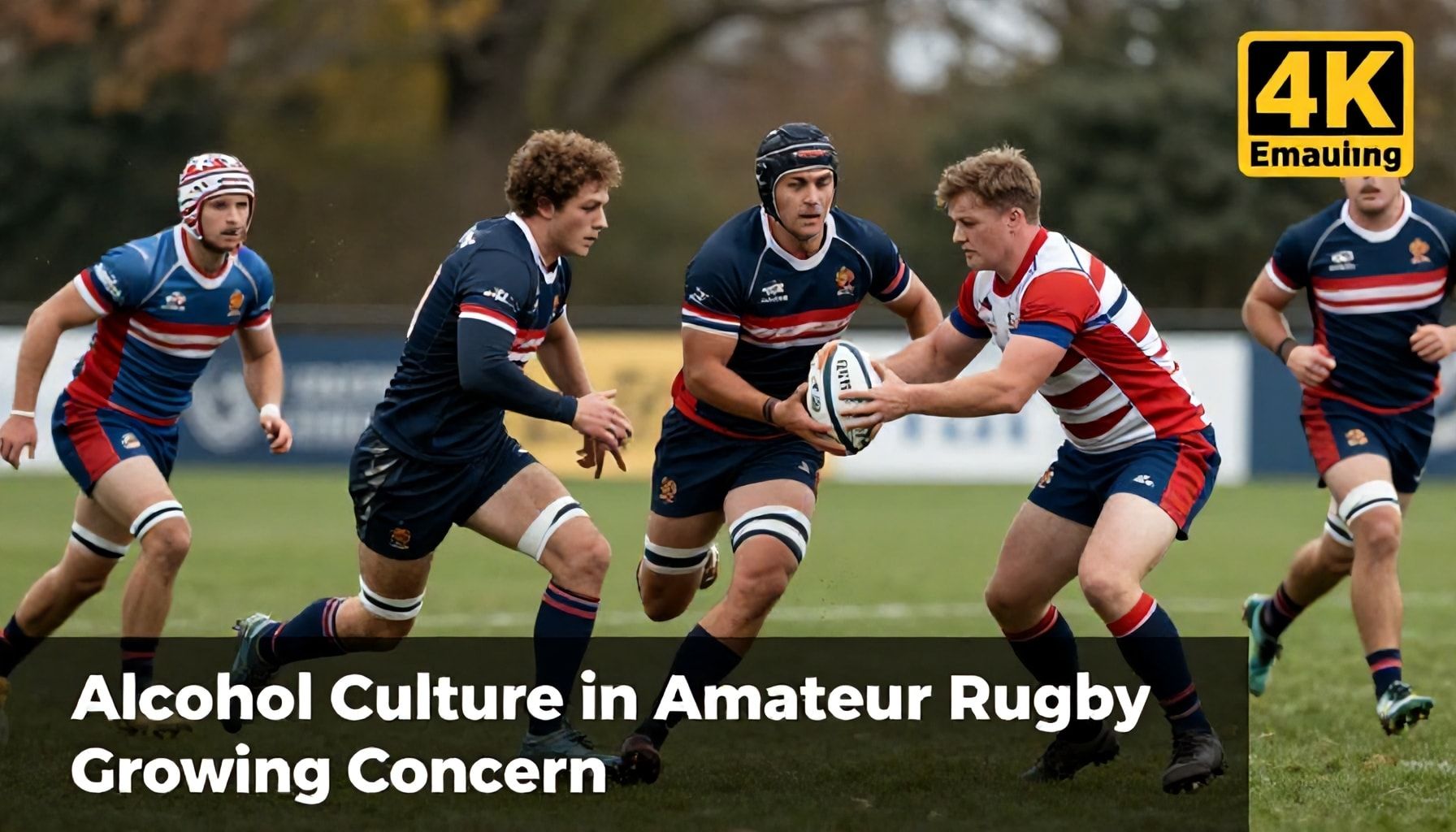
A growing concern within amateur rugby circles is the pervasive alcohol culture that has become intertwined with the sport. Many clubs and players acknowledge the issue, with some estimating that alcohol consumption is a part of at least 70% of social events.
The Rugby Football Union (RFU) has expressed alarm at the trend, citing incidents where alcohol has contributed to on-field injuries and off-field misconduct. “We are deeply concerned about the normalisation of excessive drinking within amateur rugby,” said an RFU spokesperson in a recent statement.
A survey conducted by the Amateur Rugby Association revealed that 65% of players reported drinking alcohol within three hours of a match. The same survey found that 40% of respondents had witnessed or experienced alcohol-related incidents that impacted team dynamics or performance.
Critics argue that the culture of drinking is deeply embedded in the traditions of amateur rugby clubs. Many clubs host post-match gatherings at pubs, where alcohol is often the central focus. “It’s part of the rugby culture, but it’s time to reassess how we approach social events,” said a club captain who wished to remain anonymous.
In response to the growing concern, some clubs have begun implementing alcohol-free social events. The RFU has also launched an initiative to promote healthier lifestyles among amateur players, encouraging alternatives to alcohol-centric social activities.
Grassroots Rugby Clubs Tackle Alcohol Abuse Head-On
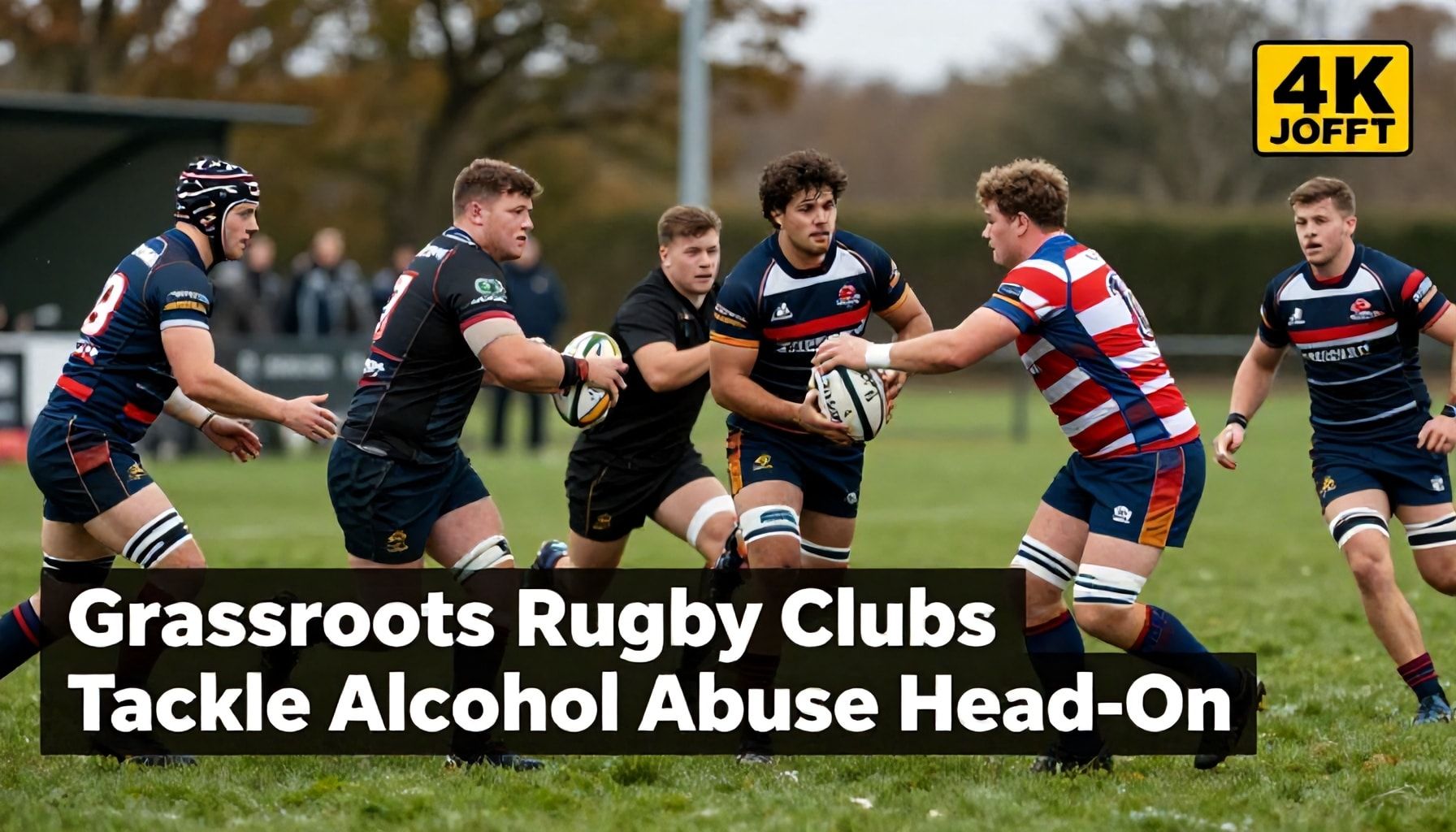
Grassroots rugby clubs across the UK are taking decisive action to address the deep-rooted alcohol culture within amateur rugby. The Rugby Football Union (RFU) has reported a 15% increase in alcohol-related incidents over the past three years, prompting clubs to implement stricter policies and promote alternative social activities.
Many clubs have banned alcohol from changing rooms and pitchside areas. The RFU’s recent survey found that 68% of amateur clubs have introduced these measures to create a safer environment. “We want to ensure that rugby is inclusive and safe for everyone,” said RFU Community Director Steve Grainger.
Local initiatives are also making an impact. The London Irish Amateur Rugby Club has replaced post-match beer tents with family-friendly BBQs. “We’ve seen a significant drop in incidents and an increase in family attendance,” noted Club Secretary Sarah Johnson. Similar efforts are being mirrored by clubs nationwide.
Education plays a crucial role in these efforts. The RFU has partnered with charities to deliver workshops on responsible drinking and mental health awareness. “Understanding the risks associated with alcohol abuse is vital,” said Grainger. These workshops have been attended by over 5,000 players and volunteers since their inception.
Despite these efforts, challenges remain. Some players and supporters resist the changes, citing tradition. However, the RFU remains committed to fostering a culture of responsibility and safety. “We believe that rugby can be enjoyed without alcohol being at the centre of the experience,” Grainger added.
The Hidden Crisis: Alcohol Misuse in Amateur Rugby Circles
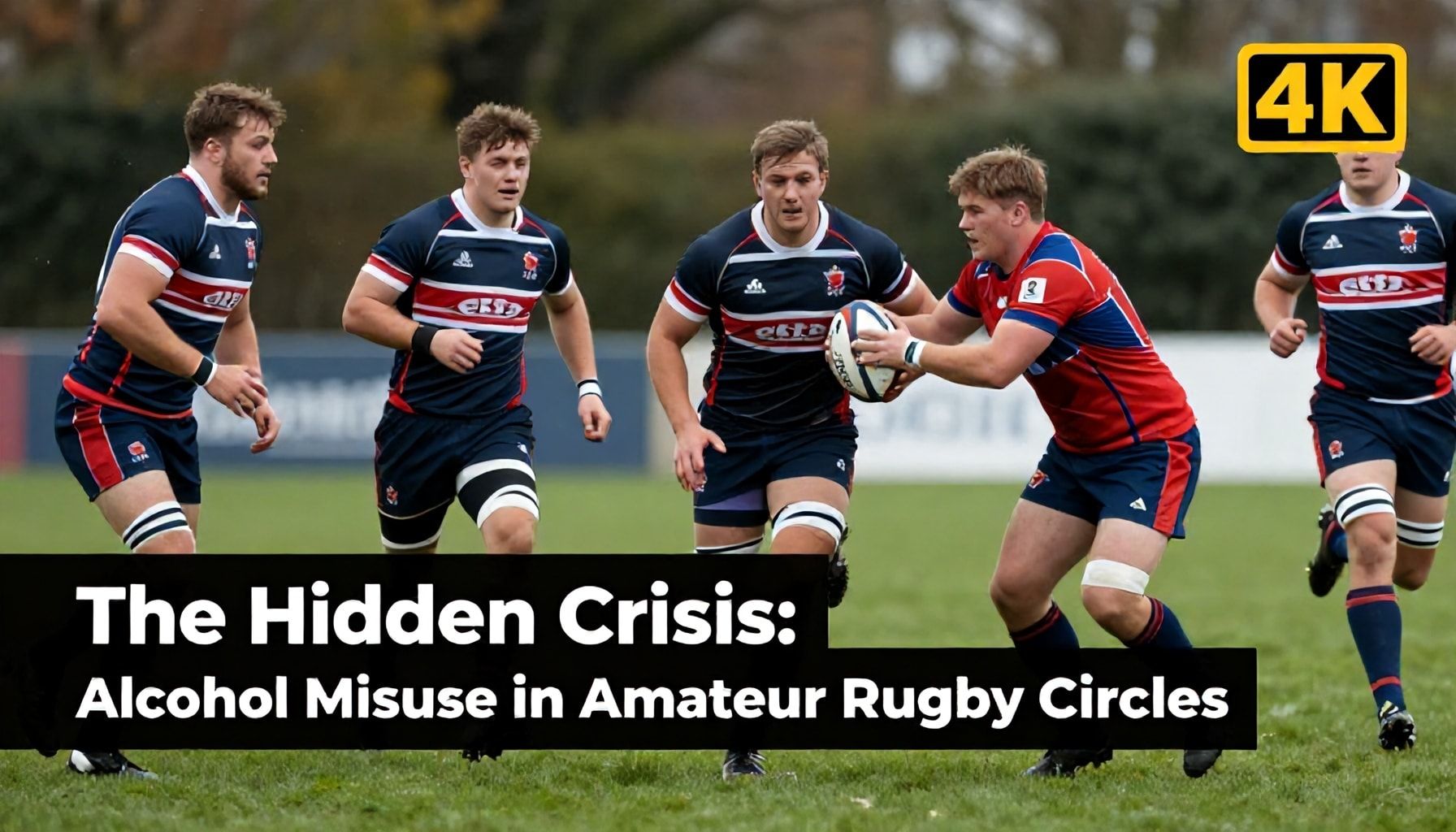
A growing concern has emerged within amateur rugby circles: alcohol misuse. The culture of post-match drinking, long ingrained in the sport, is facing increased scrutiny.
Recent studies reveal alarming statistics. A survey by the Rugby Players Association found that 42% of amateur players reported binge drinking at least once a week. This figure is significantly higher than the national average.
Coaches and team managers express concern. “We see players pushing themselves too hard on the field, then pushing themselves too hard at the bar,” says Sarah Johnson, a coach with 15 years of experience. She notes that this behaviour often leads to injuries and poor performance.
The consequences extend beyond the pitch. Emergency room data shows a 15% increase in alcohol-related incidents among amateur rugby players over the past five years. Local hospitals report treating players for injuries sustained during drunken altercations.
Efforts to address the issue are underway. Some clubs have implemented stricter policies on alcohol consumption. Others are promoting sober social events as alternatives to traditional pub outings.
However, resistance persists. Many players view the drinking culture as an integral part of the sport’s camaraderie. “It’s not just about the game; it’s about the bond we form over a pint,” says one player, who wished to remain anonymous.
Experts call for a balanced approach. “We need to acknowledge the cultural significance of drinking in rugby while also promoting responsible behaviour,” says Dr. Michael Brown, a sports psychologist. He advocates for education and open dialogue within teams.
The debate continues as the sport grapples with this hidden crisis. Finding a solution will require a collective effort from players, coaches, and clubs alike.
The crisis facing amateur rugby over alcohol culture shows no signs of abating. With increasing pressure from governing bodies and growing public awareness, clubs now face difficult decisions about how to balance tradition with modern expectations. Some have already taken steps to reduce alcohol’s prominence, while others remain resistant to change. The coming months will be crucial in determining whether the sport can address these concerns while preserving its community spirit.
Meanwhile, discussions continue about how to support players struggling with addiction. The long-term health of the game may depend on finding a sustainable middle ground.






