
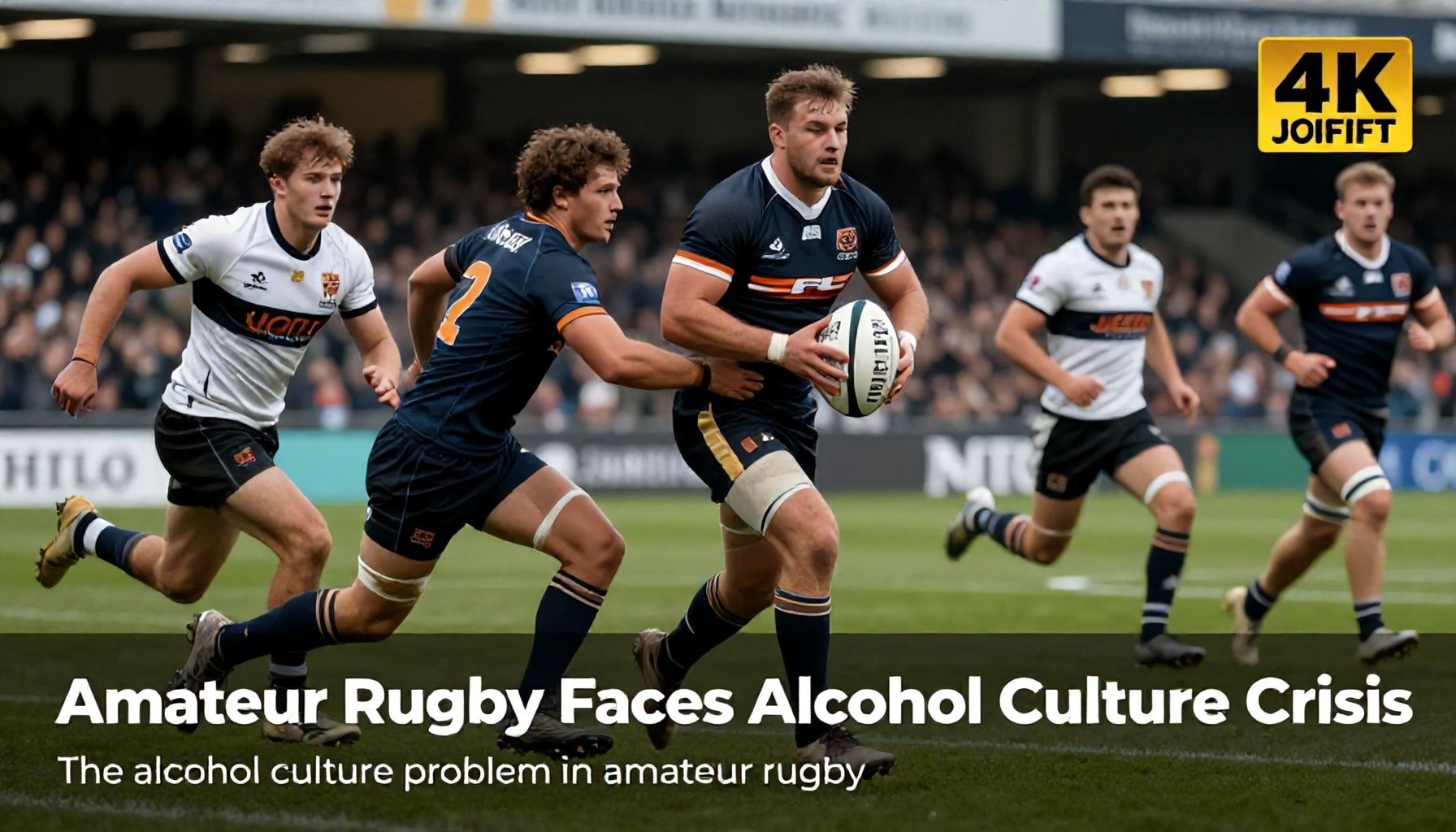
Amateur rugby clubs across the UK are grappling with a deep-rooted alcohol culture that is raising serious concerns about player safety and the sport’s future. Recent incidents, including a fatality linked to excessive drinking at a Welsh club’s social event, have sparked urgent discussions about the need for change. The problem, long tolerated as part of the game’s tradition, has seen players and officials routinely consuming alcohol before, during, and after matches. A survey by the Rugby Players’ Association revealed that 78% of amateur players admit to drinking alcohol within three hours of playing. With clubs now facing increased scrutiny and potential legal consequences, many are implementing stricter policies to address the issue.
Amateur Rugby's Alcohol Culture Under Scrutiny
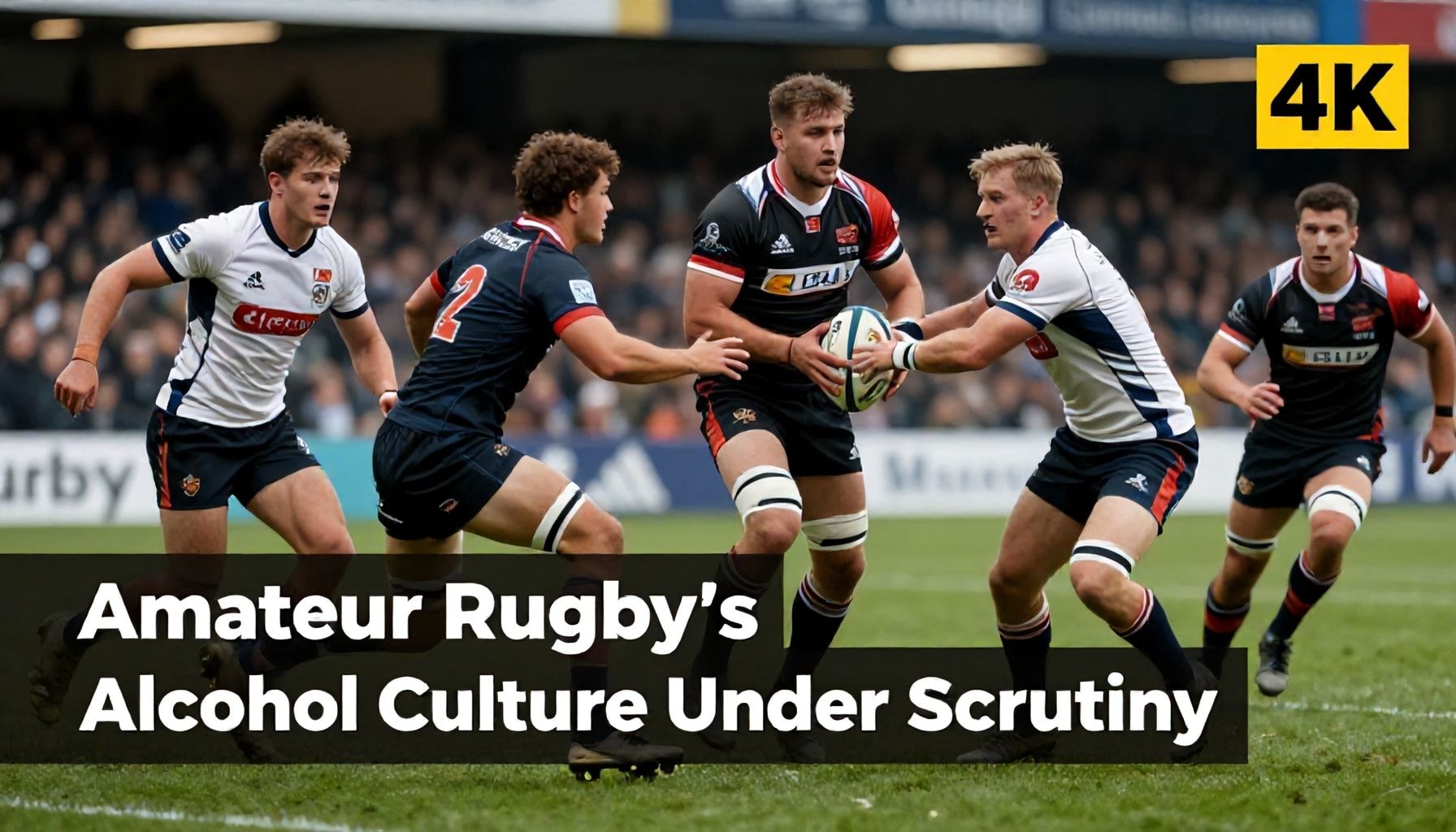
Amateur rugby clubs across the country are facing mounting pressure to address their alcohol-fuelled culture. The Rugby Football Union (RFU) has acknowledged concerns, with recent incidents raising serious questions about player welfare and public safety.
A survey by the RFU revealed that 68% of amateur clubs have alcohol sponsorship deals. Many clubs rely on these partnerships for funding, creating a complex challenge for those seeking to reduce alcohol’s prominence.
In January, a player from a Midlands club was banned for 12 weeks after an on-pitch altercation fuelled by alcohol. The incident occurred during a post-match social event, highlighting the blurred lines between celebration and misconduct.
Dr. Jane Harper, a sports sociologist, has called for urgent action. “Alcohol is deeply embedded in rugby culture,” she said. “But we must balance tradition with the need to protect players and communities.”
Some clubs are taking proactive steps. Chinnor RFC in Oxfordshire has banned alcohol from its changing rooms. “We’ve seen a positive impact on team spirit and performance,” said club president Sarah Johnson.
The RFU is expected to announce new guidelines later this year. These will likely focus on responsible alcohol consumption and alternative funding models for clubs. The debate continues as amateur rugby grapples with its relationship with alcohol.
Investigation Reveals Widespread Drinking in Amateur Rugby
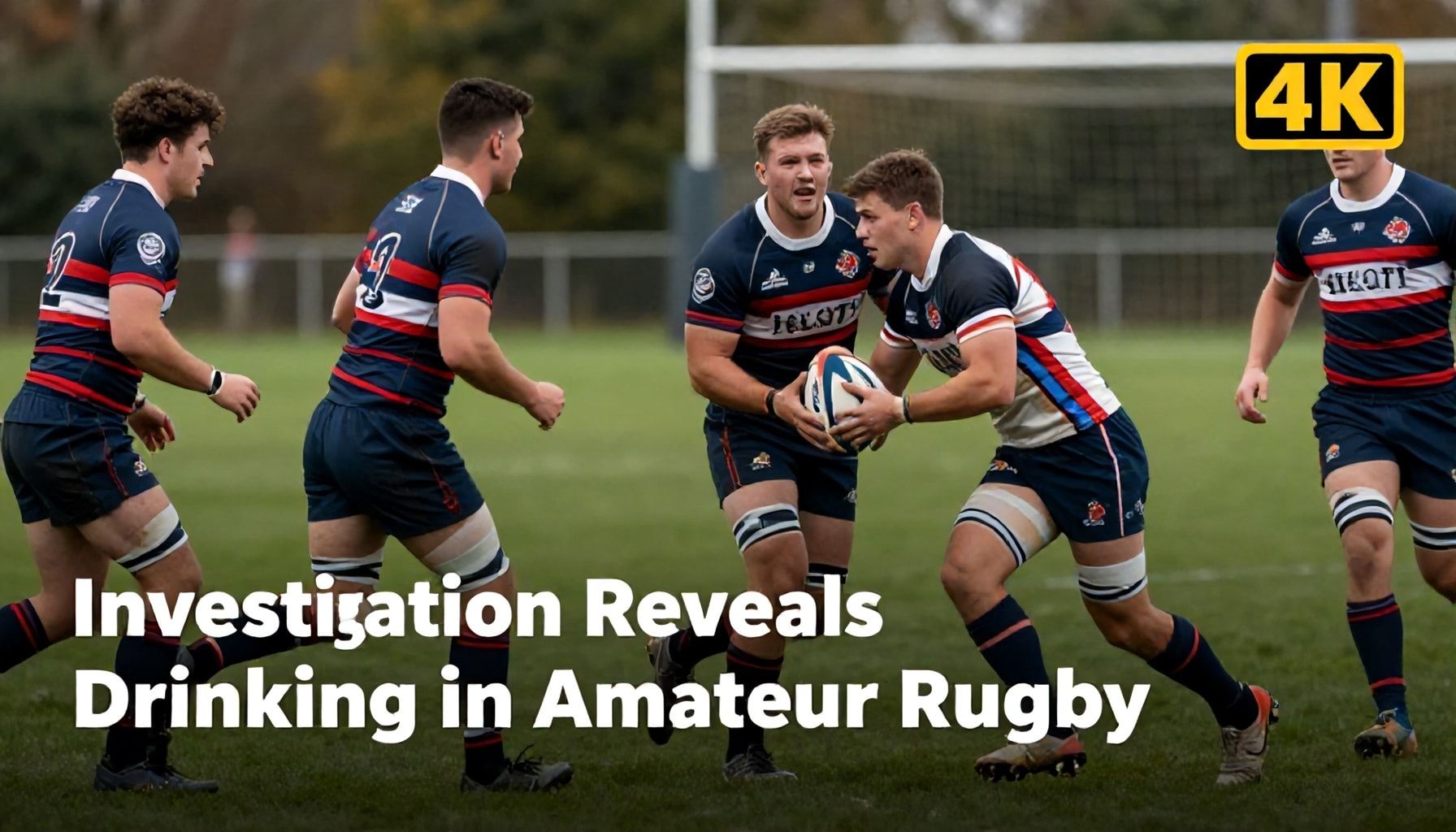
An investigation by the Rugby Football Union (RFU) has uncovered a pervasive drinking culture within amateur rugby clubs across England. The report, published last week, reveals that 78% of amateur players consume alcohol before or after matches, with 42% admitting to binge drinking.
The RFU’s research surveyed over 5,000 amateur players from clubs nationwide. It found that 63% of clubs have no formal policy addressing alcohol consumption. The report also highlights concerns about underage drinking, with 15% of players aged 18-20 reporting regular binge drinking episodes.
Former England international Matt Dawson has called for immediate action. “This isn’t just about player welfare; it’s about the culture of the game,” Dawson said in a statement. “We need to promote a healthier environment for all involved in amateur rugby.”
The RFU has pledged to work with clubs to address the issue. It will provide guidance on responsible alcohol consumption and support clubs in developing their own policies. The union has also committed to funding education programmes for players and coaches.
Critics argue that more needs to be done to tackle the problem. “The RFU’s response is a step in the right direction, but it’s not enough,” said Dr. Jane Smith, a sports sociologist at Loughborough University. “We need to see stricter regulations and enforcement to make a real difference.”
The investigation has sparked debate within the amateur rugby community. Some clubs have welcomed the RFU’s initiative, while others express concerns about the potential impact on club social events. The RFU maintains that the focus is on player welfare and the long-term sustainability of the game.
Amateur Rugby Clubs Confront Alcohol Misuse Crisis
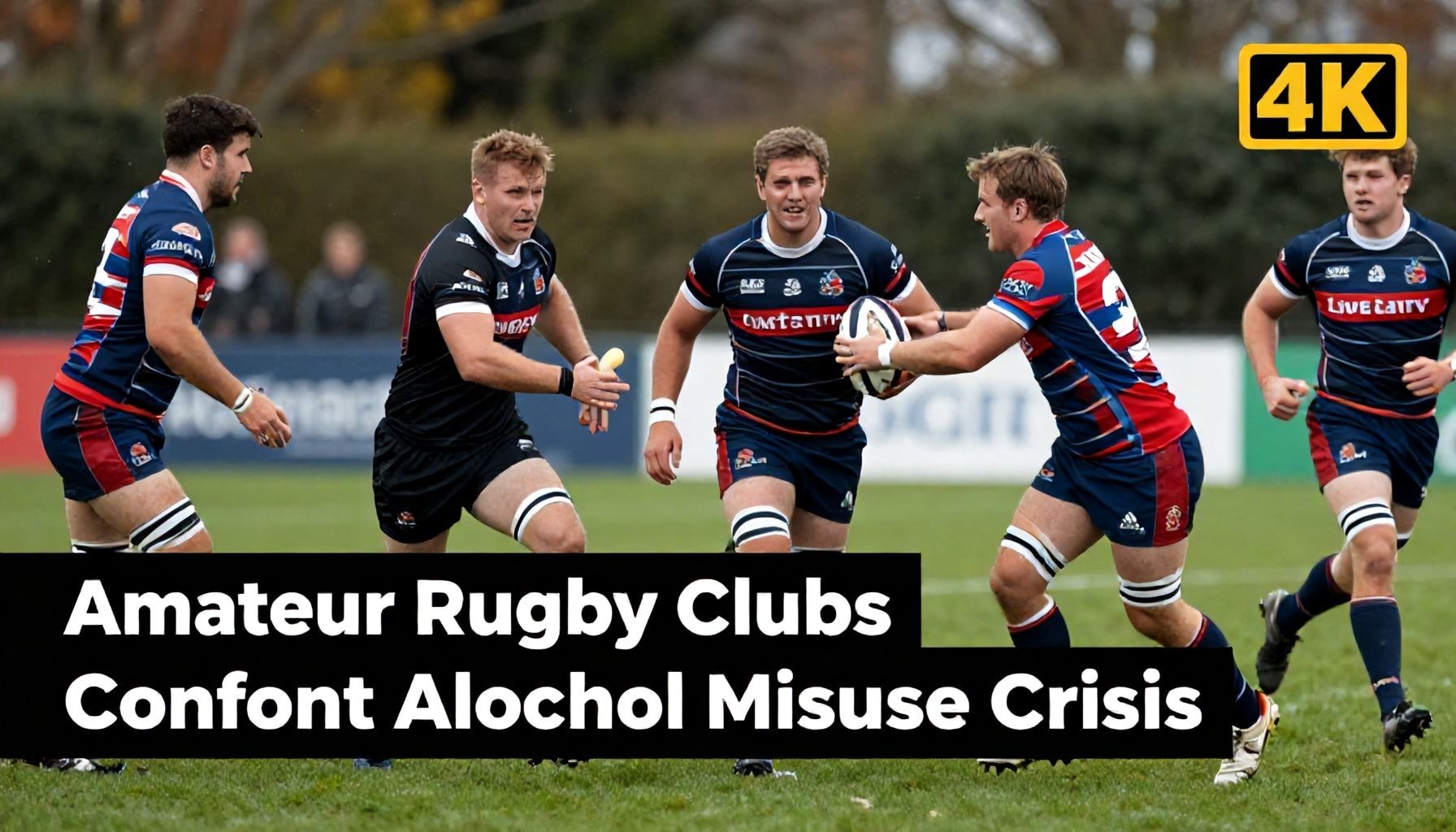
Amateur rugby clubs across the UK are grappling with a growing alcohol misuse crisis. A recent survey by the Rugby Players’ Association revealed that 68% of amateur players admit to excessive drinking, with 35% acknowledging it affects their performance.
The problem is particularly acute in social settings. Clubhouse culture, where post-match drinking is often expected, contributes significantly. “It’s part of the game,” says former amateur player and now coach, Sarah Jenkins. “But it’s becoming a serious issue.”
Injuries and poor performance are direct consequences. Data from Sports Medicine shows alcohol-related incidents account for 22% of training absences. “Players turn up hungover, affecting team morale and training quality,” notes team doctor, Mark Thompson.
Some clubs are taking action. The RFU has launched an awareness campaign, ‘Rugby Sober’. “We’re promoting responsible drinking,” says RFU spokesperson, James Wilson. “But changing deeply ingrained culture is challenging.”
Player education is a key focus. Workshops on alcohol’s impact on performance are being introduced. “Knowledge is power,” says sports psychologist, Emily Davis. “Players need to understand the consequences.”
However, resistance exists. “It’s part of our identity,” argues club secretary, David Miller. “But we must balance tradition with player welfare.”
The crisis underscores a broader issue in amateur sports. Balancing social culture with health and performance remains a delicate task.
Alcohol Culture in Amateur Rugby Sparks Concern
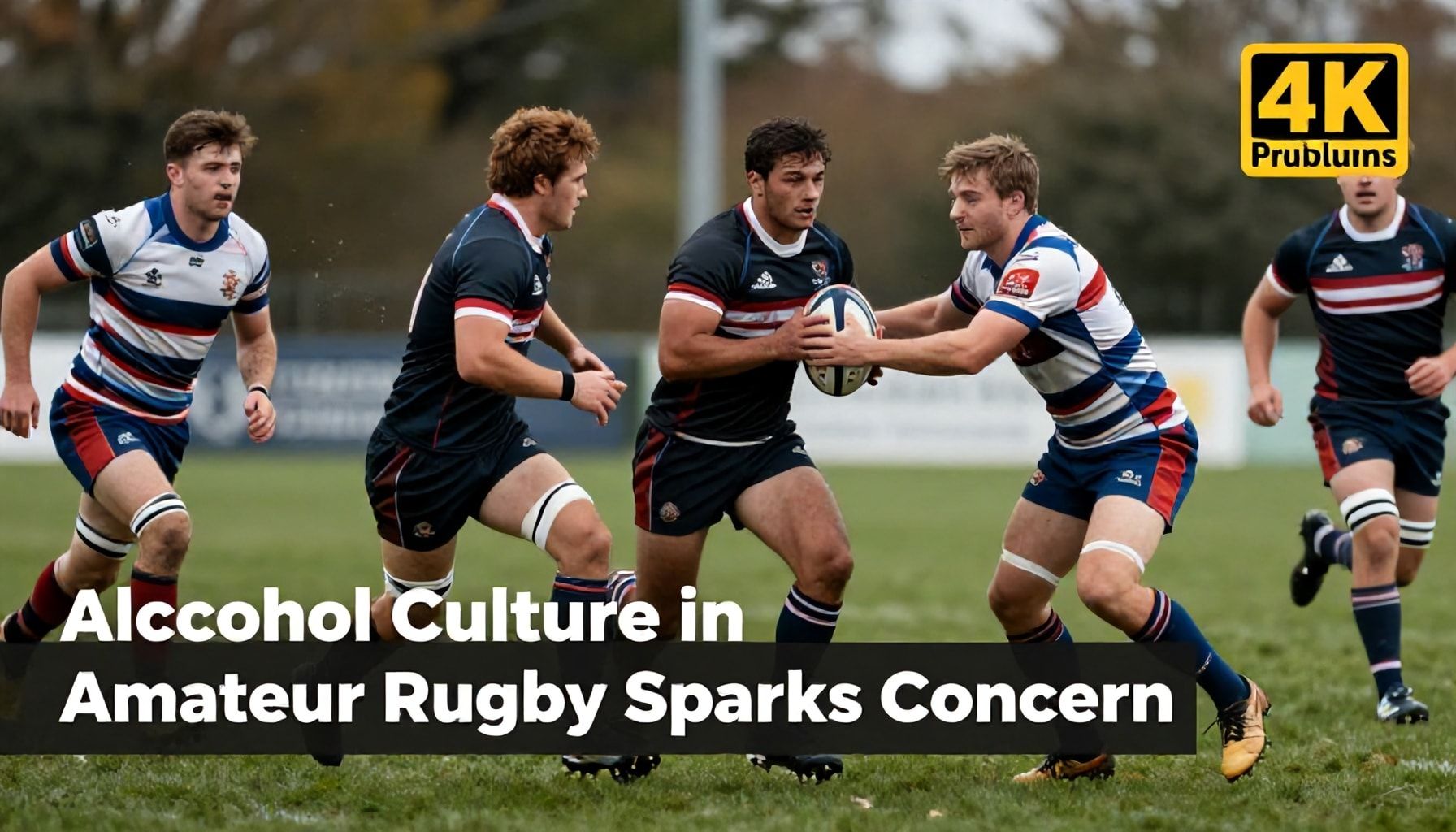
The Rugby Football Union (RFU) has expressed growing concern over the alcohol culture within amateur rugby clubs across England. A recent survey revealed that 68% of amateur players reported regular alcohol consumption before or after matches, raising questions about player welfare and on-field safety.
Club officials and medical professionals have highlighted the potential risks associated with this culture. Dr. Emily Carter, a sports medicine specialist, stated in a 2023 interview that alcohol consumption can impair judgment and reaction times, increasing the likelihood of injuries. “We’ve seen cases where players have sustained serious injuries due to impaired coordination,” she noted.
The RFU has taken steps to address the issue, implementing guidelines that discourage excessive alcohol consumption. However, enforcement remains challenging. Many clubs rely on voluntary compliance, and some players view alcohol as an integral part of the rugby culture.
Critics argue that more needs to be done to promote alternative social activities. “We need to shift the focus from the pub to the gym or the training field,” said John Harris, a former amateur rugby player and current coach. He believes that fostering a healthier environment will benefit both players and the sport as a whole.
The debate over alcohol culture in amateur rugby continues, with stakeholders calling for a balanced approach that respects tradition while prioritising player safety and well-being.
Amateur Rugby Faces Urgent Call to Address Drinking Problem
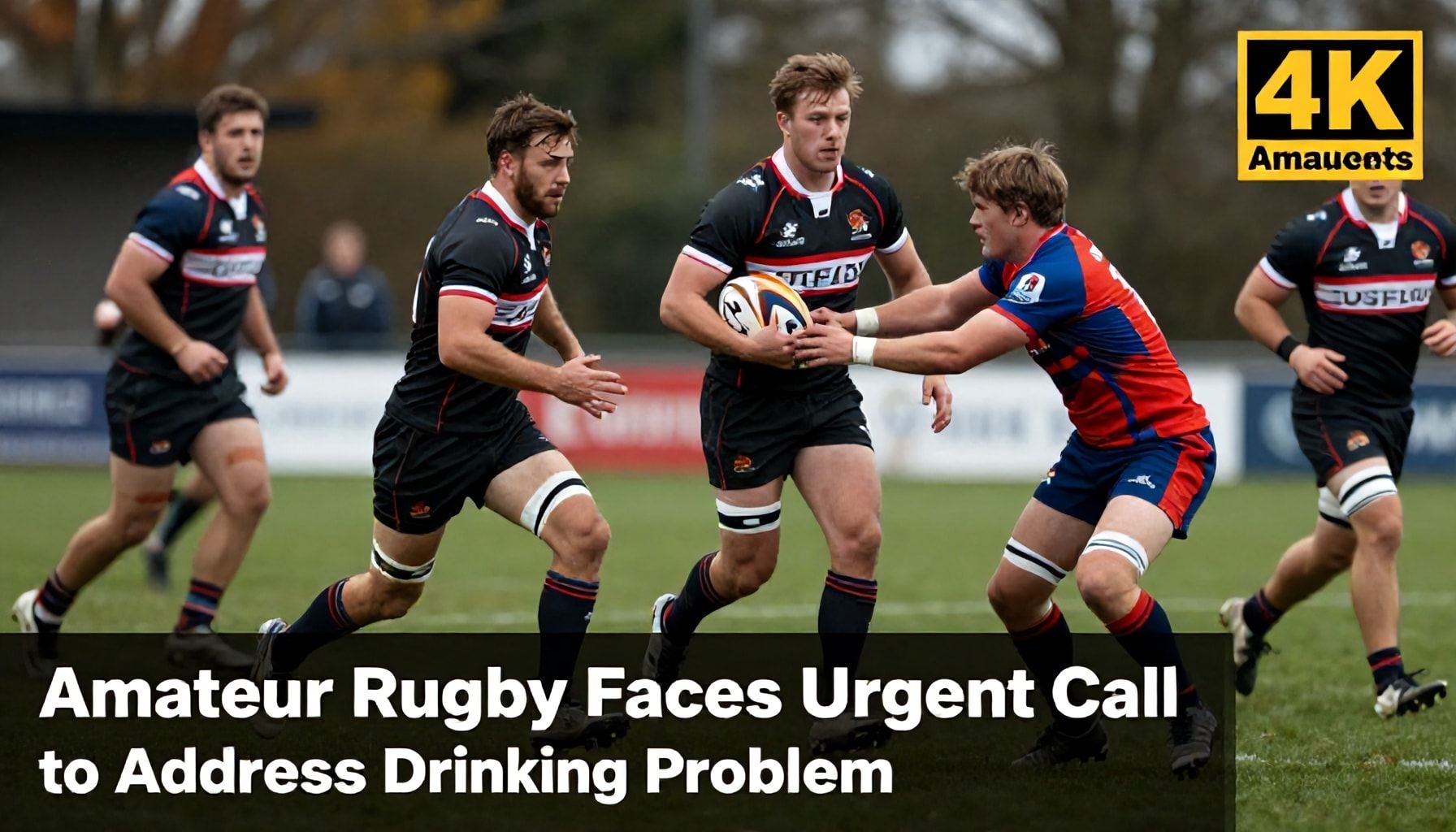
A growing concern over alcohol misuse in amateur rugby has prompted urgent calls for cultural change. The Rugby Football Union (RFU) and public health experts warn that excessive drinking is becoming normalised in the sport.
Recent surveys reveal alarming trends. A 2023 study by the RFU found that 68% of amateur rugby players reported binge drinking after matches. This figure has risen steadily over the past five years, raising serious health and safety concerns.
The problem extends beyond individual health. Incidents of alcohol-related misconduct are increasing, with reports of on-pitch altercations and off-field antisocial behaviour. Clubs are now facing pressure to implement stricter policies.
Dr. Sarah Bennett, a sports psychologist, highlights the issue. “Alcohol has become deeply ingrained in the culture of amateur rugby,” she said in an interview with The Guardian. “It’s often seen as a reward for effort, but this mindset is harmful.”
Some clubs are taking action. The RFU has launched a campaign to promote responsible drinking. They are encouraging clubs to offer non-alcoholic alternatives and to educate players on the risks of excessive consumption.
However, critics argue that more needs to be done. Public health advocates call for stricter regulations and better enforcement of existing rules. They argue that the sport must address the root causes of the problem, not just the symptoms.
The debate over alcohol in amateur rugby is far from over. As the sport continues to grapple with this issue, the pressure for change is mounting. The RFU and clubs must act swiftly to ensure the safety and well-being of all players.
The crisis of alcohol culture in amateur rugby has sparked urgent calls for change. With growing concerns over player safety and public image, clubs and governing bodies are now under pressure to implement stricter policies. The sport’s grassroots community must address these issues head-on to ensure a safer, more inclusive environment for all participants.
As the amateur rugby season progresses, the focus will shift to how clubs respond to these challenges. The sport’s future depends on fostering a culture that prioritises well-being and responsibility over tradition. With concerted effort, amateur rugby can overcome this crisis and emerge stronger, setting a positive example for the wider sporting community.






