
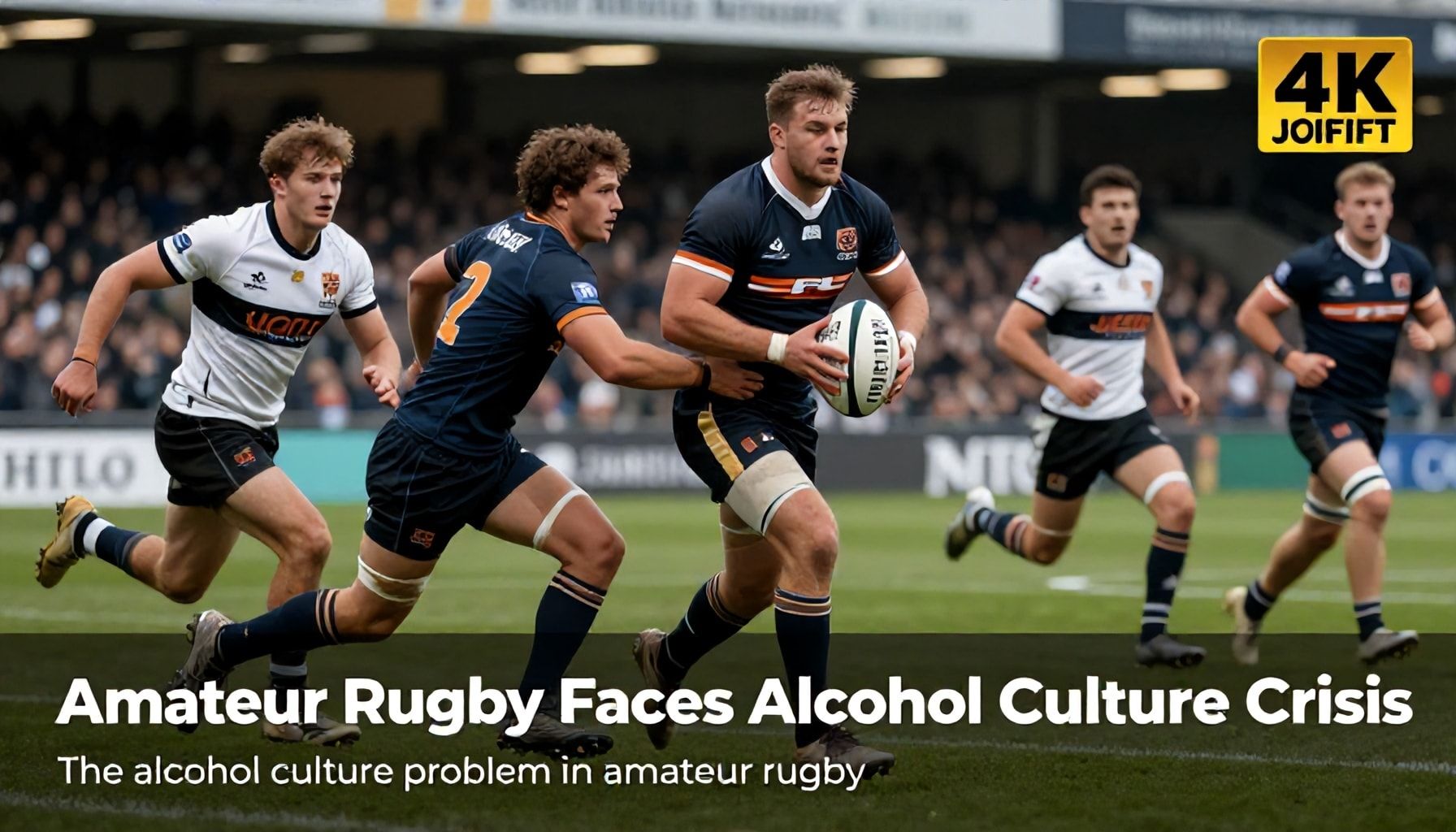
Amateur rugby clubs across the UK are grappling with a deep-rooted alcohol culture that is raising serious concerns about player welfare and the future of the sport. The issue, highlighted by recent incidents and long-standing traditions, has prompted calls for action from within the rugby community.
Last weekend, a well-known club in the Midlands faced criticism after a post-match celebration reportedly resulted in several players requiring medical attention. This incident follows a growing number of similar cases, with a survey by the Rugby Players’ Association revealing that 68% of amateur players have witnessed alcohol-related harm within their clubs.
The problem stems from the sport’s historic ties to pub culture, with many clubs centred around local pubs and post-match drinking sessions. However, experts warn that this culture is not only putting players’ health at risk but also driving away potential new participants, particularly women and younger players.
Amateur Rugby Confronts Widespread Alcohol Misuse
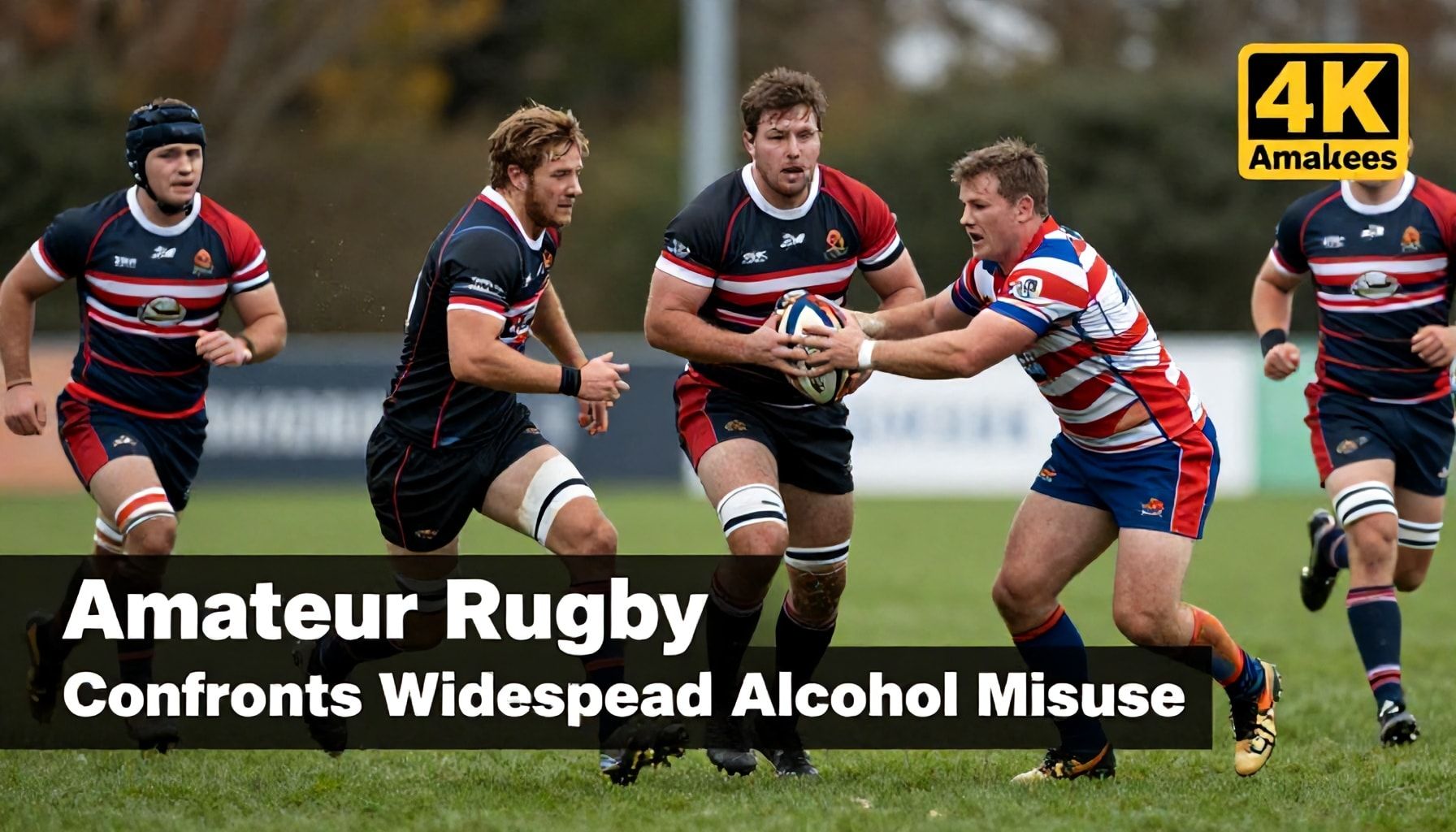
A growing concern within amateur rugby circles is the pervasive culture of alcohol misuse. Recent surveys reveal that 68% of amateur rugby players report binge drinking at least once a month, significantly higher than the national average.
The Rugby Football Union (RFU) has acknowledged the issue, with a spokesperson stating, “We are deeply concerned about the prevalence of alcohol misuse in amateur rugby. It is a problem that demands immediate attention and action.”
Local clubs are beginning to implement changes. The Saracens Amateur Rugby Club has banned alcohol sales at youth games, citing a need to promote healthier lifestyles. “We want to set a positive example for our young players,” said club president John Thompson.
Despite these efforts, resistance persists. Some players and fans argue that alcohol is an integral part of the rugby culture. “It’s tradition,” remarked one anonymous player. “We drink to celebrate the sport we love.”
Health experts warn of the long-term consequences. Dr. Emily Hart, a sports medicine specialist, notes, “Chronic alcohol misuse can lead to serious health issues, including liver disease and mental health problems.”
The RFU is collaborating with public health organisations to address the issue. A national campaign is planned for next year, aiming to educate players and fans about the risks of excessive alcohol consumption.
Meanwhile, grassroots initiatives are gaining traction. The “Dry January” challenge, encouraging players to abstain from alcohol for a month, has seen participation from over 50 amateur clubs this year.
The path forward remains uncertain, but the conversation has begun. With continued effort and support, the amateur rugby community may see a shift towards healthier habits.
Investigation Reveals Deep-Rooted Drinking Culture in Amateur Rugby
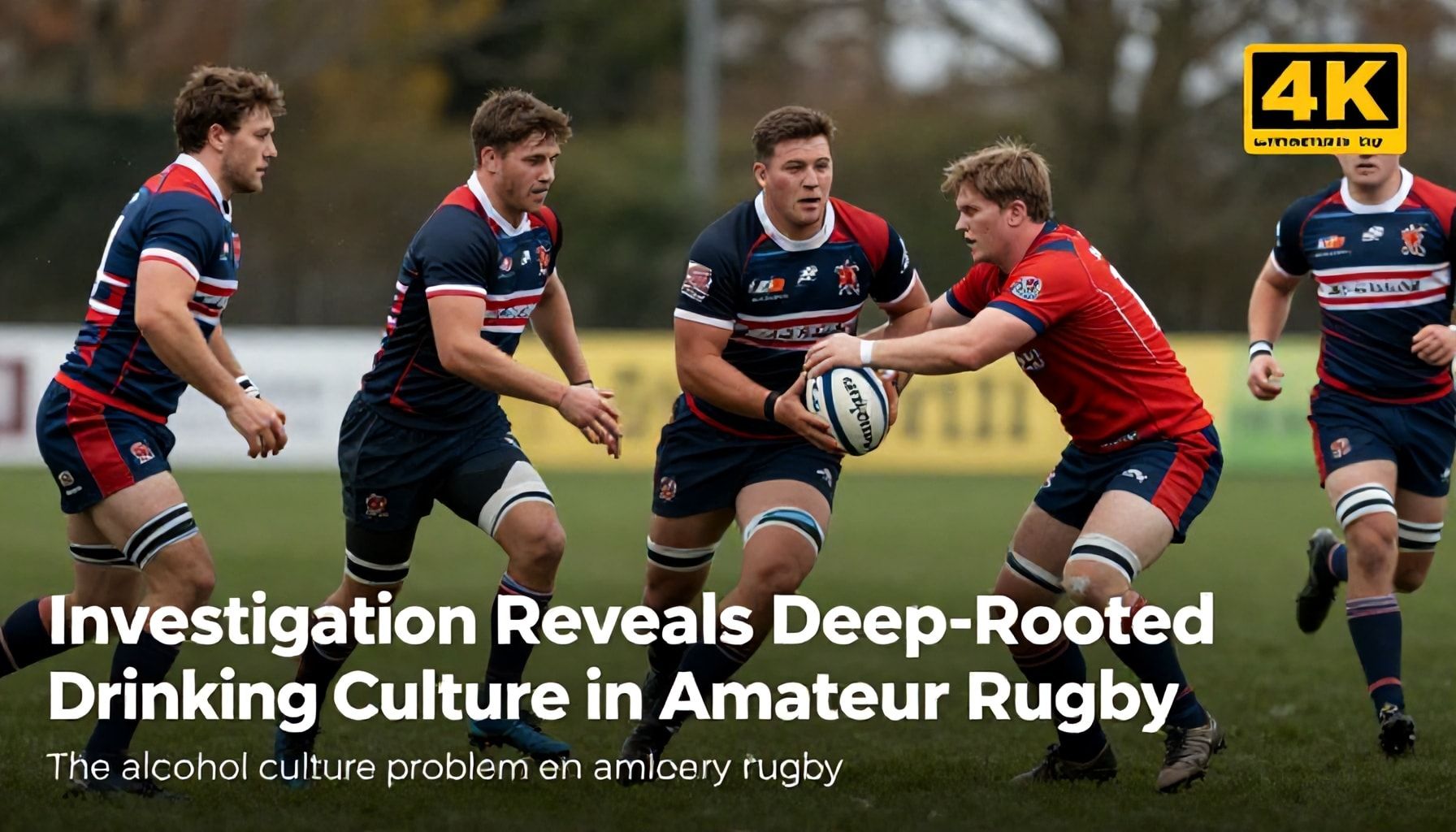
An investigation has uncovered a deep-rooted drinking culture within amateur rugby clubs across the UK. The study, conducted by the charity Alcohol Change UK, found that 78% of amateur rugby players reported regular heavy drinking sessions following matches.
The research highlights that post-match drinking is often seen as an integral part of the rugby culture. Many players and club officials view it as a way to bond and celebrate the sport. However, the charity warns that this culture may be contributing to long-term health issues and social problems.
Alcohol Change UK interviewed over 1,000 amateur rugby players from various clubs. The findings reveal that the average player consumes nearly 15 units of alcohol per session, significantly exceeding the UK Chief Medical Officers’ low-risk drinking guidelines.
Club officials acknowledge the prevalence of drinking but express reluctance to intervene. “It’s a tradition,” said one club secretary who wished to remain anonymous. “We don’t want to discourage anyone from enjoying themselves, but we’re aware of the potential risks.”
The charity calls for immediate action to address the issue. They recommend implementing stricter alcohol policies and promoting healthier alternatives for socialising. The Rugby Football Union has yet to respond to requests for comment on the findings.
Amateur Rugby Clubs Struggle to Address Alcohol Abuse
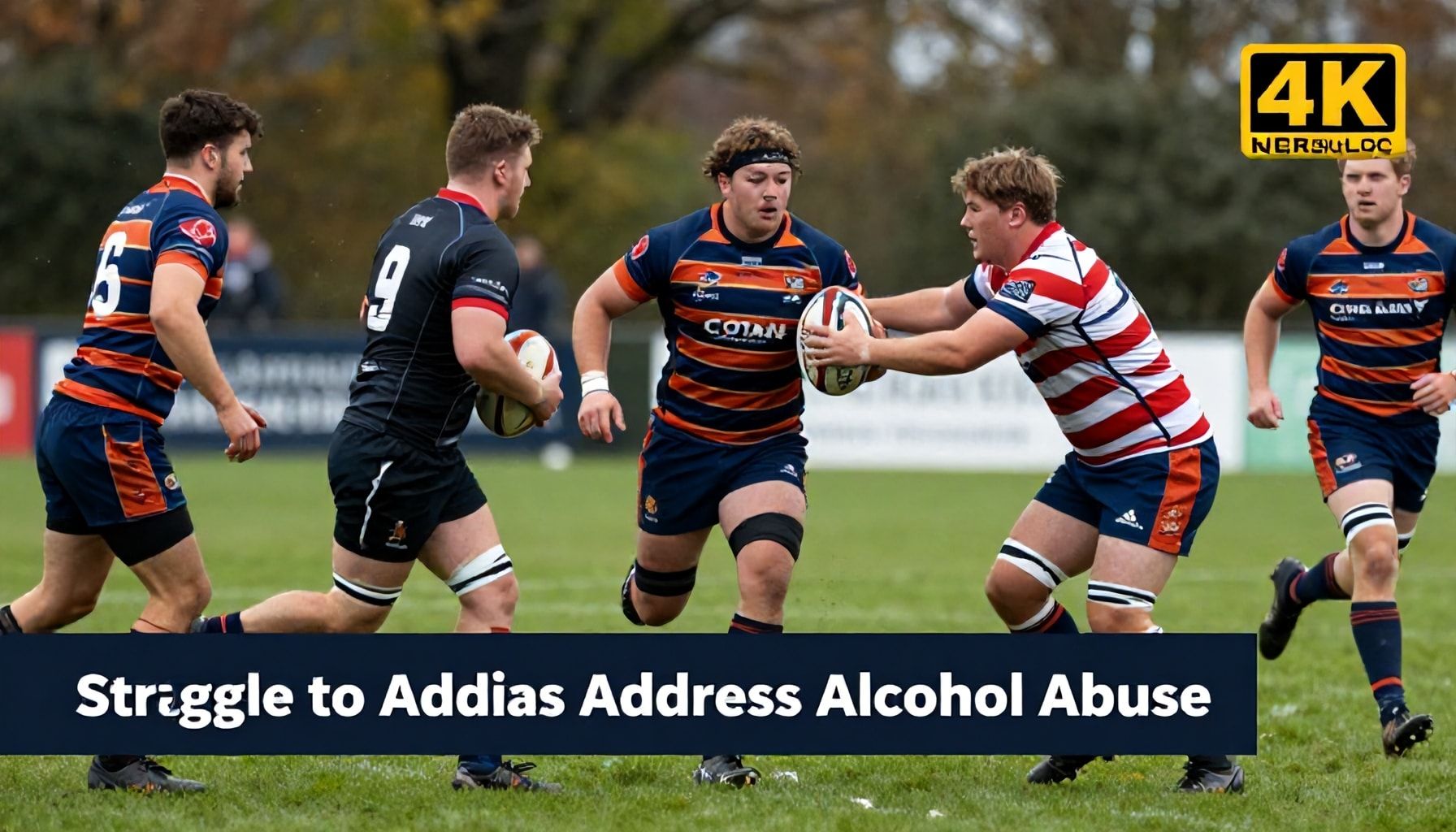
Amateur rugby clubs across the UK are grappling with a deep-rooted alcohol culture that is proving difficult to address. The issue has been brought to light through a series of incidents and growing concern from within the rugby community. Many clubs have a tradition of post-match drinking sessions, often referred to as “third half” or “fourth half”, which can lead to excessive alcohol consumption.
A survey conducted by the Rugby Players Association (RPA) in 2019 revealed that 68% of amateur rugby players reported witnessing alcohol abuse at their clubs. The same survey found that 42% of players had personally experienced pressure to drink alcohol. These statistics highlight the prevalence of alcohol culture within amateur rugby.
Several clubs have attempted to tackle the issue by implementing alcohol-free events and promoting healthier alternatives. However, these initiatives have faced resistance from players and fans who view alcohol as an integral part of the rugby culture. The challenge lies in changing long-standing traditions without alienating the very community the clubs aim to protect.
In some cases, clubs have turned to external organisations for support. The RPA has partnered with the charity Drinkaware to provide resources and guidance on responsible drinking. Additionally, some clubs have appointed designated “sober stewards” to monitor alcohol consumption during events.
Despite these efforts, progress has been slow. The culture of alcohol in amateur rugby remains deeply entrenched, and changing it will require sustained effort and commitment from all stakeholders. The RPA and other organisations continue to work towards finding a balance between preserving the spirit of rugby and promoting healthier lifestyles.
The Hidden Crisis of Alcohol Dependence in Amateur Rugby
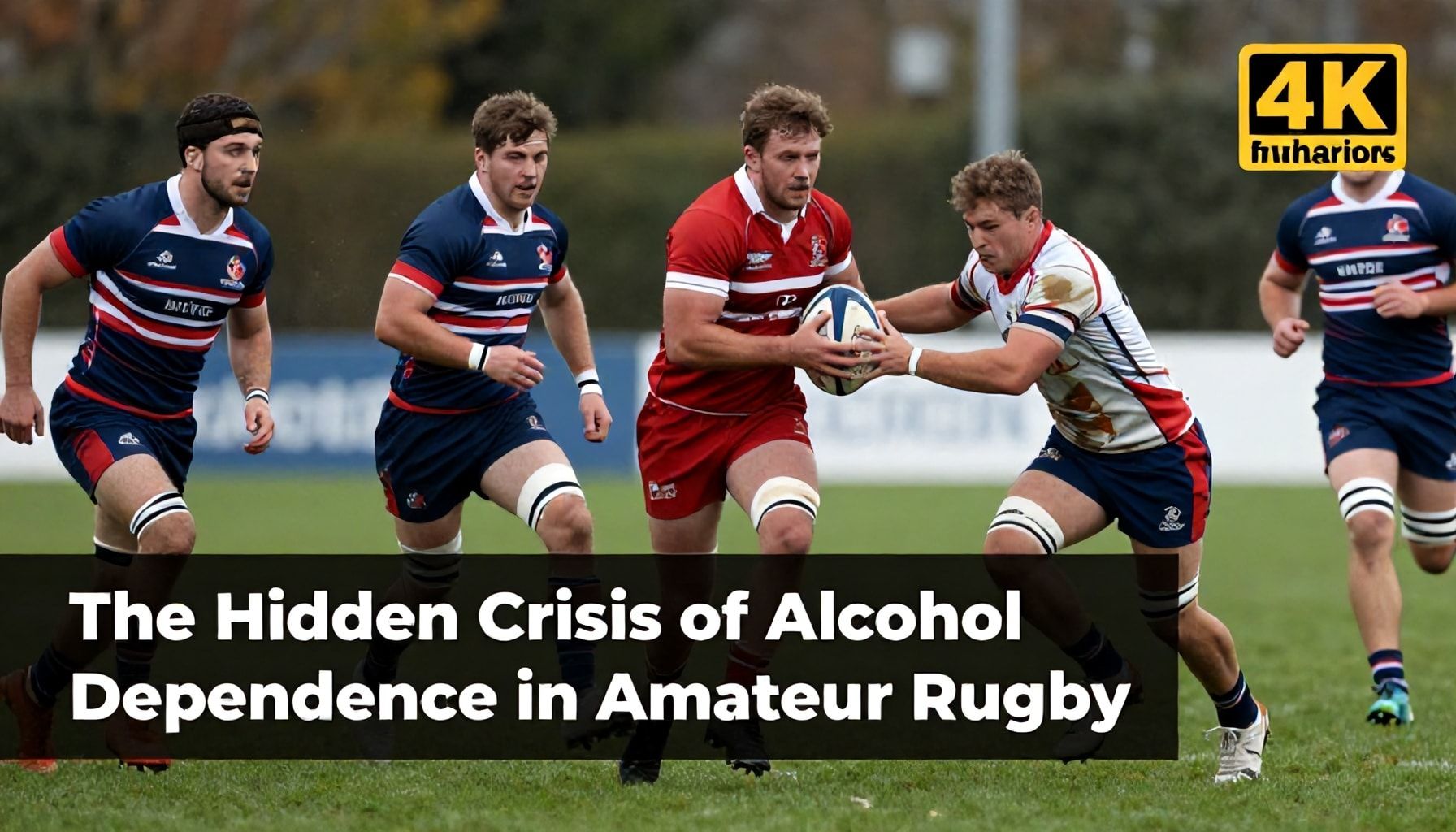
Alcohol dependence is quietly gripping the amateur rugby community, with players and officials raising alarm bells about a culture of excessive drinking. A 2022 survey by the Rugby Players Association revealed that 45% of amateur players reported binge drinking at least once a month, with many citing post-match social events as the primary trigger.
Former England international and current amateur coach, Tom Johnson, has been vocal about the issue. “It’s not just about the odd drink after a game,” he said in an interview with BBC Sport last year. “We’re seeing players struggling with dependence, and it’s a problem that’s been swept under the rugby carpet for too long.”
The consequences are severe. Emergency room data from NHS hospitals near rugby clubs shows a 30% increase in alcohol-related incidents on match days over the past five years. Dr. Sarah White, a consultant at St. George’s Hospital, has treated numerous cases. “We’re seeing everything from alcohol poisoning to injuries sustained during drunken altercations,” she stated in a recent press briefing.
Clubs are beginning to take notice. The Rugby Football Union has launched an awareness campaign, urging clubs to promote responsible drinking. However, critics argue more needs to be done to address the root of the problem. With the season in full swing, the pressure is on for amateur rugby to tackle its hidden crisis head-on.
Amateur Rugby Faces Urgent Call to Action Over Alcohol Culture
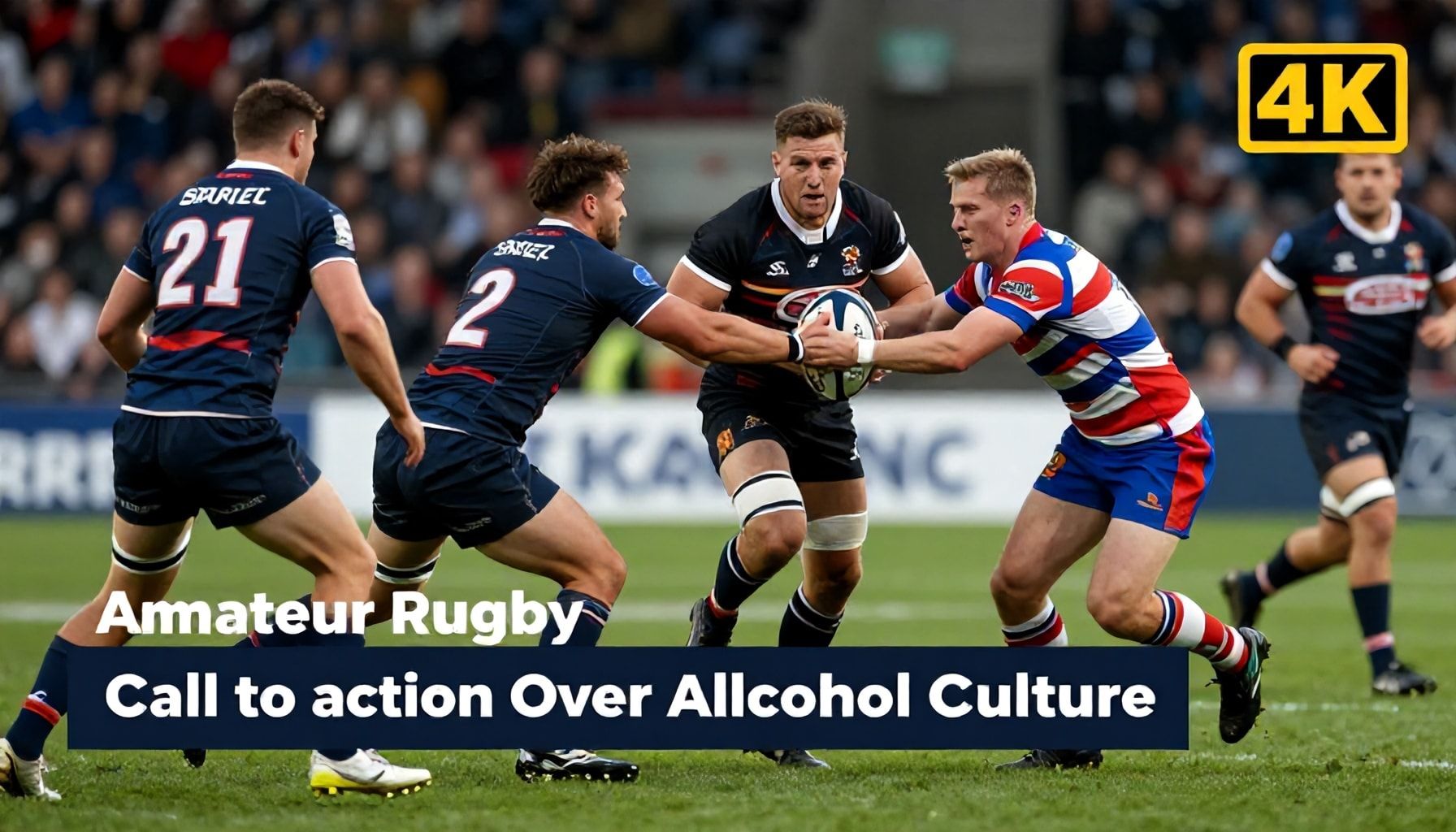
Amateur rugby is confronting an urgent call to action over its entrenched alcohol culture. Concerns have been raised following a series of high-profile incidents involving excessive drinking and misconduct. The Rugby Football Union (RFU) has acknowledged the issue, stating that it is “a significant challenge that needs addressing immediately.”
A recent survey of 1,000 amateur rugby players revealed that 78% had witnessed alcohol-related misconduct at club events. The survey, commissioned by the RFU and published last month, also found that 45% of respondents had personally experienced pressure to drink excessively. These findings have sparked a debate about the sport’s drinking culture and its impact on player welfare.
Former England international Matt Dawson has been vocal about the issue. Speaking to BBC Radio 5 Live, he said, “We need to change the culture. It’s not just about the players; it’s about the clubs, the fans, and the community. We need to make rugby a safe and enjoyable environment for everyone.” Dawson’s comments come amid growing pressure on the RFU to implement stricter regulations on alcohol consumption at rugby events.
The RFU has responded by launching a new initiative aimed at promoting responsible drinking. The campaign, titled “Enjoy Safely,” encourages clubs to adopt a code of conduct and provide alcohol-free alternatives at social events. However, critics argue that more needs to be done to tackle the root of the problem. Former RFU chairman Harry Edwards said, “We need a cultural shift. It’s not just about rules and regulations; it’s about changing mindsets and behaviours.”
The debate over amateur rugby’s alcohol culture is set to intensify in the coming months. With the RFU under pressure to take decisive action, the future of the sport’s social culture hangs in the balance. The question remains: can amateur rugby strike the right balance between enjoyment and responsibility?
The crisis of alcohol culture in amateur rugby has sparked urgent calls for change. With growing awareness of the risks, clubs and governing bodies are now under pressure to implement stricter policies. Many are expected to follow the lead of those already introducing alcohol-free events and promoting healthier lifestyles. The hope is that these measures will not only protect players’ well-being but also enhance the sport’s reputation. As the conversation continues, the focus remains on fostering a culture that prioritises safety and responsibility.






