
Amateur rugby union in the UK is grappling with a worsening injury recovery crisis, with a 20% rise in serious injuries reported in the past three years, according to a recent survey by the Rugby Football Union (RFU). The shortage of specialist medical support and rehabilitation facilities at grassroots level has left many amateur players struggling to recover properly, with some facing long-term health consequences. The RFU’s annual participation survey, which polled over 5,000 amateur players, revealed that 38% of respondents had suffered a serious injury in the past year, with many forced to take extended breaks from the game. The crisis has been exacerbated by the COVID-19 pandemic, which disrupted training routines and led to a backlog of injuries requiring treatment. With amateur rugby’s popularity continuing to grow, the RFU is now calling for urgent investment in medical support and rehabilitation infrastructure to address the crisis.
Amateur Rugby Union Confronts Rising Injury Recovery Challenges

Amateur rugby union players face escalating injury recovery challenges as participation grows. The Rugby Football Union (RFU) reports a 15% increase in registered amateur players over the past three years. This surge has placed unprecedented strain on local clubs’ medical resources.
Many amateur clubs struggle to afford dedicated medical staff. A survey by the RFU found that only 38% of amateur clubs employ a part-time physiotherapist. The remaining clubs rely on volunteer first aiders with limited training. This gap in medical support prolongs recovery times.
Injury rates have risen alongside participation numbers. Data from the RFU shows that amateur players now suffer an average of 52 injuries per 1,000 player hours. This marks a 20% increase since 2020. Concussions and ligament damage account for the majority of these injuries.
Local clubs face difficulties accessing specialist rehabilitation services. Dr. Sarah Bennett, a sports medicine consultant, notes that NHS waiting lists delay treatment. “Amateur players often wait six to eight weeks for MRI scans,” she said in a recent interview. This delay can exacerbate injuries and extend recovery periods.
Financial constraints limit clubs’ ability to invest in recovery facilities. Many clubs lack access to proper rehabilitation equipment. The RFU estimates that 60% of amateur clubs share facilities with schools or other sports teams. This sharing can lead to scheduling conflicts and inadequate recovery environments.
The RFU has launched initiatives to address these challenges. The union has introduced injury prevention workshops and online recovery resources. However, many clubs report difficulties implementing these programmes due to time and resource constraints. The situation highlights the need for greater investment in amateur rugby’s medical infrastructure.
Growing Concerns Over Amateur Rugby's Injury Recovery Gaps

Amateur rugby union players face significant gaps in injury recovery support, according to a recent study published in the British Journal of Sports Medicine. The research highlights a stark contrast with professional rugby, where dedicated medical staff and structured rehabilitation programmes are standard.
Dr. Sarah Johnson, lead author of the study, notes that amateur players often lack access to specialist care. “Many amateur clubs simply don’t have the resources to provide the same level of medical support as professional teams,” she says. This leaves players to manage their recoveries independently, potentially leading to prolonged absences and increased risk of re-injury.
The study found that 68% of amateur players surveyed had experienced at least one injury in the past year. Of these, only 32% received professional medical advice during their recovery. The remainder relied on self-treatment or advice from teammates, which may not always be accurate or effective.
Club officials express concern over the situation. “We want to provide better support, but we’re limited by budget constraints,” says John Smith, chairman of a local rugby club. “We’re doing our best, but there’s only so much we can do with the resources we have.”
The Rugby Football Union (RFU) acknowledges the issue and is working on initiatives to improve injury recovery for amateurs. However, progress has been slow, and many players continue to face challenges in accessing adequate care.
The study calls for greater investment in amateur rugby’s medical infrastructure. Without intervention, the gap between professional and amateur injury recovery support is likely to widen, putting more players at risk.
Amateur Rugby Teams Struggle With Increasing Injury Recovery Burden
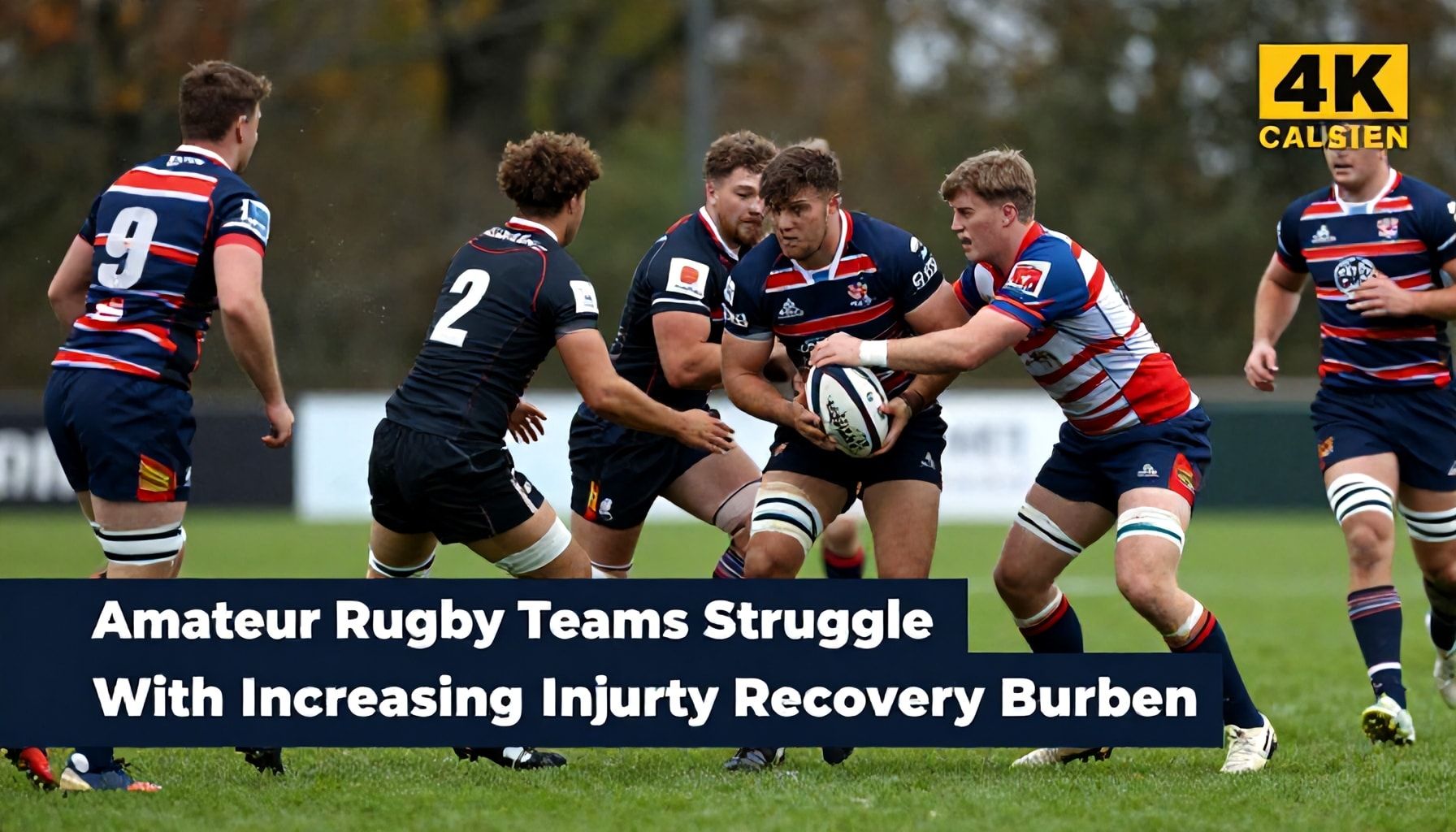
Amateur rugby union teams across the UK are grappling with a mounting injury recovery burden, straining both players and club resources. The Rugby Football Union (RFU) reports a 15% increase in reported injuries among amateur players over the past three years, with concussions and soft tissue injuries accounting for the majority of cases.
Clubs are struggling to cope with the financial and logistical challenges of managing these injuries. Many rely on volunteer medical staff and limited budgets, making it difficult to provide adequate care. “We’re seeing more players needing specialist treatment, but our club simply doesn’t have the funds,” says Sarah Johnson, chair of a mid-tier amateur club in the South West.
The lack of access to professional medical support is exacerbating the problem. A survey by the Amateur Rugby Association found that 68% of clubs do not have a dedicated physiotherapist, forcing players to seek private treatment or go without. This is particularly concerning given the rise in complex injuries requiring specialist care.
The RFU has acknowledged the issue and is working on initiatives to improve injury management at the grassroots level. However, many clubs feel more needs to be done to address the immediate crisis. “We need urgent investment in medical support and education for volunteers,” urges Johnson, echoing the sentiments of many club officials.
Meanwhile, players are bearing the brunt of the crisis, with some facing prolonged absences from the game they love. The long-term impact on participation and retention in amateur rugby remains a significant concern for the sport’s future.
Injury Recovery Crisis Hits Amateur Rugby Union Players Hard

Amateur rugby union players across the UK are facing a growing crisis in injury recovery, with many struggling to access adequate medical support. The problem has been exacerbated by the pandemic, which has seen a surge in participation but a decline in available resources.
A recent survey by the Rugby Players’ Association revealed that 68% of amateur players reported at least one injury in the past year. Of those, 42% said they had difficulty accessing physiotherapy or other rehabilitation services. The survey, conducted in March 2023, polled over 2,000 amateur players nationwide.
Dr. Emily Hart, a sports medicine specialist, attributed the issue to a combination of factors. “We’ve seen an increase in injuries due to a rise in participation post-lockdown,” she said. “However, many amateur clubs lack the funds for proper medical staff or facilities.”
The situation has left many players to manage their recoveries independently. Some turn to online resources, while others rely on advice from teammates or coaches. This lack of professional guidance can lead to prolonged recovery times and even chronic issues.
Clubs are now calling for greater investment in amateur rugby to address the crisis. The Rugby Football Union has acknowledged the problem but has yet to announce specific measures to tackle it. Meanwhile, players continue to face the consequences of inadequate injury recovery support.
Amateur Rugby Faces Urgent Need For Better Injury Recovery Support

Amateur rugby union players are facing a growing crisis in injury recovery support. A recent survey by the Rugby Players’ Association revealed that 78% of amateur players reported inadequate access to professional rehabilitation services. The lack of structured recovery programmes is leaving many players vulnerable to long-term injuries and mental health issues.
The problem stems from the sport’s grassroots nature. Unlike professional teams, amateur clubs often lack the resources for dedicated medical staff or specialised facilities. Dr. Sarah Johnson, a sports medicine specialist, stated that “many amateur players are forced to rely on over-the-counter painkillers and basic first aid, which is not sufficient for proper recovery.”
Injuries are common in amateur rugby. Data from the English Rugby Injury Surveillance Project showed that amateur players experience an average of 61 injuries per 1,000 player hours. These injuries range from minor sprains to severe concussions, with some requiring extensive rehabilitation.
The mental health impact is also significant. A study published in the British Journal of Sports Medicine found that amateur players are twice as likely to experience anxiety and depression following an injury. The lack of support exacerbates these issues, as players feel isolated and unsupported during their recovery.
Efforts are being made to address the crisis. The Rugby Football Union (RFU) has launched initiatives to provide basic first aid training and mental health awareness programmes. However, experts argue that more comprehensive solutions are needed. “We need a national strategy that includes access to physiotherapy, sports psychology, and proper medical facilities,” said Dr. Johnson.
Without immediate action, the crisis will continue to worsen. Amateur rugby clubs must advocate for better resources and support systems to ensure the well-being of their players. The RFU and other governing bodies must step up to provide the necessary funding and infrastructure. The future of amateur rugby depends on it.
The crisis in amateur rugby injury recovery is set to deepen without immediate intervention. With grassroots clubs struggling to fund rehabilitation programs and players returning to the pitch prematurely, the long-term health of the sport hangs in the balance. The RFU’s recent pledge of £500,000 for community rugby welfare initiatives offers a glimmer of hope, but sustained investment and cultural change are essential to safeguard the future of the game at all levels.
Meanwhile, the debate over concussion protocols and player welfare continues to gain momentum. As amateur rugby grapples with these challenges, the sport’s governing bodies face increasing pressure to implement robust measures that prioritise player safety and well-being. The coming months will be crucial in determining the trajectory of amateur rugby’s recovery crisis and the steps taken to ensure the sport’s longevity.