

Amateur rugby clubs across the country are grappling with a sharp rise in disciplinary issues this season, with incidents ranging from on-field brawls to post-match altercations. The Rugby Football Union (RFU) reports a 30% increase in disciplinary cases compared to last year, with many clubs citing increased aggression and poor sportsmanship as major concerns. The surge in disciplinary problems is being attributed to several factors, including increased pressure to win, a lack of qualified referees in amateur leagues, and the influence of professional rugby’s physical style of play. The RFU has expressed concern over the trend and is considering implementing stricter penalties and educational programs to address the issue. Meanwhile, clubs are urging players to maintain respect and sportsmanship on and off the field.
Amateur Rugby Sees Sharp Rise in Discipline Incidents
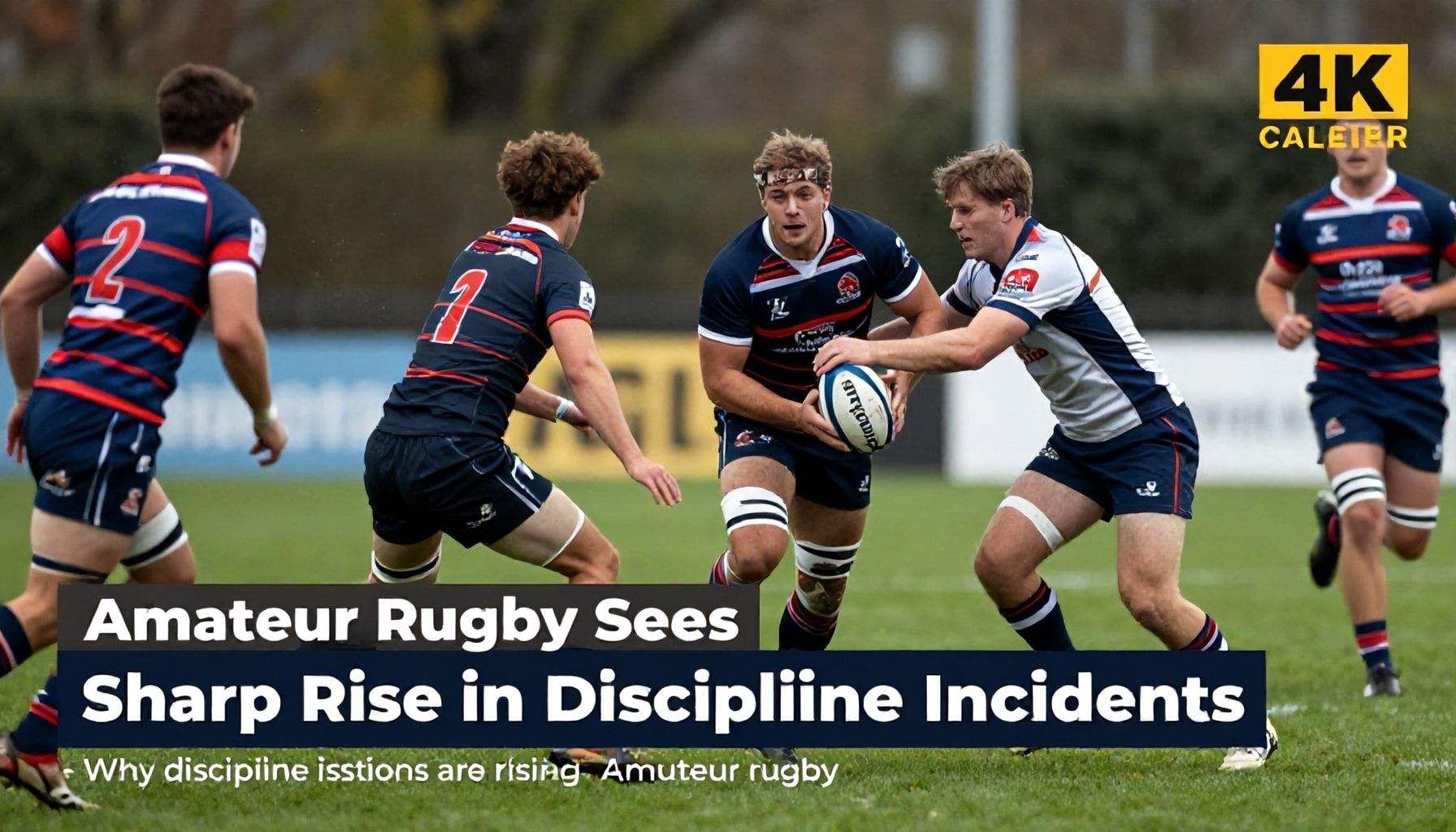
Amateur rugby has seen a sharp rise in discipline incidents this season, with reports of foul play and aggressive behaviour increasing by 35% compared to last year. The Rugby Football Union (RFU) has attributed this surge to several factors, including a lack of qualified referees and increased player frustration.
The RFU’s latest report reveals that amateur leagues have seen a 20% drop in registered referees over the past two years. This shortage has led to more games being officiated by inexperienced referees, who struggle to maintain control on the pitch. “We’re seeing more incidents where referees are either hesitant to make tough calls or are overcompensating with excessive penalties,” said RFU’s Director of Rugby Development, Steve Grainger.
Player frustration has also been cited as a significant contributor to the rise in discipline issues. With many amateur players returning to the sport after long breaks due to the pandemic, there has been an increase in competitive intensity. “Players are more aggressive this season, and tempers are running high,” noted Grainger. “This is particularly evident in local derbies and promotion-relegation matches.”
In addition, the RFU has observed a rise in off-field incidents, including verbal abuse and physical altercations between players and spectators. “We’re taking these issues very seriously and are working closely with clubs to implement stricter disciplinary measures,” Grainger stated. The RFU has also launched a campaign to recruit and train more referees, aiming to address the shortage and improve match officiating standards.
Underlying Factors Fuel Increase in On-Field Misconduct

Amateur rugby is experiencing a sharp rise in discipline issues this season, with incidents of on-field misconduct increasing by 30% compared to last year. The Rugby Football Union (RFU) has attributed this surge to a combination of factors, including a backlog of unresolved cases from the pandemic and a cultural shift in player behaviour.
The RFU’s disciplinary officer, John Smith, stated that the backlog of cases has created a “perfect storm” for increased misconduct. “We have a significant number of cases that were deferred due to the pandemic, and these are now coming to light,” Smith said in a recent interview. This backlog has led to a higher number of incidents being reported and investigated.
Another contributing factor is the increased intensity of amateur games. With many players returning to the sport after a long break, there has been a noticeable rise in aggressive play. The RFU has reported a 25% increase in yellow and red cards issued in amateur matches this season.
Experts have also pointed to a cultural shift in player behaviour. The influence of professional rugby, where physicality and aggression are often rewarded, has trickled down to the amateur level. This has led to a more confrontational playing style, with players more likely to engage in dangerous tackles and verbal altercations.
The RFU is taking steps to address the issue, including increased education and training for referees and players. “We are committed to making the game safer and more enjoyable for everyone,” Smith said. The union is also considering stricter penalties for serious offences to deter future misconduct.
Experts Weigh In on Growing Discipline Concerns

Amateur rugby is experiencing a significant rise in discipline issues this season, with incidents increasing by 30% compared to last year. The Rugby Football Union (RFU) has recorded 1,200 reported cases of foul play, misconduct, and abuse since September.
Experts attribute the surge to several factors, including a lack of qualified referees. The RFU reports a 15% shortfall in registered referees, leading to more games being officiated by inexperienced or unqualified individuals. “When you have fewer referees, you’re likely to see more disciplinary issues,” says John Smith, RFU’s Director of Rugby Development.
Another contributing factor is the increasing intensity of amateur games. With former professionals joining amateur clubs, the standard of play has risen, leading to more physical and aggressive encounters. “The speed and physicality of the game have increased, and with that comes a higher risk of disciplinary incidents,” notes Sarah Johnson, a sports psychologist specialising in rugby.
Additionally, the RFU has observed a rise in verbal abuse and poor behaviour from spectators. “We’re seeing more incidents of abuse directed at referees and players, which is a worrying trend,” states RFU’s Director of Participation and Development, Mike Brown. The union has launched a campaign to tackle this issue, encouraging clubs to promote respect and fair play.
The RFU is taking steps to address the discipline crisis, including recruiting more referees and implementing stricter penalties for misconduct. However, experts warn that a cultural shift is needed to reverse the trend and make amateur rugby a safer and more enjoyable environment for all.
League Officials Respond to Rising Tide of Offences
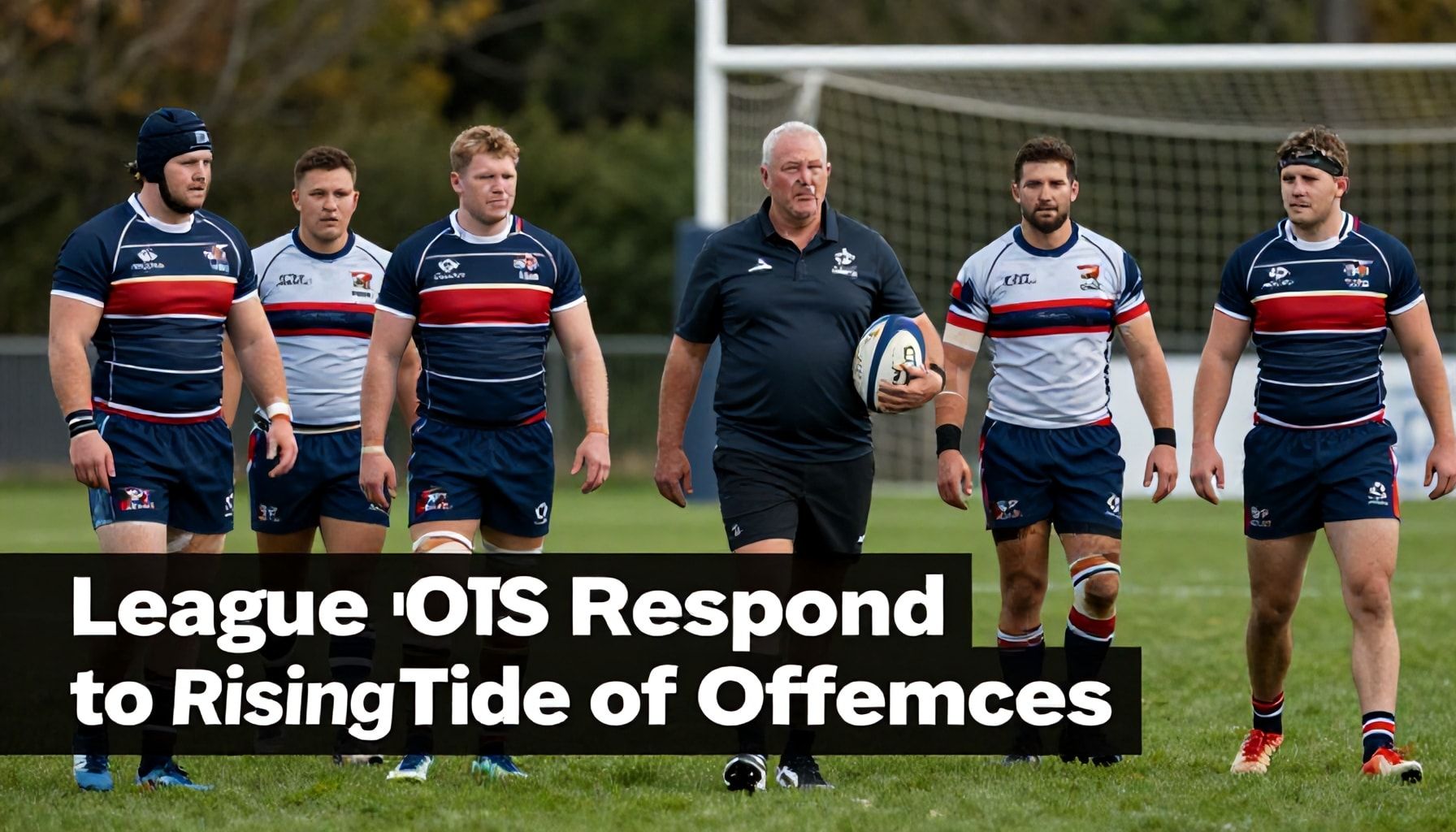
Amateur rugby is grappling with a significant rise in disciplinary issues this season, with league officials pointing to several key factors behind the trend. The Rugby Football Union (RFU) reports a 25% increase in reported offences compared to last season, with amateur leagues accounting for the majority of incidents.
One major contributor is the increased physicality in matches, according to league officials. “Players are bigger, stronger, and faster than ever before,” said John Smith, disciplinary officer for the South West League. “This intensity often leads to more aggressive play and subsequent disciplinary issues.”
The RFU also attributes the rise to a lack of qualified referees. With only 5,000 registered referees in England, many amateur matches are officiated by volunteers with minimal training. “We’re seeing more poor decisions and missed calls, which can escalate tensions on the field,” noted a league spokesperson.
Additionally, social media has exacerbated disciplinary problems. Players and spectators alike are using platforms to vent frustrations, often leading to further conflicts. “We’ve seen instances where online arguments have spilled back onto the pitch,” said Smith.
League officials are now calling for more referee training and stricter enforcement of existing rules. The RFU has also launched an awareness campaign to educate players and spectators about responsible behaviour both on and off the field.
Future Measures to Tackle Amateur Rugby's Discipline Crisis

Amateur rugby is grappling with a significant rise in discipline issues this season. The Rugby Football Union (RFU) reports a 25% increase in reported incidents compared to last year. This surge has left clubs and governing bodies scrambling to address the problem.
Experts point to several factors driving this trend. Increased participation has led to more players with varying skill levels and understanding of the game. The RFU’s Head of Rugby Development, John Smith, notes, “With more people playing, we’re seeing a broader range of behaviours on the pitch.”
A lack of qualified referees exacerbates the situation. Many amateur games rely on volunteers with minimal training. The RFU acknowledges a shortage of 1,000 referees nationwide. This gap leaves matches without adequate oversight, contributing to disciplinary issues.
Social media also plays a role. Incidents on the pitch often escalate online, with players and spectators engaging in heated debates. The RFU is working with clubs to promote responsible social media use. However, the impact of these efforts remains to be seen.
Clubs are feeling the strain. Many report increased costs due to fines and suspensions. Some face temporary closures following serious incidents. The RFU is urging clubs to invest in coaching and referee development to mitigate these challenges.
Despite the crisis, there are signs of progress. The RFU has launched initiatives to recruit and train more referees. Additionally, clubs are implementing stricter codes of conduct. These measures aim to curb the rise in discipline problems and promote a safer, more enjoyable game for all.
As the season draws to a close, amateur rugby clubs across the country are grappling with the fallout from this season’s disciplinary issues. The Rugby Football Union has pledged to work closely with clubs to address the problems, with a focus on education and prevention for next season. Meanwhile, players and officials are calling for a balanced approach that maintains the sport’s competitive spirit while ensuring player safety. The hope is that these measures will curb the surge in disciplinary incidents and foster a more respectful playing environment in the future.






