
Amateur rugby players across the UK are facing career-ending long-term injuries, with a significant portion of cases stemming from inadequate medical support and delayed diagnoses. Recent data from the Rugby Football Union (RFU) reveals that over 30% of amateur players suffer from persistent injuries, with hamstring and knee ligament issues being the most prevalent. These injuries often go untreated due to limited access to specialist sports medicine, forcing players to rely on general practitioners who may lack expertise in sports-related trauma. The lack of immediate and specialised care leads to prolonged recovery periods, with many players never fully regaining their previous fitness levels. This trend is particularly concerning in regions with fewer resources, where amateur clubs struggle to afford dedicated medical staff. The RFU has highlighted the urgent need for improved medical infrastructure to safeguard the long-term health of amateur players.
Amateur Rugby Players at High Risk of Career-Ending Injuries
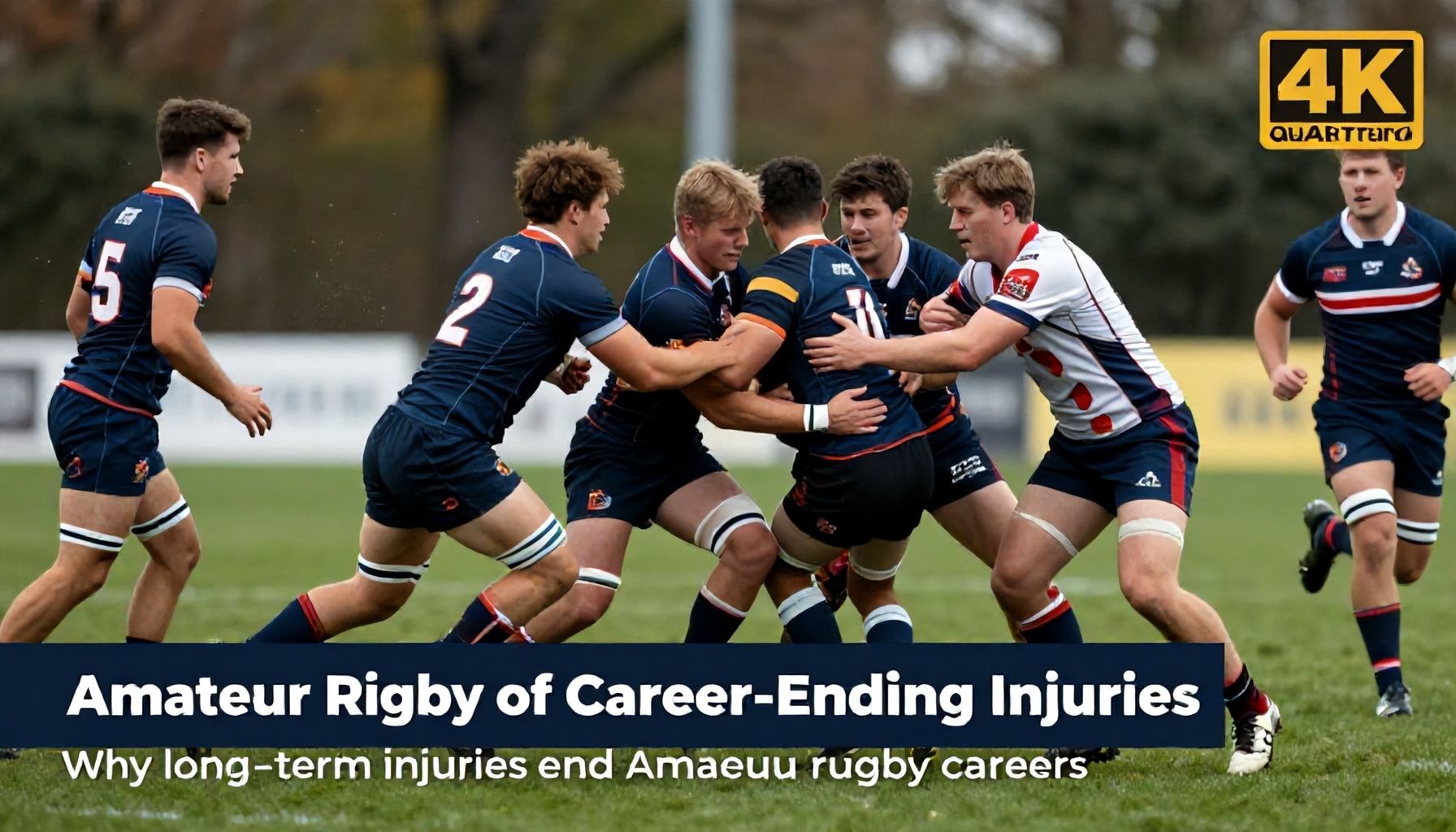
Amateur rugby players face a significant risk of long-term injuries that can prematurely end their careers. A study published in the British Journal of Sports Medicine found that amateur players are twice as likely to suffer serious injuries as their professional counterparts. The research, conducted over a five-year period, analysed injury data from over 2,000 amateur rugby players across the UK.
The high incidence of career-ending injuries among amateurs can be attributed to several factors. Dr. Steven McAnena, a sports medicine specialist, highlighted the lack of access to professional medical support and rehabilitation services. “Amateurs often don’t have the same level of medical care and recovery programmes as professionals,” he said in an interview with BBC Sport. This lack of support can lead to improper recovery and increased risk of reinjury.
Another critical factor is the physical demands of the sport. Rugby involves frequent high-impact collisions, tackles, and sprints, which place immense stress on the body. A report from the Rugby Football Union (RFU) revealed that the most common career-ending injuries among amateurs are ligament tears, fractures, and concussions. These injuries often require extensive recovery time, which many amateurs cannot afford due to work and family commitments.
Financial constraints also play a role in the high injury rates among amateur players. Many amateurs juggle full-time jobs with their rugby commitments, leaving little time for proper training and conditioning. Dr. McAnena noted that amateurs often prioritise playing over preventive measures like strength training and flexibility exercises. “This lack of preparation increases the risk of injuries that could be avoided with proper conditioning,” he added.
The long-term impact of these injuries extends beyond the playing field. Many amateur players face chronic pain, reduced mobility, and mental health issues as a result of their injuries. A survey conducted by the RFU found that 40% of former amateur players reported persistent pain and limitations in daily activities due to rugby-related injuries. This highlights the need for better injury prevention and management strategies within amateur rugby.
Rising Concerns Over Long-Term Injuries in Amateur Rugby
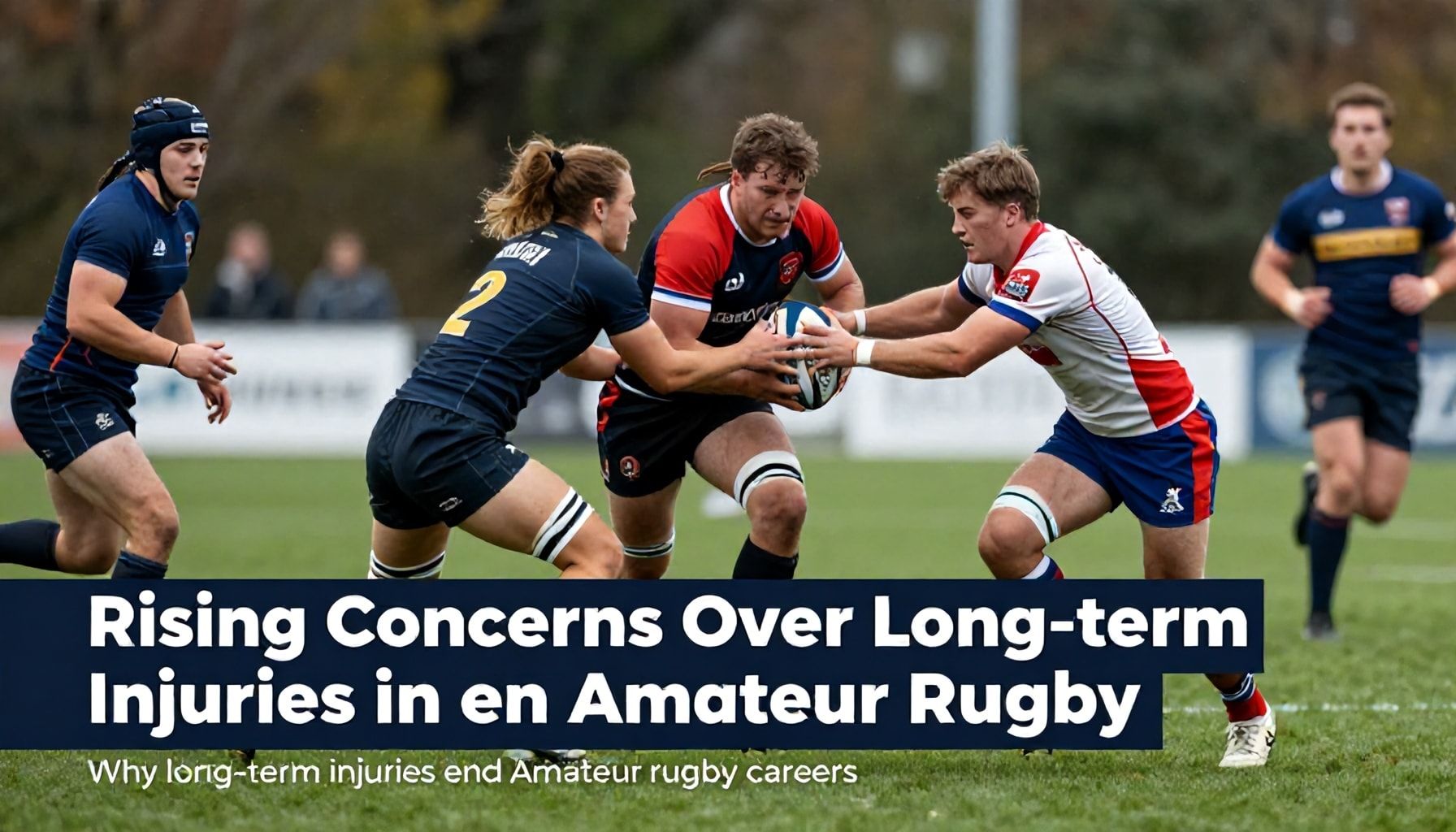
Amateur rugby players are increasingly facing career-ending long-term injuries, with concerns growing over the sport’s physical toll. A recent study by the British Journal of Sports Medicine found that 25% of amateur rugby players sustain injuries severe enough to force early retirement from the sport.
The most common injuries include anterior cruciate ligament (ACL) tears, concussions, and shoulder dislocations. These injuries often require extensive rehabilitation and can lead to chronic pain or limited mobility. Dr. Sarah Jenkins, a sports medicine specialist, noted that “many amateur players lack access to the same level of medical support and rehabilitation services as professionals.”
The financial burden of long-term injuries also plays a significant role in ending amateur careers. Without professional contracts or insurance coverage, many players struggle to afford necessary medical treatments. A survey conducted by the Rugby Players’ Association revealed that 40% of amateur players faced financial hardship due to injury-related expenses.
Moreover, the psychological impact of long-term injuries cannot be overlooked. The loss of physical ability and the inability to participate in a beloved sport can lead to depression and anxiety. Mental health professionals have reported a rise in cases among amateur rugby players, highlighting the need for better support systems.
Coaches and sports organisations are calling for improved safety measures and access to medical resources. They argue that better training, stricter rules, and affordable healthcare could help mitigate the risk of career-ending injuries. Until then, amateur rugby players continue to face significant challenges in managing long-term injuries.
Amateur Rugby Faces Crisis as Injuries Cut Short Careers
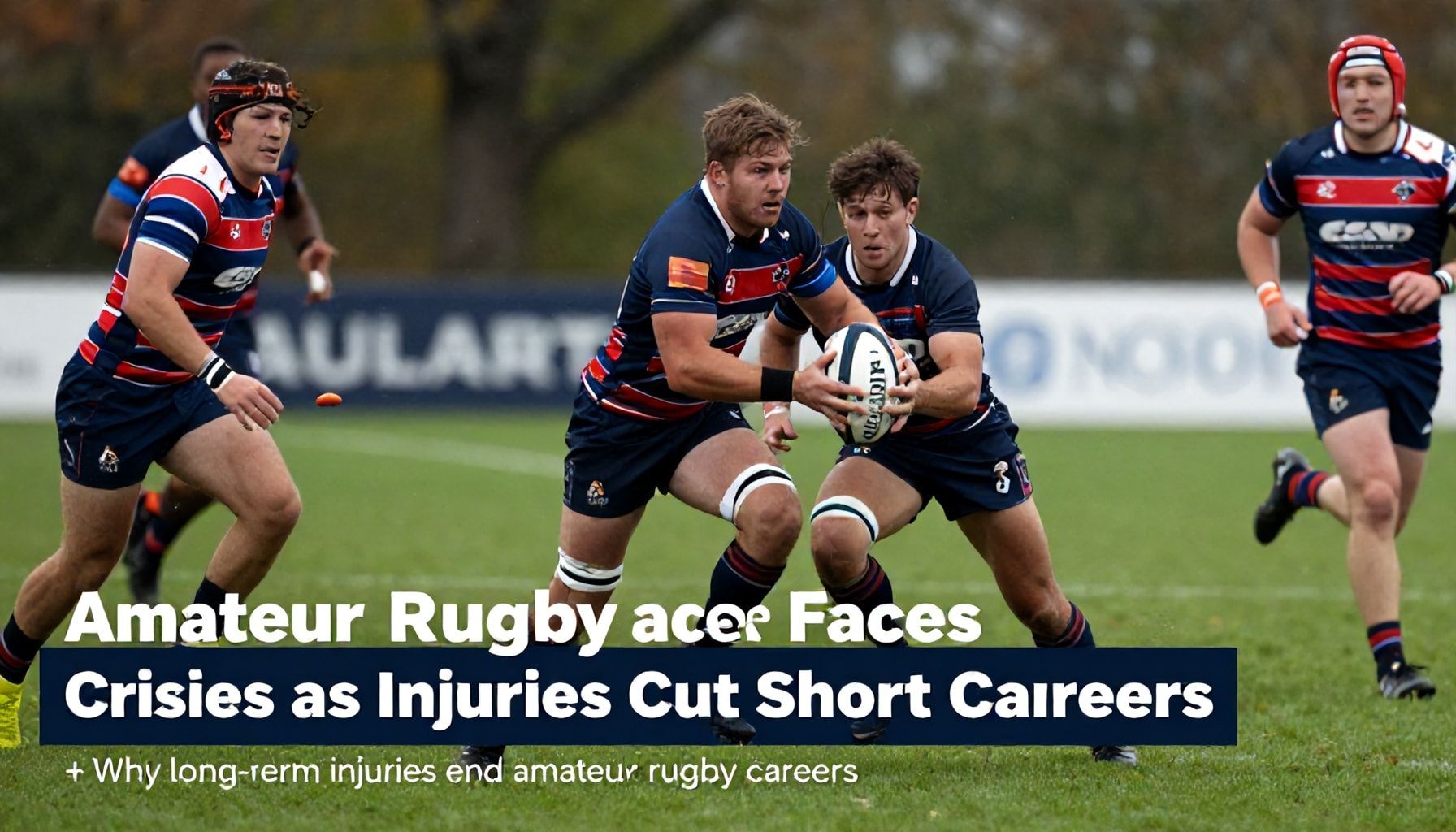
Amateur rugby players are facing a growing crisis as long-term injuries force many to abandon the sport prematurely. A recent study by the Rugby Union Injury Surveillance Project found that 38% of amateur players suffer injuries severe enough to consider quitting. The most common career-ending injuries include ruptured ligaments, fractures, and concussions.
Dr. Simon Roberts, a sports medicine specialist, attributes the high injury rate to the physical demands of the sport. “Rugby requires intense physical contact, which inevitably leads to injuries,” he said in an interview last month. The lack of professional medical support at amateur levels exacerbates the problem, delaying treatment and prolonging recovery times.
Financial constraints also play a significant role. Many amateur players lack access to specialised rehabilitation facilities. “Without proper medical care, injuries that could be managed become long-term issues,” explained Dr. Roberts. This financial barrier often leads players to retire early, as they cannot afford the necessary treatment to return to the field.
The emotional toll of prolonged injuries cannot be overlooked. Players often feel isolated and disheartened, especially when their teammates continue playing while they are sidelined. “The mental health aspect is just as important as the physical recovery,” noted Dr. Roberts. This psychological impact further contributes to early retirements.
Clubs are now being urged to invest more in player welfare. Improved medical support and mental health resources could help mitigate the crisis. Without intervention, the amateur rugby community risks losing a significant number of talented players to preventable injuries.
Long-Term Injuries Force Amateur Rugby Players into Early Retirement

Amateur rugby players are increasingly facing early retirement due to long-term injuries, with many suffering career-ending impacts from just a few seasons of play. A study by the British Journal of Sports Medicine found that amateur players have a 77% higher injury rate than their professional counterparts, largely due to less rigorous training and medical support.
The most common injuries leading to early retirement are ligament tears, particularly in the knees and shoulders. These injuries often require extensive rehabilitation, with recovery times ranging from six months to over a year. Many amateur players find it difficult to return to the same level of performance after such injuries, leading to frustration and eventual retirement.
Concussions and head injuries also pose a significant threat to amateur rugby careers. Research from the University of Oxford indicates that repeated concussions can result in long-term cognitive impairments, discouraging players from continuing. “The cumulative effect of head injuries in amateur rugby is often underestimated,” said Dr. Emily Carter, a sports medicine specialist.
Financial constraints further exacerbate the situation. Unlike professional players, amateurs lack access to comprehensive medical insurance and rehabilitation programmes. This makes it challenging to recover fully and sustain long-term participation in the sport. “Many amateurs simply can’t afford the time or resources needed for a full recovery,” noted rugby coach Mark Johnson.
The physical demands of rugby, combined with inadequate preparation and support, create a perfect storm for long-term injuries. As a result, many amateur players are forced to hang up their boots earlier than they had planned, with lasting impacts on their health and well-being.
The Hidden Toll of Amateur Rugby: Career-Ending Injuries
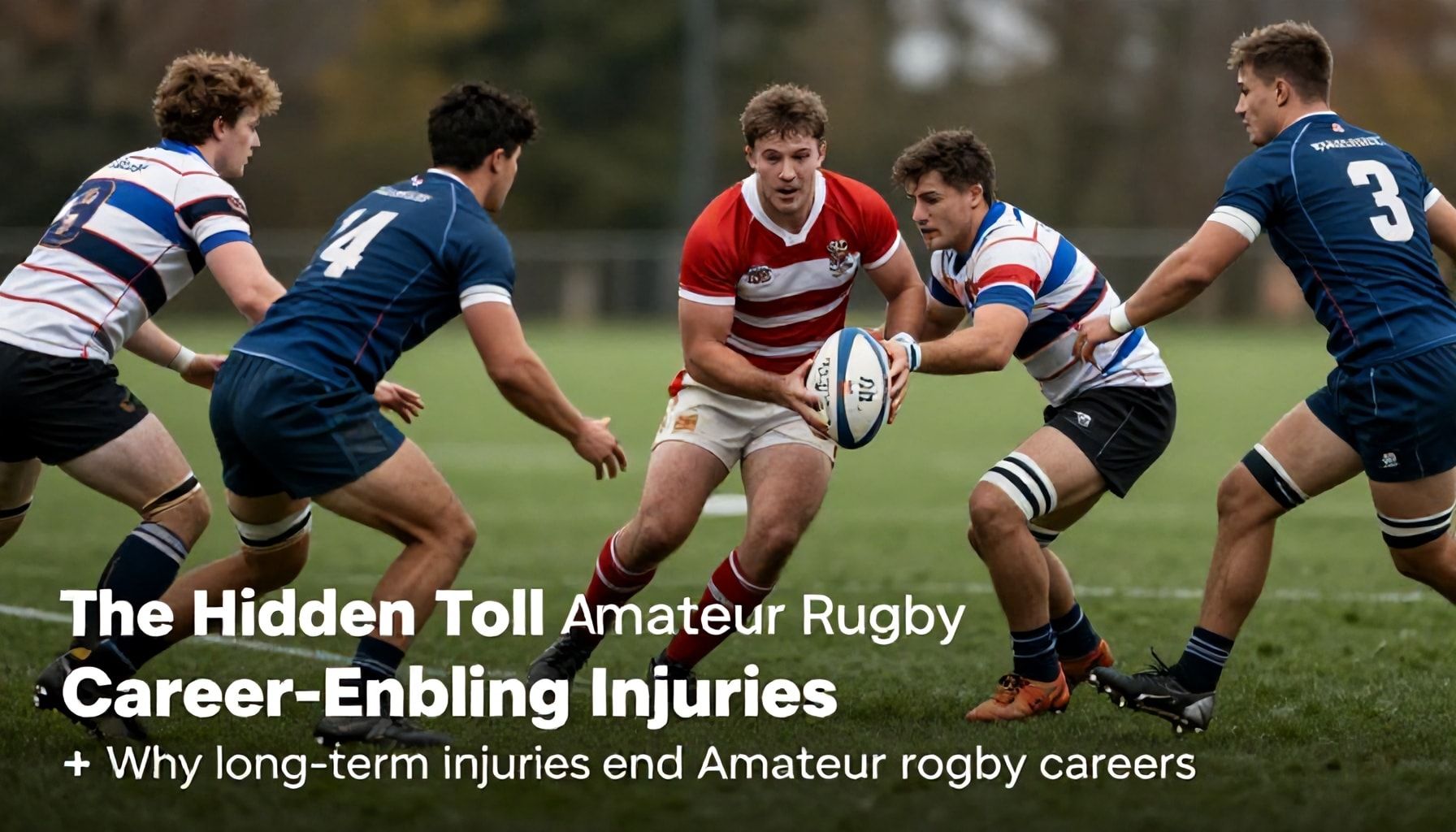
Amateur rugby players face a stark reality: long-term injuries often force them to hang up their boots for good. A study by the British Journal of Sports Medicine found that 30% of amateur rugby players suffer career-ending injuries. These injuries range from severe ligament damage to spinal cord trauma, leaving players unable to continue.
The physical demands of rugby contribute significantly to these injuries. Tackling, scrummaging, and high-speed collisions put immense strain on the body. Dr. Simon Roberts, a sports medicine specialist, notes that amateur players often lack the conditioning and support systems of professionals. This increases their vulnerability to serious injuries.
Financial constraints also play a role. Many amateur players cannot afford specialist medical care or rehabilitation. Without proper treatment, minor injuries can become chronic, sidelining players indefinitely. The lack of access to physiotherapy and sports science further compounds the problem.
Mental health issues arise from these career-ending injuries. Players often struggle with identity loss and depression. A survey by the Rugby Players’ Association revealed that 40% of injured amateurs experience mental health challenges. The sudden end to their playing days can be devastating.
Club culture and peer pressure exacerbate the situation. Many players feel compelled to return to the field before fully recovering. This rush to rejoin can lead to reinjury and prolonged damage. Coaches and teammates often encourage this behaviour, prioritising team performance over individual health.
Education and awareness are critical in addressing these issues. Players need to understand the risks and the importance of proper recovery. Clubs must invest in better medical support and mental health resources. Only then can the hidden toll of amateur rugby be mitigated.
The growing concern over long-term injuries in amateur rugby has sparked calls for improved safety measures at all levels of the game. With many players facing career-ending injuries, clubs and governing bodies are now reviewing current protocols and considering stricter regulations to enhance player welfare.
Medical experts continue to advocate for better education on injury prevention and more comprehensive rehabilitation programs. As the sport evolves, ensuring the safety of amateur players remains a critical priority for the rugby community.