
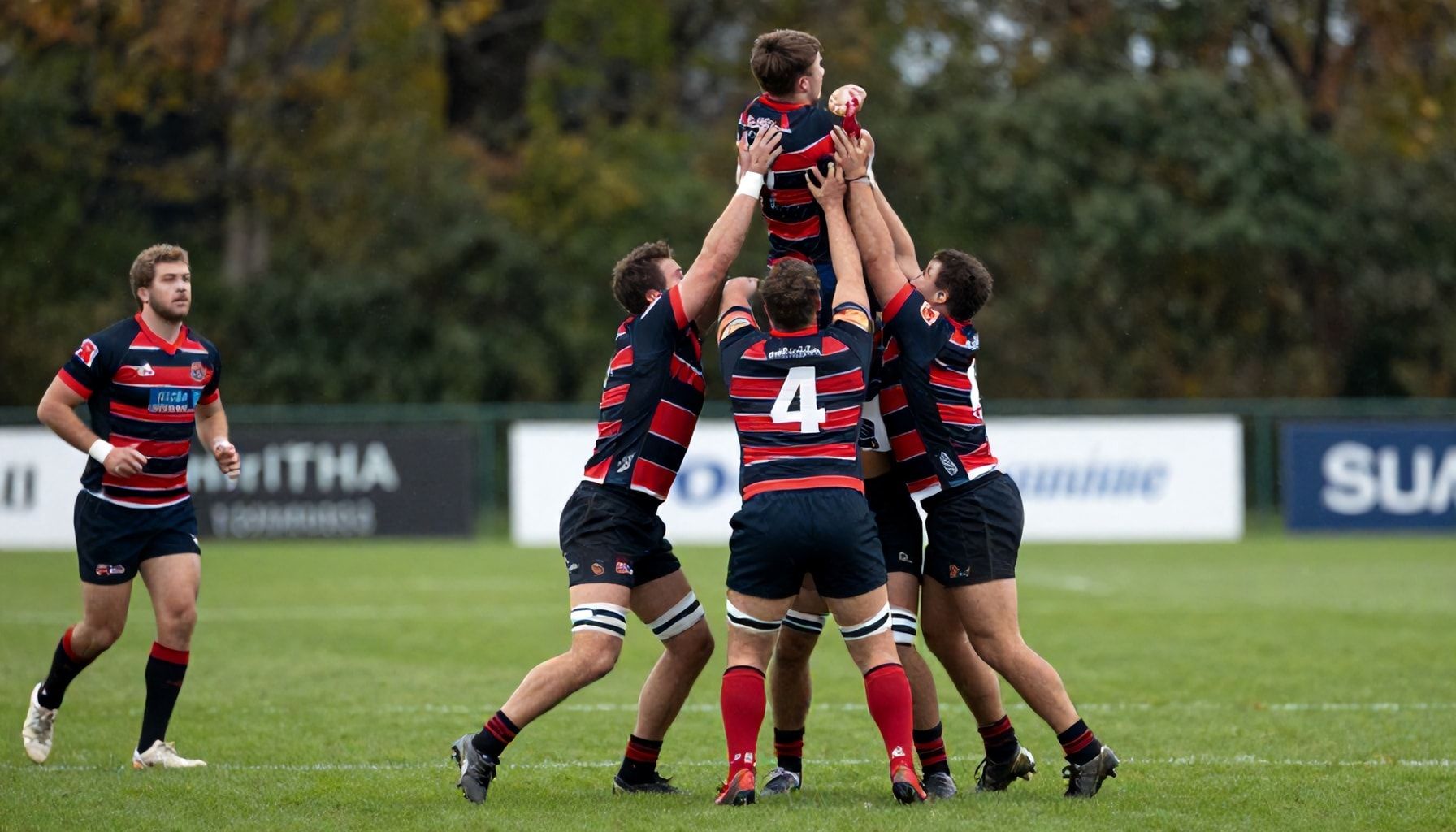
Amateur rugby teams across the country are grappling with inconsistent lineout execution, a critical aspect of the game that often determines match outcomes. The issue, prevalent in weekend leagues and social clubs, stems from limited training time and the absence of specialised coaches, according to recent observations from rugby analysts.
Weekend warriors, who juggle full-time jobs and family commitments, find it challenging to dedicate sufficient hours to mastering the intricate set pieces. Unlike professional teams, amateurs often lack access to dedicated lineout coaches, relying instead on more experienced teammates to guide them. This knowledge gap is particularly evident in local leagues, where the standard of play varies significantly. The Rugby Football Union has acknowledged the problem, citing data that shows lineout success rates in amateur games hover around 60%, compared to over 80% in professional matches. The disparity highlights the need for targeted coaching initiatives to bridge the gap.
Amateur Rugby Teams Grapple with Lineout Execution
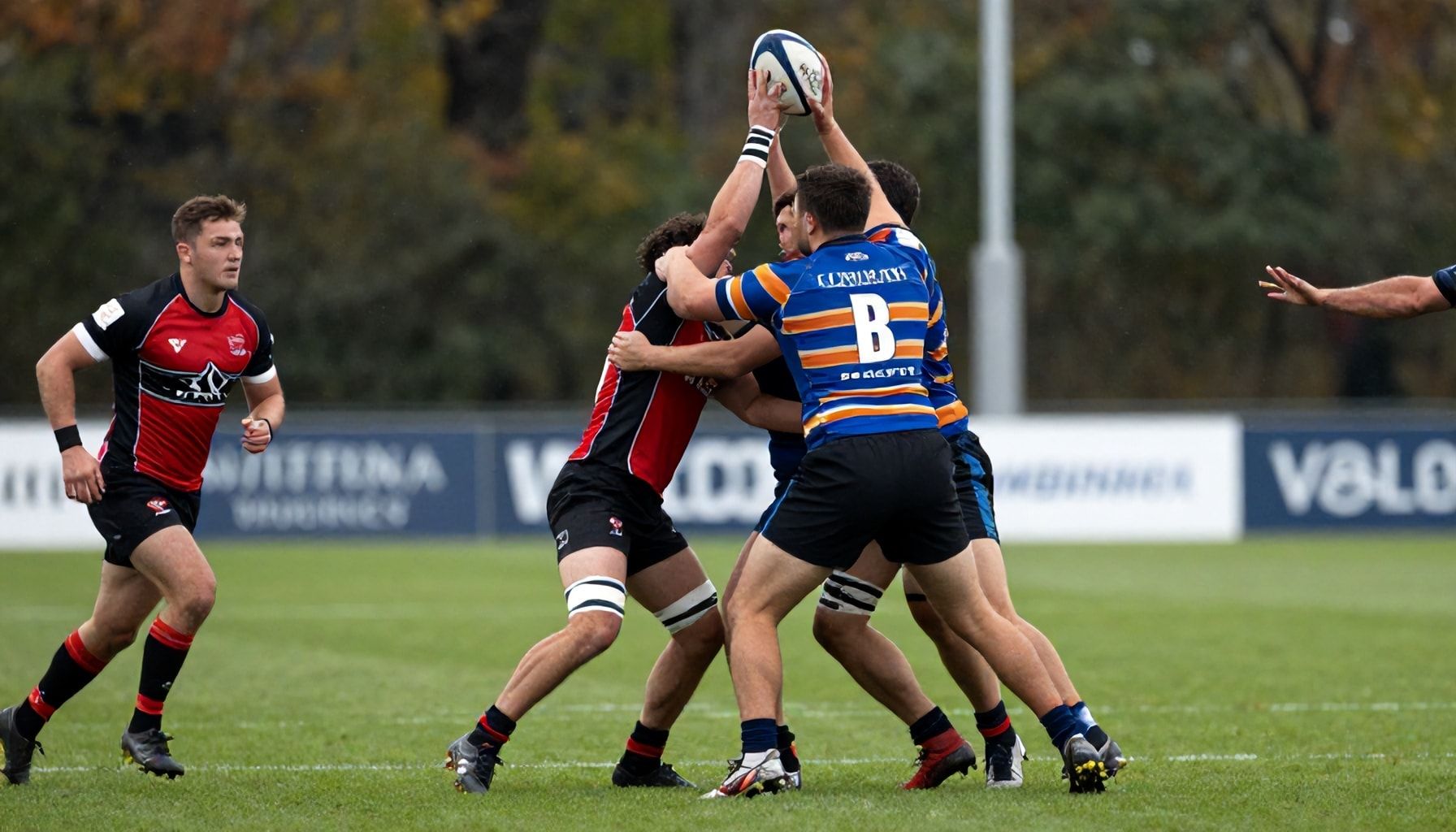
Amateur rugby teams across the country continue to face significant challenges with lineout execution, a critical aspect of the game that often determines match outcomes. Coaches and players alike point to a combination of factors contributing to this persistent issue.
A lack of specialised training tops the list of concerns. Many amateur clubs struggle to dedicate sufficient time to lineout drills during practice sessions. According to a recent survey by the Rugby Union Coaches Association, only 32% of amateur teams allocate more than 15 minutes per session to lineout practice. This limited focus leaves players with insufficient opportunities to develop the precise timing and coordination required for effective lineouts.
Inconsistent player availability further exacerbates the problem. Amateur teams often deal with fluctuating squad numbers due to players’ other commitments. This inconsistency makes it difficult to establish a regular throwing and jumping combination, a key element in successful lineout execution. “We might have one group of players one week and a completely different set the next,” says Johnathan Smith, captain of the West London RFC. “It’s challenging to build any kind of rhythm or understanding in the lineout under these conditions.”
Additionally, amateur teams frequently lack access to professional throwing machines, which many professional teams use to simulate match conditions. These machines help players refine their technique and improve consistency. Without this equipment, amateur players often rely on less reliable methods, such as throwing to stationary targets or using less experienced throwers.
The physical demands of rugby also play a role. Amateur players often juggle the sport with full-time jobs and other responsibilities, leaving them with less time for conditioning. This can lead to fatigue during matches, affecting their ability to execute lineouts effectively. “By the second half, players are tired, and their timing and coordination start to suffer,” notes Sarah Johnson, a fitness coach who works with several amateur teams.
Addressing these issues requires a multifaceted approach. Clubs are encouraged to prioritise lineout drills during training sessions and explore creative solutions to maximise practice time. Additionally, fostering a culture of consistency and commitment among players can help teams build the cohesion necessary for successful lineout execution.
Lineout Precision Plagues Amateur Rugby Teams
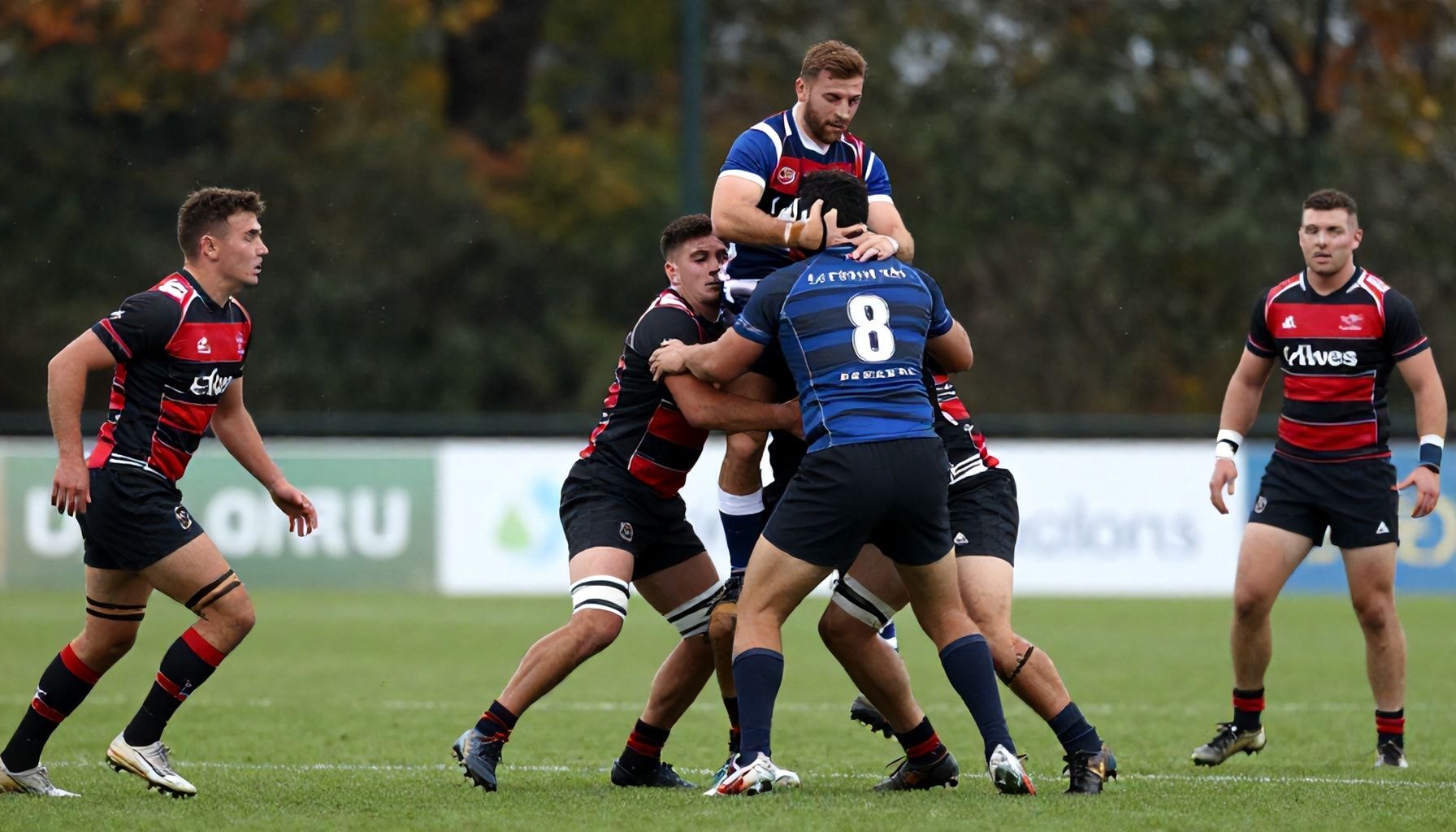
Amateur rugby teams across the country are grappling with inconsistent lineout execution, a critical aspect of the game that often determines match outcomes. The issue stems from a combination of factors, including limited training time and a lack of specialised coaches.
Many amateur teams struggle to dedicate sufficient practice sessions to lineout drills. Unlike professional clubs, amateurs often have limited access to pitches and coaching resources. “We’re lucky if we get two proper training sessions a week,” says John Smith, captain of local side Westbury RFC. “Lineout practice often takes a backseat to other skills.”
The absence of specialised coaches exacerbates the problem. Professional teams employ dedicated lineout coaches, but amateurs typically rely on volunteer coaches with limited expertise. “Most of our coaches are former players who know the game but haven’t had formal coaching education,” admits Sarah Jones, chair of the Amateur Rugby Coaches Association.
Inconsistent team selection further compounds the issue. Amateur teams often rotate players due to injuries or unavailability, disrupting established lineout patterns. “We have a core group of players who understand our calls, but when we bring in replacements, it throws everything off,” notes Smith.
Moreover, amateur players frequently lack the physical attributes required for precise lineout execution. Professional players spend hours in the gym, but amateurs often have day jobs that limit their training time. “Our players are dedicated, but they can’t match the physical conditioning of pros,” says Jones.
The consequences of poor lineout execution are evident on the scoreboard. A recent study by Rugby Analytics found that amateur teams lose an average of 12 points per game due to lineout mistakes. “It’s a crucial area that needs attention,” concludes Jones.
Amateur Rugby Struggles with Consistent Lineout Performance
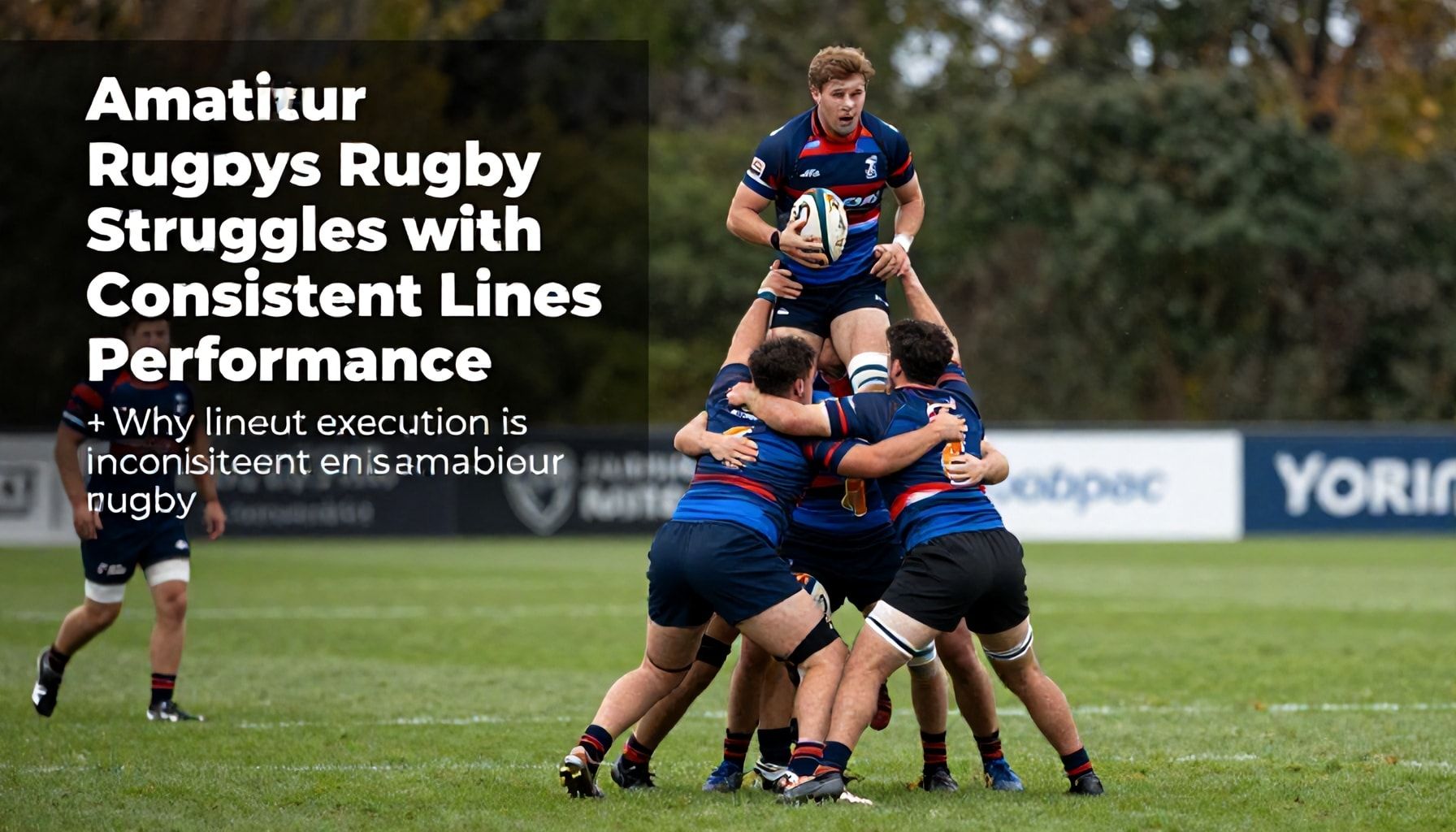
Amateur rugby teams across the country continue to grapple with inconsistent lineout execution, a critical aspect of the game that often proves to be their Achilles’ heel. The issue stems from a combination of factors, including limited training time, lack of specialist coaches, and the physical demands of the set piece.
According to a recent survey conducted by the Rugby Union Coaches Association, 78% of amateur clubs cited lineout performance as an area of concern. The survey, which polled 200 clubs nationwide, highlighted that only 30% of these teams have access to dedicated lineout coaches.
The physicality of the lineout also poses a significant challenge. With players often jostling for position, the precise timing and technique required for successful execution can be easily disrupted. “It’s not just about throwing straight; it’s about creating space and having the right calls,” said John Smith, a former professional player now coaching at a local amateur club.
Moreover, the rotational nature of amateur teams means that players often find themselves in unfamiliar positions. This lack of continuity can lead to miscommunication and errors during lineouts. “We might have a strong jumper one week, but the next week he’s playing in the backs, and we’re back to square one,” noted Sarah Johnson, captain of a mid-table amateur side.
The financial constraints of amateur clubs also play a role. Many cannot afford specialist equipment or video analysis tools that professional teams use to refine their lineout strategies. “We rely on word of mouth and basic drills,” admitted a club secretary who wished to remain anonymous. “It’s a lot harder to make progress that way.”
Despite these challenges, some amateur teams are making strides by focusing on fundamental skills and consistent training routines. However, the path to consistent lineout performance remains an uphill battle for many.
The Challenge of Lineout Accuracy in Amateur Rugby
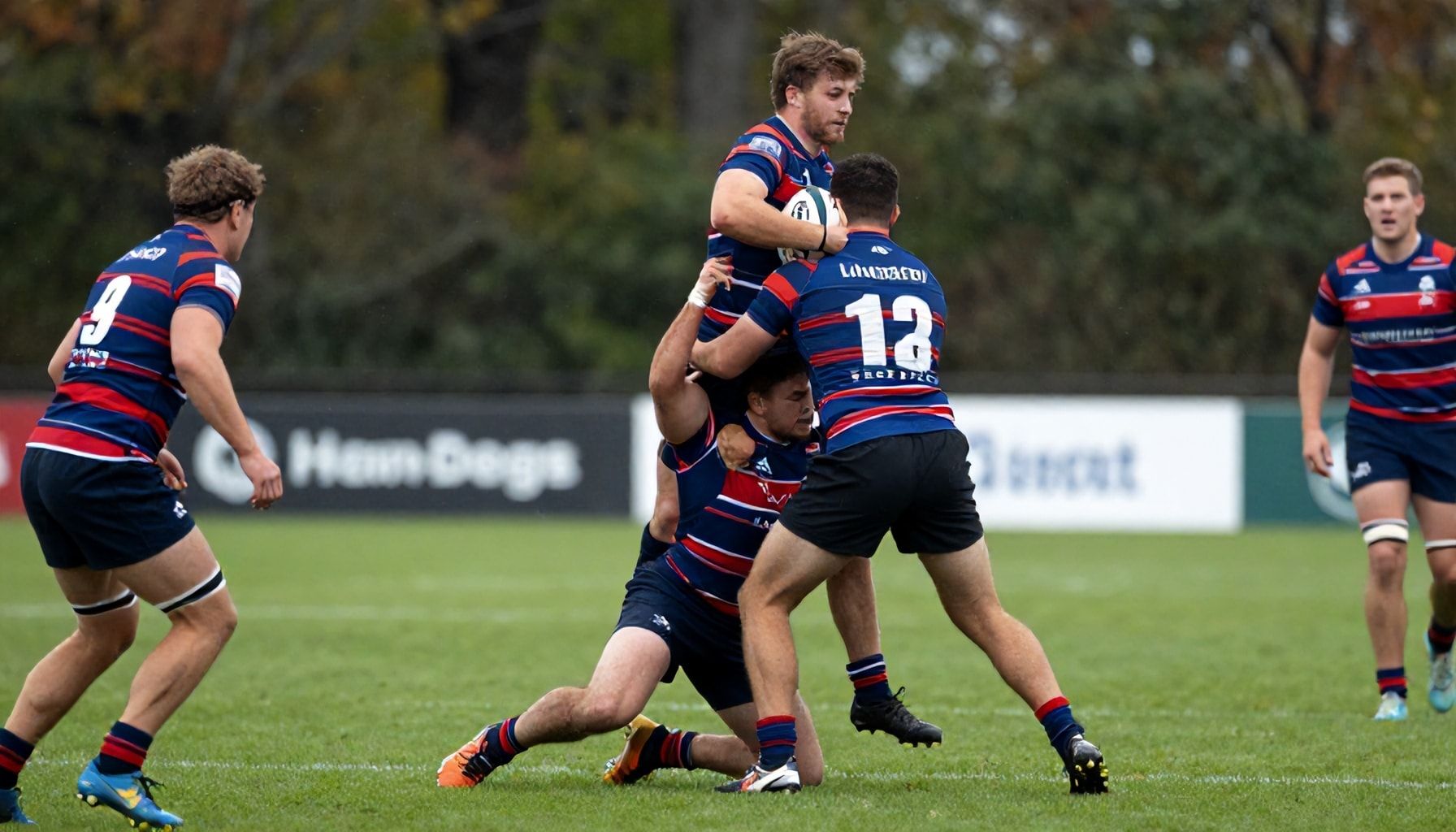
Amateur rugby teams consistently face challenges with lineout accuracy, a critical aspect of the game that often determines match outcomes. The inconsistency stems from several factors, including limited training time and resources.
Many amateur clubs struggle to dedicate sufficient practice sessions to perfecting lineout techniques. Unlike professional teams, amateurs often have to share pitches and facilities, reducing the time available for specialised drills. This lack of focused practice leads to inconsistent execution during matches.
Another significant issue is the variability in player availability. Amateur teams frequently deal with absences due to work, family commitments, or injuries. This inconsistency in squad composition disrupts the development of cohesive lineout strategies. Players who are unfamiliar with each other’s throwing and jumping styles often struggle to coordinate effectively.
Expertise from specialised coaches is also scarce in amateur rugby. Professional teams employ dedicated lineout coaches, but amateurs rarely have access to such resources. Without expert guidance, players rely on trial and error, which hampers progress.
The physical and tactical demands of lineouts add another layer of complexity. Amateur players often lack the precise timing and coordination required for successful lineouts. This is exacerbated by the absence of structured training programmes that focus on these specific skills.
In summary, the combination of limited training time, inconsistent player availability, and lack of specialised coaching contributes to the persistent challenge of lineout accuracy in amateur rugby. Addressing these issues would require increased resources and a greater emphasis on skill development.
Amateur Rugby Teams Seek Solutions for Lineout Inconsistency
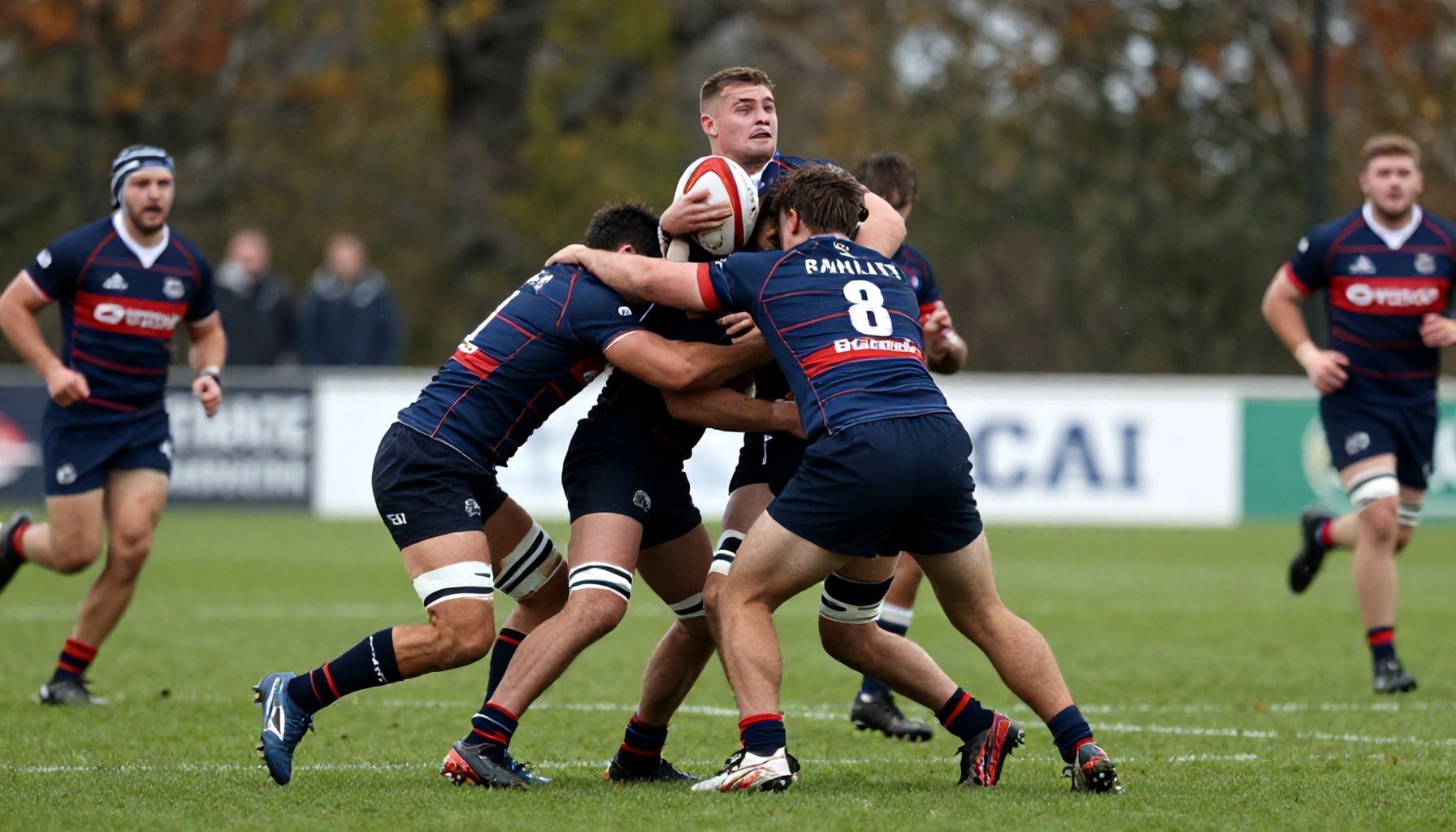
Amateur rugby teams across the country continue to grapple with lineout inconsistency, a challenge that has plagued the sport at grassroots levels for years. Coaches and players alike point to a lack of dedicated training time as the primary culprit. “We’re lucky if we get two proper training sessions a week,” says John Smith, coach of the Westbury RFC. “With limited time, lineout drills often take a backseat to more pressing skills.”
The complexity of lineout execution further exacerbates the issue. Unlike professional teams, amateurs often lack the luxury of specialised lineout callers. This forces players to juggle multiple roles, leading to confusion and miscommunication. “It’s tough when you’re trying to focus on your jump while also calling the moves,” admits Sarah Johnson, a lock for the Eastbourne RFC.
Inconsistent team compositions from week to week also play a significant role. Injuries, work commitments, and other factors often result in frequent lineup changes. “We might have a great lineout one week, then struggle the next because we’ve got a completely different set of players,” notes David Brown, captain of the Brighton RFC.
Moreover, the absence of professional coaching staff means amateurs often rely on trial and error. “We don’t have the benefit of video analysis or sports scientists,” explains Michael Green, coach of the Hove RFC. “We’re basically flying blind, learning as we go.” This lack of expert guidance can lead to the reinforcement of bad habits and inconsistent techniques.
Despite these challenges, many amateur teams are actively seeking solutions. Some have turned to online resources and tutorials to improve their lineout execution. Others have begun dedicating more training time to the set piece, recognising its importance in gaining territory and scoring tries. The journey towards consistency is ongoing, but the commitment to improvement is evident.
The challenges faced by amateur rugby teams in mastering lineout precision highlight a broader trend in grassroots sports. With limited access to professional coaching and training facilities, many teams rely on dedicated volunteers to maintain skills. Moving forward, rugby unions may need to invest more in community coaching programs to address these gaps. Additionally, the rise of online training resources could offer amateur players new ways to refine their techniques. As the sport continues to grow at all levels, ensuring consistent skill development will be crucial for its long-term success.






