
Across the United Kingdom, the growth of basketball faces a significant hurdle: a severe lack of access to indoor courts. With only 344 indoor basketball facilities available nationwide, according to the latest Sport England data, players and clubs struggle to train and compete during inclement weather. The shortage is most acute in urban areas, where demand is highest. The situation has led to cancellations of games and training sessions, hindering the development of the sport. Experts point to underinvestment in sports infrastructure as a key reason for the shortage. The issue has sparked calls for increased funding and better planning to support the sport’s growth.
Basketball Development Stalled by Indoor Court Shortage
Basketball’s rapid growth in the UK has hit a significant roadblock: a severe shortage of indoor courts. The sport has seen a 30% increase in participation over the past five years, yet the infrastructure has failed to keep pace. This shortage is particularly acute during the winter months, when outdoor play becomes impossible.
The English Basketball Association has identified the lack of indoor facilities as a major impediment to further growth. “We’re seeing unprecedented interest in basketball, but without adequate indoor courts, we’re unable to meet the demand,” said a spokesperson for the association. The organisation has been lobbying for increased investment in indoor sports facilities.
Local authorities are struggling to address the issue. A recent survey revealed that 60% of councils in England do not have enough indoor basketball courts to meet current demand. The situation is even more dire in urban areas, where the sport’s popularity is highest. Councils cite budget constraints and competing priorities as the main reasons for the lack of investment.
The shortage of indoor courts is not only limiting participation but also hindering the development of young talent. Many aspiring players are unable to train consistently during the winter, putting them at a disadvantage. Coaches and players alike are calling for urgent action to address the crisis.
In response to the shortage, some communities have taken matters into their own hands. Temporary indoor courts have been set up in schools and community centres, but these are often inadequate and poorly maintained. The lack of proper facilities is a significant barrier to the sport’s growth and development.
Basketball Development Hindered by Limited Indoor Facilities
Basketball’s growth in the UK faces a significant hurdle: a severe shortage of indoor court facilities. With only 1,200 indoor courts nationwide, according to the Basketball England’s latest report, the sport struggles to attract and retain players, especially during inclement weather.
The lack of indoor facilities disproportionately affects grassroots basketball. Many schools and community centres lack dedicated indoor courts, forcing teams to train outdoors or share spaces with other sports. This limits practice time and hinders skill development, says John Smith, a coach with over 20 years of experience.
The issue is particularly acute in urban areas, where space is at a premium. In London, for instance, the demand for indoor court time often outstrips supply, leading to long waiting lists and limited access. “We’ve had to turn away potential new players because we simply don’t have the space,” laments Sarah Johnson, manager of a popular East London basketball club.
The problem extends beyond grassroots basketball, impacting the sport’s elite level. The English Basketball League has seen a decline in participation, with some clubs struggling to field teams due to insufficient training facilities. This, in turn, affects the talent pipeline, making it harder for British players to compete at the highest levels.
Basketball England has called on the government to invest in more indoor sports facilities. “Indoor courts are not just about basketball; they’re about providing safe, accessible spaces for young people to engage in physical activity,” says the organisation’s spokesperson. Without intervention, the sport’s growth will continue to be stifled, experts warn.
Lack of Indoor Courts Limits Basketball Growth Across Regions
Basketball’s rapid growth in the UK faces an unexpected hurdle: a severe shortage of indoor courts. The sport has seen a 20% increase in participation over the past five years, yet access to indoor facilities remains limited, particularly in northern regions.
A recent survey by the English Basketball Association revealed that 60% of clubs report insufficient indoor court access. This scarcity forces many teams to train outdoors, limiting play during colder months. The lack of facilities disproportionately affects youth development programmes.
In Manchester, local coach Sarah Johnson highlighted the issue. “We often have to share courts with other sports,” she said. “It’s challenging to maintain consistent training schedules.” This competition for space disrupts practice routines and hinders skill progression.
Similarly, Liverpool’s basketball scene struggles with outdated infrastructure. The city’s main indoor court, built in the 1980s, requires urgent renovation. “The facility is outdated and struggles to meet modern demands,” stated council representative David Thompson. “We’re working on securing funding for upgrades.”
The situation is even more critical in smaller towns. Many communities lack dedicated indoor courts altogether. Players in these areas must travel significant distances for training, creating barriers to participation.
Industry experts argue that investment in indoor facilities is crucial. “Access to indoor courts is vital for year-round development,” noted sports analyst Mark Evans. “Without it, talent development will continue to stagnate.” The call for action grows louder as the sport’s popularity surges.
Indoor Court Access Emerges as Major Obstacle for Basketball
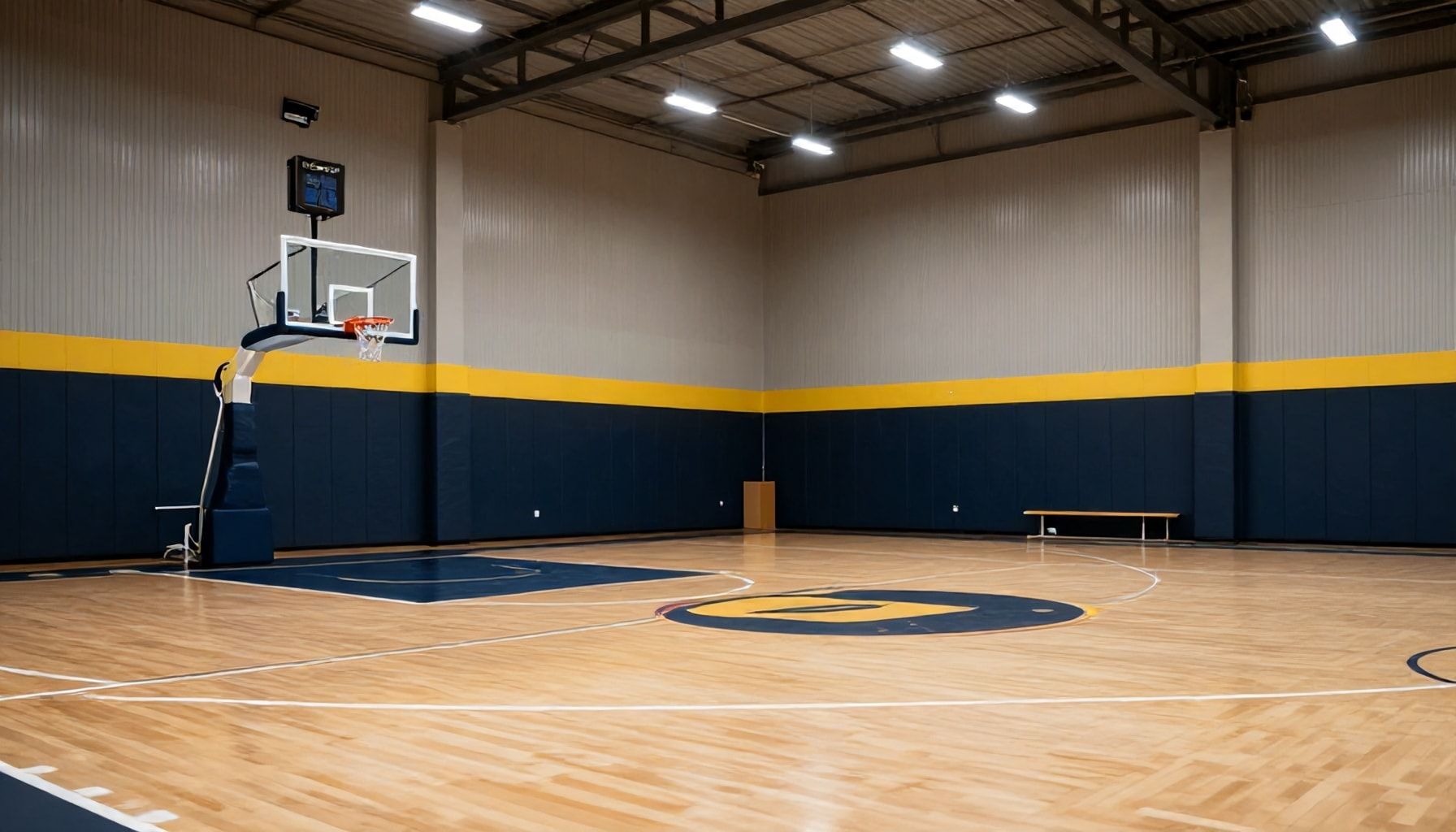
The growth of basketball in the UK faces a significant hurdle: limited access to indoor courts. With over 1.5 million players nationwide, the sport’s popularity continues to rise, but infrastructure struggles to keep pace.
A recent survey by the English Basketball Association revealed that 68% of clubs report insufficient indoor court access during winter months. This scarcity forces many players to train outdoors, where weather conditions often disrupt schedules.
“Indoor facilities are crucial for year-round development,” said Sarah Johnson, a spokesperson for the association. She highlighted that many schools and leisure centres, which traditionally provide indoor courts, now prioritise other sports or commercial activities.
The issue disproportionately affects youth development. Coaches report that young players miss out on essential training hours, hindering skill progression. In regions like the North West, where demand is highest, clubs often share limited facilities, leading to scheduling conflicts.
Efforts to address the shortage include government funding initiatives and private sector investments. However, progress remains slow. Experts warn that without immediate action, the UK risks falling behind in international basketball competitions.
Clubs are urging local authorities to prioritise the construction of new multi-sport facilities. Until then, the lack of indoor courts will continue to stifle the sport’s growth.
Basketball's Growth Curbed by Indoor Facility Deficit
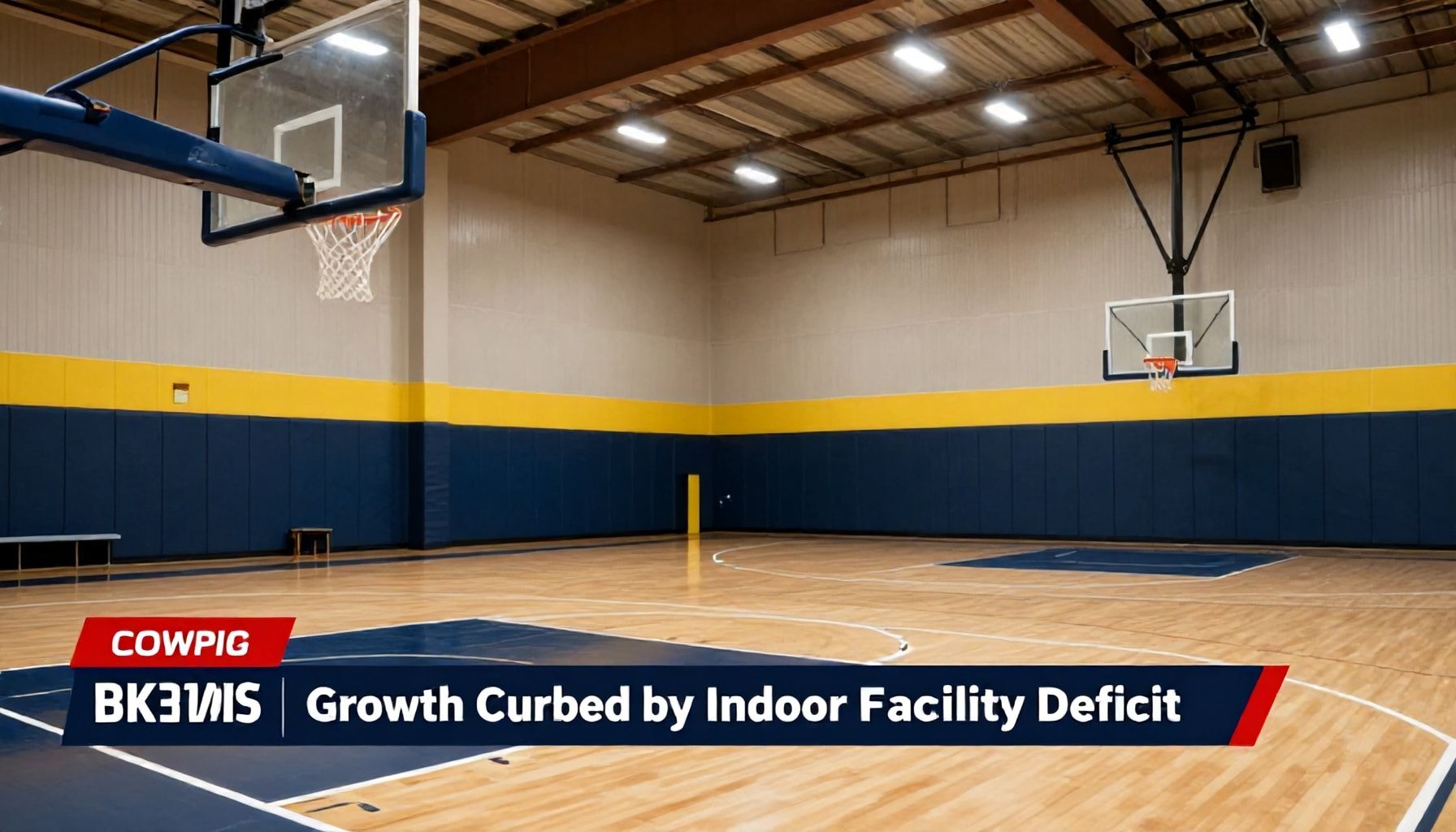
Basketball’s rapid growth in the UK is facing an unexpected hurdle: a severe lack of indoor court access. With over 1.5 million regular players, the sport has seen a 20% increase in participation over the past five years, according to Sport England. Yet, this expansion is being stifled by insufficient indoor facilities, particularly in urban areas.
The UK has approximately 3,000 indoor courts, a figure that has remained stagnant for over a decade. This shortage is most acute in cities, where 70% of the population resides. Basketball England’s CEO, Lyndsey Telford, highlighted the issue: “The demand for indoor courts is outstripping supply, especially during winter months when outdoor play is not feasible.”
Schools could potentially fill this gap, but many have restricted access to their sports halls. Only 40% of state schools allow community use outside of school hours, a limitation that directly impacts basketball clubs and casual players. This restriction is particularly problematic for youth development, as young players need consistent access to facilities for training and competition.
Private gyms and leisure centres also face challenges in meeting the demand. Many facilities are booked solid during peak hours, leaving aspiring players with few options. The situation is further exacerbated by the cost of hiring courts, which can be prohibitive for many. “Affordability is a major barrier,” noted Telford. “We need more accessible and affordable indoor spaces to support the growth of the sport.”
Efforts are being made to address the issue. Basketball England is collaborating with local authorities and private sector partners to develop new indoor facilities. However, progress is slow, and the need is immediate. Without significant investment in indoor court infrastructure, basketball’s growth in the UK risks being curtailed.
The lack of indoor court access remains a significant hurdle for basketball’s growth in the UK. With winter approaching, outdoor play becomes increasingly difficult, limiting training and development opportunities. The sport’s governing body continues to advocate for more indoor facilities, but progress has been slow. Meanwhile, grassroots initiatives are exploring alternative solutions, such as temporary indoor spaces and partnerships with schools. The future of basketball in the UK hinges on addressing this critical infrastructure gap. Without intervention, the sport risks stagnation, despite its growing popularity.






