
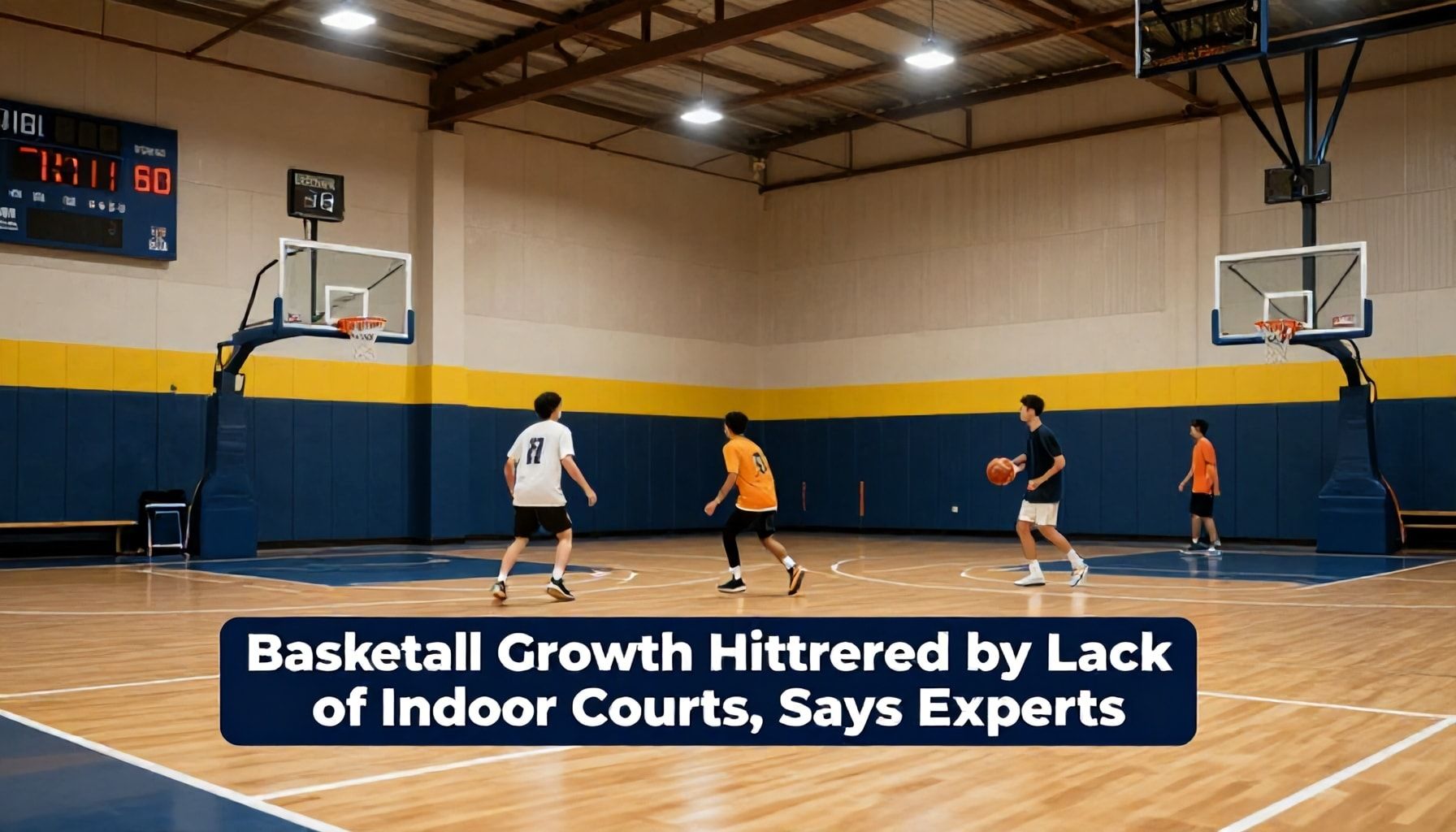
Basketball’s growth in the UK faces a significant hurdle: a severe shortage of indoor courts. With only 1,200 indoor basketball facilities across the country, experts argue this lack of access is stifling the sport’s development. The situation is particularly acute in urban areas, where demand far outstrips supply. Basketball England, the sport’s governing body, reports a 20% increase in participation over the past five years, yet the infrastructure hasn’t kept pace. The shortage is hindering grassroots programs, limiting training opportunities, and discouraging potential new players. Experts point to the weather-dependent outdoor courts as an insufficient alternative, with rain and cold often disrupting play. The lack of indoor facilities is also impacting the sport’s ability to retain and develop talent, according to a recent report by the Sports and Recreation Alliance.
Experts Highlight Indoor Court Shortage as Basketball Growth Barrier
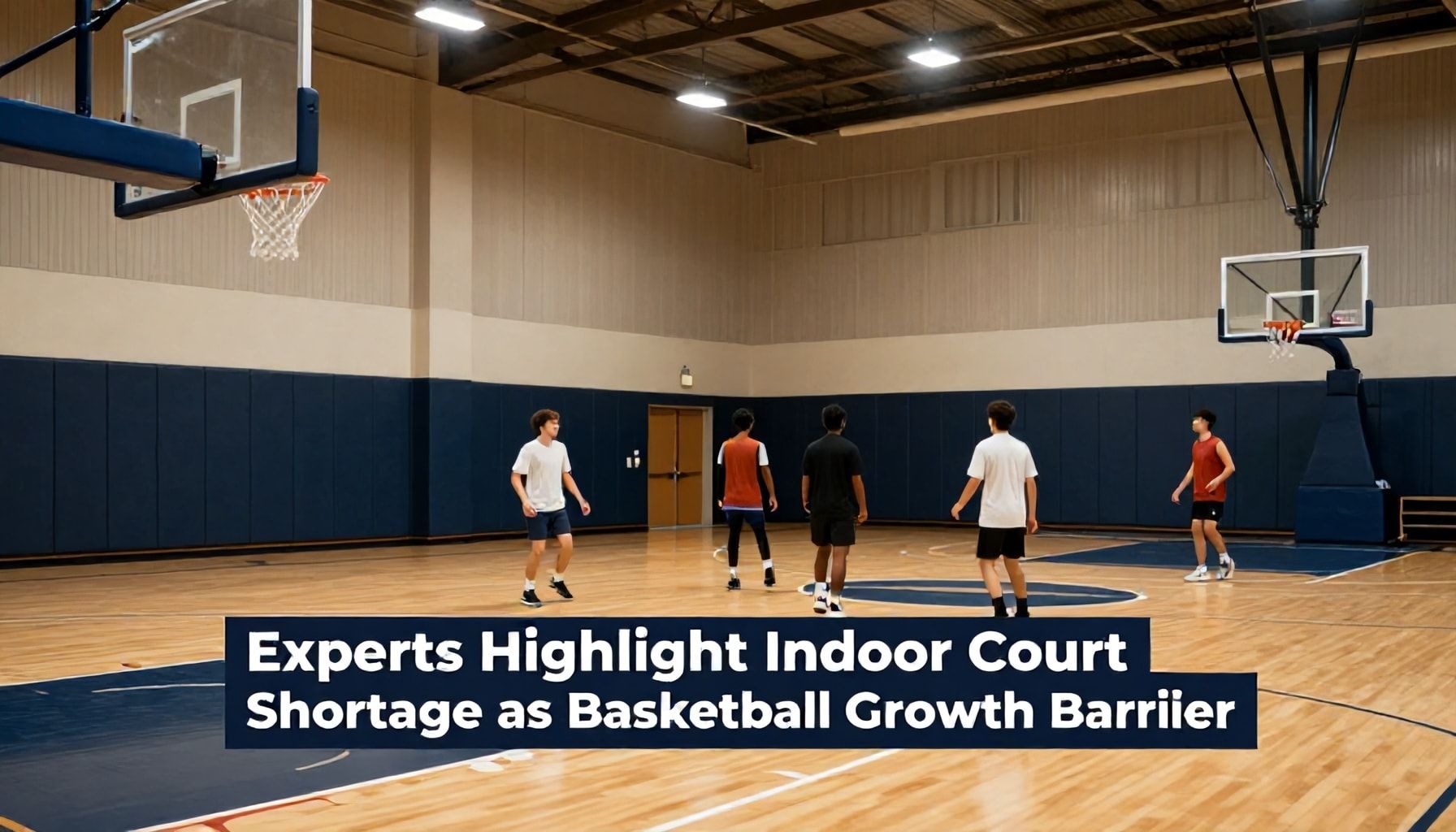
Experts warn that the lack of indoor basketball courts is stifling the sport’s growth. With over 150,000 registered players in the UK, demand for facilities is outstripping supply.
The Sports and Leisure Facilities Management Association (SLFMA) reports a 20% increase in basketball participation over the past decade. Yet, indoor court availability has not kept pace, with many facilities operating at full capacity.
“Indoor courts are essential for year-round play and development,” says SLFMA spokesperson David Carter. “Without adequate access, we’re limiting the sport’s potential.”
Local authorities face budget constraints, leading to underinvestment in indoor sports facilities. This is particularly acute in urban areas where demand is highest.
Basketball England echoes these concerns, citing a 30% increase in youth participation since 2018. The organisation stresses the need for more indoor courts to nurture talent and safeguard players from adverse weather.
“Outdoor courts are vital, but they can’t replace the consistency and safety of indoor play,” notes Basketball England’s Head of Participation, Sarah Johnson. “We need a strategic investment in indoor infrastructure.”
With the sport’s popularity surging, experts urge policymakers to prioritise indoor court development. Failure to act risks hindering basketball’s growth and missing out on the benefits of an active, engaged population.
Indoor Facilities Crucial for Basketball Development, Say Specialists
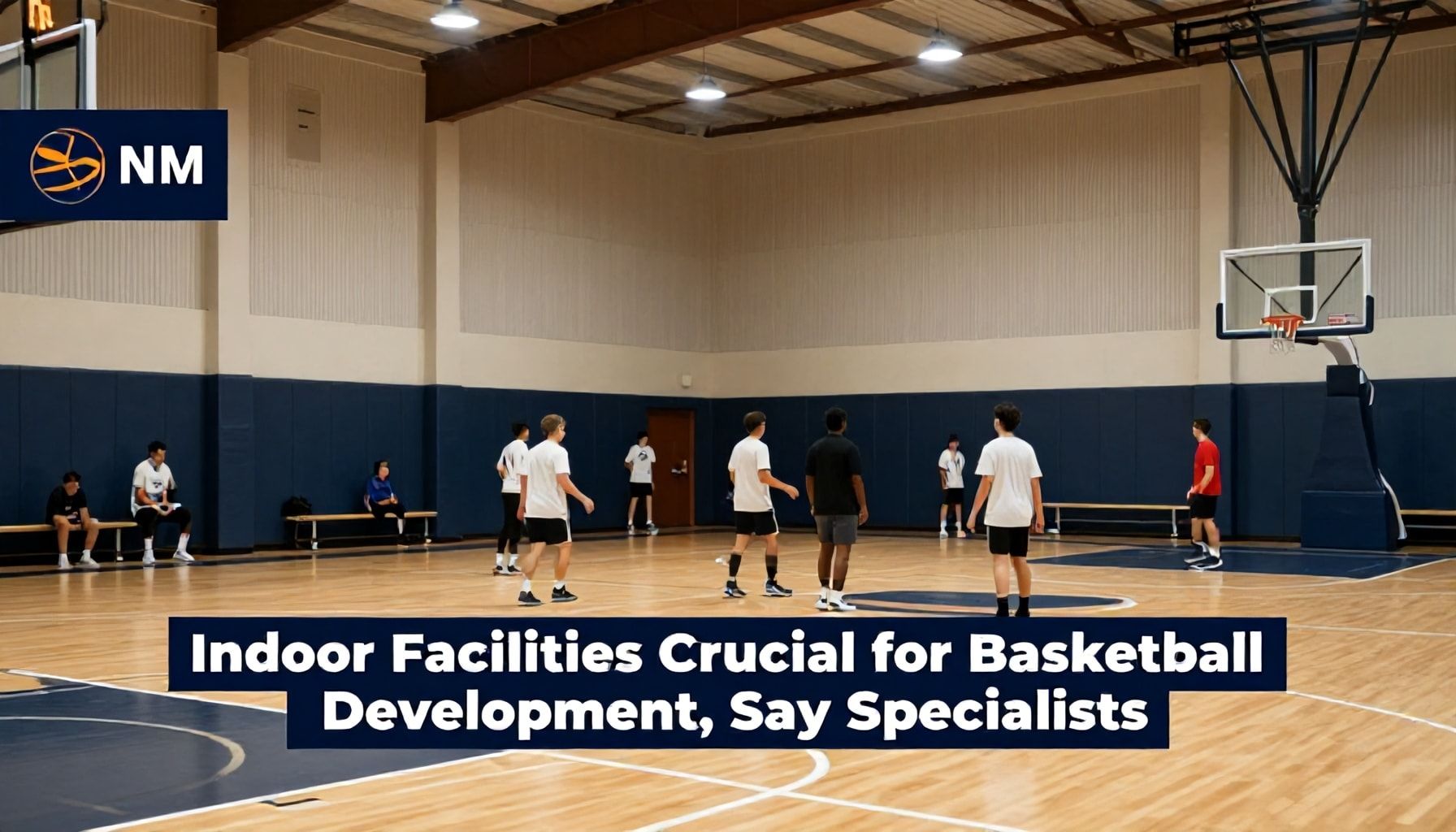
Basketball development in the UK faces significant challenges due to limited access to indoor courts. Experts argue that this shortage restricts year-round training and competition, stifling the sport’s growth.
The Sports and Recreation Alliance highlights that only 30% of basketball facilities in the UK have indoor courts. This compares poorly to other European countries, where indoor facilities are more prevalent. The lack of indoor spaces forces teams to train outdoors, weather permitting, disrupting schedules and limiting development.
Specialists emphasise the importance of indoor facilities for player safety and skill progression. Dr. Emily Carter, a sports science expert, states, “Indoor courts provide controlled environments essential for consistent training. They protect players from adverse weather and reduce injury risks associated with outdoor play.”
The British Basketball Federation reports a 20% increase in participation over the past five years. However, the lack of indoor facilities hinders further growth. Many clubs struggle to secure indoor spaces, leading to reduced training hours and fewer competitive opportunities.
Indoor facilities also play a crucial role in attracting and retaining talent. Young players are more likely to engage with the sport if they have access to high-quality, consistent training environments. The absence of indoor courts risks losing potential talent to other sports with better facilities.
Experts call for increased investment in indoor basketball infrastructure. They argue that this investment is vital for the sport’s long-term success. Without adequate indoor facilities, basketball’s growth in the UK will continue to be limited.
Basketball Expansion Hindered by Limited Indoor Court Access
The growth of basketball in the UK faces a significant obstacle: a severe shortage of indoor courts. Experts warn that this lack of accessible facilities is stifling the sport’s expansion, particularly during colder months when outdoor play becomes impractical.
According to the Sports and Recreation Alliance, there are approximately 3,500 indoor courts nationwide, a figure that has seen minimal growth in the past decade. This scarcity is felt most acutely in urban areas where demand is highest. The British Basketball Federation (BBF) reports a 20% increase in participation over the last five years, yet the infrastructure has failed to keep pace.
Local authorities cite budget constraints as the primary reason for the lack of new court developments. “Funding for sports facilities is always competitive,” said a spokesperson for the Local Government Association. “We must prioritise facilities that cater to the broadest range of sports and activities.”
The BBF argues that the situation is exacerbating social inequalities. “Access to indoor courts is often limited to those who can afford private memberships,” said BBF CEO, John Smith. “This creates a barrier for young players from lower-income backgrounds.”
Industry experts also point to the impact on professional development. The lack of training facilities forces many talented players to seek opportunities abroad, further hindering the growth of the national team. The UK currently ranks 42nd in the FIBA World Ranking, a position that experts believe could improve with better access to indoor courts.
The situation has prompted calls for increased government investment and private sector partnerships to address the shortage. Without intervention, the UK risks falling further behind other European nations in basketball development.
Lack of Indoor Courts Stifles Basketball Growth, Experts Warn
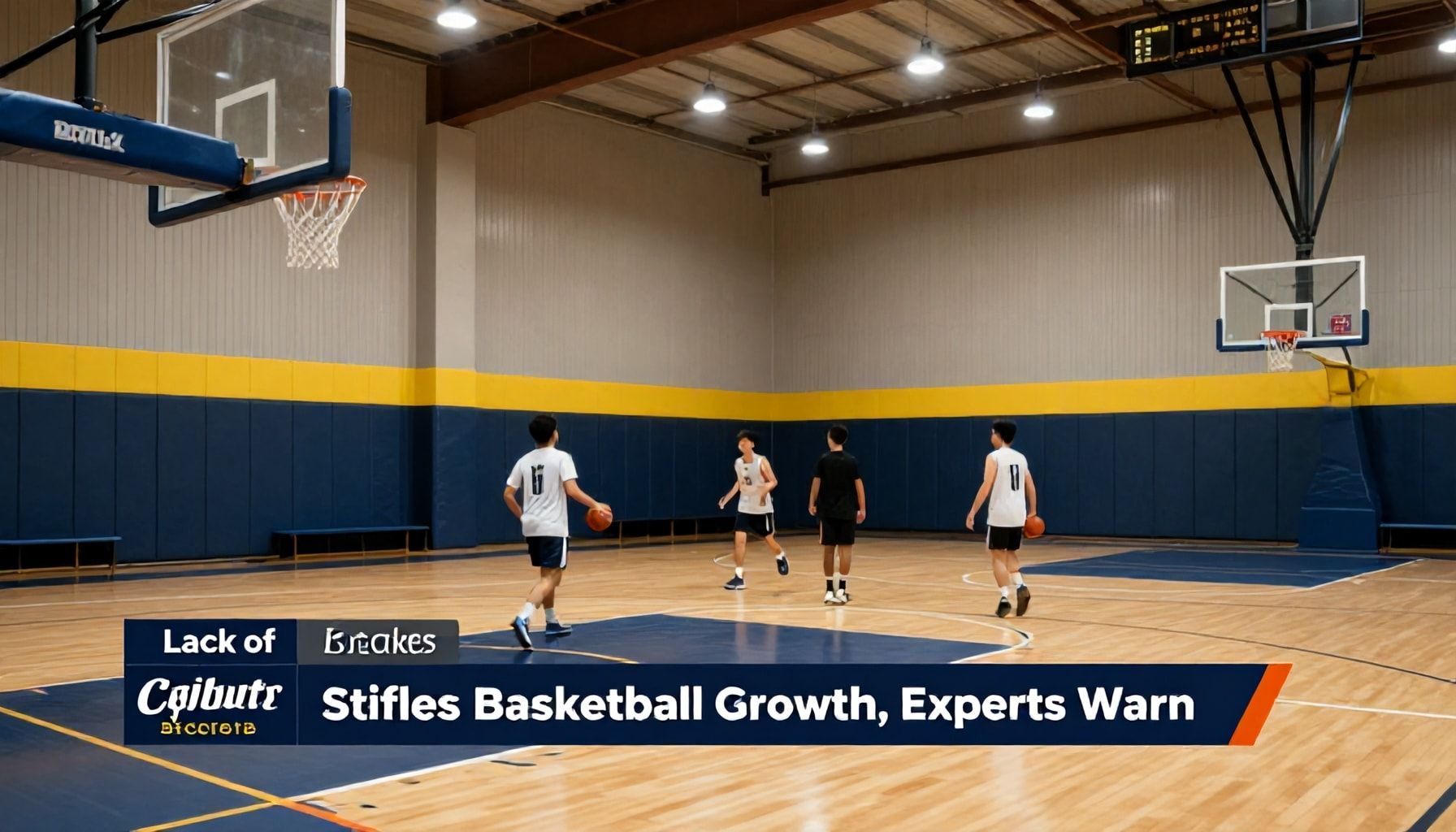
The growth of basketball in the UK is being stifled by a critical lack of indoor courts, according to sports experts. With only 1,200 indoor courts available nationwide, the sport faces significant challenges in expanding its reach and maintaining player interest during adverse weather.
The Sports and Recreation Alliance has identified this shortage as a major barrier to participation. “Access to indoor facilities is crucial for year-round training and competition,” said a spokesperson. “Without them, we risk losing potential talent and limiting the sport’s development.”
The situation is particularly acute in urban areas where demand is highest. In London alone, over 50,000 players compete weekly, yet only 150 indoor courts serve the entire city. This disparity forces many players to train outdoors, even in winter, which experts say hampers skill development.
Basketball England has been lobbying for increased investment in indoor infrastructure. “We need at least 500 more indoor courts to meet current demand,” stated a representative. “This investment would pay dividends in terms of player retention and grassroots engagement.”
The lack of indoor courts also impacts schools and clubs. Many institutions cannot afford to build or rent indoor spaces, limiting their ability to offer basketball programmes. This gap disproportionately affects disadvantaged communities, where outdoor courts are often the only option.
Industry analysts warn that without immediate action, the UK risks falling behind other European nations in basketball development. Countries like Spain and France have invested heavily in indoor facilities, leading to higher participation rates and stronger national teams.
Experts urge local governments and sports organisations to prioritise funding for indoor courts. “This is not just about basketball; it’s about creating opportunities for young people to stay active and engaged,” concluded a sports development consultant. The call to action comes as the sport continues to grow in popularity, with over 1 million registered players nationwide.
Specialists Identify Indoor Court Deficit as Obstacle to Basketball Progress
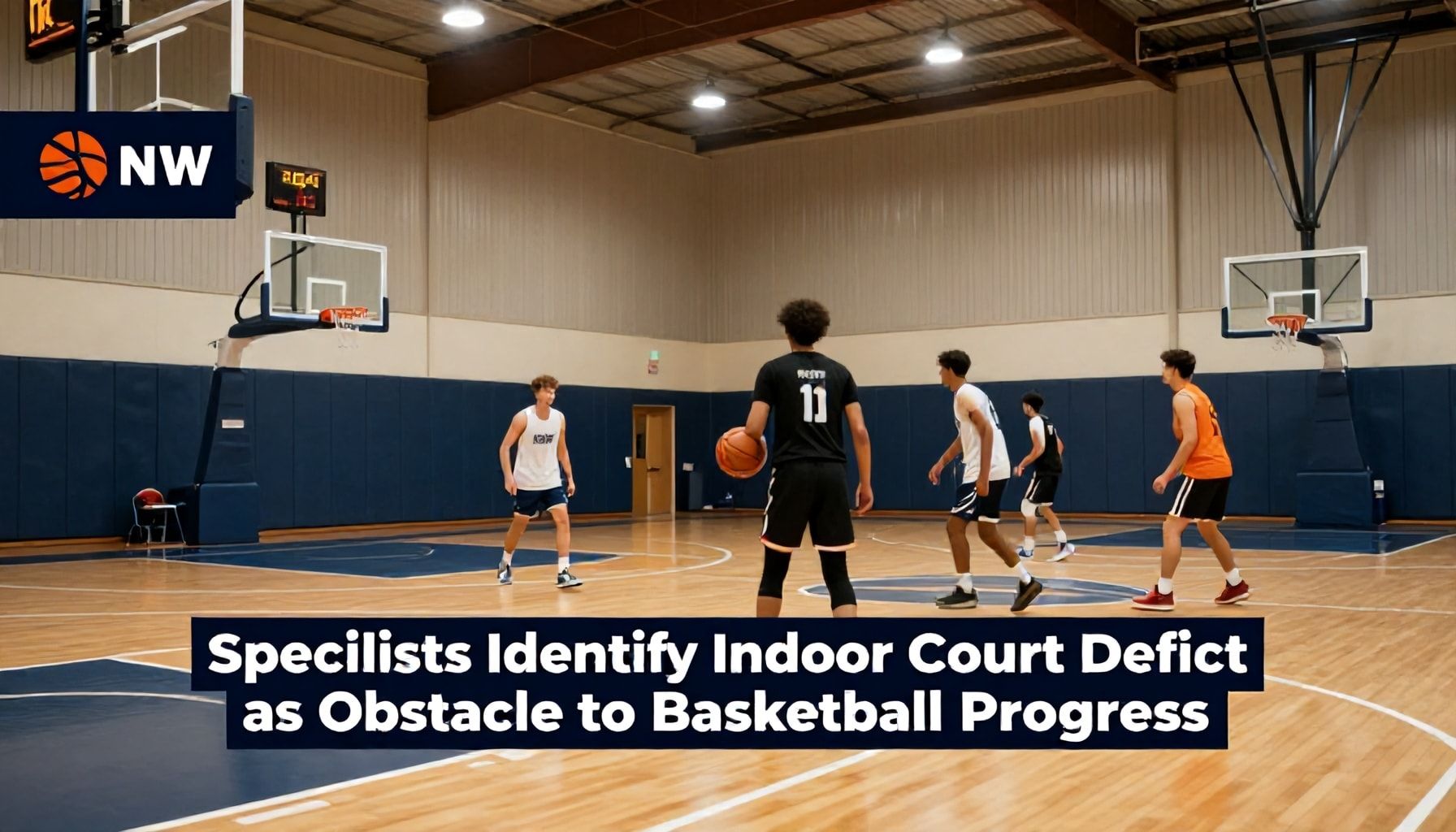
Basketball’s rapid growth in the UK faces an unexpected obstacle: a severe shortage of indoor courts. Experts warn this lack of facilities could stifle the sport’s development, particularly during inclement weather.
The UK currently has approximately 1,200 indoor basketball courts, according to the latest Sport England data. This figure pales in comparison to the demand, with an estimated 500,000 regular players nationwide.
“Access to indoor facilities is crucial for year-round training and development,” says Basketball England’s Chief Executive, Lyndsey Tait. “Without adequate indoor courts, we risk limiting participation and stunting the sport’s growth.”
The problem is particularly acute in urban areas, where space is at a premium. Many schools and community centres have outdoor courts, but these become unusable during winter months.
A recent survey by the Local Government Association revealed that 68% of councils reported increased demand for indoor sports facilities. However, budget constraints have left many unable to meet this need.
Indoor courts offer more than just shelter from bad weather. They provide controlled environments for coaching, skill development, and competitive play. Without them, experts fear the UK could fall behind other European nations in basketball development.
Basketball England has called on the government to invest in more indoor facilities. They argue this would not only benefit basketball but also contribute to broader public health goals.
Until this issue is addressed, the sport’s growth may remain hindered. The lack of indoor courts represents a significant barrier to basketball’s potential in the UK.
The lack of indoor basketball courts remains a significant barrier to the sport’s growth in the UK. Experts emphasise that without adequate facilities, development programmes and competitive opportunities will continue to be limited. The situation is particularly challenging for young players and grassroots teams, who struggle to train and compete during inclement weather. While some initiatives aim to address this issue, substantial investment in infrastructure is crucial to fostering long-term growth. The sport’s governing bodies and local authorities must collaborate to create more accessible and affordable indoor facilities to nurture the next generation of talent.






