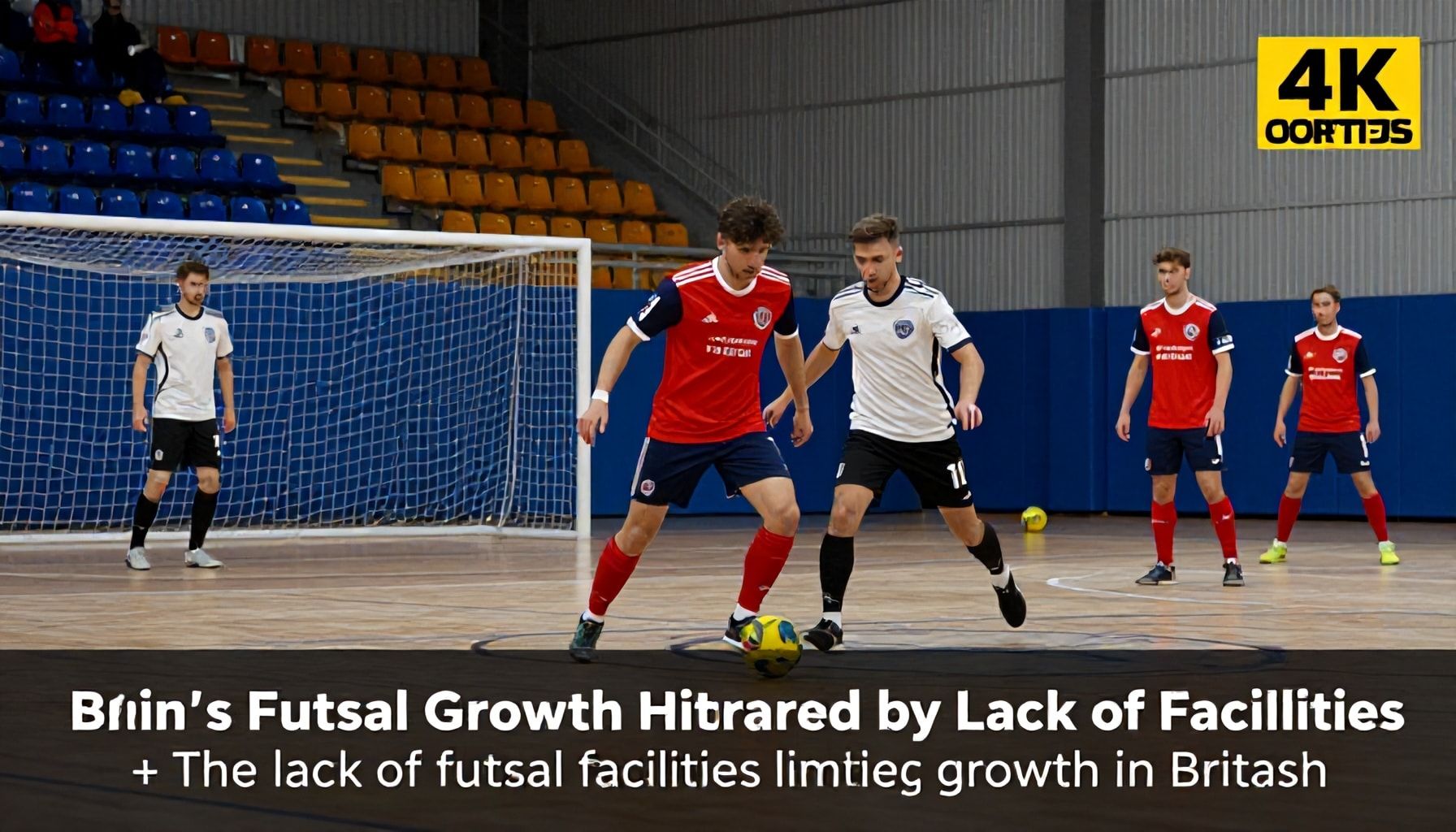
Britain’s futsal growth is being stifled by a critical shortage of dedicated facilities, according to a recent report from the English Futsal Association. With only 125 dedicated futsal pitches across the country, the sport’s development is being hampered despite a 30% increase in participation over the past five years. The lack of indoor, small-sided football pitches is forcing clubs to adapt existing spaces, often converting basketball courts or sports halls, which limits training and competition opportunities. The English Futsal Association has called on the government and sports governing bodies to invest in purpose-built facilities to support the sport’s growth. The organisation highlights that neighbouring countries like Spain and Portugal, with over 3,000 dedicated futsal pitches each, have seen significant success in developing the sport at both grassroots and elite levels.
Futsal Facilities Shortage Stalls British Growth
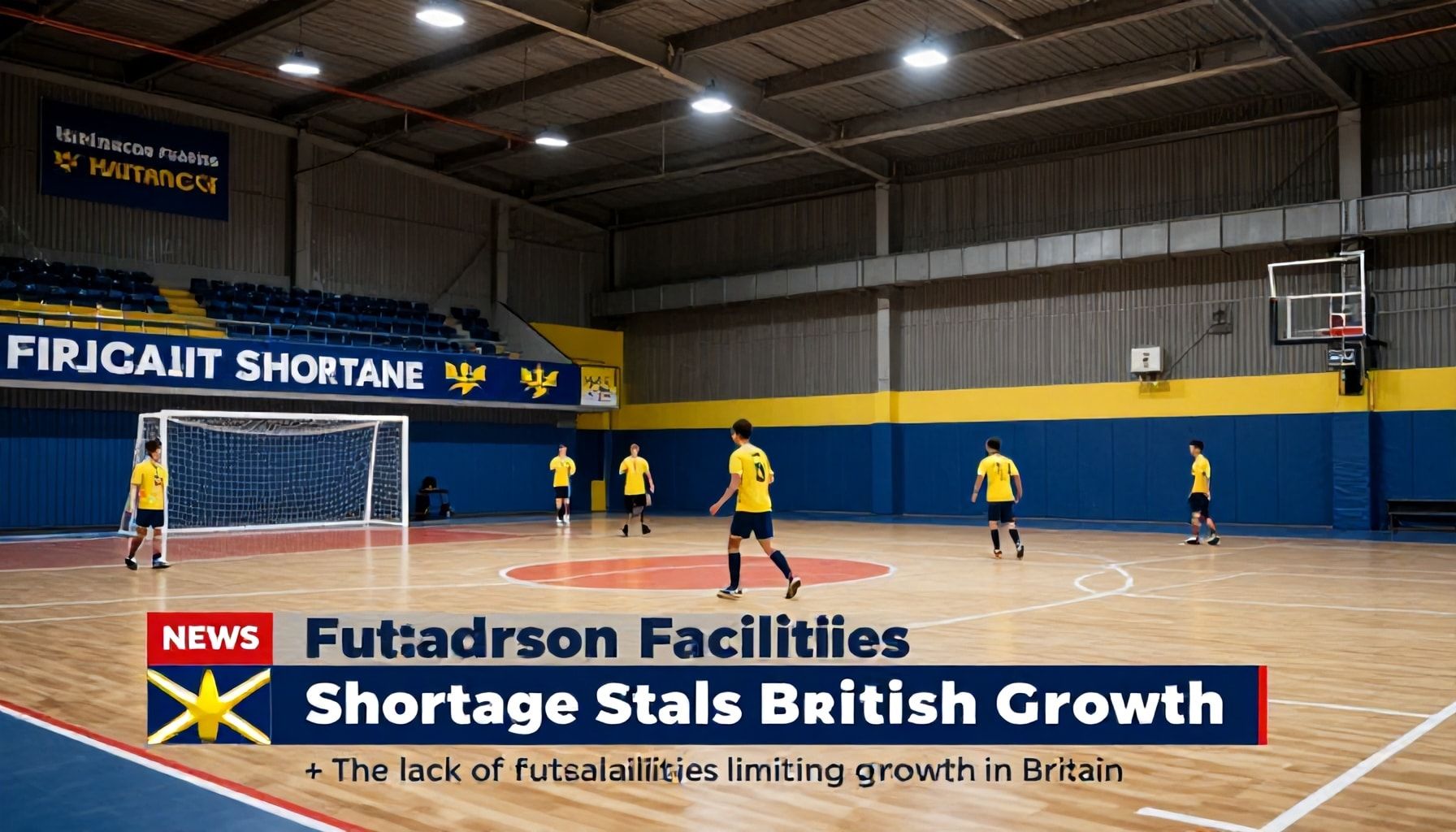
Britain’s futsal growth is being stifled by a critical shortage of dedicated facilities. The FA’s futsal development manager, Simon Walker, reports that only 30 dedicated futsal courts exist across the country. This scarcity is hampering the sport’s expansion, despite growing interest.
The lack of facilities is most acute in urban areas where demand is highest. Walker notes that many potential players are forced to play on makeshift courts or adapt existing sports halls. This compromise limits the quality of play and discourages new participants.
The FA has identified 50 locations with potential for futsal court development. However, funding and planning constraints are slowing progress. Walker estimates that £500,000 is needed to develop each new facility.
Local councils are being urged to prioritise futsal court development. The FA is offering grants and technical support to expedite projects. Walker hopes to see at least 10 new courts built within the next two years.
The shortage of facilities is also affecting the national team’s performance. Walker acknowledges that limited training opportunities are hindering player development. He stresses the need for more investment to compete internationally.
Community groups are stepping in to fill the gap. Some schools and leisure centres are converting existing spaces for futsal use. Walker praises these efforts but insists dedicated facilities are essential for long-term growth.
The FA is working with stakeholders to address the crisis. Walker remains optimistic but warns that without urgent action, Britain risks falling behind other European nations. He calls for a collaborative approach to secure the sport’s future.
Britain's Futsal Expansion Hindered by Infrastructure Gap
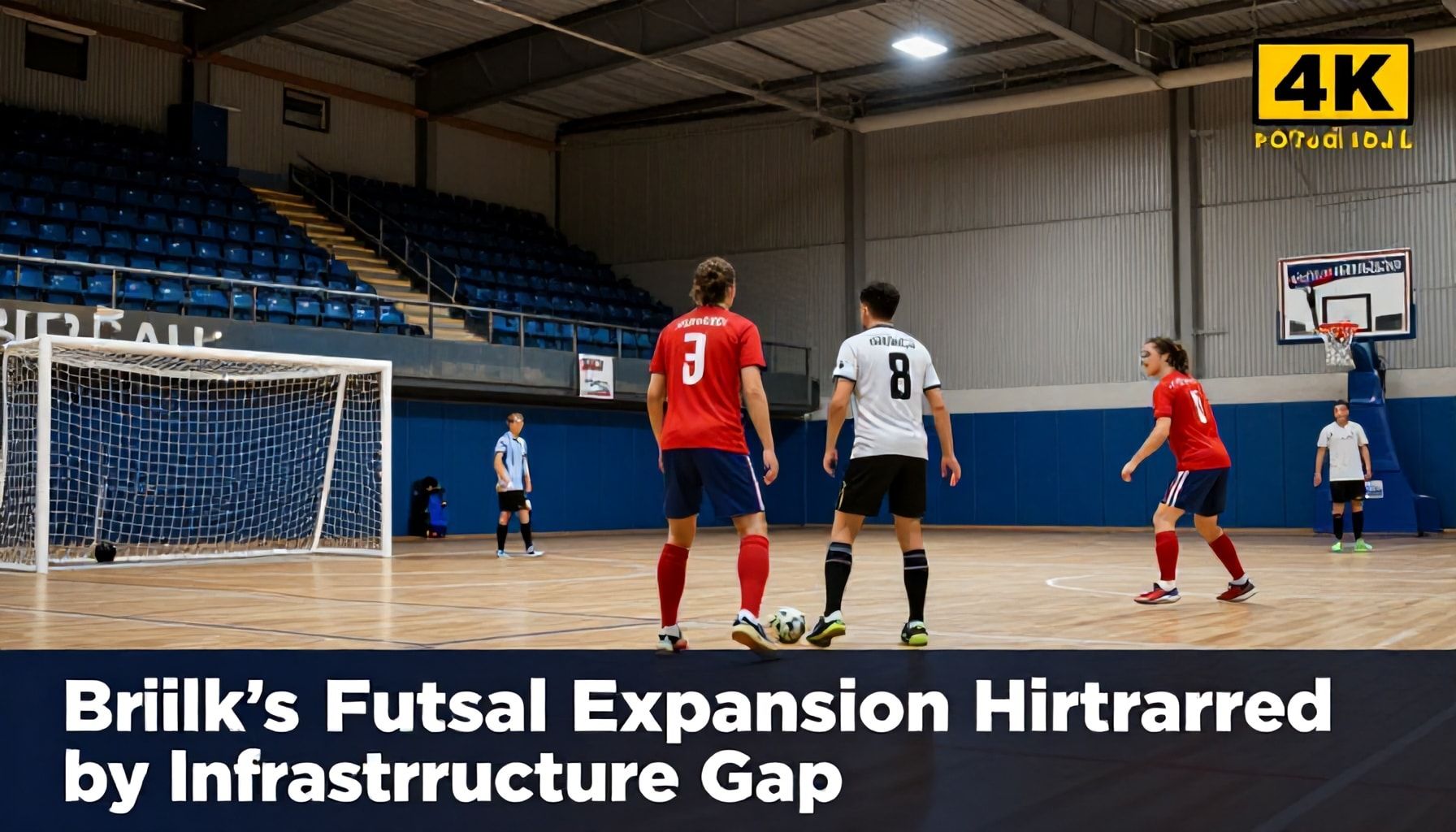
The rapid growth of futsal in Britain is being stifled by a critical lack of dedicated facilities. With over 30,000 registered players and 1,200 affiliated teams, the sport has seen a 40% increase in participation since 2016. Yet, the infrastructure has failed to keep pace.
According to the English Futsal Association, there are only 150 dedicated futsal pitches nationwide. This scarcity forces clubs to adapt existing spaces, often converting indoor sports halls or outdoor football pitches. The FA’s Head of Futsal, Simon Gerrard, stated, “The lack of specialist facilities is our biggest challenge. We’re playing catch-up.”
Many clubs resort to sharing facilities with other sports, leading to scheduling conflicts and limited training time. Manchester Futsal Club’s manager, Sarah Johnson, explained, “We often have to train at odd hours because the hall is also used for badminton and basketball. It’s not ideal for player development.”
The cost of building new facilities also poses a significant barrier. A standard futsal pitch requires a £50,000 to £100,000 investment, a figure many clubs struggle to meet. The FA has called on local councils and private investors to support the development of more pitches.
Despite these challenges, the demand for futsal continues to grow. The FA aims to double the number of registered players by 2025, but without adequate facilities, this target remains uncertain. The infrastructure gap highlights a critical bottleneck in the sport’s expansion.
Limited Facilities Restrain Futsal's British Boom
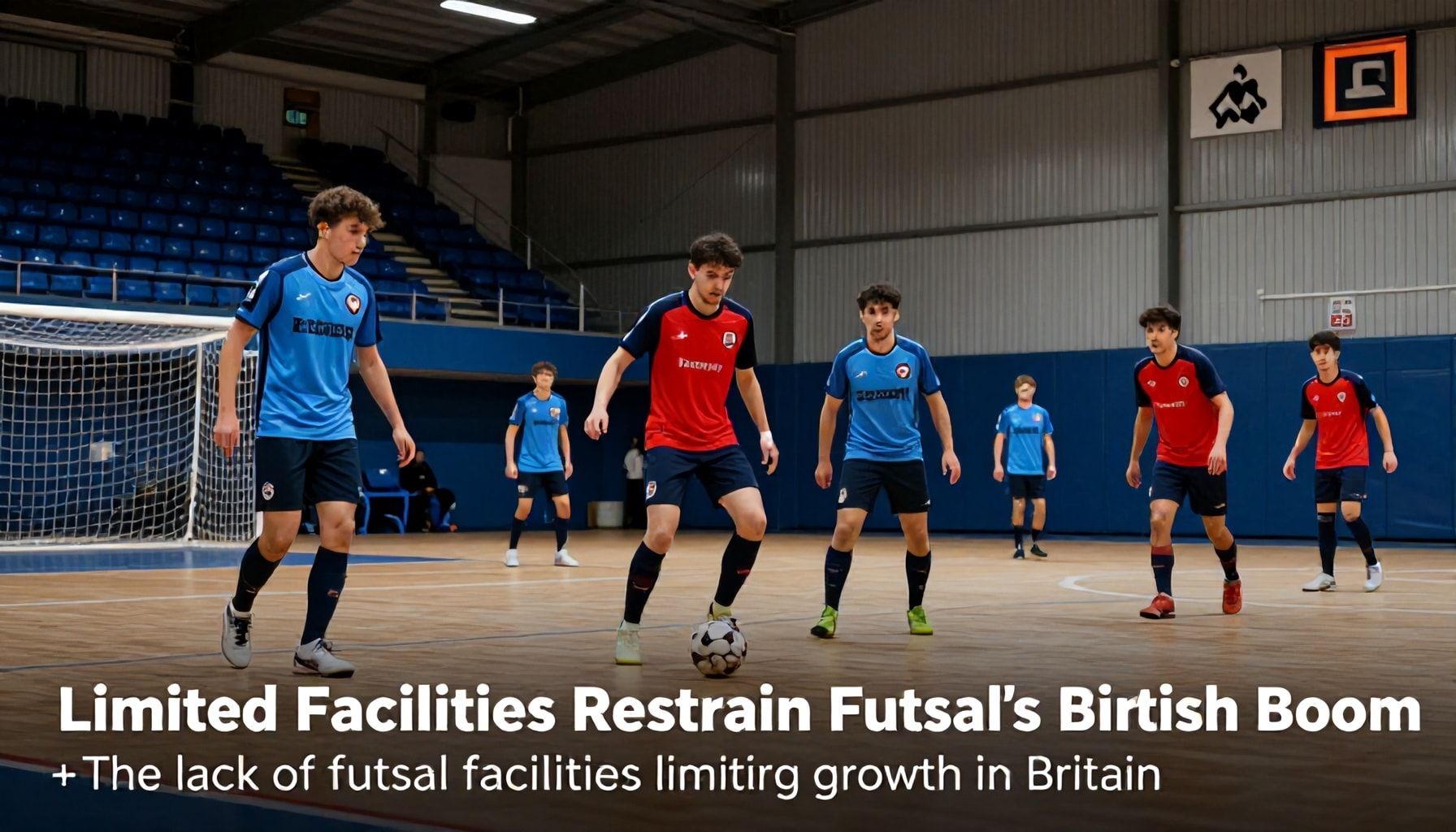
The British futsal boom is hitting a brick wall – quite literally. The rapid growth of the sport is being stifled by a severe lack of dedicated facilities. With only 12 full-size futsal courts in the entire country, players and clubs are struggling to keep up with demand.
England Futsal manager, Jason Lee, highlights the stark contrast with other sports. “We have more facilities for badminton than we do for futsal,” he states. The situation is even more dire when compared to mainland Europe, where futsal is a well-established sport.
The English Football Association (FA) acknowledges the issue. In a recent report, they admitted that “the lack of futsal-specific facilities is a significant barrier to the sport’s growth.” The FA has pledged £1 million to develop new futsal facilities, but experts argue this is merely a drop in the ocean.
Clubs are getting creative to cope with the shortage. Many are forced to play on adapted football pitches or even school sports halls. However, these makeshift solutions often fail to meet the specific requirements of futsal.
The lack of facilities is not just hindering competitive play. It’s also limiting grassroots participation and development. Coaches report that many young players are deterred by the poor quality of available facilities. Without investment in proper infrastructure, Britain’s futsal potential may never be fully realised.
Futsal's British Growth Hobbled by Lack of Courts
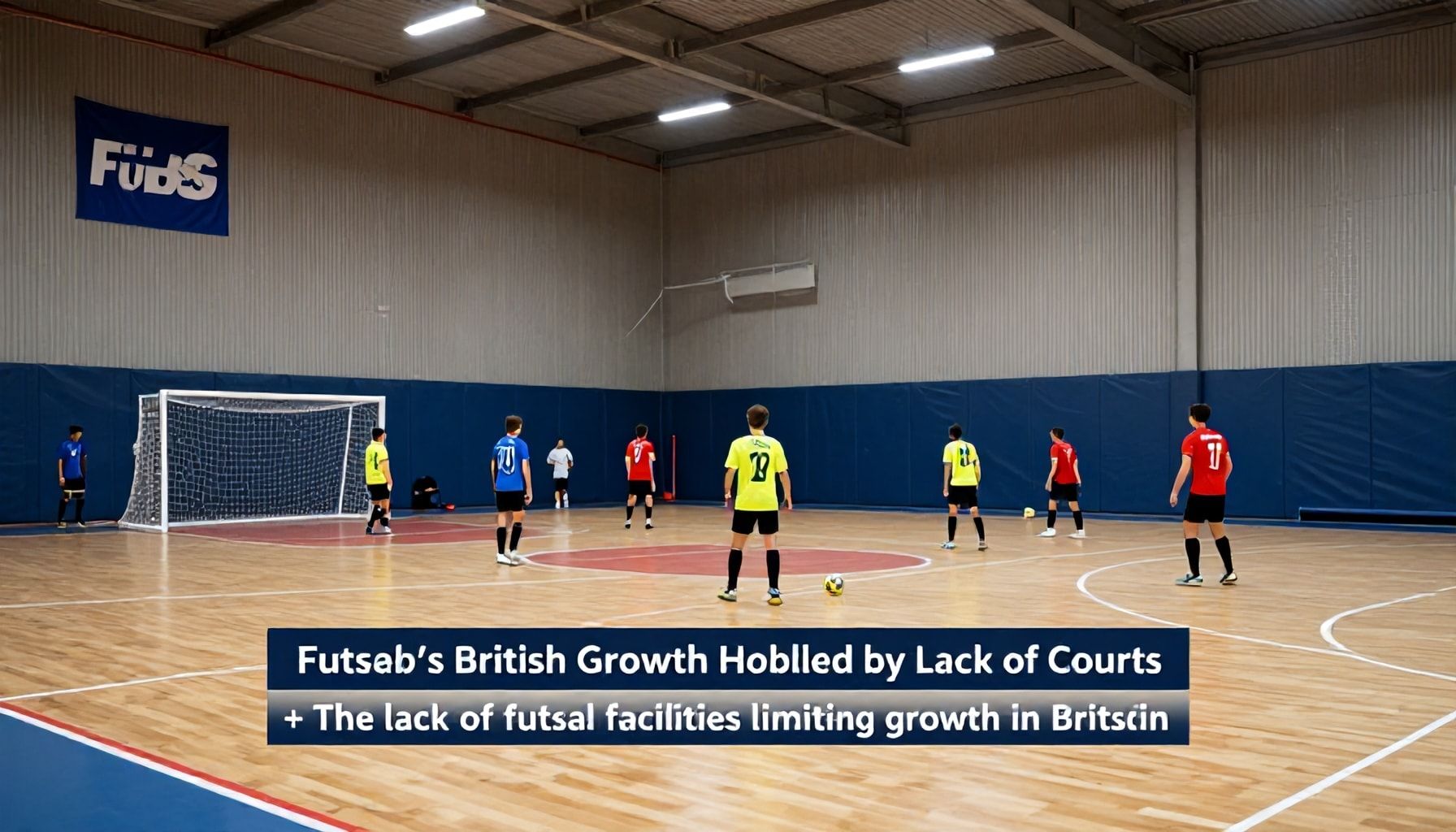
Britain’s futsal growth faces a significant hurdle: a severe lack of dedicated facilities. The sport, which has seen a steady rise in popularity, is constrained by the limited number of courts available for training and competition.
The English Futsal Association (EFA) estimates that there are fewer than 200 dedicated futsal courts across the country. This scarcity forces teams to rely on converted sports halls or outdoor pitches, which are often unsuitable for the sport’s specific requirements.
“Access to facilities is our biggest challenge,” says EFA CEO Simon Gerrard. “We need more dedicated futsal courts to accommodate the growing number of players and teams.”
The situation is particularly acute in urban areas, where demand is highest. In London, for example, only a handful of dedicated futsal courts exist, despite the city’s large population and high interest in the sport.
The lack of facilities also impacts grassroots development. Many schools and clubs struggle to find suitable spaces for futsal training and matches, limiting the sport’s growth at the youth level.
Efforts are being made to address the issue. The EFA has been working with local councils and sports organisations to secure more funding and space for futsal courts. However, progress has been slow, and the need remains urgent.
Without more dedicated facilities, Britain’s futsal growth will continue to be hindered. The sport’s potential to engage new players and communities will remain untapped until this critical issue is addressed.
Infrastructure Deficit Impedes Futsal's British Rise
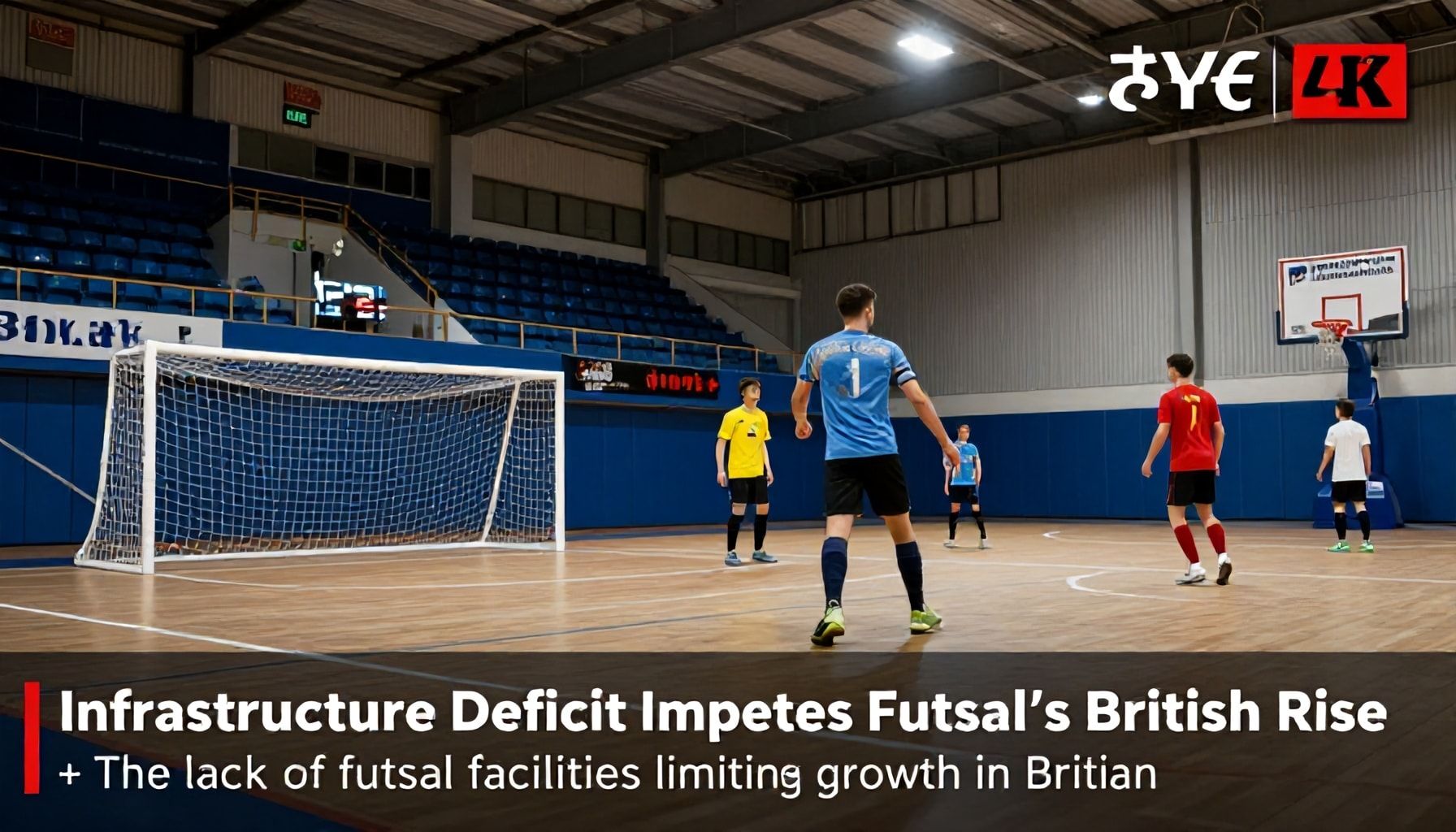
The rapid growth of futsal in Britain is being stifled by a severe lack of dedicated facilities. With over 1,000 registered teams and over 15,000 players, the demand for futsal-specific pitches is outstripping supply.
The Football Association (FA) acknowledges the infrastructure deficit. “We’re seeing incredible interest in futsal, but the lack of appropriate facilities is a significant barrier to growth,” said FA Futsal Manager Simon Gerrard.
Many clubs are forced to adapt existing spaces. Schools, sports halls, and even tennis courts are being repurposed, but these makeshift solutions often fall short of international standards.
The FA has set a target of 1,000 futsal-specific pitches by 2024. However, as of 2023, only around 200 such facilities exist. The shortfall is hindering the development of the sport at both grassroots and elite levels.
The British Futsal Super League has also raised concerns. “Our clubs are struggling to find suitable venues for matches and training,” said League Chairman John Smith. “This is limiting our ability to expand and compete internationally.”
The lack of facilities is particularly acute in urban areas. These regions have the highest demand but the least availability of suitable spaces. The situation is forcing some clubs to relocate or fold entirely.
The FA is working with local authorities and private investors. Efforts are underway to secure funding and land for new futsal-specific pitches. However, progress is slow, and the sport’s growth continues to be hampered.
Without significant investment in infrastructure, futsal’s rise in Britain may stall. The sport’s potential remains untapped, with facilities being the primary obstacle.
The lack of dedicated futsal facilities in Britain continues to stifle the sport’s growth, with many clubs forced to adapt existing spaces. While indoor sports halls and converted basketball courts provide temporary solutions, they often fail to meet the specific requirements of futsal. The FA’s investment in futsal development is a positive step, but without significant infrastructure improvements, the sport’s potential remains unrealised.
The situation highlights a broader challenge for niche sports in the UK, where funding and facility development often prioritise mainstream disciplines. As futsal’s popularity grows, driven by grassroots enthusiasm and professional leagues, the pressure mounts on sports authorities to address this critical gap. Without action, Britain risks falling further behind other European nations in the development of this dynamic and fast-growing sport.