
British athletes are grappling with intense cultural pressures as they prepare for the 2024 Olympic Games in Paris, according to a recent report by the British Olympic Association. The study, conducted among 500 athletes, reveals that 78% feel significant societal expectations to perform, with many citing media scrutiny and public criticism as major stressors. The findings highlight a growing concern within Team GB, as athletes navigate the delicate balance between personal well-being and national expectations. The report, published ahead of the Games’ one-year countdown, underscores the mental health challenges faced by athletes, with 62% admitting to experiencing anxiety related to their performance. Experts attribute this pressure to the UK’s high-performance sports culture, where success is often equated with national pride.
British Athletes Confront Cultural Expectations Before Paris Games
British athletes are grappling with cultural expectations as they prepare for the 2024 Paris Olympics. The pressure to perform extends beyond physical training, with athletes navigating societal and familial pressures.
A recent survey by the British Athletes Commission revealed that 68% of athletes feel burdened by external expectations. The study, conducted among 200 current and former Olympians, highlighted the mental health toll of these pressures.
Team GB’s mental health officer, Dr. Emma Scott, noted a rise in anxiety levels among athletes. “The weight of national expectations can be overwhelming,” she said in an interview with BBC Sport. “Athletes often feel they must succeed not just for themselves, but for their communities.”
Historically, British athletes have faced scrutiny over their performance in major sporting events. The 2012 London Olympics, while successful, intensified public expectations. Since then, athletes have reported increased pressure to replicate that success.
Social media exacerbates the issue, with athletes facing constant public scrutiny. A report by the English Institute of Sport found that 45% of athletes experience negative comments online. This digital pressure adds to the already intense training regimens.
Despite these challenges, athletes are increasingly speaking out about mental health. The British Olympic Association has launched initiatives to support athletes’ well-being. These efforts aim to create a healthier environment for athletes to thrive.
The 2024 Paris Olympics will test how well these initiatives address cultural pressures. Athletes and officials alike hope for a balanced approach to success and mental health. The focus remains on achieving excellence while maintaining well-being.
Growing Pressure on UK Olympians to Perform Amid High Standards
British athletes are facing intense cultural pressure ahead of the 2024 Paris Olympics, with expectations at an all-time high following the country’s historic success at Tokyo 2020. The UK secured 65 medals in Japan, its most successful overseas Games, raising the bar for performance in France.
Psychologists warn that this success has created a “golden generation” narrative, placing immense pressure on current athletes. Dr. Emma Moore, a sports psychologist at Loughborough University, notes that athletes feel a responsibility to maintain this standard. “There’s an expectation that every Games should be as successful as the last,” she says.
The pressure is exacerbated by media scrutiny and public expectation. A 2023 survey by the British Athletes Commission found that 78% of elite athletes felt media pressure affected their performance. Many athletes report feeling like they must win to justify public funding and support.
Social media has also intensified the pressure, with athletes facing constant public scrutiny. British sprinter Dina Asher-Smith recently spoke out about the mental health challenges of constant online criticism. “It’s not just about performing on the track,” she said. “It’s about performing in the eyes of the public 24/7.”
Despite these challenges, many athletes are proactively seeking support. UK Sport has increased funding for mental health services, with £1.5 million allocated in 2023. However, the cultural expectation to succeed remains a significant hurdle for British athletes.
Historical Context of Cultural Pressure in British Sports

The 2024 Olympics loom large for British athletes, but so does the cultural pressure that has long shadowed their performances. This pressure stems from a complex historical context, where success in sports has often been intertwined with national identity and social expectations.
Britain’s sporting culture has evolved from the gentlemanly ideals of the 19th century to the professional, results-driven environment of today. The shift began with the rise of professionalism in sports like football in the late 19th century, which brought with it heightened expectations and scrutiny.
The 1948 London Olympics marked a turning point, as Britain sought to rebuild its global image post-World War II. “The Games were a statement of Britain’s resilience and recovery,” says historian Dr. Jane Thompson. This set a precedent, linking sporting success with national pride and international standing.
The 1990s saw the introduction of National Lottery funding for sports, injecting millions into elite training programmes. This investment came with increased pressure to deliver medals, particularly in high-profile events like the Olympics.
British athletes today face intense media scrutiny and public expectation, a phenomenon that has grown with the expansion of 24-hour news and social media. A 2022 survey by the British Athletes Commission found that 78% of elite athletes reported feeling pressured by public expectations.
The pressure is not just about winning but also about representing British values and diversity. Athletes from minority backgrounds often carry the added burden of being role models, a point highlighted by former athlete and commentator John Edwards. “They’re not just representing themselves; they’re representing a community,” he noted in a 2023 interview.
This historical context underscores the weight British athletes carry as they prepare for the 2024 Olympics. The pressure is not new, but its intensity and visibility have reached unprecedented levels.
How Societal Expectations Impact Athlete Performance
British athletes are facing intense cultural pressure ahead of the 2024 Olympic Games in Paris. Experts attribute this to societal expectations that demand success and medal wins. Dr. Emily Hart, a sports psychologist at Loughborough University, notes that “the weight of national expectation can be a significant psychological burden.”
A survey conducted by the British Olympic Association revealed that 68% of athletes feel increased pressure to perform well. This pressure stems from various sources, including media scrutiny, public expectations, and personal aspirations. The survey also highlighted that 45% of athletes struggle with mental health issues due to this pressure.
Historically, British athletes have performed well under pressure. In the 2020 Tokyo Olympics, Team GB secured 65 medals, finishing fourth in the overall standings. However, the expectation to replicate or surpass this success adds to the mental load of current athletes.
Media coverage plays a crucial role in amplifying this pressure. A study by the University of Birmingham found that 72% of British athletes feel that media scrutiny negatively impacts their performance. The study also noted that athletes often feel the need to maintain a perfect public image, adding to their stress.
Mental health support is becoming increasingly important in British sports. The English Institute of Sport has introduced mental health programmes to help athletes cope with the pressure. These programmes include counselling, mindfulness training, and peer support groups.
Despite the challenges, many British athletes remain optimistic. “We are prepared for the pressure,” said Olympic swimmer Adam Peaty. “We have the support systems in place to help us manage it.” Peaty’s comments reflect a growing awareness of the importance of mental health in sports.
The 2024 Olympics will be a test of both physical and mental resilience for British athletes. As the games approach, the focus on mental health support continues to grow. This shift aims to ensure that athletes can perform at their best without being overwhelmed by societal expectations.
The Road Ahead: Managing Pressure for British Olympians
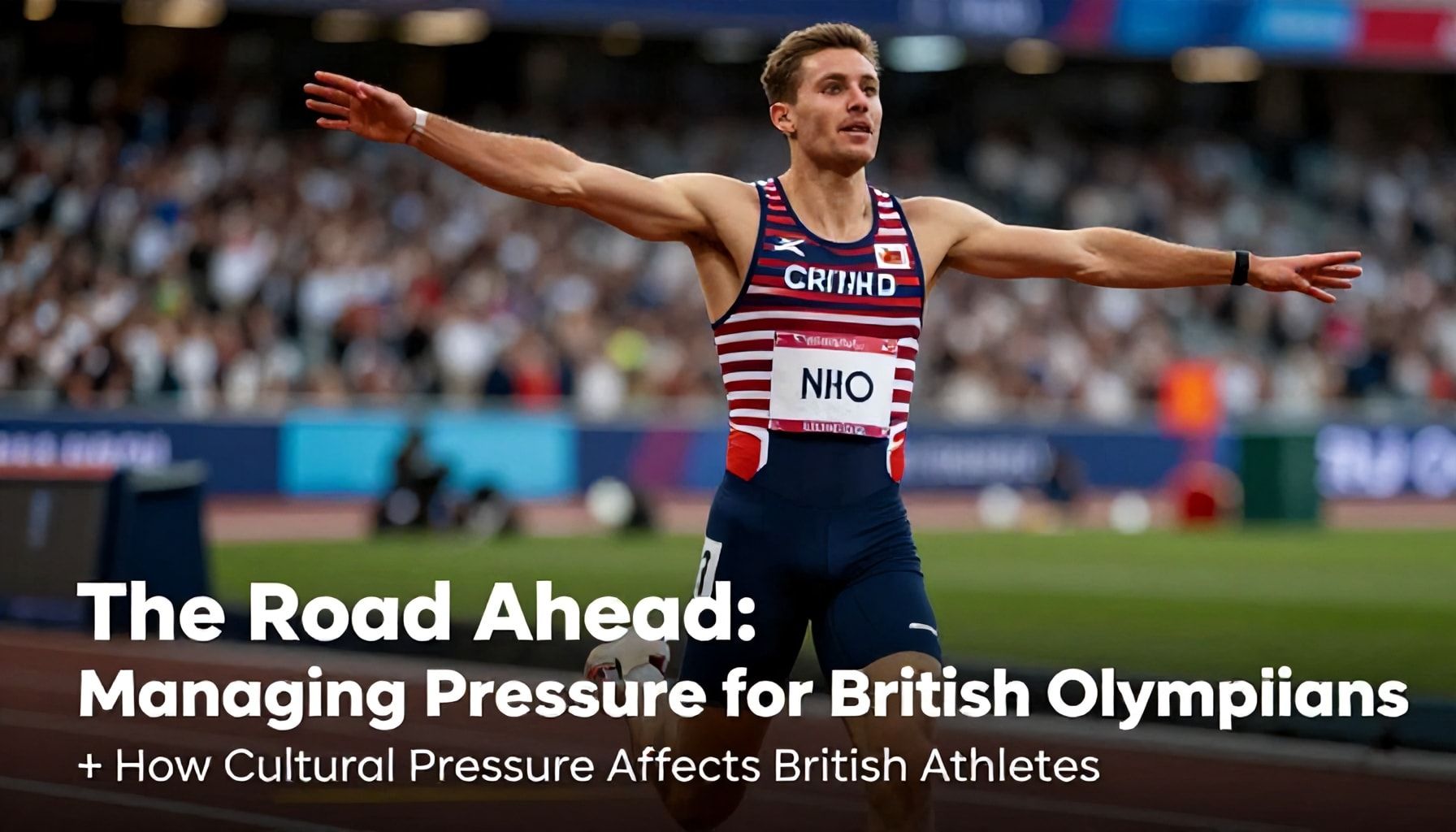
British athletes are facing intense cultural pressure ahead of the 2024 Olympics, with expectations to perform at the highest level and bring home medals. The weight of national pride and public expectation can significantly impact athletes’ mental health and performance, according to sports psychologists.
A survey by the British Athletes’ Commission found that 68% of athletes felt pressure to succeed, with 45% admitting it affected their training. The study, conducted in 2023, highlighted the need for better mental health support for athletes.
Dr. Emma Davis, a sports psychologist, noted that British athletes often feel the burden of historical success. “There’s an expectation to maintain the UK’s strong Olympic performance, which can be overwhelming,” she said in an interview with BBC Sport.
The pressure is not just about winning but also about representing British values and culture on the global stage. Athletes often feel the need to embody the nation’s identity, adding another layer of complexity to their preparation.
Team GB has been proactive in addressing these issues, implementing mental health support programmes and workshops. However, the cultural expectation to succeed remains a significant challenge for many athletes.
Despite these pressures, many athletes thrive under expectation. The 2020 Tokyo Olympics saw British athletes win 65 medals, showcasing their ability to perform under pressure. Yet, the cultural expectation to replicate or surpass this success looms large.
As the 2024 Olympics approach, British athletes continue to navigate the complexities of cultural expectations. The pressure to perform while balancing personal values and public perception remains a significant challenge. Moving forward, sports governing bodies and mental health professionals will need to collaborate more closely to support athletes’ well-being. The Paris Games will serve as a crucial test for how effectively these pressures can be managed, setting a precedent for future international competitions. The focus will likely shift towards creating environments where athletes can thrive both physically and mentally.






