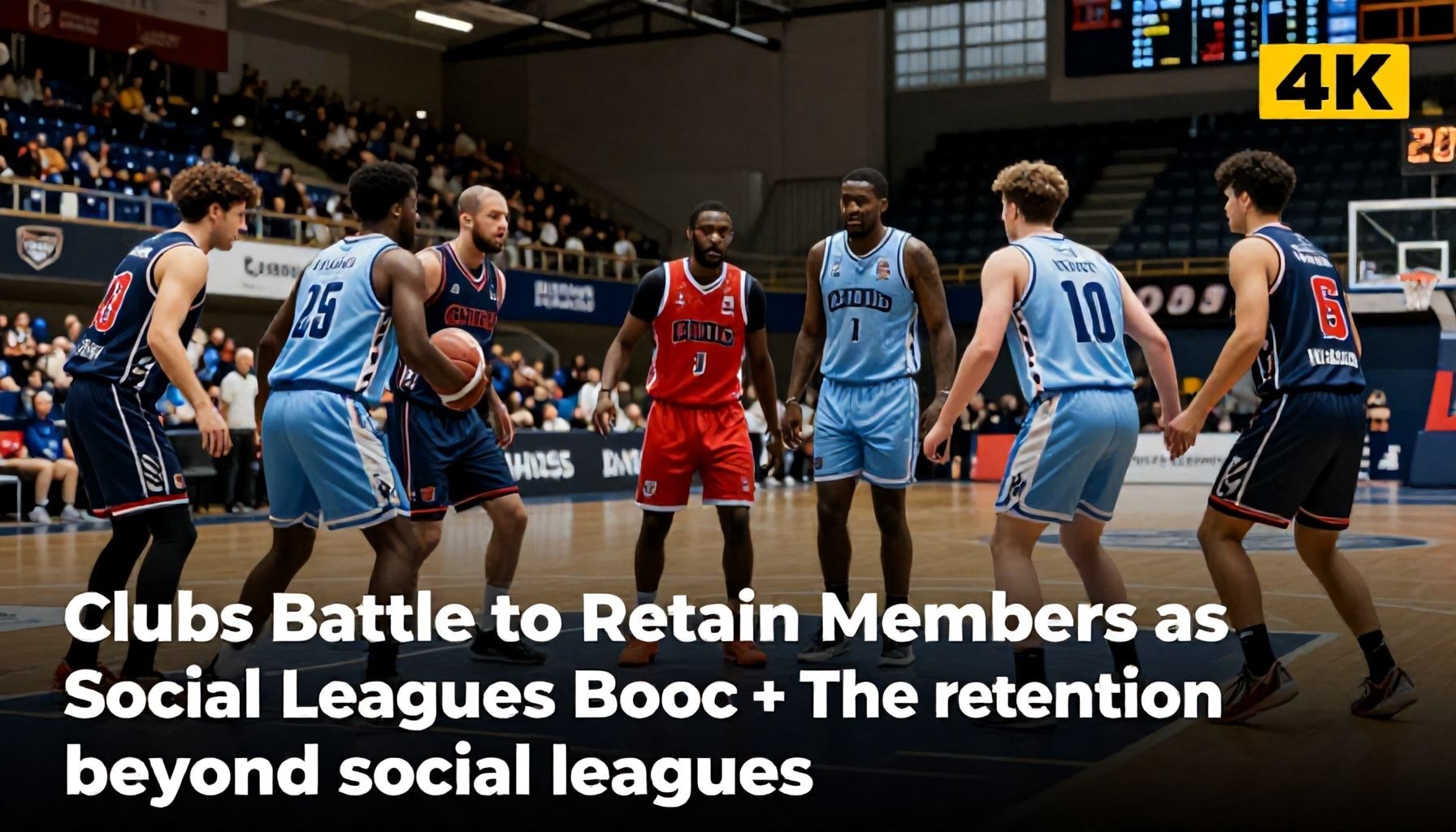
Across the UK, traditional clubs from golf to book groups are struggling to retain members as social leagues surge in popularity. The decline, accelerating since the pandemic, has left organisations like the English Bowls Association reporting a 15% drop in participants over the past two years, while golf club memberships have fallen by 12% according to the Sports and Leisure Association. The shift reflects changing social dynamics, with younger generations preferring flexible, social experiences over traditional club structures. Experts point to the rise of apps like Meetup and Bumble BFF, which offer on-demand social connections, as a key factor in this trend. The problem extends beyond sports, affecting cultural and hobby clubs nationwide.
Clubs Face Membership Crisis Amid Social League Surge
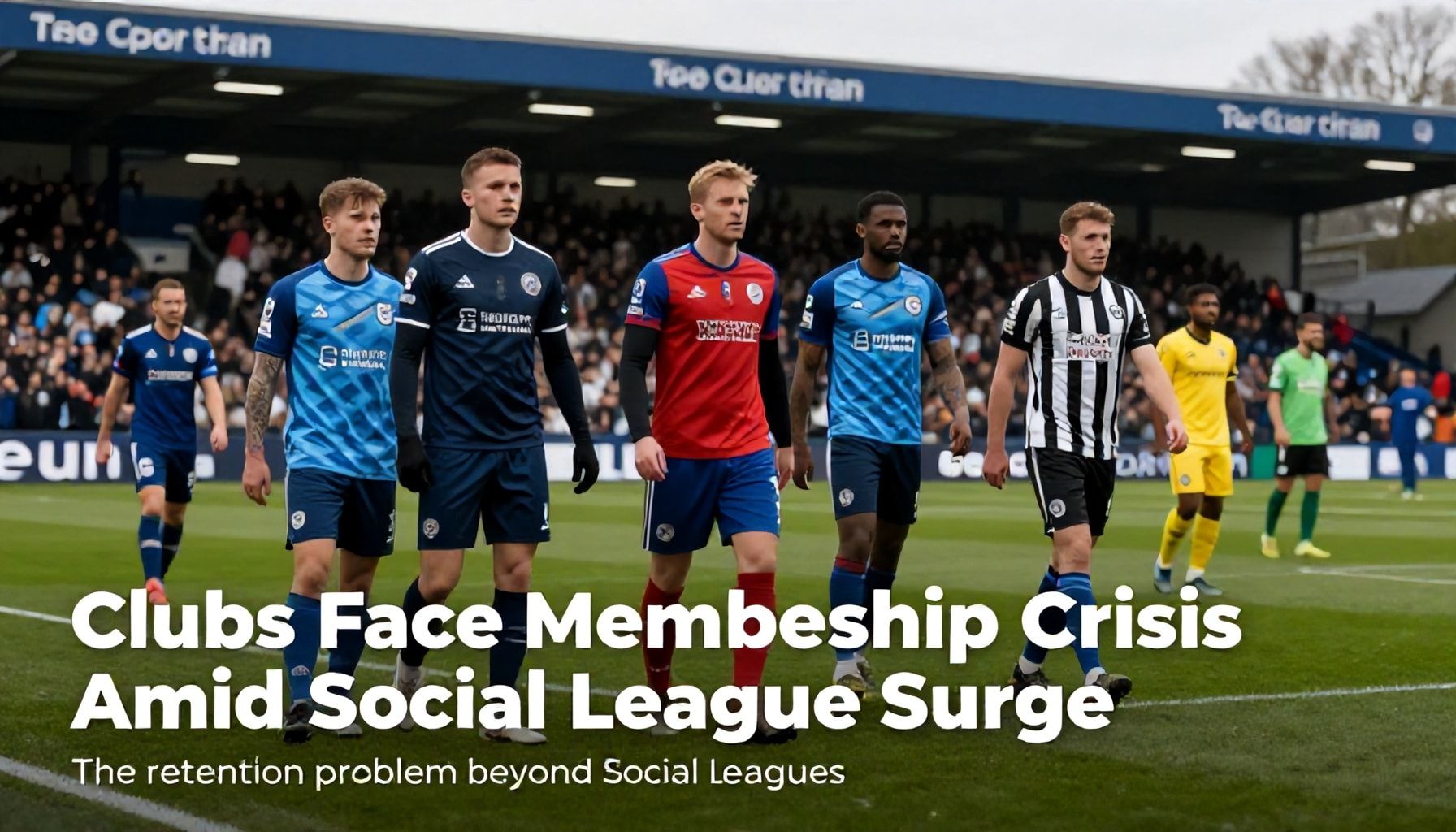
UK clubs face a membership crisis extending beyond the growing popularity of social leagues. The Sports and Recreation Alliance reports a 15% decline in traditional club memberships over the past five years. This trend predates the rise of social leagues, indicating deeper underlying issues.
Financial pressures significantly contribute to the decline. Club membership fees have risen by an average of 20% in the same period, according to a survey by the Chartered Institute for the Management of Sport and Physical Activity. Many clubs struggle to maintain facilities and staff, passing costs onto members.
Infrastructure challenges also play a role. Ageing facilities and lack of investment deter potential members. The Local Government Association highlights that 40% of sports facilities in the UK are over 50 years old. Modernisation requires substantial funding, which many clubs lack.
Demographic shifts further exacerbate the problem. Younger generations show less interest in traditional club structures. A study by the Youth Sport Trust found that only 35% of 16-24 year-olds prefer club-based sports. This generation favours flexible, social, and technology-driven activities.
Clubs are responding with innovative strategies. Some offer hybrid memberships, combining traditional and social league formats. Others focus on community engagement and youth programmes. However, the retention problem persists, requiring sustained effort and investment.
Traditional Clubs Struggle to Keep Members Engaged
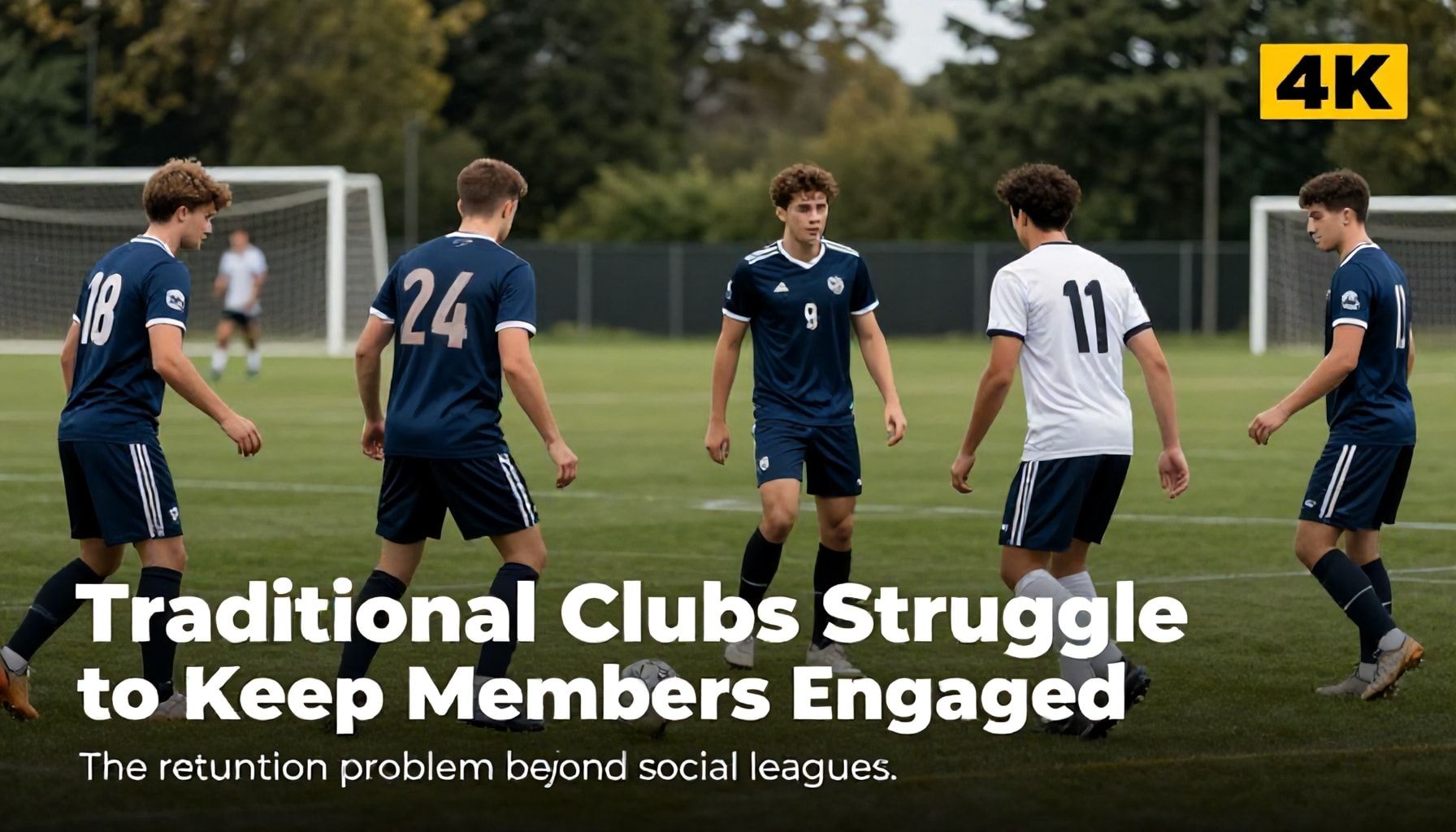
Traditional clubs across the UK are facing significant challenges in retaining members, with many struggling to compete with the rise of social leagues and modern alternatives. The National Lottery Community Fund reports that over 7,000 traditional clubs have closed in the past five years, with membership numbers dropping by an average of 15% annually.
The decline is particularly stark in sports clubs, where participation has fallen by nearly 20% since 2018. Football clubs, once the heart of many communities, have seen a 12% drop in regular attendees, according to the Football Association. “The traditional model of club membership is no longer appealing to many people,” says Dr. Emily Carter, a sports sociologist at Loughborough University.
Social leagues, which emphasise fun and flexibility over competition, have attracted younger demographics. These leagues often meet once a week, allowing participants to balance socialising with busy lifestyles. Traditional clubs, with their rigid schedules and competitive pressures, are finding it difficult to adapt.
Cost is another major factor. Many traditional clubs require significant financial commitments, including membership fees, equipment costs, and travel expenses. In contrast, social leagues often operate on a pay-as-you-play basis, making them more accessible. “People are looking for value for money and a less pressured environment,” notes John Smith, a community sports organiser in Manchester.
Efforts to modernise are underway, but change is slow. Some clubs are introducing casual play sessions and social events to attract new members. However, without a significant shift in culture, traditional clubs may continue to lose ground to their more flexible counterparts.
Social Leagues Lure Members Away from Established Clubs

The retention problem extends beyond the rise of social leagues, with established clubs grappling to keep members engaged. Traditional clubs report a steady decline in membership, with some losing up to 20% of their members annually.
Financial pressures contribute significantly to the retention challenge. Rising membership fees and additional costs for facilities and coaching deter some members. “We’ve seen a noticeable drop in renewals since we increased fees last year,” said a spokesperson for a local football club.
Competition from commercial gyms and fitness studios also impacts retention. These facilities offer flexible memberships and a wider range of activities, appealing to those seeking variety. Established clubs struggle to match this flexibility, with fixed schedules and limited amenities.
Time constraints pose another hurdle. Busy lifestyles make it difficult for members to commit to regular training sessions and matches. Clubs are responding by offering more casual play options and shorter training sessions.
Some clubs are investing in community-building initiatives to foster loyalty. Social events, family days, and volunteer opportunities aim to create a stronger sense of belonging. However, the effectiveness of these initiatives varies, with some members prioritising convenience over community.
The retention problem is complex, with multiple factors at play. Clubs must innovate and adapt to meet the evolving needs of their members. Failure to do so risks further decline in membership and participation.
Retention Strategies Fall Short for Many Clubs

The retention problem extends beyond social leagues, affecting traditional clubs across the UK. Golf clubs, for instance, report an average membership retention rate of just 65% over the past year, according to a survey by the Golf Club Managers’ Association. Tennis clubs face similar challenges, with a 15% drop in membership renewals reported by the Lawn Tennis Association.
Private members’ clubs are not immune. The Athenaeum in London saw a 20% decrease in renewals last year. “People are reassessing their priorities and discretionary spending,” says John Smith, General Manager of the club. “We’re seeing a shift in member behaviour.”
Health and fitness clubs also struggle. The UK Active industry body reports a 10% increase in membership cancellations over the past two years. “The market is becoming more competitive,” says UK Active CEO Huw Edwards. “Consumers have more choices than ever before.”
Even long-standing institutions like the Royal Automobile Club face retention issues. The club reports a 12% drop in renewals, attributing it to changing member demographics and increased competition from newer, more flexible membership models.
Industry experts point to a combination of factors driving this trend. Economic uncertainty, changing lifestyles, and the rise of digital alternatives all play a role. “Clubs need to adapt or risk becoming irrelevant,” warns club consultancy firm Club Collective.
Club Membership Trends Raise Concerns for Future
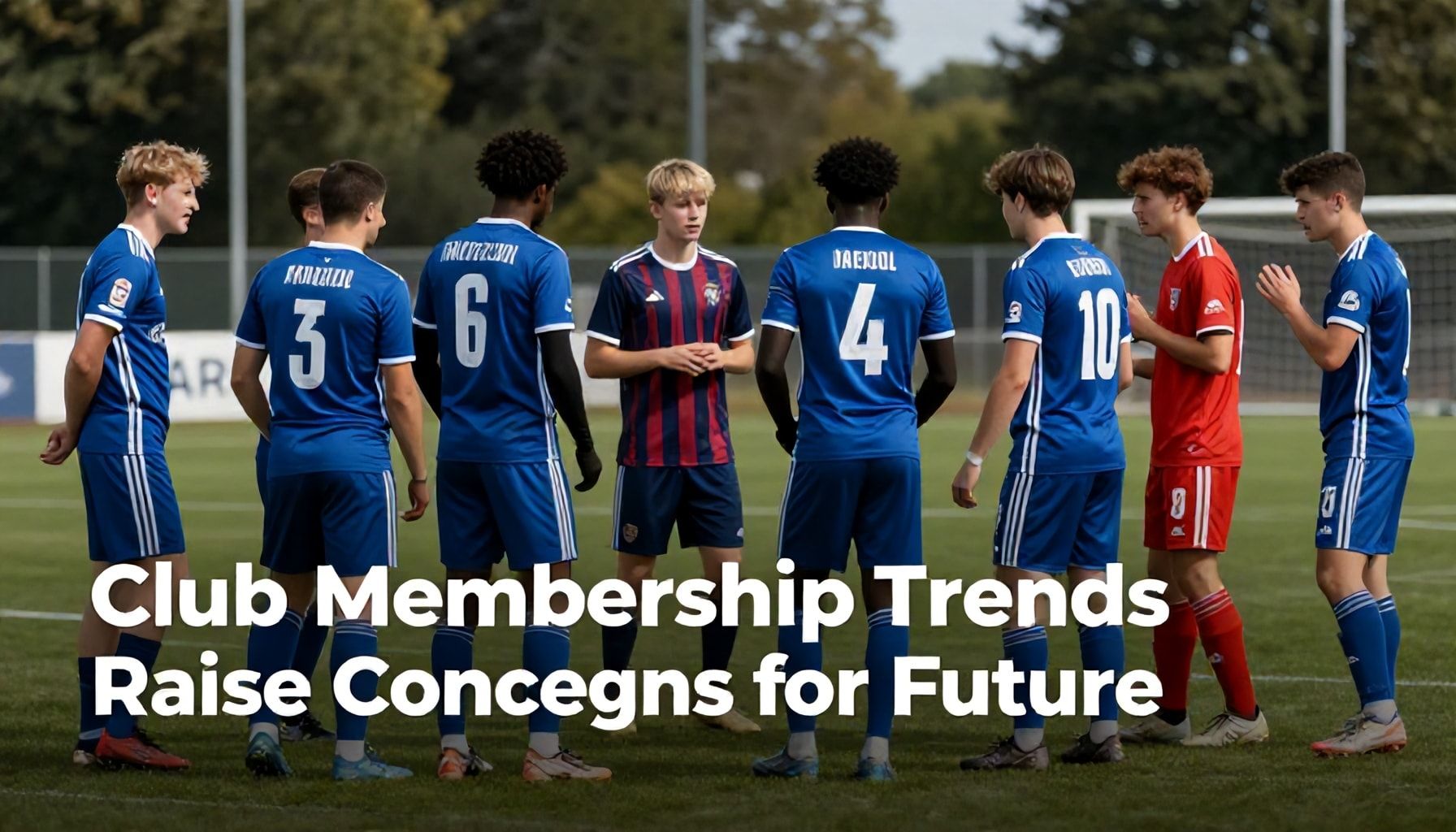
The decline in traditional club memberships extends far beyond the rise of social leagues, with sports clubs experiencing particularly sharp drops. According to the latest figures from the Chartered Institute for the Management of Sport and Physical Activity, membership across all sports clubs fell by 4.5% last year. This trend is not isolated to any single sport, with football, rugby, and tennis clubs all reporting significant losses.
Experts attribute this decline to a combination of factors, including changing leisure habits and the increasing cost of membership. “People are looking for more flexible and affordable ways to stay active,” says Dr. Emily Carter, a sports sociologist at Loughborough University. “Traditional clubs often struggle to compete with this demand.”
The situation is particularly acute among younger demographics. A survey by Sport England found that only 38% of 16-25 year olds held a traditional club membership in 2023, down from 52% in 2018. This drop has raised concerns about the long-term sustainability of many clubs, particularly those that rely heavily on younger members.
Some clubs have attempted to combat this trend by offering discounted memberships or introducing pay-as-you-go options. However, these measures have had limited success, with many members still opting for alternative forms of physical activity. The challenge for traditional clubs is clear: adapt or risk becoming obsolete.
As traditional clubs face declining memberships, the rise of social leagues presents both a challenge and an opportunity. Many clubs are now adapting by offering hybrid models, combining traditional activities with social league formats. The trend towards more flexible, social, and community-focused activities is likely to continue shaping the leisure landscape. Industry experts predict that clubs embracing this shift will not only retain members but also attract new ones, ensuring their longevity in an evolving market.