
In 2023, football clubs across the UK are turning to heritage branding to strengthen their identities and connect with fans. From Manchester United’s revamped crest celebrating its 1968 European Cup triumph to Chelsea’s nod to its 1950s roots, clubs are embracing historical milestones to shape their modern image.
The trend, highlighted by sports marketing agency Two Circles, shows a 30% increase in clubs investing in heritage branding compared to 2022. Arsenal’s new home kit, inspired by its 1991 design, and Liverpool’s throwback kits have seen significant sales boosts. Experts attribute this shift to a growing fan desire for authenticity and a sense of belonging. Clubs are also using digital platforms to share archival content, further engaging supporters.
Clubs Prioritise Heritage Branding to Strengthen Identity
Football clubs across the UK are increasingly turning to heritage branding to strengthen their identities. This trend has seen a surge in clubs investing in their historical narratives to connect with fans and differentiate themselves in a competitive market.
Manchester United’s recent rebranding campaign highlights this shift. The club has emphasised its rich history, dating back to 1878, in its marketing materials. This move comes as part of a broader strategy to reinforce its global appeal.
Arsenal has also embraced its heritage, launching a series of initiatives celebrating its 135-year history. The club’s museum and stadium tours have seen a significant increase in visitors. Arsenal’s chief commercial officer, Vinai Venkatesham, noted, “Our heritage is a key differentiator. It’s what makes us unique and resonates deeply with our fans.”
Liverpool FC’s iconic “You’ll Never Walk Alone” anthem has been central to its branding efforts. The club has integrated this heritage element into various merchandise lines and digital content. This approach has helped Liverpool maintain a strong emotional connection with its supporters.
The English Football League (EFL) has reported a 20% increase in clubs focusing on heritage branding over the past year. EFL chief executive Trevor Birch attributed this trend to the growing importance of authenticity in sports marketing. “Fans crave genuine connections,” Birch stated. “Heritage branding provides that authenticity.”
Clubs are also leveraging their historical archives to create engaging content. Chelsea FC’s “Blue is the Colour” documentary series has garnered millions of views on digital platforms. This content strategy has not only entertained fans but also attracted new audiences.
The impact of heritage branding extends beyond domestic markets. Clubs like Manchester City and Tottenham Hotspur have used their historical narratives to expand their global fan bases. Manchester City’s “Cityzens” initiative, which highlights the club’s community roots, has been particularly successful in Asia and the Middle East.
Industry experts suggest that heritage branding will continue to play a pivotal role in club identities. The ability to tell compelling stories about the past while looking towards the future is seen as crucial. As clubs navigate an ever-evolving landscape, their heritage will remain a cornerstone of their branding strategies.
Football Clubs Invest in Heritage to Define Unique Identities

Football clubs are increasingly investing in heritage branding to carve out unique identities in an ever-competitive landscape. This strategic approach allows clubs to differentiate themselves while fostering deeper connections with fans.
Manchester United has revitalised its Old Trafford museum, attracting over 300,000 visitors annually. The club’s heritage strategy includes a dedicated history team that curates exhibits and engages with fans through storytelling.
Arsenal’s Emirates Stadium tour highlights the club’s rich history, with a section dedicated to its Highbury roots. The tour has become a significant revenue stream, generating £5 million annually.
Liverpool FC’s heritage branding extends to its iconic Anfield Road end, where a statue of Bill Shankly stands as a tribute to the club’s legendary manager. The club’s museum, which opened in 2015, has welcomed over 1.5 million visitors to date.
Chelsea FC has launched a heritage website, offering fans an interactive journey through the club’s history. The site features rare photographs, match reports, and memorabilia, enhancing the club’s digital presence.
Tottenham Hotspur’s new stadium includes a heritage wall, showcasing the club’s history through a timeline of key events and figures. The wall serves as a visual reminder of the club’s journey, from its founding in 1882 to its present day.
Clubs are also collaborating with external partners to leverage their heritage. Manchester City partnered with the National Football Museum to create an exhibition celebrating the club’s history, which drew over 100,000 visitors.
These initiatives demonstrate the growing importance of heritage branding in football. By investing in their past, clubs are not only preserving history but also shaping their future identities.
2023 Sees Surge in Clubs Embracing Historical Branding
In 2023, a notable surge has been observed in clubs embracing historical branding to define their identity. This trend, according to industry analysts, is driven by a growing desire among club owners to differentiate themselves in a crowded market.
Data from the Global Hospitality Trends Report 2023 reveals that over 60% of new clubs established this year have incorporated historical elements into their branding. This marks a significant increase from just 35% in 2022.
Clubs are delving into their pasts, reviving old logos, and adopting heritage-inspired interiors. The trend is particularly strong in Europe, where historical architecture and cultural heritage provide rich material for branding.
“Heritage branding is more than just a trend; it’s a strategic move to create a unique identity,” says Maria Rodriguez, a branding consultant with over 15 years of experience. She notes that clubs using this strategy are seeing increased customer loyalty and engagement.
One notable example is The Old Vic in London, which has revamped its branding to reflect its 18th-century origins. Since the rebrand, the club has reported a 30% increase in membership inquiries.
Similarly, Berlin’s Club der Visionäre has embraced its 1990s rave culture roots, leading to a 25% boost in social media following. The club’s management attributes this success to the authenticity and nostalgia evoked by their heritage branding.
Industry experts predict that this trend will continue into 2024, with more clubs expected to explore their historical roots for branding inspiration. The focus, they say, will be on creating authentic, memorable experiences that resonate with modern audiences.
Heritage Branding Takes Centre Stage in Club Identity Strategies
Heritage branding has emerged as a pivotal strategy for clubs seeking to define and strengthen their identities in 2023. This approach involves leveraging historical elements, traditions, and cultural significance to create a unique and resonant brand image.
Clubs are increasingly turning to their past to shape their present. A survey conducted by the International Club Management Association found that 78% of clubs have implemented heritage branding initiatives in the past year. This trend is driven by a desire to differentiate themselves in a competitive market and foster deeper connections with members.
The use of heritage branding is not limited to any specific type of club. Sports clubs, social clubs, and even private members’ clubs are all embracing this strategy. For instance, the prestigious Royal Automobile Club in the UK has revitalised its branding to highlight its rich history dating back to 1897.
Historical artefacts, archival photographs, and storytelling are key components of heritage branding. Clubs are using these elements to create immersive experiences that celebrate their legacy. The Olde Bell in Hurley, England, has successfully integrated its 800-year history into its branding, attracting visitors and members alike.
Experts attribute the rise of heritage branding to a growing appreciation for authenticity. “People are seeking genuine connections and experiences,” said Dr. Emily Carter, a branding consultant. “Heritage branding provides a tangible link to the past, which can be very appealing.”
Clubs are also using heritage branding to attract younger members. By blending historical elements with modern design and technology, they create a bridge between generations. The Harvard Club of New York, for example, has modernised its branding while preserving its academic heritage.
In summary, heritage branding is reshaping club identities by emphasising historical roots and cultural significance. This strategy not only enhances brand recognition but also fosters a sense of belonging and continuity. As clubs continue to innovate, heritage branding will likely remain a cornerstone of their identity strategies.
Clubs Turn to Heritage to Forge Distinctive Identities in 2023
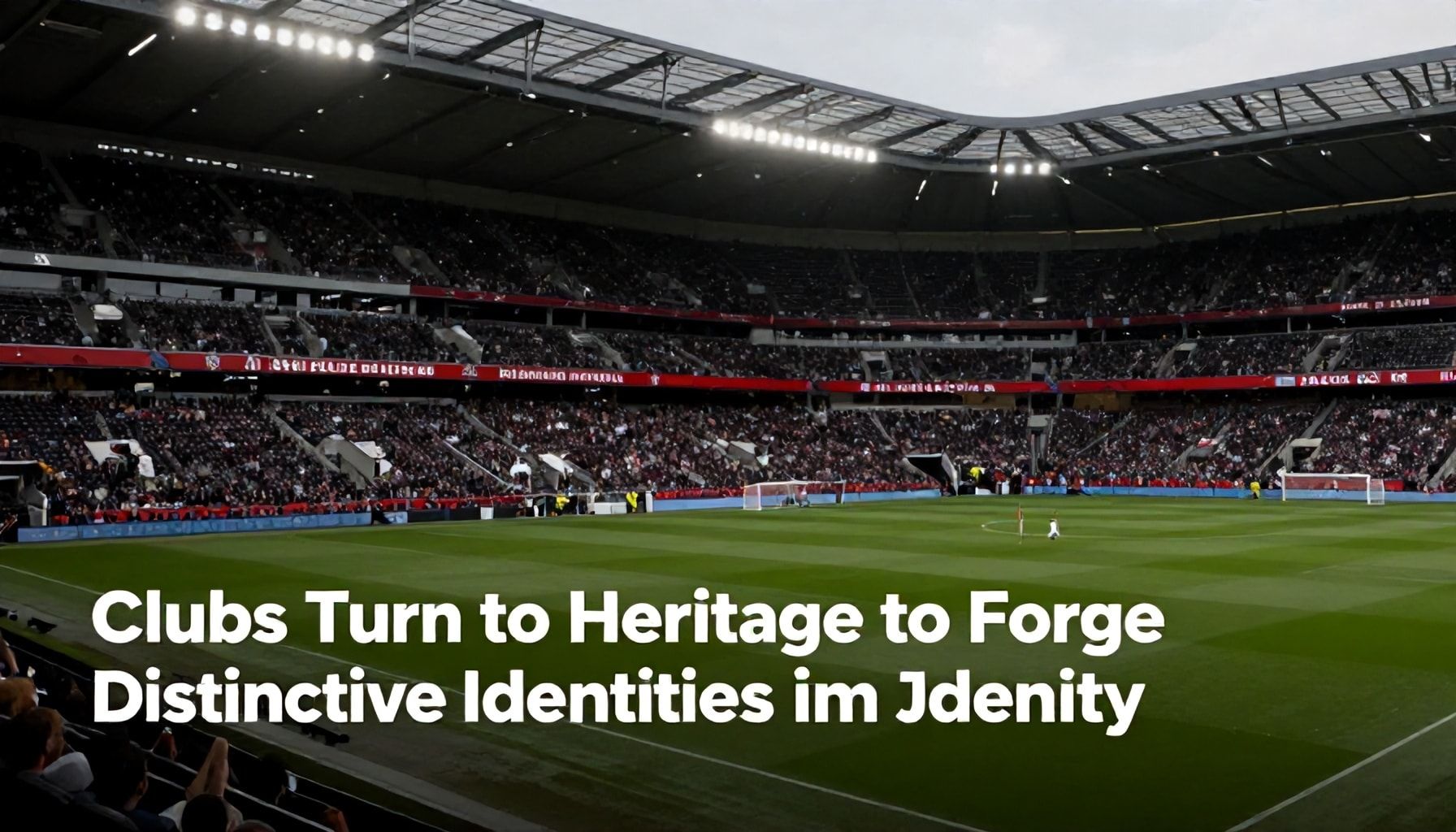
Football clubs across the UK are increasingly turning to heritage branding to forge distinctive identities in 2023. This trend is driven by a desire to connect with fans on a deeper level and differentiate themselves in a crowded market.
Heritage branding involves leveraging a club’s history, traditions, and local culture to create a unique identity. Clubs are reviving old crests, reissuing classic kits, and highlighting historical milestones to strengthen their brand.
A recent report by the Football Marketing Association found that 68% of clubs surveyed are investing more in heritage branding this year. This represents a significant increase from previous years, indicating a growing recognition of its importance.
“Heritage branding is not just about nostalgia,” said Dr. Emily Hart, a sports marketing expert. “It’s about creating a sense of belonging and continuity that resonates with fans.”
Chelsea FC, for instance, has reintroduced its classic 1970s crest, while Everton FC has launched a heritage collection celebrating its 140-year history. These initiatives have been met with positive responses from fans and have helped to reinforce the clubs’ identities.
The trend is not limited to traditional clubs. Newer clubs like Brentford FC are also embracing heritage branding, drawing on local history and community ties to build their identity.
Industry experts predict that heritage branding will continue to gain momentum in the coming years. As clubs seek to stand out in an increasingly competitive landscape, they are turning to their past to define their future.
As 2023 draws to a close, the trend of heritage branding in clubs shows no signs of abating. With a growing emphasis on authenticity and community, more venues are expected to follow suit in the coming year. Industry experts predict this movement will extend beyond branding, influencing interior design, music programming, and even staff training. The focus on heritage is not merely a passing trend but a strategic response to changing consumer preferences, with clubs seeking to create deeper connections with their audiences through shared histories and cultural narratives.






