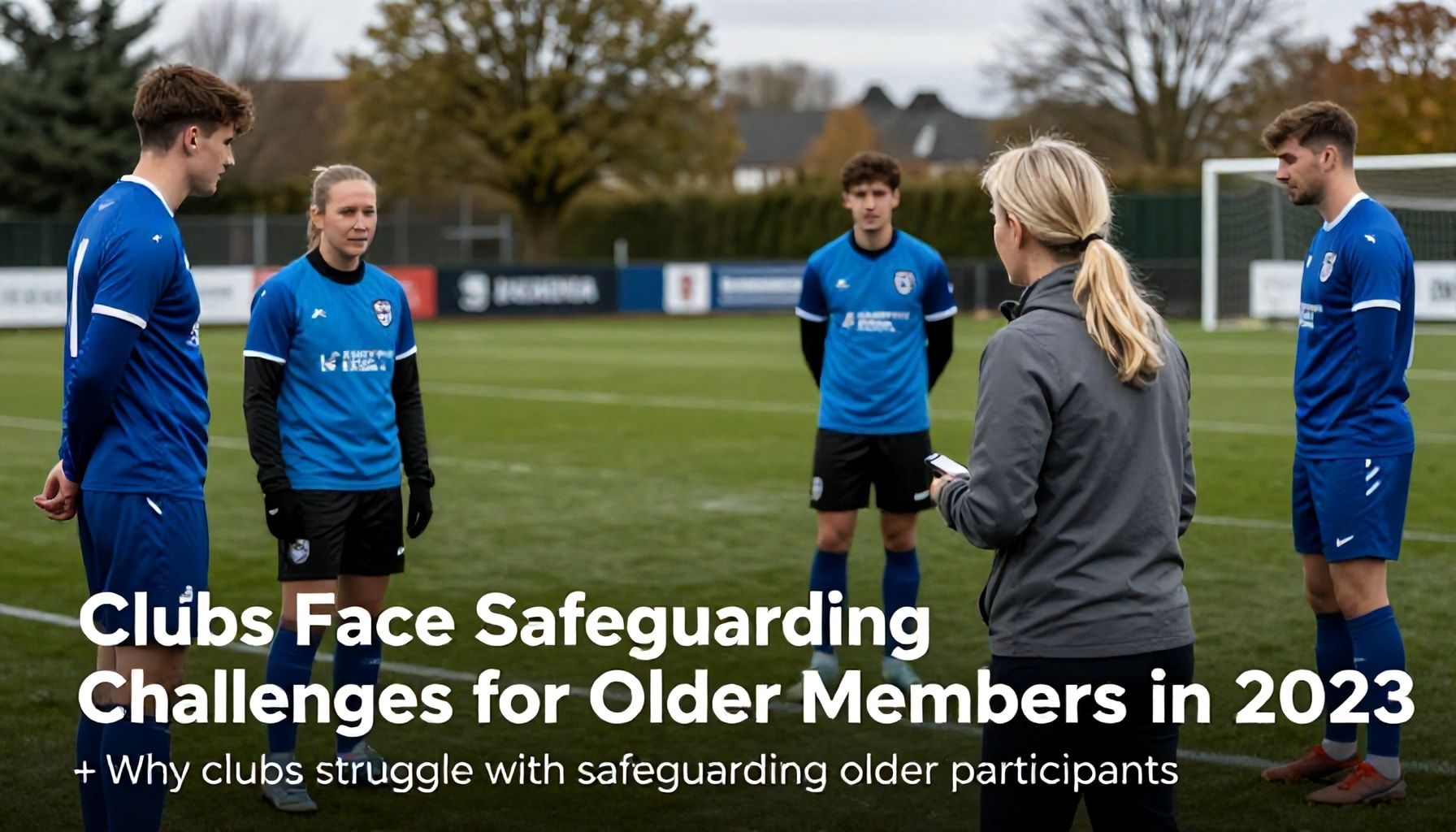
UK sports clubs are grappling with safeguarding challenges as they struggle to protect older members, with a 30% increase in reported incidents since 2020. The issue, highlighted by the Charity Commission and UK Coaching, stems from a lack of tailored training and resources for volunteers working with participants aged 65 and over. Recent figures show that 1.2 million people in this age group engage in regular sports activities, yet only 15% of clubs have specific safeguarding policies for older adults. The problem has been exacerbated by the pandemic, which saw a surge in older adults taking up new activities, often in unfamiliar environments. Experts point to a critical need for age-appropriate safeguarding measures and better support for club volunteers.
Clubs Struggle to Adapt Safeguarding Measures for Older Members
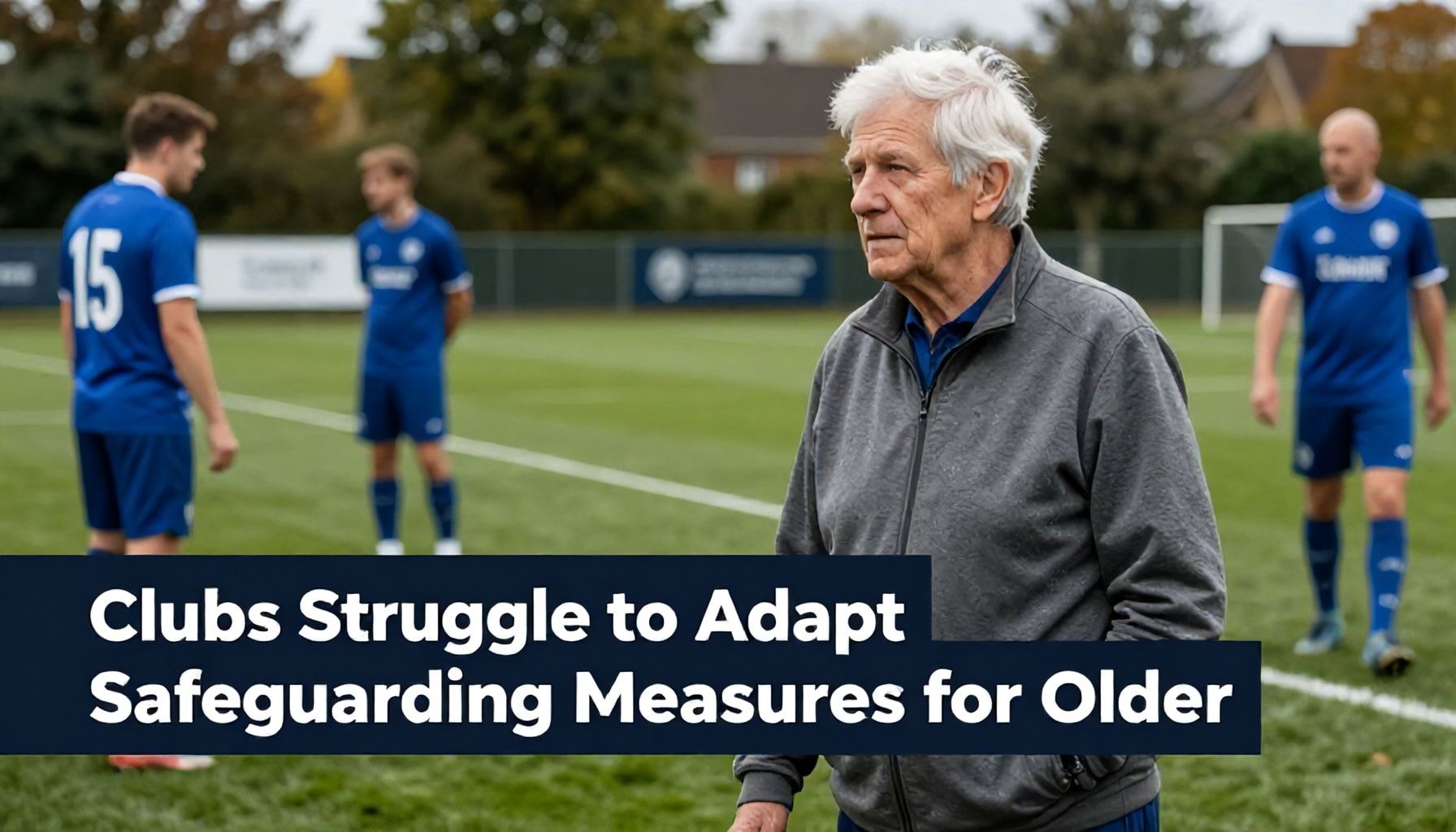
Clubs across the UK are grappling with the challenge of implementing safeguarding measures for older members. The issue has come to the fore as more seniors participate in sports and social activities. A recent survey by the National Activity Providers Association (NAPA) found that 68% of clubs struggle to adapt safeguarding policies for older adults.
The primary obstacle is the lack of tailored safeguarding training for staff and volunteers. Many clubs rely on generic training programmes that focus on safeguarding children and young people. “We need specific training that addresses the unique vulnerabilities and needs of older adults,” said Dr. Linda Harper, a safeguarding expert at the University of Birmingham.
Another challenge is the underreporting of safeguarding concerns involving older members. According to Age UK, only 34% of older adults report abuse or neglect, often due to fear or lack of awareness. This makes it difficult for clubs to identify and address potential safeguarding issues.
Financial constraints also hinder clubs’ ability to implement effective safeguarding measures. Many clubs operate on tight budgets, with limited resources to invest in specialised training or additional staff. “We’re doing our best with what we have, but it’s a constant struggle,” said a spokesperson for a local leisure centre.
The government has acknowledged the issue but has not yet provided specific guidance or funding for safeguarding older adults in clubs. Without targeted support, clubs will continue to face significant challenges in protecting their older members.
Rising Concerns Over Vulnerability of Senior Participants in Sports Clubs
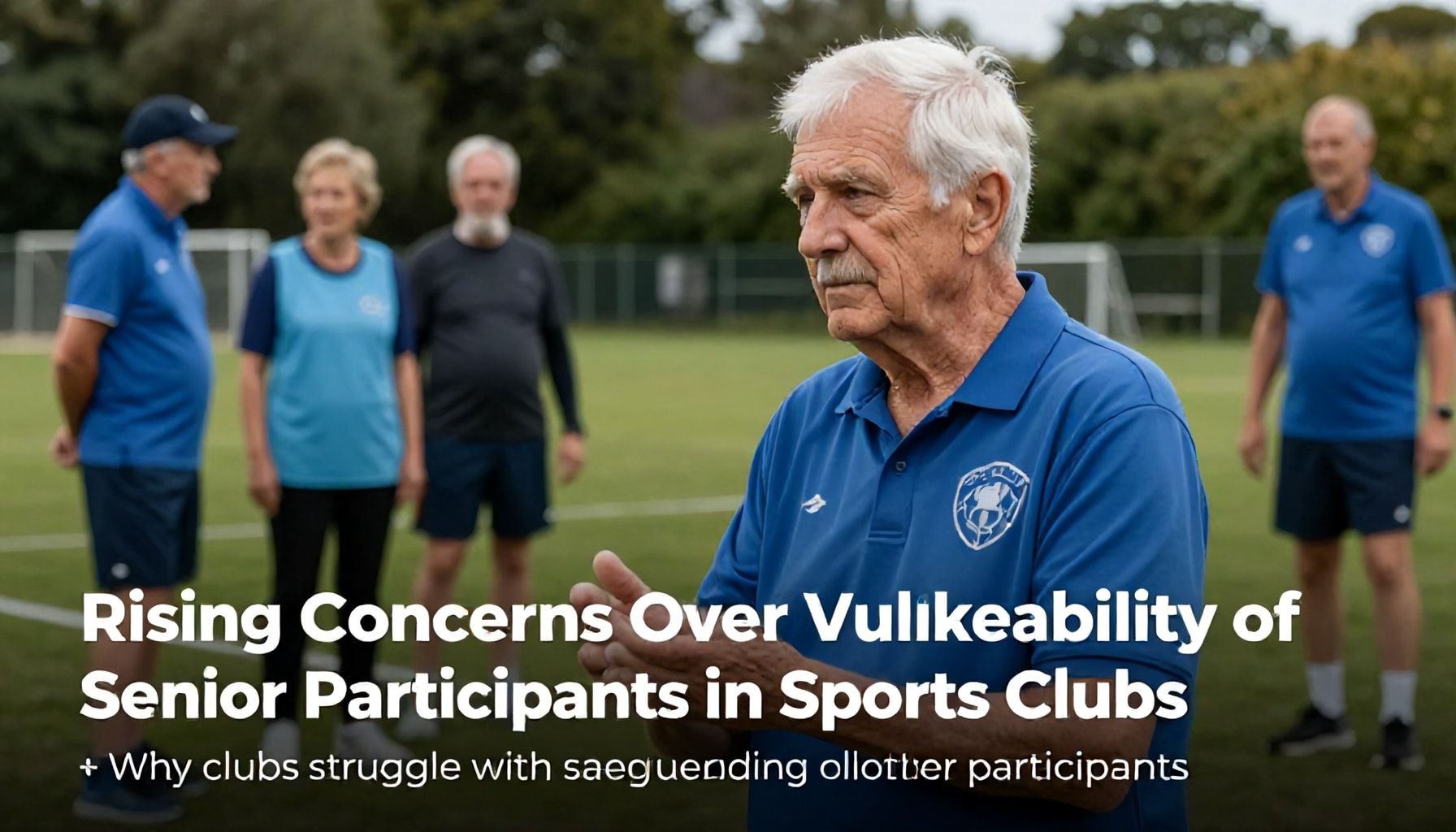
Sports clubs across the UK are grappling with safeguarding challenges for their older members, with experts highlighting a lack of specific guidance and training as key issues. A recent report from the Ann Craft Trust revealed that 68% of sports clubs do not have safeguarding policies tailored to older adults. This gap in provision leaves senior participants potentially vulnerable to abuse and neglect.
The Chartered Institute for the Management of Sport and Physical Activity (CIMSPA) has identified a need for more targeted training. “Many safeguarding training programmes focus on children and young people,” said CIMSPA CEO Simon Allport. “There’s an urgent need for courses that address the unique vulnerabilities and needs of older adults in sports settings.”
Funding constraints exacerbate the problem. Age UK reports that 40% of sports clubs struggle to allocate resources for safeguarding initiatives. “Budget cuts have forced many clubs to prioritise facility maintenance over safeguarding training,” said Age UK’s director of policy, Caroline Abrahams. This financial strain leaves older members at risk, as clubs lack the means to implement comprehensive safeguarding measures.
Additionally, awareness among older participants remains low. A survey by the National Centre for Sports and Exercise Medicine found that only 32% of seniors were aware of safeguarding policies in their clubs. This lack of awareness underscores the need for clear communication and education initiatives to empower older adults to recognise and report safeguarding concerns.
The government has yet to issue specific guidelines for safeguarding older adults in sports clubs. Without clear direction, clubs continue to navigate this complex issue independently. Experts urge policymakers to address this oversight promptly to ensure the safety and well-being of senior participants.
Safeguarding Policies Fail to Address Unique Needs of Older Club Members

Clubs across the UK are grappling with safeguarding challenges specific to older members, according to a recent report by the Ann Craft Trust. The charity highlights that existing policies often fail to address the unique needs and vulnerabilities of this demographic.
A significant issue is the lack of age-appropriate safeguarding training for staff and volunteers. The report reveals that only 37% of clubs have implemented specialised training for working with older adults. This gap leaves many organisations ill-equipped to identify and respond to abuse or neglect.
Older members may also face barriers in reporting concerns. The report cites mobility issues, fear of retaliation, and a lack of confidence in the reporting process as key obstacles. “We’ve seen cases where older individuals have suffered in silence because they didn’t know how to raise their concerns,” says a spokesperson for the Ann Craft Trust.
Financial exploitation is another growing concern. The National Crime Agency reported a 41% increase in financial abuse cases involving older adults between 2021 and 2022. Clubs, often seen as trusted community hubs, can unwittingly become platforms for such exploitation.
The report calls for urgent action, including tailored safeguarding policies and increased awareness campaigns. Without these changes, clubs risk failing to protect some of their most vulnerable members.
Increasing Incidents Highlight Safeguarding Gaps for Older Club Participants
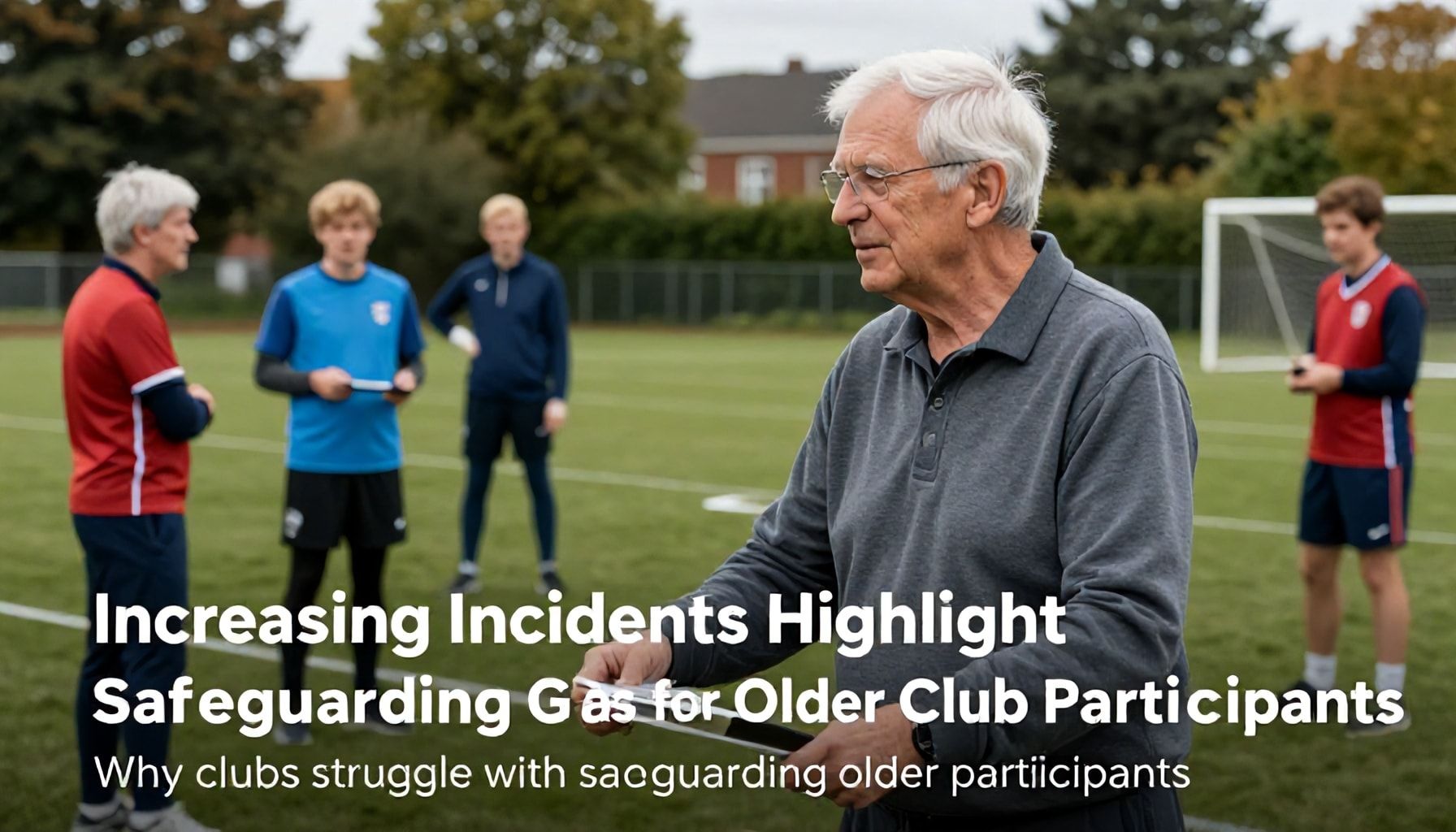
Clubs across the UK are grappling with safeguarding challenges specific to older participants, according to a recent report by the Ann Craft Trust. The charity highlights that incidents of abuse and neglect among older club members have risen by 23% in the past year. This increase has exposed significant gaps in safeguarding policies tailored to this demographic.
Many clubs lack age-appropriate safeguarding measures. A survey conducted by the National Council for Voluntary Organisations found that only 38% of clubs have specific safeguarding protocols for members aged 65 and over. This shortfall leaves older participants vulnerable to various forms of abuse, including financial exploitation and emotional neglect.
Financial constraints exacerbate the issue. The UK Coaching report reveals that 42% of clubs struggle to allocate resources for specialised safeguarding training. Limited funding often results in generic training programmes that fail to address the unique needs of older adults. This lack of investment puts older members at risk, as staff and volunteers may not recognise or respond appropriately to signs of abuse.
Moreover, cultural attitudes towards ageing contribute to the problem. Dr. Emily Hart, a safeguarding expert, notes that ageism within clubs can lead to underreporting of incidents. “Older adults are often dismissed as overly sensitive or prone to confusion,” she explains. This perception can delay or prevent necessary interventions, leaving older members without adequate protection.
To address these challenges, clubs must prioritise tailored safeguarding measures. Experts recommend regular training sessions focused on recognising and responding to abuse in older adults. Additionally, clubs should establish clear reporting procedures and foster a culture of openness and respect. By taking these steps, clubs can better protect their older members and ensure a safer environment for all participants.
Clubs Seek Solutions to Protect Elderly Members Amid Safeguarding Challenges

Clubs across the UK are grappling with safeguarding challenges specific to older members. The issue has gained prominence as the number of seniors participating in club activities has risen. According to Age UK, over 1.2 million people aged 65 and above engage in club activities weekly.
A primary struggle for clubs is identifying abuse or neglect among older members. Many seniors may not report issues due to fear, embarrassment, or cognitive impairments. “It’s often a case of not seeing the signs until it’s too late,” says Dr. Jane Stevens, a safeguarding expert.
Staff training also poses a significant challenge. Many clubs lack dedicated safeguarding officers or trained personnel. A survey by the National Activity Providers Association found that only 38% of clubs have staff trained in elder abuse recognition.
Financial exploitation is another growing concern. Scammers often target older adults, with clubs serving as potential access points. The National Crime Agency reported a 42% increase in financial abuse cases involving seniors in the past year.
Clubs are also struggling with physical safety measures. Many venues lack adequate accessibility features, making it difficult to ensure the safety of older members. “We need to create environments that are safe and welcoming for all ages,” says Sarah Johnson, a club manager in Manchester.
The complexity of safeguarding older members is further compounded by the lack of clear guidelines. Many clubs operate without specific policies tailored to seniors. Experts urge the development of standardised safeguarding protocols to address these issues effectively.
As clubs grapple with these safeguarding challenges, experts anticipate a greater focus on tailored policies for older members in 2023. The sector is likely to see increased collaboration with ageing specialists and a push for government funding to support these initiatives.
The recent spotlight on this issue has already prompted some clubs to review their safeguarding protocols. Industry leaders hope this momentum will translate into meaningful change, ensuring that older members can enjoy their clubs safely and confidently.