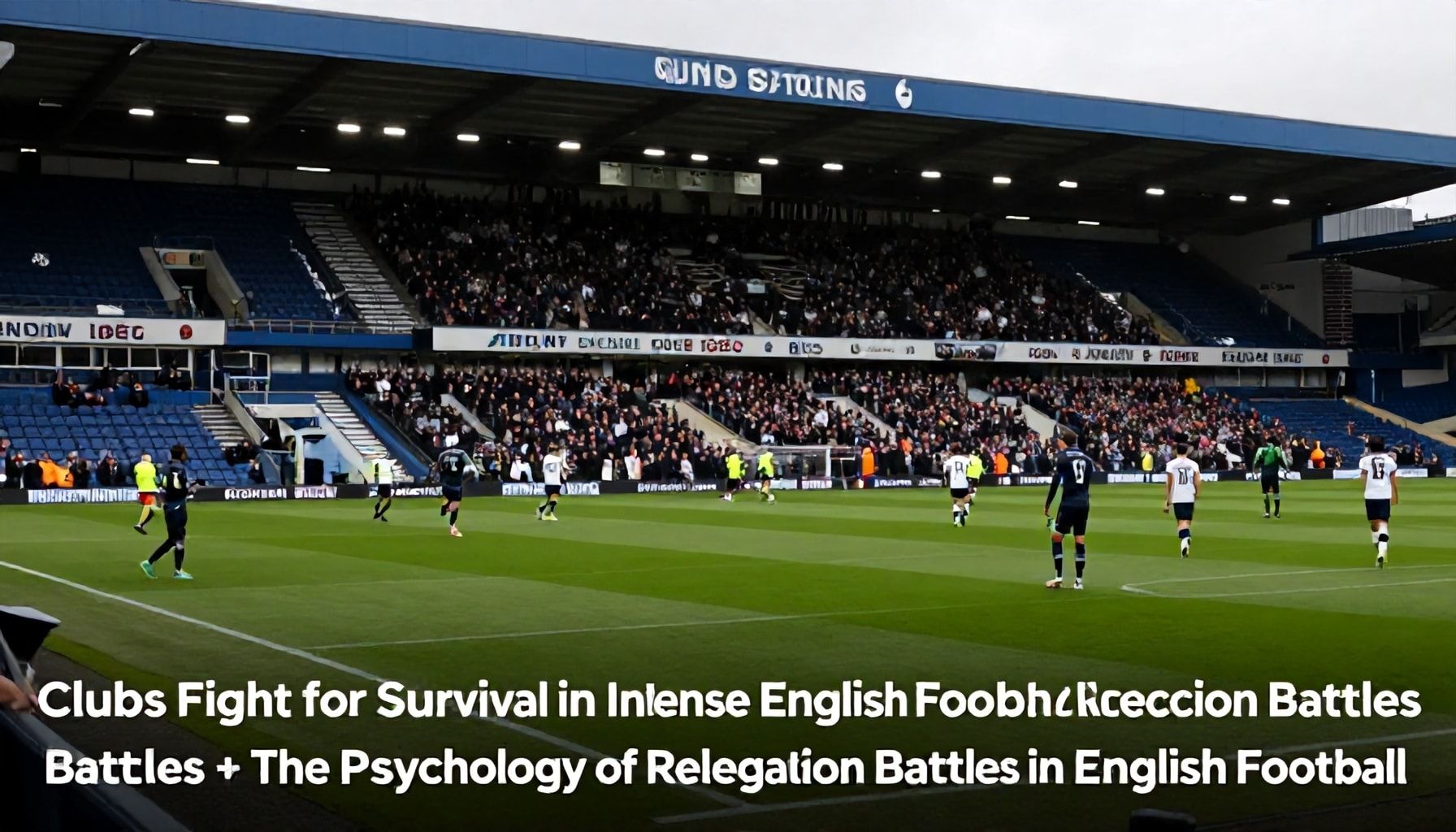
Clubs across England are currently locked in a desperate fight to avoid the drop from the Premier League and Championship, with just weeks remaining in the 2022-23 season. The psychological toll of these relegation battles is intense, as players and managers grapple with the pressure of survival, with the financial implications of relegation often running into hundreds of millions of pounds. At the bottom of the Premier League, Everton, Leeds United, and Leicester City are currently in the relegation zone, while in the Championship, six teams will be relegated to League One. The psychological impact of relegation battles is well-documented, with studies showing that players and managers often experience increased levels of stress, anxiety, and depression. The fear of failure and the pressure to perform can be overwhelming, with every match becoming a matter of life and death. As the season reaches its climax, the psychological battle off the pitch is just as intense as the action on it.
Clubs Brace for Crucial Relegation Showdowns
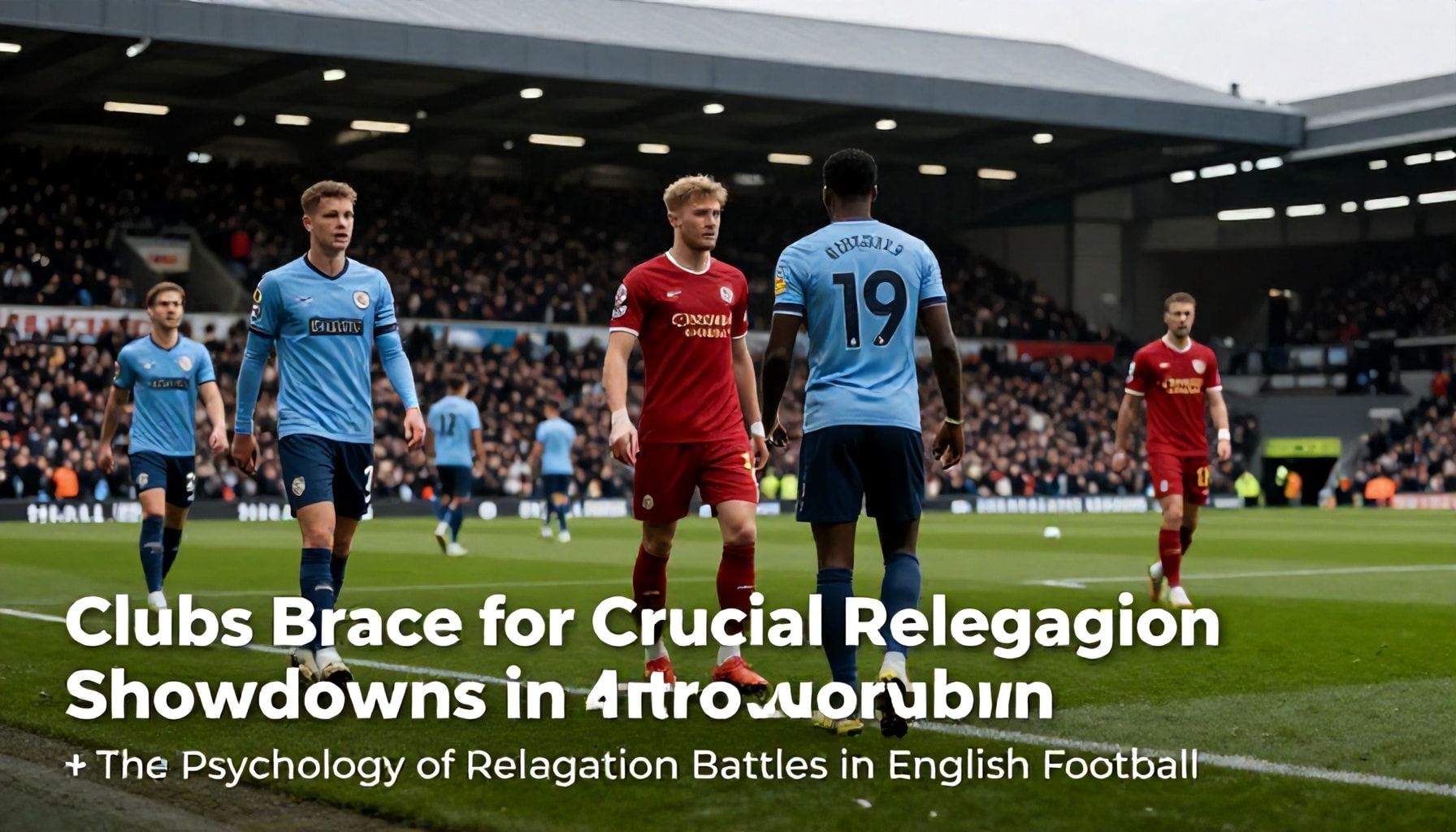
The psychological toll of relegation battles in English football cannot be overstated. Clubs fighting to preserve their Premier League status face immense pressure, with players and managers often performing under intense scrutiny. The fear of failure looms large, affecting performance and decision-making on the pitch.
Statistics reveal the stark reality of relegation. Since the Premier League’s inception in 1992, only a handful of teams have managed to bounce back immediately after relegation. This grim statistic underscores the psychological weight of staying afloat. The financial implications, including lost revenue and reduced sponsorship deals, exacerbate the stress.
Experts highlight the mental resilience required to navigate these battles. Dr. Steve Peters, a renowned sports psychologist, notes that players must maintain focus amidst the chaos. “The ability to block out external noise and concentrate on the task at hand is crucial,” he states. This mental fortitude often separates those who survive from those who succumb.
The impact on managers is equally profound. The pressure to deliver results can lead to impulsive decisions, such as frequent lineup changes or tactical shifts. Former manager Sam Allardyce, who has experienced relegation battles firsthand, admits the stress can be overwhelming. “It’s a relentless grind, and the mental strain is unlike anything else in football,” he confesses.
Supporters also play a pivotal role in the psychological dynamic. Home crowds can either lift or deflate a team’s morale. The absence of vocal support, as seen during the pandemic, highlighted the significance of fan engagement. Clubs must harness this energy to bolster their players’ confidence.
Ultimately, the psychological aspect of relegation battles is a complex interplay of fear, pressure, and resilience. Teams that master this mental game often emerge victorious, while those who falter face the harsh consequences of dropping down the football pyramid.
Psychological Pressure Mounts in Survival Fight

The psychological pressure on players and managers in English football’s relegation battles has reached intense levels. With just weeks remaining in the season, clubs fighting to avoid the drop face mounting stress as each match becomes a must-win scenario. The weight of expectation is palpable, with every decision and performance under scrutiny.
Experts highlight the mental toll of relegation battles. Dr. Steve Peters, a sports psychologist, noted in a recent interview that the pressure can be “overwhelming” for those involved. “The fear of failure is a powerful motivator, but it can also paralyse players and managers,” he said. The constant threat of demotion creates a high-stakes environment where mistakes are magnified.
Players in relegation zones report heightened anxiety. A survey conducted by the Professional Footballers’ Association revealed that 78% of players in struggling clubs experience increased stress levels during these crucial weeks. The survey, published last month, underscores the mental health challenges faced by athletes in high-pressure situations.
Managers also bear the brunt of the psychological strain. The Premier League’s intense scrutiny means every tactical decision is dissected, adding to the pressure. Sam Allardyce, who has managed several clubs in relegation battles, described the experience as “a relentless grind”. “You’re under constant pressure to deliver results, and there’s no room for error,” he stated in a recent press conference.
The impact of relegation extends beyond the pitch. Clubs face financial repercussions, with the loss of Premier League revenue potentially leading to budget cuts and job losses. This financial pressure trickles down to players and staff, creating a tense atmosphere within the club. The stakes are high, and the psychological toll is undeniable.
Teams Battle Mental Demons in Relegation Scrap
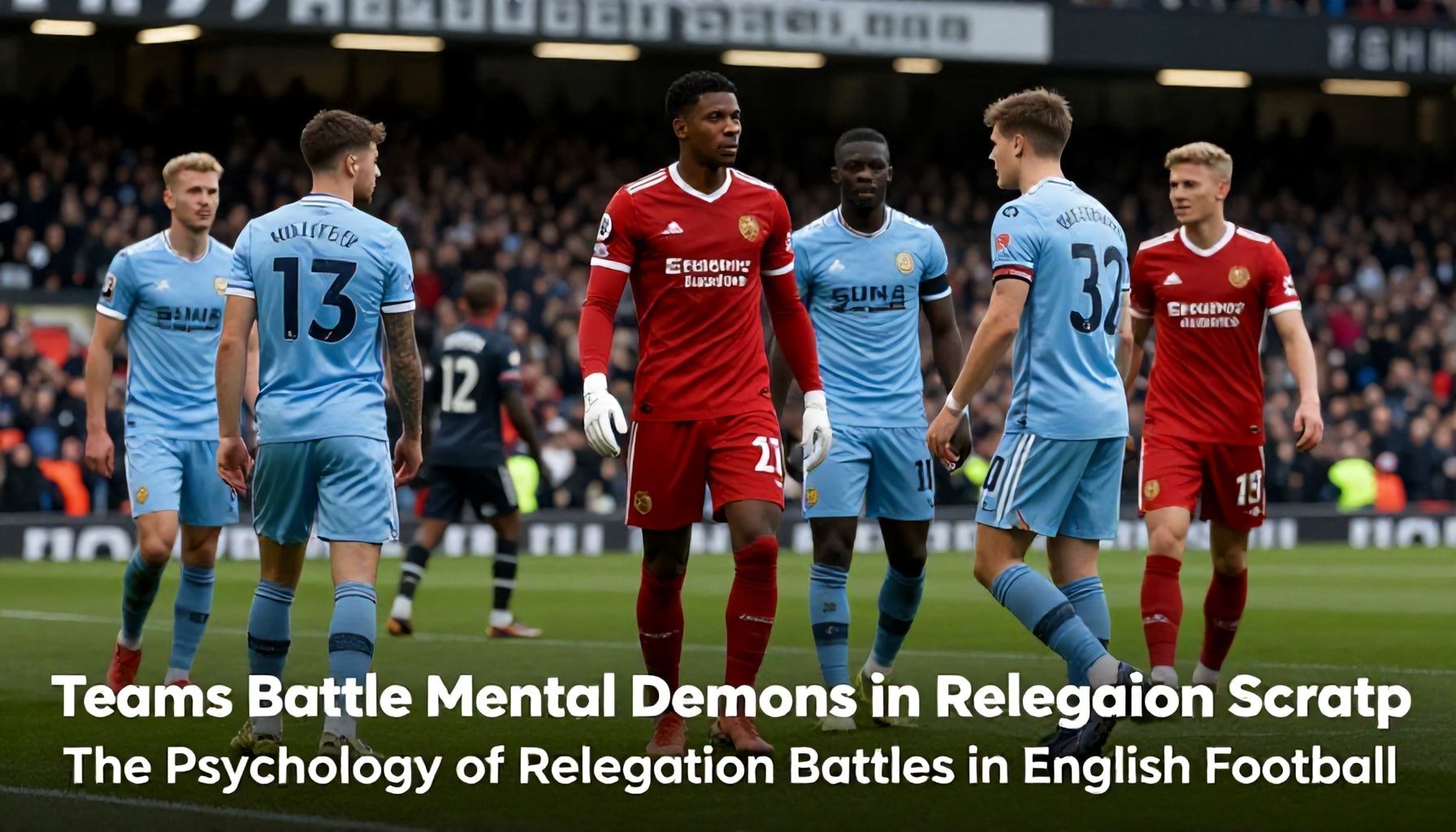
English football’s relegation battles are as much a psychological struggle as they are a physical one. Clubs fighting to stay in the Premier League face immense pressure, with the financial implications of dropping to the Championship estimated at £60 million per season.
Dr. Steve Peters, renowned sports psychologist, highlights the mental toll. “Players and staff experience heightened anxiety, affecting performance,” he said in a 2023 interview. The fear of failure can become paralysing, he added.
History shows the impact of this pressure. In the 2021-22 season, six managers lost their jobs in the relegation battle, with clubs making last-ditch changes in a desperate bid for survival.
Players also feel the strain. Former Premier League defender Wes Morgan revealed in his autobiography that the constant threat of relegation created a toxic environment. “It’s like living under a dark cloud,” he wrote.
Clubs employ various strategies to cope. Some bring in new signings to boost morale, while others focus on building a strong team spirit. However, the psychological battle remains a constant challenge.
The relegation scrap is a gruelling test of mental resilience. As the season progresses, the pressure intensifies, with every point crucial. For clubs on the brink, the fight to stay up is as much about the mind as it is about the game.
Intense Relegation Battles Test Players' Resilience

The psychological toll of relegation battles in English football cannot be overstated. Players face immense pressure as every match becomes a must-win scenario. Dr. Steve Peters, a renowned sports psychologist, highlights the mental strain: “The constant fear of failure and the weight of expectation can be overwhelming.”
A study by the Professional Footballers’ Association revealed that 68% of players in relegation zones experience heightened anxiety. The uncertainty of job security and potential transfers exacerbates the situation. Former England defender Sol Campbell recalls his time with Portsmouth: “It’s like living on a knife-edge. Every result affects your future.”
Clubs often bring in specialist sports psychologists to help players cope. West Bromwich Albion’s appointment of Dr. Caroline Silby in 2021 showcased this trend. Silby’s work focused on building resilience and mental toughness. “We need to equip players with tools to handle the pressure,” she stated.
The media’s role in amplifying the pressure is undeniable. Constant scrutiny and negative headlines add to the players’ burden. Former manager Sam Allardyce noted: “The media can make or break a player during these times. It’s crucial to manage that aspect carefully.”
Historical data shows that teams in relegation battles often struggle with consistency. Only 30% of teams in the bottom three manage to secure a win in their next match. This statistic underscores the mental block players face. The psychological aspect of relegation battles remains a critical factor in determining survival.
Football Clubs Face Make-or-Break Moments in Survival Struggle
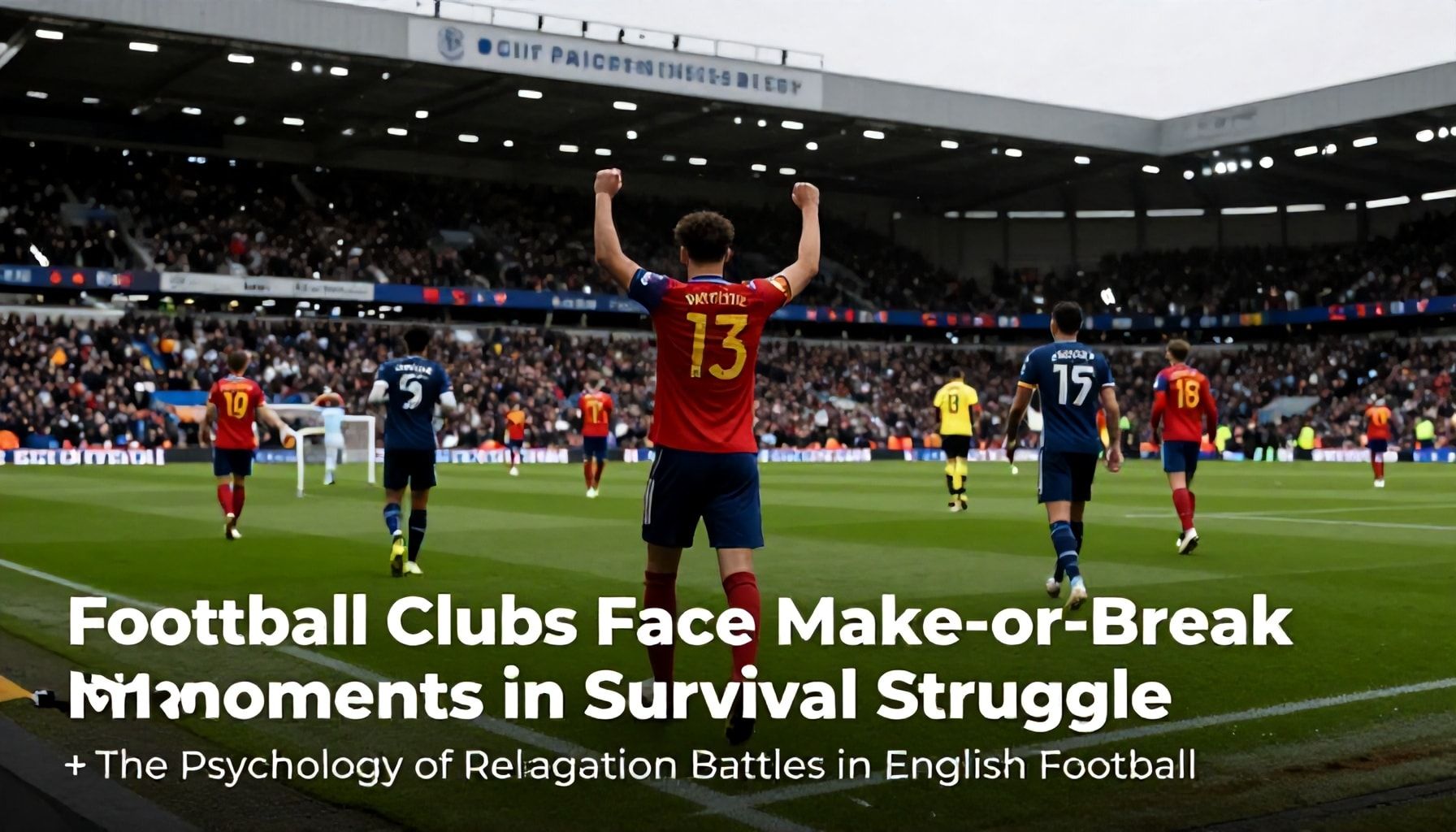
The psychological toll of relegation battles in English football cannot be overstated. Clubs fighting to avoid the drop face immense pressure, with players and managers often performing under intense scrutiny. The weight of expectation can significantly impact performance, creating a vicious cycle of stress and underachievement.
Research from sports psychologists highlights the mental strain on players during relegation scraps. Dr. Steve Peters, renowned performance coach, notes that “the fear of failure can be paralysing, affecting decision-making and confidence.” This psychological burden is evident in the fluctuating form of teams embroiled in the battle, as seen in the Premier League this season.
The impact extends beyond the pitch. Fans’ anxiety and frustration can create a toxic atmosphere, further exacerbating the pressure on players. A study by the Football Supporters’ Federation found that relegation battles can lead to a 30% increase in fan dissatisfaction, affecting club morale and commercial revenue.
Managers in relegation zones often face the brunt of this pressure. The average tenure of a manager in a relegation battle is just 120 days, according to the League Managers Association. This instability can hinder long-term planning and player development, creating a self-perpetuating cycle of struggle.
Clubs that successfully navigate these battles often attribute their survival to mental resilience. Leicester City’s miraculous escape in 2015 was credited to their ability to handle pressure, with then-manager Nigel Pearson stating, “mental strength was the difference.” This resilience is a key factor in the psychological warfare of relegation battles.
The relegation battles in English football have reached a critical juncture, with clubs fighting tooth and nail to secure their Premier League status. As the season draws to a close, the pressure mounts on teams languishing in the bottom three, with every point potentially decisive. The upcoming fixtures promise intense drama, with crucial clashes between sides desperate to avoid the drop. The outcome will not only shape the immediate future of these clubs but also have significant financial implications, given the stark contrast in revenue between the Premier League and the Championship. The race for survival is far from over, and the next few weeks will be pivotal in determining which clubs will remain in the top flight.