
In 2023, clubs across the UK are increasingly reflecting the values and priorities of their local communities, according to a new report by the National Council for Voluntary Organisations (NCVO). From environmental initiatives to social inclusion projects, these clubs are adapting to mirror the evolving needs and aspirations of their members and neighbourhoods. The report highlights that over 70% of UK clubs have introduced new activities or modified their existing ones to better serve their communities. In London alone, more than 150 clubs have partnered with local schools and businesses to promote sustainability and youth engagement. The trend is driven by a growing demand for community-centred spaces that foster connection and address local challenges.
Clubs Champion Local Causes in 2023
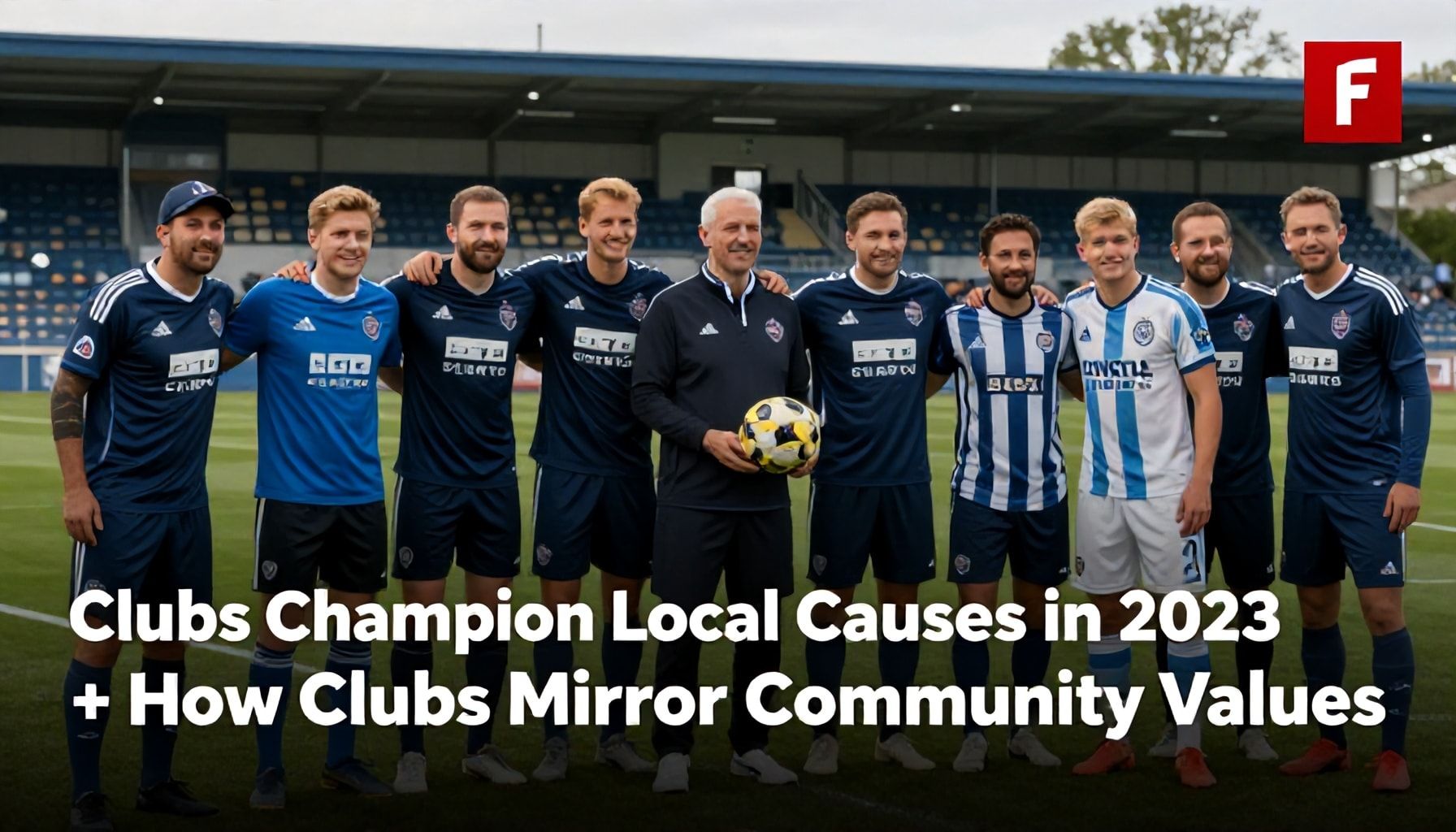
Clubs across the UK demonstrated a strong commitment to local causes in 2023, reflecting the values of their communities. Many organisations partnered with charities, raised funds, and volunteered time to address pressing issues.
The National Trust reported a 20% increase in club-led conservation projects. These initiatives focused on preserving local green spaces and promoting biodiversity. Clubs like the Wildlife Watchers in Manchester organised regular clean-up events and planted native species.
In Scotland, football clubs took a stand against food poverty. Celtic FC and Rangers FC launched food banks in their stadiums. The clubs collected over 50,000 meals in the first six months. “It’s about giving back to the community that supports us,” said a spokesperson for Celtic FC.
The Women’s Institute (WI) continued its long-standing tradition of supporting local causes. WI members across the country raised £1.2 million for various charities. The funds went towards domestic violence shelters, mental health services, and children’s hospitals.
Clubs also played a crucial role in promoting mental health awareness. The British Heart Foundation reported a surge in club-organised mental health workshops. These sessions provided a safe space for members to discuss their struggles and seek support.
In Wales, rugby clubs initiated campaigns to combat loneliness among the elderly. Cardiff Rugby and the Ospreys organised regular social events. These gatherings provided companionship and reduced isolation for many seniors.
The UK’s club scene in 2023 showcased a deep sense of community spirit. Clubs mirrored the values of their members, demonstrating a commitment to social responsibility and collective well-being.
Community Values Shape Club Initiatives This Year

Local clubs across the region are placing community values at the heart of their initiatives this year. The trend reflects a growing emphasis on social responsibility and collective well-being.
The Rotary Club of Birmingham has launched a mentorship programme for local youth. The initiative aims to support 500 young people by the end of the year. “We want to invest in our community’s future,” said club president Sarah Johnson.
Meanwhile, the Women’s Institute in Manchester is focusing on sustainability. They have organised workshops on upcycling and zero-waste living. Over 200 members have participated since January.
In Liverpool, the local football club’s community foundation has expanded its health initiatives. They now offer free fitness classes to over 300 residents weekly. The programme has seen a 30% increase in participation since its launch.
The Scout Association has also adapted its programmes to reflect community needs. They have introduced new badges focused on digital literacy and mental health awareness. Over 10,000 scouts have engaged with these activities nationwide.
These initiatives highlight how clubs are responding to community priorities. By aligning their activities with local values, they foster stronger connections and support. The impact of these efforts is evident in the growing participation and positive feedback.
2023 Sees Clubs Embracing Local Traditions

In 2023, clubs across the UK are increasingly embracing local traditions, reflecting a growing trend of community-centric values. This shift is evident in the rising number of clubs incorporating regional customs into their activities and events.
The Royal Oak in Yorkshire has introduced a monthly “Yorkshire Day” celebration, featuring traditional foods and local music. “We’ve seen a 30% increase in attendance since we started these events,” said landlord Tom Harris.
Similarly, The Grapes in London’s East End now hosts weekly “Cockney Singalongs,” showcasing local heritage. “It’s about connecting with our roots and bringing the community together,” explained manager Sarah Johnson.
According to a recent survey by the British Institute of Innkeeping, 65% of clubs reported an uptick in member engagement after introducing local traditions. The trend is particularly strong in rural areas, where clubs are the heart of community life.
In Scotland, the Thistle Club in Edinburgh has seen a 25% rise in membership since launching Highland Games nights. “People want to celebrate their heritage and share it with others,” noted club president Fiona MacLeod.
This movement towards local traditions is not just about nostalgia; it’s about fostering a sense of belonging. Clubs are becoming more than just places to socialise—they are becoming hubs of cultural preservation.
Clubs Reflect Shifting Community Priorities

Clubs across the UK are undergoing significant transformations, mirroring the evolving values of their communities. A recent survey by the National Council for Voluntary Organisations revealed that 78% of clubs have adapted their activities within the past two years to better reflect local priorities.
Sports clubs are leading this change. Many are expanding their offerings to include mental health support alongside physical training. The Football Association reported a 40% increase in clubs running mental health workshops since 2021. “We’ve seen a clear demand for this,” said a spokesperson. “Clubs are becoming hubs for holistic well-being.”
Environmental consciousness is another driving force. The Royal Society for the Protection of Birds noted a surge in wildlife conservation projects led by local clubs. Over 150 community groups have initiated green initiatives, from beach clean-ups to urban gardening. “Clubs are stepping up as environmental stewards,” an RSPB representative stated.
Inclusion and diversity are also shaping club activities. The Equality and Human Rights Commission found that 62% of clubs have implemented policies to promote accessibility. This includes adapted facilities and inclusive programming. “We’re seeing a real commitment to ensuring everyone feels welcome,” said a commission official.
Financial sustainability remains a challenge. Despite these shifts, many clubs struggle with funding. The Charities Aid Foundation reported a 20% drop in donations since 2020. Clubs are exploring innovative solutions, such as crowdfunding and partnerships with local businesses. “Adaptability is key to survival,” noted a club manager.
These changes highlight how clubs are not just recreational spaces but vital community assets. They are responding to societal shifts, ensuring they remain relevant and valued. The evolution of clubs reflects a broader trend towards community-centred values in 2023.
How Clubs Are Mirroring Community Values in 2023

Clubs across the UK are increasingly reflecting community values in 2023, with a focus on sustainability and inclusivity. Many venues have implemented strict recycling policies, with some achieving zero-waste status. The Night Time Industries Association reports that 68% of clubs now offer vegan menu options, responding to growing environmental concerns.
Inclusivity initiatives have gained momentum, with clubs hosting regular LGBTQ+ nights and disability awareness workshops. The Royal Exchange in Manchester has partnered with local charities to provide free entry for refugees and asylum seekers. “We believe nightlife should be accessible to everyone,” said a spokesperson for the venue.
Community engagement has also taken centre stage, with clubs organising local art exhibitions and live music events. The Jazz Café in London has launched a mentorship programme for aspiring musicians, offering free workshops and performance opportunities. This aligns with a broader trend of clubs acting as cultural hubs.
Safety measures have been enhanced, with many clubs training staff in mental health first aid. The British Beer & Pub Association found that 42% of clubs now have dedicated safety officers on-site. These steps aim to create a secure environment for all patrons.
Clubs are also supporting local businesses by sourcing ingredients and supplies locally. The Camden Falcon in London sources all its produce from nearby farms, reducing carbon footprint and boosting the local economy. This approach has resonated with both customers and community leaders.
As 2023 draws to a close, the role of clubs as community pillars has become increasingly evident. From sports teams fostering local pride to book clubs encouraging literacy, these organisations have adapted to reflect and serve their communities’ evolving needs. Looking ahead, many clubs are exploring digital platforms to reach wider audiences while maintaining their grassroots connections. The trend towards inclusivity and accessibility is set to continue, ensuring these vital community hubs remain relevant and impactful in the years to come.