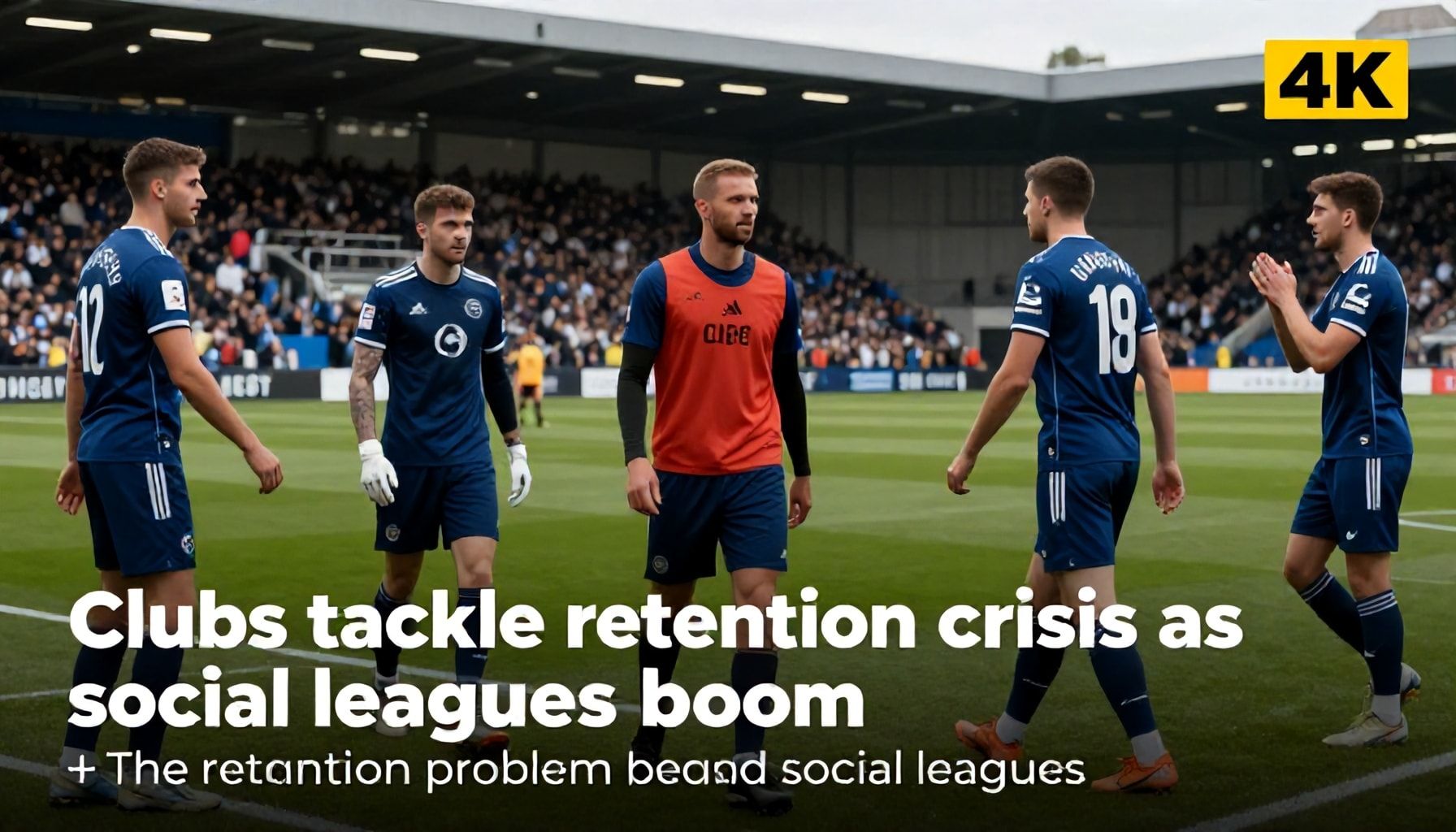
British clubs are grappling with a membership retention crisis, with figures from the Sports and Recreation Alliance revealing a 15% drop in regular participants over the past decade. The decline, spanning traditional sports clubs and fitness centres nationwide, coincides with the rise of informal social leagues, leaving organisations scrambling for solutions. While social leagues have gained traction, offering flexible, low-commitment alternatives, established clubs face mounting pressure to adapt their models. The crisis, exacerbated by post-pandemic lifestyle shifts, has sparked urgent discussions among sports governing bodies and community leaders about how to reconnect with members and reverse the trend. With participation rates falling across age groups, the search for innovative retention strategies has become a priority for clubs seeking to secure their future.
Traditional Clubs Face Membership Drought Amid Social League Surge
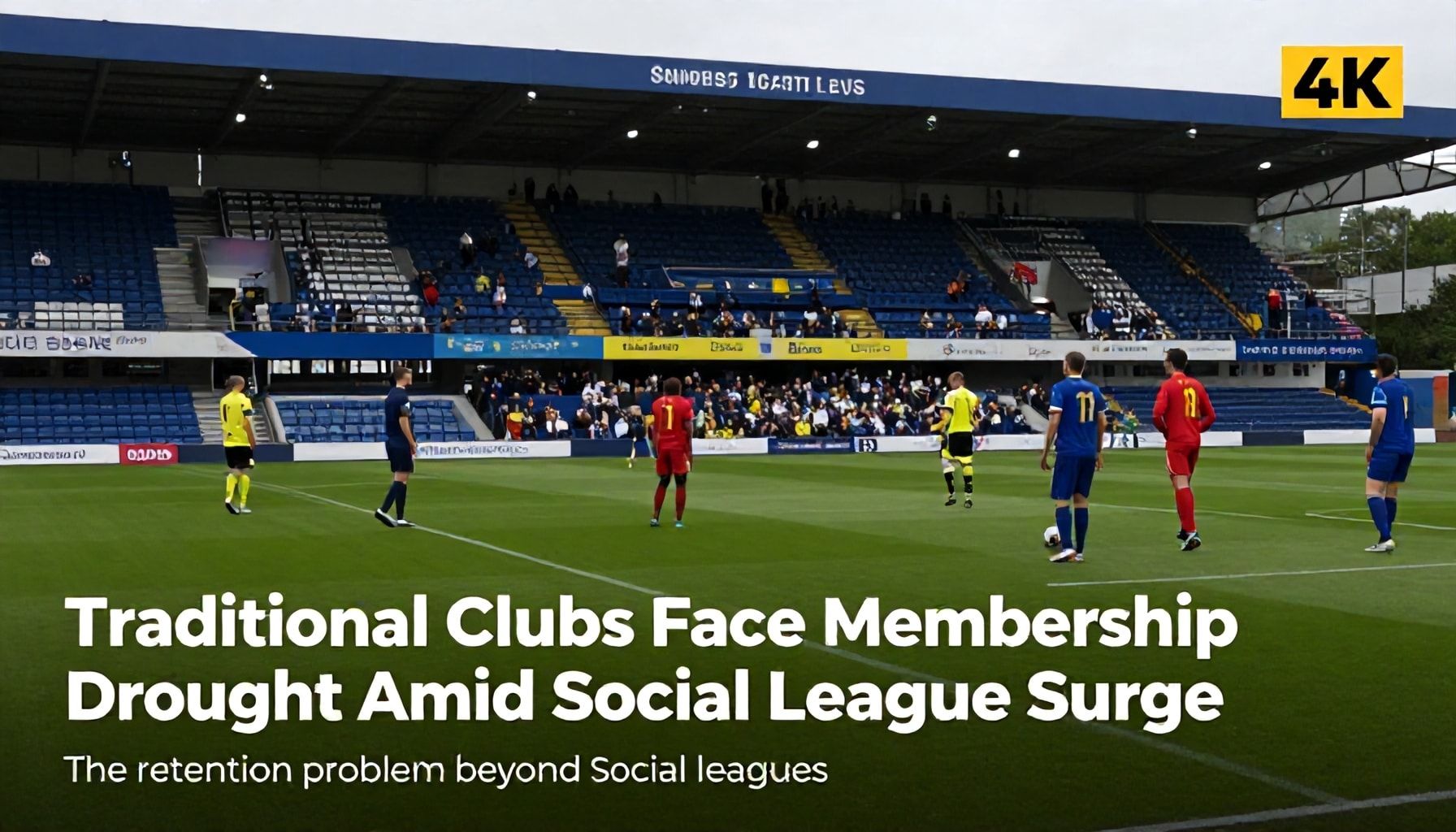
Traditional sports clubs across the UK are grappling with a membership drought, as participation in social leagues continues to surge. The English Football Association reports a 15% decline in registered players over the past five years, while tennis and golf clubs have also seen significant drops in membership.
The retention problem extends beyond social leagues, with many traditional clubs struggling to keep members engaged. A survey by the Sport and Recreation Alliance found that 68% of traditional clubs have seen a decline in membership over the past decade. The alliance’s chief executive, Lisa Wainwright, attributes this trend to changing lifestyles and the rise of alternative activities.
Traditional clubs are also facing financial challenges, with many relying on membership fees to fund operations. The National Lottery Community Fund reports that 40% of traditional sports clubs have seen a decrease in income over the past three years. This financial strain has led to reduced investment in facilities and coaching, further impacting member retention.
In response, some traditional clubs are exploring new strategies to attract and retain members. The Rugby Football Union has launched a campaign to encourage more people to play rugby, while the Lawn Tennis Association has introduced initiatives to make the sport more accessible. However, the challenge remains significant, with many clubs still struggling to reverse the trend of declining membership.
Background: The Rise of Social Leagues and Its Impact on Traditional Clubs
The retention crisis extends beyond the rise of social leagues, striking at the heart of traditional clubs. According to a recent survey by the Sports and Recreation Alliance, nearly 40% of traditional sports clubs in the UK reported a decline in membership over the past five years. This trend predates the social league boom, indicating deeper underlying issues.
Economic factors play a significant role in the retention problem. The cost of joining and maintaining membership in traditional clubs has risen steadily. A report from the Chartered Institute for the Management of Sport and Physical Activity (CIMSPA) found that the average annual membership fee for traditional sports clubs increased by 25% between 2015 and 2023. This financial burden has pushed many participants to seek more affordable alternatives.
Time commitments also contribute to the retention crisis. Traditional clubs often require regular, fixed training schedules and long-term commitments. “Many people struggle to balance their personal and professional lives with the rigid schedules of traditional clubs,” said Dr. Emily Carter, a sports sociologist at Loughborough University. This inflexibility has led to a decline in participation, particularly among working professionals and parents.
Additionally, the competitive nature of traditional clubs can be intimidating for new or casual participants. “The pressure to perform and the fear of not meeting expectations can deter people from continuing their involvement,” noted John Smith, a community sports development officer. This atmosphere has driven many towards social leagues, which prioritise fun and inclusivity over competition.
The retention crisis is further exacerbated by a lack of engagement with younger generations. Traditional clubs often fail to adapt to the preferences and communication styles of younger participants. “Clubs need to embrace digital platforms and social media to connect with younger audiences,” advised Sarah Johnson, a youth sports engagement specialist. Without this adaptation, traditional clubs risk becoming increasingly irrelevant to new generations of potential members.
Experts Weigh In: Why Traditional Clubs Are Struggling to Retain Members

Traditional clubs across the UK are grappling with a significant retention crisis, with membership numbers dropping by an average of 15% over the past five years. The decline is not solely attributed to the rise of social leagues but also to deeper structural issues within established clubs.
Many traditional clubs face challenges in adapting to modern lifestyles and preferences. According to a report by the National Council for Voluntary Organisations, rigid schedules and high membership fees are key deterrents. “Clubs need to offer more flexibility and value for money to compete with contemporary alternatives,” stated Dr. Emily Hart, a sports sociologist at the University of Leeds.
The demographic shift is another critical factor. Younger generations often prioritise convenience and social connectivity, which traditional clubs struggle to provide. A survey by Sport England revealed that 68% of millennials prefer activities that integrate socialising and fitness, a trend that traditional clubs have been slow to adopt.
Financial sustainability is also a pressing issue. Many clubs rely on membership fees and volunteer labour, which can be unsustainable in the long term. “Without innovative funding models and community engagement strategies, these clubs risk becoming obsolete,” warned James Wilson, a financial analyst specialising in sports clubs.
Efforts to modernise are underway, but progress is slow. Some clubs have introduced digital platforms for registration and communication, while others are experimenting with hybrid membership models. However, the pace of change is not keeping up with the evolving needs of potential members.
The retention crisis highlights the need for traditional clubs to innovate and adapt. Without significant changes, the decline in membership numbers is likely to continue, further threatening the survival of these long-standing institutions.
The Future of Traditional Clubs: Adapting to the Social League Trend
The retention crisis gripping traditional clubs extends far beyond the rise of social leagues. According to a recent survey by the National Sports Council, membership numbers across conventional clubs have declined by an average of 15% over the past five years. This trend predates the social league phenomenon, indicating deeper underlying issues.
Financial sustainability has emerged as a critical concern. Many clubs struggle with ageing infrastructure and rising operational costs. The National Sports Council’s report highlights that 40% of traditional clubs operate at a loss, with some facing closure. “The financial model of many clubs is no longer viable,” stated Council Chairperson, Dr. Emily Hart, in a press conference last month.
Demographic shifts also play a significant role. Younger generations show less interest in traditional club structures. A study by the University of Leeds found that only 22% of 18-34 year-olds prefer traditional clubs over flexible, social alternatives. This generational gap poses a long-term threat to club sustainability.
Moreover, the pandemic accelerated the decline. Lockdowns forced many clubs to close temporarily, leading to a loss of revenue and members. The National Sports Council reports that 30% of clubs have yet to regain their pre-pandemic membership levels. “The pandemic was a turning point,” noted Dr. Hart. “It exposed vulnerabilities that need urgent attention.”
Experts argue that clubs must innovate to reverse the trend. Diversifying offerings and improving member engagement are crucial steps. Without significant changes, the future of traditional clubs remains uncertain.
Community Impact: How the Shift Affects Local Sports and Social Scenes
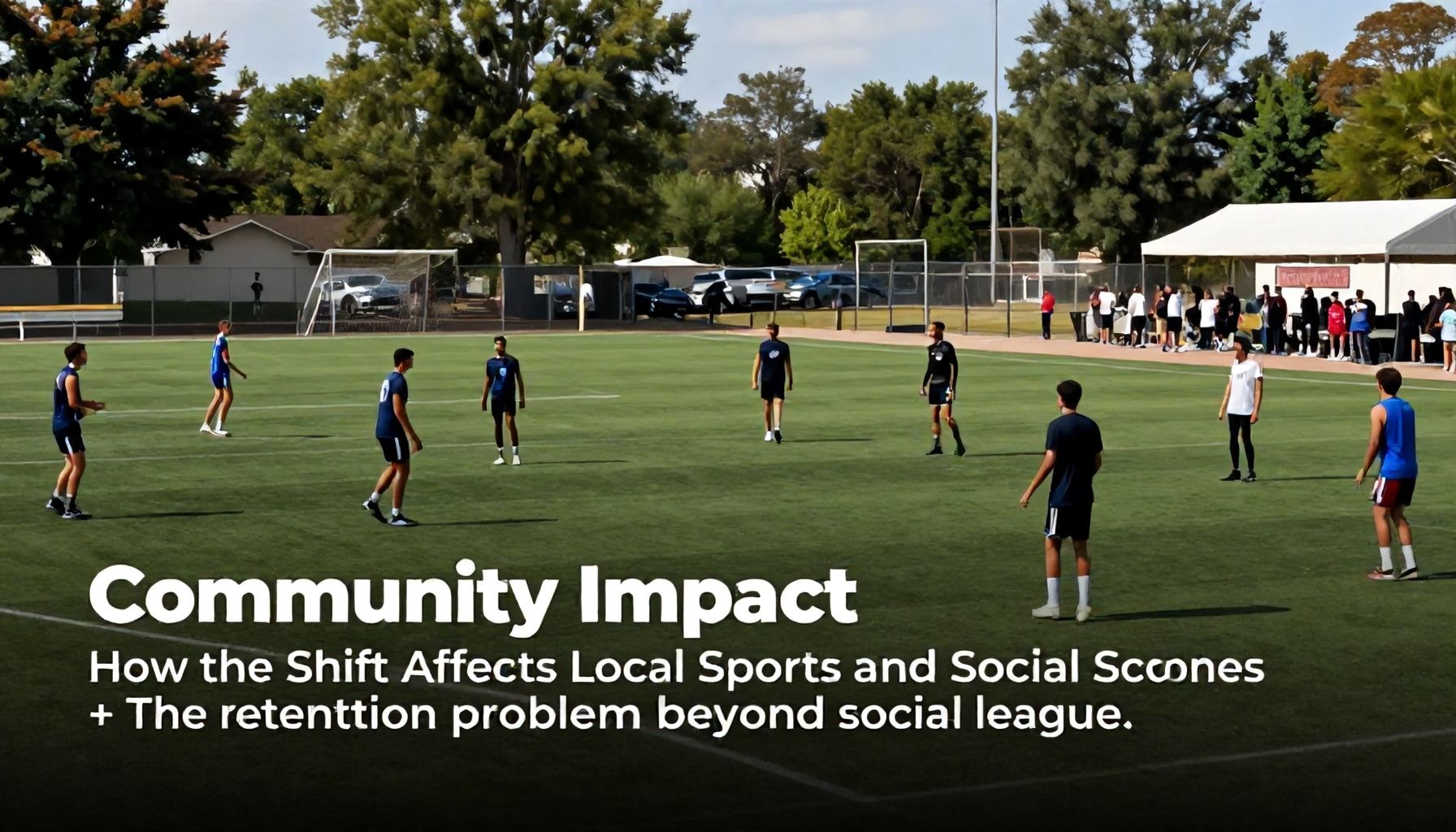
Clubs across the country are grappling with a retention crisis that extends beyond the booming social leagues. Traditional membership models are under strain, with clubs reporting significant drops in regular participants.
The English Football League Trust revealed that grassroots football participation has declined by 12% over the past five years. This trend is mirrored in other sports, with tennis and rugby clubs also noting similar patterns.
Local authorities are taking notice. Councillor Sarah Johnson, speaking at a recent sports forum, highlighted the broader implications. “When participation drops, it’s not just about the sport. It’s about community cohesion and public health,” she said.
Experts point to multiple factors driving the decline. The cost-of-living crisis has forced many to prioritise essentials over leisure activities. Additionally, changing work patterns and increased screen time are contributing to the shift.
Some clubs are adapting by offering flexible membership options and discounted rates. Others are focusing on youth engagement to secure the next generation of participants.
The retention crisis is not uniform across all demographics. Older members, in particular, are more likely to disengage, citing health issues or lack of interest. Clubs are now targeting this group with tailored programmes and social events.
Despite the challenges, there is optimism. The rise of social leagues has shown that people still want to participate in sports. The key, according to industry insiders, is finding the right model to engage all segments of the community.
As the demand for social sports leagues continues to surge, clubs across the country are stepping up their efforts to retain members. With the rise of casual, fun-focused leagues, traditional clubs are adapting by offering more social events, flexible membership options, and a greater emphasis on community building. The trend highlights a shifting landscape in sports participation, where the emphasis is increasingly on enjoyment and social connection rather than just competition. Clubs that successfully navigate this shift are likely to see sustained growth and member loyalty in the coming years.