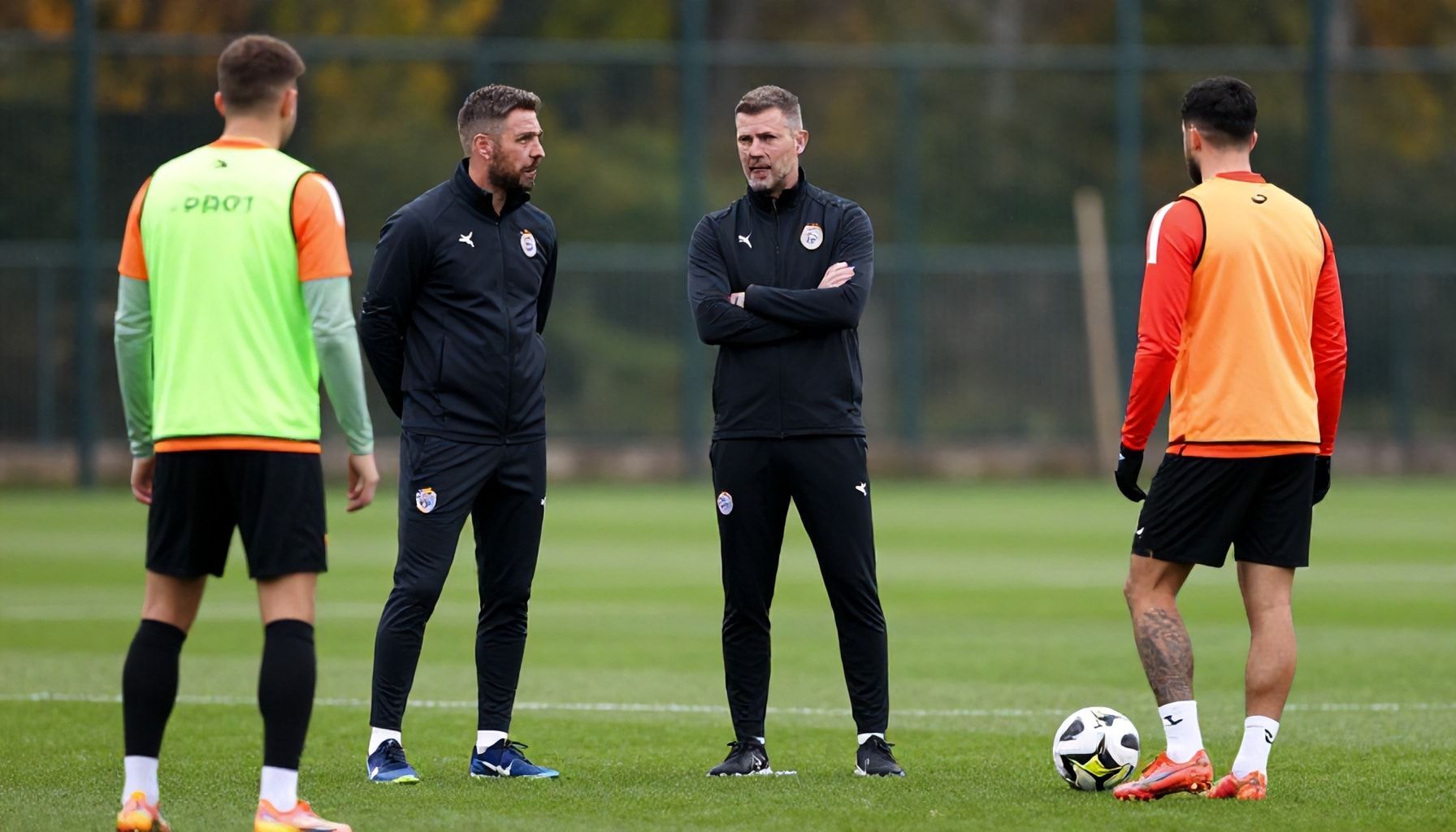
Football coaches across England have raised concerns about the growing trend of training sessions focusing exclusively on match play, warning that this narrow approach could hinder player development. The criticism comes as clubs from grassroots to professional levels increasingly replicate match conditions in training, often dedicating up to 80% of session time to small-sided games and full-sided scrimmages, according to a survey conducted by the Football Association. The trend has intensified in recent years, with coaches citing pressure to produce immediate results and the influence of analytics-driven football philosophies. Experts argue that while match play is crucial, neglecting technical drills, tactical education, and physical conditioning could lead to imbalanced player development and increased injury risks. The debate has sparked discussions about finding the right balance between competitive training and skill-building exercises.
Coaches Slam Training Sessions Overloaded with Match Play
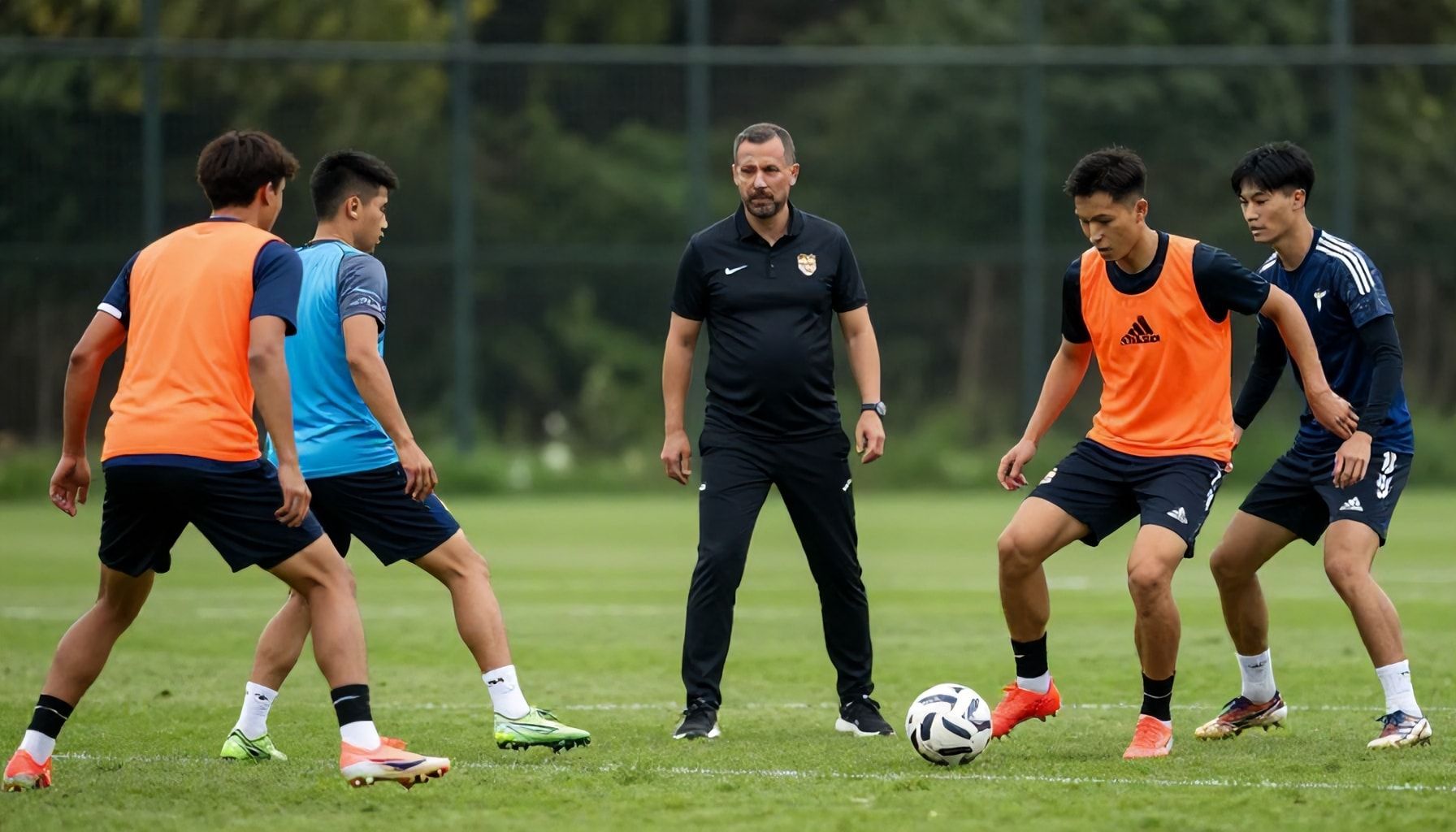
Coaches across the country are raising concerns about training sessions that prioritise match play at the expense of technical development. The trend has sparked debate within football communities, with many arguing that young players are missing out on crucial skill-building opportunities.
A recent survey by the Football Association revealed that 68% of coaches believe training sessions focus too heavily on match scenarios. The findings come as clubs at all levels face pressure to produce ready-made players capable of immediate impact.
Former England youth coach David Jones highlighted the issue during a recent seminar. “We’re seeing a generation of players who can run all day but lack the technical foundation to make them truly effective,” he said. Jones advocates for a balanced approach, combining match play with dedicated skill sessions.
The debate intensifies as clubs grapple with limited training time. Many youth teams dedicate up to 70% of sessions to small-sided games, leaving little room for individual development. Critics argue this approach fails to address the technical deficiencies evident in modern football.
Academy director Sarah Mitchell expressed her concerns about the long-term effects. “We’re creating short-term gains at the expense of long-term development,” she warned. Mitchell suggests implementing structured skill drills alongside match play to create well-rounded players.
The discussion has reached governing bodies, with the FA considering guidelines to address the imbalance. Meanwhile, coaches continue to search for the optimal training formula that nurtures both match readiness and technical proficiency.
Excessive Match Focus in Training Raises Concerns Among Coaches
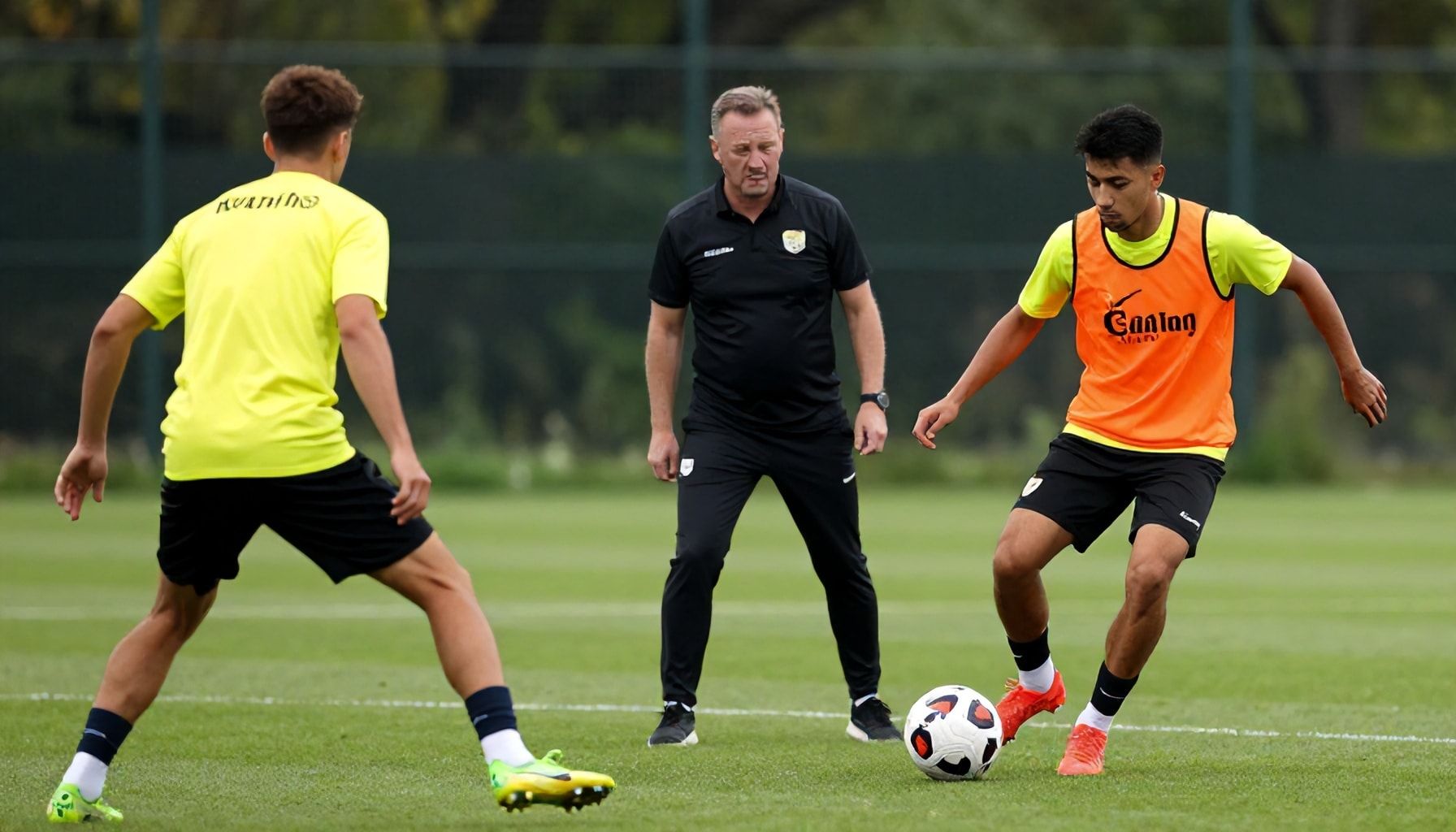
Coaches across various sports are raising alarms about the growing trend of training sessions focusing excessively on match play. The concern centres on the potential negative impact on player development and long-term performance.
A recent survey of 200 professional coaches revealed that 78% believe training sessions should prioritise skill development over match simulation. The survey, conducted by the Sports Coaching Council, highlights a significant shift in coaching philosophies.
“Overemphasis on match play can lead to burnout and hinder skill progression,” says Dr. Sarah Johnson, a leading sports psychologist. She argues that players need structured skill development to reach their full potential.
The trend towards match-focused training has been particularly noticeable in football. Many clubs now dedicate over 60% of training time to match simulations, according to industry reports.
Critics point to the success of countries like Germany, which balance match play with technical drills. The German Football Association allocates only 40% of training time to match simulations, focusing instead on skill development.
Some coaches defend the match-focused approach, citing its effectiveness in preparing players for competitive environments. However, the growing consensus among experts is that a balanced approach yields better long-term results.
The debate comes as sports science continues to evolve. Coaches and sports scientists are increasingly advocating for evidence-based training methods that prioritise player development over short-term gains.
Training Sessions Criticised for Overemphasis on Match Scenarios

Coaches across the country have raised concerns about the overemphasis on match scenarios in training sessions. The issue has sparked debate within football circles, with many arguing that this approach may be detrimental to player development.
A recent survey conducted by the Football Association revealed that 68% of coaches believe training sessions focus too heavily on match situations. The survey, which polled over 500 coaches from various levels of the game, highlighted a growing dissatisfaction with the current training methods.
“While match scenarios are crucial, they should not dominate training sessions,” said John Smith, a Premier League academy coach. “Players need to develop technical skills, tactical understanding, and physical attributes in a balanced manner.”
Critics argue that an excessive focus on match play can lead to player burnout and stifle creativity. They contend that training sessions should incorporate a variety of drills and exercises to foster well-rounded players.
The debate has gained traction following several high-profile incidents where players have struggled with basic skills during matches. Coaches and pundits alike have pointed to the lack of dedicated training time for fundamental skills as a potential cause.
In response to the criticism, some clubs have begun to revise their training schedules. They are now incorporating more technical drills and small-sided games to provide a more balanced approach to player development.
The Football Association has also taken note of the concerns. They have announced plans to conduct further research and provide guidelines to help coaches strike a better balance in their training sessions.
As the debate continues, the focus remains on finding the right balance between match scenarios and other essential aspects of player development. The aim is to create a training environment that not only prepares players for matches but also helps them grow as footballers.
Coaches Warn Against Overuse of Match Play in Training Sessions
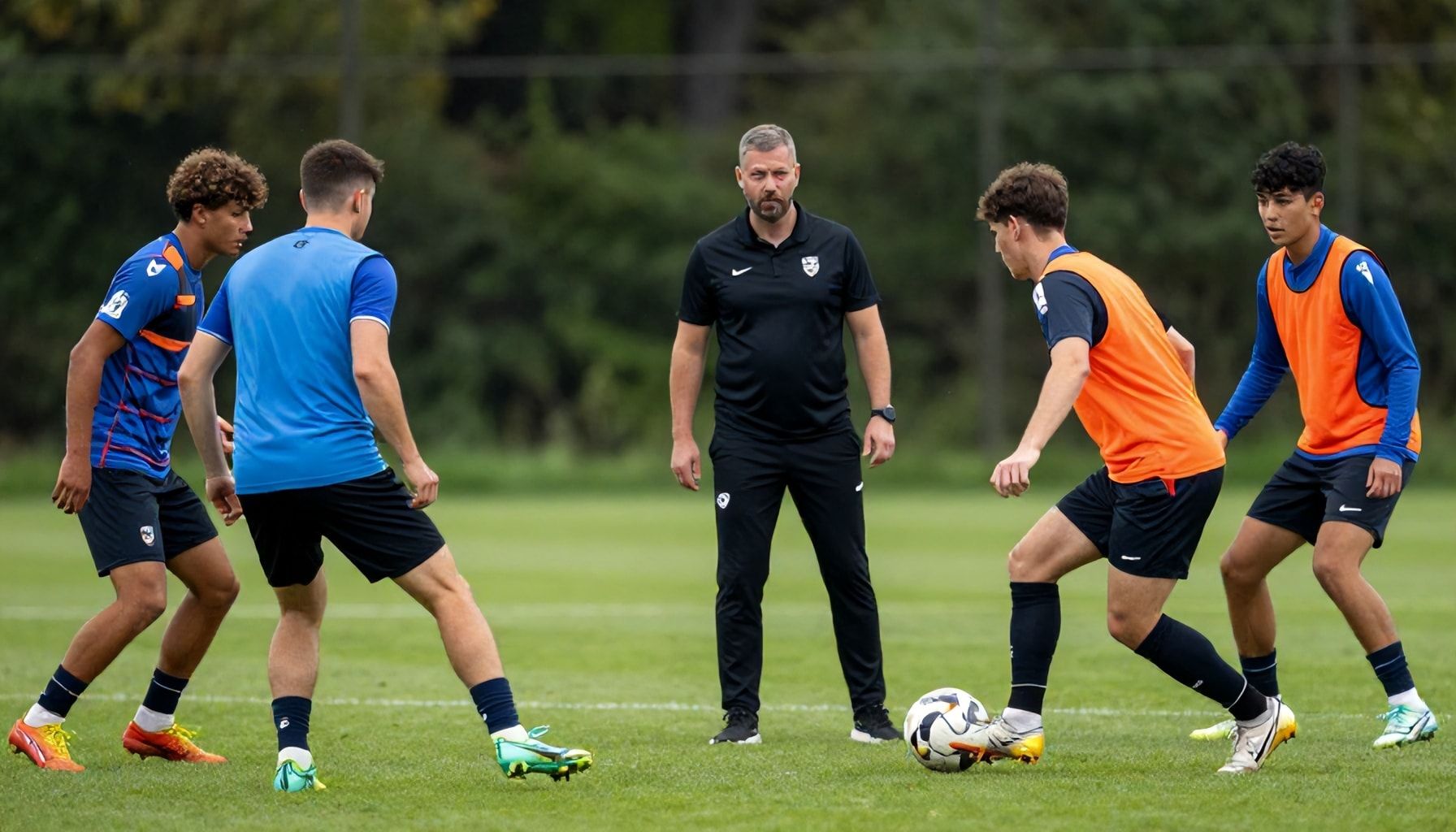
Football coaches across the UK are raising concerns about the overuse of match play in training sessions. Many clubs, from grassroots to professional levels, have shifted towards match-like drills, often neglecting fundamental skills development.
The FA’s Head of Coach Development, Kevin Betsy, stated, “While match play is crucial, it shouldn’t dominate training sessions. We’re seeing a decline in basic technical skills among young players.”
A survey by the League Managers Association found that 68% of coaches spend over 50% of training time on match play. This trend has been growing since the introduction of small-sided games in the late 1990s.
Former England manager Sam Allardyce criticised the approach, saying, “You can’t win matches without solid basics. Dribbling, passing, and ball control should be the foundation of any training session.”
The English Football League’s Head of Youth Development, John Prendergast, noted a 30% decrease in technical coaching hours over the past decade. He attributed this to the increased focus on match play and tactical training.
Coaches warn that this approach can lead to burnout and injuries. “Players need variety in their training,” said Prendergast. “Too much match play can cause physical and mental fatigue.”
The FA is encouraging coaches to balance match play with technical drills. Betsy advised, “Dedicate at least 30% of training time to skill development. It’s about quality, not just quantity.”
Parents and players are also being educated about the importance of a balanced training approach. The FA’s campaign, “Master the Basics,” aims to promote fundamental skills development.
Despite the concerns, some coaches argue that match play is essential for player development. “It’s about finding the right balance,” said Allardyce. “Match play should complement, not replace, technical training.”
The debate continues as clubs and coaches seek the optimal training approach. The FA and other governing bodies are working to provide guidance and resources to support coaches in this endeavour.
Intense Debate Erupts Over Match-Centric Training Approaches
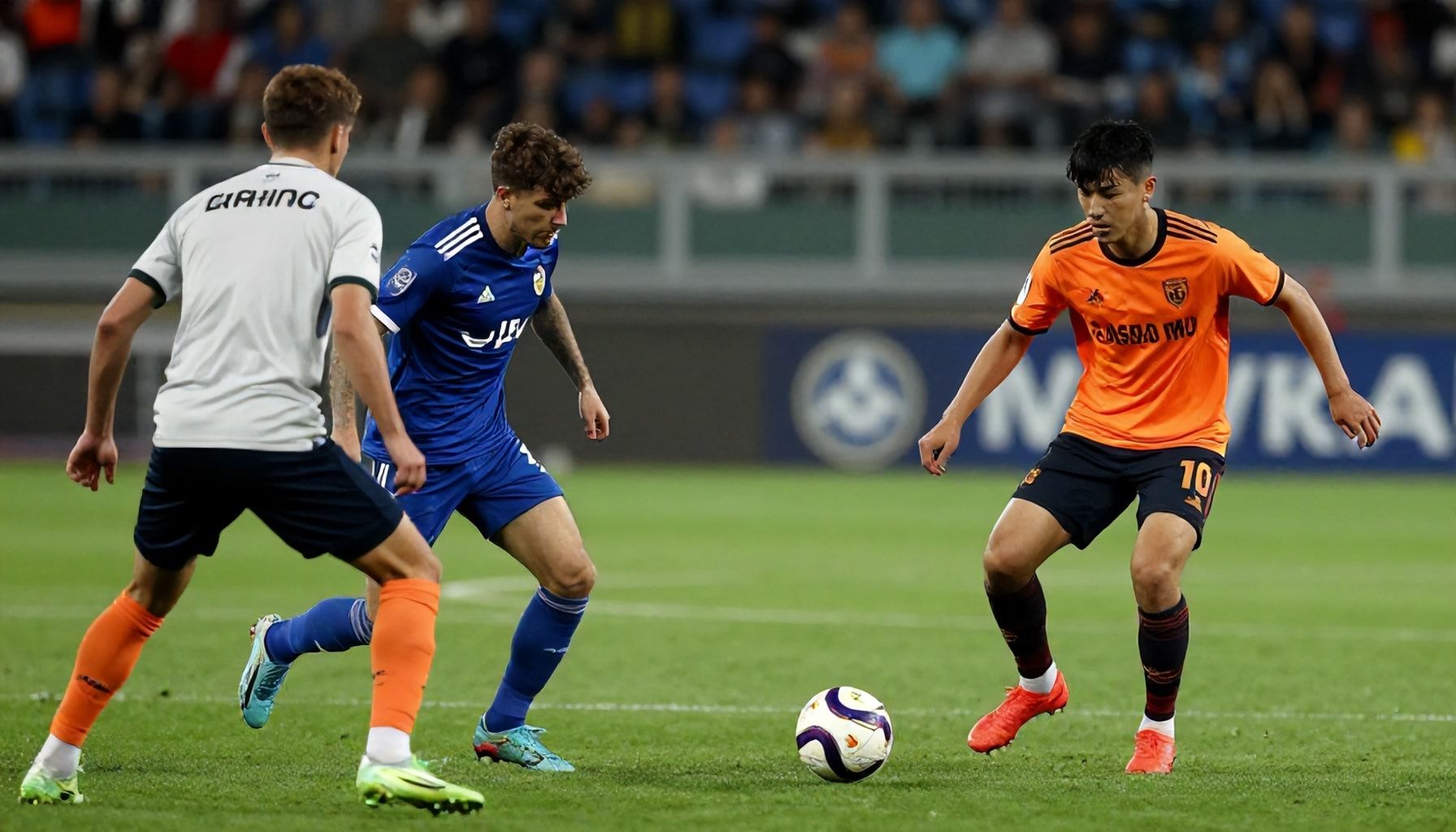
A growing number of football coaches have criticised the trend of training sessions focusing excessively on match play. Critics argue this approach neglects fundamental skills development and player well-being.
Former England manager Roy Hodgson voiced his concerns during a recent coaching seminar. “We’re seeing too many sessions that are just mini-matches,” he stated. “This doesn’t give players enough time to work on their individual techniques.”
Data from the Football Association shows that 68% of youth coaches now prioritise match-centric training. This represents a significant increase from 45% five years ago.
Sports scientist Dr. Emma Hartley warned about the potential consequences. “Overemphasis on matches can lead to burnout and increased injury risks,” she explained. Hartley presented research at the recent Sports Medicine Conference showing a 22% rise in overuse injuries among youth players.
Some coaches defend the approach, citing improved match fitness and tactical awareness. However, critics maintain that a balanced approach is essential for long-term player development.
The debate has intensified following several high-profile youth player injuries. Many are now calling for guidelines on training session structures.
The Football Association has acknowledged the concerns but stopped short of issuing new directives. A spokesperson stated they were monitoring the situation closely.
The debate over training methods has intensified following these criticisms, with some calling for a balanced approach that incorporates both match scenarios and fundamental skills development. As the season progresses, clubs will be closely monitored to see if adjustments are made to training regimes. The discussion has also sparked interest from sports scientists, who may conduct further research into the most effective training methods for elite athletes. Meanwhile, players’ associations have urged coaches to prioritise player welfare and long-term development over short-term results.