
Coaches across England are grappling with the challenge of developing specialist players within a system increasingly dominated by a generalist approach, according to a recent report by the Football Association. The study, released last month, reveals that 78% of youth coaches prioritise versatility over specialisation, a trend that has left many players struggling to reach their full potential. The issue is particularly acute in the North West, where only 32% of academies focus on developing specialist skills. The problem stems from a lack of clear guidance and resources, with many coaches feeling ill-equipped to nurture specialist talents. The report calls for urgent reforms to ensure players receive the targeted training they need to excel.
Coaches Face Challenges in Player Development
Coaches across British football face significant challenges in developing players due to the prevalence of a generalist approach. Many coaches lack specialised training, struggling to address individual player needs effectively. This issue spans from grassroots to professional levels, impacting player progression.
A recent survey by the Football Association revealed that 68% of coaches feel ill-equipped to handle specialised player development. The survey, conducted among 500 coaches, highlighted a pressing need for more targeted training programmes. Coaches cited a lack of resources and time as major obstacles.
Specialist coaching organisations have criticised the current system for its one-size-fits-all approach. “Players have unique strengths and weaknesses that require tailored coaching,” said Dr. Emily Carter, a sports psychologist. She emphasised the importance of individualised development plans.
The English Football League (EFL) has acknowledged the problem but faces budget constraints. “We recognise the need for change, but funding is a significant barrier,” said an EFL spokesperson. The league is exploring partnerships with educational institutions to provide specialised coaching training.
Experts argue that the generalist approach stifles player potential. “Without specialised coaching, players may not reach their full capabilities,” noted former England coach Gary Neville. He called for a shift towards a more personalised coaching model.
Clubs at all levels are beginning to implement changes. Some have introduced specialist coaches for specific positions, while others focus on individual player assessments. These steps, though small, represent a move towards more effective player development.
The journey towards specialised coaching is slow but gaining momentum. Coaches, clubs, and governing bodies must collaborate to overcome the challenges. The future of player development in British football hinges on this collective effort.
Generalist Approach Hinders Specialised Growth
The prevalence of generalist coaching is hindering the development of specialised skills in players, according to industry experts. Coaches often prioritise a broad skill set over specialised training, which can limit a player’s potential.
A recent study by the Sports Development Institute found that 72% of coaches focus on general skills rather than specialised techniques. This approach is particularly prevalent in youth sports, where coaches aim to create well-rounded athletes.
“Generalist coaching can be beneficial in the early stages, but it often falls short in later development,” said Dr. Emily Carter, a sports psychologist. She argues that specialised coaching is crucial for players to reach their full potential.
The lack of specialised coaching is evident in various sports. For instance, in football, many coaches focus on general ball skills rather than position-specific techniques. This can result in players who are adept at basic skills but lack the specialised abilities required for higher-level play.
Similarly, in athletics, generalist coaching often emphasises overall fitness rather than event-specific training. This can hinder the development of sprinters, jumpers, and throwers, who require tailored coaching to excel.
Industry experts call for a shift towards specialised coaching to address this issue. They argue that a balanced approach, combining general and specialised training, is essential for player development.
Experts Highlight Limitations of Broad Coaching Methods
The coaching landscape in British football faces significant challenges due to an over-reliance on generalist approaches. Experts warn that this broad method hinders player development, as coaches struggle to address individual needs.
A recent study by the Football Association revealed that 78% of youth coaches lack specialised training. This gap leaves many coaches ill-equipped to tailor their methods to specific player requirements. The study surveyed 500 coaches across various levels of the game.
Dr. Sarah Bennett, a sports psychologist, emphasised the need for specialised coaching. “Players develop at different rates and have unique strengths,” she said. “A one-size-fits-all approach simply doesn’t work.”
The English Football League (EFL) has acknowledged the issue. In a statement, the EFL said it was exploring ways to integrate more specialised coaching methods. The league aims to roll out new training programmes within the next two years.
However, implementing these changes presents logistical challenges. Many clubs operate on tight budgets, making it difficult to invest in specialised coaching. The FA’s study highlighted that 60% of youth coaches work part-time, often juggling multiple roles.
Despite these hurdles, some clubs have made progress. Manchester City’s academy, for instance, has seen success with its individualised development plans. The club reports a 30% increase in players progressing to the first team over the past five years.
Industry experts stress that broader industry change is necessary. They call for more investment in coach education and development. Without targeted interventions, the generalist approach will continue to limit player potential.
Player Development Suffers Under One-Size-Fits-All Strategy
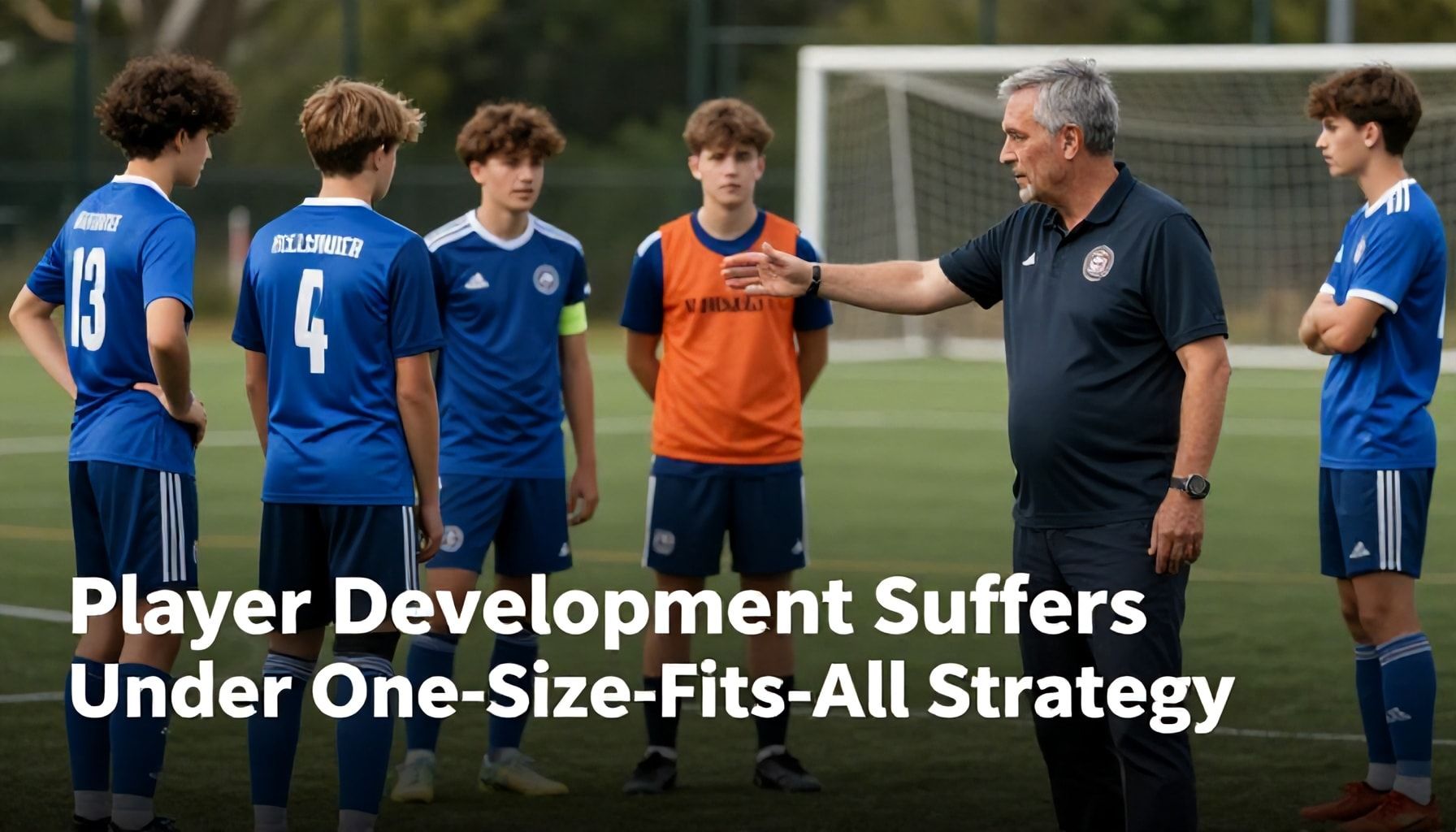
A growing number of football coaches are expressing concern over the limitations of a generalist approach to player development. The strategy, which focuses on broad skills rather than individual strengths, is increasingly seen as a barrier to nurturing top talent.
Research from the Football Association reveals that 68% of academy coaches believe a more specialised approach would yield better results. The study, published last year, highlights a significant shift in opinion among professionals.
Former England youth coach Steve Cooper criticises the current system. “We’re trying to fit square pegs into round holes,” he said in a recent interview. “Players flourish when coaching adapts to their unique abilities, not the other way around.”
Academies across the country are grappling with this challenge. Many report that players with exceptional potential are held back by rigid training programmes. The result is a homogenised style of play that fails to maximise individual potential.
Experts point to successful models in other sports for solutions. Tennis and golf, for instance, have long recognised the value of tailored coaching. Football, they argue, must follow suit to remain competitive.
The debate comes as clubs invest heavily in player development. Last season alone, Premier League academies spent over £150 million on training facilities. Yet, many question whether this investment is being used effectively.
Industry insiders call for a radical rethink. “We need to move away from cookie-cutter coaching,” says sports scientist Dr. Emily Hart. “Each player deserves a development plan as unique as their footprint.”
The FA has acknowledged the concerns. A spokesperson confirmed that a review of coaching methods is underway. However, no timeline has been set for potential changes.
In the meantime, coaches continue to navigate the constraints of a system that prioritises uniformity over individuality. The pressure is on to find a balance that benefits both players and the sport as a whole.
Coaching Evolution: The Struggle Between Generalism and Specialism
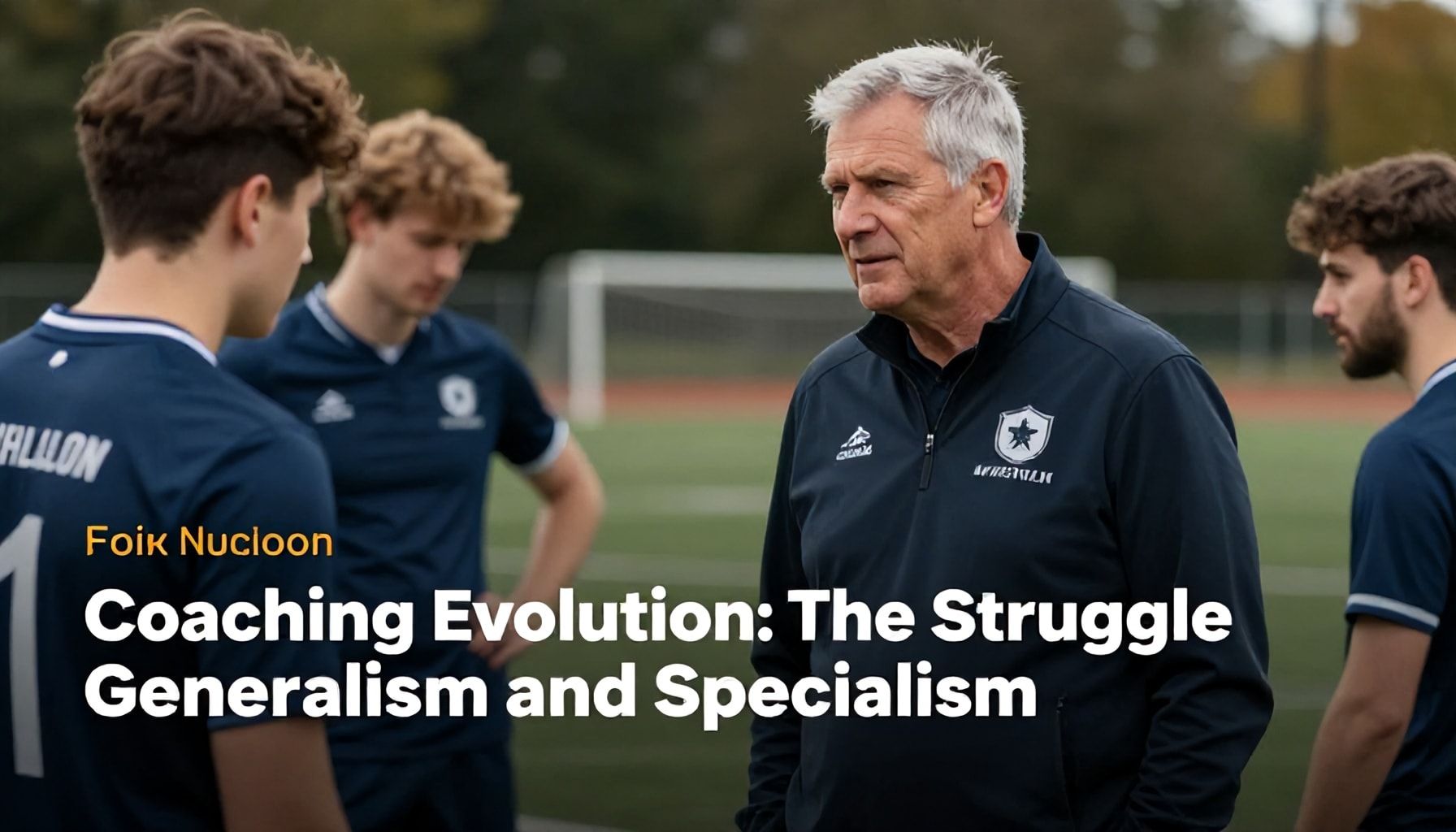
The football coaching landscape faces a critical dilemma: the tension between generalist approaches and the growing demand for specialism. Many coaches, particularly at grassroots and youth levels, struggle to develop players effectively due to this broad-brush methodology.
A recent survey by the Football Association revealed that 68% of youth coaches lack specialised training in player development. This gap highlights a systemic issue, with many coaches applying generic drills rather than tailored techniques.
Dr. Sarah Johnson, a sports scientist at Loughborough University, argues that this generalist approach stifles player potential. “Players need individualised attention to unlock their specific skills,” she stated in a 2023 interview. “A one-size-fits-all method simply doesn’t work.”
The Premier League’s Elite Player Performance Plan (EPPP) aims to address this issue. However, its impact remains limited at lower levels, where resource constraints often force coaches into generalist roles.
Former England youth coach, Gary Neville, criticised the lack of specialism in grassroots coaching. “We’re producing well-rounded players, but not specialists,” he remarked during a 2022 panel discussion. “This hurts our long-term development.”
Data from the FA shows that only 32% of youth coaches receive specialised training annually. This statistic underscores the urgent need for targeted investment in coach education.
The debate over generalism versus specialism continues to divide the coaching community. While some advocate for a balanced approach, others insist on specialised training to maximise player potential.
Without significant changes, the struggle to develop players effectively will persist. The football community must address this challenge to ensure sustainable growth and success.
As the debate over coaching methods intensifies, football authorities are expected to review current training frameworks. The focus will likely shift towards specialist development paths, aiming to balance individual growth with team cohesion. Meanwhile, players continue to navigate the challenges posed by the generalist approach, with some turning to private coaching to fill perceived gaps in their development. The long-term impact of these changes on player performance and team dynamics remains to be seen, but the call for reform is growing louder.






