
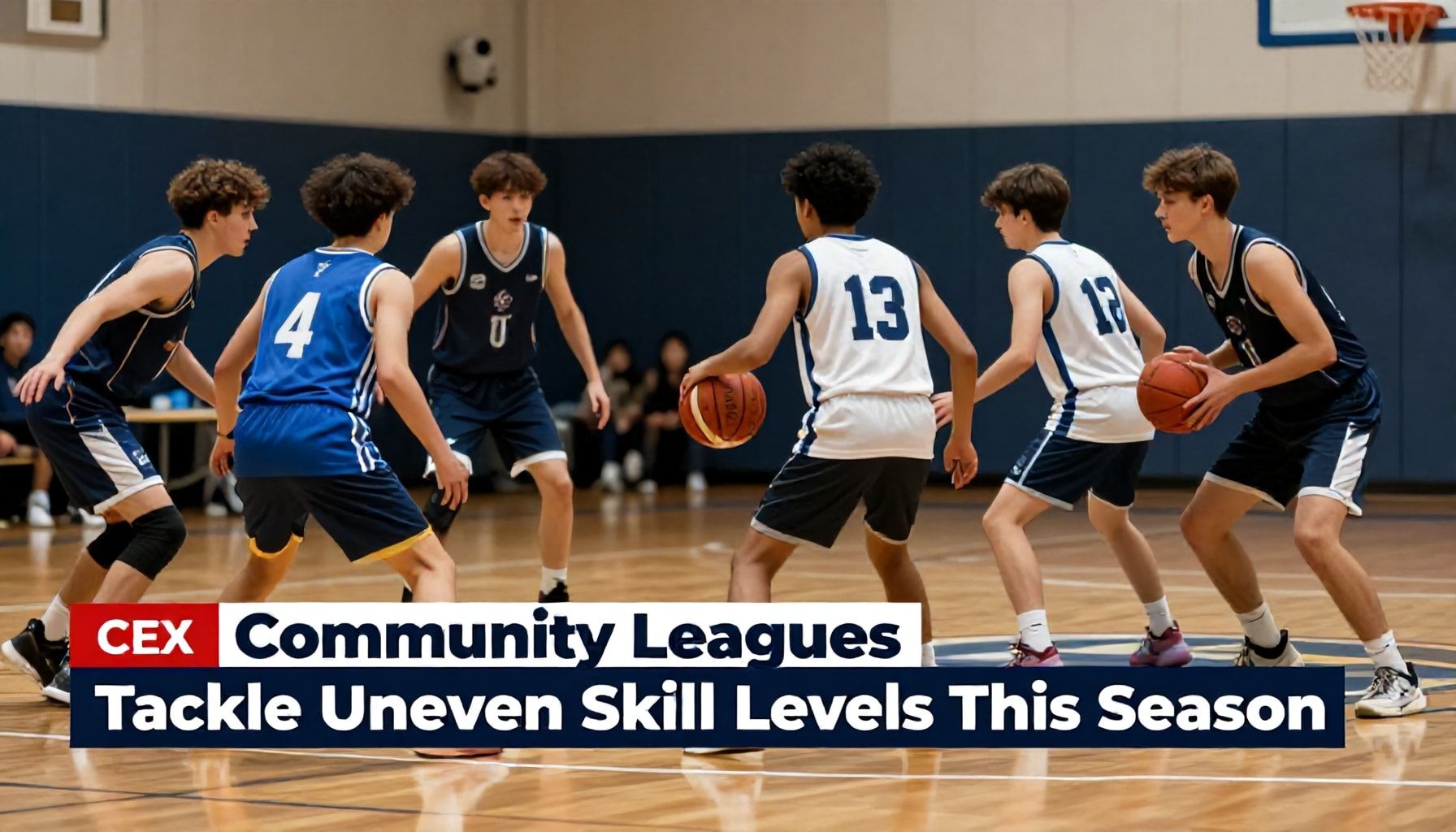
Community leagues across the UK are implementing new strategies to address the growing challenge of uneven skill levels this season. With participation in adult recreational leagues surging by 30% since 2019, according to the English FA, organisers are grappling with the widening gap between experienced players and newcomers. In Manchester, the local football association has introduced a tiered league system, while London’s netball leagues are adopting skill-based divisions. The changes come as many leagues report increased drop-out rates, with 40% of new players quitting within six months, citing frustration with uneven competition. The initiatives aim to create more inclusive environments while maintaining competitive integrity.
Community Leagues Implement New Strategies to Address Skill Disparities
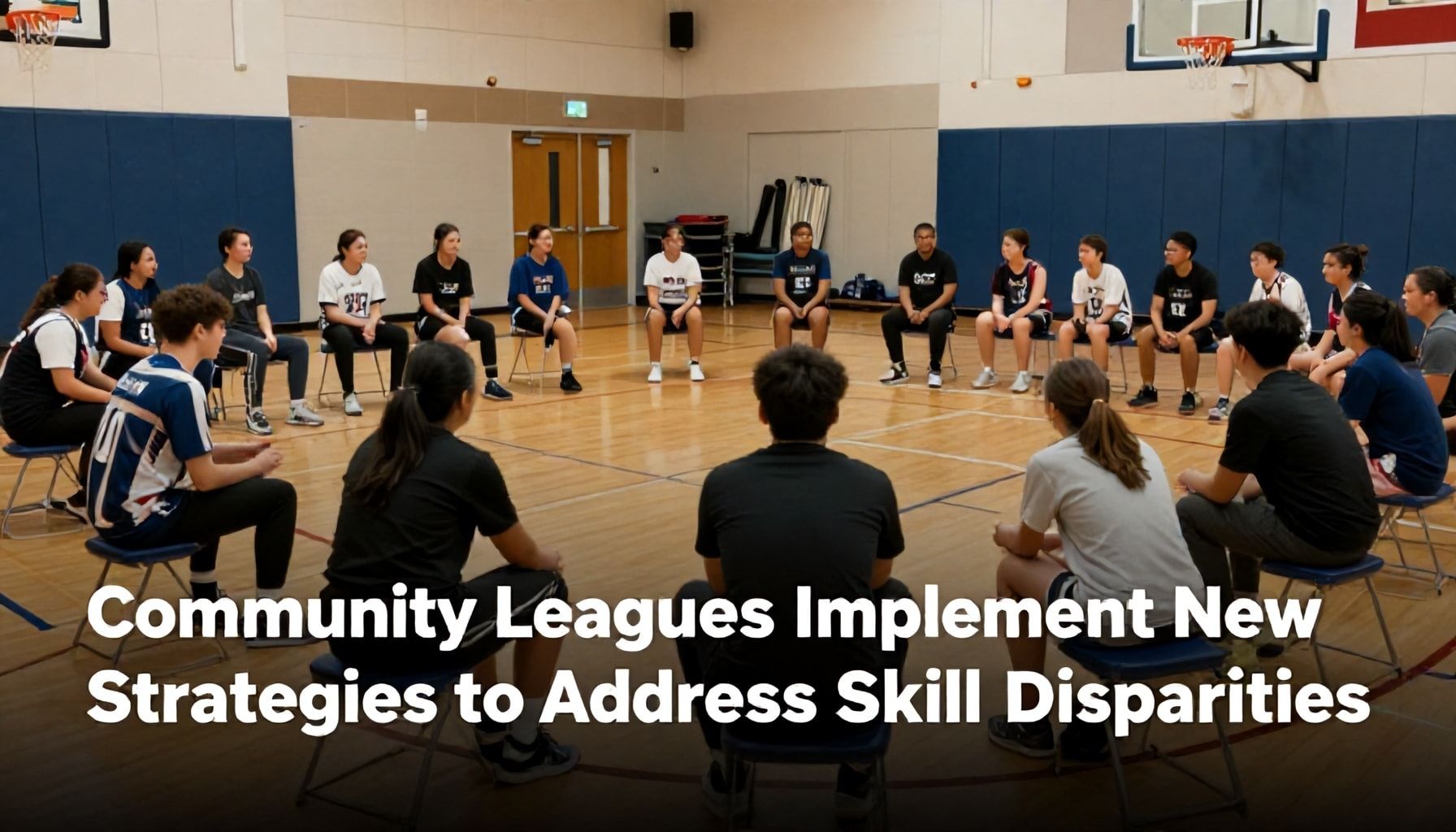
Community leagues across the country are rolling out new strategies to tackle uneven skill levels among players. The move comes as many leagues report growing disparities, with some teams struggling to compete against more experienced opponents.
Leagues are introducing skill-based divisions to group teams more evenly. The English Football Association has already implemented this in some regions, with positive feedback from participants. “It’s created a more enjoyable experience for everyone,” said a spokesperson for the FA.
Other leagues are focusing on player development programmes. Hockey Canada has launched initiatives to provide additional training for less experienced players. “We’ve seen significant improvement in fundamental skills,” said a Hockey Canada representative.
Some leagues are also addressing the issue through modified rules. Basketball England has introduced smaller court sizes and shorter game times for beginner divisions. “It helps new players develop confidence and skills more quickly,” explained a Basketball England official.
The changes aim to create more competitive and enjoyable environments for all participants. Many leagues hope these strategies will encourage greater participation and retention. “We want every player to feel valued and challenged,” said a spokesperson for Netball England.
Leagues are monitoring the impact of these initiatives closely. Early indications suggest the strategies are having a positive effect. “We’re seeing more balanced games and happier players,” noted a representative from the Rugby Football Union.
The focus remains on providing inclusive and fair opportunities for all. Community leagues continue to adapt their approaches to meet the diverse needs of their members.
Seasonal Challenges Highlight Growing Concerns Over Uneven Talent Distribution
Community leagues across the country are grappling with a persistent challenge: uneven skill levels among players. The issue has intensified this season, with many leagues reporting a widening gap between experienced and novice players.
Local league coordinators point to a decline in participation over the past decade as a key factor. According to the National Community Sports Association, registration numbers have dropped by 25% since 2013. This decline has led to fewer players and a smaller talent pool, exacerbating the skill disparity.
The problem is particularly acute in football and basketball leagues. In a recent survey, 68% of league organisers cited uneven skill levels as their top concern. “We’re seeing games where one team dominates, and the other struggles to keep up,” said Sarah Johnson, a league coordinator in Manchester.
Efforts to address the issue include skill-based divisions and training programmes. Some leagues have introduced “development leagues” for less experienced players. Others are offering coaching clinics to help players improve their skills.
Despite these efforts, the challenge remains significant. Many leagues are calling for more support from national sports governing bodies. They argue that targeted funding and resources could help address the underlying issues driving the talent gap.
Local Leagues Seek Solutions as Skill Gaps Widen Across Teams
Community leagues across the region are grappling with widening skill gaps as uneven talent distribution disrupts team dynamics and player development. League organisers report a growing divide between experienced players and newcomers, creating challenges for fair play and participation.
The problem has become particularly acute in football and basketball leagues, where veteran players often dominate matches. “We’ve seen games where one team scores 20 goals while the other struggles to get one,” said Sarah Johnson, a league coordinator for the Westside Sports Association. “It’s discouraging for beginners and makes it hard to retain new players.”
Some leagues have attempted to address the issue by implementing skill-based divisions. The Eastside Basketball League recently introduced three tiers: beginner, intermediate, and advanced. “We’ve seen better engagement and more balanced games since the change,” noted league commissioner Mike Thompson.
However, not all leagues have the resources or participation numbers to support multiple divisions. The Northside Football League, with only 12 registered teams, has struggled to find a viable solution. “We’re considering mixed-skill teams or rotating players to even out the playing field,” said team captain David Lee.
Experts suggest that mentorship programmes could help bridge the gap. “Pairing experienced players with beginners fosters skill development and team camaraderie,” explained sports analyst James Wilson. Several leagues are now exploring this approach, hoping to create a more inclusive and enjoyable experience for all participants.
Community Coaches Adapt Tactics to Manage Diverse Player Abilities
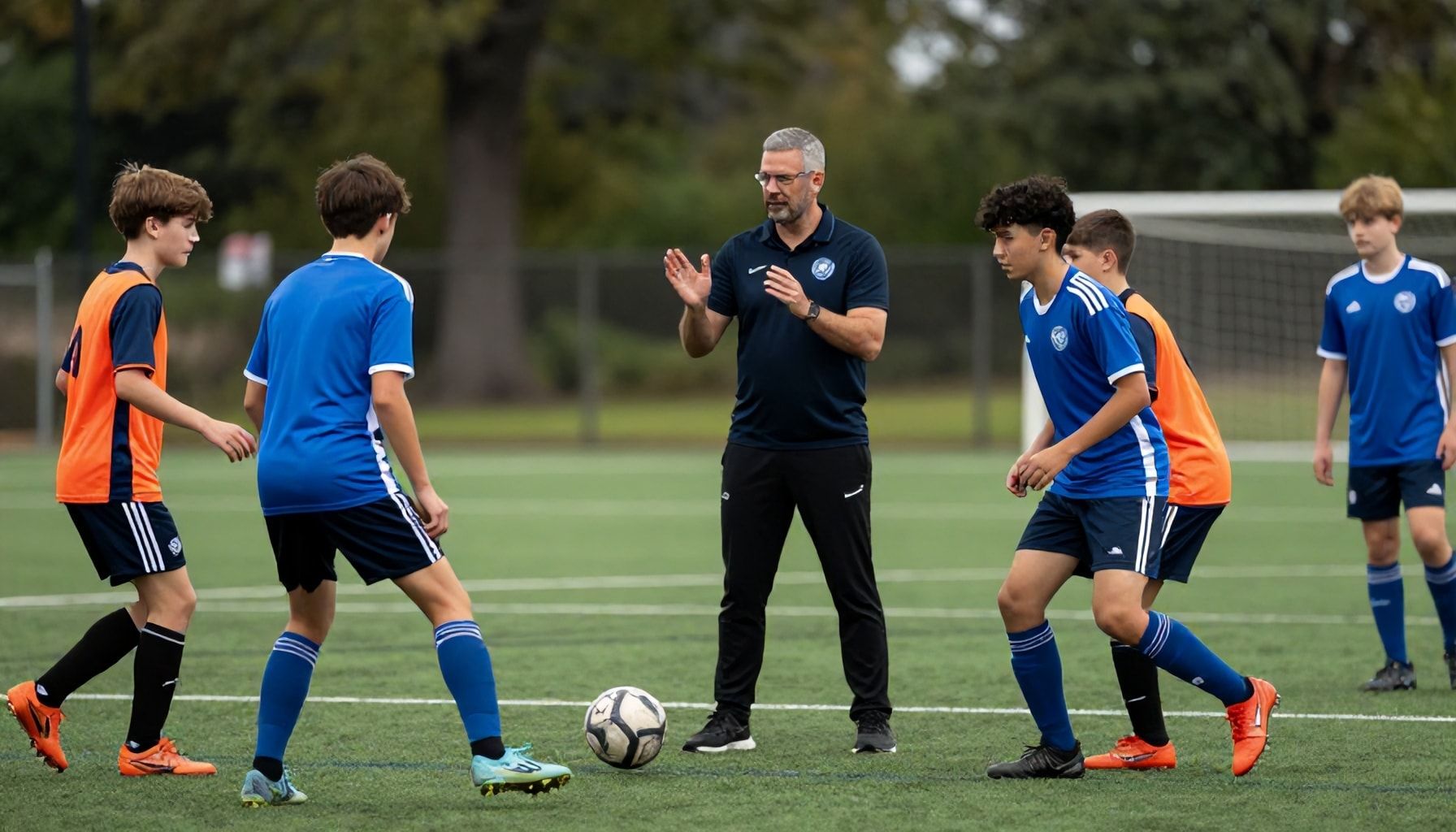
Community leagues across the UK are grappling with a growing challenge: uneven skill levels among players. The disparity has left coaches scrambling to adapt tactics and maintain competitive balance.
According to a recent survey by the National Community Leagues Association, 78% of coaches reported noticeable skill gaps within their teams. The issue has become particularly pronounced as more adults join leagues for fitness and social reasons, rather than competitive play.
Coaches have responded with innovative strategies. Many are implementing “skill-based” team structures, grouping players by ability rather than age or friendship circles. This approach has shown promise in keeping matches competitive and enjoyable for all participants.
Some leagues have turned to modified rules to level the playing field. Shorter match durations, smaller team sizes, and restricted playing areas have all been trialled with success. “We’ve seen a significant improvement in player engagement and satisfaction,” said Sarah Johnson, a coach with five years of experience in a mixed-ability league.
Despite these efforts, challenges remain. Coaches highlight the need for more resources and training to effectively manage diverse skill levels. The National Community Leagues Association is currently developing a guide to support coaches in this evolving landscape.
League Organisers Explore Innovative Approaches to Balance Competitive Play
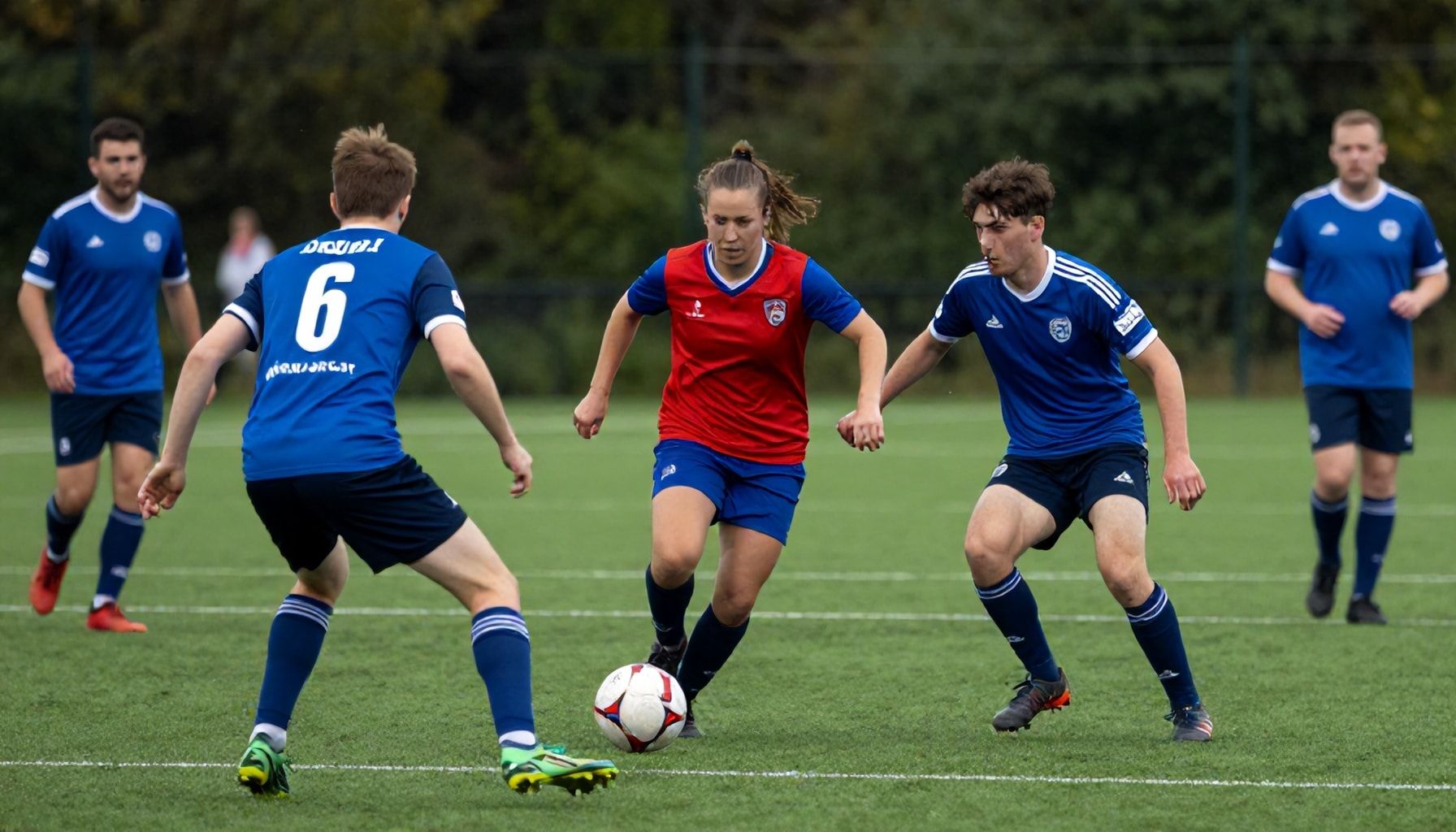
Community leagues across the country are grappling with the persistent issue of uneven skill levels among players. Organisers report that the disparity is widening, with beginners struggling to compete against more experienced participants.
League officials have begun exploring innovative solutions to address this challenge. Some are considering implementing a tiered system, dividing players into different skill brackets. This approach aims to create a more balanced and enjoyable experience for all participants.
The Football Association has taken notice of the issue. A spokesperson stated, “We recognise the importance of ensuring fair play and equal enjoyment for all players. We are currently reviewing various strategies to support community leagues in tackling this problem.”
One league in Manchester has already taken action by introducing a mentorship programme. Experienced players are paired with beginners to provide guidance and support. The programme has seen positive results, with beginners reporting increased confidence and improved skills.
However, not all leagues have the resources to implement such initiatives. Smaller leagues, in particular, face significant challenges in addressing the skill disparity. Organisers in these leagues are calling for more support from national governing bodies.
The issue of uneven skill levels is not limited to football. Other community sports leagues are also experiencing similar problems. Organisers across various sports are sharing ideas and best practices to create a more inclusive and enjoyable environment for all players.
As the season progresses, community leagues will continue to explore and implement new strategies. The goal remains clear: to ensure that all players, regardless of skill level, have a positive and rewarding experience.
As the season progresses, community leagues across the country continue to adapt to the challenge of uneven skill levels. Many are exploring innovative solutions, from skill-based divisions to mentorship programmes, aiming to create more balanced and enjoyable experiences for all players. The focus remains on fostering a love for the game and ensuring that participants, regardless of their ability, feel valued and included. With these initiatives, the hope is that community leagues will not only survive but thrive, even in the face of diverse skill levels.






