
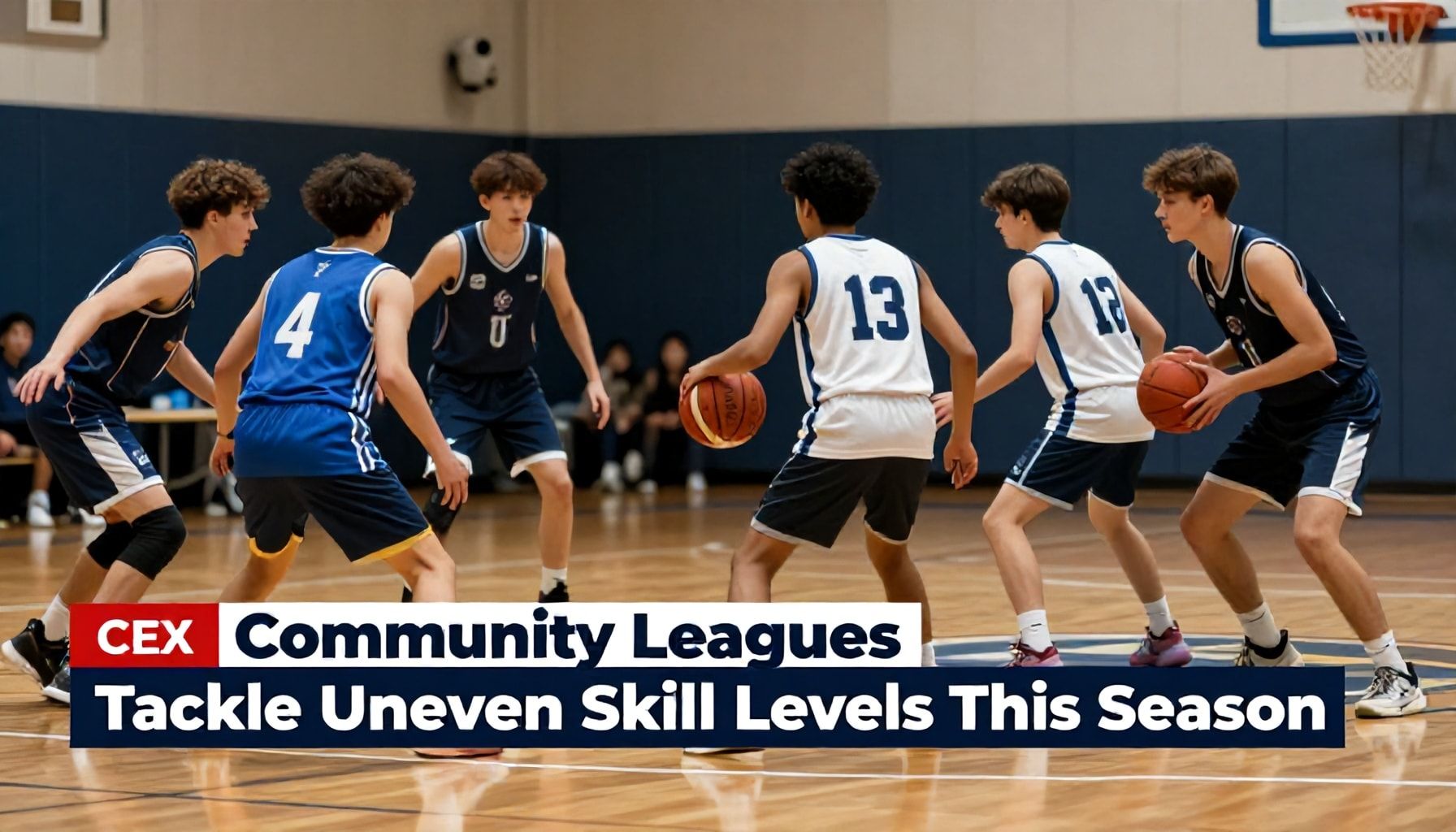
Across the UK, community sports leagues are grappling with a surge in participation that has exposed stark skill gaps among players. With over 3 million adults regularly playing in local leagues, according to Sport England, organisers report a 25% increase in new players since 2020, many of whom are returning to sports after long breaks or trying new activities for the first time.
The disparity in abilities has led to challenges in team formation and match fairness, particularly in football, netball and basketball leagues. In response, many leagues are implementing innovative solutions this season, including skill-based divisions, mixed-ability teams and dedicated coaching sessions to help players develop at their own pace. The changes aim to create more inclusive and enjoyable environments while maintaining competitive integrity.
Community Leagues Implement New Strategies to Balance Skill Levels
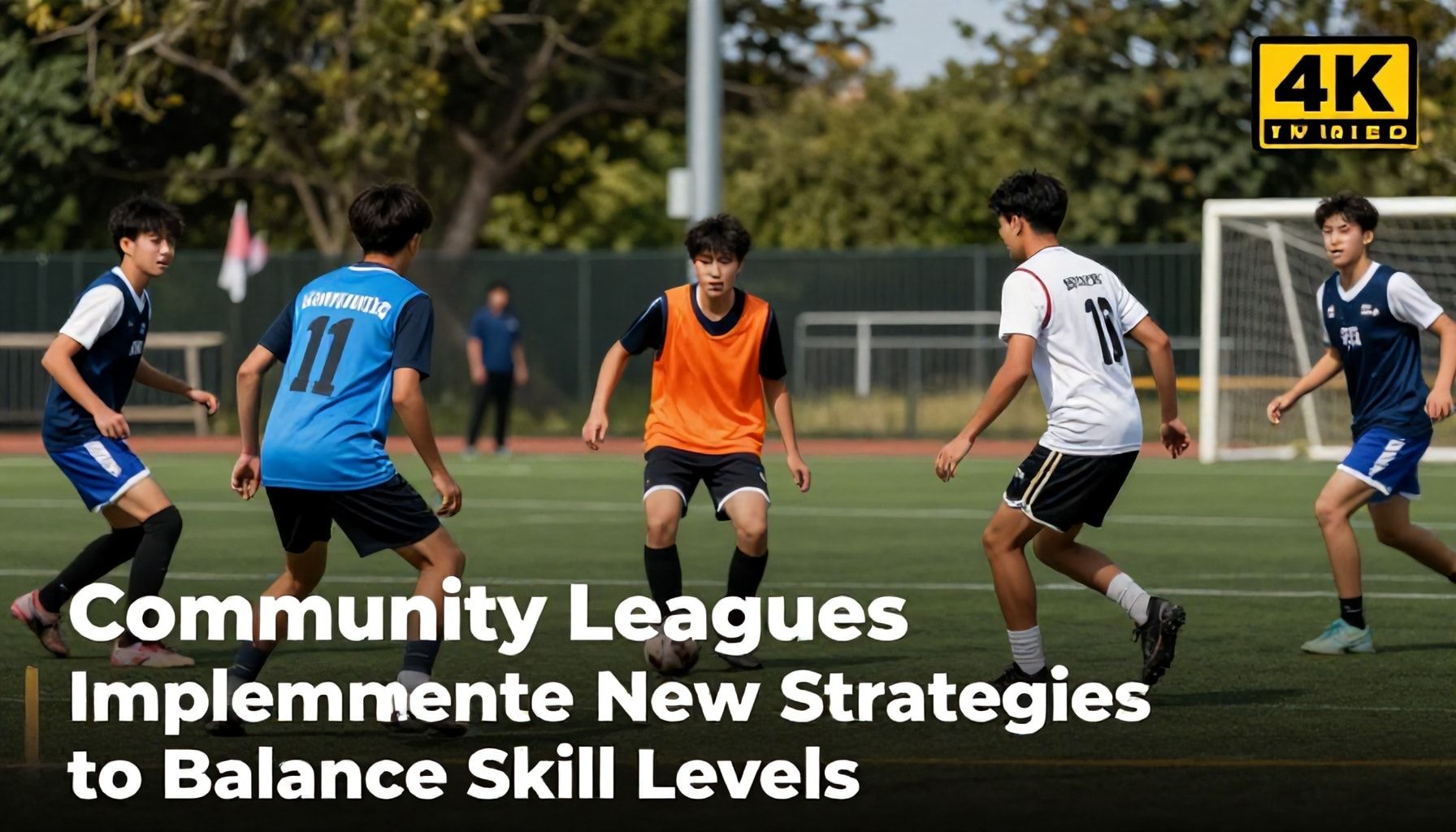
Community leagues across the country are implementing new strategies to address the persistent issue of uneven skill levels among players. The problem has long plagued local sports leagues, making games less enjoyable and competitive for many participants.
One innovative approach being adopted is the introduction of skill-based divisions. Leagues are now categorising teams into tiers based on player abilities, ensuring more balanced and fair competition. This method has already shown promise in several pilot programmes, with reports indicating higher player satisfaction and engagement.
In Manchester, the local football league has introduced a points-based system to assess team strength. Each team is evaluated at the end of each season, and divisions are adjusted accordingly. “We’ve seen a significant improvement in the overall enjoyment of the games,” said league coordinator Sarah Johnson. “Players now face more evenly matched opponents, making every match more exciting.”
Basketball leagues in London are taking a different approach by implementing a draft system. Teams pick players based on their skill levels, ensuring a more balanced distribution of talent. This method has been particularly successful in youth leagues, where skill levels can vary widely.
Some leagues are also introducing skill development workshops to help less experienced players improve. These sessions, led by volunteer coaches, focus on fundamental skills and team strategies. The initiative has been well-received, with many players reporting noticeable improvements in their performance.
Despite these efforts, some league organisers acknowledge that finding the perfect solution remains a challenge. “It’s an ongoing process,” said John Smith, a league organiser in Birmingham. “We’re constantly looking for ways to make the games more enjoyable for everyone involved.”
As community leagues continue to experiment with new strategies, the hope is that these efforts will lead to a more balanced and enjoyable playing field for all participants.
Local Teams Adapt to Address Growing Skill Disparities
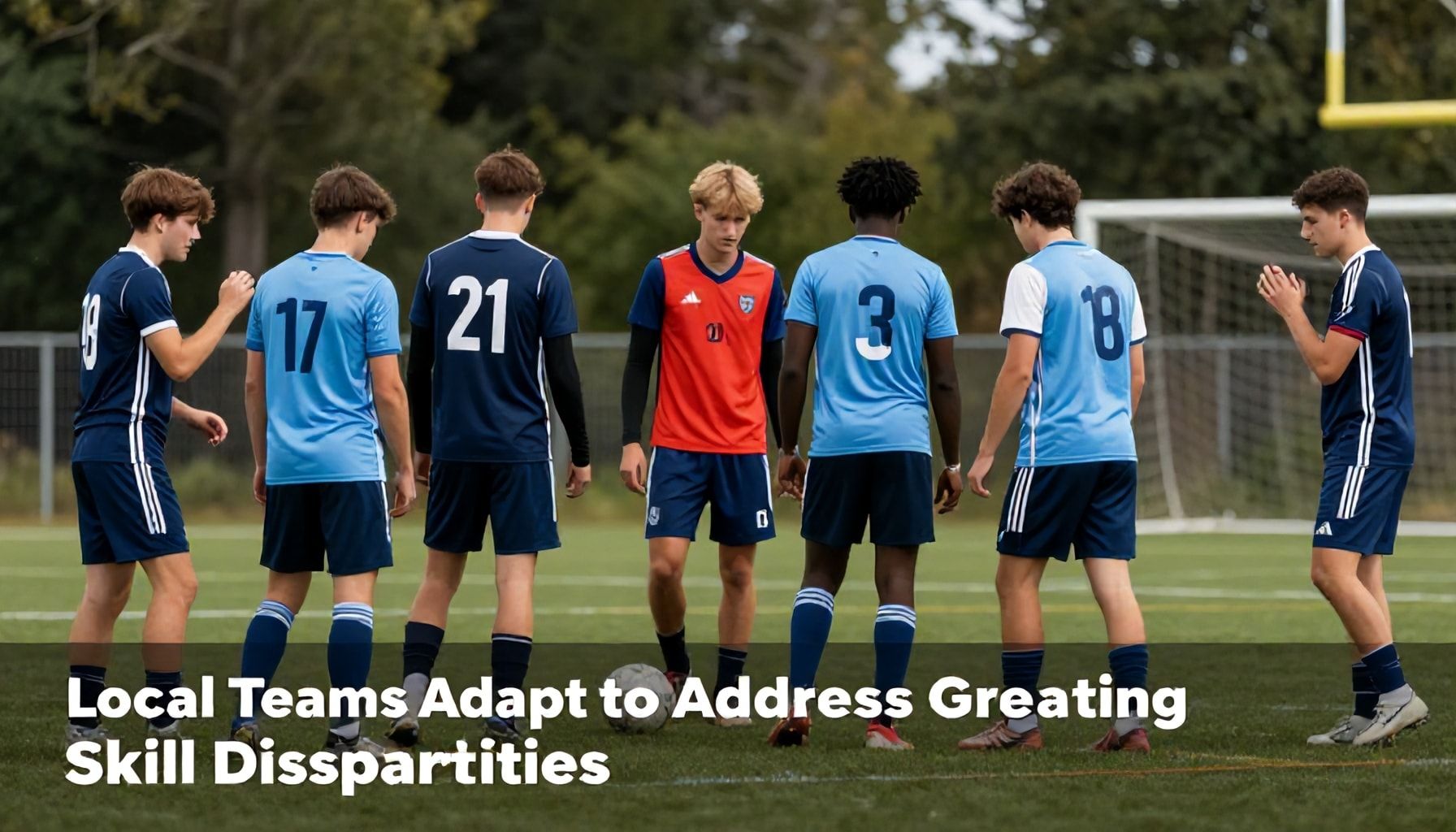
Community leagues across the country are grappling with a growing divide in player skill levels. The disparity has become increasingly apparent this season, with some teams struggling to field competitive matches. League organisers report a significant rise in participant numbers, but not all players have the same experience or ability.
Local teams are implementing innovative solutions to address the imbalance. In Manchester, the Eastside Football League has introduced a “skills ladder” system. Players are assessed and placed in groups based on their ability, allowing for more evenly matched games. “We’ve seen a 30% increase in player satisfaction since implementing the system,” says league coordinator Sarah Johnson.
Other leagues are focusing on targeted coaching initiatives. The West London Basketball Association has partnered with local schools to provide free skill-building workshops. “We’re seeing players improve rapidly,” notes head coach David Lee. “It’s not just about winning; it’s about enjoying the game and developing together.”
Some communities are turning to mixed-age and mixed-gender teams to bridge the gap. The Bristol Netball League has seen success with this approach, reporting higher participation rates and improved team dynamics. “It’s about creating an inclusive environment where everyone can thrive,” explains league president Emma Wilson.
Despite these efforts, challenges remain. Smaller leagues with limited resources find it difficult to implement such programmes. However, the commitment to addressing skill disparities is evident across the board. Community leagues are proving that adaptability and innovation can foster a more enjoyable and equitable sporting environment.
Seasonal Challenges Emerge as Skill Gaps Widen in Community Leagues
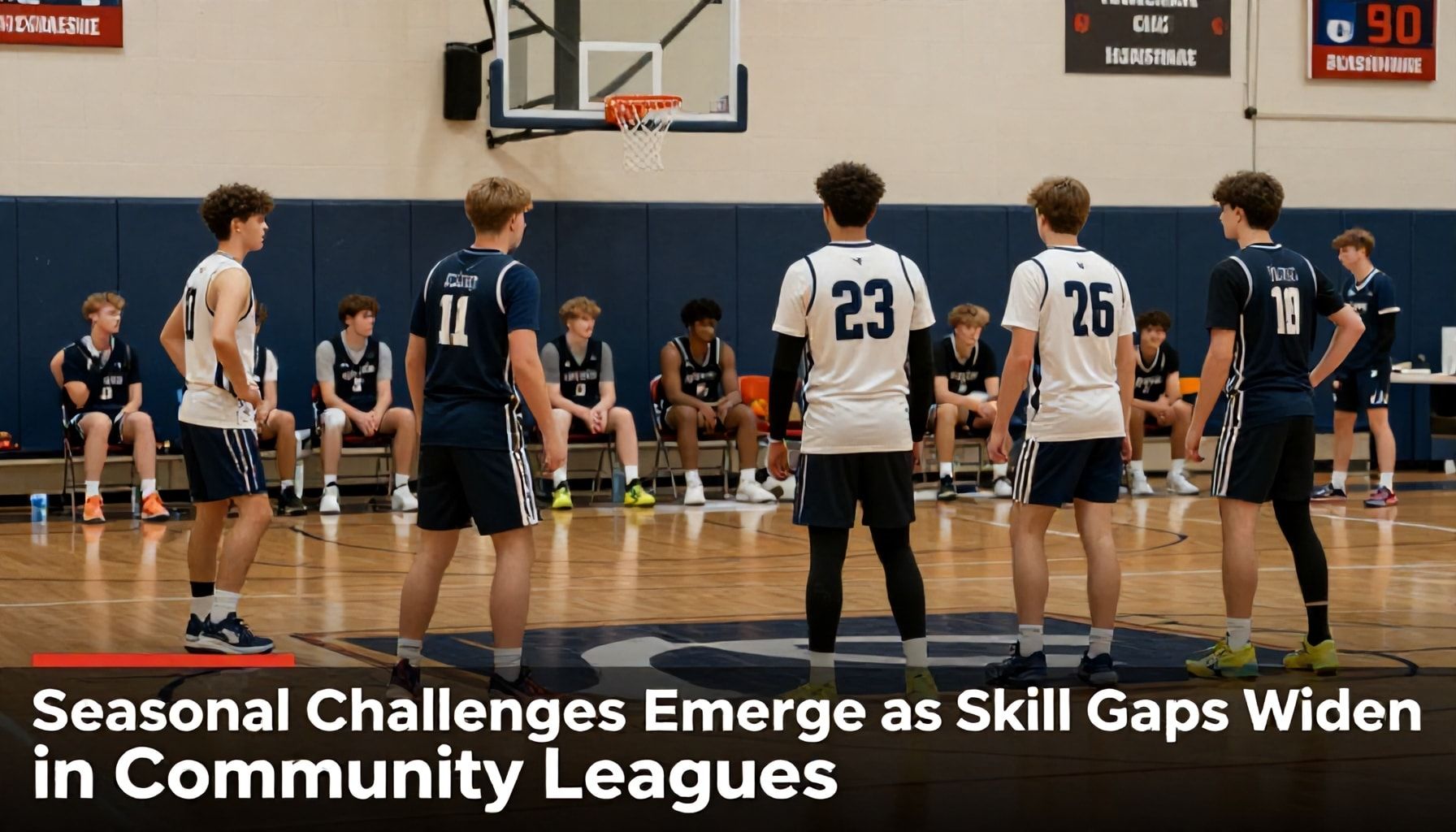
Community leagues across the country are grappling with widening skill gaps this season, creating challenges for both players and organisers. The disparity in abilities has left many leagues struggling to maintain balanced teams and engaging matches.
A recent survey by the National Community Sports Association found that 72% of leagues reported noticeable skill gaps, up from 55% last season. The increase has been attributed to a combination of factors, including the pandemic’s impact on regular play and a surge in new, less experienced participants.
Leagues have responded with various strategies to address the issue. Some have implemented skill-based divisions, while others have introduced mentorship programmes to help less experienced players improve. “We’ve seen a real mix of approaches,” said Sarah Johnson, a spokesperson for the association. “The key is finding what works best for each community.”
However, not all solutions have been met with enthusiasm. Some experienced players have expressed frustration with the changes, feeling that their competitive opportunities are being diluted. “It’s a delicate balance,” admitted Johnson. “Leagues are trying to accommodate everyone, but it’s not always straightforward.”
Despite the challenges, many leagues remain optimistic. They view the skill gaps as an opportunity to foster inclusivity and growth within their communities. “It’s about creating an environment where everyone can enjoy the game, regardless of their skill level,” said Johnson.
Innovative Solutions Tested to Harmonise Team Abilities
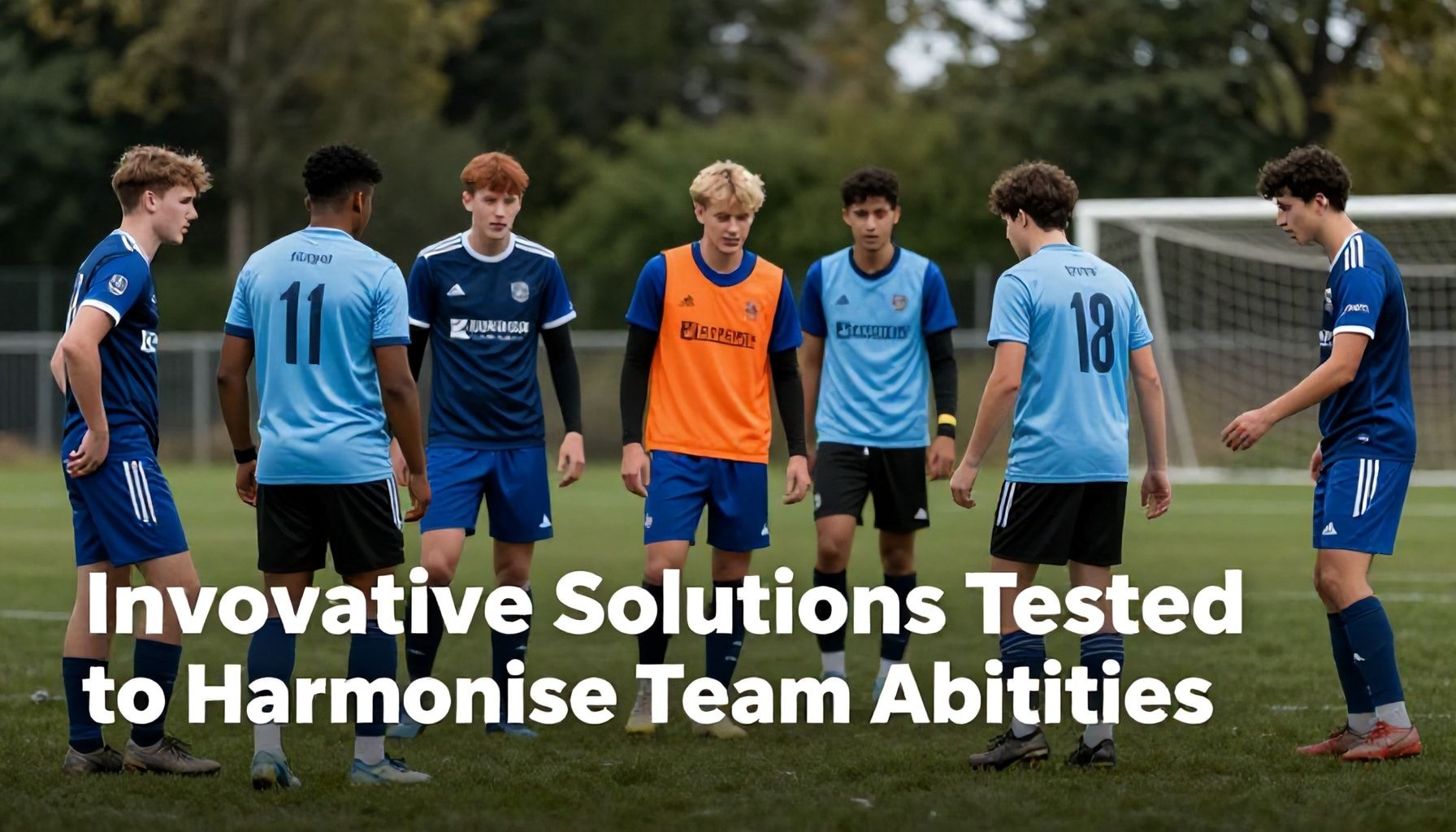
Community leagues across the country are grappling with the persistent issue of uneven skill levels among players. The disparity has led to frustration and dwindling participation, prompting leagues to test innovative solutions this season.
Local leagues have reported significant skill gaps, with some players having years of experience while others are newcomers. “We’ve seen games where one team dominates, leaving less experienced players discouraged,” says Sarah Johnson, a league coordinator in Manchester. This trend has been observed in various sports, from football to basketball.
To address the problem, some leagues are implementing skill-based divisions. “We’ve divided our league into three tiers based on ability,” explains Mark Thompson, a league organiser in Birmingham. “This ensures fairer matches and more enjoyable experiences for all players.”
Other leagues are focusing on training programmes to help less experienced players improve. “We’ve introduced weekly coaching sessions open to all participants,” says Emma Wilson, a league administrator in Leeds. “This has not only improved skills but also fostered a stronger sense of community.”
Some leagues are experimenting with mixed teams, combining experienced and novice players. “We’ve found that this approach helps newer players learn quickly and keeps games competitive,” notes David Brown, a league official in Liverpool.
The effectiveness of these solutions is still being evaluated, but early feedback suggests a positive impact. “We’re seeing more smiles on the pitch and fewer players dropping out,” Johnson observes. As the season progresses, leagues will continue to refine their approaches to create a more balanced and enjoyable playing environment.
Community Leagues Seek Equitable Play Amidst Skill Variability
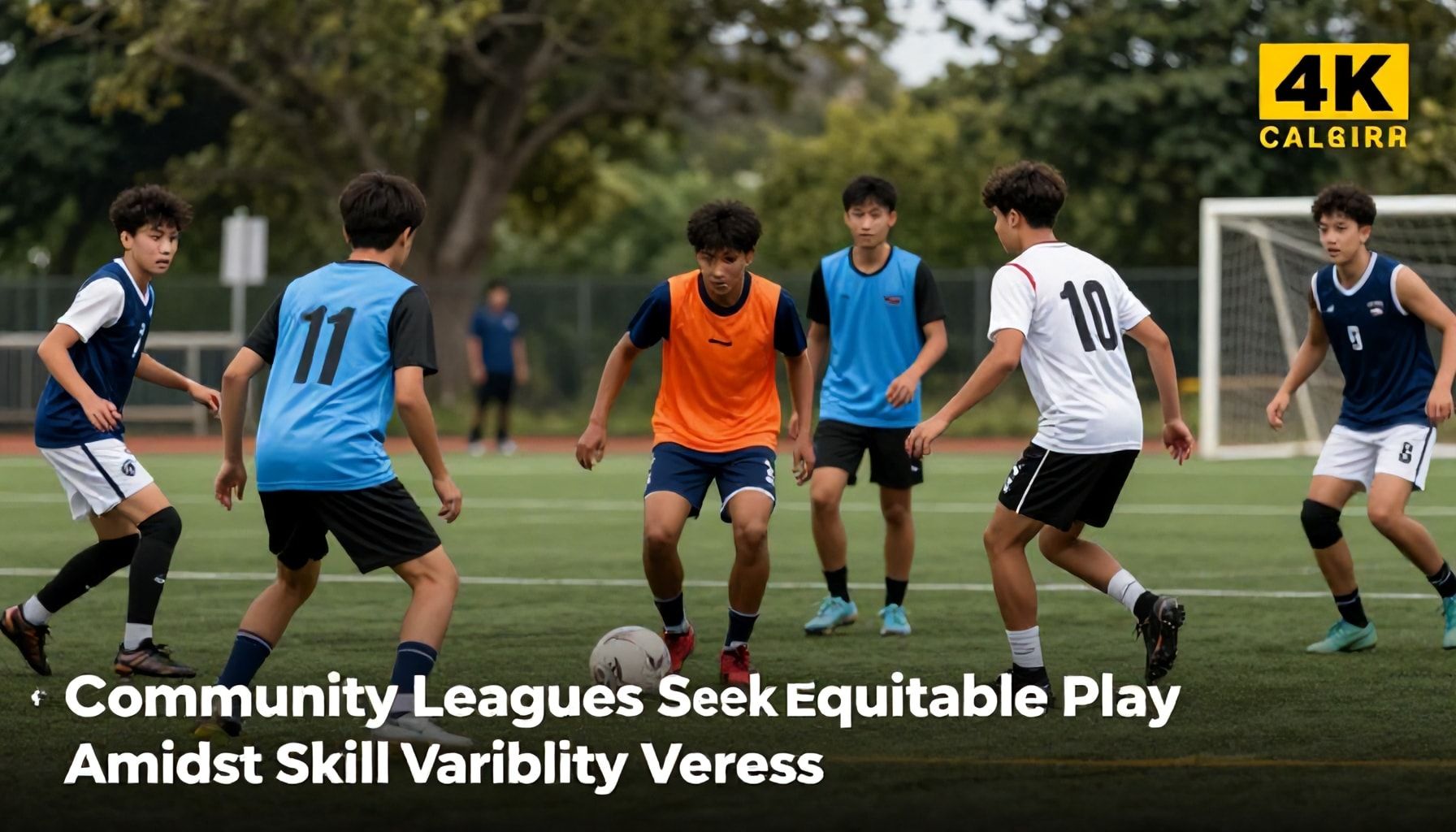
Community leagues across the country are grappling with the persistent issue of uneven skill levels among participants. The disparity has become more pronounced this season, with some players possessing advanced skills while others are still developing fundamentals.
Local league organisers report receiving complaints from both ends of the spectrum. Experienced players express frustration at the pace of games, while beginners struggle to keep up and feel discouraged. “We’ve had instances where games last for hours because one team is significantly stronger,” said Sarah Johnson, a league coordinator in Manchester.
To address the issue, many leagues are implementing skill-based divisions. The Football Association has recommended a tiered system, with separate leagues for beginners, intermediates, and advanced players. “This way, everyone gets a fair chance to develop and enjoy the game,” explained a spokesperson for the FA.
Some leagues are also introducing skill assessment days at the start of each season. Players are evaluated and placed in divisions accordingly. This approach has seen success in Birmingham, where participation rates have increased by 20% since its implementation.
However, not all leagues have the resources to implement these changes. Smaller communities often lack the infrastructure and volunteer base to manage multiple divisions. “We’re doing our best with what we have,” admitted a league organiser in a rural area.
Despite the challenges, the push for equitable play continues. Leagues are exploring innovative solutions, such as mixed-skill team formats and rotating player systems, to ensure everyone has a positive experience. The goal remains clear: to make community sports accessible and enjoyable for all.
As the season progresses, community leagues across the country continue to adapt to the challenge of uneven skill levels. Many are exploring new formats, such as mixed-ability teams or tiered competitions, to ensure all players have a positive experience. The focus remains on fostering inclusivity and enjoyment, rather than purely competitive outcomes. With these innovative approaches, organisers hope to create a more balanced and engaging environment for all participants. The long-term impact of these changes could reshape how community sports are structured in the future.






