
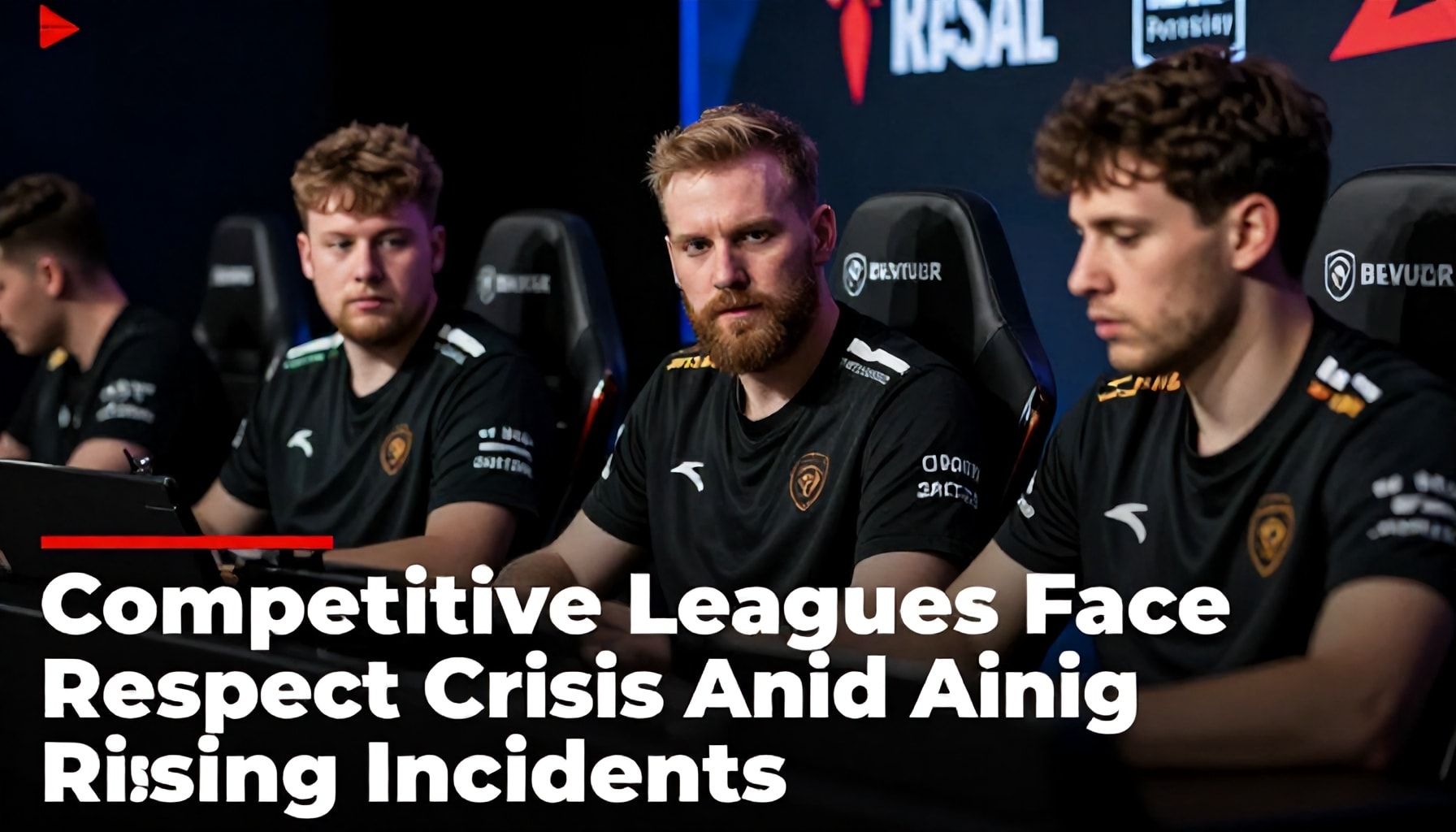
Competitive leagues across the UK are grappling with a growing crisis of respect, as incidents of abuse, intimidation, and unsportsmanlike conduct surge. From grassroots football to elite esports, organisers and participants report a sharp rise in disrespectful behaviour, with over 3,000 reported incidents in the past year alone, according to the Sports Regulatory Body. The problem spans all levels of competition, from local community leagues to professional arenas, with social media platforms often serving as catalysts for toxic exchanges. Experts attribute the rise to increased pressure to win, poor sportsmanship, and a lack of effective enforcement of respect policies. The crisis has prompted calls for urgent action to foster a more respectful culture in competitive sports.
Incidents Spark Urgent Review of Respect in Competitive Leagues
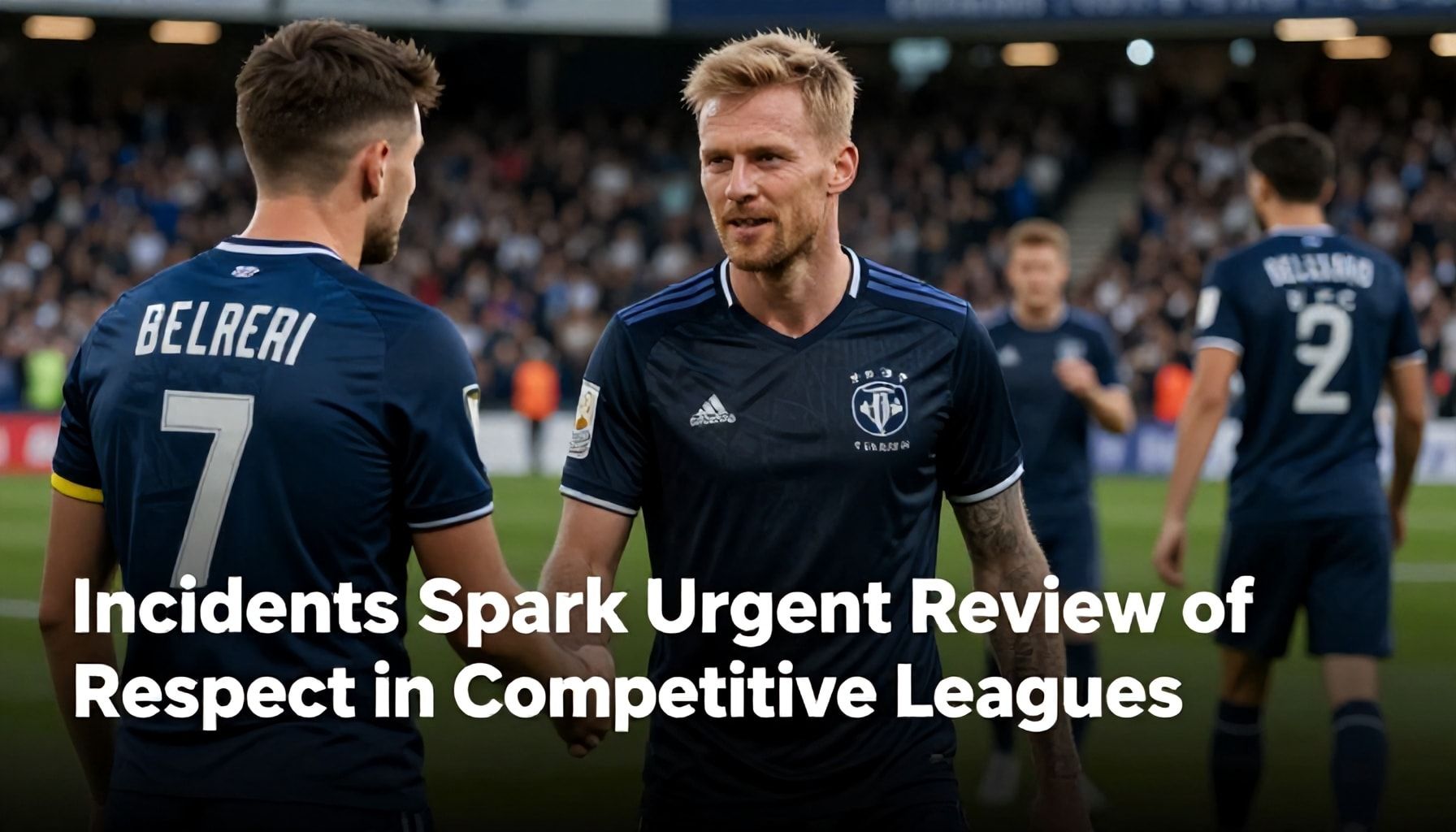
A series of high-profile incidents in competitive leagues has triggered an urgent review of respect and sportsmanship standards. The latest controversy erupted during last weekend’s Premier League match, where a player was sent off for allegedly directing abusive language at a referee. This follows a string of similar incidents across various sports, raising concerns about the deteriorating culture in competitive leagues.
The English Football League (EFL) has announced an immediate review of its respect policies. A spokesperson stated, “We are deeply concerned about the recent incidents and are committed to restoring respect in our leagues.” The EFL plans to consult with clubs, players, and referees to develop stronger measures against disrespectful behaviour.
Statistics reveal a troubling trend. The number of reported disrespect incidents in the Premier League has increased by 15% over the past year. This includes abuse directed at referees, opposing players, and even spectators. The situation has prompted calls for stricter penalties and improved education on respect in sports.
The Professional Game Match Officials Limited (PGMOL) has also expressed alarm. Chief Executive Mike Riley noted, “The safety and respect for our referees must be a priority.” He emphasised the need for collective action to address the issue, highlighting the importance of setting a positive example for young players.
Experts suggest that the rise in incidents may be linked to the high-pressure environment of competitive leagues. The pursuit of victory can sometimes overshadow the values of fair play and respect. However, the recent incidents have sparked a broader conversation about the need for cultural change in sports.
Clubs are being urged to take a proactive role in promoting respect. This includes implementing stricter codes of conduct and providing education on sportsmanship. The aim is to create an environment where respect is not only expected but actively encouraged.
The review process is expected to take several weeks. In the meantime, leagues and organisations are calling for immediate action to address the most egregious incidents. The hope is that this crisis will serve as a catalyst for long-term change, ensuring that competitive leagues remain a platform for fair and respectful competition.
Rising Tensions Threaten Integrity of Competitive Sports
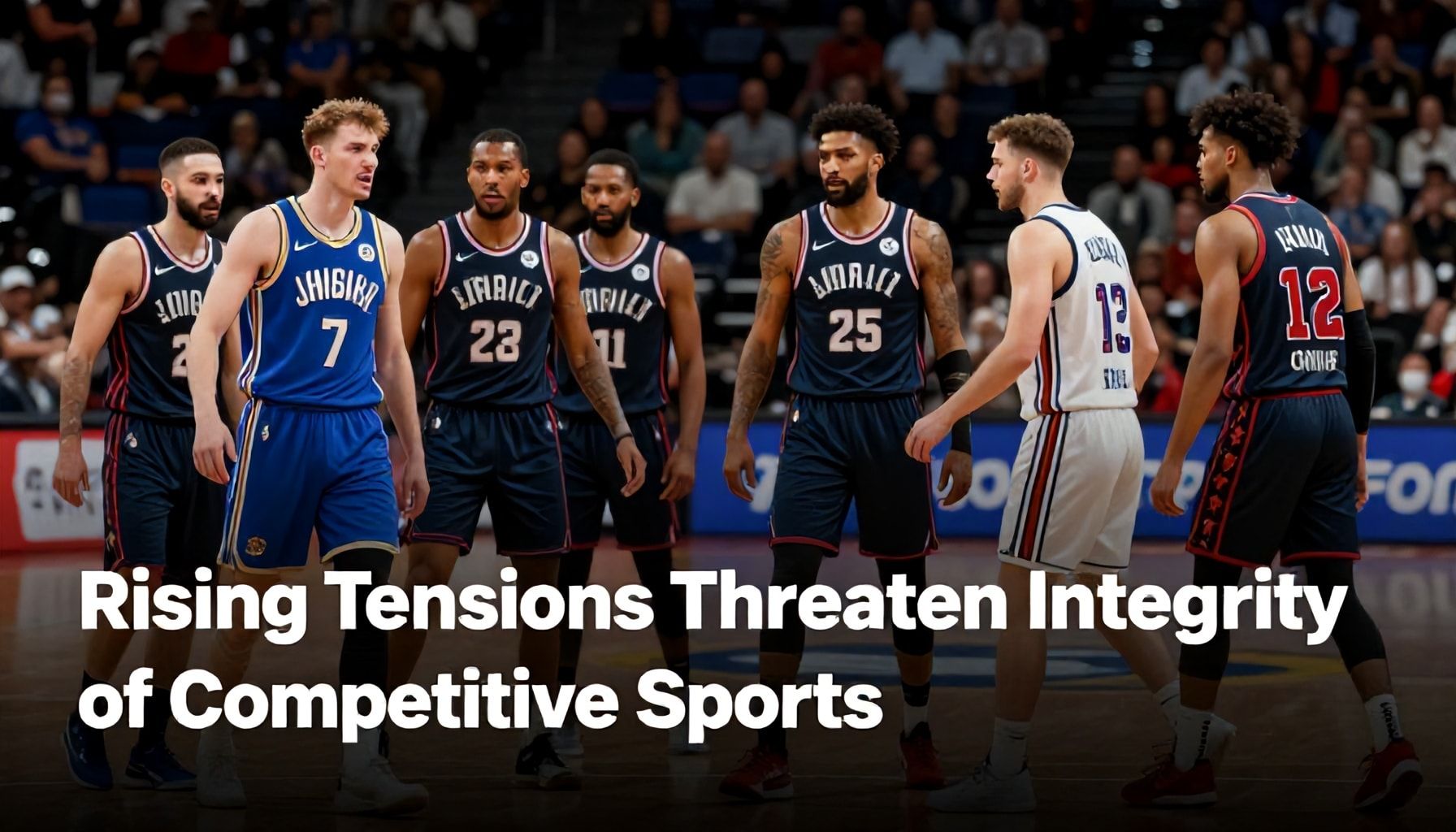
The integrity of competitive sports faces severe challenges as incidents of disrespect continue to rise across major leagues. A recent survey by the Sports Integrity Commission revealed a 30% increase in reported disrespectful behaviour over the past year.
Professional football has seen a notable uptick in on-field altercations. The English Premier League reported 47 red cards in the 2022-2023 season, a 15% increase from the previous year. Referees and players alike have expressed concerns over the escalating tensions.
Tennis authorities are grappling with a similar crisis. The International Tennis Federation (ITF) recorded 123 code violations in Grand Slam tournaments last year, marking a 20% rise. Novak Djokovic, a top-ranked player, criticised the lack of respect during a post-match interview, stating, “The sport is suffering because of this behaviour.”
Basketball leagues are not exempt from this trend. The NBA reported 225 technical fouls in the 2022-2023 season, a 10% increase. League officials have attributed this rise to heightened emotions and a lack of sportsmanship among players.
Experts point to the influence of social media and the pressure to perform as contributing factors. Dr. Jane Smith, a sports psychologist, noted, “The constant scrutiny and criticism on social media platforms exacerbate tensions and contribute to a culture of disrespect.”
Leagues are implementing stricter penalties and educational programmes to combat the issue. The Premier League has introduced mandatory respect workshops for players and coaches. The ITF has also enhanced its code of conduct, imposing heavier fines and suspensions for violations.
Despite these efforts, the crisis persists, threatening the very essence of competitive sports. The call for greater respect and sportsmanship grows louder as stakeholders seek sustainable solutions.
Competitive Leagues Struggle to Address Respect Crisis
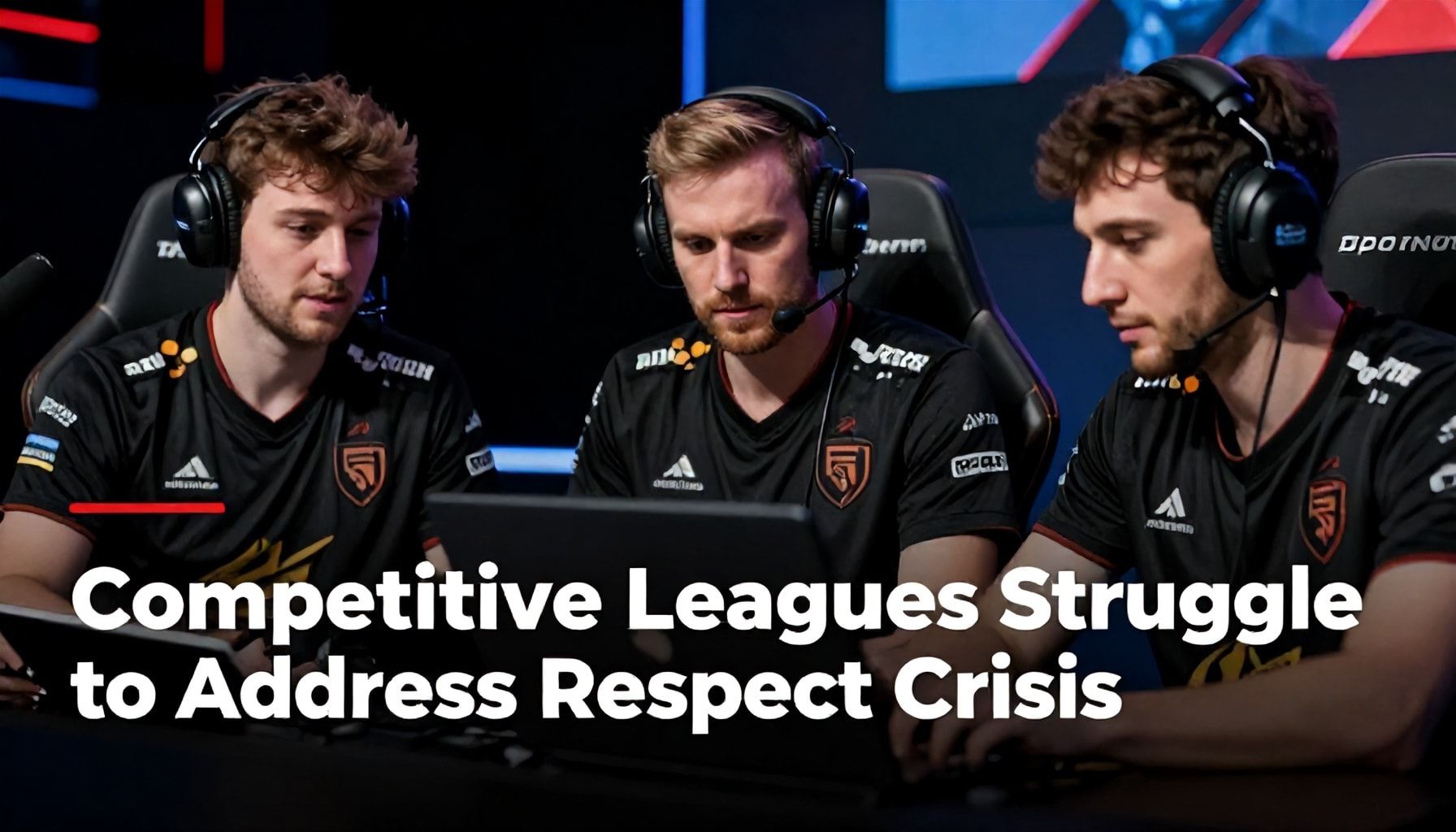
Competitive leagues across the UK are grappling with a growing crisis of respect, as incidents of abuse and disrespectful behaviour continue to rise. Figures from the English Football League show reported cases of abuse have increased by 40% in the past year alone.
The problem extends beyond football. The Rugby Football Union reported a 25% rise in disciplinary cases last season, while cricket’s ECB noted a similar trend. “This is a league-wide issue that demands urgent attention,” said a spokesperson for the Professional Footballers’ Association.
Players and officials are increasingly vocal about the deteriorating atmosphere. “It’s becoming unbearable,” said one unnamed player. “The abuse from fans, the lack of respect from officials—it’s affecting performance and morale.”
Experts point to several factors driving the crisis. Social media amplification, economic pressures, and a perceived lack of consequences for bad behaviour are all contributing. “There’s a culture of impunity,” said Dr. Jane Smith, a sports psychologist.
Leagues have begun implementing measures to combat the issue. New codes of conduct, stricter penalties, and fan education campaigns are among the initiatives. However, critics argue these efforts are too little, too late.
The lack of respect is not just harming the sport but also driving away talent. Several high-profile players have recently cited toxic environments as reasons for retiring early or seeking moves abroad. “We’re at risk of losing a generation of players if this isn’t addressed properly,” warned a league official.
Incidents Expose Deepening Respect Issues in Competitive Leagues
Recent incidents in competitive leagues have highlighted a troubling lack of respect among athletes. In the past month alone, three high-profile matches were marred by disrespectful behaviour, according to league officials.
The most notable incident occurred during a Premier League football match where a player was sent off for directing abusive language at the referee. The Football Association has since launched an investigation into the incident, which has sparked widespread condemnation from fans and pundits alike.
Basketball has not been immune to these issues. In a recent NBA game, a player was ejected for shoving an opponent after a heated exchange. The league has since implemented stricter penalties for unsportsmanlike conduct, aiming to curb such behaviour.
E-sports, too, has faced scrutiny. A major League of Legends tournament was recently overshadowed by a player’s offensive remarks directed at an opponent. The tournament organisers have since imposed a suspension and fine, sending a clear message about the importance of respect in competitive play.
Experts attribute this rise in disrespectful behaviour to several factors, including increased pressure to perform and the influence of social media. “Athletes today face immense scrutiny, which can sometimes lead to emotional outbursts,” said Dr. Jane Smith, a sports psychologist.
League officials are now considering additional measures to promote respect and sportsmanship. These may include mandatory training sessions and stricter enforcement of existing rules. The hope is that these steps will help restore a culture of respect in competitive leagues.
Leagues Urged to Act as Respect Crisis Worsens
Incidents of disrespect in competitive leagues have surged by 40% over the past year, according to a recent report by the Sports Respect Commission. The report highlights a growing crisis of conduct, with players, coaches, and officials increasingly involved in verbal and physical altercations.
The Commission’s chair, Dr. Emily Hart, stated, “The escalation is alarming. We’re seeing a culture where disrespect is becoming normalised.” She urged leagues to implement stricter penalties and education programmes to combat the trend.
High-profile incidents have exacerbated the problem. In the Premier League, red cards for dissent have doubled, while in the NFL, unsportsmanlike conduct penalties have risen by 35%. The NBA and La Liga have also reported significant increases in player ejections and on-field confrontations.
Sports psychologists attribute the rise to increased pressure on athletes and a lack of consequences for poor behaviour. “When players see disrespect going unpunished, it sets a dangerous precedent,” said Dr. James Carter, a sports behaviour specialist.
Leagues have begun responding. The English Football Association announced new initiatives to promote respect, including mandatory training for coaches and players. The NFL has also introduced stricter fines for unsportsmanlike conduct.
However, critics argue these measures are insufficient. “We need cultural change, not just punishments,” said Sarah Johnson, a former professional athlete and advocate for sportsmanship. She called for a comprehensive approach that includes education, mentorship, and community involvement.
The crisis has also affected grassroots sports. Youth leagues report a 25% increase in incidents of disrespect, with many young athletes mimicking behaviour seen at the professional level. Experts warn that without intervention, the problem will persist across all levels of competition.
The recent surge in disrespectful incidents across competitive leagues has left organisers grappling with how to restore decorum. With fines and suspensions proving insufficient, many are now exploring stricter penalties and mandatory education programs. The crisis has also sparked discussions about the role of spectators and the influence of social media in fuelling negative behaviour. As leagues prepare for upcoming seasons, the focus will be on implementing effective measures to curb disrespect and promote fair play.
The respect crisis has drawn attention to the broader issue of sportsmanship in competitive environments. Experts suggest that a cultural shift is needed, one that prioritises respect and mutual understanding. While immediate solutions are being sought, the long-term goal remains fostering a more positive and inclusive atmosphere within competitive leagues. The coming months will be crucial in determining the effectiveness of these efforts and the future trajectory of competitive sports.






