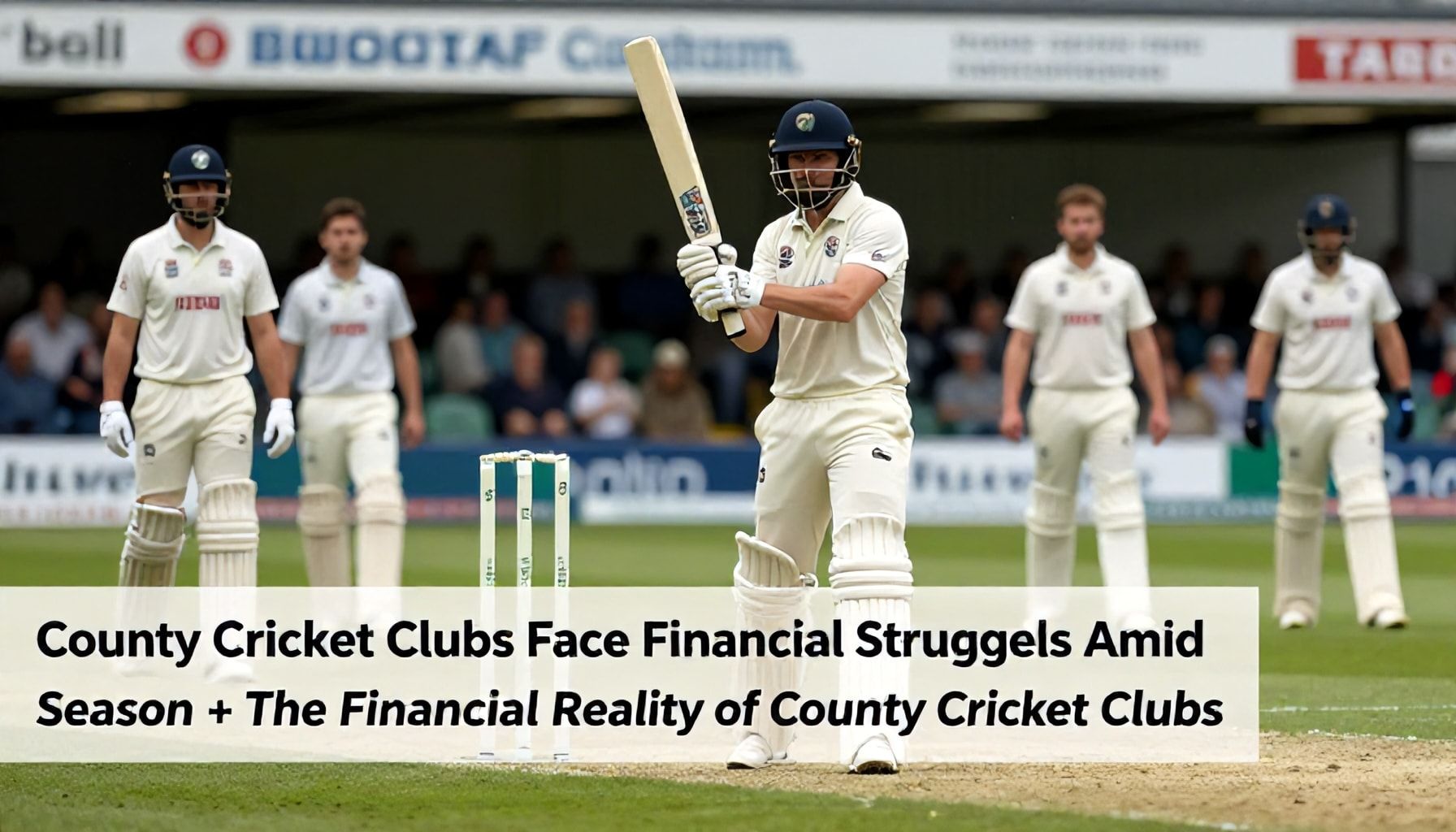
County cricket clubs across England and Wales are grappling with severe financial difficulties as the 2023 season progresses, with at least six clubs at risk of administration, according to a report by the Professional Cricketers’ Association (PCA). The crisis, exacerbated by the COVID-19 pandemic and rising costs, has left clubs like Glamorgan, Northamptonshire, and Durham facing significant financial shortfalls, with debts ranging from £2 million to £5 million. The situation has prompted urgent discussions among county chairmen, the England and Wales Cricket Board (ECB), and the PCA to find sustainable solutions. The financial strain threatens the future of the domestic game, with potential job losses and reduced investment in youth development programmes. The ECB has acknowledged the challenges but has not yet announced a comprehensive rescue package.
County Cricket Clubs Brace for Financial Crisis
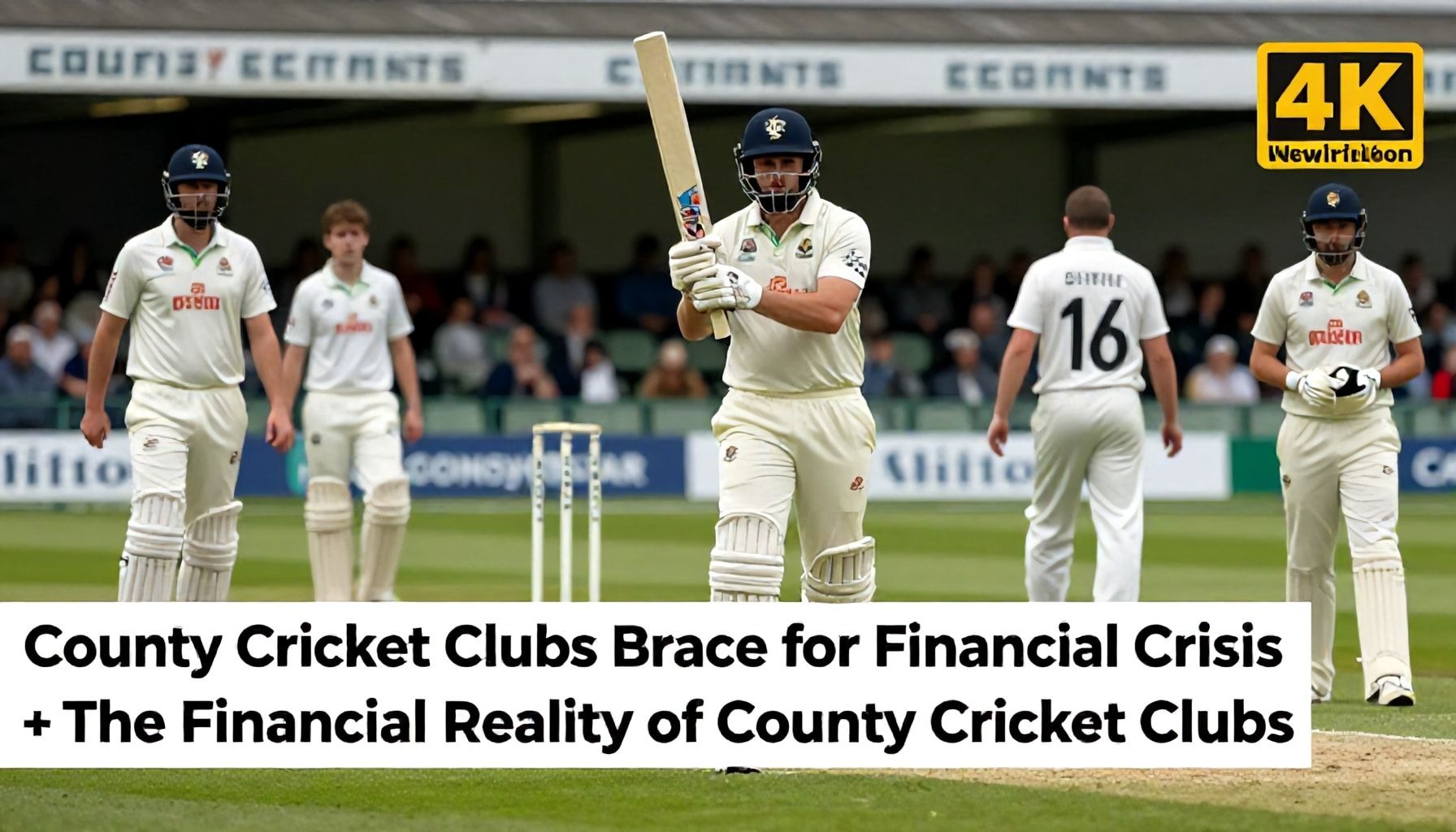
County cricket clubs across England and Wales are confronting severe financial challenges as the 2023 season unfolds. The situation has been exacerbated by the COVID-19 pandemic, which disrupted revenue streams and increased operational costs. Clubs are now grappling with the aftermath, with some facing existential threats.
The England and Wales Cricket Board (ECB) has acknowledged the financial strain on county clubs. Tom Harrison, ECB Chief Executive, stated in a recent interview, “The financial impact of the pandemic has been significant. We are working closely with counties to mitigate the effects and ensure the long-term sustainability of the game.”
Revenue losses have been substantial. Clubs have reported a collective shortfall of over £50 million since the start of the pandemic. This includes lost gate receipts, reduced sponsorship deals, and decreased broadcasting revenue. The absence of spectators during lockdowns dealt a particularly heavy blow.
Operational costs have also risen sharply. Clubs have had to invest in enhanced safety measures and infrastructure upgrades to comply with new regulations. These expenses have further strained already tight budgets. Some clubs have resorted to cost-cutting measures, including staff redundancies and salary cuts.
The financial crisis has highlighted the precarious nature of county cricket’s funding model. Clubs rely heavily on matchday revenue and sponsorship, both of which have been volatile in recent years. Experts suggest a more diversified revenue strategy is needed to ensure long-term stability.
Despite the challenges, there are signs of resilience. Some clubs have successfully secured new sponsorship deals and grants. The ECB has also announced a £20 million support package to help counties weather the storm. However, the road to recovery remains uncertain.
The financial struggles of county cricket clubs serve as a stark reminder of the broader issues facing the sport. As the season progresses, the focus will be on finding sustainable solutions to secure the future of county cricket. The next few months will be critical in determining the fate of these historic institutions.
Season Suspension Threatens County Cricket's Financial Stability
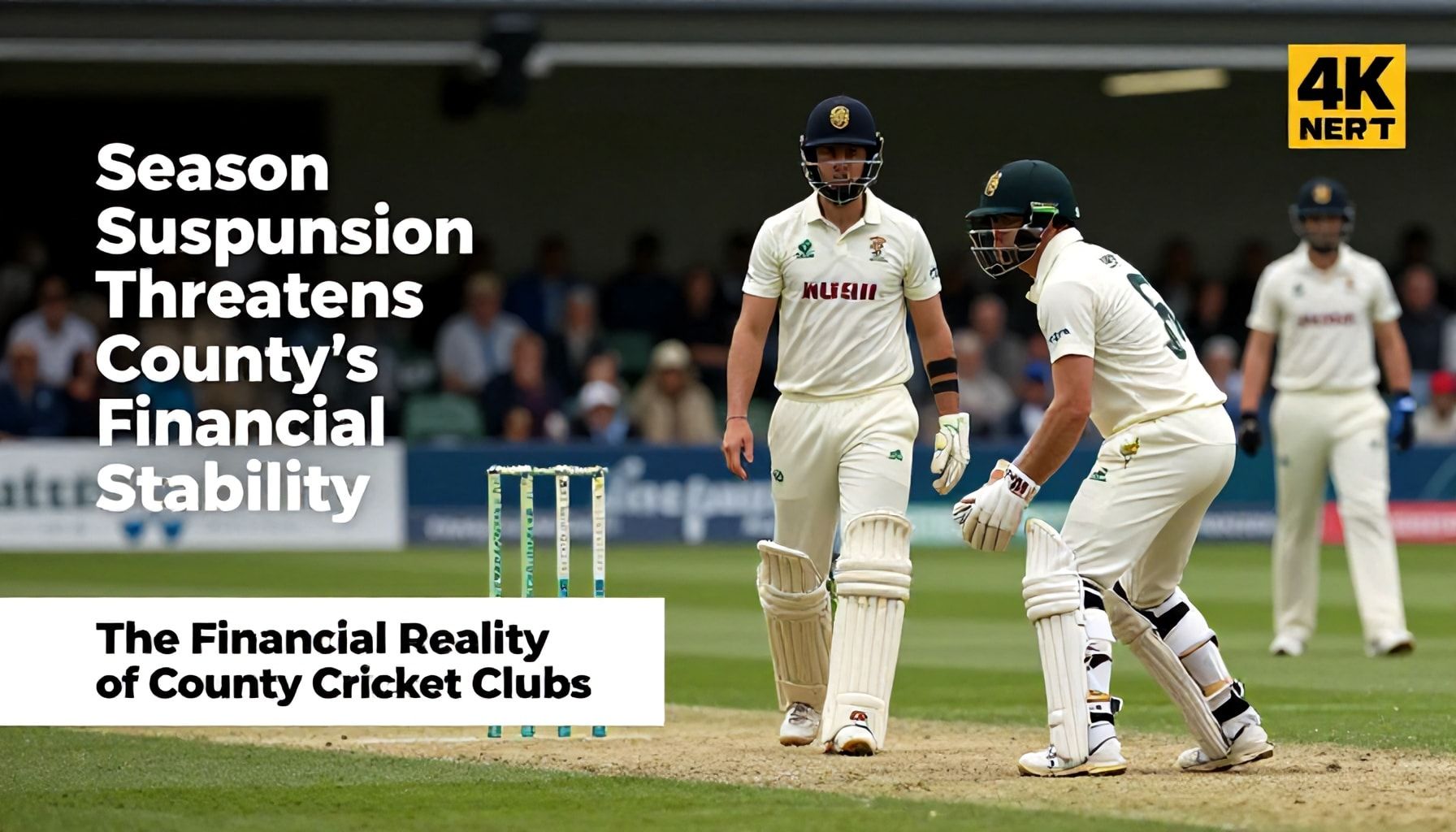
County cricket clubs across England and Wales are facing severe financial challenges as the threat of a season suspension looms. The England and Wales Cricket Board (ECB) has warned that without a resolution to the ongoing pay disputes, the domestic season may not proceed as planned. This uncertainty has already begun to impact clubs’ revenue streams and operational capabilities.
The ECB’s latest financial report reveals a stark reality: county clubs are collectively facing a shortfall of over £40 million. This figure includes lost revenue from matchday ticket sales, sponsorship deals, and broadcasting rights. The suspension of the season would exacerbate these losses, pushing some clubs to the brink of insolvency.
Clubs have already taken drastic measures to cut costs. Staff redundancies, wage cuts, and deferred payments have become commonplace. The Professional Cricketers’ Association (PCA) has expressed concern over the mental health and well-being of players affected by these measures. “The situation is dire,” said PCA Chief Executive, Tom Harrison. “Players are bearing the brunt of these financial struggles, and it’s crucial that their welfare is prioritised.”
The ECB has urged all stakeholders to engage in constructive dialogue to find a resolution. However, time is running out. With the start of the season just weeks away, the pressure is mounting on clubs to secure their financial futures. The outcome of these discussions will determine not only the fate of the upcoming season but also the long-term stability of county cricket.
County Cricket Clubs Seek Emergency Funding
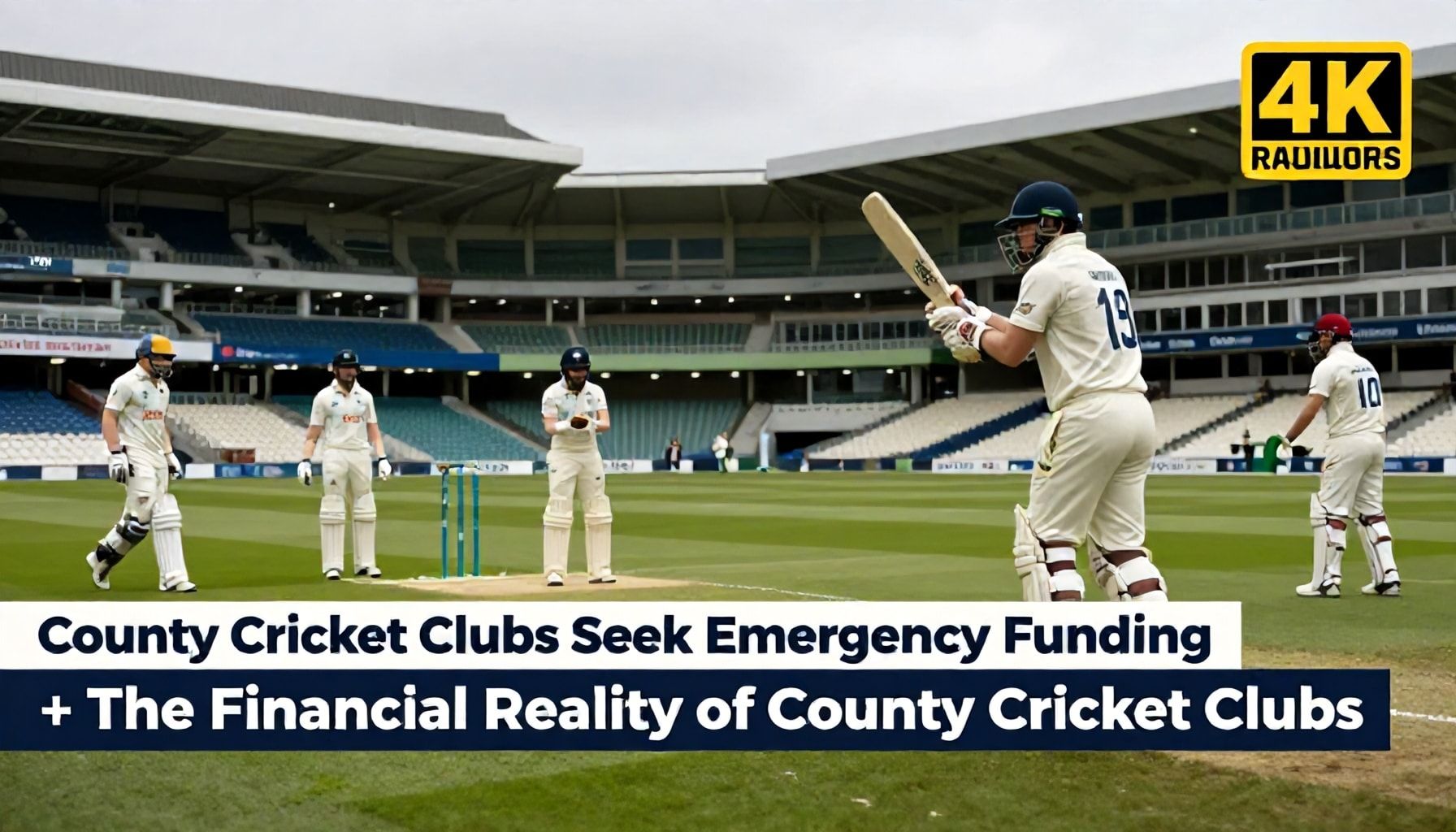
County cricket clubs across England and Wales are facing severe financial difficulties, with many now seeking emergency funding to survive the current season. The crisis stems from a combination of factors, including reduced matchday revenue, lower sponsorship deals, and the ongoing impact of the COVID-19 pandemic.
The England and Wales Cricket Board (ECB) has acknowledged the severity of the situation. Tom Harrison, ECB Chief Executive, stated in a recent press conference that the board is actively working with clubs to provide support. “We recognise the challenges faced by our county clubs,” Harrison said. “We are exploring various avenues to offer financial assistance and ensure the sustainability of the game at all levels.”
Several clubs have already taken drastic measures to cut costs. Lancashire Cricket Club, for instance, has announced plans to furlough a significant portion of its non-playing staff. Meanwhile, Somerset Cricket Club has reduced its coaching staff and put a freeze on new recruitment.
The financial strain is not limited to the first-class counties. Clubs in the minor counties and women’s cricket have also reported significant losses. The Women’s Cricket Association has called for urgent government intervention to prevent further job losses and club closures.
Despite the challenges, some clubs are optimistic about the future. Surrey Cricket Club has launched a crowdfunding campaign to engage fans and secure additional funding. The campaign has already raised over £50,000, demonstrating the strong support from the local community.
The ECB has urged fans to continue supporting their local clubs, either through attending matches or making donations. “The passion and support of our fans are crucial during this difficult time,” Harrison added. “Every contribution, no matter how small, makes a significant difference.”
As the season progresses, the financial situation of county cricket clubs remains uncertain. The ECB and individual clubs are working tirelessly to navigate the crisis and ensure the future of the sport at the county level.
Behind the Scenes: County Cricket's Financial Struggles

County cricket clubs in England and Wales are grappling with significant financial challenges, threatening the future of the domestic game. The ECB’s annual report reveals that the 18 first-class counties collectively reported a loss of £22.5 million for the 2022 season. This follows a £40 million loss in 2021, highlighting a worsening financial crisis.
The financial strain is primarily due to a decline in revenue streams, including matchday income and commercial partnerships. The COVID-19 pandemic exacerbated these issues, with many clubs struggling to recover from the losses incurred during the lockdowns. The ECB’s chief executive, Tom Harrison, acknowledged the severity of the situation, stating, “The financial challenges facing our counties are real and urgent.”
Several counties have already taken drastic measures to cut costs. Somerset, for instance, made 25 staff redundant in 2022, while Lancashire announced plans to reduce its playing staff by 10%. These decisions underscore the harsh reality facing clubs as they strive to balance their books.
The financial struggles are not uniform across all counties. Some clubs, like Yorkshire and Surrey, have reported profits, thanks to strong commercial deals and successful youth development programmes. However, these success stories are exceptions rather than the norm.
The ECB has pledged to support the counties through various initiatives, including increased funding and revenue-sharing agreements. Harrison emphasised the importance of collaboration, saying, “We must work together to ensure the long-term sustainability of county cricket.”
Despite these efforts, the financial outlook remains bleak for many clubs. The ECB’s report warns that without significant intervention, the future of some counties could be at risk. The coming months will be crucial in determining the fate of the domestic game.
The Future of County Cricket Hangs in the Balance

County cricket clubs across England and Wales are grappling with severe financial challenges that threaten their very existence. The ongoing season has seen clubs struggle with reduced revenues due to limited attendance and sponsorship deals, compounded by the lingering effects of the COVID-19 pandemic.
Revenue streams have dried up significantly. Traditional sources of income, such as gate receipts and hospitality packages, have plummeted. The England and Wales Cricket Board (ECB) reported that county clubs have lost millions of pounds in the past two years. The ECB’s Chief Executive Officer, Tom Harrison, acknowledged the crisis, stating, “The financial situation is dire, and urgent action is needed to safeguard the future of county cricket.”
Debt levels have reached alarming heights. Many clubs are burdened with substantial debts, some dating back years. For instance, Lancashire County Cricket Club revealed earlier this year that it owes over £10 million. Similarly, Somerset County Cricket Club has disclosed debts exceeding £8 million. These financial burdens are exacerbating the crisis, making it difficult for clubs to operate sustainably.
Cost-cutting measures are being implemented. Clubs are reducing expenses wherever possible. Staff layoffs, salary cuts, and the cancellation of non-essential projects are becoming common. The Professional Cricketers’ Association (PCA) has expressed concern over the impact on players and staff. PCA Chief Executive, Tony Irish, commented, “The situation is precarious, and we are working closely with clubs to mitigate the impact on our members.”
The future of county cricket hangs in the balance. Without immediate intervention, the survival of some clubs is at risk. The ECB and other stakeholders are exploring various options to support the clubs. However, the path forward remains uncertain, and the cricket community watches with bated breath.
As the season progresses, the financial strain on county cricket clubs continues to mount. With reduced matchday revenues and sponsorship challenges, many clubs are grappling with difficult decisions. The ECB’s financial support package offers some relief, but long-term sustainability remains a concern. Clubs are now looking at innovative ways to engage fans and secure alternative revenue streams. The future of county cricket hinges on these adaptations, as the sport navigates an uncertain financial landscape.