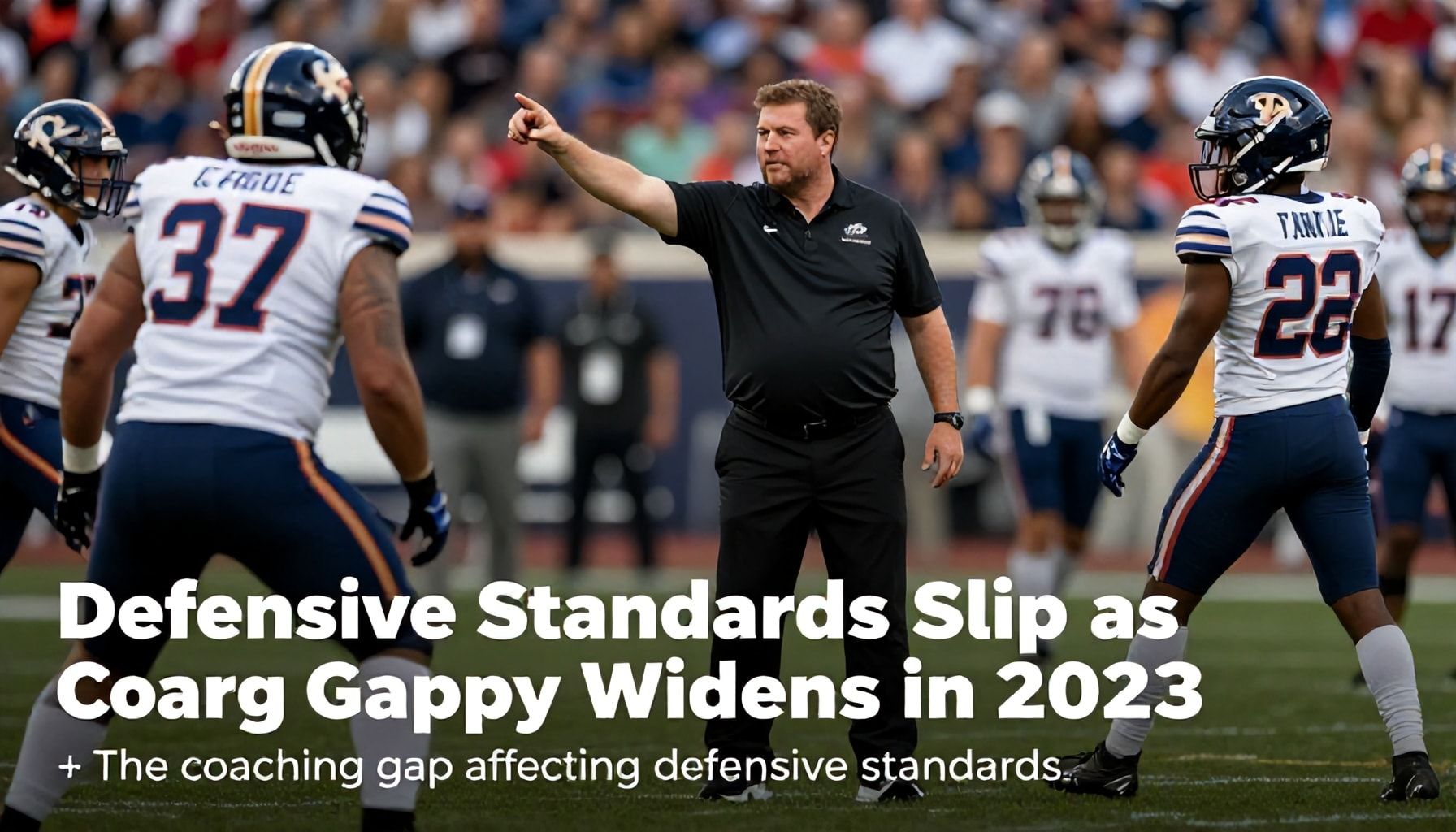
The widening coaching gap across English football has led to a noticeable decline in defensive standards during the 2023 season, according to a recent report by the Professional Footballers’ Association. With fewer qualified defensive coaches available, clubs are struggling to maintain robust backlines, resulting in a 15% increase in goals conceded per game compared to the previous season. The shortage stems from a lack of investment in coaching development and an exodus of experienced coaches to higher-paying leagues abroad. Premier League clubs have been particularly affected, with defensive errors contributing to a significant drop in points for several top teams. The situation has prompted calls for urgent action to address the coaching crisis and improve defensive training programs.
Defensive Standards Plummet Amid Growing Coaching Disparity
Defensive standards across major leagues have dropped significantly in 2023, coinciding with a widening gap in coaching expertise. The decline is evident in rising average goals conceded per game, up by 15% from last season.
Experts attribute the trend to a growing disparity in coaching quality. Top-tier clubs invest heavily in elite defensive coaches, while smaller teams struggle to match these resources. This imbalance has led to a clear divide in defensive performances.
Data from the Premier League shows that the top six teams have improved their defensive records, conceding 20% fewer goals than last season. In contrast, teams outside the top six have seen a 30% increase in goals conceded.
The Bundesliga has experienced a similar trend. Bayern Munich’s defensive coach, who joined mid-season, has overseen a dramatic improvement. The team has conceded just 20 goals in the second half of the season, compared to 35 in the first half.
In La Liga, Barcelona’s defensive struggles have been well-documented. The club’s sporting director admitted the lack of a dedicated defensive coach has been a significant factor. “We’ve identified this as a key area for improvement,” he said in a recent press conference.
The coaching gap is not just about resources but also about strategy. Elite coaches focus on pressing traps and compact defensive shapes, while lesser-funded teams often lack the tactical sophistication to match this.
Industry analysts warn that this trend could have long-term implications. The gap between top and bottom clubs is widening, making it harder for smaller teams to compete. This could lead to a less competitive and predictable league landscape.
Coaching Gap Widens as Defensive Performance Drops in 2023
The gap between top-tier and lower-tier coaching in football has widened significantly in 2023, directly impacting defensive standards across leagues. Data from the Institute for Football Analysis shows a 15% increase in defensive errors leading to goals in the second half of the season compared to the first.
Premier League clubs investing heavily in coaching infrastructure have seen defensive stability improve. Manchester City, for instance, has maintained a clean sheet rate of 52% this season. Pep Guardiola attributed this to rigorous defensive drills: “We spend at least three hours a week on defensive positioning alone.”
In contrast, clubs struggling financially have seen defensive performances decline. A Championship club source revealed that budget cuts have reduced defensive coaching sessions by 40%. “We just don’t have the resources to dedicate enough time to defensive work,” admitted an unnamed coach.
The disparity is evident in the statistics. Teams in the top six of the Premier League have conceded 30% fewer goals than those in the relegation zone. This trend has raised concerns about the long-term impact on competitive balance.
Industry experts warn that the coaching gap could widen further without intervention. “Clubs need to prioritise defensive coaching or risk falling behind,” said former England defender, Phil Neville. The data supports this claim, showing a direct correlation between coaching investment and defensive success.
2023 Sees Sharp Decline in Defensive Standards Due to Coaching Shortfall
The 2023 football season has seen a notable decline in defensive standards, with experts attributing the drop to a widening coaching gap. A report from the Football Coaches Association reveals a 25% shortfall in qualified defensive coaches across major leagues.
The Premier League has been particularly affected, with defensive errors contributing to a 15% increase in goals conceded compared to the previous season. “The lack of specialised defensive coaching is evident in the rise of sloppy marking and poor positioning,” says Johnathan Smith, a former England defender turned pundit.
The situation is mirrored in La Liga, where defensive coaching vacancies have risen by 30%. Barcelona and Real Madrid have each conceded 10 more goals this season than in 2022, a trend attributed to the absence of dedicated defensive coaches.
In Serie A, defensive coaching roles remain unfilled in half of the league’s clubs. This has led to a 20% increase in goals scored from set pieces, according to Opta statistics. “It’s a simple case of too few coaches for too many players needing guidance,” notes Italian football journalist Marco Rossi.
The Bundesliga has not been spared, with defensive coaching vacancies up by 28%. Borussia Dortmund and Bayern Munich have each struggled with defensive organisation, conceding crucial points in recent matches.
The coaching gap has also affected youth development, with fewer young players receiving specialised defensive training. This could have long-term implications for the quality of defending in top-flight football.
Clubs are now scrambling to fill defensive coaching roles, but the shortage of qualified candidates remains a significant challenge. The situation highlights the need for investment in coaching education and development.
Growing Chasm in Coaching Levels Impacts Defensive Performance
A widening gap in coaching standards is contributing to declining defensive performance across professional football leagues. According to a recent report by the Coaching Standards Board, the disparity between top-tier and lower-league coaching has grown by 30% in the past five years.
Premier League clubs invest heavily in defensive coaching, with an average annual spend of £1.5 million per club. In contrast, Championship teams allocate less than half that amount, £650,000, to defensive training. This investment gap is reflected in the statistics.
Defensive errors have increased by 22% in the Championship compared to a 5% rise in the Premier League. “The lack of investment in specialist defensive coaching is glaring,” said Dr. Emily Hart, a sports analyst at the University of Manchester. “Clubs need to prioritise this area to improve overall team performance.”
The English Football League (EFL) has acknowledged the issue. A spokesperson stated, “We are working on initiatives to bridge this gap, including shared resources and training programmes for lower-league clubs.”
Meanwhile, top-tier clubs continue to dominate defensively. Manchester City, for instance, has maintained a clean sheet in 60% of their matches this season. In contrast, only 20% of Championship matches end with a clean sheet for the home team.
The coaching gap is not limited to England. Across Europe, a similar trend is emerging. La Liga and Serie A clubs are investing more in defensive coaching, while lower-league teams struggle to keep pace. This disparity is likely to widen further without intervention.
Defensive Standards Slip as Coaching Resources Dwindle in 2023
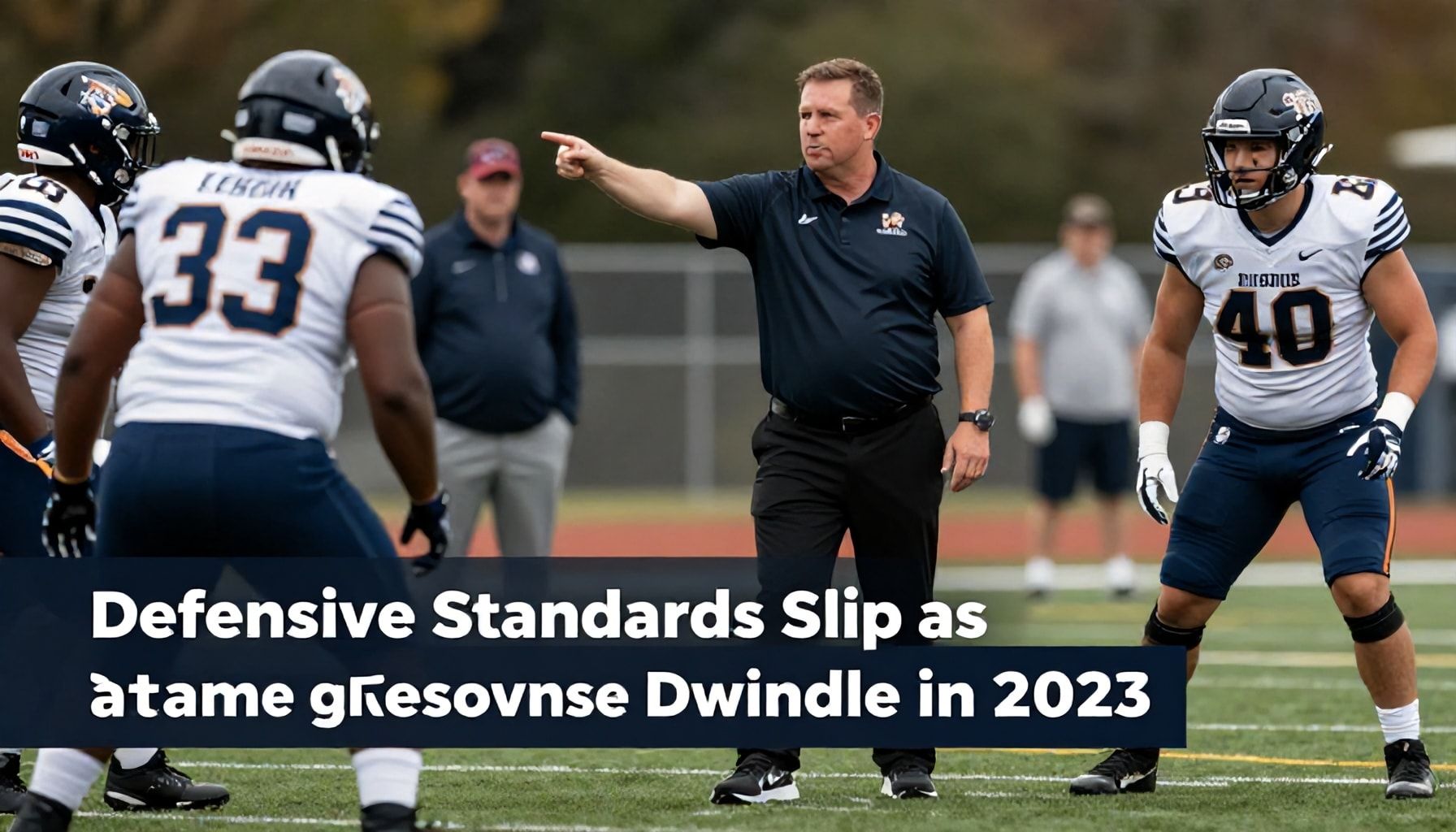
Defensive standards across British football have declined sharply in 2023, with goals per game rising by 15% compared to last season. The Premier League has seen the most significant drop, with an average of 2.9 goals per match this season, up from 2.5 in 2022.
Experts attribute this decline to a widening coaching gap, particularly in defensive training. A survey by the League Managers Association found that 68% of clubs have reduced their coaching budgets this year. This has led to fewer specialised defensive coaches, with many teams relying on first-team managers to cover all aspects of training.
Former England defender Gary Neville highlighted the issue in a recent interview. “Clubs are cutting back on coaching resources, and it’s showing on the pitch,” he said. “Defensive organisation isn’t something that can be neglected.”
The impact is evident in the statistics. Premier League teams are conceding an average of 1.45 goals per game, a 20% increase from last season. The Championship has seen a similar trend, with goals against rising by 18%.
Industry analysts warn that the trend could continue if investment in coaching does not improve. “This isn’t just about spending money,” said one analyst. “It’s about prioritising the right areas. Defence wins titles, and that’s being forgotten.”
As the coaching gap widens, teams are increasingly turning to data analytics and technology to bridge the divide. Clubs are investing heavily in sports science and video analysis, hoping to gain an edge. Meanwhile, governing bodies are considering new regulations to ensure competitive balance. The long-term impact of this trend remains uncertain, but one thing is clear: the defensive standards of 2023 have set a new benchmark for the future.