
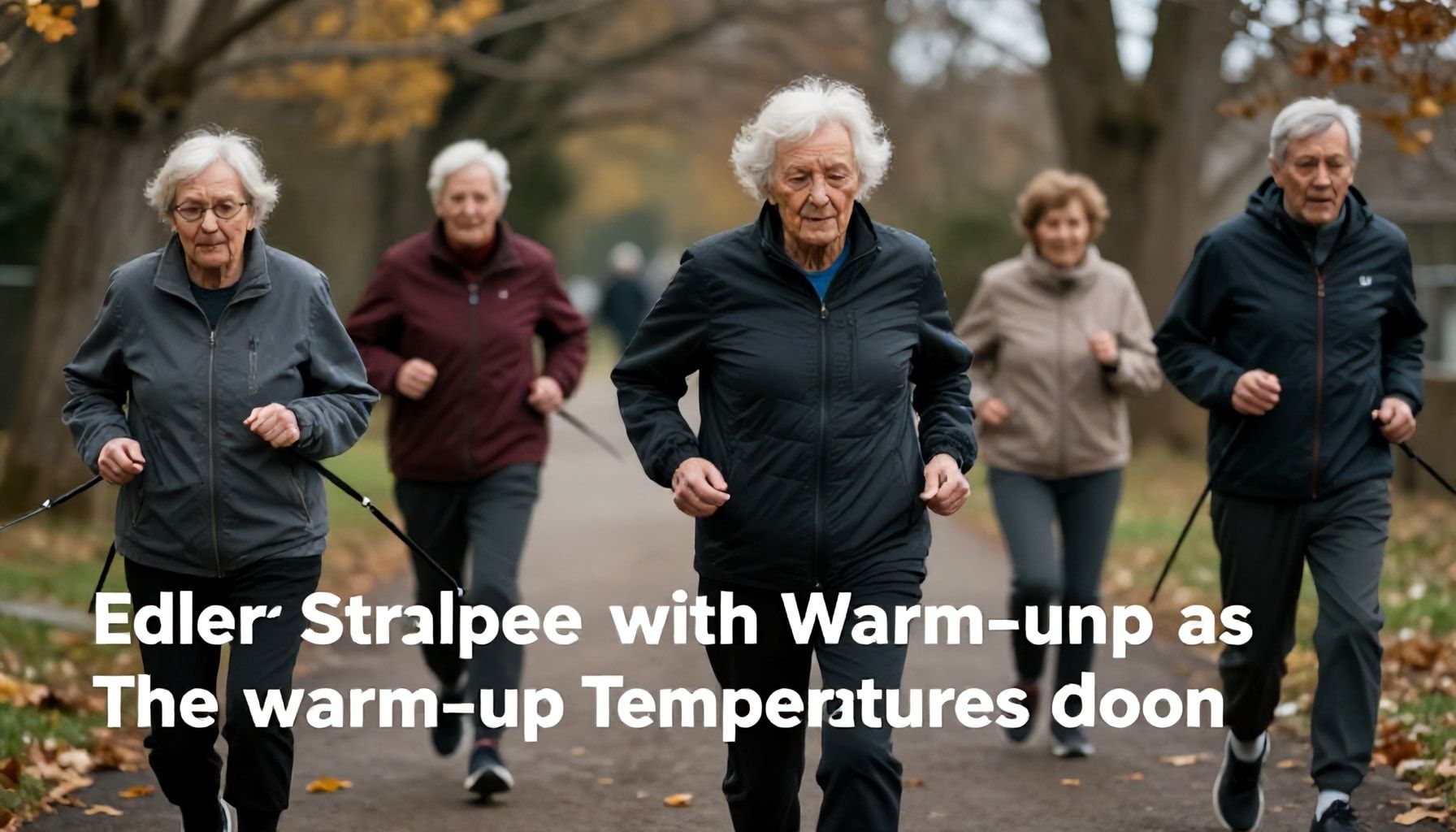
As temperatures plummet across the UK, elderly residents are facing significant challenges in warming up, with charities warning of a sharp rise in cold-related health issues. The problem, particularly acute among those aged 65 and over, has been exacerbated by the ongoing energy crisis, with many older adults struggling to afford adequate heating. Data from Age UK reveals that last winter, over 2.5 million people aged 65 and older lived in fuel poverty, with figures expected to rise this year. The issue is most pronounced in areas with poor insulation and older housing stock, such as parts of Northern England and Scotland. Experts attribute the struggle to warm up to the physiological changes that occur with age, which can make it harder for older adults to regulate their body temperature. The combination of these factors has led to a surge in hospital admissions for conditions such as pneumonia and hypothermia, placing immense pressure on the NHS.
Elderly Face Challenges as Temperatures Plummet
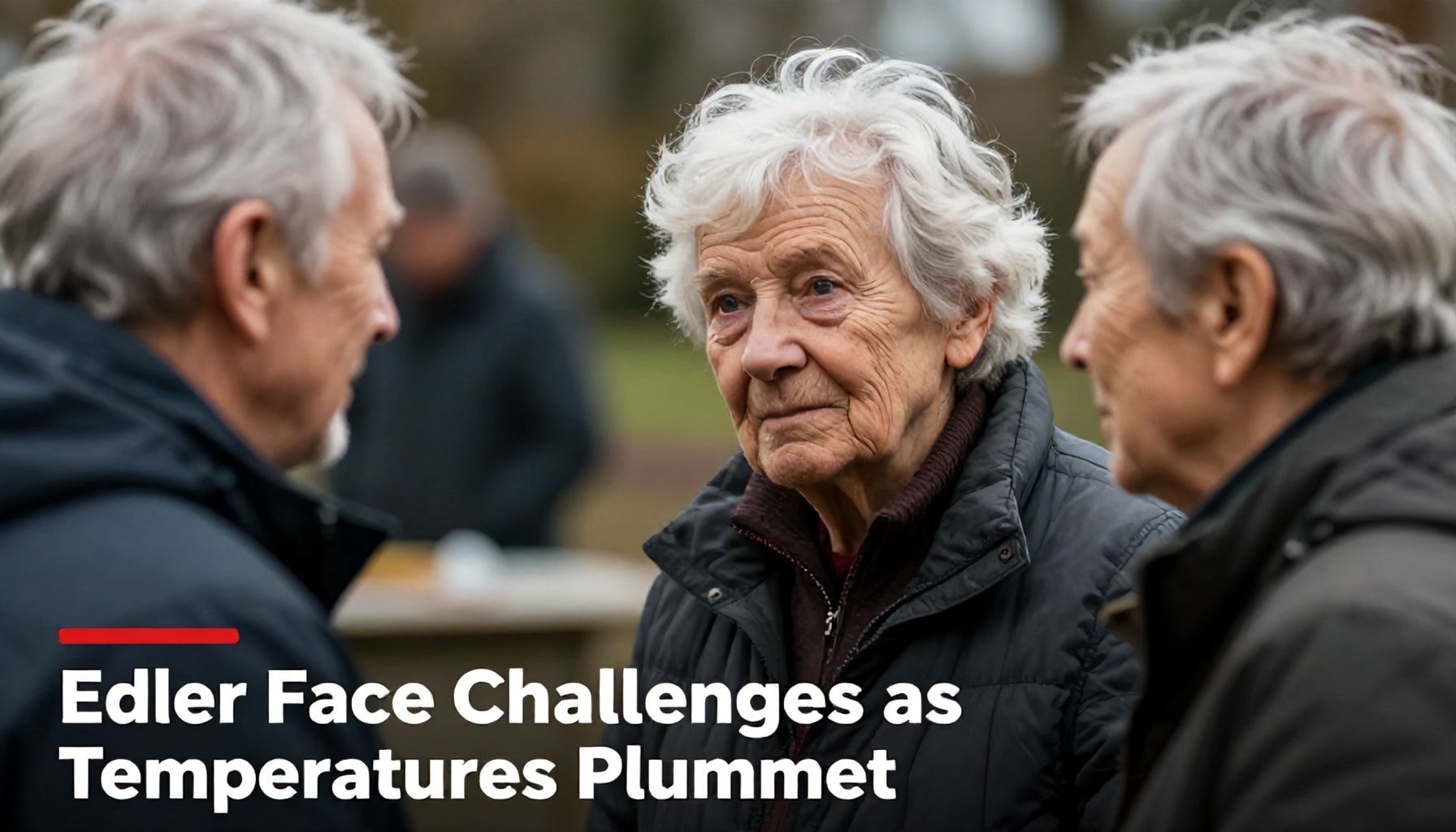
Britain’s elderly population faces significant challenges as temperatures plummet. The Met Office reports a sharp decline in temperatures across the UK, with some regions experiencing lows of -5°C. This sudden drop has exacerbated the warm-up problem among older adults, who struggle to regulate their body temperature.
Age UK warns that elderly individuals are particularly vulnerable to cold-related illnesses. The charity states that over 25,000 older people die each year due to the cold. Many struggle with mobility issues, making it difficult to adjust heating systems or move around to stay warm.
The NHS has seen a surge in admissions related to hypothermia and exacerbations of chronic conditions. Dr. Emily Hart, a GP in Manchester, notes a 30% increase in calls from elderly patients struggling with the cold. “Many live alone and lack support to keep their homes adequately heated,” she says.
Fuel poverty remains a critical issue, with over 2.5 million UK households unable to afford proper heating. The Joseph Rowntree Foundation highlights that many elderly people cut back on essentials to pay for warmth. This situation is pushing more older adults into financial hardship.
Local councils are urging communities to check on elderly neighbours. Simple measures, such as ensuring homes are well-insulated and heating systems are functioning, can make a significant difference. The cold weather is expected to persist, so immediate action is crucial to protect vulnerable individuals.
Warm-Up Struggles Highlighted in Ageing Population

As temperatures plummet across the UK, elderly individuals are facing significant challenges in warming up, according to Age UK. The charity reports a 15% increase in calls to their helpline from older people struggling with cold-related issues this winter.
Many elderly individuals are finding it increasingly difficult to maintain a comfortable indoor temperature. A survey by the Energy Saving Trust revealed that 40% of people aged 65 and over admitted to feeling cold in their homes regularly.
The problem is exacerbated by the rising cost of living, with many older adults forced to choose between heating and other essentials. “We’re seeing more and more older people coming to us for help because they can’t afford to heat their homes properly,” said Caroline Abrahams, Charity Director at Age UK.
Health professionals warn that prolonged exposure to cold can have serious consequences for the elderly. Dr. Angela Donkin, Deputy Director of Public Health at Public Health England, stated, “Cold homes can lead to a range of health problems, including exacerbation of existing conditions like heart disease and respiratory illnesses.”
Local councils are stepping up efforts to support vulnerable elderly residents. Birmingham City Council, for instance, has launched a winter support scheme, providing free insulation and heating checks to those in need.
Despite these efforts, charities argue that more needs to be done to address the issue. “The government must take urgent action to ensure that all older people can keep warm and safe this winter,” Abrahams urged.
In the meantime, organisations like the British Red Cross are offering practical advice to help elderly individuals stay warm. This includes dressing in layers, using hot water bottles, and seeking support from local community groups.
The situation highlights the urgent need for comprehensive solutions to support the ageing population during the cold winter months.
Cold Weather Exacerbates Mobility Issues for Seniors
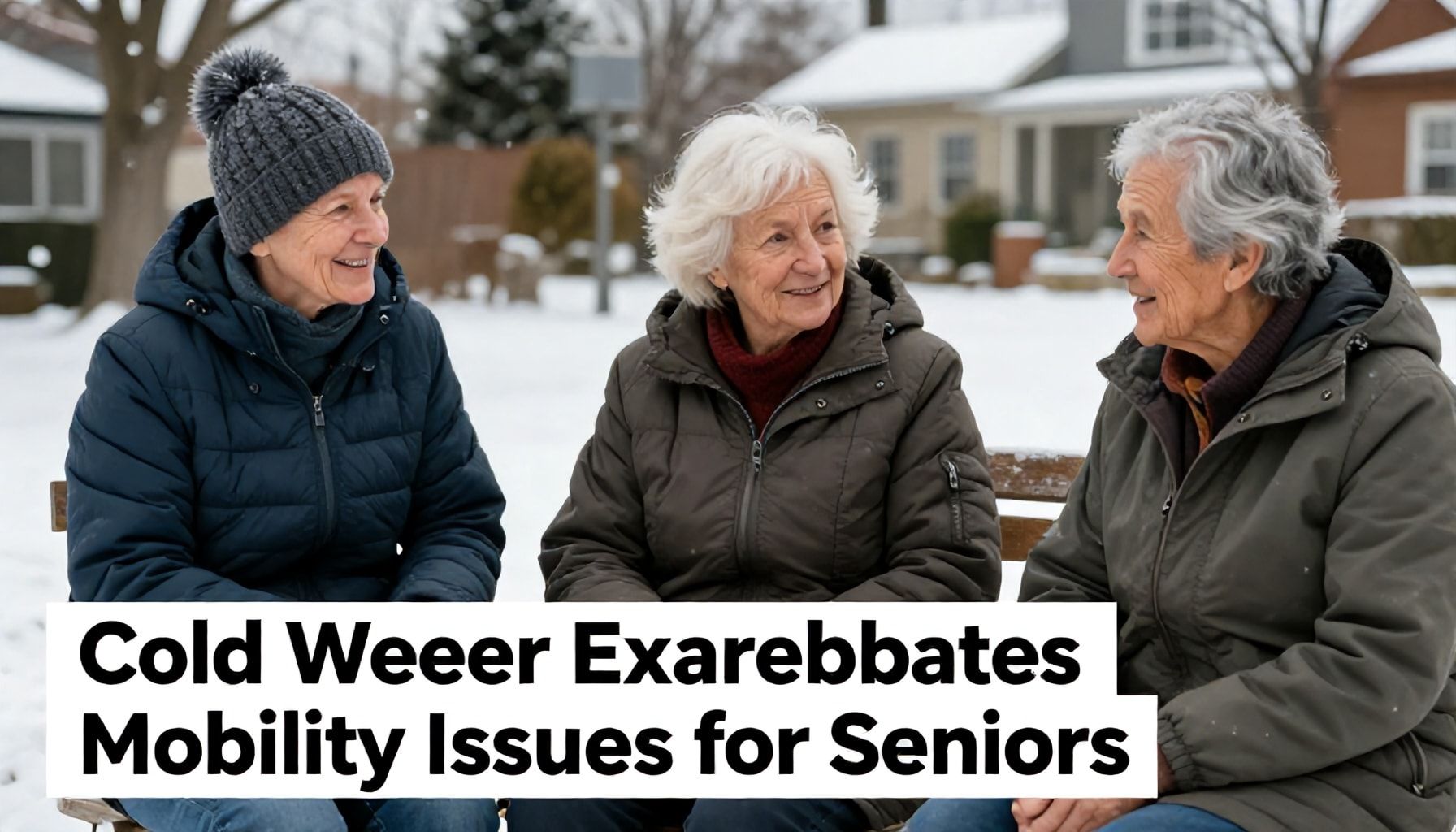
As temperatures plummet, elderly individuals across the UK face heightened mobility challenges. Age UK reports that one in three people aged 65 and over fall each year, with cold weather exacerbating this risk.
Muscle stiffness and joint pain intensify in colder conditions, making movement more difficult. Chartered physiotherapist Sarah Blake notes that “older adults often experience reduced circulation and muscle atrophy, which cold weather can worsen.”
The NHS advises seniors to warm up properly before physical activity, but many struggle with this routine. A study by the University of Manchester found that 40% of seniors skip warm-ups due to forgetfulness or lack of awareness.
Falls in the elderly can lead to severe injuries, including hip fractures. Data from the National Hip Fracture Database shows that hip fractures increase by 20% during winter months.
Local councils are urging seniors to take precautions. Birmingham City Council has launched a campaign encouraging older residents to wear appropriate footwear and use walking aids when necessary.
Healthcare professionals recommend indoor exercises to maintain mobility. The British Heart Foundation suggests simple activities like chair yoga or stretching to keep muscles limber.
Community support groups are stepping up to help. Age UK’s “Fall Proof” programme offers practical advice and exercises tailored to older adults.
Despite these efforts, many seniors still face mobility issues. Experts call for more targeted interventions to address the specific needs of the elderly during colder months.
The government has pledged to invest in fall prevention programmes. Health Secretary Steve Barclay announced a £5 million fund to support initiatives aimed at reducing falls among the elderly.
As winter progresses, the focus remains on keeping older adults safe and mobile. With the right support and precautions, the impact of cold weather on mobility can be mitigated.
Health Authorities Warn of Increased Risks for Elderly
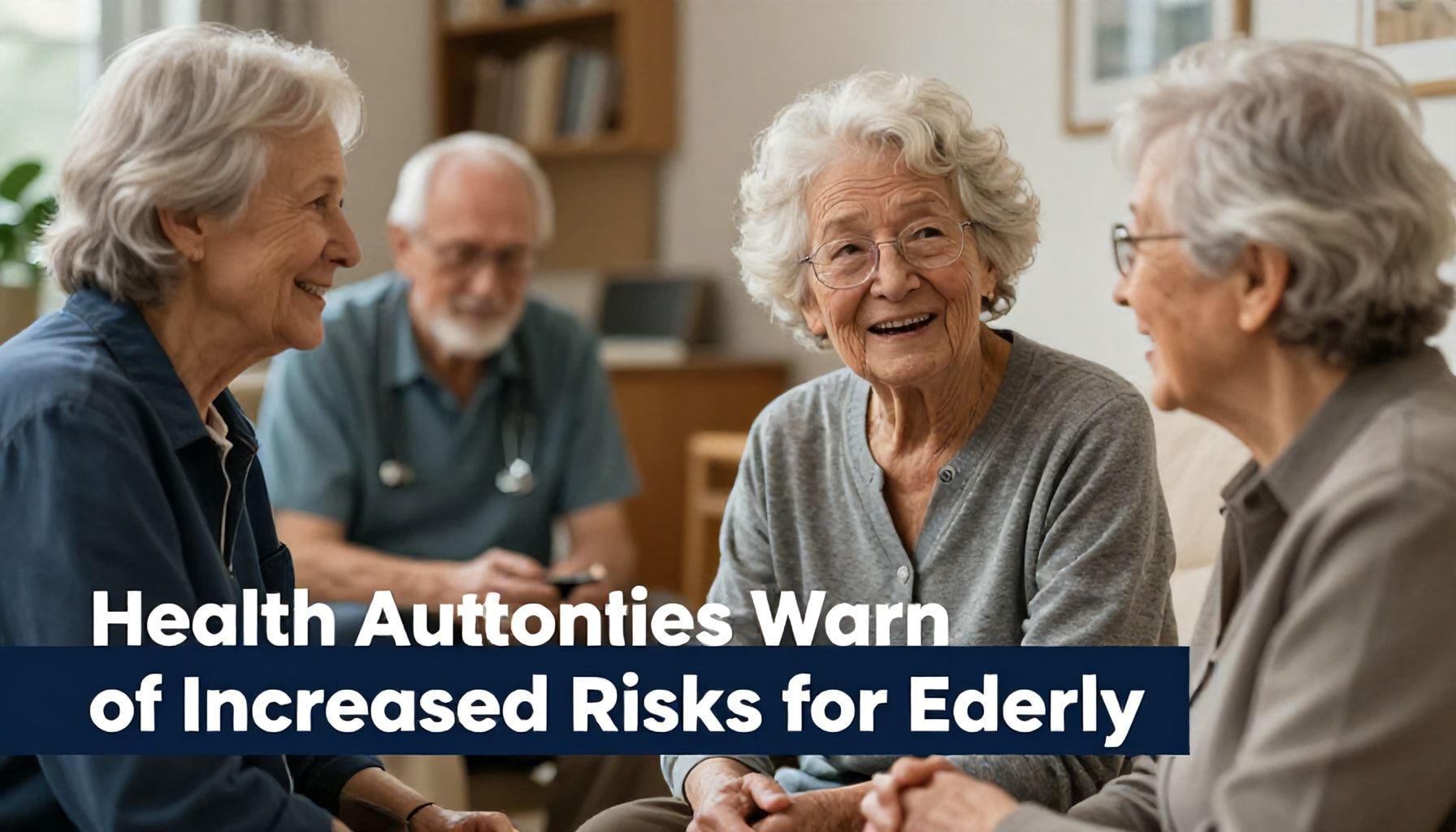
Health authorities have issued warnings about increased risks to elderly individuals as temperatures drop. The UK Health Security Agency (UKHSA) has highlighted that older adults struggle more with sudden temperature changes. This is due to physiological changes that reduce their ability to regulate body heat.
Data shows that those aged 65 and over are particularly vulnerable. The UKHSA reports that cold-related illnesses and deaths rise significantly in this age group. Last winter, there were over 50,000 excess deaths attributed to cold weather.
Dr. Angela McClean, a geriatric specialist, explained the underlying issues. “Elderly individuals often have chronic conditions that make them more susceptible to cold,” she said. “Their bodies also produce less heat and respond more slowly to temperature changes.”
The UKHSA advises taking proactive measures to protect the elderly. This includes ensuring homes are adequately heated and checking on vulnerable neighbours. The agency recommends maintaining indoor temperatures at least 21°C.
Local councils are also stepping up efforts to support older residents. Many have launched campaigns to distribute warm clothing and provide heating assistance. Authorities urge the public to stay vigilant and report any concerns about elderly individuals struggling with the cold.
Communities Rally to Support Vulnerable Older Adults
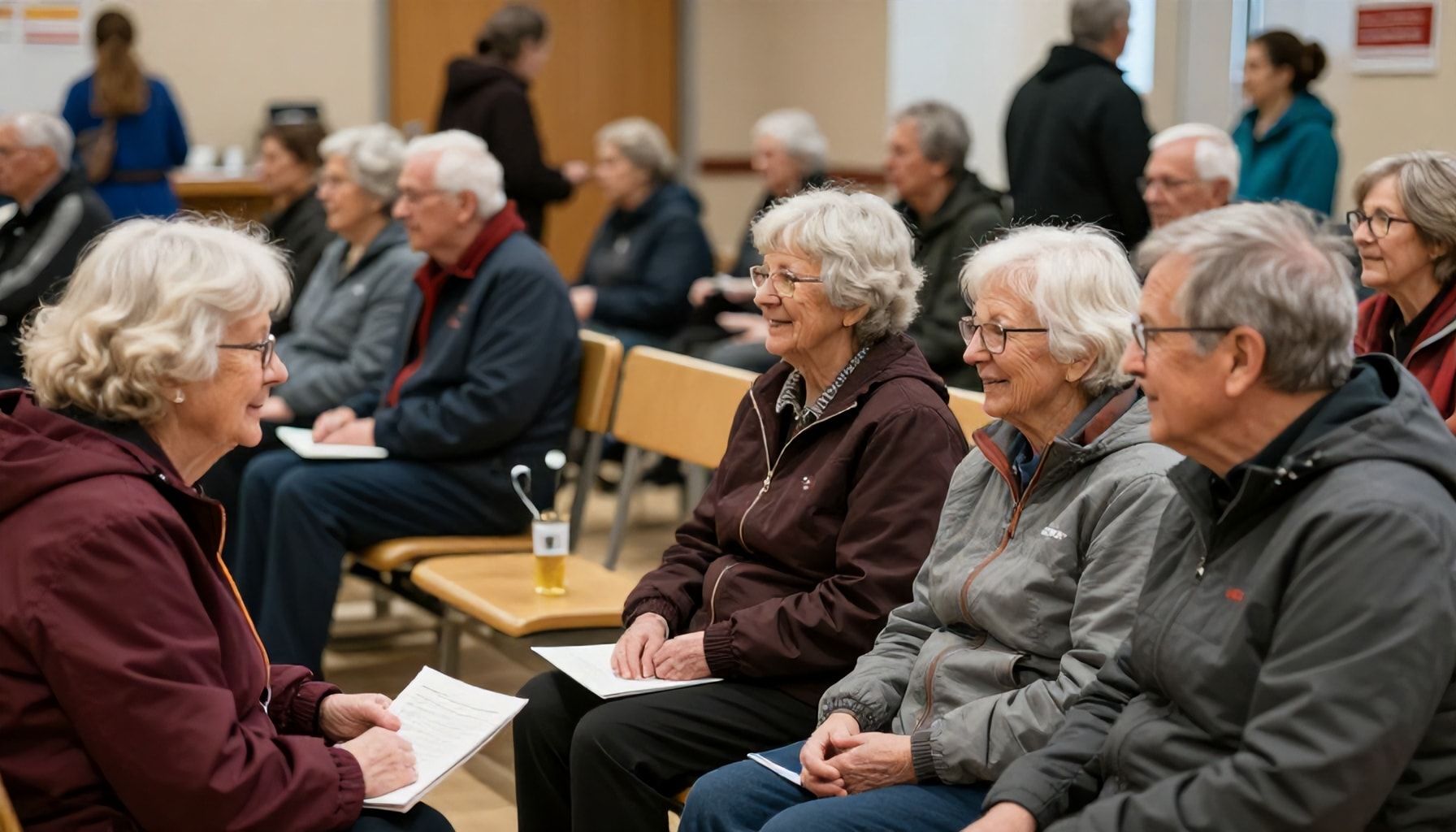
As temperatures plummet across the UK, communities are rallying to support vulnerable older adults struggling to stay warm. Age UK reports that over 2.5 million elderly individuals live in fuel poverty, with many forced to choose between heating and eating.
Local councils and charities are stepping up efforts to combat the issue. The British Red Cross has launched a ‘Keep Warm, Keep Well’ campaign, distributing blankets and hot meals to those in need. Meanwhile, community groups are organising ‘warm hubs’ where older adults can escape the cold.
The NHS warns that cold homes contribute to excess winter deaths, with figures showing that last year, 25,600 deaths were attributed to the cold. Dr. Yvonne Doyle, Medical Director at Public Health England, urges people to check on elderly neighbours, stating, “A small act of kindness can make a big difference.”
Despite these efforts, many older adults remain at risk. Research from the Energy Saving Trust reveals that 40% of pensioners do not know how to access financial support for heating costs. The government’s Winter Fuel Payment, worth between £100 and £300, remains underutilised, with many eligible individuals missing out.
Charities call for greater awareness and action. “We need a joined-up approach to tackle this issue,” says Caroline Abrahams, Charity Director at Age UK. “No one should have to choose between heating and eating in this day and age.”
As the cold snap continues, communities are urged to play their part. Simple actions, such as checking on elderly neighbours and reporting vulnerable individuals to local support services, can save lives. The Met Office forecasts that temperatures will remain low, with further snow showers expected in the coming weeks.
As the cold snap continues, charities are urging communities to check on elderly neighbours who may be struggling with rising heating costs. The government has pledged to review energy support schemes, acknowledging the particular vulnerabilities of older populations during extreme weather. Meanwhile, public health officials warn that prolonged exposure to cold temperatures can exacerbate existing health conditions, placing additional strain on the NHS. With forecasts predicting further drops in temperature, the need for adequate support and protection for the elderly has never been more critical.






