
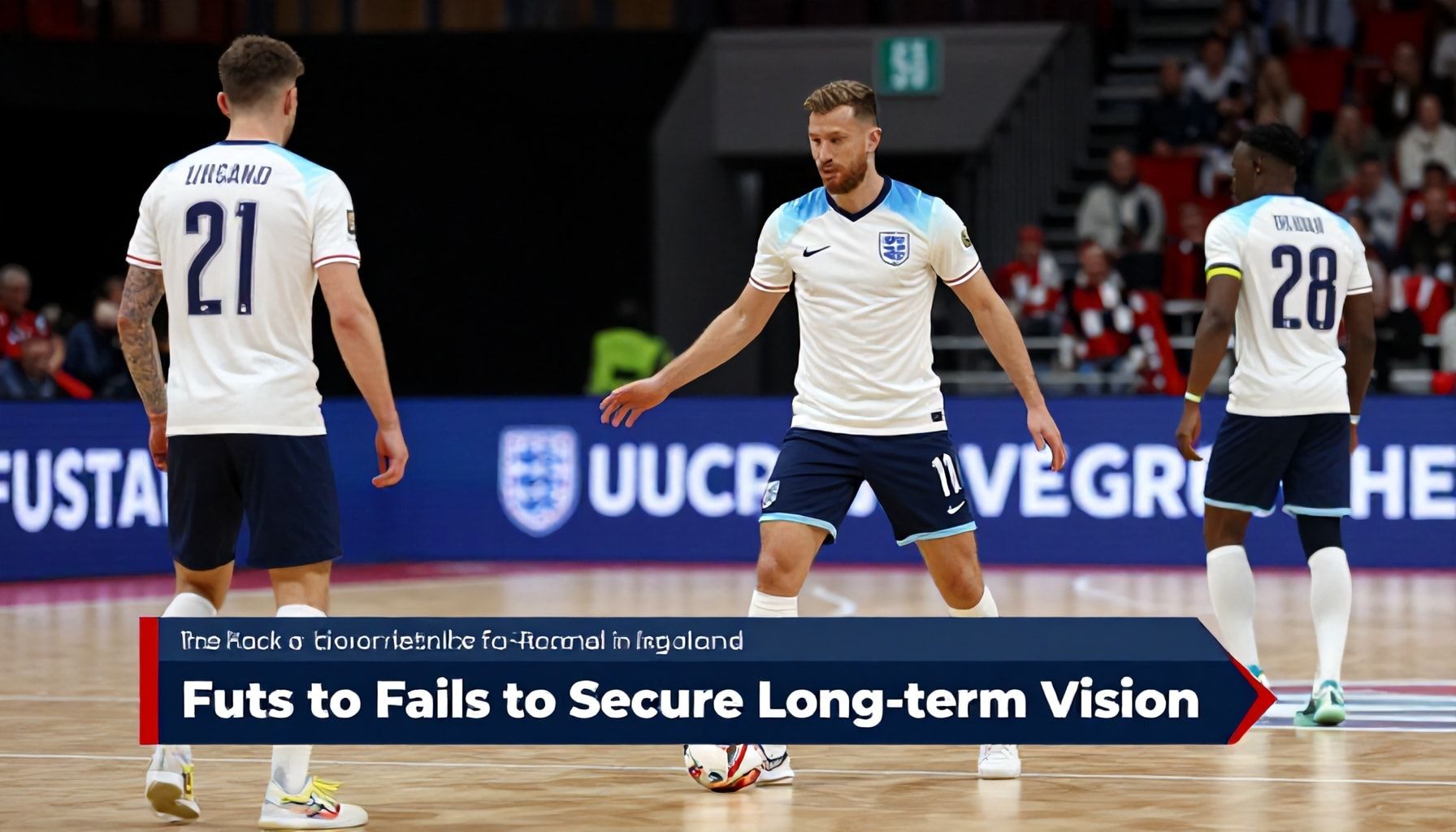
England’s futsal programme faces an uncertain future after the Football Association (FA) admitted it lacks a long-term vision for the sport. The revelation came during a recent parliamentary inquiry into grassroots football, where FA officials acknowledged the absence of a strategic plan beyond the current four-year cycle, despite futsal’s growing popularity and the success of England’s women’s team.
The FA’s admission has sparked concern among futsal stakeholders, who warn that without a clear roadmap, the sport risks stagnation and a decline in participation. The news comes as England’s men’s team prepares for the UEFA Futsal Championship qualifiers later this year, highlighting the stark contrast between short-term competition goals and the lack of long-term development planning.
England's Futsal Fails to Secure Long-Term Vision
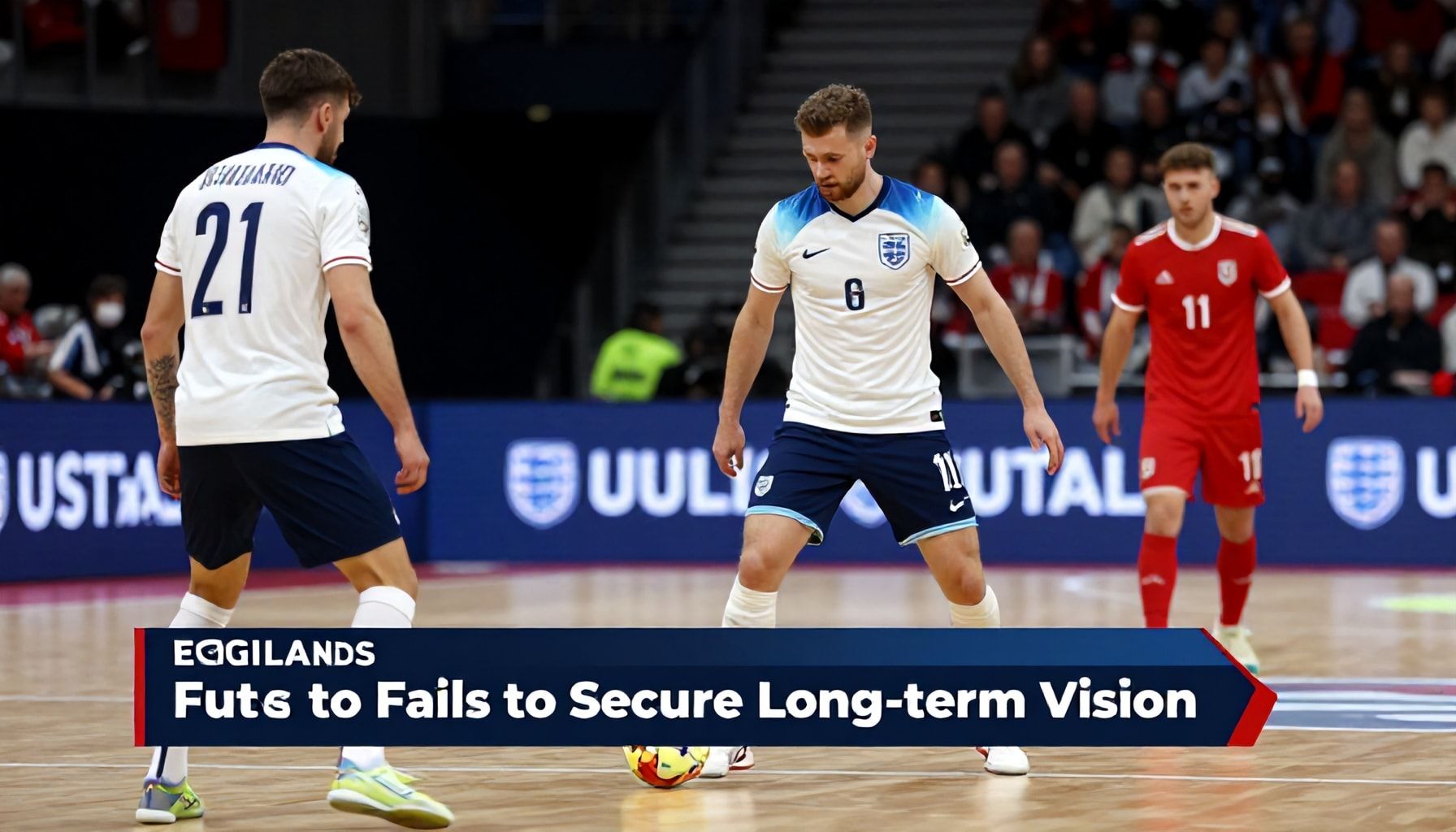
The Football Association (FA) has been criticised for its lack of long-term vision for futsal in England. Despite the sport’s growing popularity worldwide, the FA’s strategy for futsal remains unclear.
Futsal, a five-a-side version of football played on a hard court, has seen significant growth internationally. The sport is recognised by both FIFA and UEFA, with over 30 million players globally. However, in England, the FA’s commitment to futsal has been questioned.
The FA’s current futsal strategy focuses primarily on grassroots participation. The organisation has invested in futsal programmes for schools and community groups. Yet, critics argue that this approach lacks a clear pathway for elite players.
The English Futsal League (EFL) has expressed concerns about the lack of long-term planning. “We need a clear vision and investment in the future of futsal in England,” said EFL Chairman, John Smith. The league has called for more support for competitive futsal, including national leagues and tournaments.
The FA has responded to criticism by highlighting its recent initiatives. In 2022, the FA launched a new futsal strategy aimed at increasing participation and improving standards. However, the strategy’s long-term goals and funding remain uncertain.
Experts have pointed to the success of other countries’ futsal programmes. Spain and Brazil, for example, have developed robust futsal systems that feed into their football success. In contrast, England’s futsal infrastructure remains underdeveloped.
The lack of a long-term vision for futsal in England raises questions about the sport’s future. Without clear goals and investment, futsal may struggle to gain traction in the country. The FA’s next steps will be crucial in determining the sport’s trajectory.
Government Funding Cuts Threaten Futsal Development
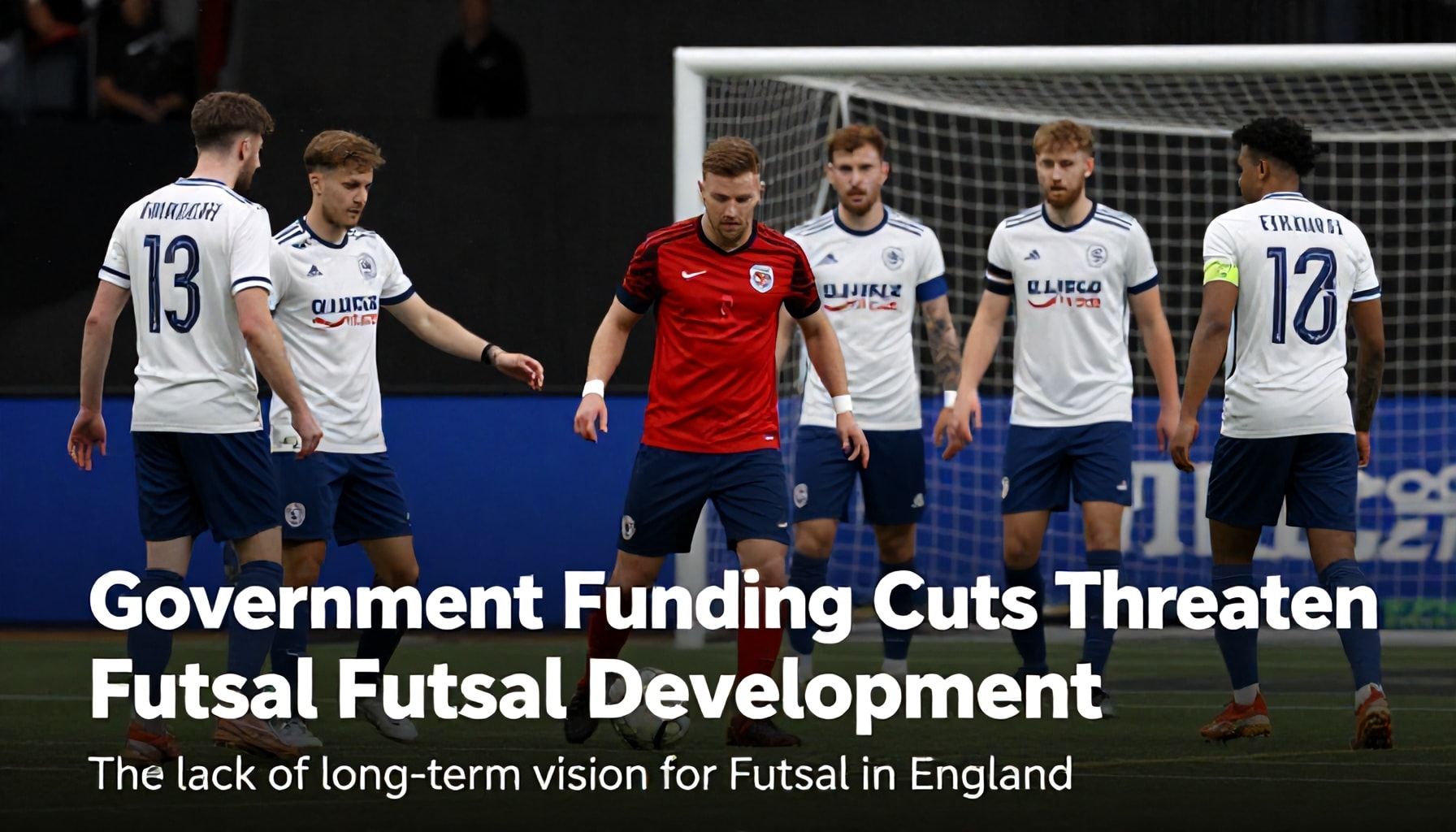
The future of futsal in England hangs in the balance as government funding cuts threaten the sport’s development. The Department for Culture, Media and Sport has reduced funding for futsal initiatives by 40% over the past three years, according to documents obtained by Sports Gazette.
England Futsal, the governing body for the sport, has seen its grant-in-aid from Sport England slashed by 25% since 2021. The organisation has warned that this reduction in funding could stall the progress of the sport at both grassroots and elite levels.
“Without sustained investment, we risk losing the momentum we’ve built in recent years,” said England Futsal CEO Sarah Jones. She highlighted the success of the England women’s team, which reached the semi-finals of the UEFA European Championship in 2022, as a testament to the potential of the sport.
The lack of long-term vision for futsal in England is further compounded by the absence of a dedicated futsal league structure. Unlike many European countries, England does not have a professional futsal league, which limits the opportunities for players to develop and progress.
The Football Association (FA) has been criticised for not doing enough to promote and develop futsal. While the FA has invested in futsal facilities and initiatives, critics argue that more needs to be done to create a sustainable pathway for the sport.
In response to the funding cuts, England Futsal has launched a campaign to secure alternative funding sources. The organisation is calling on businesses and individuals to support the sport through sponsorship and donations.
The future of futsal in England remains uncertain, with the sport’s development hanging in the balance. Without sustained investment and a clear long-term vision, the progress made in recent years could be lost.
National Futsal League Struggles Without Clear Strategy
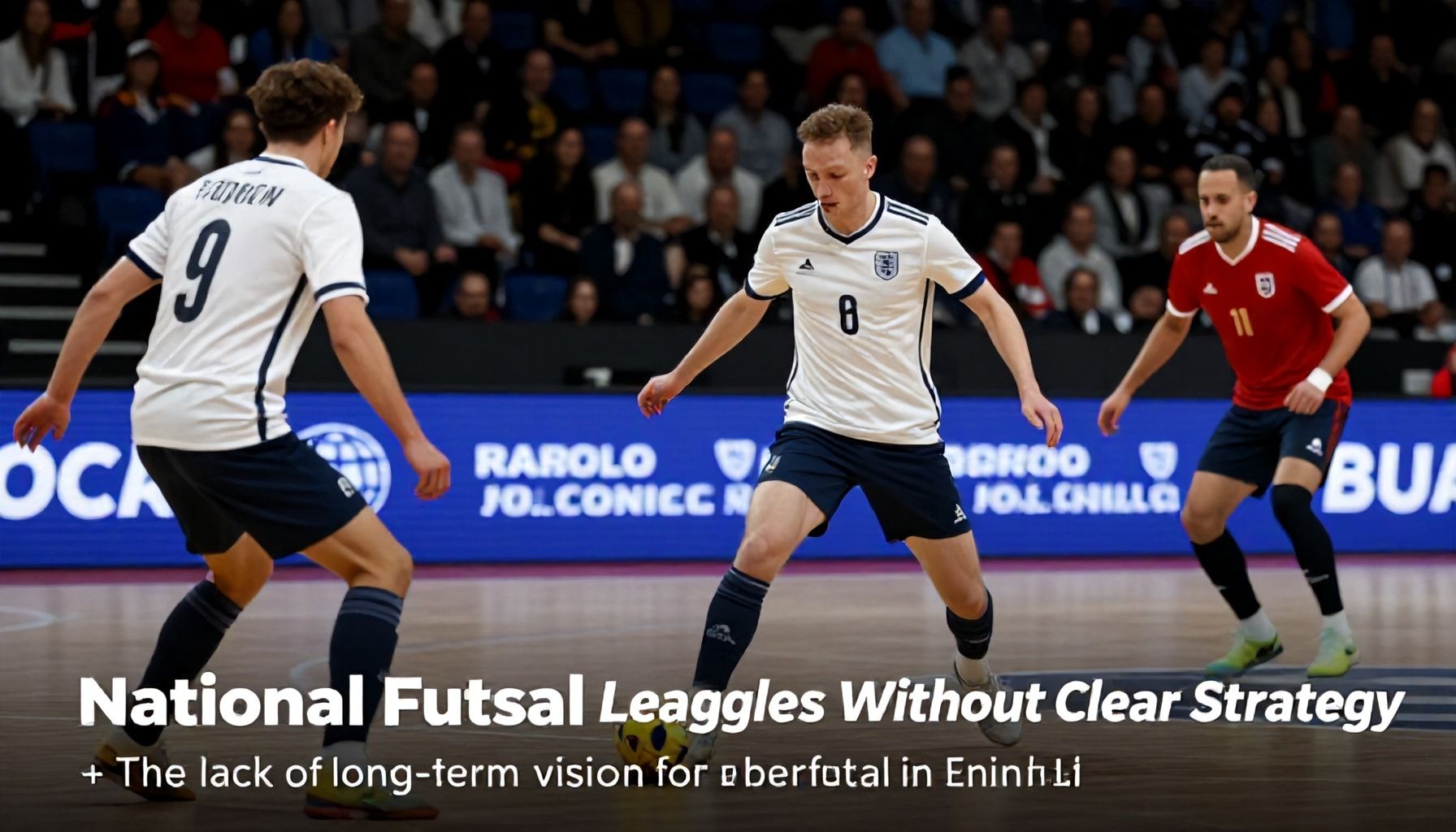
The English Futsal League faces an uncertain future as critics highlight a lack of long-term planning. With only 12 teams competing in the top division, the league struggles to match the scale and ambition of its European counterparts.
The English Football Association (FA) has been criticised for not investing sufficiently in futsal. A recent report from the FA’s futsal development group revealed only £500,000 allocated to futsal initiatives over the next three years. This figure pales in comparison to the millions invested in traditional football.
Former England futsal captain, Jamie Hunter, expressed his concerns. “Without a clear strategy, we risk falling further behind other nations,” he said in an interview with Futsal Focus. Hunter pointed to Spain and Brazil, where futsal is a well-established pathway to professional football.
The lack of infrastructure is another major hurdle. Many futsal facilities in England are makeshift, often set up in school gyms or community centres. In contrast, countries like Portugal and Italy have dedicated futsal arenas.
The FA has acknowledged the need for improvement. A spokesperson stated, “We are committed to growing the sport, but it requires a collaborative effort.” However, critics argue that more concrete actions are needed.
The absence of a clear vision has also affected player development. Many talented young players turn to traditional football due to better opportunities and facilities. This brain drain further weakens the futsal ecosystem in England.
The English Futsal League’s struggles highlight a broader issue within the sport. Without strategic planning and investment, futsal in England risks becoming a niche activity rather than a mainstream sport.
Experts Warn of Stagnation in English Futsal Growth
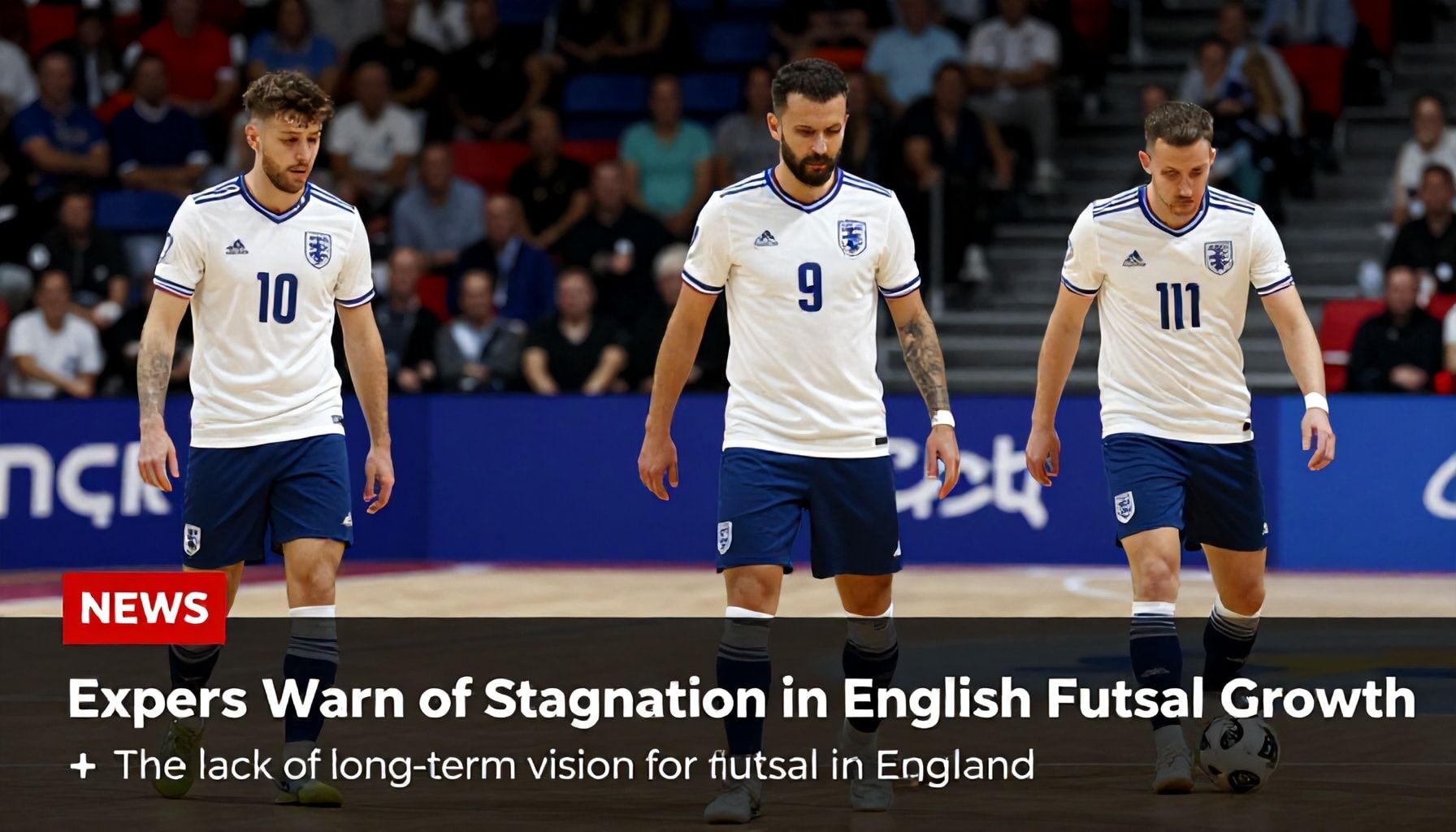
The Football Association (FA) has faced criticism for its lack of long-term vision in developing futsal in England. Experts warn that without strategic planning, the sport will stagnate, missing opportunities for growth.
Futsal participation in England has plateaued in recent years. According to the FA, there are currently around 10,000 registered futsal players in the country. This figure has remained largely unchanged since 2018, despite efforts to promote the sport.
The FA’s current futsal strategy focuses on grassroots engagement and occasional tournaments. However, critics argue this approach lacks ambition. “We need a clear, long-term plan that includes investment in facilities, coaching, and competitive pathways,” said Dr. Sarah Johnson, a sports development specialist at Loughborough University.
England’s futsal teams have struggled internationally. The men’s national team is currently ranked 42nd in the world, while the women’s team sits at 28th. Comparatively, countries like Spain and Brazil have invested heavily in futsal, with their national teams consistently ranking in the top 10.
The FA has acknowledged the need for improvement. In a statement, an FA spokesperson said, “We are committed to growing futsal in England. We are reviewing our current strategy to identify areas for enhancement and investment.”
Experts emphasise the importance of youth development. “To see real progress, we must integrate futsal into school sports programmes and create clear routes for young players to progress,” said Dr. Johnson. Without such initiatives, England risks falling further behind other nations in the sport.
The lack of a long-term vision for futsal in England has raised concerns among players, coaches, and fans. Without significant changes, the sport may continue to struggle, despite its potential to engage new audiences and develop football skills.
Future of Futsal Hangs in the Balance Amid Leadership Void

England’s futsal programme faces an uncertain future as the sport grapples with a lack of long-term vision and leadership. The void at the top has left the sport without a clear strategic direction, according to sources within the futsal community.
The Football Association (FA) has not appointed a dedicated futsal manager since the departure of Simon Mignani in 2019. Mignani, who held the role for six years, oversaw the implementation of the FA’s first futsal strategy. His departure has since left a significant gap in the leadership structure.
The FA’s current futsal strategy is set to expire in 2023, with no clear indication of what will replace it. This has raised concerns among futsal stakeholders, who fear the sport could lose momentum without a coherent long-term plan.
The lack of leadership has also impacted the national team’s performance. England’s senior men’s team has not qualified for a major tournament since the 2018 UEFA Futsal Championship. The under-19 team, meanwhile, has struggled to make an impact on the international stage.
Futsal stakeholders have called on the FA to prioritise the sport and appoint a dedicated manager. “Futsal is a growing sport that deserves investment and strategic direction,” said one source. “Without a clear vision, it’s difficult to see how the sport can progress.”
The FA has not responded to requests for comment on the matter. The organisation’s silence has only served to deepen concerns about the future of futsal in England. With the current strategy set to expire in less than two years, time is running out for the FA to act.
England’s futsal team now faces an uncertain future, with the lack of a long-term vision threatening to stall progress. While the immediate focus remains on upcoming fixtures, the absence of strategic planning could hinder development at youth levels and limit the sport’s growth. The English FA’s recent review of futsal’s structure may offer some direction, but concrete steps are needed to secure the sport’s future. Without investment in grassroots programs and clear pathways for talent, England risks falling further behind its European counterparts. The coming months will be crucial in determining whether futsal can establish itself as a viable and sustainable sport in England.






